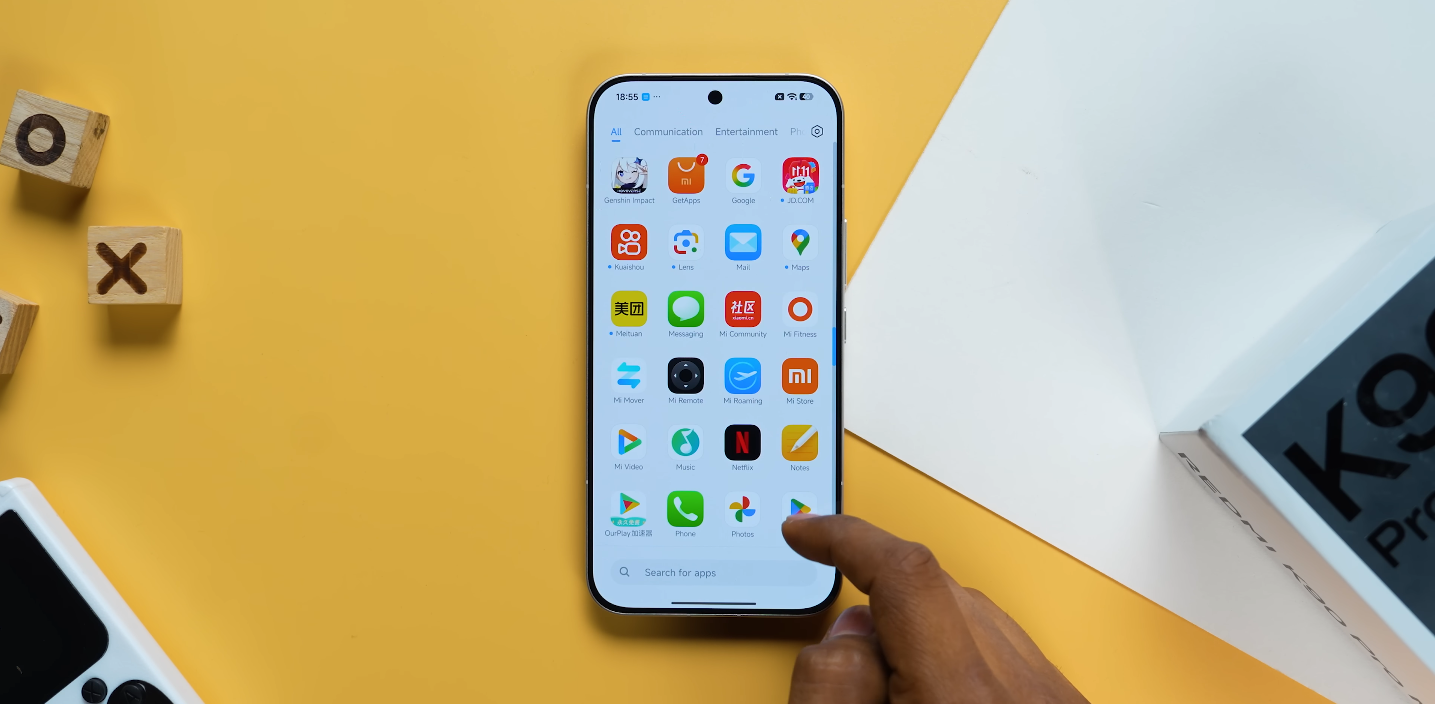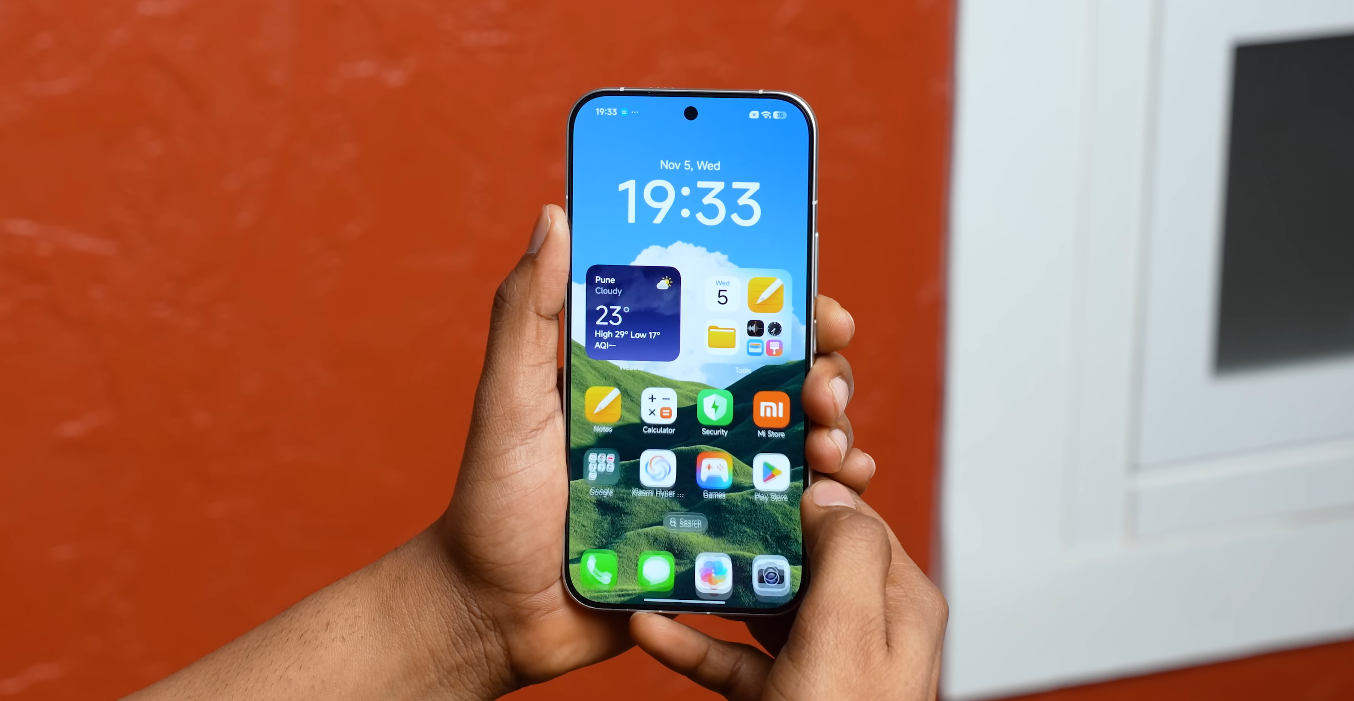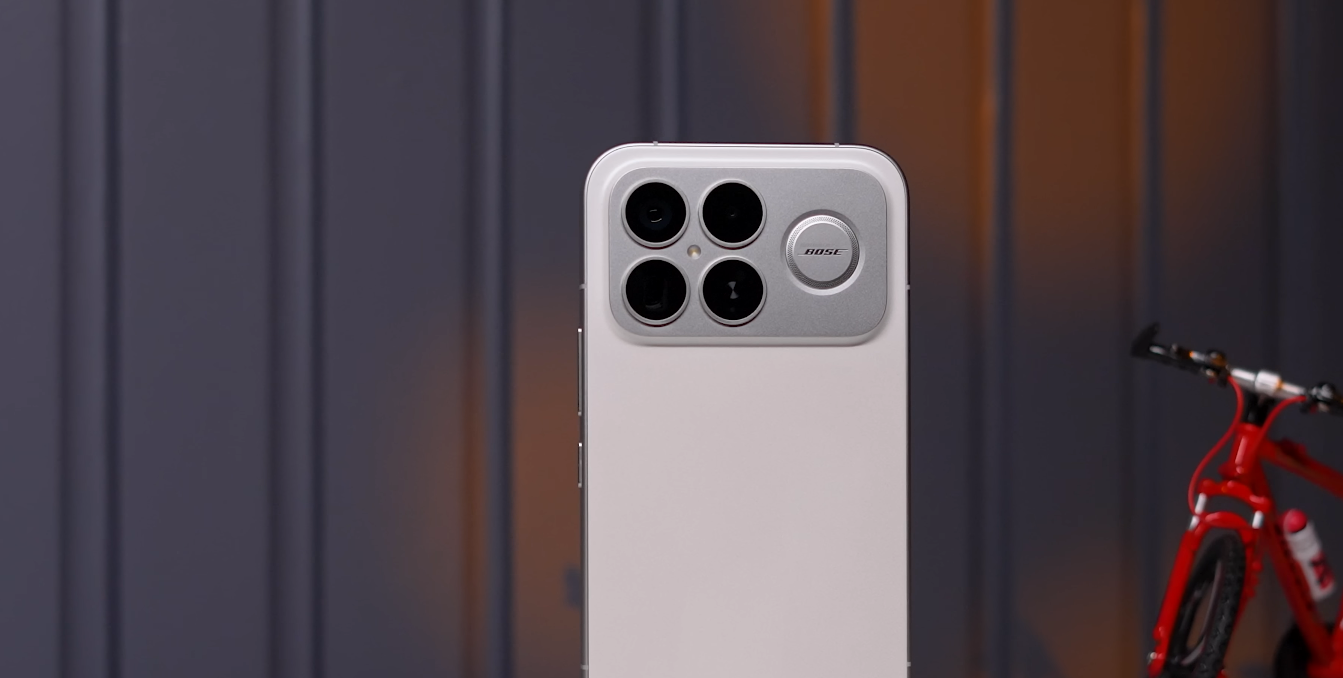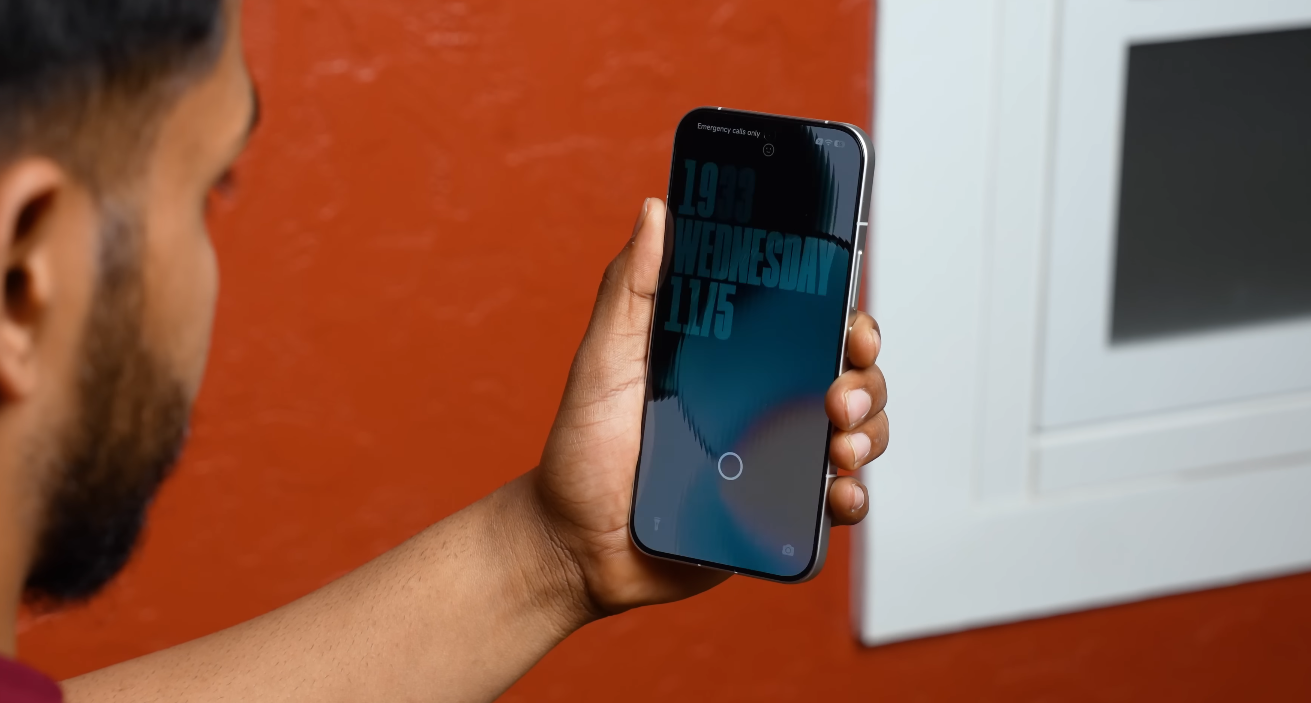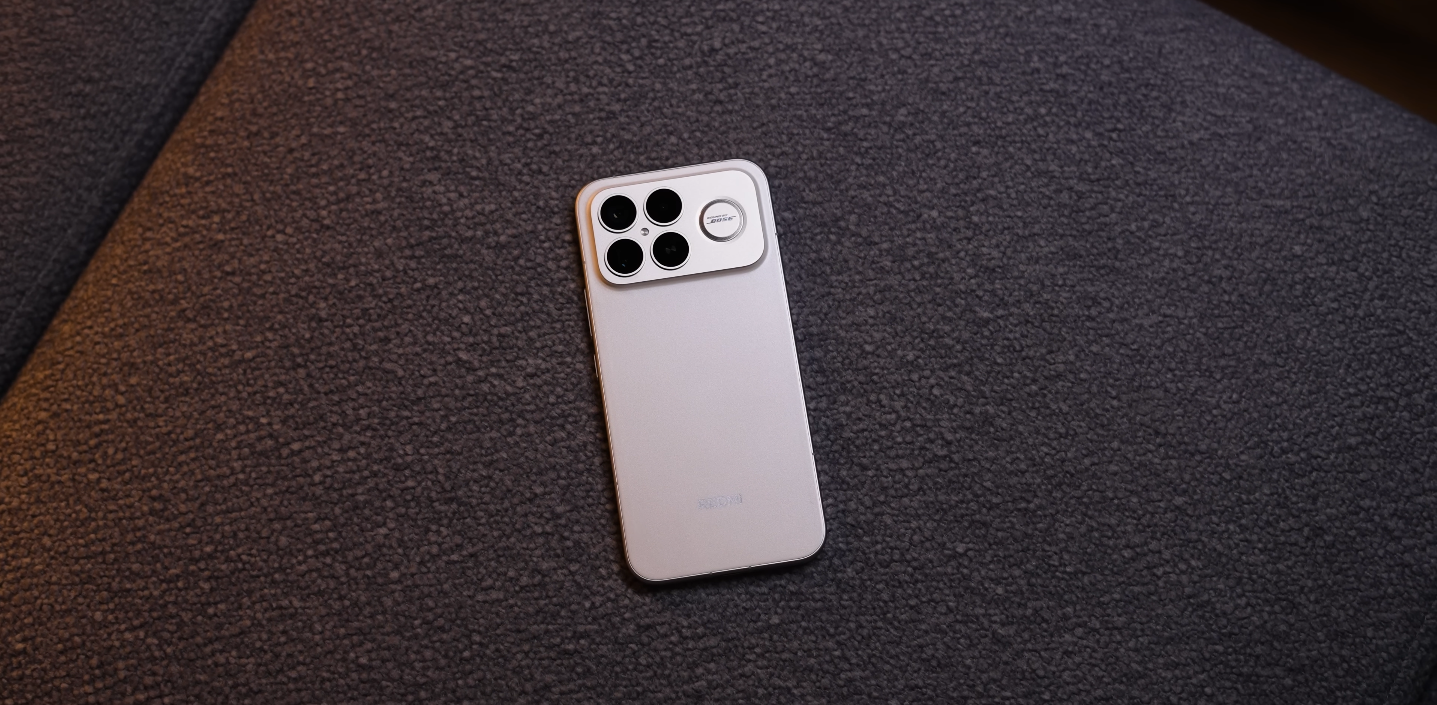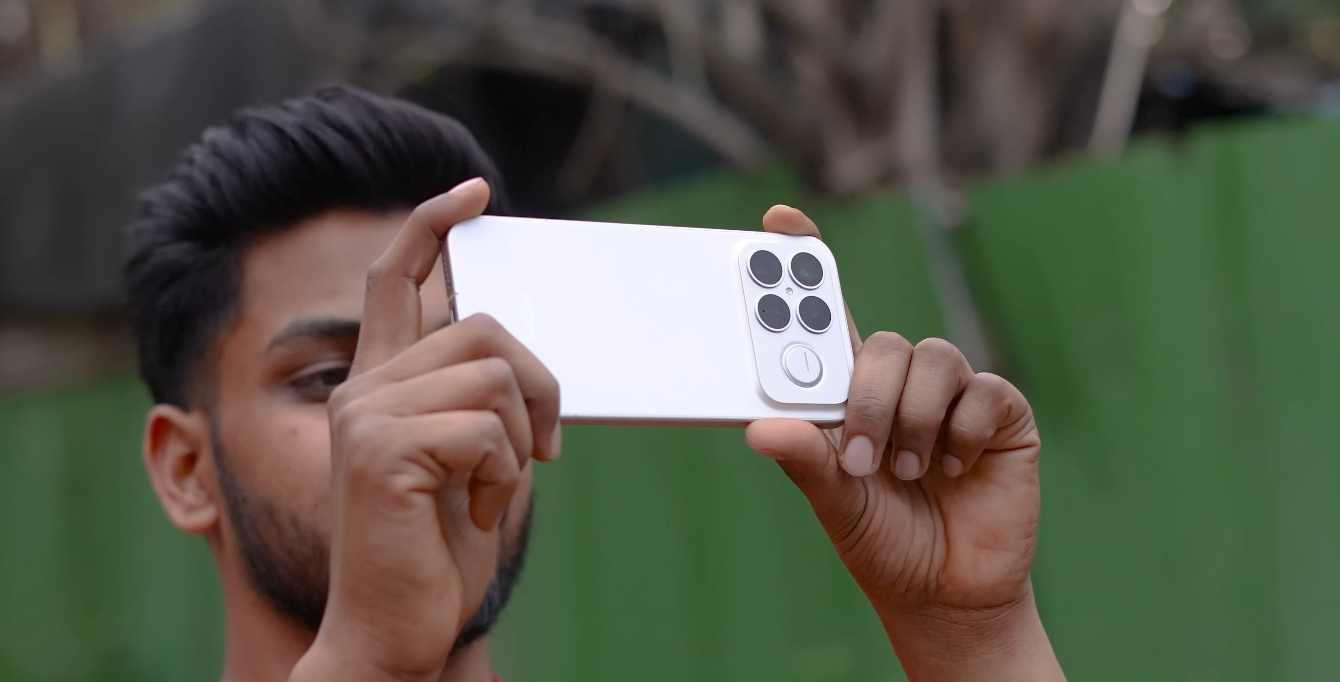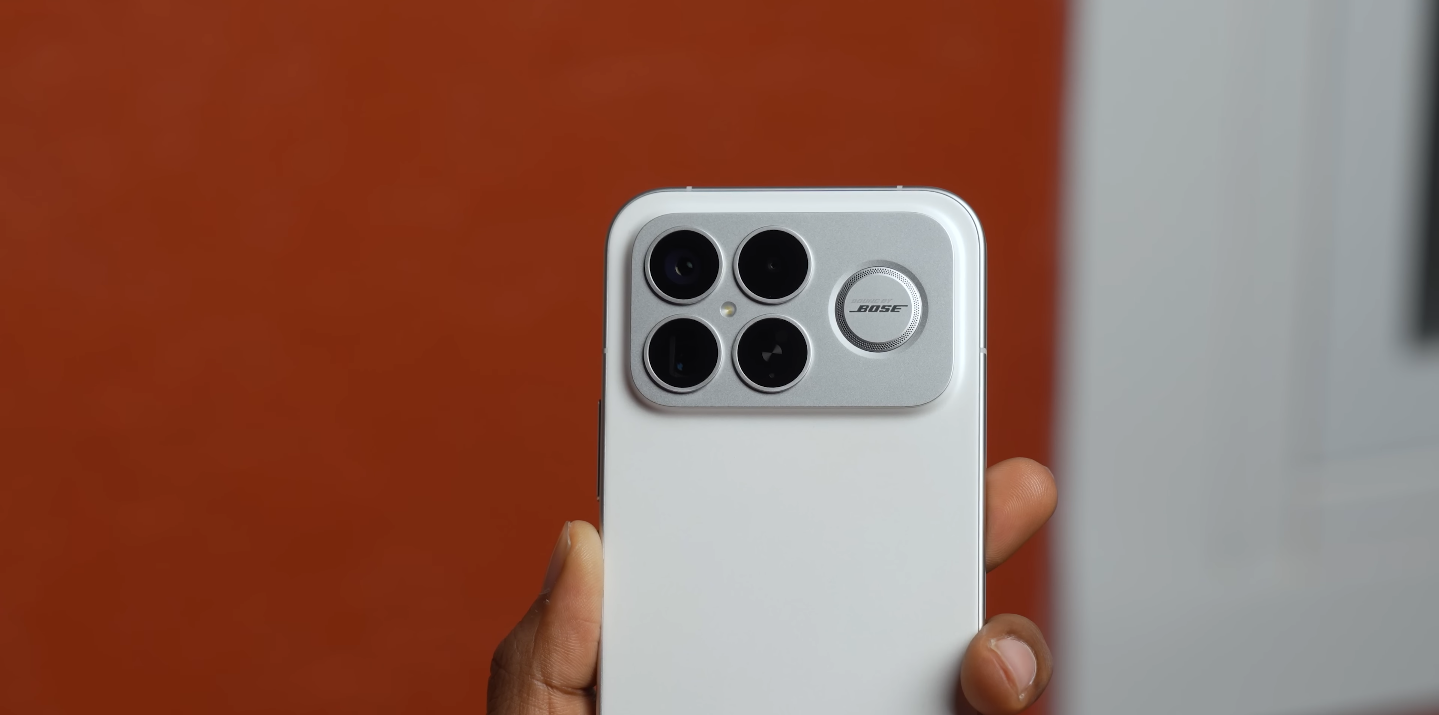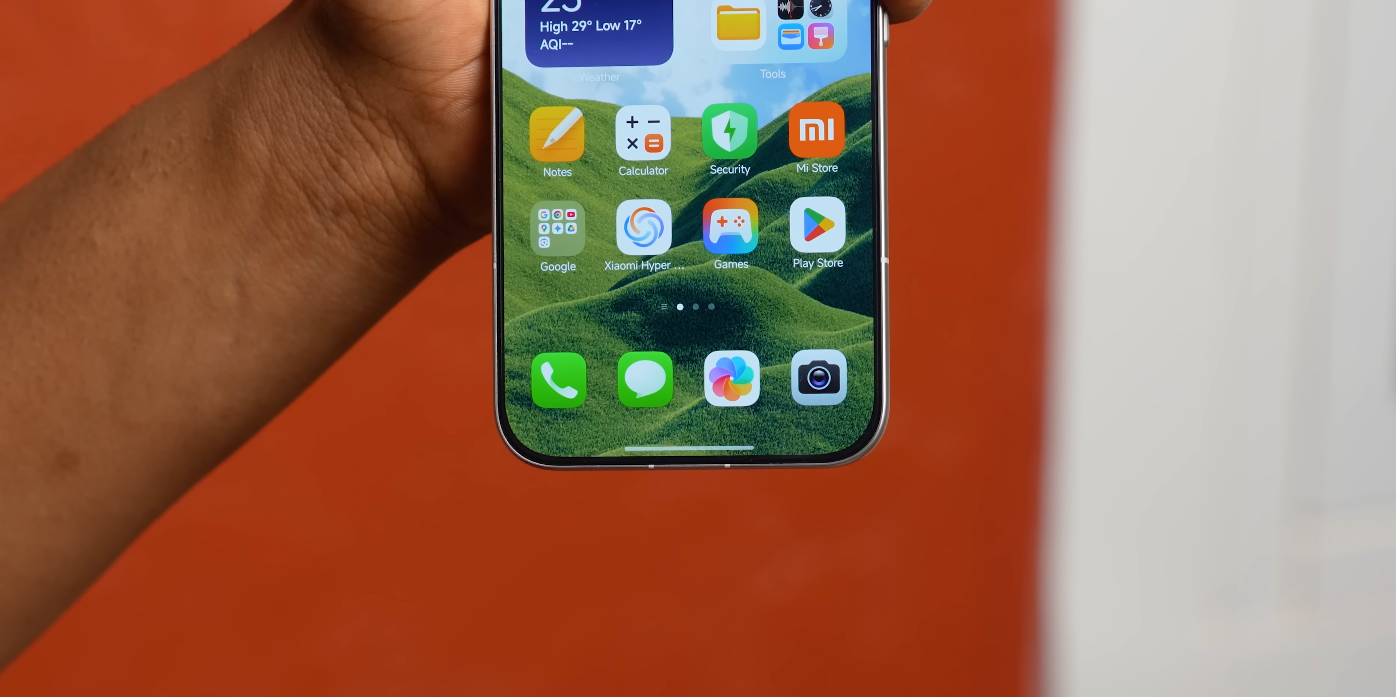
POCO F8 Pro best value usage scenarios: gaming, photography, all-rounder

POCO F8 Pro best value usage scenarios gaming, photography, all-rounder

Where the POCO F8 Pro Delivers the Most for Your Money

The POCO F8 Pro arrives as a powerful budget flagship, designed to offer strong performance across different use cases without the premium price tag. Understanding where this phone delivers the best value helps you decide whether it suits your daily routine, gaming habits or creative needs. With its combination of fast hardware, refined software and balanced features, the F8 Pro stands out as a versatile option for a wide range of users.

For gaming enthusiasts, the POCO F8 Pro presents a clear advantage thanks to its high-end chipset and optimised thermal performance. The fast processor ensures smooth gameplay even in graphically demanding titles, while the enhanced cooling system helps maintain stable frame rates during long sessions. The high-refresh display adds fluidity, making action-heavy games feel more responsive. Gamers who prioritise performance without wanting to pay flagship prices will find the F8 Pro to be one of the strongest value picks in its category.

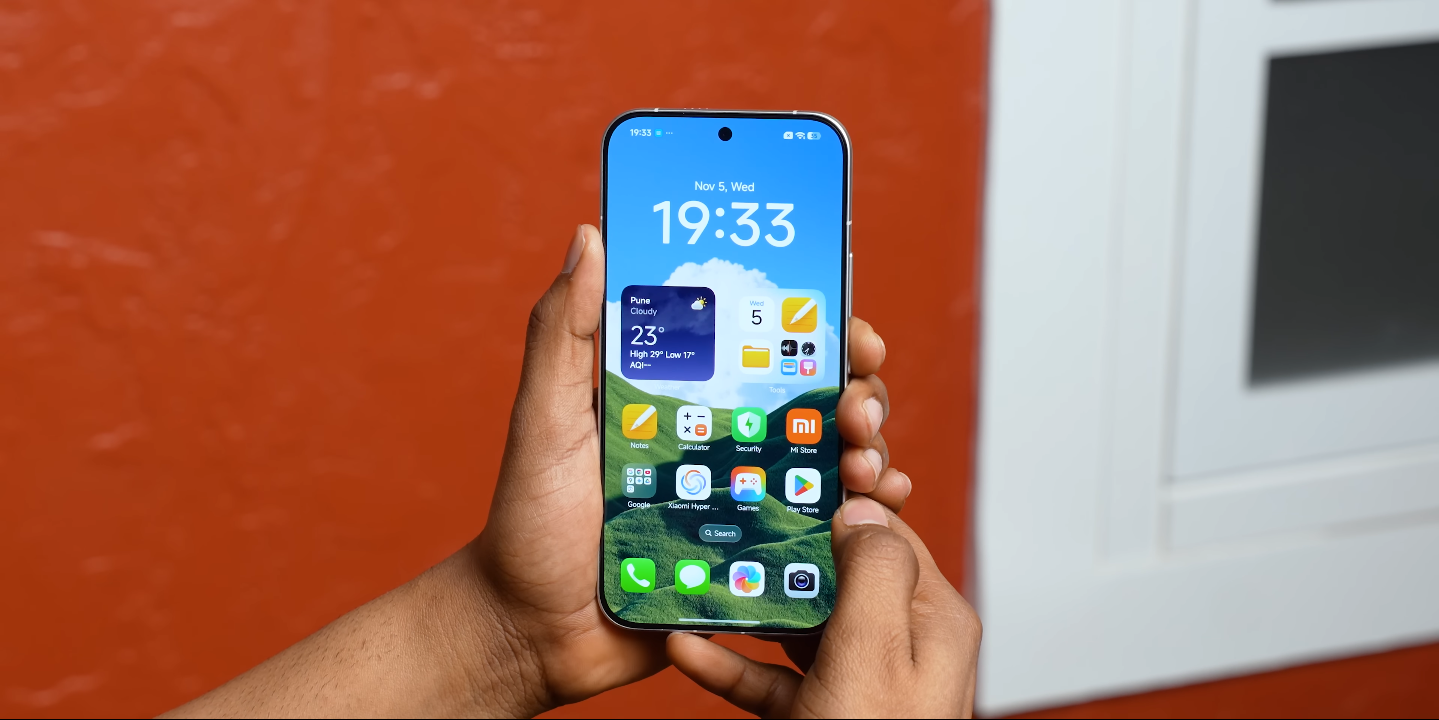
The display itself plays a major role in elevating the gaming experience. With its crisp resolution, bright output and smooth motion handling, it works well for both competitive gaming and casual entertainment. Combined with responsive touch controls, the device allows players to enjoy immersive gameplay with minimal input delay. Even during extended use, the phone remains comfortable to hold thanks to its controlled heat output, adding to its appeal for long gaming marathons.

POCO F8 Pro best value usage scenarios gaming, photography, all-rounder

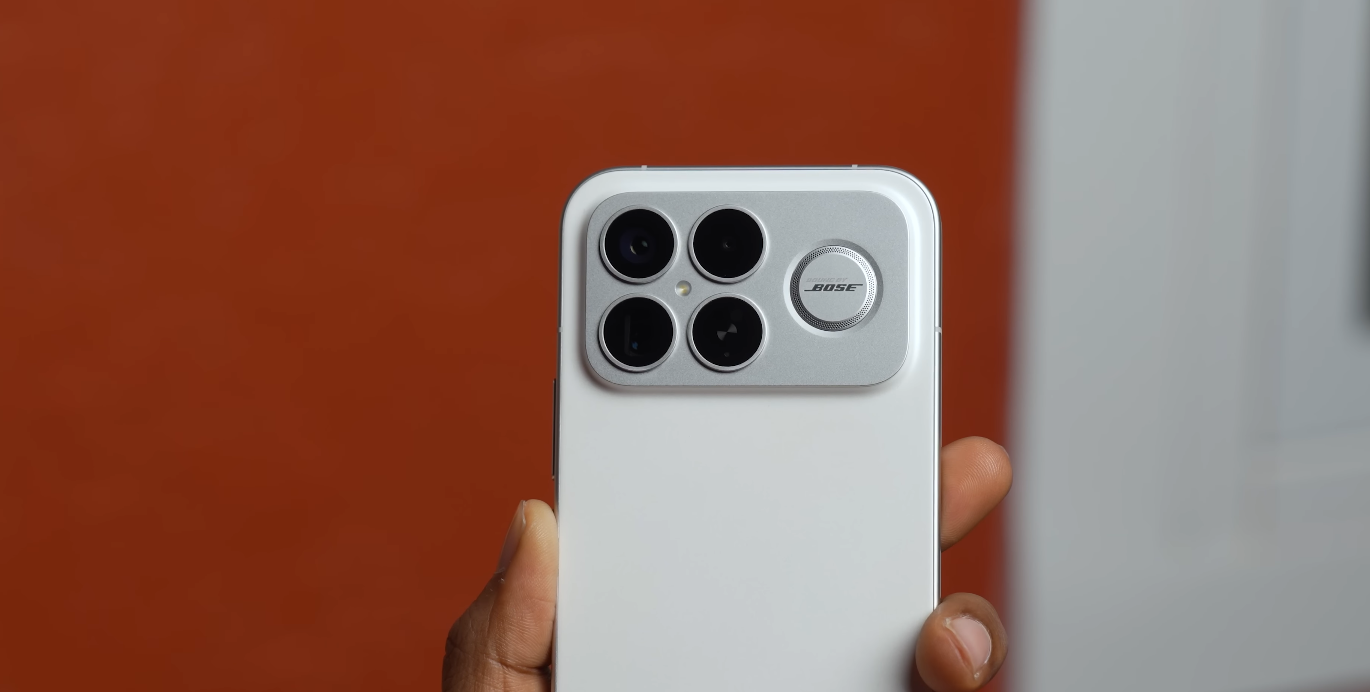
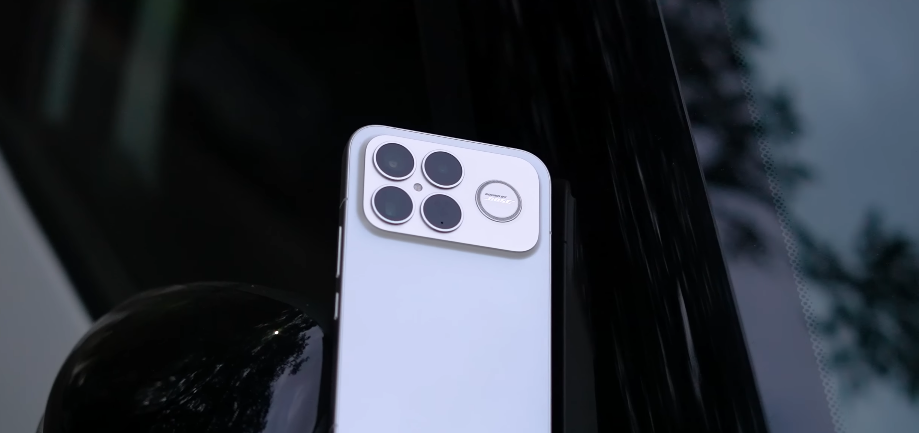
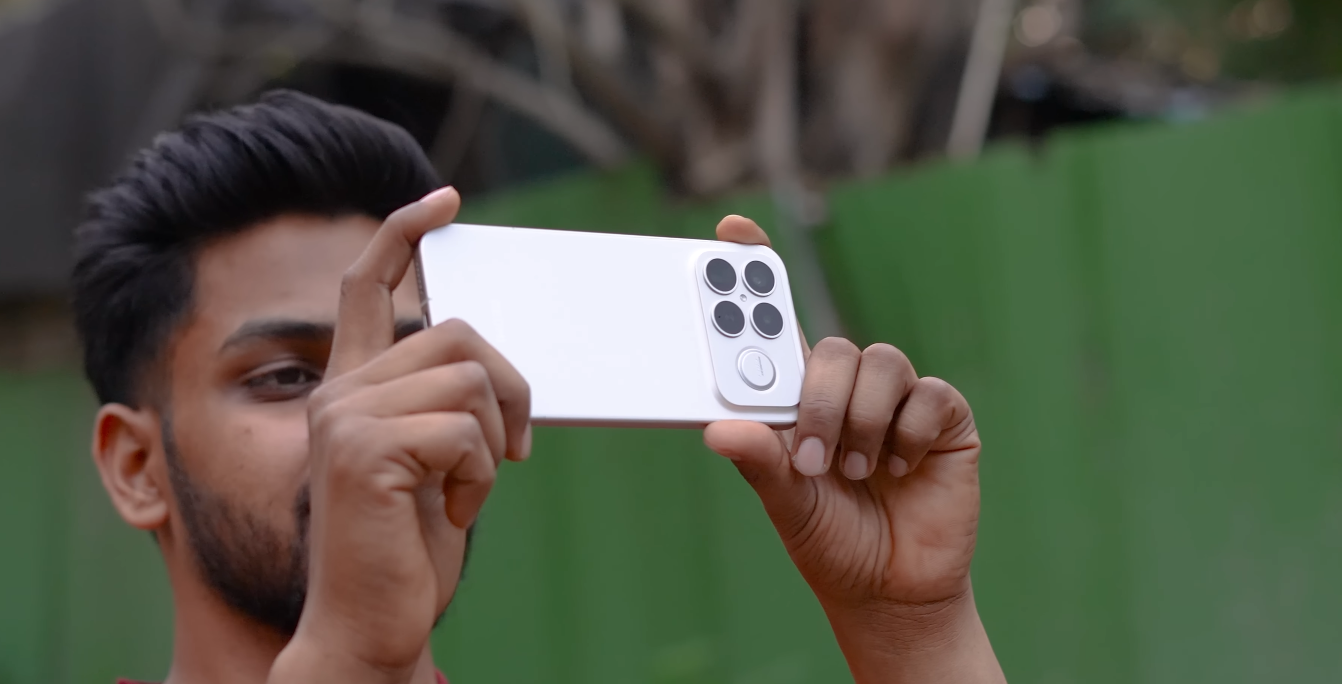
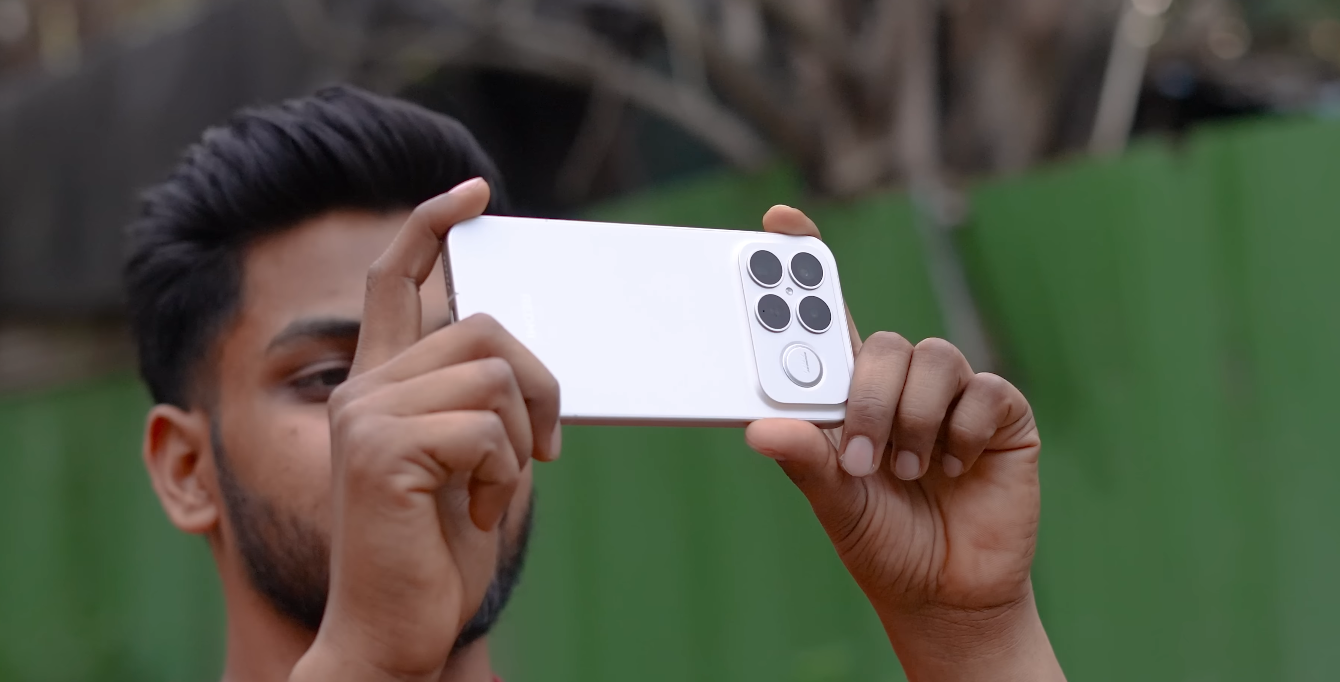
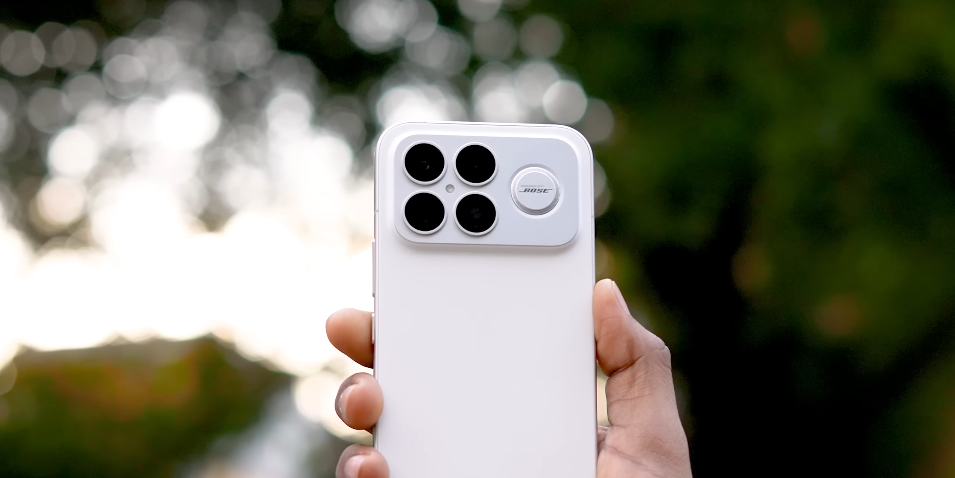
Photography is another area where the F8 Pro offers impressive value. The main camera captures sharp and detailed images across different lighting conditions, while the telephoto lens improves zoom performance beyond what typical mid-range devices deliver. Daytime shots stand out with clarity, and night mode optimisation helps handle low-light environments more effectively. The front-facing camera also produces clean and natural-looking selfies, making it suitable for social media and everyday content creation.

The camera software adds flexibility to the overall photography experience. Features such as AI scene detection, portrait enhancement and stabilisation help users get better results without needing advanced knowledge. The ability to capture high-resolution photos and stable video clips makes the F8 Pro a capable tool for travellers, content creators and anyone who enjoys recording moments on the go. For users wanting strong photographic performance without paying flagship-level prices, the F8 Pro offers excellent return on value.

As an all-round device, the POCO F8 Pro strikes a balance that fits most daily routines. Its smooth software experience, efficient multitasking and comfortable design make it easy to use across work, entertainment and communication. Switching between apps is quick, and the phone handles productivity tasks such as video calls, note-taking, browsing and document editing with ease. It also performs well for media consumption, with its display and audio enhancements contributing to a more engaging viewing experience.

Battery performance adds to the phone’s all-rounder strengths. The device provides reliable endurance for a full day of mixed use, from streaming and messaging to navigation and photography. Fast charging support ensures that even short charging sessions deliver meaningful battery boosts. For users who rely heavily on their phones throughout the day, this combination of longevity and quick top-ups offers practical everyday convenience.

Connectivity features further improve the phone’s usability across different scenarios. With strong 5G performance, stable Wi-Fi handling and precise location services, the F8 Pro adapts well to various environments. Whether you are commuting, working remotely or travelling, the phone maintains consistent network reliability. For users who depend on stable connectivity for work or entertainment, this reliability enhances the device’s overall value.

The POCO F8 Pro also offers good long-term value due to its modern software foundation and expected update support. While not at the level of premium flagship brands, its update cycle is strong enough to keep the device running smoothly for several years. This ensures the phone remains secure, responsive and compatible with new features over time, making it a solid investment for users who plan to keep their devices for longer periods.

In summary, the POCO F8 Pro shines most in three key scenarios: gaming, photography and everyday all-round use. Gamers benefit from its power and stability, photographers gain sharp results and versatile features, and general users enjoy a balanced and responsive device that fits comfortably into daily life. By delivering high value across these areas without demanding a premium price, the F8 Pro stands out as one of the strongest and most practical budget flagships of the year.

POCO F8 Pro vs foldables: do you still need a fold at this price?

POCO F8 Pro vs foldables do you still need a fold at this price

A Straight Talk on Whether a Foldable Makes Sense in 2025 UK

If you’re weighing the choice between the POCO F8 Pro and spending that budget—or more—on a foldable device, this article breaks down whether a foldable is actually necessary in 2025. The F8 Pro delivers flagship hardware at a relatively accessible price, while foldables offer novel form-factors and features, but with higher cost and certain compromises.

The F8 Pro is built around delivering high performance, strong specs and value. For everyday UK usage such as streaming, gaming, social media, photography and multi-tasking in standard form-factor, the F8 Pro covers all bases. You get a modern display, powerful chip, generous RAM/storage and solid camera set—all of which matter more to daily use than form-factor novelty for many users.

Foldable phones, by contrast, bring advantages that are particularly relevant if your habit involves heavy multitasking, larger screen consumption or work-style usage on the go. The ability to open a big display for split-screen apps, editing documents, doing more with a single device instead of tablet plus phone is where foldables show real strength. But these advantages come with trade-offs: higher price (often £1,000+ in the UK), added weight and thickness, potentially more fragile hinges and repair costs, and sometimes compromises in battery life due to larger display area.

POCO F8 Pro vs foldables do you still need a fold at this price

For the typical UK buyer who uses their phone for daily apps, communication, some photography and gaming, the extra benefits of a foldable may not be essential. If you don’t frequently switch between many open apps, or don’t use the device as your main workstation, the F8 Pro will more than satisfy. You’ll be saving money and getting flagship grade specs without paying for features you might rarely use.

That said, if you are a heavy user: someone who often edits video, uses your phone for productivity tasks, reads long documents, multitasks with many apps side-by-side, or wants to minimise carrying a separate tablet—then a foldable could be worth the premium. In that scenario, the bigger screen and unique form-factor might change your workflow significantly and justify the higher cost.

In making your decision in the UK market, it’s also worth considering future resale value, durability and repair costs. Foldables still tend to depreciate more and incur higher repair costs if the fold mechanism or screen fails. A standard flagship like the F8 Pro avoids many of those risks and is better proven in terms of durability and accessory ecosystem.

Overall, unless you strongly know you will use the foldable-specific features, the POCO F8 Pro is likely the smarter buy for value, longevity and everyday practicality. The novelty of folding is tempting, but it doesn’t automatically translate into better value. If you prefer the best hardware you can get for your money and don’t need the fold, go for the F8 Pro. If you do need the bigger screen and are comfortable with the cost, go for a foldable—but only if those extra features will genuinely improve your daily use.

POCO F8 Pro night mode comparison: flagship vs mid-range performance

POCO F8 Pro night mode comparison flagship vs mid-range performance

Can the POCO F8 Pro Hold Its Own in Low-Light Photography?

Night-mode photography is one of the best ways to test just how far a smartphone camera can go. With the upcoming POCO F8 Pro, the question for many buyers is: when it’s used in low-light or night conditions, does it perform like a flagship, or is it closer to a mid-range phone? Based on leaks and early impressions, we can outline where it likely stands and what that means for actual use.

From the leaks, the POCO F8 Pro appears to pack upgraded camera hardware designed to improve low-light performance. Features like larger sensors and refined noise-reduction algorithms are mentioned, which suggest the phone aims higher than standard mid-range models. For consumers who shoot evenings, indoor parties or twilight scenes, this is good news: the F8 Pro likely offers substantial improvements over budget phones in night mode.

On the flip side, it’s still a “value flagship” rather than top-tier premium. That means while its night-mode is likely very capable, it probably won’t quite match phones that focus heavily on camera hardware and computational photography as their main draw. In extremely low-light scenarios, ultra-wide and telephoto lenses at night or expansive scene capture might expose its limitations compared to true leader phones.

POCO F8 Pro night mode comparison flagship vs mid-range performance

In practical terms: if you’re capturing events, streets at dusk or everyday low-light scenes, the F8 Pro should deliver very good results. You’ll see sharper detail, better exposure and manageable noise compared with many lower cost phones. However, if you regularly shoot in near-pitch darkness, need ultra-wide night mode, or expect flawless zoom-in night photography, you may still see a difference between this and the absolute best camera phones.

The advantage of the F8 Pro in night-mode is value: for the money you likely spend, you’ll get a level of low-light performance that nearly approaches what some premium phones deliver. This makes it an excellent choice for photography enthusiasts on a budget who don’t want to compromise too much. It narrows the gap between mid-range and premium nighttime photography capability.

When comparing it to a true flagship when available (for example a phone designed primarily around the camera), the key difference comes down to consistency and versatility. Top-tier phones maintain excellent night performance across all lenses (main, ultra-wide, telephoto), whereas value models may excel with the main lens but show weaker results when switching lenses or zooming at night.

To sum up: if you care about night photography and want strong performance without paying flagship prices, the POCO F8 Pro is likely a very smart buy. It may not fully match the premium elite cameras in every scenario, but for most users and most low-light conditions it will be more than adequate — and the value proposition is where it impresses.

POCO F8 Pro UK student discount deals: how to get the best value

POCO F8 Pro UK student discount deals how to get the best value

A complete guide for UK students seeking the best POCO F8 Pro savings

The POCO F8 Pro has quickly become one of the most talked-about value smartphones of the year, and UK students in particular are showing strong interest thanks to its competitive pricing and powerful feature set. With high demand and a range of promotional schemes available, knowing how to secure the best deal can make a significant difference to your budget.

For students juggling study commitments, part-time work and everyday costs, finding a handset with strong performance at an affordable price is essential. The POCO F8 Pro fits squarely into this category, offering premium-grade features without the high price tag typically associated with flagship devices. This makes it especially attractive for students seeking long-term reliability.

In the UK, POCO and Xiaomi frequently run promotional campaigns that include student-specific offers, launch discounts and seasonal price drops. These deals can change quickly, so having a clear understanding of what to look for helps ensure that students don’t miss out on valuable savings. Being strategic with timing and verification can often result in better deals than standard retail pricing.

POCO F8 Pro UK student discount deals how to get the best value

Student discount platforms frequently collaborate with tech brands to provide exclusive codes that allow verified students to save an additional percentage at checkout. These discounts may apply to the POCO F8 Pro during promotional windows, creating opportunities for double savings when combined with ongoing sales or digital coupons. This makes student verification an important first step.

In addition to student-only offers, UK buyers can take advantage of limited-time launch deals that may provide larger reductions than standard codes. Launch discounts often include percentage reductions, early-bird coupons or bundle offers that add accessories at no extra cost. For students watching their spending closely, these temporary promotions can be the best route to maximising value.

Trade-in schemes offer another way to reduce the overall cost of upgrading to the POCO F8 Pro. Students with older devices in good condition may receive additional savings when trading in their previous handset. While not exclusive to students, combining trade-in value with student discounts and promotional coupons can lead to some of the best effective prices available.

When comparing deals, students should also consider extras such as reward points, extended warranties, or free accessories included as part of a promotion. These additions can elevate the overall value of the purchase, even if the headline discount appears modest. A well-timed offer can provide both savings and practical benefits that help during university life.

It is important that students purchase the correct UK variant of the POCO F8 Pro to ensure warranty support and compatibility with local networks. Some unofficial retailers may advertise lower prices, but the lack of proper after-sales support or regional certification can create problems later. Sticking to reputable UK-based sellers helps avoid unnecessary risk.

To secure the best long-term value, students should also consider how they plan to use the device throughout their studies. The POCO F8 Pro offers the kind of performance needed for multitasking, streaming and academic apps, meaning it has the potential to remain reliable throughout a degree programme. A discounted purchase price only enhances its long-term cost efficiency.

Ultimately, the best approach for UK students is a combination of timing, verification and careful comparison. By checking official promotions regularly, verifying student status through recognised platforms and considering trade-in or bundle opportunities, students can significantly reduce the cost of purchasing the POCO F8 Pro. With a little planning, it is entirely possible to secure a top-tier device at a student-friendly price.

POCO F8 Pro vs camera-centric phones: how serious is its photography setup?

POCO F8 Pro vs camera-centric phones how serious is its photography setup

Evaluating the POCO F8 Pro’s Camera Capabilities Against Photography-Focused Phones

The POCO F8 Pro steps into 2025 with a stronger photography focus than any previous POCO model. It brings a refined main camera, optical image stabilisation and a dedicated telephoto lens, all aimed at boosting its credibility in a market where camera-centric phones continue to dominate. For UK buyers, the key question is whether this setup truly competes with photography-first devices or simply offers good everyday performance without challenging the very best.

The main sensor on the F8 Pro is a noticeable upgrade. It captures sharper detail, more balanced exposure and more stable shots thanks to its improved stabilisation. Users coming from older POCO phones will immediately see clearer photos and better image consistency. In daylight and indoor conditions, the F8 Pro performs confidently, producing images that feel polished and ready for social sharing without heavy editing.

A major selling point is the addition of a dedicated telephoto lens, something many mid-range and value flagships still skip. This lens allows cleaner zooming and sharper portrait shots, giving the F8 Pro more versatility than most phones in its price range. While it doesn’t match the extreme zoom capabilities of camera-focused flagships, it still adds real photographic flexibility that enhances everyday shooting.

POCO F8 Pro vs camera-centric phones how serious is its photography setup

The ultra-wide lens performs well for casual landscape shots and group photos but doesn’t reach the same quality level as the main and telephoto sensors. Camera-centric phones typically invest heavily in their secondary lenses, ensuring consistent performance across all focal lengths. In comparison, the F8 Pro’s ultra-wide camera delivers decent results but shows limitations in detail and low-light reliability, making it more suitable for simple compositions.

Low-light photography is an area where the F8 Pro shows improvement but still trails behind specialist camera smartphones. Its stabilisation and processing help control noise and maintain clarity, yet larger sensors and advanced night modes on photography-focused devices produce superior results. For users who frequently shoot evening scenes or indoor environments, this difference may be more noticeable.

Video performance on the F8 Pro is well balanced for social and everyday use. Stabilisation helps keep footage smooth, colours remain natural and focus performance is generally reliable. However, advanced video features found on camera-centric flagships—such as stronger HDR video, enhanced microphones and deeper manual controls—are areas where the F8 Pro cannot fully compete. Casual vloggers will find it capable, but professional creators may want more.

The overall balance of the F8 Pro’s camera system is one of its strengths. Rather than excelling in one area, it performs consistently across a wide range of shooting scenarios. Everyday UK users who capture travel moments, food shots, portraits or general lifestyle content will find the F8 Pro dependable. It aims to deliver strong, reliable results without overwhelming users with complex photography tools.

Where it falls short is in specialist use-cases. Camera-centric phones offer features like periscope zoom, superior ultra-wide sensors and more advanced processing pipelines that handle challenging lighting better. These devices are built to push boundaries, while the F8 Pro focuses on offering a strong but balanced photographic experience that suits the majority of buyers without targeting niche enthusiasts.

For UK buyers considering price as well as performance, the F8 Pro becomes even more appealing. It delivers a serious photography setup at a far more accessible cost than the flagship models known for elite camera performance. This makes it an excellent choice for users who want high-quality images without paying premium-level prices, especially when photography is important but not their single top priority.

In everyday use, the F8 Pro behaves like a dependable all-rounder with occasional standout moments. Portraits, daylight shots and moderate zoom images show the biggest improvements, while ultra-wide and low-light shots remain more modest but still usable. This combination makes the phone versatile and capable, even if it doesn’t claim the top spot in mobile photography.

Overall, the POCO F8 Pro’s photography setup is serious for its segment and represents a major step forward for the brand. It doesn’t replace a true camera-focused flagship, but it gets closer than any POCO device before it. For most UK users, it offers more than enough quality, flexibility and everyday reliability to feel like a meaningful upgrade, especially at its price point.

POCO F8 Pro for students: premium specs, budget price – worth it?

POCO F8 Pro for students premium specs, budget price – worth it

Is the POCO F8 Pro a Smart Choice for UK Students?

If you’re a student in the UK shopping for a new phone and the POCO F8 Pro has caught your eye, the big question is whether it delivers premium features without stretching your budget—and whether it aligns well with student life. The short answer: for many students, yes—it looks like a strong option, but there are some trade-offs worth keeping in mind.

First up, the hardware specs are impressive for the price-range. The POCO F8 Pro is rumoured to include a high-end chipset, plenty of RAM and fast storage—meaning it can handle multiple apps, document editing, media playback and even creative tasks like video capture or editing. That performance edge makes it suitable for study periods, project work, streaming during downtime, and social media use—all in one device.

The display and battery life reinforce its value for students. A large screen with high refresh rate means lectures, readings, streaming and social apps feel smooth. Meanwhile, a bigger battery plus fast-charging means less worry about running out of power during campus days, library sessions or when travelling between lectures. That reliability is a plus when your day is busy and plugging in isn’t always convenient.

POCO F8 Pro for students premium specs, budget price – worth it

One of the strongest arguments for students is value for money. A “value flagship” like the F8 Pro offers many of the features of full-flagship phones (top chip, large storage, strong battery) but at a lower cost. That helps when your budget is limited and you want to keep some money for other expenses rather than spending big on a phone alone.

On the other hand, there are a few caveats. One is size and weight: premium specs often mean larger form factor, and if you prefer a compact phone that fits easily in smaller pockets or one-hand use during campus walks, you may find it a bit bulky. Another issue is longevity and support: while specs are important, long-term software updates, service support and resale value matter—especially if you plan to use the phone for a few years. A lesser-known brand or value model may not hold up in these areas as strongly as more established flagships.

Also, it’s worth asking how many of the “premium” features you actually use. If your phone use is mostly notes, calls, messages, streaming and some light social media, you may not fully benefit from the high-end camera or ultra-fast charging—so a cheaper device might suffice. It comes down to your use case: heavy multi-tasking, creative work or high-end gaming make the F8 Pro more justifiable.

In terms of student-specific use, the POCO F8 Pro lines up well: strong performance for assignments and apps, good media experience during downtime, battery for long university days, and value that keeps your budget flexible. If you expect to keep the phone for 2-3 years and want a device that will still feel current, it’s a wise pick.

On the flip side, if you’ll upgrade frequently, use the phone lightly, or have a very tight budget, then looking at mid-range phones may offer better budget balance. You could allocate more money to other student-needs (travel, subscriptions, study materials) and still get acceptable phone performance.

In summary: Yes—many UK students will find the POCO F8 Pro very worth it. It offers premium-level features at a strong value, aligning well with both study and downtime needs. But it’s not strictly necessary if your needs are modest or you prioritise budget over top specs.

POCO F8 Pro vs iPhone 16 Core: specs vs ecosystem – which matters more?

POCO F8 Pro vs iPhone 16 Core specs vs ecosystem – which matters more

Choosing between raw performance and seamless long-term device integration

The POCO F8 Pro and the iPhone 16 Core target very different types of smartphone buyers, and deciding between them in the UK market comes down to whether hardware specs or ecosystem value matters more over time. The POCO F8 Pro pushes high-end specifications at a competitive price, while the iPhone 16 Core focuses on ecosystem convenience, long-term support and interconnected Apple services. Understanding these priorities helps buyers choose the device that genuinely suits their usage.

The POCO F8 Pro is built for users who want maximum power for their money. It is expected to feature a top-tier Snapdragon Elite chipset, a 2K high-refresh OLED display, a large battery and a camera system tuned for detail and low-light performance. These specifications translate into high performance for gaming, multitasking, streaming and content creation. Buyers who focus on raw hardware usually find POCO’s value positioning especially attractive.

By contrast, the iPhone 16 Core is built around Apple’s ecosystem. Even if some of its specifications seem modest on paper, it delivers a predictable experience through iOS optimisation, continuity features and strong integration with Apple services. Clipboard handoff, photo sharing, AirPods pairing and Apple Watch connectivity allow users to move between devices without friction. For users who already own Apple products, this ecosystem convenience often outweighs the spec sheet differences.

POCO F8 Pro vs iPhone 16 Core specs vs ecosystem – which matters more

Software longevity also separates the two devices. iPhones consistently receive software updates for several years longer than most Android models. This allows the iPhone 16 Core to hold its value and remain secure and up to date well into the future. While the POCO F8 Pro is likely to receive reliable support initially, its update timeline is shorter, making long-term ownership less future-proof for some users. This becomes important for buyers who keep their phones beyond two or three years.

Display and battery performance highlight further differences. The POCO F8 Pro offers a sharper screen with higher refresh, which benefits gamers and users who value smoother interactions. Its large battery and fast charging also suit heavy daily use. The iPhone 16 Core may not match these numbers on paper, but its power efficiency and optimisation offer steady, predictable performance throughout the day. For moderate users, the experience may feel similar despite the lower specifications.

Camera behaviour also reflects the divide. POCO aims for versatility through multiple lenses and high megapixels, appealing to users who manually edit or experiment with photography. Apple, on the other hand, prioritises consistency and simplicity: photos and videos tend to look good with minimal input. Buyers who enjoy quick point-and-shoot results may prefer the iPhone 16 Core, while those who want a highly capable toolkit may lean toward the F8 Pro.

Price sensitivity is another factor for UK buyers. The POCO F8 Pro is positioned to offer flagship-level performance at a mid-range cost, which creates strong appeal for budget-conscious smartphone enthusiasts. The iPhone 16 Core costs more but compensates through resale value, brand support and seamless ecosystem integration. For buyers who upgrade regularly, POCO’s lower upfront cost may win. For users who plan to keep the phone longer, Apple’s support and resale value can offset the initial price.

Ultimately, the decision between the POCO F8 Pro and the iPhone 16 Core comes down to personal priorities rather than simple specification comparison. If you value specifications, display quality, battery capacity and high performance at a lower price, the POCO F8 Pro provides exceptional hardware value. If you prioritise long-term updates, smooth device integration, reliable support and effortless day-to-day usability, the iPhone 16 Core delivers a stronger ecosystem experience.

For UK buyers deciding between the two, the best choice depends on how you use your phone. Hardware-driven users will likely prefer the POCO F8 Pro, while ecosystem-driven users will benefit more from the iPhone 16 Core. Both are powerful devices, but the definition of value depends on whether raw specifications or seamless long-term convenience matters more in daily life.

POCO F8 Pro vs Google Pixel A-series upcoming: should you wait?

POCO F8 Pro vs Google Pixel A-series upcoming should you wait

Choosing Between Performance Now or Software Later

The comparison between the POCO F8 Pro and Google’s upcoming Pixel A-series has become a popular topic for buyers deciding whether to upgrade now or wait. With the F8 Pro already available and the next Pixel A launch expected in the coming months, early impressions and official details offer enough information to outline the differences. User expectations highlight the choice between high-end hardware at a mid-range price and long-term software support backed by Google’s ecosystem.

The POCO F8 Pro has launched as a hardware-focused device aiming to deliver strong performance at competitive pricing. Early buyers have praised its fast chipset, smooth display, and quick charging capabilities. These features place it firmly in the category of high-value performance phones, appealing especially to users who prioritise gaming, speed and large, vibrant screens. Its first-week feedback indicates that POCO’s strategy remains centred on delivering flagship-like specifications without a flagship price tag.

By contrast, the upcoming Pixel A-series remains focused on Google’s software optimisation and consistent camera performance. While the hardware is expected to be more modest than POCO’s offering, Google’s emphasis on algorithm-driven photography and clean Android continues to attract those who prefer reliability over raw power. Update longevity is one of the key reasons many users consider waiting, since Pixel devices typically receive several years of major Android updates.

POCO F8 Pro vs Google Pixel A-series upcoming should you wait

The display is an area where the F8 Pro currently holds an advantage. Its high refresh rate and bright output have been recognised as strong points within the first week of use. For users who value media consumption—such as watching videos, browsing or mobile gaming—the POCO appears to provide a more immersive experience. The upcoming Pixel A-series is expected to maintain good quality displays but may not match the higher-end features POCO has already delivered.

Battery life is another factor buyers are assessing. Early impressions of the F8 Pro point to a full day of mixed usage with the added benefit of fast charging. Users have noted that short charging sessions are often enough to keep the device running comfortably throughout the day. Google’s A-series traditionally offers stable battery performance, but usually without the rapid charging speeds found in POCO devices. Those who frequently top up their phone may find POCO’s approach more convenient.

Camera capabilities create a natural divide between the two models. The F8 Pro delivers competent performance in daylight and general usage, with some room for improvement in lower light. Meanwhile, even mid-tier Pixel devices are known for excellent image processing that often outperforms their hardware. Buyers who treat photography as a priority may find that waiting for the Pixel A-series could yield better long-term satisfaction, especially in challenging lighting conditions.

Software support is where the Pixel A-series is likely to hold a long-term advantage. Google has a strong track record of providing timely updates and sustained support across several years. Early users of the F8 Pro appreciate its features, but they also highlight a few software inconsistencies that may need patches. For buyers planning to keep their phone for multiple upgrade cycles, the promise of cleaner software and extended support could be a compelling reason to hold off.

Pricing plays a significant role in the decision as well. The F8 Pro positions itself as a strong value proposition, offering premium hardware features without premium pricing. The Pixel A-series is expected to be priced lower overall but will provide less powerful specifications. The choice here depends on whether buyers value immediate hardware advantages or the long-term reliability associated with Google’s ecosystem.

There is also the consideration of timing. The F8 Pro is available now, while the next Pixel A will require a waiting period. If a buyer needs a phone immediately or prefers not to delay upgrades, the POCO becomes the more practical choice. On the other hand, those not in a rush can afford to compare early reviews once Google’s device becomes official.

In summary, choosing between the POCO F8 Pro and the upcoming Pixel A-series depends on user priorities. The F8 Pro offers strong performance, a vibrant display and fast charging, making it ideal for those who value speed and hardware-driven features. The Pixel A-series, expected soon, is likely to appeal to buyers who prioritise camera consistency, software stability and long-term support. The decision ultimately rests on whether immediate performance or patient pursuit of software excellence best suits the buyer’s needs.

POCO F8 Pro real-world battery drain test: streaming, navigation, gaming

POCO F8 Pro real-world battery drain test streaming, navigation, gaming

How the POCO F8 Pro battery performs under everyday high-demand usage

The POCO F8 Pro has arrived with high expectations around performance, efficiency and daily usability, but the real question for buyers is how well its battery lasts beyond lab numbers. Real-world power tests involving streaming, navigation and gaming give the clearest picture of whether the device can handle a full day of mixed usage without needing an emergency recharge. With a large battery and fast-charging technology, the F8 Pro is positioned as a reliable companion for demanding users, but the results vary depending on the type of workload.

In streaming tests, the POCO F8 Pro shows strong efficiency thanks to its OLED display and modern processor. When watching long YouTube or Netflix sessions at high brightness, the battery drains gradually rather than rapidly, allowing multiple hours of continuous viewing without triggering battery anxiety. Reducing the refresh rate further improves endurance, which benefits users who enjoy binge-watching content at home or during travel. The phone handles high-resolution playback without overheating, making streaming one of the most battery-friendly intensive tasks for this device.

Navigation, however, places heavier pressure on the battery due to simultaneous usage of GPS, mobile data, background calculations and continuous display activity. During long navigation sessions, the F8 Pro does lose battery faster than during streaming, but it remains stable enough to support lengthy road trips or map-based commutes without shutting down prematurely. For drivers who depend on live traffic updates and frequent rerouting, the phone maintains consistent performance, though carrying a fast charger on long journeys is still advisable.

POCO F8 Pro real-world battery drain test streaming, navigation, gaming

Gaming represents the toughest endurance challenge for the POCO F8 Pro, as it pushes the chipset and graphics processor to sustained high levels. Titles that run at maximum settings and 120 Hz refresh rate cause noticeably faster battery drain compared to most other tasks. Even so, the device maintains smooth gameplay over extended periods without sudden performance drops. Gamers who play competitive or graphics-heavy titles for several hours will likely need a mid-day charge, while casual gaming or reduced graphics settings noticeably extend battery life.

In a mixed daily routine, the strength of the POCO F8 Pro battery becomes clear. A day of social media browsing, messaging, web reading and routine app usage drains the battery slowly, even when occasional high-demand activities are added. Users who stream during commutes, take calls and play quick gaming sessions will consistently reach the end of the day with charge remaining. Only people who combine heavy gaming and long navigation sessions in a single day may need an afternoon recharge, which is typical for high-performance phones.

Fast charging plays a major role in making the device dependable for heavy users. The F8 Pro can recover a significant portion of battery capacity in a short period, making short charging breaks meaningful. This greatly reduces downtime for travellers, gamers and remote workers who are constantly on the move. The fast-charging system ensures that even demanding users rarely find themselves interrupted by long charging sessions.

Thermal behaviour also influences endurance across different workloads. During extended gaming or hotspot usage, the device warms up as expected, increasing power draw slightly. However, the battery continues to discharge in a controlled way without sudden drops. The phone retains steady processing performance rather than aggressively throttling to reduce heat, which maintains gaming quality but increases battery consumption. For the average user, this effect is noticeable only during marathon gaming sessions.

With these results combined, the F8 Pro demonstrates endurance that suits a wide range of users. Binge-streamers can enjoy long sessions without worry, frequent travellers can rely on navigation without premature shutdowns and gamers get enough runtime for extended matches before reaching low battery levels. This mix of high efficiency in moderate workloads and controlled consumption in demanding ones makes the phone adaptable to both productivity and entertainment.

Over the course of a full day, the POCO F8 Pro generally offers enough power to last from morning to late evening without requiring constant charging management. Its real-world battery behaviour aligns with the needs of heavy smartphone users who consume content, navigate, multitask and play games regularly. With a combination of large battery capacity, efficient hardware and fast charging technology, the device positions itself as a dependable flagship-class option for users who expect long endurance without compromising performance.

POCO F8 Pro review after six months of use: how has it aged?

POCO F8 Pro review after six months of use how has it aged

A Half-Year In With the POCO F8 Pro — What’s Held Up and What’s Changed

After six months of daily use with the POCO F8 Pro, it’s possible to move beyond launch hype and understand how the phone behaves in real life, how it ages and whether it remains a strong buy for UK and India users. From performance and battery life to software updates and general durability, here’s a full rundown of how the device stands today.

Performance remains one of the primary strengths. The F8 Pro continues to handle demanding apps, multitasking and even extended gaming sessions with ease. Even after months of use, responsiveness is high, app switching remains smooth and the high refresh display still feels fluid. Users who upgraded from older devices say they still feel a tangible difference in speed and smoothness.

Battery life has held up quite well, though not without some small signs of ageing. In the first weeks, screen-on times often exceeded a full day, and now after six months most users still report a comfortable full-day experience. That said, under heavy gaming or video streaming the dropoff is slightly more visible than early on. Charging remains rapid, which mitigates any decline in endurance.

POCO F8 Pro review after six months of use how has it aged

One area where wear becomes most evident is the camera system. In normal daylight the F8 Pro still delivers sharp, detailed images and strong performance. But in lower light or more complex scenes (e.g., indoor night shots, dynamic lighting) the results are less consistent than flagship models from brands focused heavily on camera optimisation. For casual photography it remains more than capable, but for enthusiasts the gap has nudged open slightly.

Build quality and material durability are holding up well. The body has not shown major signs of wear, and the display remains intact with everyday scratches kept to a minimum thanks to protection (many users apply a screen protector early). Because the phone was designed well, it doesn’t feel aged or outdated yet. However users note that the glossy back shows fingerprints more clearly and may attract mild scuffs if not kept in a case.

Software updates are a mixed bag. On one hand, the F8 Pro receives regular security patches and some feature updates, which helps keep the device secure and current. On the other hand, it may not achieve the same longevity of updates as rival brands that promise longer OS version support. For users who plan to keep their phone for 3-4 years, this is something to consider: it’s good now, but may offer less buffer than the very premium models.

Thermal performance and stability over time remain strong. Even after extended usage, the phone does not overheat significantly or throttle in normal tasks. Gaming sessions still remain stable, though ambient conditions (room temperature, case usage) make a noticeable difference. In warmer climates or sunlit settings the device can run warm more quickly than earlier in its cycle, but it avoids major performance dips.

Value retention is looking favourable. After six months the F8 Pro still offers very strong value, especially if priced competitively in your region. Users who bought it for solid hardware at a mid-premium cost feel it continues to deliver. That said, the resale value will depend heavily on the condition, storage variant and whether you have held onto accessories like original charger or box.

There are a few trade-offs now clearer than at launch. Some users mention that software bloat and ad support (depending on region/firmware) persist more noticeably than on ultra-premium phones. Also, despite no major faults, the less premium camera system means that if your photographic expectations grow over time you might feel limited. And while battery decline isn’t dramatic, it is measurable – as with all phones, six months in and you’ll spot small drops in “full day plus” margins.

In summary, six months into ownership the POCO F8 Pro remains a strong, well-rounded smartphone. If your stakes are hardware power, display quality, smooth experience and value for money, it continues to serve excellently. If your priorities tilt more heavily toward long-term software updates, best-in-class cameras or ultra-premium materials, you may start to notice small compromises.

For UK and India buyers especially, the F8 Pro aged well enough to justify its purchase or remain a sensible choice if you’re considering picking up one now (or used after six months). If you buy today, just ensure you go in with realistic expectations: you’ll get most of what you pay for, but with some trade-offs compared to the top-tier flagship models.

Also Read:  Xiaomi 17 Pro Max features you’ll actually use vs features you won’t

POCO F8 Pro vs Google Pixel 9: camera quality vs software experience

POCO F8 Pro vs Google Pixel 9 camera quality vs software experience

Hardware vs Software – Which Appeals More in a Flagship Matchup

The POCO F8 Pro and Google Pixel 9 approach the flagship space from two very different angles. POCO focuses on delivering top hardware value — high-end sensors, big specs, aggressive pricing. Google focuses on software polish, refined user experience and camera reliability through years of optimisation. For buyers trying to choose between “great hardware” and “refined software”, this comparison will help determine which trade-offs make sense.

The Pixel 9 delivers a camera experience built on years of computational photography. With a main 50 MP sensor, ultra-wide 48 MP and Google’s advanced AI enhancements, it excels at everyday photography: quick, solid quality without much adjustment. Users who just want dependable results—regardless of lighting or complexity—will appreciate how smooth the Pixel camera experience feels.

On the hardware side, the POCO F8 Pro leaks suggest it offers ambitious camera specs: potentially 50 MP main + telephoto + ultra-wide combinations and top-tier chipset. For users who care about zoom, high resolution and want powerful sensors, POCO might offer more raw flexibility for the price. The catch is whether the software processing and tuning match what hardware promises.

POCO F8 Pro vs Google Pixel 9 camera quality vs software experience

When it comes to software experience, Pixel 9 stands out with clean Android, long software and security update commitment, and advanced features like Magic Editor and on-device AI editing tools. It provides a user-friendly, polished ecosystem experience. POCO aims to offer good software but may not match the same level of lifetime updates or the seamless integration Google provides.

In camera quality terms, if you prioritise zoom or sensor resolution and are comfortable tweaking settings or accepting some trade-offs, POCO has potential to deliver significant value. But if you prioritise ease of use, consistent image quality, minimal fuss and long-term software support, Pixel 9 remains the safer choice.

In essence, the choice becomes: Do you value hardware specs more, or software experience and refinement? For value-hunters who want maximum hardware under budget, POCO F8 Pro makes a strong case. For users seeking a truly polished camera and mobile experience, Pixel 9 is more appealing.

In summary: POCO brings impressive hardware value; Pixel brings software excellence and reliability. The best pick depends on what you trust more to deliver long-term satisfaction.

POCO F8 Pro verdict: worth buying in 2025 or should you wait?

POCO F8 Pro verdict worth buying in 2025 or should you wait

Deciding Whether the POCO F8 Pro Is the Right Choice This Year

The POCO F8 Pro arrives in 2025 with strong hardware and a refreshed design, making it one of the brand’s most anticipated launches. It brings a flagship-class chipset, brighter display and improved camera system, all aimed at users who want high-end performance without paying the premium prices of top-tier brands. For many buyers, these upgrades immediately raise the question of whether it’s the right time to upgrade or if waiting would offer better value.

One of the biggest reasons the F8 Pro stands out is its performance leap. The new chipset delivers smoother responsiveness, improved gaming results and better efficiency in everyday tasks. For users coming from a POCO device that’s two or more years old, the difference will be significant. If your current phone feels slow, heats up during gaming or struggles with intensive apps, the F8 Pro offers a noticeable improvement.

The display is another highlight, offering higher brightness, better colours and a more refined viewing experience. UK users who often deal with outdoor glare will appreciate the boost in peak brightness and clarity. Whether you watch films, browse social media or play games, the F8 Pro’s upgraded panel makes everyday use more enjoyable compared to many older models.

POCO F8 Pro verdict worth buying in 2025 or should you wait

Camera quality has also been stepped up this year. The F8 Pro introduces enhanced image processing, stronger low-light performance and more stable video recording. Older POCO models sometimes delivered inconsistent results in challenging conditions, but the new system produces clearer photos with richer detail. If photography is important to you, this upgrade alone could make the phone worth considering in 2025.

Battery life remains reliable, and fast charging continues to be one of POCO’s strong points. The F8 Pro refines this further, offering quicker top-ups and more dependable endurance for a full day’s use. For users used to older POCO devices with slower charging times, the improvement in convenience is easy to notice.

Audio quality also receives attention this year, with clearer output and better balance for music, streaming and calls. While older POCO models often had basic audio tuning, the F8 Pro focuses more on creating a fuller and smoother sound. This helps elevate the overall media experience beyond what previous generations offered.

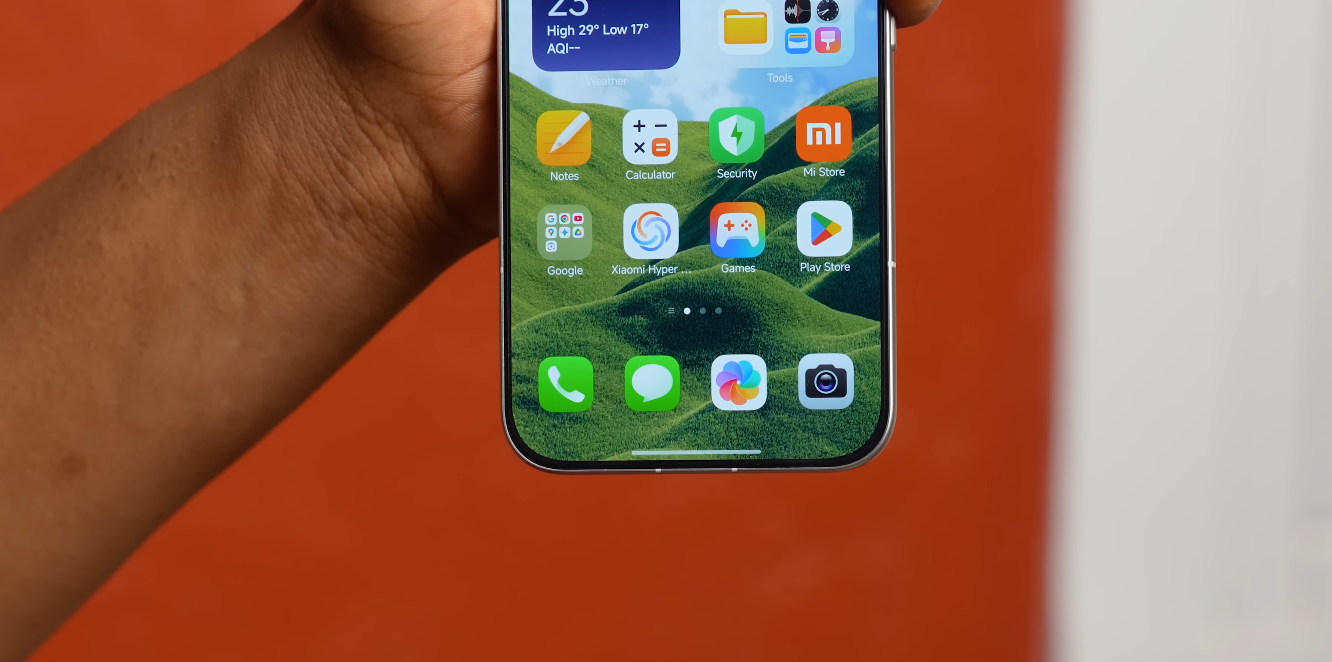
On the software front, the F8 Pro launches with smoother animations, more polished transitions and stability improvements. Users upgrading from a device running older software versions will feel the difference in both speed and refinement. It feels more stable in day-to-day use, reducing the small issues that sometimes appeared in past versions.

However, choosing whether to buy now or wait depends on your current phone and expectations. If you already own a recent high-end POCO or another modern flagship, the jump may feel modest rather than transformative. The improvements are there, but they may not justify upgrading if your existing phone already performs smoothly and meets your needs.

Another point to consider is timing. While the F8 Pro is a strong release, waiting a few months could bring early price drops or newer competitors. If your current device is still working well and you are not in urgent need of an upgrade, holding off could result in a better value decision later in the year.

For most users with older or mid-range devices, the POCO F8 Pro is an excellent upgrade in 2025. It delivers meaningful improvements across performance, display, camera, battery and everyday usability. If you want a modern, fast and reliable smartphone without overspending, it’s a strong choice right now.

If, however, your current phone is still fairly new, or you prefer to wait for long-term reviews and potential deals, waiting is also a practical option. The final decision comes down to whether you need a major upgrade immediately or prefer to balance performance gains with value over time.