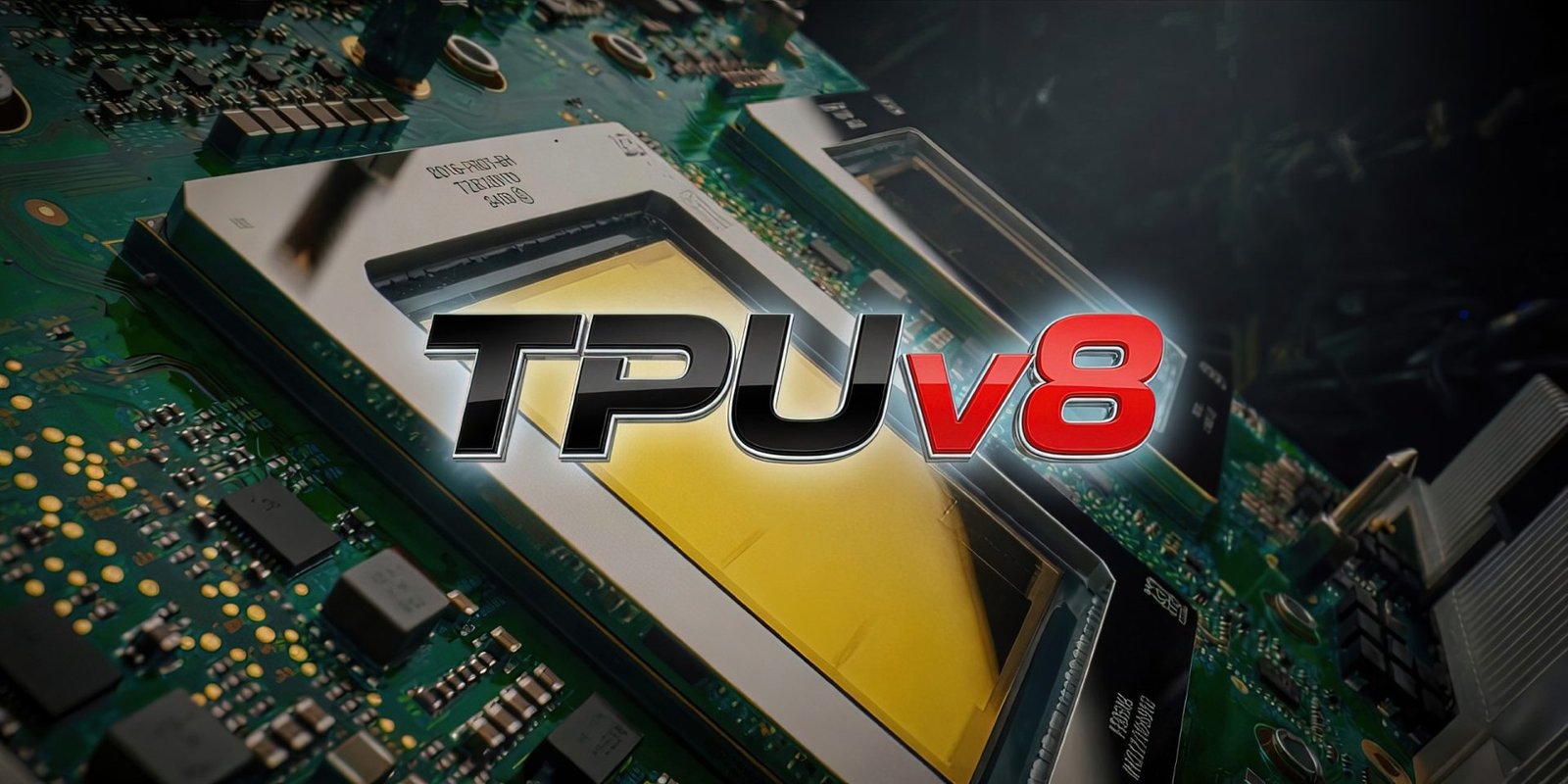
Google Unveils TPUv8 Chips in the UK, Revolutionising AI Training and Inference

Google's TPUv8 chips, designed for AI training and inference, are set to be unveiled in the UK, featuring a unique dual-chip approach and unparalleled processing power, with applications in healthcare, finance, and education, and a significant impact on the UK's tech industry and semiconductor supply chain

Google’s TPUv8 Strategy: A New Era for AI in the UK

Google is set to unveil its latest TPUv8 lineup in the UK, featuring two brand new chips designed specifically for training and inference AI workloads. This strategic move is expected to boost the semiconductor supply chain and cement Google’s position in the AI market.

The TPUv8 series will comprise two distinct chips, one focused on training and the other on inference, allowing for more efficient and targeted AI processing. This development is a significant step forward for Google’s AI ventures, enabling faster and more accurate processing of complex data sets.

Reports indicate that Google is working on a total of three chips, including a memory processing unit and the next-gen TPU series. The TPUv8 lineup is expected to be formally announced next week, with a focus on AI inference and training. This move is likely to have a significant impact on the UK’s tech industry, driving innovation and growth.

The TPUv8 chips are designed to work in tandem, with the training chip handling complex data processing and the inference chip focused on real-time analysis and decision-making. This dual-chip approach will enable Google to offer more efficient and effective AI solutions, further solidifying its position in the UK market.

Google’s decision to split its TPUv8 strategy into two chips is a testament to the company’s commitment to innovation and its desire to stay ahead of the curve in the rapidly evolving AI landscape. As the UK continues to be a hub for tech innovation, Google’s TPUv8 lineup is poised to play a significant role in shaping the future of AI in the region.

The implications of Google’s TPUv8 strategy are far-reaching, with potential applications in fields such as healthcare, finance, and education. As the UK’s tech industry continues to grow and evolve, the importance of AI and machine learning will only continue to increase, making Google’s TPUv8 lineup a crucial component in the country’s technological advancements.

With the TPUv8 lineup, Google is set to revolutionise the UK’s AI landscape, offering unparalleled processing power and efficiency. As the company continues to push the boundaries of what is possible with AI, the TPUv8 series is poised to play a significant role in shaping the future of the UK’s tech industry.

In conclusion, Google’s TPUv8 strategy is a significant development in the world of AI, offering a new era of processing power and efficiency. As the UK’s tech industry continues to evolve, the importance of AI and machine learning will only continue to grow, making Google’s TPUv8 lineup an essential component in the country’s technological advancements.
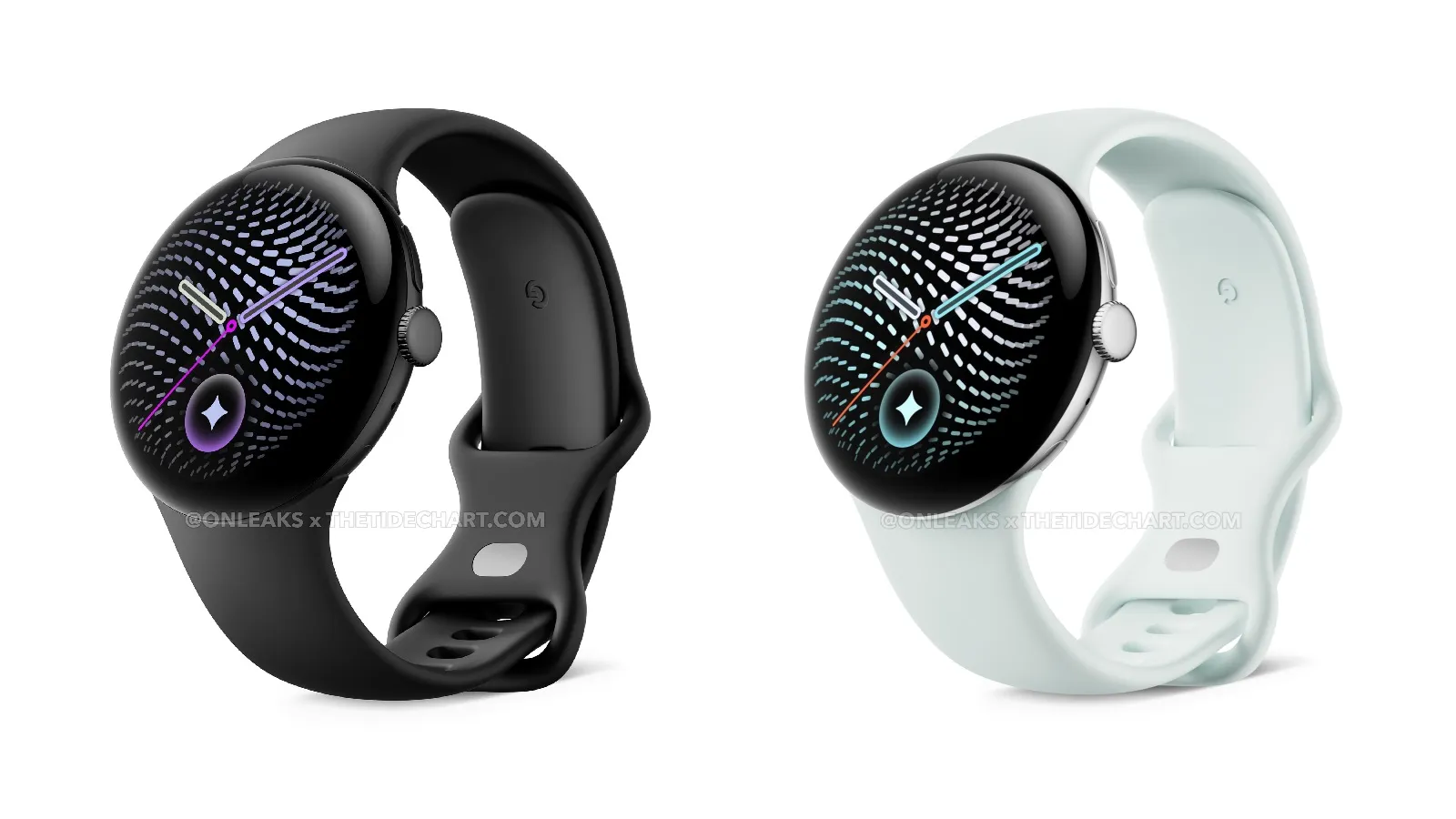
Google Pixel Watch 5 vs Samsung Galaxy Watch 9

Google Pixel Watch 5 and Samsung Galaxy Watch 9 side by side

Google Pixel Watch 5: A Potential Underdog?

The tech world is abuzz with the latest smartwatch releases, particularly the Samsung Galaxy Watch 9 and the upcoming Google Pixel Watch 5. As partners in the Android ecosystem, Samsung and Google are set to go head-to-head in the retail arena. The summer launch events of these two tech giants have intensified the competition, with the Galaxy Watch 9 boasting an impressive upgrade to the Qualcomm Snapdragon Wear Elite processor.

In contrast, leaked specs of the Google Pixel Watch 5 suggest that it may stick with the Qualcomm SW5100, also known as the Snapdragon W5. This is the same chipset used in the 2023 Pixel Watch 2, although the Pixel Watch 4 did receive an upgrade to the Snapdragon W5 Gen 2, which enabled features like Satellite SOS.

While the Pixel Watch 5 may retain the same core chip as its predecessor, the listing does not mention any potential upgrades to the co-processor. However, with a 4nm manufacturing process compared to the Galaxy Watch 9’s 3nm process, the Pixel Watch 5 may fall short in terms of performance and possibly even battery life.

Design and Price

Leaked renders of the Pixel Watch 5 indicate that it will come in two sizes and feature a near-identical design to the Pixel Watch 4. The confirmed Made by Google event in August will unveil the Pixel 11 series of phones, as well as the Pixel Watch 5. Unfortunately, the latter is expected to come with a price rise.

Other notable smartwatches in the market include the Apple Watch Series 10 and the Huawei Watch GT 4. The Apple Watch Series 10 is expected to feature a new design and improved health tracking features, while the Huawei Watch GT 4 boasts an impressive battery life and a range of fitness tracking features.

In the UK, consumers can expect a wide range of smartwatches from various brands, including Samsung, Google, Apple, and Huawei. The Samsung Galaxy Watch 9 and Google Pixel Watch 5 are expected to be major players in the market, with the former’s Qualcomm Snapdragon Wear Elite processor giving it a potential edge over its competitors.

The iPad Air M2 and Amazon Prime Day UK deals may also be of interest to consumers looking for discounts on the latest tech gadgets. However, for those specifically looking for a smartwatch, the Google Pixel Watch 5 and Samsung Galaxy Watch 9 are definitely worth considering.

Google Pixel’s Now Playing Feature Returns for UK Users – What You Need to Know

Google Pixel phone displaying the Now Playing track notification on the lock screen

Now Playing Returns to Google Pixel Phones in the UK

Google’s Now Playing tool has long sat quietly on the Pixel home screen as a dedicated app, silently listening for any music that drifts into the background. Recent tweaks have made it more visible, and the most welcomed change is the return of a subtle notification that was mysteriously removed earlier this year.

At the start of the year Google inexplicably stripped the feature that would pop up a brief banner identifying the track playing around you. Users suddenly found the handy notification gone, leaving only the core app without the instant‑look‑up convenience they had grown to rely on.

The rationale behind the removal was never explained. Some speculation pointed to a shift towards a stand‑alone app with its own Quick Settings tile, perhaps to streamline the UI. Whatever the internal reasoning, the loss felt like a step backwards for many Pixel owners.

After a flood of complaints on social media, especially on Reddit, Google appears to have listened. Members of the community have begun sharing screenshots that show the track notification re‑appearing, confirming that the feature is being rolled back in.

Evidence suggests the reinstatement is not yet universal – several users still report the notification missing on their devices. It seems Google is re‑introducing the alert gradually, testing it across different models and software builds before a full‑scale launch.

This low‑key approach mirrors previous instances where Google quietly restored popular features without fanfare. By phasing the update, the company can monitor performance and address any unforeseen bugs before committing the change to every Pixel phone.

Why does Now Playing matter so much? For many, it’s a tiny but powerful assistant that recognises songs playing in a café, on the tube, or at a friend’s house, then logs them for later reference. It saves the hassle of opening a third‑party app such as Shazam, and the log can be consulted whenever you’re trying to recall that perfect track you heard last night at the pub.

In addition to the Now Playing revival, Pixel 11 users in the UK have been notified of a modest 96 MB firmware update labelled CD1A.260905.001.B1. Google describes it as a fix for critical bugs and a boost to performance and stability – the sort of routine maintenance that keeps the devices running smoothly, especially after the more substantial September Pixel Drop.

While the update may not be a headline‑grabbing event, it underscores Google’s commitment to keeping the Pixel line reliable for everyday users. For UK owners, the combination of a restored Now Playing notification and a fresh stability patch means a more seamless Android experience overall.

Google Rushes to Fix Security Flaws as Exploit Code Emerges Publicly

Google Chrome browser on a laptop screen with a warning sign, symbolising the recent security flaw and exploit code emergence, highlighting the importance of browser security and regular updates

Google Scrambles to Patch Security Flaws as Exploit Code Goes Public

Google has recently released updated Chrome 145 Stable builds, following the discovery of a zero-day flaw, identified as CVE-2026-2441. This move aims to bolster the browser’s security by incorporating three additional patches. The Extended Stable channel has also been updated, prompting the Cybersecurity and Infrastructure Security Agency (CISA) to add the exploited flaw to its Known Exploited Vulnerabilities (KEV) catalog.

The swift response from Google underscores the severity of the issue, as exploit code has now been made public, potentially putting users at risk. The company’s proactive approach to addressing security vulnerabilities is crucial in protecting its vast user base from potential cyber threats.

By updating the Chrome browser and Extended Stable channel, Google demonstrates its commitment to delivering a secure browsing experience. The inclusion of the flaw in CISA’s KEV listing serves as a reminder of the importance of staying vigilant in the face of evolving cyber threats.

The situation highlights the ongoing cat-and-mouse game between software developers and malicious actors. As new vulnerabilities emerge, developers must scramble to patch them before they can be exploited, thereby staying one step ahead of potential attackers.

Google’s prompt action in this instance is a testament to its dedication to user safety. The company’s efforts to analyse and address security flaws proactively help to mitigate the risk of cyber attacks, providing users with a more secure and reliable browsing experience.

The CVE-2026-2441 zero-day flaw is a stark reminder of the importance of regular software updates and patches. Users are advised to ensure their browsers are updated to the latest version to protect themselves from potential security threats.

As the cyber landscape continues to evolve, it is essential for developers and users alike to remain vigilant and proactive in their approach to security. By working together, we can help to prevent the exploitation of vulnerabilities and create a safer online environment for everyone.

Google TV Gets Smarter with Gemini Upgrade in the UK

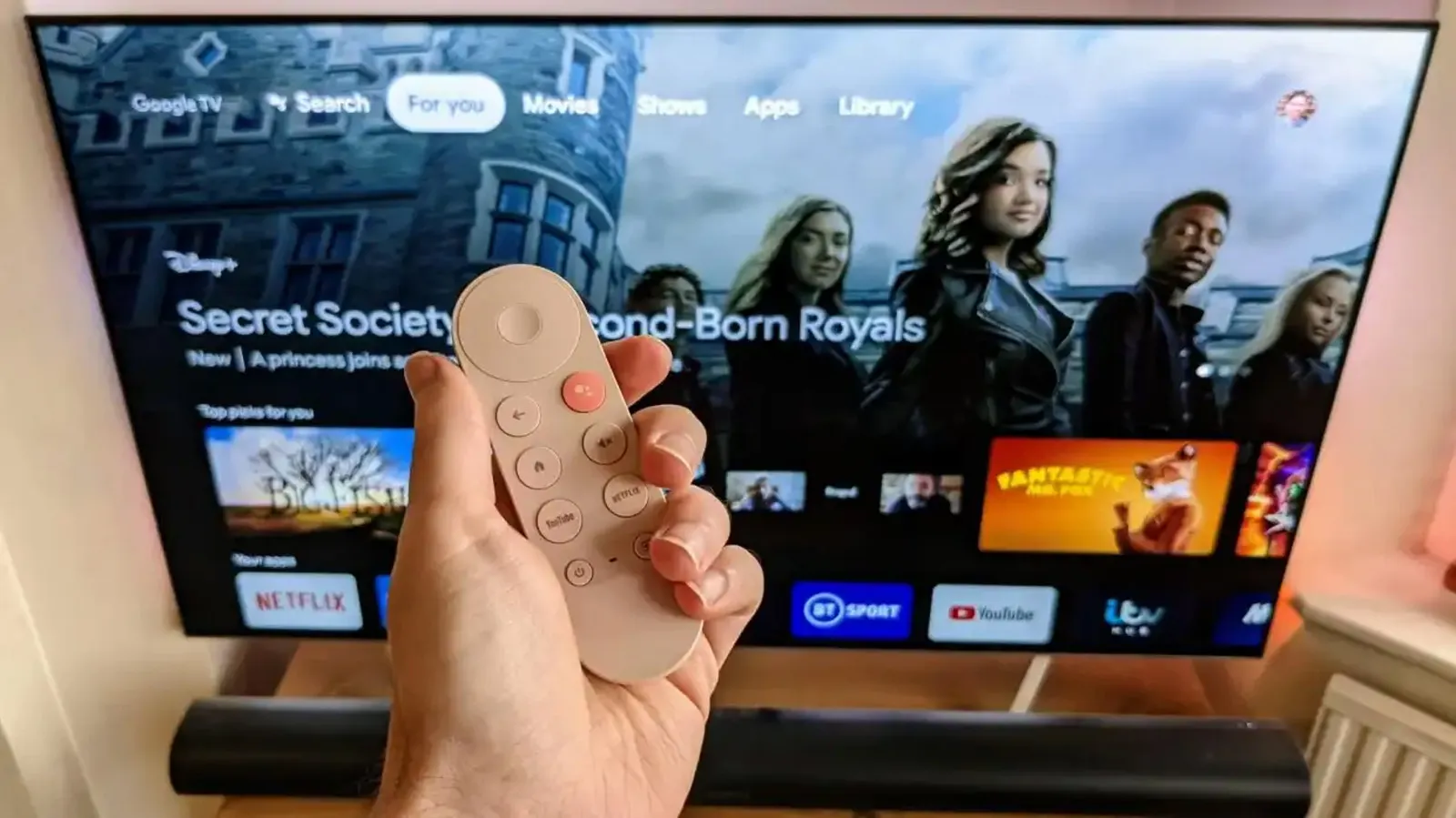
Google TV Gemini upgrade features a range of AI-enhanced features, including deep dives and sports briefs, making it a great choice for TV viewers in the UK, with its user-friendly interface and advanced technology

Google TV Gemini Upgrade: What You Need to Know

Google has just released a trio of new Gemini AI-enhanced features for its Google TV platform. This upgrade is set to make your Google TV experience even smarter and more intuitive. With Gemini, you can now get more nuanced responses to your questions, including live scorecards and video tutorials.

The new features include deep dives, which provide narrated visual breakdowns of educational topics like health and wellness, economics, and technology. You can access these features by looking for the option to “Dive deeper” when you launch a Gemini query on your Google TV.

Additionally, Google TV will now allow you to access sports briefs, giving you narrated overviews of your chosen sports leagues, including player news and game summaries. Although this feature is currently limited to American sports leagues, it’s a great addition to the platform.

While these features are only available in North America at present, Google has announced that the Gemini for Google TV voice assistant is coming to Australia, New Zealand, and the UK this spring. This is great news for UK users, who will soon be able to enjoy the benefits of Gemini on their Google TV devices.

The Gemini AI-enhanced features are rolling out to Google TV screens and streamers in the US and Canada now, with deeper dives and sports briefs available in the US only. However, with the upcoming launch in the UK, Google TV users will soon be able to experience the full range of Gemini features.

Overall, the Gemini upgrade is a significant improvement to the Google TV platform, making it more user-friendly and interactive. With its advanced features and intuitive interface, Google TV is set to become an even more popular choice for TV viewers in the UK.

Whether you’re a sports fan, a foodie, or just looking for a more engaging TV experience, the Gemini upgrade has something for everyone. So, if you’re a Google TV user in the UK, get ready to experience the future of TV with Gemini.

With its advanced AI technology and user-friendly interface, Gemini is set to revolutionise the way we watch TV. From live scorecards to video tutorials, Gemini makes it easy to access the information you need, when you need it.

So, what are you waiting for? Get ready to experience the power of Gemini on your Google TV device. With its upcoming launch in the UK, you’ll soon be able to enjoy the benefits of this cutting-edge technology.

In conclusion, the Gemini upgrade is a major breakthrough for Google TV, making it an even more attractive option for TV viewers in the UK. With its advanced features, intuitive interface, and upcoming launch, Gemini is set to take the TV viewing experience to the next level.

Google Pixel Watch 4 Gets Affordable Travel Charger

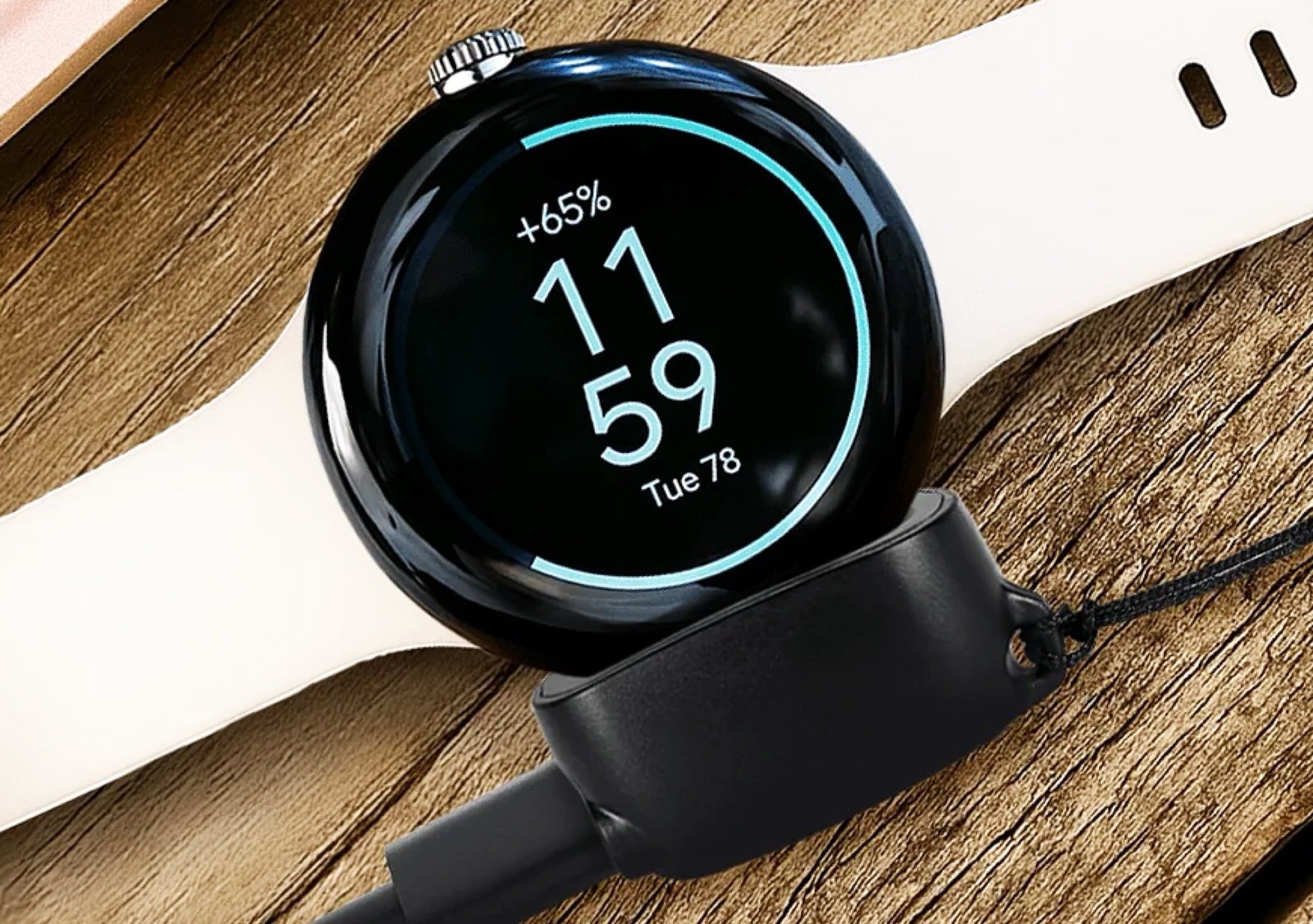
A close-up of the Google Pixel Watch 4 with the new travel-ready charger, showcasing its compact design and easy-to-use interface, perfect for travel and everyday use

Google Pixel Watch 4 Charging Made Easy with New Travel-Ready Charger

The Google Pixel Watch 4 has finally got a smaller and more affordable charger, making it an ideal option for travel. This new charger is a welcome addition, especially with Google’s updated charging connector on its latest smartwatch. The previous USB-C charging cable was a bit bulky for travel. This new charger is set to change that.

For those who frequently travel, a compact charger is a must-have. The new travel-ready charger for the Google Pixel Watch 4 is smaller and more affordable than the standard USB-C charging cable. This makes it perfect for throwing into a bag or suitcase without taking up too much space. The updated charging connector on the latest smartwatch also ensures a secure and efficient charging experience.

The Google Pixel Watch 4 is a popular choice among smartwatch enthusiasts, and this new charger is set to make it even more appealing. With its compact design and affordable price, it’s an excellent option for anyone looking for a reliable and travel-friendly charger. Whether you’re heading to the gym or embarking on a long journey, this charger is sure to keep your Google Pixel Watch 4 powered up and ready to go.

In addition to its compact design, the new charger is also easy to use. Simply plug it into a USB port, and your Google Pixel Watch 4 will start charging. The charger is also compatible with other devices, making it a versatile accessory for any traveller. With the Google Pixel Watch 4 and this new travel-ready charger, you’ll be able to track your fitness goals, receive notifications, and control your music playlists on the go.

The importance of a good charger cannot be overstated, especially when it comes to travel. A reliable charger can make all the difference in keeping your devices powered up and ready to use. The new travel-ready charger for the Google Pixel Watch 4 is a great example of this, offering a compact and affordable solution for travellers. By investing in this charger, you’ll be able to enjoy your Google Pixel Watch 4 without worrying about running out of battery.

Furthermore, the new charger is a testament to Google’s commitment to innovation and customer satisfaction. By listening to feedback and updating their products, Google is able to provide users with the best possible experience. The Google Pixel Watch 4 and its new travel-ready charger are a great example of this, offering a powerful and feature-rich smartwatch with a reliable and compact charging solution.

In conclusion, the new travel-ready charger for the Google Pixel Watch 4 is a must-have for any traveller. Its compact design, affordable price, and easy-to-use interface make it an excellent option for anyone looking for a reliable charger. With the Google Pixel Watch 4 and this new charger, you’ll be able to stay connected, track your fitness goals, and enjoy your music playlists on the go. So why wait? Get your new travel-ready charger today and experience the convenience and freedom of a compact and reliable charging solution.

Google Unveils Fitbit Air in the UK: Release Date, Price, and More

The Fitbit Air, a sleek and stylish fitness tracker with a range of colourful straps and advanced health and fitness features, perfect for the UK fitness enthusiast

Google Fitbit Air: The Ultimate Fitness Tracker for the UK

Google’s latest foray into the wearable market, the Fitbit Air, has been making waves in the tech world. With its sleek design and cutting-edge features, this device is set to revolutionise the way we track our fitness in the UK. The Fitbit Air is expected to be released on 16 May, with a possible price tag of $93, making it an attractive alternative to the Whoop Band 5.0.

The Fitbit Air will come with a range of stylish straps and colours, including the Performance Loop Band, Active Band, Elevated SoftFlex Band, and Metal Mesh Band. The colours on offer include Obsidian, Fog, Lavender, Berry, Moonstone, Porcelain, Silver, and Warm Gold. The device is also expected to be rebranded as part of the Google Health subscription service.

With its advanced features and affordable price, the Fitbit Air is set to give Garmin’s upcoming Cirqa a run for its money. The device has been teased by basketball star Steph Curry, who has been wearing it in public for months. Although the details are not yet official, it’s clear that the Fitbit Air is going to be a game-changer in the UK fitness market.

The Fitbit Air’s range of straps and colours will appeal to a wide range of users, from fitness enthusiasts to fashion-conscious consumers. The device’s ability to track fitness and health metrics will make it an essential tool for anyone looking to improve their wellbeing in the UK. With its release date just around the corner, it’s time to get excited about the latest innovation from Google.

As we await the official launch of the Fitbit Air, it’s clear that this device is going to make a big impact in the UK. With its unique blend of style, functionality, and affordability, it’s set to become a must-have accessory for anyone looking to stay on top of their fitness game. The Fitbit Air is the perfect example of how technology can be used to improve our health and wellbeing, and we can’t wait to see what the future holds for this innovative device.

The Fitbit Air’s release in the UK is a significant milestone for Google, as it marks the company’s continued commitment to providing innovative health and fitness solutions. With the device’s advanced features and user-friendly interface, it’s set to become an essential tool for anyone looking to improve their health and wellbeing. The Fitbit Air is the perfect choice for anyone looking for a reliable and affordable fitness tracker in the UK.

In conclusion, the Fitbit Air is an exciting new development in the world of fitness tracking. With its sleek design, advanced features, and affordable price, it’s set to become a must-have accessory for anyone looking to stay on top of their fitness game in the UK. We can’t wait to see what the future holds for this innovative device, and we’re excited to see how it will impact the UK fitness market.

The Fitbit Air’s impact on the UK fitness market will be significant, as it provides a unique and innovative solution for anyone looking to improve their health and wellbeing. The device’s ability to track fitness and health metrics will make it an essential tool for fitness enthusiasts and health-conscious consumers alike. With its release date just around the corner, it’s time to get excited about the latest innovation from Google.

As the UK’s fitness market continues to grow, the Fitbit Air is set to become a leading player in the industry. With its advanced features, user-friendly interface, and affordable price, it’s the perfect choice for anyone looking for a reliable and innovative fitness tracker. The Fitbit Air is an exciting new development in the world of fitness tracking, and we can’t wait to see what the future holds for this innovative device.

Google Unveils Gemini Upgrade for Chromecast with Google TV in the UK

Google Chromecast with Google TV streamer featuring Gemini AI, with a UK cityscape in the background, highlighting the integration of AI technology in everyday life

Google TV Receives Gemini Upgrade in the UK

Google has finally rolled out the Gemini AI upgrade to its Chromecast with Google TV streamer in the UK, marking a significant milestone in its quest for AI ubiquity. This upgrade is expected to enhance the user experience, with improved content recommendations and voice control. The Chromecast with Google TV, initially launched in 2020, has been awaiting this upgrade for some time. Meanwhile, the original 4K model of the Chromecast with Google TV has been spotted running Gemini, with the HD variant likely to follow suit.

The Gemini AI tool was first introduced to Google TV screens in September 2025, but the 2020 Chromecast with Google TV dongle was left untouched until now. This move indicates Google’s commitment to integrating its AI assistant into various devices, regardless of their age. As the UK market continues to grow, Google’s focus on AI-powered devices is likely to intensify, with the Gemini upgrade being a crucial step in this direction.

In related news, Google has announced its support for third-party speaker development through a new Speaker Reference Design. This move is expected to lead to the creation of new Google Home speakers, with brands like LG, Lenovo, and Sony potentially integrating Gemini into their bespoke apps. The ability to include Google Home Premium subscriptions with speaker purchases will also be available to these third-party brands.

As Google continues to expand its AI presence in the UK, the company’s willingness to collaborate with third-party brands is likely to play a significant role. With the Gemini upgrade and the new Speaker Reference Design, Google is poised to make its AI assistant a staple in UK households. The Chromecast with Google TV, now equipped with Gemini, is set to provide users with a more seamless and intuitive viewing experience.

The implications of this upgrade are far-reaching, with potential applications in various aspects of smart home technology. As the UK market becomes increasingly saturated with AI-powered devices, Google’s move to integrate Gemini into its Chromecast with Google TV streamer is a strategic one. With its commitment to AI innovation, Google is likely to maintain its position as a leader in the UK’s smart home market.

In conclusion, the Gemini upgrade for the Chromecast with Google TV streamer marks a significant development in Google’s AI strategy in the UK. As the company continues to push the boundaries of AI innovation, users can expect to see more seamless and intuitive interactions with their devices. With the UK market at the forefront of this innovation, Google’s focus on AI-powered devices is likely to have a lasting impact on the smart home industry.

Google Pixel User Faces Court Over Data Deletion

Google Pixel smartphone with GrapheneOS operating system

Google Pixel User in Court Over Data Deletion

A Google Pixel user in the US is facing a court conviction after deleting data from his smartphone at a border control point. Samuel Tunick, who was using an alternative operating system called GrapheneOS on his Google Pixel device, entered a false PIN, known as a ‘Duress PIN’, which deleted all data on the phone.

The US authorities were allegedly searching for evidence of child pornography on Tunick’s device, but he was able to prevent them from accessing it thanks to the security features of GrapheneOS. The authorities are now accusing Tunick of destroying evidence, according to reports.

GrapheneOS and the ‘Duress PIN’ Feature

GrapheneOS is an alternative Android operating system that is currently only available for Google Pixel smartphones, including the Google Pixel 7 Pro and Google Pixel 6a. However, it is set to become available for more manufacturers in the future, potentially including Samsung and their Galaxy S25 series, as well as OnePlus and their OnePlus 12 series.

The ‘Duress PIN’ feature is a special security feature that allows users to delete all data on their device in emergency situations. This feature is designed to protect users’ private data from searches, and it is not unique to GrapheneOS. Other devices, such as the Apple iPhone 14 and the Samsung Galaxy S25, also have similar features, including the Apple Watch Series 10 and the iPad Air M2.

Implications of the Case

The case is expected to go to court in October 2026, and it could have significant implications for users of GrapheneOS and Google Pixel devices. If the court rules in favour of the prosecution, it could set a dangerous precedent and undermine the right to the protection of one’s own data.

Experts are criticising the fact that GrapheneOS could be classified as ‘criminal by default’, simply because it has security features that allow users to protect their private data. This could lead to users of Google Pixel devices, including the Google Pixel 7 and Google Pixel 6, being placed under general suspicion, which would be excessive and unfair.

Google rolls out Android system update 26.36 with security patches and new features

What are Google system updates?

Google system updates are delivered through the Play Store and target the core services that run on Android devices. They improve security, reliability and add new capabilities without requiring a full OS version bump. The latest batch, version 26.36 released in September 2026, reaches smartphones, tablets, Wear OS watches, Chrome OS laptops and even cars running Android Automotive OS.

Key improvements for account management and location sharing

Bug fixes in the account management services section resolve rare crashes on devices such as the Samsung Galaxy S25 and Google Pixel 8. The update also refines location sharing, making it more accurate on Wear OS devices like the Apple Watch Series 10 and on the Samsung Galaxy Watch 6.

Developer services get new tools

Developers can now integrate Google Maps features more easily across Android apps. The update adds APIs that let apps request precise location and context data, which benefits navigation apps on the iPad Air M2 when it runs Android apps via emulation. Additionally, a new setup flow lets users configure devices regardless of the underlying OS, simplifying cross‑platform onboarding.

Device connection enhancements

For smartphones and Wear OS devices, the update introduces background connection handling that reduces latency when pairing Bluetooth accessories. This is especially useful for users of the Samsung Galaxy Buds Pro and the Pixel Tablet.

Location and context capabilities

Apps can now react to real‑time context signals such as motion, nearby Wi‑Fi networks and user activity. This enables smarter automation on the Samsung Galaxy S25 and on Android Auto‑compatible car infotainment systems.

System management and diagnostics

Bug fixes across cars, PCs, smartphones, TVs and Wear OS improve diagnostic reporting. System management services have been tuned to make OTA updates more reliable, reducing the chance of failed installations on Chrome OS devices and Android TV sets.

Wallet improvements for smoother checkout

Google Wallet now shows real‑time price adjustments in the shopping basket when a user changes the payment method on a PC or smartphone. Users who switch to a new device, such as moving from a Samsung Galaxy S25 to a Pixel 7, will receive a prompt to re‑add their Wallet cards, ensuring uninterrupted mobile payments.

How to install the update

To download the update, open Settings, go to System, select Software Updates and tap Google Play system update. The process typically takes a few minutes and does not require a factory reset. Because Android devices are configured by default to receive system updates, most users will see the notification automatically.

What this means for Android users

The 26.36 update demonstrates Google’s commitment to keeping the Android ecosystem secure and feature‑rich. By addressing bugs, expanding developer APIs and polishing user‑facing services like Wallet, Google ensures that flagship devices such as the Samsung Galaxy S25, Apple Watch Series 10 and iPad Air M2 remain competitive even as new hardware launches.

Google’s Android XR: A New Era for Immersive Technology

Google's Android XR: A New Era for Immersive Technology

Google’s Android XR: A New Era for Immersive Technology

The technological landscape continually advances, pushing the boundaries of what’s possible. Extended Reality (XR), encompassing virtual, augmented, and mixed realities, leads this transformation. It promises to redefine our digital interactions and physical perceptions, offering unprecedented immersion for users worldwide.

To grasp the future of this exciting domain, we engaged with Juston Payne, Google’s Senior Director of Product Management for XR. His insights offered a compelling glimpse into the profound advancements shaping this space, hinting at a technological revolution on the horizon.

Payne articulated a pivotal moment of profound realisation, a clear juncture where he grasped the magnitude of current developments. “Things have changed,” he declared, recalling an instance that crystalised immense potential. This marked a significant paradigm shift in immersive capabilities.

He further elaborated on this revelation, stressing, “This is very different. This is very new. It’s very powerful.” Such a statement from Google’s XR leader underscores a significant leap forward. It suggests a clear departure from previous immersive tech.

The “different” aspect refers to much smoother integration now possible. We’re moving beyond cumbersome prototypes to elegant, intuitive systems. Modern XR devices are increasingly lightweight, offering superior visual fidelity and natural interaction. This is vital for broader consumer adoption.

Regarding its “newness,” Payne’s perspective highlights breakthroughs in spatial computing and environmental understanding. Devices can now map environments with remarkable accuracy, allowing digital objects to interact convincingly. This enables sophisticated applications previously confined to science fiction.

The “powerful” dimension speaks volumes about the computational muscle within these compact devices. Advanced mobile chipsets, coupled with optimised software, render complex virtual environments and process vast sensor data in real-time. This power is fundamental to delivering immersive and responsive experiences.

Google’s strategic involvement with Android XR positions the platform as a pivotal enabler for this next wave of innovation. Just as Android democratised mobile computing, the intention is to create an accessible, open ecosystem for extended reality, empowering diverse manufacturers.

The universal appeal of Android, with its vast installed base and robust developer community, makes it an ideal foundation for XR. Developers can leverage existing tools, significantly reducing the barrier to entry for compelling XR content. This ecosystem will be critical.

Consider the transformative impact on various industries. In healthcare, Android XR could facilitate sophisticated surgical training or provide immersive therapy. Education might see virtual field trips, bringing learning vividly to life. For businesses, remote collaboration could evolve into shared virtual workspaces.

The social implications are equally compelling. Imagine attending a concert or sports event virtually with friends miles away, yet seemingly beside you. Android XR has the potential to redefine human connection, fostering new forms of community and shared experiences.

However, the journey to ubiquitous XR is not without challenges. Ensuring user comfort over extended periods, addressing privacy concerns, and refining intuitive interaction models are paramount. Google, with its experience, is focused on overcoming these hurdles for a seamless experience.

Moreover, creating compelling content remains a significant focus. A rich and varied library of applications and immersive experiences is essential to drive widespread consumer adoption. Android XR aims to incentivise developers to invest deeply, unlocking a creative explosion.

Juston Payne’s forward-looking vision underscores a future where XR is not merely a niche gadget but an integrated part of daily life. It could become as indispensable as smartphones. This isn’t about replacing reality, but enhancing it with digital information.

The strong commitment from Google, evidenced by Payne’s insightful perspectives, signals a robust investment in Android XR’s long-term potential. We are witnessing the foundational stages of a profound technological shift to reshape how we work, play, learn, and connect.

As Android XR capabilities mature, its integration into various facets of our daily existence will only deepen. Google’s dedicated approach, combining hardware innovation with a thriving software ecosystem, suggests a future where immersive experiences are genuinely transformative for all.


Also Read:  Marathon Runner’s Top Picks: Essential Running Gifts for Every UK Athlete

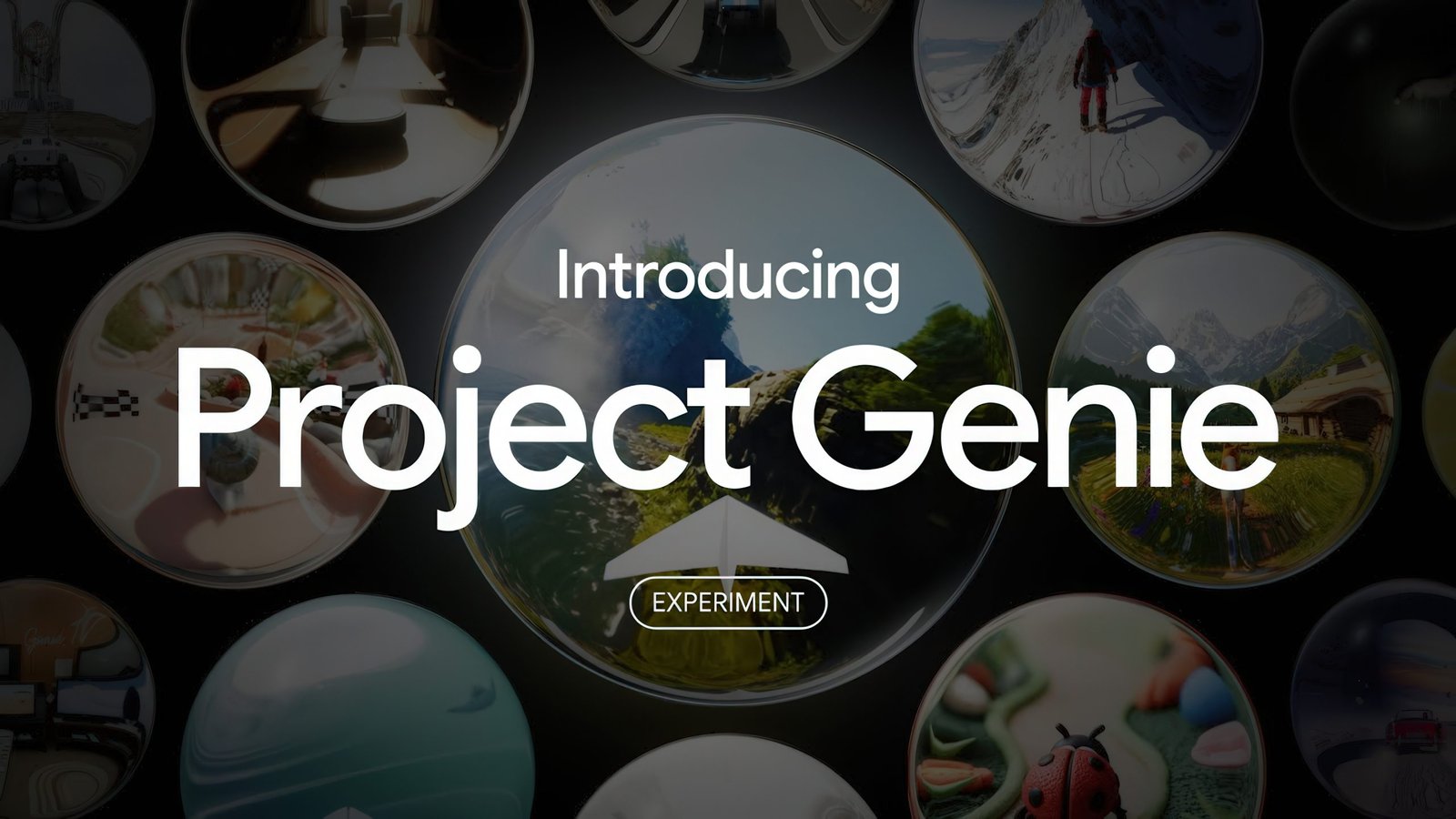
Google’s AI Revolution: Will Project Genie Replace Human Game Developers?

Google's Project Genie experiment creates photorealistic three-dimensional environments with AI, sparking a debate about the future of game development and the potential for AI-generated games to replace human game developers, with a focus on artificial intelligence and machine learning

The Rise of AI in Game Development: Project Genie Experiment

Google’s latest AI-based experiment, Project Genie, has made a significant impact on the gaming industry, causing video game stocks to crash as investors believe games may soon be made entirely with AI. This ‘general purpose model’ can swiftly create photorealistic three-dimensional environments that can be explored in a game-like fashion. The implications are profound, and the industry is taking notice. As a result, investors are re-evaluating their investments in traditional game development.

The Project Genie experiment allows users to test it out by simply writing a prompt, creating a unique and interactive experience. Although interaction is limited, with users only able to move around and jump in these environments, it is still an impressive feat. The potential for AI-generated games is vast, and it has sparked a heated debate about the future of game development. Will human game developers become a thing of the past, or will AI augment their capabilities?

The sudden crash of video game stocks has sent shockwaves through the industry, with companies like Unity Technologies feeling the effects. As investors scramble to understand the implications of AI-generated games, one thing is clear: the gaming industry is on the cusp of a revolution. Whether this revolution will be driven by Google’s Project Genie or other AI-based experiments remains to be seen. However, one thing is certain – the future of game development will be shaped by artificial intelligence.

As the industry continues to evolve, it is essential to analyse the potential benefits and drawbacks of AI-generated games. While AI can create immersive and interactive experiences, it lacks the creativity and originality that human game developers bring to the table. The behaviour of investors and gamers alike will be crucial in determining the success of AI-generated games. Will they embrace this new technology, or will they prefer the traditional approach to game development?

The colour and vibrancy of AI-generated games are undeniable, but the question remains – can they replace human game developers? The answer is complex, and it will depend on various factors, including the quality of AI-generated games and the cost of production. As the industry continues to navigate this uncharted territory, one thing is clear: the future of game development is uncertain, but it is also full of possibilities. The rise of AI in game development is a trend that cannot be ignored, and it will be exciting to see how it unfolds.

In conclusion, Google’s Project Genie experiment has sparked a heated debate about the future of game development. While AI-generated games have the potential to revolutionise the industry, they also pose significant challenges. As the industry continues to evolve, it is essential to consider the implications of AI-generated games and their potential impact on human game developers. The future of game development is uncertain, but one thing is clear – it will be shaped by artificial intelligence.