Top 10 Fitness Trackers for 2026: Best Budget Wearables and Prime Day Deals
Why fitness trackers matter in 2026
Fitness trackers have become essential tools for anyone who wants to monitor activity, sleep, and overall health without the distraction of a full smartwatch. Modern devices from brands like Xiaomi, Huawei, and Fitbit offer affordable options that still deliver accurate heart‑rate monitoring, long battery life, and waterproof designs. Whether you are a casual walker or a serious runner, a dedicated tracker can provide the data you need to improve performance and recovery.
Prime Day deals you shouldn’t miss
Amazon’s October Prime Day sale brings deep discounts on many of the top wearables. In the UK you can find the Fitbit Charge 6 for £89, the Huawei Band 11 Pro for £69.99, and the Xiaomi Smart Band 10 for £46.74. US shoppers see the Xiaomi Smart Band 10 Pro at $74.99 and the Redmi Watch 6 Active for $45.99. These prices make it easier than ever to upgrade to a newer model without breaking the bank.
Huawei Band 11 Pro – best value with GPS
The Huawei Band 11 Pro upgrades the standard Band 11 with built‑in GPS, a robust aluminium frame, and 50‑metre water resistance. Its 1.62‑inch AMOLED screen stays bright in sunlight, and the battery can last up to 14 days on a single charge. This makes it ideal for entry‑level runners who want to track outdoor routes without carrying a phone.
Xiaomi Smart Band 10 – premium feel at a low price
Xiaomi’s Smart Band 10 replaces the plastic case with aluminium or a ceramic option, giving the device a premium look. The 1.72‑inch AMOLED display offers vivid colours, while a nine‑axis sensor improves swim tracking and heart‑rate accuracy. Battery life reaches 21 days, so you can wear it continuously for weeks without recharging.
Fitbit Air – screenless comfort with AI health coach
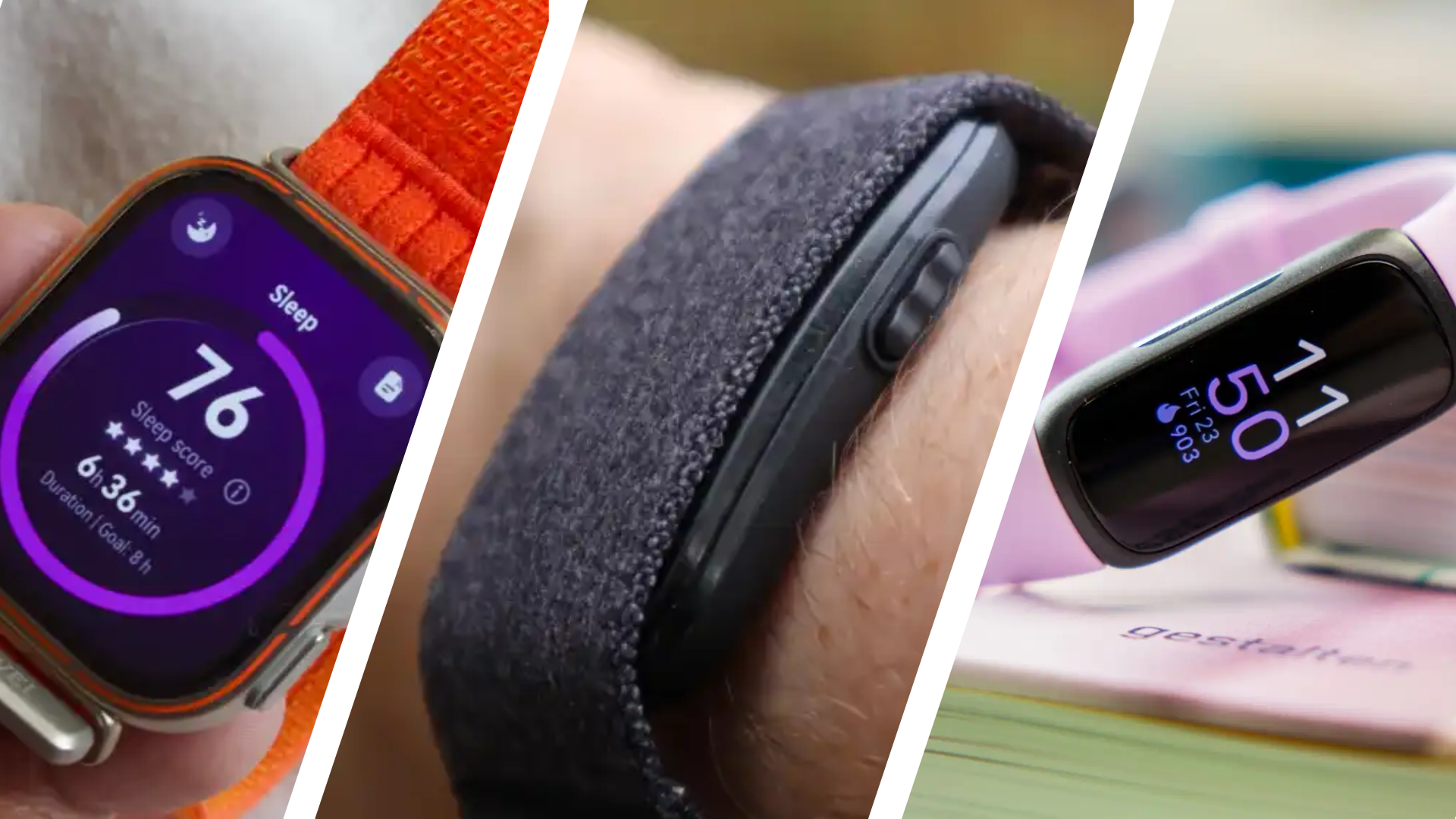
The Fitbit Air returns to a screenless design, focusing on heart‑rate, sleep, and recovery metrics. It pairs with the Google Health app, which includes an AI‑powered Health Coach that suggests workouts and lifestyle tips. While the coach requires a Google Health Premium subscription, the device itself is comfortable for 24/7 wear and offers a week‑long battery life.
Huawei Watch Fit 5 Pro – bright display and mini‑workouts
The Huawei Watch Fit 5 Pro features a 1.92‑inch display capable of 3000 nits brightness, rivaling flagship smartwatches. New mini‑workouts guide users through quick exercise bursts, and the watch provides comprehensive sleep analysis. Although it costs more than some budget options, the large screen and robust fitness suite make it a strong choice for runners and gym enthusiasts.
Garmin Cirqa – screenless tracker with full data
Garmin’s Cirqa offers a distraction‑free experience similar to the Whoop Strap, but without a mandatory subscription. All core metrics, including stride length and max speed, are available in the Garmin Connect app. A dedicated workout button lets you start and stop activities instantly, though the button currently tracks a generic timed activity.
Fitbit Charge 6 – feature‑rich hybrid
The Fitbit Charge 6 builds on its predecessor with Google Maps, Google Pay, and YouTube Music integration. It supports over 40 workout modes, detailed sleep tracking, and built‑in GPS, though the GPS can be inconsistent. The colour display is easy to navigate, and battery life lasts up to 7 days.
Amazfit Bip 6 – big screen on a budget
The Amazfit Bip 6 upgrades to a 1.97‑inch AMOLED display and adds Bluetooth call capability, transport card storage, and an AI assistant. It includes built‑in GPS for outdoor runs and can record Hyrox workouts. Battery life reaches 14 days, making it one of the most capable low‑cost fitness trackers.
Withings ScanWatch Light – hybrid analogue style
The ScanWatch Light blends a classic analogue dial with a tiny monochrome display for essential data. It tracks over 40 workouts, heart‑rate zones, and provides solid sleep monitoring. Battery life can approach two weeks, though advanced health features like ECG and SpO2 are omitted to keep the price low.
Fitbit Inspire 3 – entry‑level Fitbit
The Inspire 3 offers a modest price point with up to 10 days of battery life, 24/7 heart‑rate monitoring, and SpO2 tracking. While it lacks built‑in GPS, it integrates smoothly with the Fitbit ecosystem, making it a good starter device for those new to wearable health tech.
Garmin Lily 2 – stylish compact tracker
The Lily 2 targets fashion‑focused users who still want accurate activity and Body Battery data. It is lightweight, water‑resistant, and provides stress tracking, though it does not include GPS or advanced recovery metrics. Its discreet design pairs well with everyday clothing.
How to choose the right tracker
Consider the primary activities you want to track. Runners need reliable GPS, swimmers benefit from strong water resistance, and anyone focused on recovery should prioritize sleep and stress analysis. Budget constraints often dictate whether you opt for a screenless model like the Fitbit Air or a feature‑rich hybrid such as the Huawei Watch Fit 5 Pro. Checking seasonal sales like Prime Day can further stretch your budget.