Samsung Galaxy S27 Ultra gains slightly faster wired charging with new optimisation technique
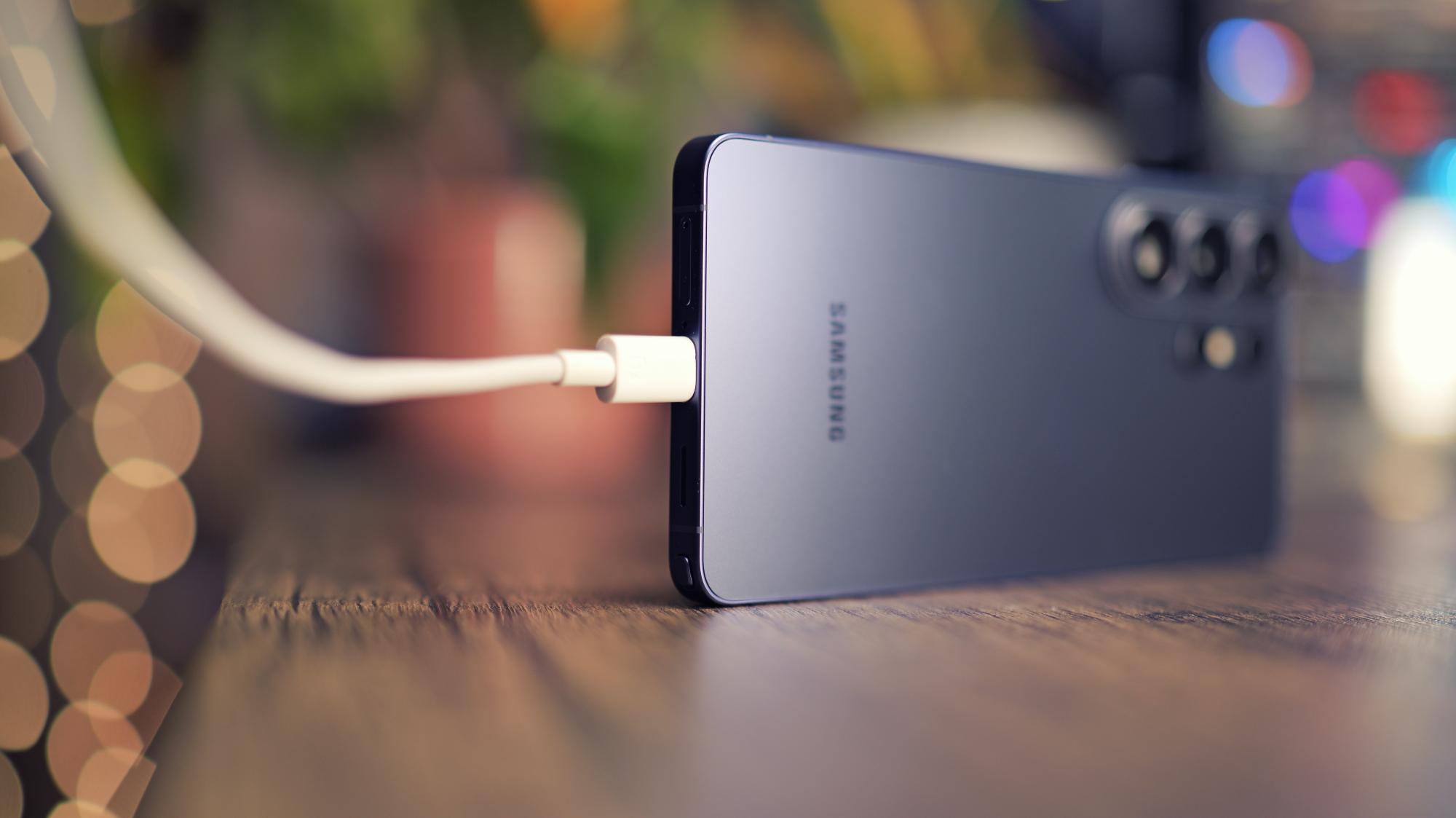
New charging optimisation for Samsung Galaxy S27 Ultra
Samsung has long lagged behind rivals when it comes to charging speed. The Samsung Galaxy S26 Ultra introduced a respectable 60W wired charging rate, but the upcoming Samsung Galaxy S27 Ultra is set to improve on that figure without raising the wattage ceiling. According to X tipster Walle, the S27 Ultra will keep the 60W provision while employing a new charging optimisation that lets the device sustain 55W to 56W for a longer period during the initial charging phase. This subtle tweak translates into a charging experience that is a few percent quicker than the S26 Ultra.
How the S27 Ultra achieves faster charging
The optimisation works by managing the power delivery curve more efficiently. In typical fast‑charging scenarios, a phone starts at a high wattage and then drops the rate as the battery fills to avoid overheating. Samsung‘s new algorithm extends the plateau where the device operates near its maximum 55W‑56W level, allowing more energy to be transferred before the thermal throttling point is reached. The result is a slightly higher average charging speed, estimated at a 2 to 3 percent improvement over the previous model.
Comparison with rival charging technologies
Competitors such as Xiaomi and Oppo regularly advertise 100W or even 200W charging solutions. While those numbers sound impressive, the ultra‑high rates are only sustainable for a short window before heat management forces a rapid decline in power. Samsung’s approach does not chase headline‑grabbing wattage; instead it focuses on a steadier, more controlled charge that maximises the time spent at near‑maximum power. For users who value a reliable and safe charging routine, the S27 Ultra’s method may feel more practical than a brief burst of 100W that quickly tapers off.
Impact of a larger battery capacity
Rumours suggest the Samsung Galaxy S27 Ultra will house a 5700mAh battery, a noticeable jump from the 5000mAh cell in the S26 Ultra. A larger battery typically means longer charging times, but the new optimisation helps offset that drawback. By keeping the 55W‑56W band active for a longer stretch, the S27 Ultra can fill its bigger battery at a pace that feels comparable to the previous generation, despite the added capacity.
What this means for everyday users
For most owners, the improvement will be subtle but welcome. A 2 to 3 percent faster charge may shave a few minutes off a full charge cycle, which adds up over daily use. Moreover, the steadier power curve reduces heat buildup, potentially extending battery longevity. Users who already rely on Samsung’s ecosystem—such as pairing the phone with a Galaxy Watch 6 or using Samsung DeX—will appreciate the consistent charging experience without needing to invest in third‑party 100W chargers.
In summary, the Samsung Galaxy S27 Ultra does not reinvent fast charging, but it refines the process enough to deliver a marginally quicker fill time while supporting a larger 5700mAh battery. As the smartphone market continues to push wattage limits, Samsung’s focus on optimisation rather than raw numbers could set a new standard for balanced, efficient charging.