Samsung Galaxy Tab S11 Ultra early buyers review in USA

Samsung Galaxy Tab S11 Ultra early buyers review in USA

Early Impressions from U.S. Buyers of the Galaxy Tab S11 Ultra

The Samsung Galaxy Tab S11 Ultra has finally arrived in the U.S., and early buyers are sharing their experiences with one of the most premium Android tablets available. With a combination of high-end hardware, a massive display, and productivity-focused features, the tablet was designed to compete with the best in the market. Early U.S. users are already offering insights into its performance, design, battery life, and usability, painting a comprehensive picture for those considering a purchase.

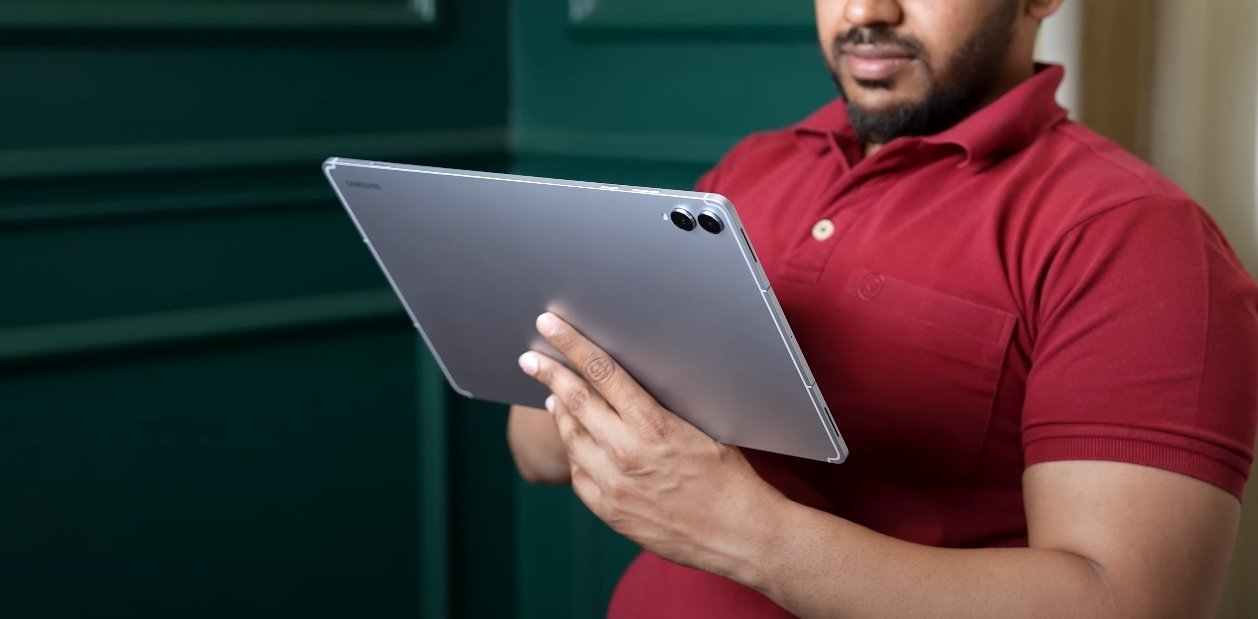
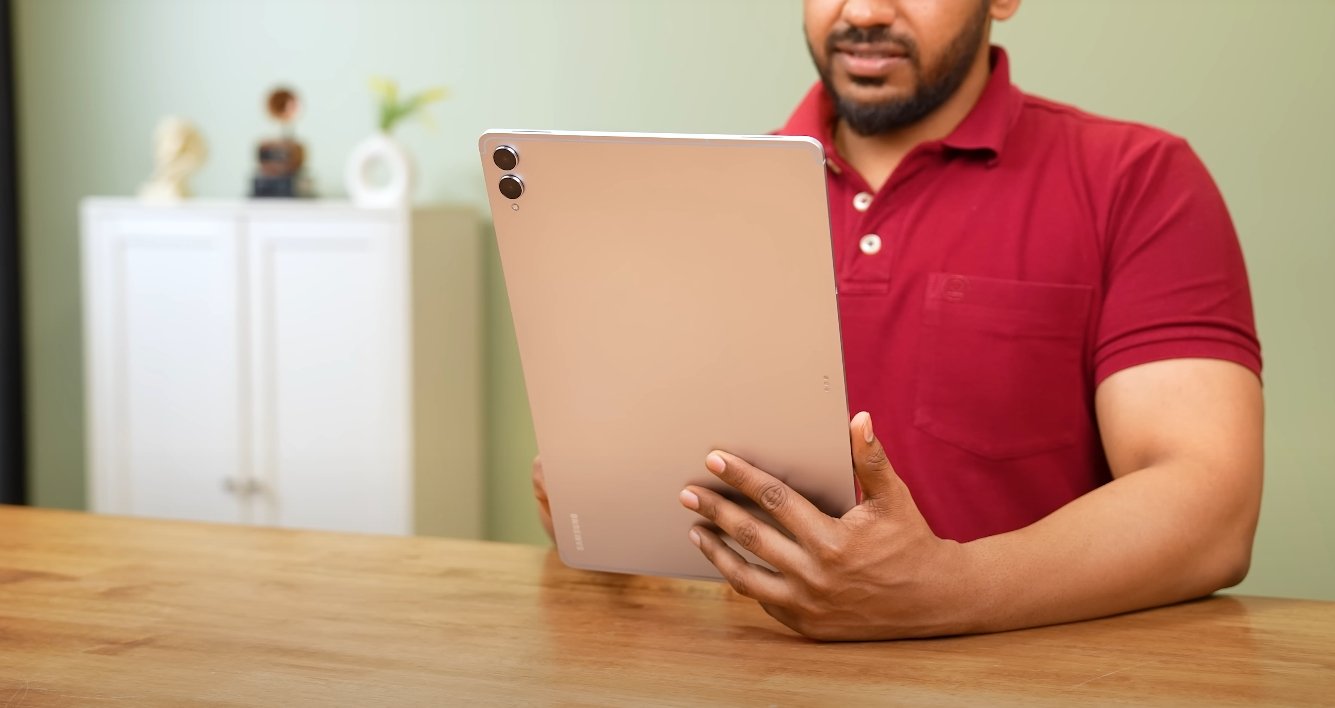
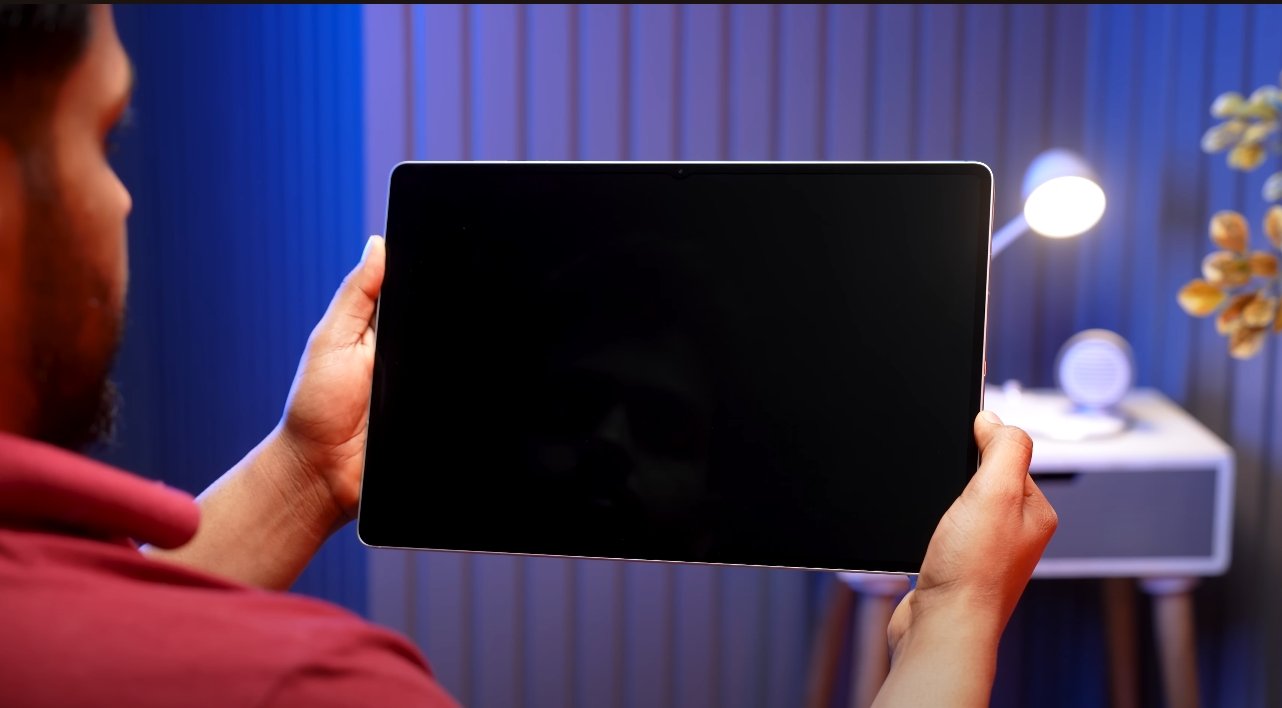
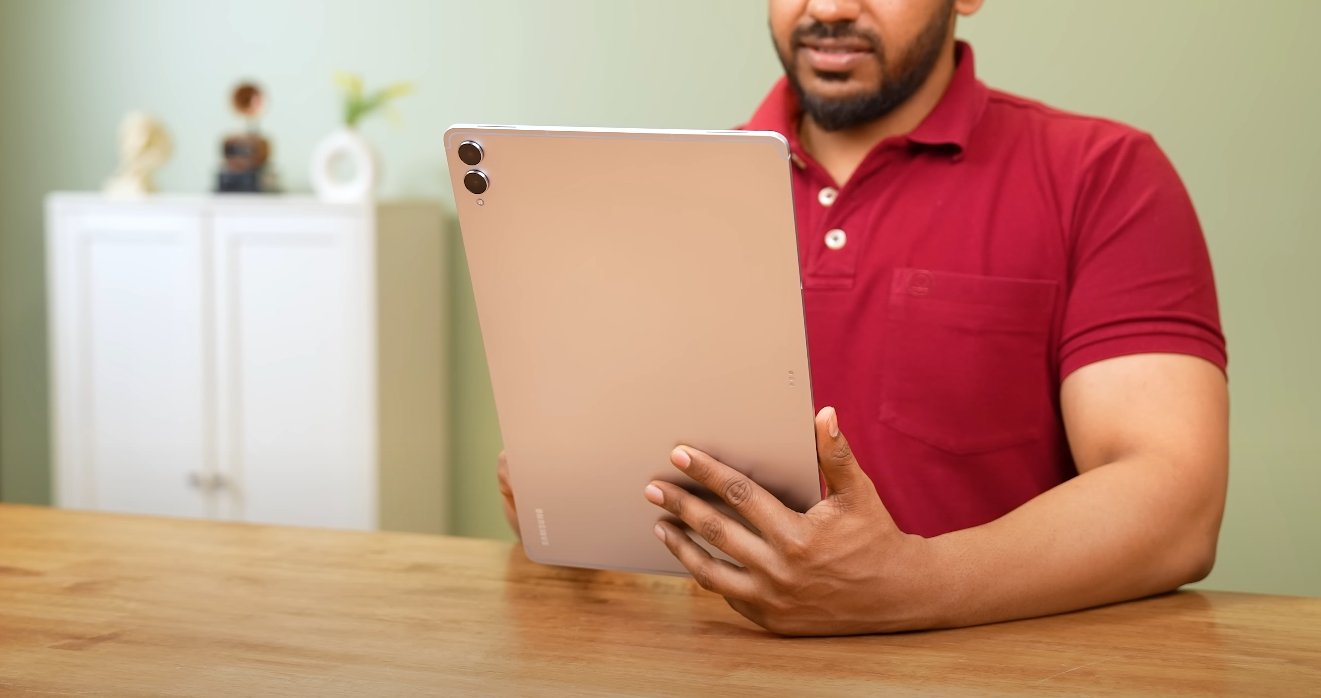
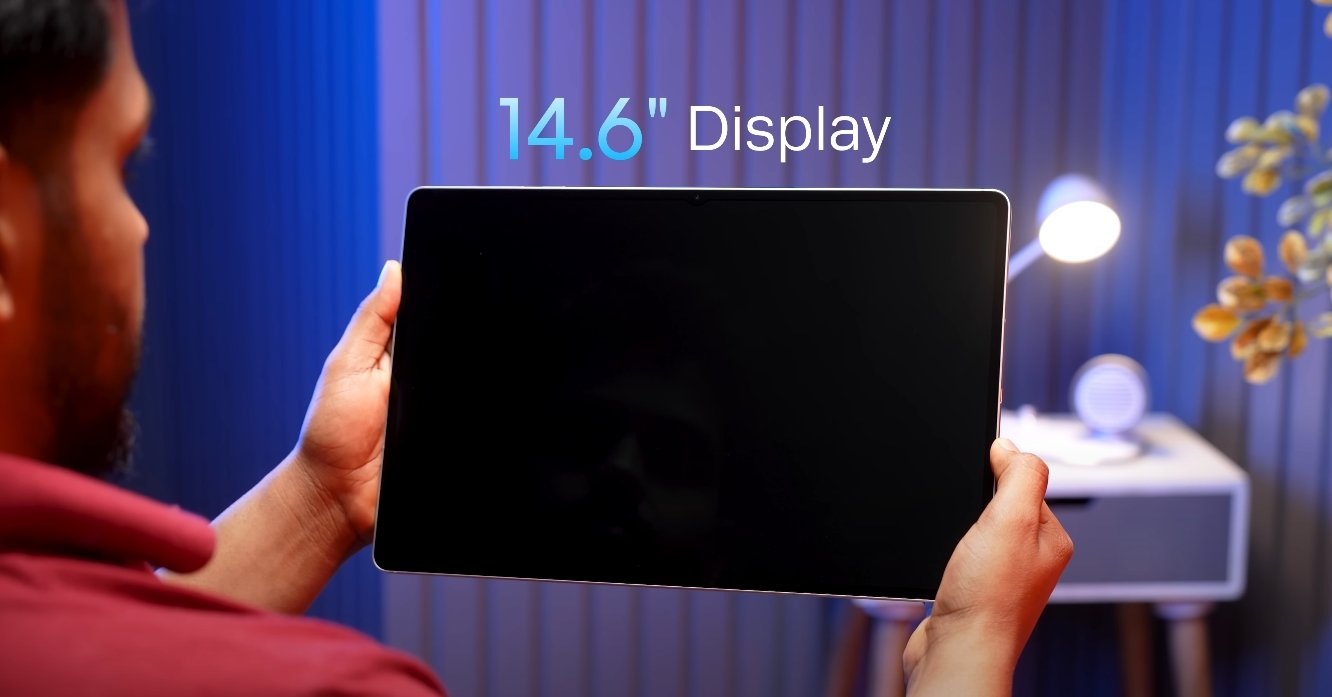
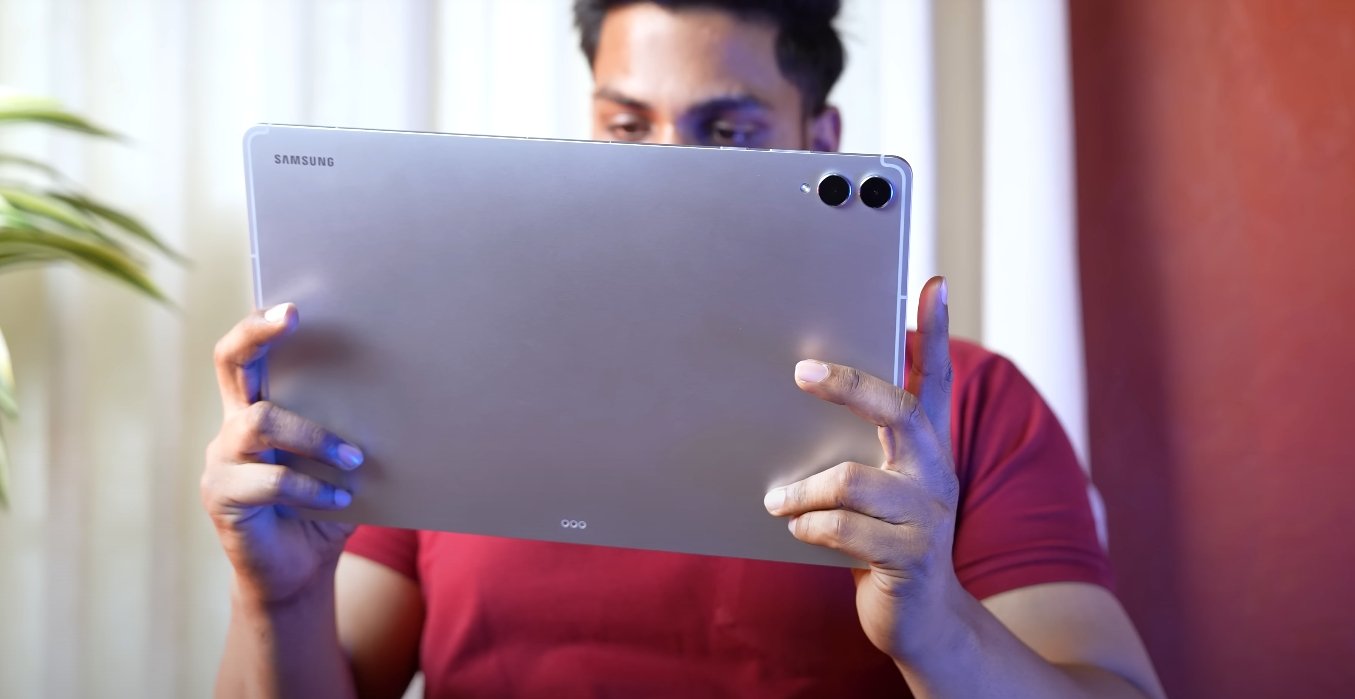
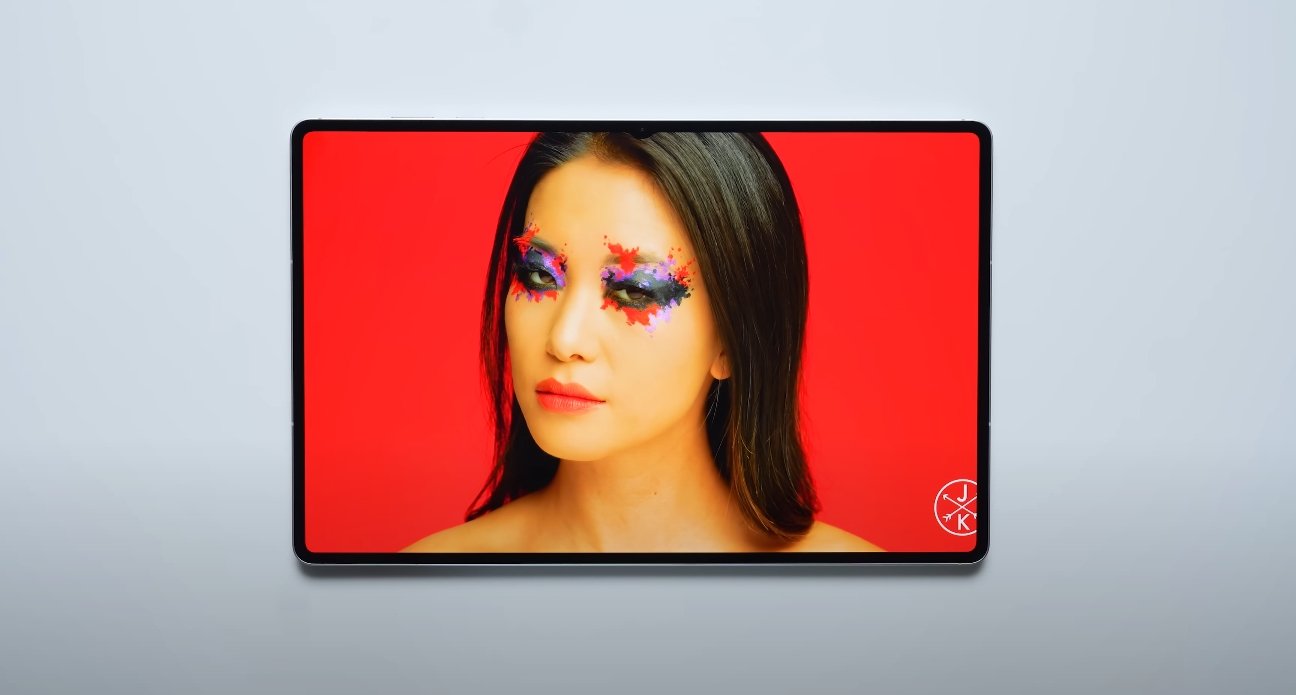
The first thing buyers notice is the tablet’s massive 14.6-inch Dynamic AMOLED 2X display. Early users consistently praise the vibrant colors, sharp resolution, and smooth 120Hz refresh rate. Many report that streaming videos, gaming, and multitasking feel immersive and fluid. The brightness is strong enough for outdoor use, and the Gorilla Glass Armor adds a layer of protection against scratches. The tablet’s slim aluminum frame gives it a premium feel, though some buyers note that the large size and weight make it less comfortable for one-handed use. Most suggest it is best used on a desk, lap, or while supported by a stand.

Performance has received high marks from early adopters. The MediaTek Dimensity 9400 Plus processor, paired with up to 16GB of RAM, handles demanding tasks without noticeable lag. Buyers report smooth multitasking, fast app launches, and consistent gaming performance even on graphics-intensive titles. Samsung’s DeX mode is highlighted as a significant advantage, allowing the tablet to operate in a desktop-like environment for enhanced productivity. Early users especially appreciate the ability to run multiple apps side by side, making it easier to manage work and creative projects simultaneously.
Samsung Galaxy Tab S11 Ultra early buyers review in USA

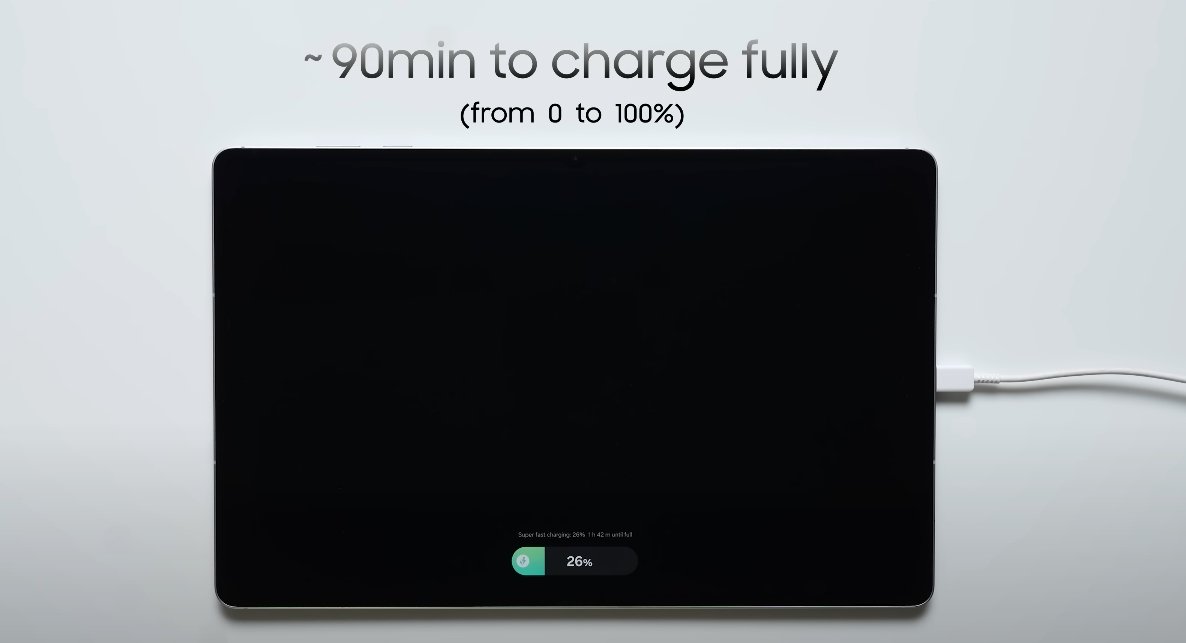
Battery life is another area that earns positive feedback. The 11,600mAh battery supports a full day of mixed usage, including streaming, gaming, and office tasks. Users note that battery consumption increases when using the large display at high brightness or when multitasking heavily, but overall, the tablet reliably lasts through a standard workday. Fast charging at 45W is functional, though some buyers wish the charging time were shorter compared to competitors that offer higher-wattage charging solutions. Nonetheless, the battery performance is considered solid for a tablet of this size and capability.

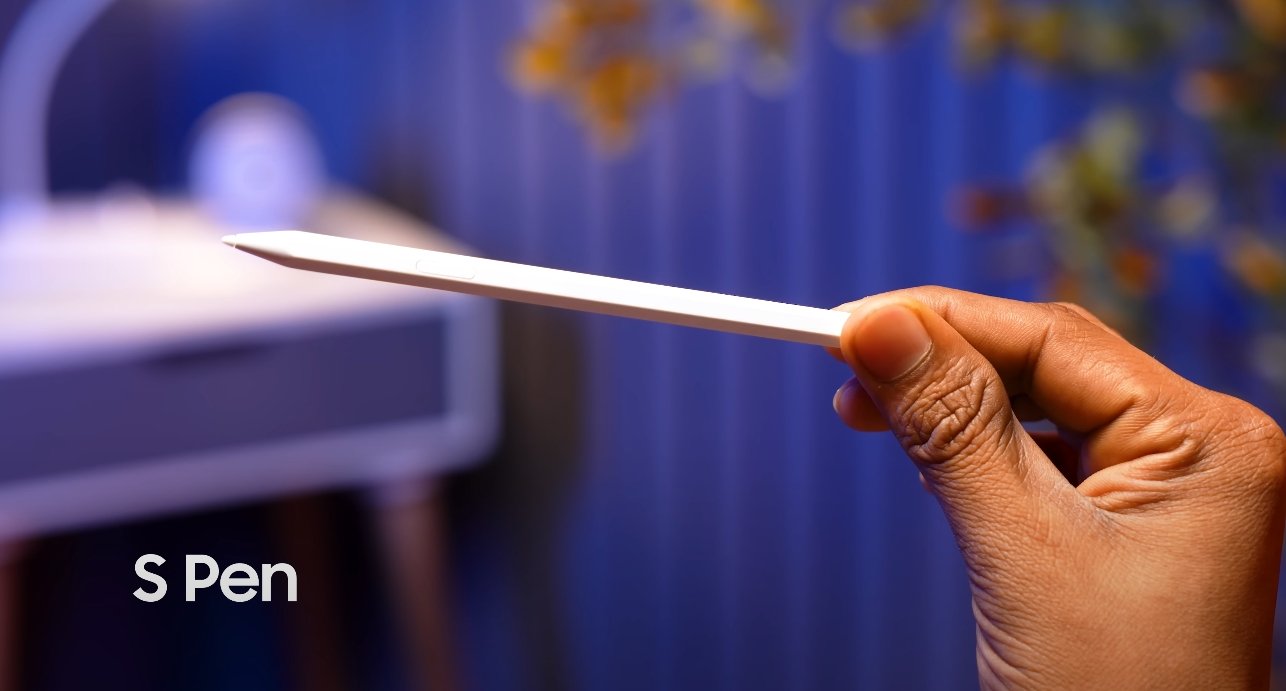
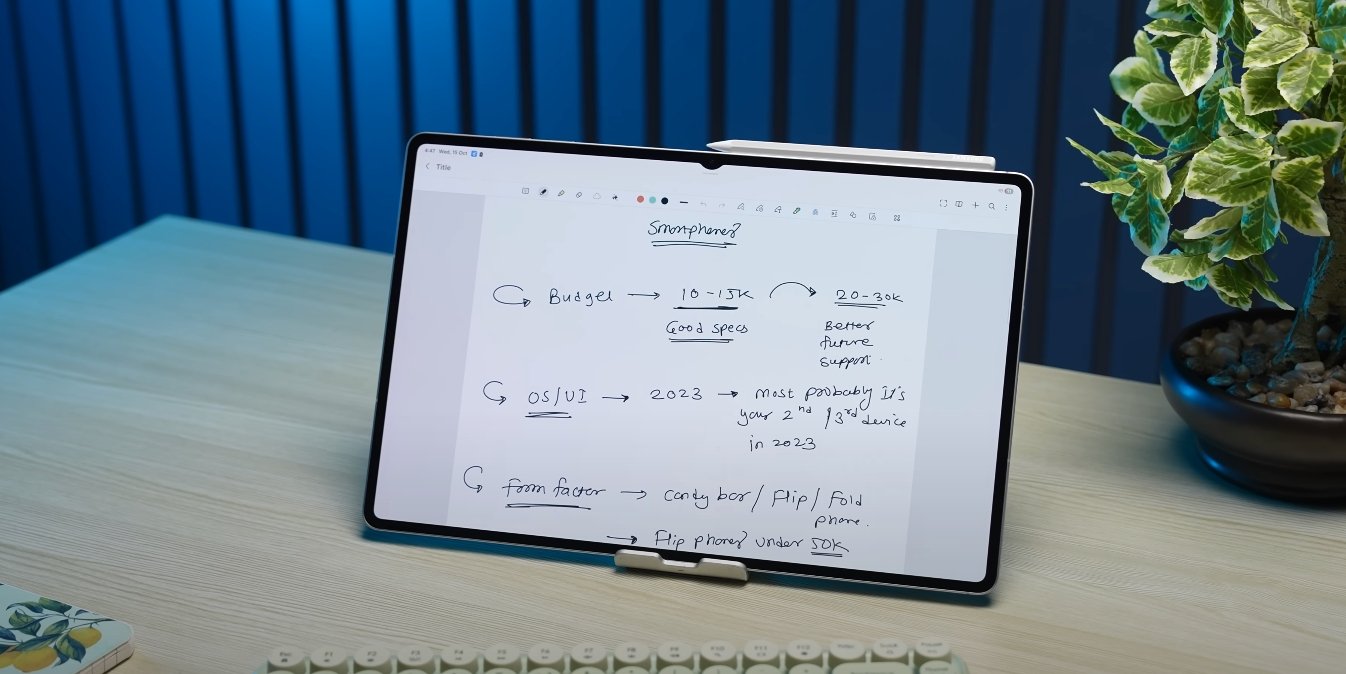
The S Pen included with the Galaxy Tab S11 Ultra is receiving praise from creative and professional users. Early buyers appreciate the low latency and smooth responsiveness, which makes drawing, writing, and note-taking feel natural. While the S Pen no longer includes Bluetooth remote functions present in earlier models, its magnetically attached wireless charging works seamlessly. Some users note that accessories such as cases and keyboard covers are not yet widely available in the U.S., which can limit the tablet’s full potential, but most agree the tablet remains highly usable even without additional peripherals.

On the software side, the tablet runs Android 16 with One UI 8, providing a familiar and feature-rich environment for Android users. Early adopters highlight the smooth interface, rich customization options, and seamless integration with Samsung’s ecosystem, including phones, watches, and smart home devices. The promise of up to seven years of software and security updates is also appreciated by buyers who want a long-term investment. Harmony with productivity apps, cloud storage, and creative tools is reported as smooth, further emphasizing the tablet’s appeal to professionals and creators.

Price remains a consideration for many early buyers. With a starting price of approximately $1,199 for the Wi-Fi model, the Galaxy Tab S11 Ultra is positioned firmly as a premium device. Some users find the cost high, especially compared to other tablets in the market, but the combination of performance, display quality, and productivity features is cited as justifying the investment. Additionally, only Wi-Fi models are currently available in the U.S., with 5G variants expected later. While the size, weight, and cost may be a limiting factor for casual users, professionals and creatives see it as a worthwhile purchase.

Overall, early U.S. buyers are impressed with the Samsung Galaxy Tab S11 Ultra. Its large, vibrant display, robust performance, long battery life, and productivity-focused features make it a standout in the Android tablet market. While some limitations exist regarding accessories, weight, and price, the tablet meets the expectations of those seeking a high-end device for work, creativity, and entertainment. Early reviews suggest it is one of the most capable and versatile tablets currently available in the U.S., providing a premium experience for users willing to invest in a top-tier Android device.

Also Read:  Xiaomi Pad Mini unboxing and setup guide for USA users

Samsung Galaxy Tab S11 Ultra resale value prediction USA

Samsung Galaxy Tab S11 Ultra resale value prediction USA

Samsung’s Premium Tablet Expected to Hold Strong Resale Value in the U.S. Market

Samsung’s Galaxy Tab S11 Ultra has arrived as the company’s latest flagship Android tablet, combining luxury design, professional-grade hardware, and a strong promise of long-term software support. With its launch in the United States, many tech enthusiasts and early adopters are already looking ahead to how well this premium device will hold its resale value in the coming years.

At launch, the Galaxy Tab S11 Ultra entered the market at a starting price of around $1,199 for the base Wi-Fi 256GB variant. The higher-capacity versions and 5G-enabled models push the price well above $1,400 depending on configuration. Positioned as Samsung’s top-tier productivity and entertainment device, it directly competes with Apple’s iPad Pro lineup. This high entry price sets a strong foundation for a better resale value than most midrange tablets, as premium buyers tend to seek second-hand flagship devices rather than budget models.

One major reason the Tab S11 Ultra is expected to retain its value longer is Samsung’s commitment to long-term software support. The company now guarantees up to seven years of major Android updates and security patches for its flagship tablets. This level of support, previously rare in Android devices, gives the tablet a lifespan similar to Apple’s ecosystem. As buyers in the used market increasingly prioritize devices that remain secure and up to date, this promise directly enhances resale value across multiple years.

Samsung Galaxy Tab S11 Ultra resale value prediction USA

The Galaxy Tab S11 Ultra also brings a combination of top-tier specifications and design that help preserve demand over time. It features a massive 14.6-inch Dynamic AMOLED 2X display with a 120Hz refresh rate, offering cinematic visuals and professional color accuracy. The device is powered by the Snapdragon 8 Gen 3 chip paired with up to 16GB of RAM, ensuring high-end performance for creative workloads, gaming, and multitasking. The ultra-thin aluminum body and improved S Pen responsiveness make it appealing to professionals, artists, and students — all of whom contribute to strong demand in the used device market.

When predicting depreciation, the Tab S11 Ultra is expected to perform better than most Android tablets. In the U.S. resale market, new premium tablets typically lose around 25–30% of their value within the first six months and about 40–45% after a full year. Based on this trend and Samsung’s history, analysts expect the Tab S11 Ultra to retain approximately 70–75% of its launch price after six months and around 60% after one year if kept in good condition. That means a one-year-old model could resell for roughly $700–$750, depending on storage configuration and market demand.

After two years, resale values may range between 40–45% of the original price, or around $500 for a standard model in good condition. By the third year, as newer models and improved chipsets enter the market, the tablet’s resale could stabilize near $350–$400. However, these figures are still favorable compared to many competing Android tablets, which often fall below 30% of their original value within the same period. The high initial build quality, continued software updates, and consistent accessory compatibility make the S11 Ultra an exception in value retention.

For users planning to resell, several factors can further boost resale price. Keeping the tablet in excellent physical condition, including avoiding screen damage and battery wear, is crucial. Retaining the original packaging, charger, and S Pen can add noticeable resale appeal. Moreover, timing the resale right before Samsung’s next flagship release — likely the Galaxy Tab S12 Ultra — can help sellers get the best price, as demand remains steady before new models overshadow the market.

Overall, the Galaxy Tab S11 Ultra stands out as one of the strongest performers in long-term resale among Android tablets in the U.S. Its premium specifications, professional-grade design, and extended update policy make it a safe choice for users who plan to upgrade regularly. Buyers seeking a tablet that balances high initial cost with strong resale value will find the S11 Ultra a reliable investment. Even after several years of use, it is expected to maintain a solid resale percentage, proving that Samsung’s flagship tablet line has matured into one of the most value-stable products in the Android ecosystem.

Also Read:  Moto G06 Power display glare USA adjustable settings

Samsung Galaxy Tab S11 Ultra One UI version confirmed

Samsung Galaxy Tab S11 Ultra One UI version confirmed

One UI 8 Powers the Galaxy Tab S11 Ultra

The Samsung Galaxy Tab S11 Ultra arrives as one of the most advanced Android tablets, and its software is a key reason for its appeal. Samsung has confirmed that the tablet ships with One UI 8, based on Android 16. This marks the first Galaxy Tab to come preloaded with this latest version of One UI, offering a blend of enhanced usability, AI-driven tools, and productivity-focused features. The integration of One UI 8 ensures that users can maximize both the hardware and display capabilities of the Tab S11 Ultra while enjoying a refined interface optimized for large-screen experiences.

One UI 8 introduces a number of improvements that make multitasking and productivity smoother than ever. Samsung has enhanced the tablet’s DeX mode, allowing users to manage multiple windows more efficiently and switch between apps with greater fluidity. This improvement is particularly beneficial for professionals who rely on the tablet for content creation, document editing, or complex workflows. The improved interface maintains a laptop-like experience, making it easier to organize and access apps while maximizing the Tab S11 Ultra’s large 14.6-inch display.

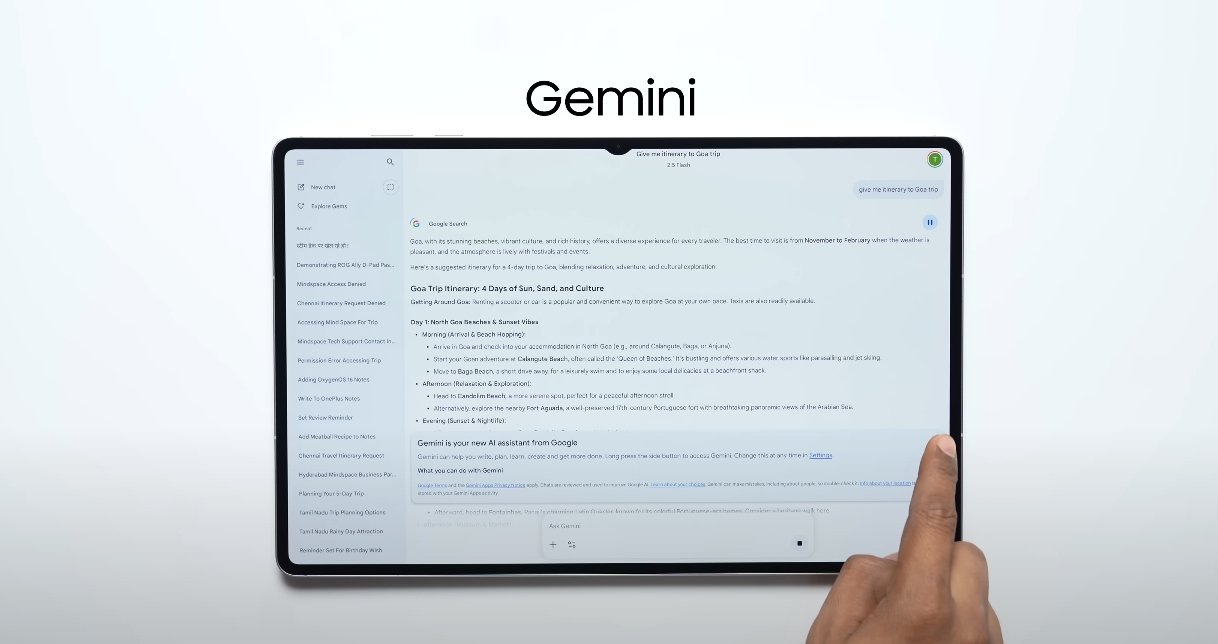
Another significant feature of One UI 8 is its AI integration. Samsung has included advanced AI-powered tools that assist users in everyday tasks, from summarizing content to interpreting visuals. AI writing and drawing assistants help streamline creative work, refining rough sketches into polished designs and enhancing text input with smart suggestions. These capabilities are particularly useful for students, designers, and professionals who need quick and intelligent assistance while working on the go.

Samsung Galaxy Tab S11 Ultra One UI version confirmed

The Tab S11 Ultra also benefits from enhanced S Pen functionality under One UI 8. Features such as Quick Tools and Sticky Notes have been upgraded to provide a more responsive and intuitive experience. Quick Tools allows for fast access to frequently used functions, while Sticky Notes and other S Pen features enable easy note-taking and content annotation. The integration of these tools ensures that the tablet serves not just as a consumption device but also as a creation and productivity platform.

One UI 8 also emphasizes multimodal capabilities. Users can interact with the device using voice, text, or image inputs, creating a more natural and flexible user experience. The software recognizes different input types and adapts accordingly, allowing seamless transitions between tasks such as dictation, writing, and image editing. This flexibility complements the Tab S11 Ultra’s hardware, enabling users to work efficiently without being constrained by input methods.

Samsung has also focused on long-term software support for the Tab S11 Ultra. The company has committed to seven years of Android and security updates, ensuring that users will receive timely improvements and security patches throughout the tablet’s lifecycle. This extended support period is particularly important for a high-end device, giving users confidence that their investment will remain secure and feature-rich for years to come. Regular updates also enhance performance and compatibility, keeping the tablet running smoothly even as apps and services evolve.

Performance optimization under One UI 8 is evident throughout the tablet. Background processes are managed intelligently to reduce battery drain and maintain consistent performance. Adaptive refresh rates and intelligent power management ensure that the large AMOLED display runs efficiently, providing a balance between visual quality and energy consumption. These optimizations help the tablet deliver a sustained, high-quality experience whether for productivity, media consumption, or creative tasks.

Security and privacy features are also strengthened with One UI 8. Samsung includes enhanced biometric options, app permission controls, and secure storage solutions to protect user data. These features are particularly important for professionals who handle sensitive information or use the tablet for business purposes. With these enhancements, the Tab S11 Ultra provides a secure environment without compromising on performance or usability.

In conclusion, the Samsung Galaxy Tab S11 Ultra benefits greatly from the inclusion of One UI 8. The latest software version enhances multitasking, creativity, and productivity while maintaining the tablet’s ease of use. Advanced AI tools, improved S Pen functionality, and long-term software support make the Tab S11 Ultra a standout device for both professional and personal use. One UI 8 ensures that the tablet is not just powerful in hardware but also intelligent and versatile in software, providing a comprehensive and future-proof experience for users seeking a top-tier Android tablet.

Also Read:  Samsung Galaxy Tab S11 Ultra performance under stress test

Samsung Galaxy Tab S11 Ultra vs iPad Air 2024 model

Samsung Galaxy Tab S11 Ultra vs iPad Air 2024 model

Comparing Samsung’s Flagship Tablet with Apple’s Latest iPad Air

The Samsung Galaxy Tab S11 Ultra and the iPad Air 2024 model represent two of the most compelling tablets in the premium segment, each catering to different types of users. Samsung focuses on large-screen productivity and creative workflows, while Apple prioritizes a balanced experience of portability, performance, and ecosystem integration. A detailed comparison across display, performance, software, battery, and overall usability highlights the strengths and trade-offs of each device.

The most obvious difference is in the display. The Galaxy Tab S11 Ultra features a massive 14.6-inch Dynamic AMOLED 2X display with a 2960×1848 resolution and a 120Hz refresh rate. This high refresh rate ensures smooth scrolling, fluid animations, and responsive touch input, ideal for gaming, digital art, and multitasking. The display is bright, color-accurate, and paired with Samsung’s anti-reflective coating, making it usable even in bright environments. In contrast, the iPad Air 2024 comes in two sizes: an 11-inch model with a 2360×1640 resolution and a 13-inch model at 2732×2048 pixels. Both feature Liquid Retina displays with a 60Hz refresh rate. While the screens are sharp and accurate, the lower refresh rate makes them less fluid compared to the Tab S11 Ultra, especially for stylus work and fast-paced media.

Performance is another area where the devices differ. Samsung’s Tab S11 Ultra is powered by the MediaTek Dimensity 9400+ chipset, coupled with up to 16GB of RAM and storage options ranging from 256GB to 1TB. This configuration enables seamless multitasking, demanding creative applications, and heavy gaming without slowdowns. On the other hand, the iPad Air 2024 uses Apple’s M2 chip with an 8-core CPU and 9-core GPU, supported by 8GB of RAM. The iPad Air offers impressive performance for most tasks, including photo and video editing, but it does not provide the same level of multitasking flexibility or storage expansion as Samsung’s flagship tablet.

Samsung Galaxy Tab S11 Ultra vs iPad Air 2024 model

Software ecosystems and features also set the two apart. The Galaxy Tab S11 Ultra runs Android 16 with Samsung’s One UI 8, supporting Samsung DeX for a desktop-style interface, S Pen input for note-taking and drawing, and expandable storage via microSD. These features make it a powerful tool for professionals, artists, and power users who need flexibility. The iPad Air 2024 runs iPadOS 17.4, delivering a smooth and intuitive interface with excellent app optimization, Apple Pencil support, and compatibility with the Magic Keyboard. While Apple’s ecosystem is cohesive and user-friendly, it offers less customization and multitasking flexibility compared to Samsung’s DeX environment.

Camera capabilities differ as well. The Tab S11 Ultra features a 13MP rear camera and a 12MP front camera, capable of 4K video recording and suitable for both content creation and video conferencing. The iPad Air 2024 comes with a 12MP rear camera and a 12MP front camera with Center Stage technology, which keeps users centered during video calls. While both cameras are competent, the Tab S11 Ultra offers slightly more versatility for creators and video recording.

Battery life and charging also highlight the distinctions. The Tab S11 Ultra has an 11,600mAh battery with 45W fast charging, supporting long sessions of work, media, or creative tasks. In comparison, the iPad Air 2024 has a smaller battery—28.9Wh for the 11-inch and 36.6Wh for the 13-inch model—with 30W fast charging. While the iPad provides all-day usage for typical tasks, the Tab S11 Ultra offers longer endurance for high-intensity use, especially when running multiple apps or high-refresh-rate content.

Portability is another important factor. The Tab S11 Ultra, with its large 14.6-inch screen, excels in productivity, creative work, and immersive media experiences but is heavier and less convenient for handheld use. The iPad Air 2024, especially the 11-inch model, is lighter, easier to carry, and better suited for casual browsing, reading, or media consumption on the go. Users who value a balance between portability and performance may prefer the iPad Air, while those who prioritize screen size and multitasking will favor Samsung.

In conclusion, the Samsung Galaxy Tab S11 Ultra and iPad Air 2024 cater to different user priorities. The Tab S11 Ultra is ideal for creatives, professionals, and users seeking a large, high-refresh-rate display, multitasking capabilities, and flexible hardware features. The iPad Air 2024 suits those who prefer portability, a cohesive ecosystem, and smooth everyday performance. Choosing between the two depends on whether your focus is on professional productivity and creative workflows or a lighter, more portable tablet experience. Both tablets deliver exceptional quality in their respective categories, offering premium features tailored to distinct needs.

Also Read:  Samsung Galaxy Tab S11 Ultra vs Pixel Tablet 2 comparison

Samsung Galaxy Tab S11 Ultra gaming performance review

Samsung Galaxy Tab S11 Ultra gaming performance review

Gaming on the Galaxy Tab S11 Ultra: Power and Precision

The Samsung Galaxy Tab S11 Ultra has established itself as one of the most powerful Android tablets on the market, and its gaming performance is a key factor in that reputation. With a massive 14.6-inch AMOLED display, 120Hz refresh rate, and the MediaTek Dimensity 9400+ chipset, the Tab S11 Ultra is engineered to deliver both visual fidelity and smooth performance. Gamers and power users alike have high expectations for flagship tablets, and the Tab S11 Ultra rises to the challenge with a combination of performance, display quality, and thermal management.

The tablet’s 14.6-inch AMOLED panel offers a vibrant and immersive gaming experience. Colors are rich and accurate, while deep blacks provide excellent contrast for visually demanding games. The 120Hz refresh rate ensures smooth animations and fluid motion, particularly beneficial in fast-paced action games and competitive titles where responsiveness is key. Combined with a peak brightness of 1,600 nits, the display remains clear and readable even under bright ambient lighting conditions, making gaming on the go much more practical.

Performance benchmarks confirm that the Tab S11 Ultra is a capable gaming machine. The MediaTek Dimensity 9400+ processor, coupled with up to 16GB of RAM, allows the tablet to run the latest mobile games at high settings without lag or stuttering. Games like Genshin Impact maintain stable frame rates at high graphics settings, while Fortnite runs smoothly with high-resolution textures and no noticeable performance drops. Racing titles such as Asphalt Legends Unite reach frame rates up to 120fps, providing fluid, immersive gameplay. Even graphically intensive RPGs like Wuthering Waves perform well at ultra-high resolutions, demonstrating the tablet’s ability to handle demanding workloads consistently.

Samsung Galaxy Tab S11 Ultra gaming performance review

Thermal management is another strength of the Tab S11 Ultra. Extended gaming sessions inevitably generate heat, but Samsung has designed the tablet to dissipate it effectively. While the device becomes warm to the touch, it rarely reaches uncomfortable levels and avoids throttling performance. This allows gamers to enjoy long play sessions without worrying about overheating or sudden slowdowns. The combination of efficient chipset design and intelligent software optimization ensures that gaming performance remains steady across hours of use.

Battery life during gaming is impressive for a device of this size and power. The 11,600mAh battery, supported by 45W fast charging, sustains extended gameplay without rapid depletion. While intense gaming sessions can drain the battery faster than light or mixed use, the tablet still offers several hours of uninterrupted play. Users who prefer longer sessions can rely on a charger or power bank to quickly top up the battery, ensuring minimal downtime. Adaptive refresh rate and power-saving features help further extend battery life when needed.

The overall gaming experience is enhanced by the tablet’s audio and tactile features. Quad speakers tuned by AKG deliver clear, immersive sound, and directional audio cues in games are easy to discern. The large screen size complements touch-based controls, making it easier to interact with on-screen buttons and gestures without crowding. For users who enjoy connecting external controllers, the Tab S11 Ultra offers smooth Bluetooth connectivity and responsive input, further expanding gaming possibilities.

Software optimizations also play a crucial role. Samsung’s One UI 8 ensures that background processes do not interfere with gaming performance, keeping frame rates stable and reducing lag. Game Booster mode provides additional tools for prioritizing performance, managing notifications, and enhancing touch sensitivity. This makes it easier for users to maintain focus and maximize the capabilities of the tablet during high-intensity gaming sessions.

In conclusion, the Samsung Galaxy Tab S11 Ultra stands out as a top-tier tablet for mobile gaming. Its combination of a high-quality AMOLED display, powerful MediaTek Dimensity 9400+ chipset, efficient thermal management, and large battery ensures that users can enjoy demanding games with smooth visuals and consistent performance. Whether for casual gaming, competitive titles, or graphics-intensive RPGs, the Tab S11 Ultra delivers an experience that rivals many laptops and gaming consoles in portability. With additional features like Game Booster, responsive touch input, and immersive sound, the tablet proves to be a versatile entertainment and productivity device that caters to both gamers and creative professionals alike.

Also Read:  Redmi Pad 2 Pro in-depth review as best budget tablet of 2025

Samsung Galaxy Tab S11 Ultra camera samples released

Samsung Galaxy Tab S11 Ultra camera samples released

First look at the real-world camera performance of Samsung’s flagship tablet

Samsung has officially released the first camera samples of the Galaxy Tab S11 Ultra, giving users a clear look at what the new tablet can deliver in real-world photography and video. While tablets are often not known for exceptional camera performance, this model seems to be aiming higher, blending advanced image processing with improved hardware to make it more than just a display and productivity device.

The Galaxy Tab S11 Ultra comes equipped with a dual-camera system on the back, featuring a 13-megapixel main sensor and an 8-megapixel ultra-wide sensor. On the front, it houses a 12-megapixel ultra-wide selfie camera designed to capture wide frames during video calls, content creation, or online meetings. These specifications are paired with upgraded image processing, promising sharper detail, better dynamic range, and improved low-light output compared to its predecessor.

The outdoor daylight camera samples show a noticeable boost in color reproduction and clarity. Subjects appear sharper, skies retain their natural tone, and foliage comes through with more defined textures. The ultra-wide camera adds versatility, allowing users to capture wider scenes without heavy distortion. These improvements suggest that Samsung has put more emphasis on the tablet’s ability to capture usable photos in a variety of conditions, rather than treating the camera as a secondary feature.

Samsung Galaxy Tab S11 Ultra camera samples released

In indoor lighting, the camera samples reveal stable exposure and balanced colors. This is especially important for users who often use their tablets for scanning documents, capturing whiteboard notes, or recording lectures. The autofocus system seems quick and reliable, locking onto subjects with minimal delay. Video recorded indoors appears steady and well-lit, even in mixed lighting environments where older tablets would often struggle.

Low-light samples show the most significant change. While tablets have typically been weak in darker conditions, the Galaxy Tab S11 Ultra performs more confidently here. Shadows are handled with more control, and noise levels appear lower than expected. Although it may not match the performance of flagship smartphones with larger sensors, it delivers solid output that’s more than enough for everyday photography and video needs.

The front camera samples also highlight how well the tablet is optimized for video calls and content creation. Faces look clear, and the ultra-wide angle makes it easy to stay in frame without adjusting the device repeatedly. For creators who record tutorials, social media content, or professional meetings, this can make a noticeable difference. The improved microphone and video stabilization also work together to make recorded clips feel more polished without requiring external accessories.

Samsung Galaxy Tab S11 Ultra camera samples released

These camera improvements extend beyond simple photography. With the large display and S Pen support, users can review, mark up, and edit their shots directly on the tablet. This makes the Tab S11 Ultra a practical tool for students, professionals, and creators who want an all-in-one device for both capturing and editing content. The camera performance may not replace a dedicated camera, but it clearly aims to be more functional and reliable than previous tablet generations.

Another key benefit of these upgrades is flexibility. The Galaxy Tab S11 Ultra is positioned as a premium productivity and entertainment device, and a strong camera system adds to that appeal. Whether it’s capturing project work, recording short travel clips, or simply taking high-quality selfies and group photos, the device can handle most everyday scenarios with ease. This makes it especially appealing for users who prefer carrying one device rather than juggling between a tablet and a separate camera.

In the U.S. market, where the demand for versatile tablets continues to rise, these camera samples help build confidence in Samsung’s push toward creating a more complete flagship experience. While the company is not marketing this tablet as a photography powerhouse, the results show it is no longer just about viewing content — it’s also about creating it. For students, professionals, and creators, this could make the Tab S11 Ultra an attractive option.

Overall, the release of these camera samples makes one thing clear: Samsung has taken camera performance on tablets more seriously with the Galaxy Tab S11 Ultra. From sharper outdoor shots to more stable indoor video and improved low-light output, the device delivers meaningful improvements. It may not replace a smartphone camera, but it gives users the flexibility to capture quality photos and videos without compromise. This upgrade positions the Tab S11 Ultra as one of the most capable camera tablets in its class, offering a balanced mix of creativity and productivity for modern users.

Also Read:  ipad 11 vs samsung galaxy tab S10 FE game play review

Samsung Galaxy Tab S11 Ultra screen refresh rate confirmed

Samsung Galaxy Tab S11 Ultra screen refresh rate confirmed

Samsung’s Flagship Tablet Brings 120Hz Dynamic Display Experience

Samsung has officially confirmed that its latest flagship tablet, the Galaxy Tab S11 Ultra, features a 120Hz Dynamic AMOLED 2X display, setting a new benchmark for smoothness and visual clarity in the Android tablet market. This announcement solidifies the S11 Ultra’s position as one of the most advanced large-screen devices of 2025, aimed at users who demand both high performance and top-tier visual quality. The 120Hz refresh rate, coupled with Samsung’s proprietary display technology, promises an experience that’s not just faster, but also more immersive and power-efficient than ever before.

The Galaxy Tab S11 Ultra comes with a 14.6-inch Dynamic AMOLED 2X panel, maintaining the same screen size as its predecessor but offering improved color accuracy, brightness, and touch responsiveness. The 120Hz refresh rate ensures ultra-smooth animations, fluid scrolling, and reduced input lag, making it ideal for gaming, sketching, or professional multitasking. Samsung has fine-tuned the adaptive refresh rate system, allowing the display to automatically switch between 60Hz and 120Hz based on content. This adaptive feature helps balance power consumption while still delivering buttery-smooth visuals during tasks that benefit most from high frame rates.

For content creators, the S11 Ultra’s refresh rate directly enhances precision when using the S Pen. The stylus experience now feels even closer to writing on paper, with minimal delay and natural line flow. Samsung claims to have reduced input latency further, making the device perfect for digital artists, designers, and note-takers. The combination of 120Hz refresh and the updated S Pen technology means the tablet responds instantly to even the fastest strokes, allowing creators to sketch, shade, and write with pinpoint accuracy. When paired with apps optimized for high refresh rates, such as drawing tools or productivity software, the difference in smoothness is immediately noticeable.

Samsung Galaxy Tab S11 Ultra screen refresh rate confirmed

Gamers are also set to benefit from the Galaxy Tab S11 Ultra’s refresh capabilities. With the Snapdragon 8 Gen 3 for Galaxy processor and the 120Hz screen, the tablet can easily handle high-frame-rate gaming experiences. Titles like Call of Duty Mobile, Genshin Impact, and PUBG New State run fluidly with enhanced touch responsiveness. The large display, combined with vivid colors and deep contrast levels, creates a console-like experience in portable form. The 120Hz refresh rate allows for smoother camera movements, reduced ghosting, and improved motion clarity — essential factors for competitive gamers. For those using Samsung DeX or streaming games via cloud services, the tablet’s refresh performance ensures visuals stay consistent even during multitasking or external display mirroring.

In addition to gaming and creativity, the 120Hz refresh rate significantly improves daily usability. Scrolling through web pages, flipping between apps, and navigating through menus all feel seamless and natural. Samsung’s One UI 8, built on Android 16, takes full advantage of the display hardware with optimized animations and gesture responsiveness. Users switching from 60Hz screens often describe the 120Hz experience as “buttery” or “instant,” a feeling that enhances not just entertainment but also productivity workflows. Whether you’re editing documents, video conferencing, or browsing social media, the interface remains fluid with zero lag or tearing.

The display’s power efficiency has also seen refinement. Samsung has implemented adaptive frame-rate management to extend battery life without compromising the experience. The system automatically scales down the refresh rate to 60Hz or even lower during static screen moments, such as reading or viewing still images, and ramps it up to 120Hz only when necessary. This approach helps balance the demands of the massive 11,600mAh battery, ensuring users get extended uptime even while enjoying high-refresh-rate visuals. In early endurance tests, the device comfortably handled a full day of mixed usage, from streaming and gaming to productivity tasks, while maintaining consistent performance.

Visually, the display remains one of Samsung’s strongest achievements. The Dynamic AMOLED 2X panel supports HDR10+ content, high contrast ratios, and exceptional color reproduction. The screen’s peak brightness levels make outdoor visibility excellent, and the anti-reflective coating helps minimize glare. Combined with the 120Hz refresh, these qualities give the Galaxy Tab S11 Ultra one of the most premium visual experiences available in a tablet today. Users who frequently watch movies or edit photos will appreciate the balance between color depth, contrast, and motion clarity.

In summary, the confirmed 120Hz refresh rate on the Samsung Galaxy Tab S11 Ultra reaffirms Samsung’s commitment to pushing display technology forward. The combination of adaptive refresh, reduced latency, and optimized power management results in a device that feels both powerful and refined. For gamers, artists, professionals, and everyday users alike, the difference in responsiveness is undeniable. The S11 Ultra’s screen doesn’t just look good—it feels alive, responding instantly to every touch, swipe, and stroke. In a market crowded with powerful tablets, Samsung has once again demonstrated that its mastery of display innovation remains unmatched, delivering an experience that’s as smooth as it is stunning.

Samsung Galaxy Tab S11 Ultra durability and bend test

Samsung Galaxy Tab S11 Ultra durability and bend test

How Strong Is Samsung’s Thinnest Flagship Tablet Yet?

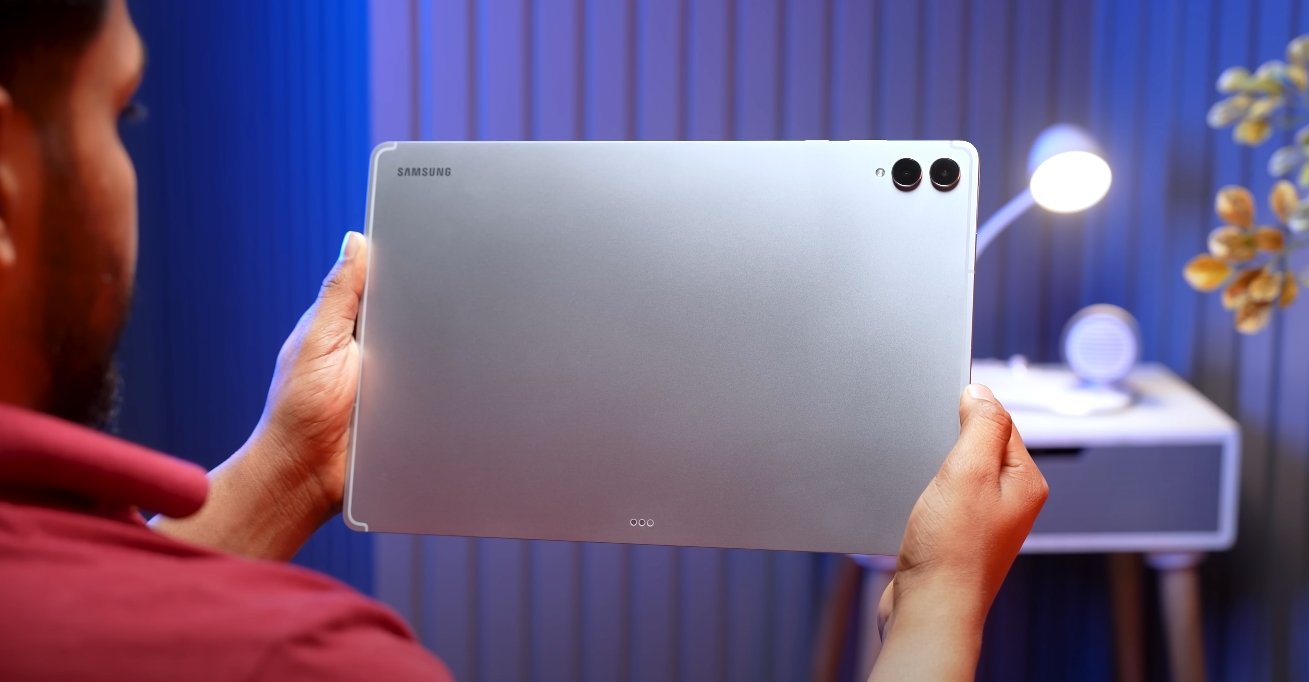
The Samsung Galaxy Tab S11 Ultra has quickly become one of the most talked-about Android tablets of 2025, not only for its massive 14.6-inch display and high-end specs but also for its record-breaking thinness. Measuring just 5.1 millimeters thick, it’s thinner than most smartphones and ultrabooks. With such a slim design, questions naturally arise about how durable the tablet actually is and whether it can withstand real-world use. Durability and bend tests have now surfaced, giving users a clearer picture of how sturdy Samsung’s new ultra-slim tablet truly is.

In the first round of durability testing, the Galaxy Tab S11 Ultra impressed with its overall build quality. The tablet’s frame is made from Samsung’s Armor Aluminum, a reinforced alloy designed to provide extra strength while keeping the device lightweight. The rear panel feels solid and resists flex under moderate pressure. During scratch tests, the tablet’s glass panel held up well against keys and coins, showing only minor surface marks. The Armor Aluminum sides also resisted visible dents when lightly dropped onto flat surfaces. Users and testers noted that despite being so thin, the device feels premium and well-balanced in hand, thanks to its even weight distribution.

Bend tests are where ultra-thin devices are truly challenged, and Samsung’s large form factor made this an interesting trial. When placed under controlled pressure from both sides, the Tab S11 Ultra showed a small amount of flex in the center but did not crack or permanently deform. Even when subjected to moderate twisting, the tablet maintained its shape without compromising the display or internal structure. This result demonstrates that Samsung’s internal reinforcement design effectively distributes stress across the frame. However, when extreme force was applied—well beyond what would occur in normal daily use—the tablet did exhibit minor bending near the middle, a result that’s expected for a 14.6-inch slab of metal and glass this thin.

Samsung Galaxy Tab S11 Ultra durability and bend test

Real-world durability was also tested in common accident scenarios. The tablet survived short drops from desk height onto flat surfaces with only minimal scuffing. However, its large surface area means the corners and edges remain vulnerable if dropped at an angle or without a case. Samsung’s use of Corning Gorilla Glass Armor on the front significantly improves scratch resistance and provides better protection from minor impacts. Water and dust resistance is another major highlight: the Galaxy Tab S11 Ultra comes with an IP68 rating, making it one of the few tablets capable of surviving short submersion and heavy splashes. This feature adds a layer of confidence for outdoor users or professionals who work in variable environments.

The frame’s rigidity, combined with Samsung’s precise engineering, makes the device surprisingly durable for its size. Yet, it’s important to understand that physics still applies — a large, ultra-thin tablet cannot match the rigidity of thicker, smaller devices. In extreme bend tests, applying uneven pressure near the center can cause visible flex, although the screen itself remains intact due to Samsung’s internal bracing and adhesive layering. For normal users, that means everyday handling, carrying in bags, or using the device with a keyboard case won’t be an issue. Still, sitting on it, overstuffing it into tight backpacks, or carrying it unsupported in one hand for long periods could lead to structural strain over time.

Accessory protection makes a noticeable difference in durability outcomes. Samsung’s official keyboard cover and protective cases add both structural reinforcement and shock absorption. During tests, units with the keyboard case attached resisted flex far better than bare devices. The added layer also protects the large display from scratches and corner drops. Many users found that pairing the Tab S11 Ultra with its official case offers peace of mind, especially for those using it as a laptop replacement or travel companion.

Overall, the Galaxy Tab S11 Ultra performed admirably in durability and bend tests for a device of its category. It withstood pressure, resisted minor drops, and showed no critical failures during structural evaluations. The frame design, premium materials, and IP68 protection clearly contribute to its robustness. However, users should still treat it as a high-end electronic device, not a rugged tablet. Its ultra-slim body is built for elegance and performance, not for rough handling or extreme physical stress.

In conclusion, Samsung has achieved an impressive balance between design and durability with the Galaxy Tab S11 Ultra. It’s one of the slimmest and lightest large-screen tablets ever made, yet it offers real structural integrity. While it’s not immune to damage under severe bending or dropping, its combination of Armor Aluminum, Gorilla Glass protection, and IP68 water resistance ensures it can handle daily life confidently. For professionals, students, and creative users who value both form and function, the Tab S11 Ultra proves that thin doesn’t have to mean fragile—it’s a powerful, resilient piece of technology crafted for the modern era.

Also Read:  Samsung Galaxy Tab S11 Ultra Performance Benchmarks in USA Shared

Samsung Galaxy Tab S11 Ultra battery drain results shared

Samsung Galaxy Tab S11 Ultra battery drain results shared

Real-World Battery Life and Performance Analysis

The Samsung Galaxy Tab S11 Ultra has drawn significant attention for its large display, high-end specifications, and premium design, but one of the most discussed aspects of this flagship tablet is its battery life. With a massive 11,600mAh battery and support for 45W fast charging, the Tab S11 Ultra is designed to handle heavy workloads and all-day productivity. Now that real-world battery drain results have surfaced, it’s clear that Samsung has made notable progress in efficiency while still facing a few trade-offs.

In everyday use, the Galaxy Tab S11 Ultra performs impressively well for such a powerful device. During standard tasks such as web browsing, video streaming, note-taking, and document editing, the tablet consistently delivers between 10 and 12 hours of active screen-on time. This makes it more than capable of lasting through a full workday or extended travel without requiring frequent top-ups. When used primarily for entertainment, such as video playback or music streaming, the battery can stretch to nearly 17 hours thanks to Samsung’s display optimization and adaptive refresh rate technology. These numbers show that the company has achieved a strong balance between performance and endurance.

However, the battery drain results vary notably under heavy use. When running resource-intensive tasks like video editing, high-end gaming, or prolonged DeX mode sessions, the tablet’s large AMOLED display and powerful chipset can consume power quickly. In these scenarios, users have reported around 7 to 8 hours of active screen time before the tablet needs a recharge. While this performance is still solid compared to other large-screen Android tablets, it highlights that the ultra-bright display and multitasking features come at a cost. Samsung’s One UI optimization helps keep background apps under control, but power consumption can still spike when multiple processes run simultaneously.

Samsung Galaxy Tab S11 Ultra battery drain results shared

Standby performance is another area of interest in battery tests. The Galaxy Tab S11 Ultra performs well when left idle for short durations, losing only about 2% to 3% battery overnight with Wi-Fi on and background syncing enabled. However, a few users have reported occasional overnight drain that exceeds 10%, especially when certain apps or widgets remain active in the background. These isolated instances seem tied to background refresh settings rather than a fundamental issue with the device’s battery management. Samsung’s power-saving modes can help alleviate this by restricting app activity when the tablet is not in use.

When it comes to charging, Samsung’s 45W fast-charging capability performs efficiently, though not exceptionally fast compared to some rivals. A full charge from 0% to 100% typically takes around 1 hour and 40 minutes. A 30-minute charge can restore roughly 40% of the battery, which is enough for several hours of typical use. While this charging speed is adequate for most users, tablets like the Lenovo Tab Extreme, which support faster 68W charging, have an advantage in this area. Samsung’s conservative charging approach, however, helps preserve long-term battery health and reduce heat buildup during charging cycles.

In long-term battery endurance tests, the Tab S11 Ultra maintains consistent performance without significant overheating, even during extended streaming or multitasking sessions. The tablet’s thermal management ensures that performance remains stable, and battery drain remains gradual rather than abrupt. Additionally, the adaptive display refresh rate, which automatically switches between 60Hz and 120Hz depending on activity, plays a key role in extending usage time. For instance, reading or static viewing consumes less power, while gaming or scrolling engages the higher refresh rate for smoother visuals.

One of the factors affecting the Tab S11 Ultra’s endurance is its large and ultra-bright 14.6-inch AMOLED display. While it delivers stunning visuals, the brightness levels can impact battery longevity if used consistently at peak levels. Keeping the brightness set to auto or around 60% greatly improves battery life without noticeably affecting clarity. For users who frequently use DeX mode or external displays, connecting through a wired setup also conserves power compared to wireless screen sharing.

Samsung has equipped the Galaxy Tab S11 Ultra with several intelligent battery features to help users manage power efficiently. The tablet includes adaptive battery learning, which monitors usage patterns and optimizes background processes over time. Users can also activate performance modes to prioritize either speed or endurance depending on their workload. In addition, the tablet’s “Protect Battery” setting allows users to limit charging to 85%, reducing long-term wear and extending overall battery lifespan — a useful option for those who keep the tablet plugged in for long durations.

Overall, the Samsung Galaxy Tab S11 Ultra’s battery drain results demonstrate that the tablet delivers dependable endurance for both professional and entertainment use. While it isn’t immune to rapid drain under heavy workloads, it performs impressively given its massive display and flagship-level performance. Its efficient battery optimization, thermal control, and moderate charging speed make it a reliable device for users who need consistent power throughout the day.

In conclusion, the Galaxy Tab S11 Ultra offers a well-balanced battery experience that meets the demands of modern users. It excels in multimedia playback, handles multitasking efficiently, and provides flexible charging options. For professionals, students, or creators who rely on long hours of productivity and entertainment, Samsung’s latest flagship tablet delivers both power and endurance — proving that performance and efficiency can coexist in a single premium device.

Also Read:  Samsung Galaxy Tab S11 Ultra battery life test results

Samsung Galaxy Tab S11 Ultra Snapdragon chip confirmed

Samsung Galaxy Tab S11 Ultra Snapdragon chip confirmed

Samsung’s flagship tablet gets its official processor reveal

Samsung has officially confirmed the processor powering the Galaxy Tab S11 Ultra for the U.S. market, ending months of speculation. The company has opted to equip its premium tablet with a Snapdragon chipset, signaling a clear focus on top-tier performance and power efficiency. This decision aligns with Samsung’s strategy to position the Tab S11 Ultra as a true flagship device capable of handling demanding professional and entertainment workloads.

For years, Samsung has alternated between different chipsets for its tablets, often using Snapdragon processors for the U.S. market. With the Tab S11 Ultra, the company continues this trend, aiming to deliver the best performance possible for productivity and gaming. The Snapdragon chip at the heart of the device is designed to offer improved CPU and GPU power compared to its predecessor, ensuring smooth performance during multitasking, high-resolution media editing, and extended gaming sessions.

One of the major advantages of this chipset is its efficient thermal management and strong sustained performance. This is particularly important for a large tablet like the Tab S11 Ultra, which targets users who expect desktop-class capabilities in a portable form. Whether it’s running creative apps, editing large files, or using the tablet in DeX mode with an external display, the Snapdragon platform helps maintain fast, consistent performance over time.

Samsung Galaxy Tab S11 Ultra Snapdragon chip confirmed

The Snapdragon chip also plays a key role in enhancing the tablet’s AI and connectivity features. It supports advanced on-device AI processing, which powers features like smarter multitasking, adaptive performance, and improved battery efficiency. In addition, its integrated modem delivers fast and stable connectivity options, including Wi-Fi 7 and 5G, making the device better suited for remote work, streaming, and cloud-based tasks. This is a major step up from previous generations that had more limited wireless capabilities.

Another benefit of choosing Snapdragon is its compatibility with a wide ecosystem of apps and accessories optimized for high-end performance. Creative professionals who rely on demanding applications such as video editing, music production, and design tools will experience smoother workflows. The GPU upgrade, in particular, brings console-level graphics capabilities to a tablet form factor, which is ideal for gaming enthusiasts in the U.S. market.

This processor choice also helps Samsung compete more directly with other flagship tablets in the market. By using the latest Snapdragon platform, the Tab S11 Ultra is positioned to rival premium devices like Apple’s iPad Pro and high-end Windows tablets. This strengthens Samsung’s presence in the high-performance segment, appealing to both consumers and professionals who demand top speed and responsiveness from their mobile devices.

Battery optimization is another area where the Snapdragon chip makes a difference. The combination of an efficient processing core and intelligent power distribution allows the tablet to deliver strong battery life even during intensive tasks. Users can expect the device to maintain steady performance without overheating or draining too quickly, which is essential for those who rely on their tablets throughout the day.

The official confirmation of the Snapdragon chip is likely to boost confidence among U.S. buyers who were waiting for clarity on the processor. It reassures users that they’re getting the best version of the Tab S11 Ultra available globally. This move also reflects Samsung’s commitment to bringing top-of-the-line technology to its flagship devices, ensuring that performance matches the premium price tag.

Overall, Samsung’s decision to use a Snapdragon chipset in the Galaxy Tab S11 Ultra underscores its ambition to dominate the high-end tablet market. With strong performance, improved AI capabilities, better connectivity, and efficient power use, this device is well-equipped to handle a wide range of demanding tasks. For U.S. customers, this makes the Tab S11 Ultra a compelling choice for both productivity and entertainment, setting a new standard for Android tablets in 2025.

Samsung Galaxy Tab S11 Ultra vs Lenovo Tab Extreme

Samsung Galaxy Tab S11 Ultra vs Lenovo Tab Extreme

The Ultimate Battle Between Two Giant Android Tablets

The tablet market has seen a major evolution, with manufacturers now focusing on performance, design, and versatility that rival laptops. Two of the most powerful contenders in the premium tablet space are the Samsung Galaxy Tab S11 Ultra and the Lenovo Tab Extreme. Both offer huge displays, top-tier specifications, and features aimed at professionals, creators, and multitaskers. However, while they share similar goals, their execution and overall experience differ in notable ways.

The Samsung Galaxy Tab S11 Ultra continues Samsung’s dominance in the Android tablet segment with a focus on refinement and power. It features a massive 14.6-inch Dynamic AMOLED 2X display with a 120Hz refresh rate, offering ultra-smooth visuals and deep contrast. The screen’s peak brightness reaches impressive levels, making it ideal for indoor and outdoor use. Samsung’s superior color calibration ensures vibrant yet natural tones, giving the tablet an edge for both entertainment and professional creative work. On the other hand, the Lenovo Tab Extreme boasts a slightly smaller 14.5-inch OLED display, also running at 120Hz. While its resolution and color quality are excellent, its brightness levels don’t quite match Samsung’s. Still, Lenovo’s display remains sharp, immersive, and ideal for watching high-resolution content.

Performance is another area where these two devices compete head-to-head. The Galaxy Tab S11 Ultra is powered by the latest 3nm chip, coupled with up to 16GB of RAM and 1TB of internal storage. This configuration delivers lightning-fast performance for multitasking, gaming, and creative applications. Samsung’s optimization with One UI 8 ensures that even with multiple apps running simultaneously, the system remains smooth and responsive. The Lenovo Tab Extreme, equipped with the MediaTek Dimensity 9000 processor and up to 12GB of RAM, also performs exceptionally well for everyday productivity and entertainment. However, under heavy multitasking, Samsung’s optimization gives the Tab S11 Ultra a slight advantage in handling intensive tasks like editing, rendering, or switching between large applications.

Samsung Galaxy Tab S11 Ultra vs Lenovo Tab Extreme

When it comes to design, both tablets look premium but cater to different preferences. The Samsung Galaxy Tab S11 Ultra features a sleek aluminum frame and a stunningly thin profile at just 5.1mm, making it one of the slimmest tablets ever built. Despite its massive screen, it weighs around 692 grams, striking a balance between portability and usability. Lenovo’s Tab Extreme, on the other hand, is slightly thicker and heavier at 740 grams and 5.85mm, but it feels solid and durable in hand. Lenovo’s design emphasizes functionality, offering a robust frame that feels ready for professional use and travel. Both devices exude a premium aesthetic, but Samsung’s refined craftsmanship gives it a more futuristic and polished appeal.

In terms of productivity, the Samsung Galaxy Tab S11 Ultra shines with its enhanced DeX mode, S Pen integration, and the optional Book Cover Keyboard. These tools transform the tablet into a workstation, allowing users to type, draw, and multitask efficiently. The S Pen comes bundled with the tablet, offering near-zero latency and precision for sketching or note-taking. Lenovo’s Precision Pen 3 and keyboard accessory also deliver solid performance, but Samsung’s ecosystem integration and software polish make its accessories more fluid and intuitive. For professionals who rely on stylus input or creative workflows, Samsung clearly takes the lead.

Battery life and charging are important factors for power users, and both tablets deliver strong results. The Tab S11 Ultra houses an 11,600mAh battery with support for 45W fast charging, ensuring a full charge in just a couple of hours. The Lenovo Tab Extreme comes with a slightly larger 12,300mAh battery and faster 68W charging capability. While Lenovo’s charging speed is superior on paper, Samsung’s efficient power management allows it to last longer during mixed-use scenarios, especially in DeX mode or while streaming. Both are reliable companions for long workdays, but Samsung’s optimization gives it an edge in endurance.

Audio and camera experiences are also worth mentioning. The Galaxy Tab S11 Ultra features quad speakers tuned by AKG, delivering crisp and powerful sound, especially when watching movies or gaming. Its camera setup includes dual rear lenses and an ultra-wide front camera designed for video calls and content creation. Lenovo’s Tab Extreme offers an equally impressive speaker setup with immersive Dolby Atmos support and a 13MP front camera that performs well in virtual meetings. However, Samsung’s camera system and image processing remain slightly superior, offering better low-light performance and detail clarity.

Overall, the Samsung Galaxy Tab S11 Ultra and Lenovo Tab Extreme are both exceptional large-screen tablets, each catering to slightly different audiences. The Tab S11 Ultra is built for users who prioritize power, multitasking, creative workflows, and premium design. It provides a balanced experience across performance, display quality, and ecosystem integration. The Lenovo Tab Extreme, meanwhile, offers great value for users seeking a high-performance Android tablet focused on entertainment and everyday productivity without the higher price tag.

In conclusion, the Galaxy Tab S11 Ultra stands as the ultimate Android tablet for professionals and creators who need uncompromising performance and flexibility. The Lenovo Tab Extreme, while slightly behind in software polish and brightness, remains a strong competitor that delivers impressive hardware and excellent entertainment capabilities. Both are giants in their own right, but Samsung’s flagship edges out with its superior display, stylus functionality, and refined multitasking experience.

Also Read:  Samsung Galaxy Tab S11 Ultra vs iPad Pro M4 comparison

Samsung Galaxy Tab S11 Ultra hands on impressions shared

Samsung Galaxy Tab S11 Ultra hands on impressions shared

First Look: Samsung’s Big-Screen Tablet Impresses and Intrigues

The latest flagship tablet from Samsung, the Galaxy Tab S11 Ultra, has landed in reviewers’ hands — and the early feedback is both glowing and thoughtful. From its ultra-slim build to a massive 14.6-inch display and new productivity features, the device signals Samsung’s ambitious direction in the tablet space. At the same time, some caveats surface around its size, charging speed, and real-world workflow fit. Here’s what early users are saying.

One of the first comments is about the sheer size and feel of the device. At just 5.1 mm thick and weighing around 692 g, the Tab S11 Ultra is remarkably thin for a tablet of this scale. Reviewers note that despite its large form-factor, the ultra-thin chassis gives a surprisingly sleek feel. Still, many point out that at this size it’s more of a lap or desk device than something you’ll want to hold in one hand for long sessions. The build quality, with Samsung’s Armor Aluminum and IP68 rating, stands out as premium and durable.

The display is singled out as one of the standout features. The 14.6-inch Dynamic AMOLED 2X panel with HDR10+ support and anti-reflection coating delivers vivid color, deep contrast, and excellent brightness — outdoor visibility in strong light is notably improved. Users who streamed video or played high-fidelity games comment that the large canvas and rich display make for an immersive experience. The 120Hz refresh rate adds to fluidity in interaction and scrolling, and the stylus experience (with the included S Pen) benefits from the screen real estate.

Samsung Galaxy Tab S11 Ultra hands on impressions shared

On the hardware and multitasking front, the Galaxy Tab S11 Ultra does not disappoint. The MediaTek Dimensity 9400+ chipset paired with plentiful RAM and storage options handles heavy workloads, gaming, and multitask setups without major hiccups. Reviewers highlight the improved version of Samsung DeX (desktop-style interface) and the ability to extend to an external monitor via “Extended Mode,” enabling true multi-window productivity. Several users mention they attempted split-screen creative work, note-taking plus video calls, and found the device capable and stable.

Battery life and charging get more mixed reactions. The large battery cell supports long usage, and many early users report full-day mixed use (streaming, drawing, multitasking) without reaching a recharge point. However, the 45W wired charging remains slower than what some competitors offer, and a few reviewers called out the full-charge time as a weak spot — taking around two hours in real-world tests, which may matter to users who frequently top up on the move. The large display also means heavier power draw in some scenarios, especially when brightness is high or in extended creative tasks.

Productivity features and accessories also stand out. The S Pen is included in-box and magnetically attaches and charges on the tablet’s body. Reviewers comment that while the stylus lacks some battery-powered features of previous models (e.g., remote shutter, Bluetooth functions), its input latency and feel are excellent for drawing, note-taking, and creative workflows. The keyboard cover options are better than previously but still not fully laptop-level — some complaints around key travel and backlighting persist. The Extended DeX mode — with up to four workspaces and multi-monitor support — receives high marks as a genuine step toward laptop-style usage in a tablet form.

Of course, the device is not without trade-offs. The size makes it less convenient as a true handheld device — reading in bed or one-hand use becomes unwieldy for some. Reviewers also highlight that the Android tablet app ecosystem still has gaps compared with laptops or iPads for certain professional creative workflows. The slower charging is also flagged as an annoyance for users who expect rapid top ups. Finally, at its price point, users expect nearly flawless execution — and some early comments suggest the device nails most but not all demands.

In summary, the Galaxy Tab S11 Ultra emerges as one of the most compelling Android tablets so far in 2025: ultra-slim design, massive and vibrant display, powerful internals, included stylus, and advanced productivity features like Extended DeX. For creatives, professionals, and power users who want a large-screen canvas with tablet form, it ticks many boxes. But for users prioritizing lightweight portability, ultra-fast charging, or laptop-app compatibility, there are some caveats to weigh. Samsung has clearly made a strong statement with the S11 Ultra — whether it becomes the tablet for you depends on how it fits your real-world workflow.

Also Read:  RedMagic Astra Gaming Tablet Price in USA with Full Specs