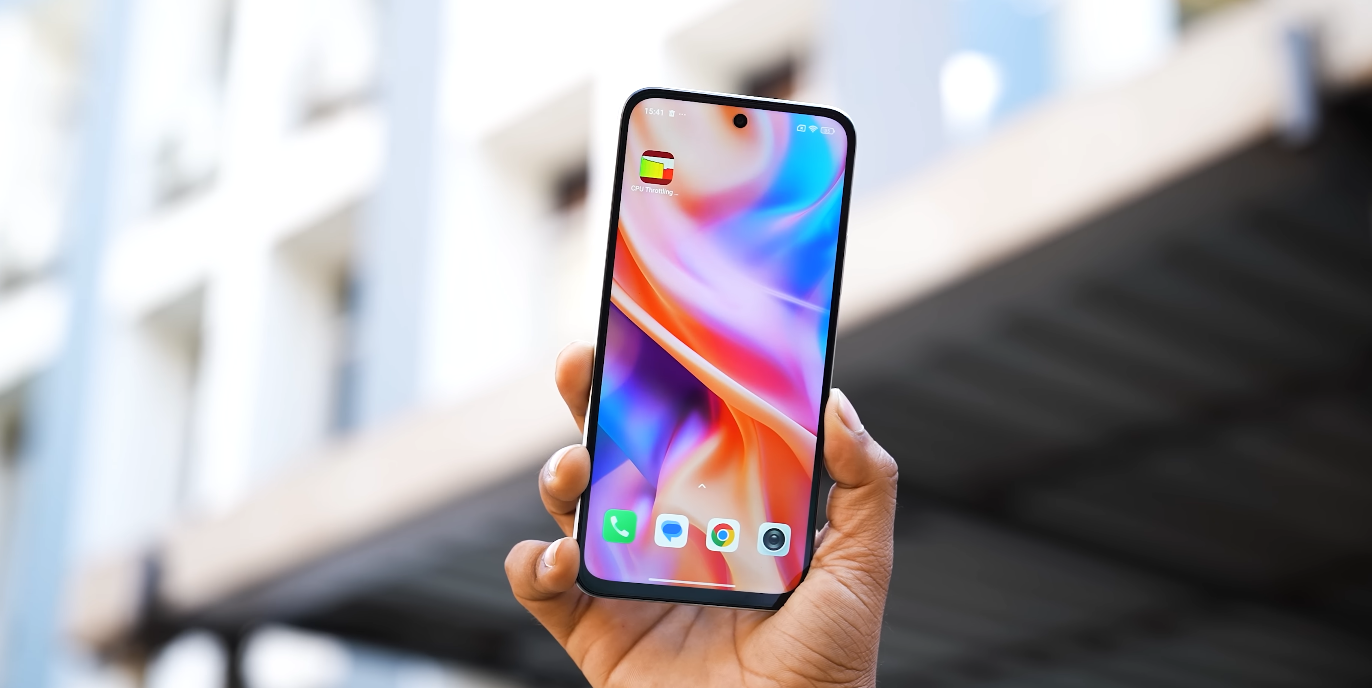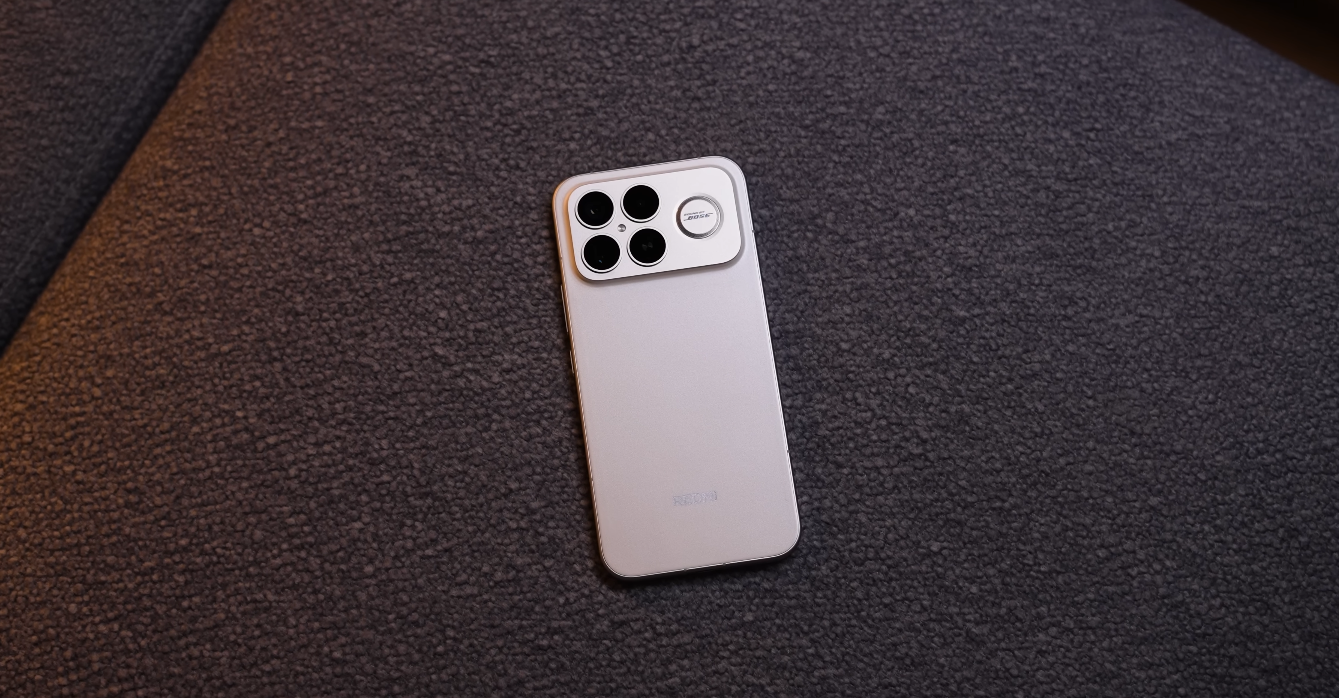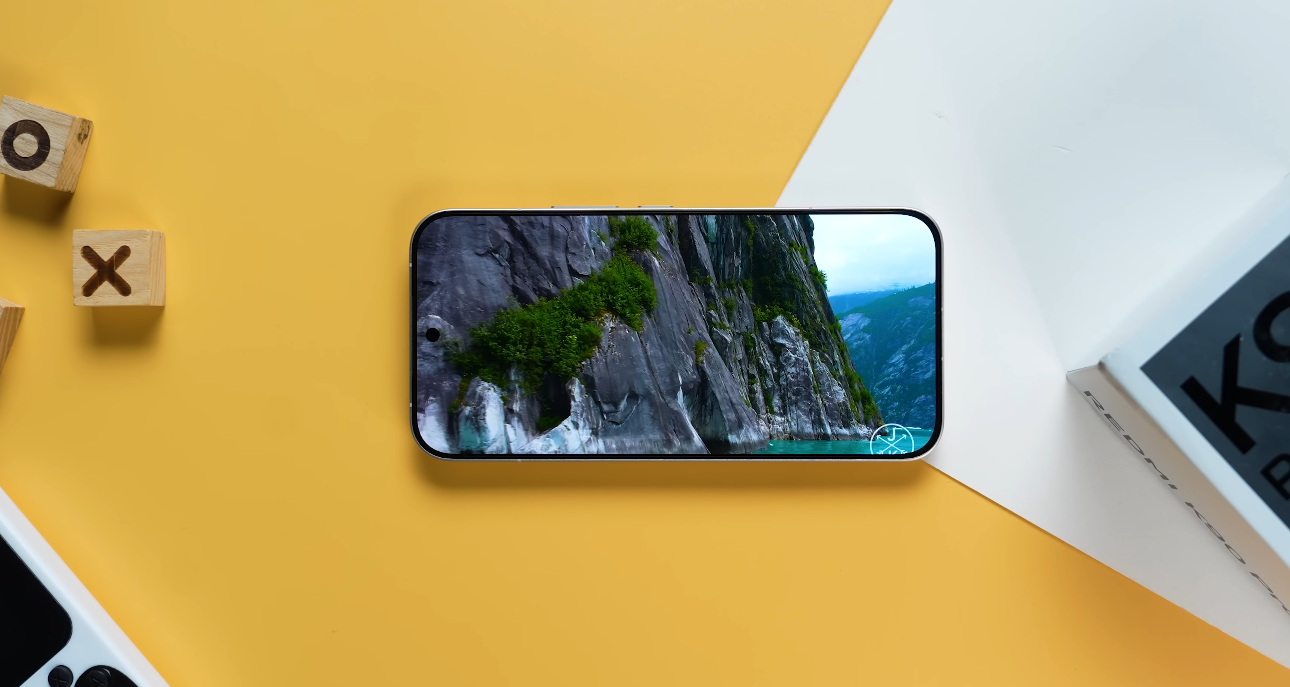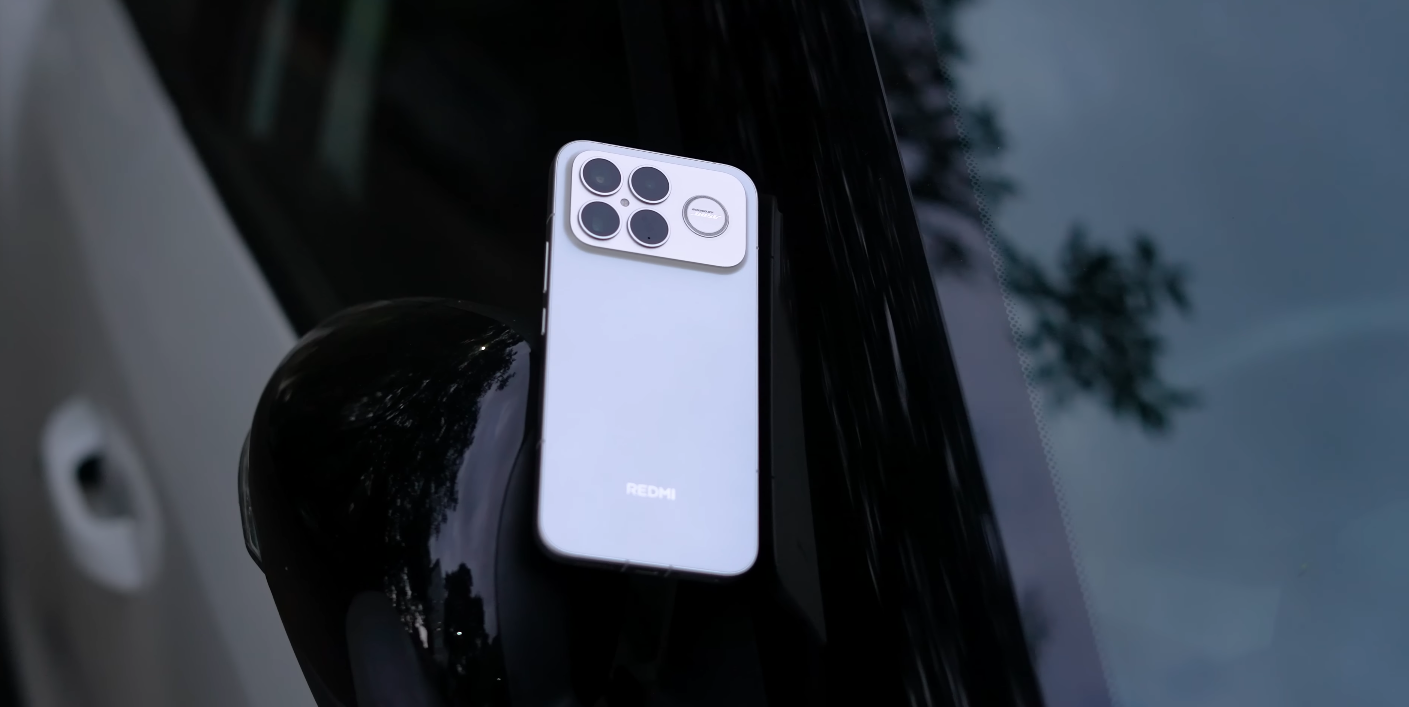
Redmi 15 user reviews after one week: what buyers are saying

Redmi 15 user reviews after one week what buyers are saying

Real opinions from early Redmi 15 owners

After a week of real-world use, Redmi 15 buyers have started sharing their experiences, revealing how Xiaomi’s latest budget powerhouse performs in daily life. Most users agree it delivers great value for money, though some have pointed out a few drawbacks that potential buyers should know about.

One of the biggest positives highlighted by users is the battery life. The massive 7000 mAh cell easily lasts a full day and a half for most people, with many reporting that even heavy use—like gaming, video streaming, and social media—barely drains it below 40% by evening. It’s quickly becoming known as one of the longest-lasting phones in its class.

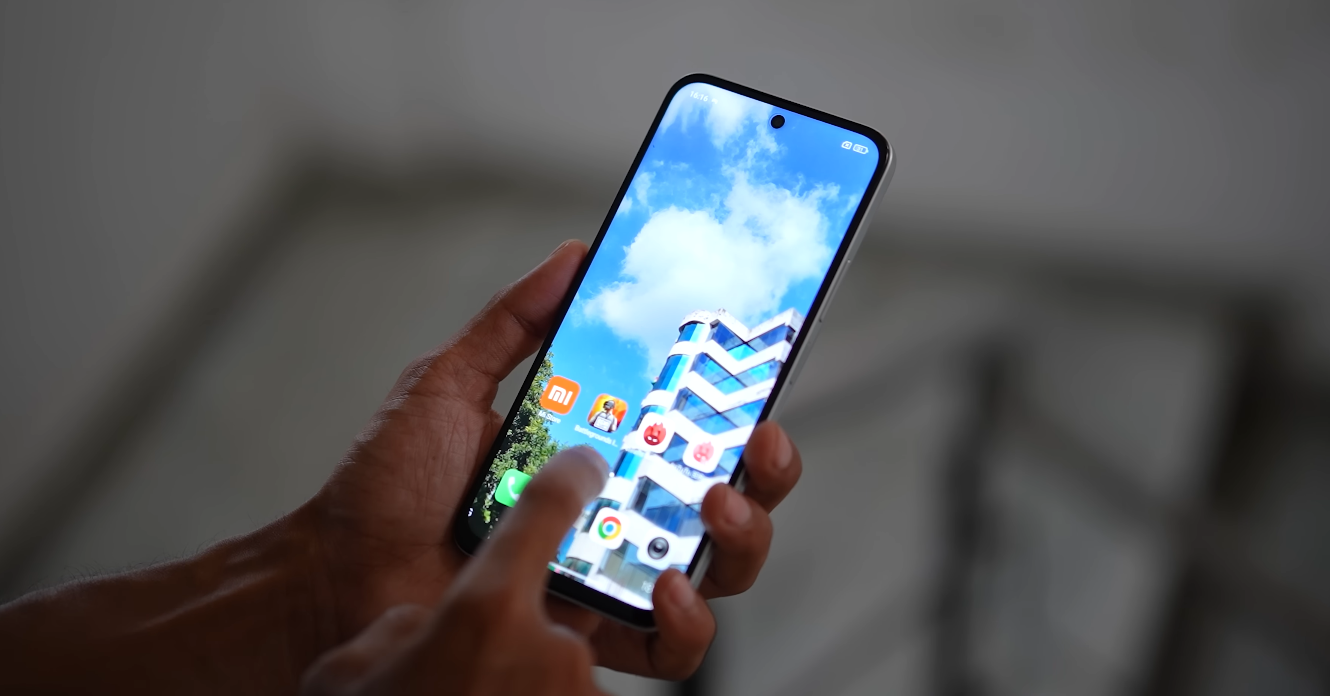
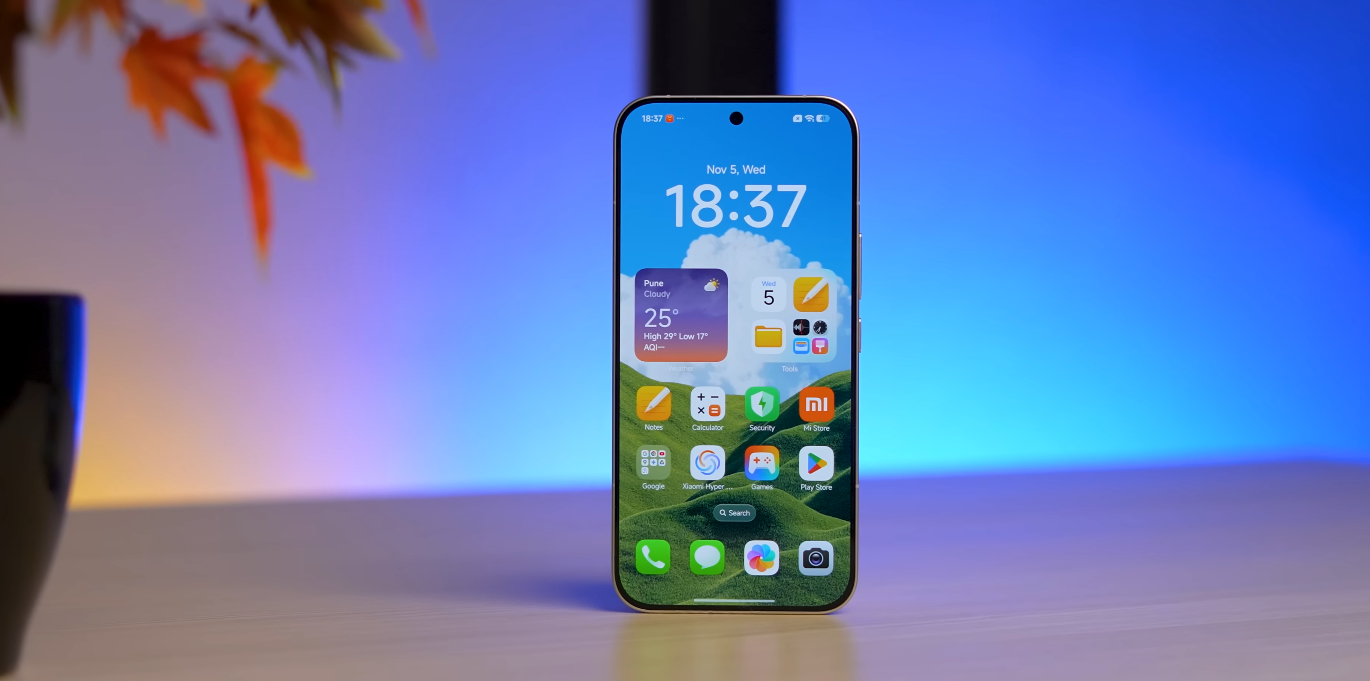
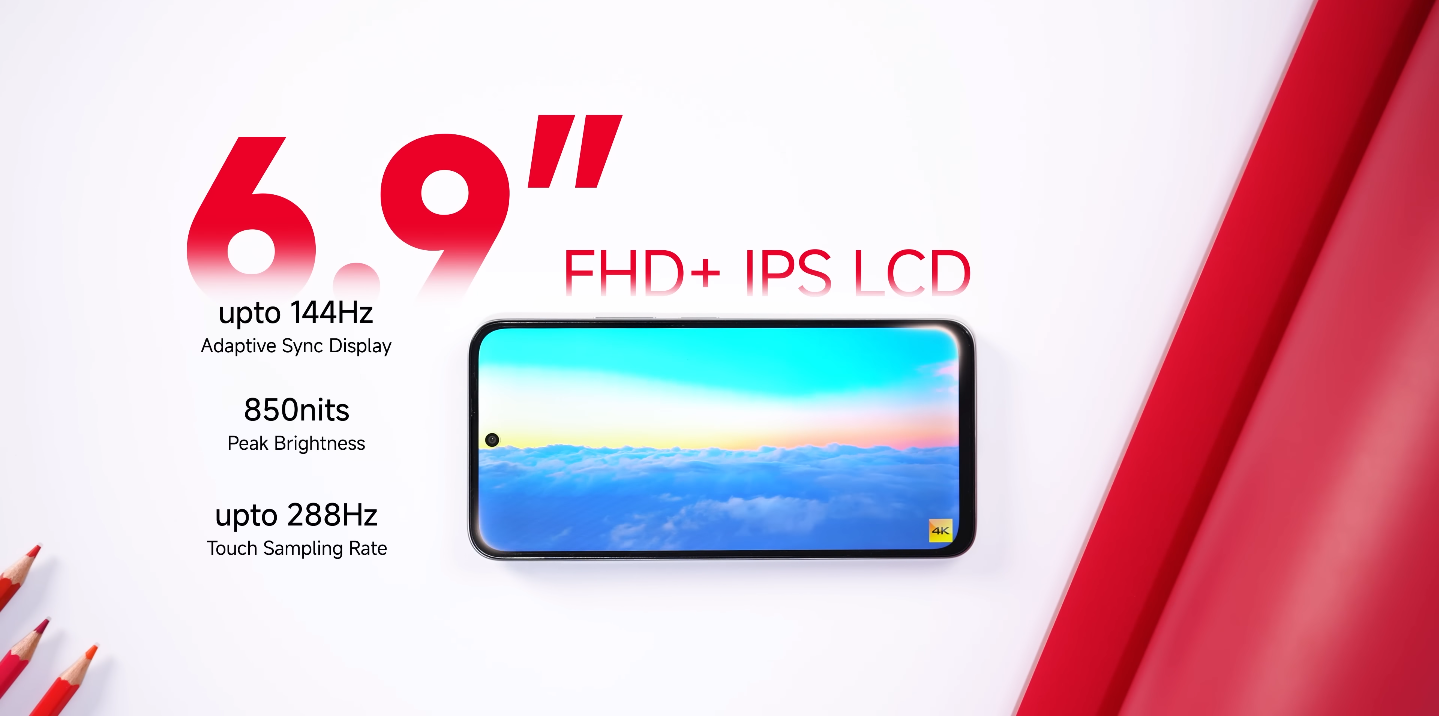
The 6.9-inch 144Hz display has also impressed buyers. Users love how smooth it feels when scrolling or playing games, and the extra screen space makes watching movies or browsing more immersive. Some say it’s among the best screens available in this price range, even though it’s not an OLED panel.
Redmi 15 user reviews after one week what buyers are saying

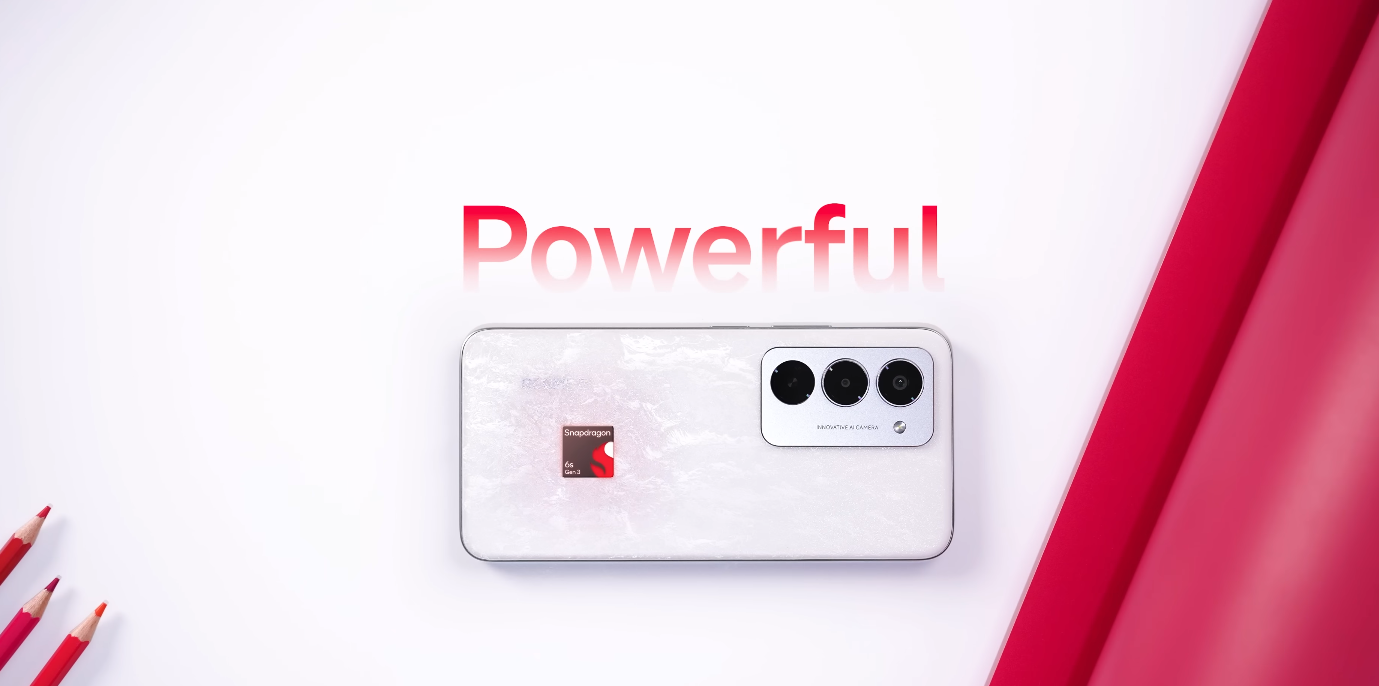
Performance feedback has been largely positive too. With the Snapdragon 6s Gen 3 processor and up to 8GB of RAM, the phone handles daily tasks without lag. Apps open quickly, switching between multiple windows is smooth, and even mid-level games run well. A few buyers noticed slight heating after long gaming sessions, but nothing severe or unexpected.

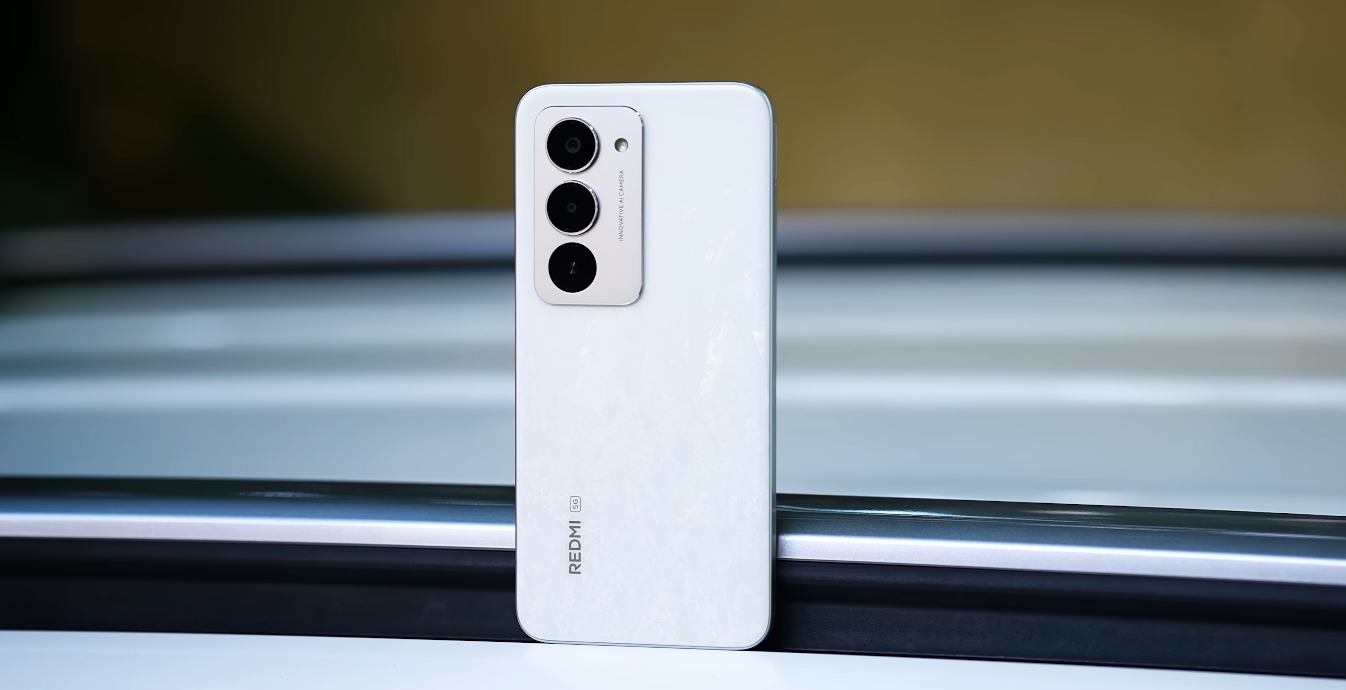
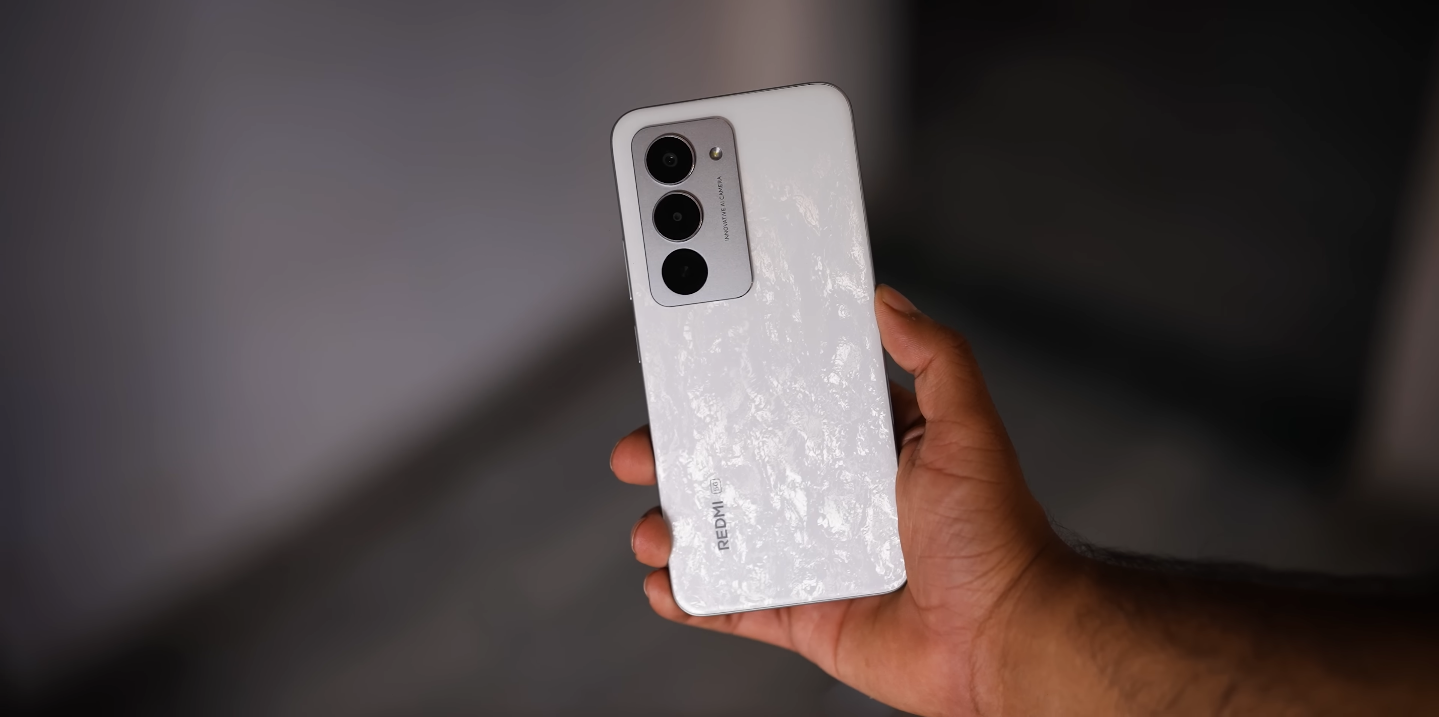
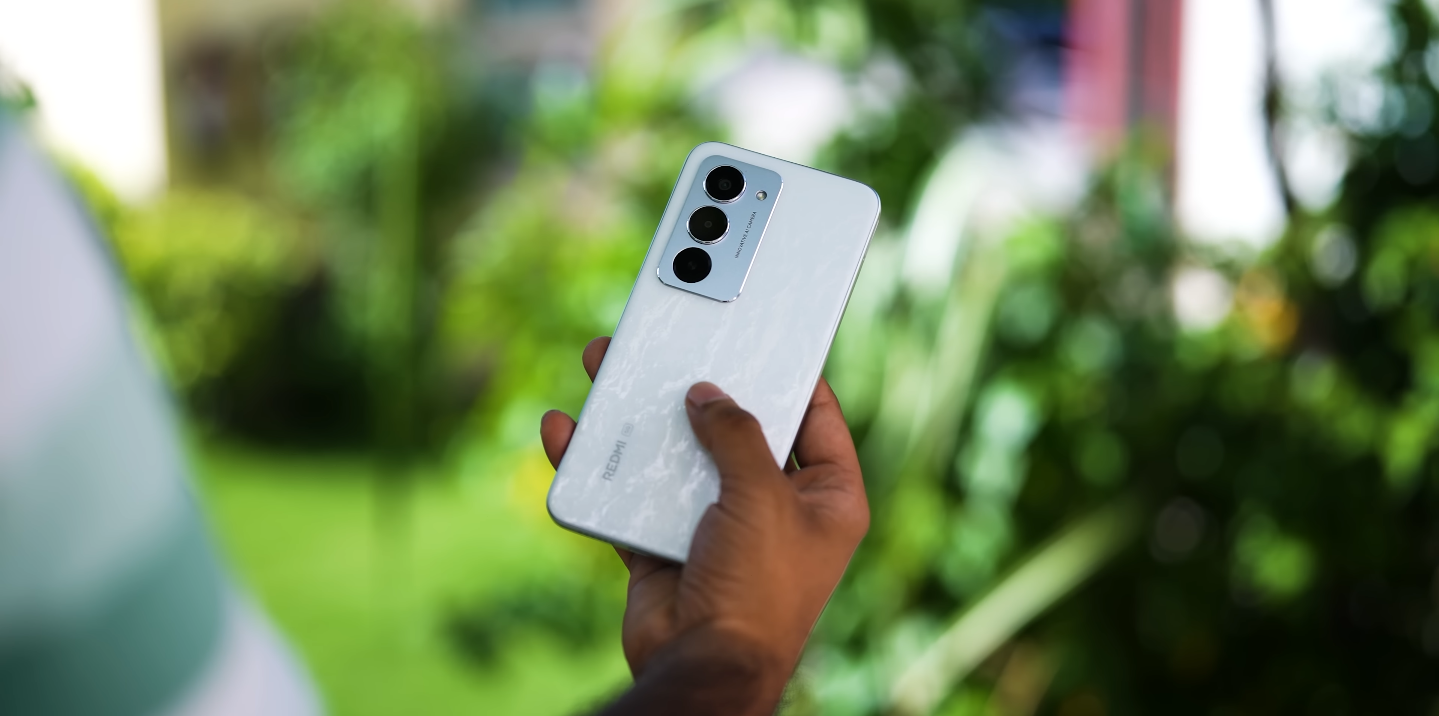
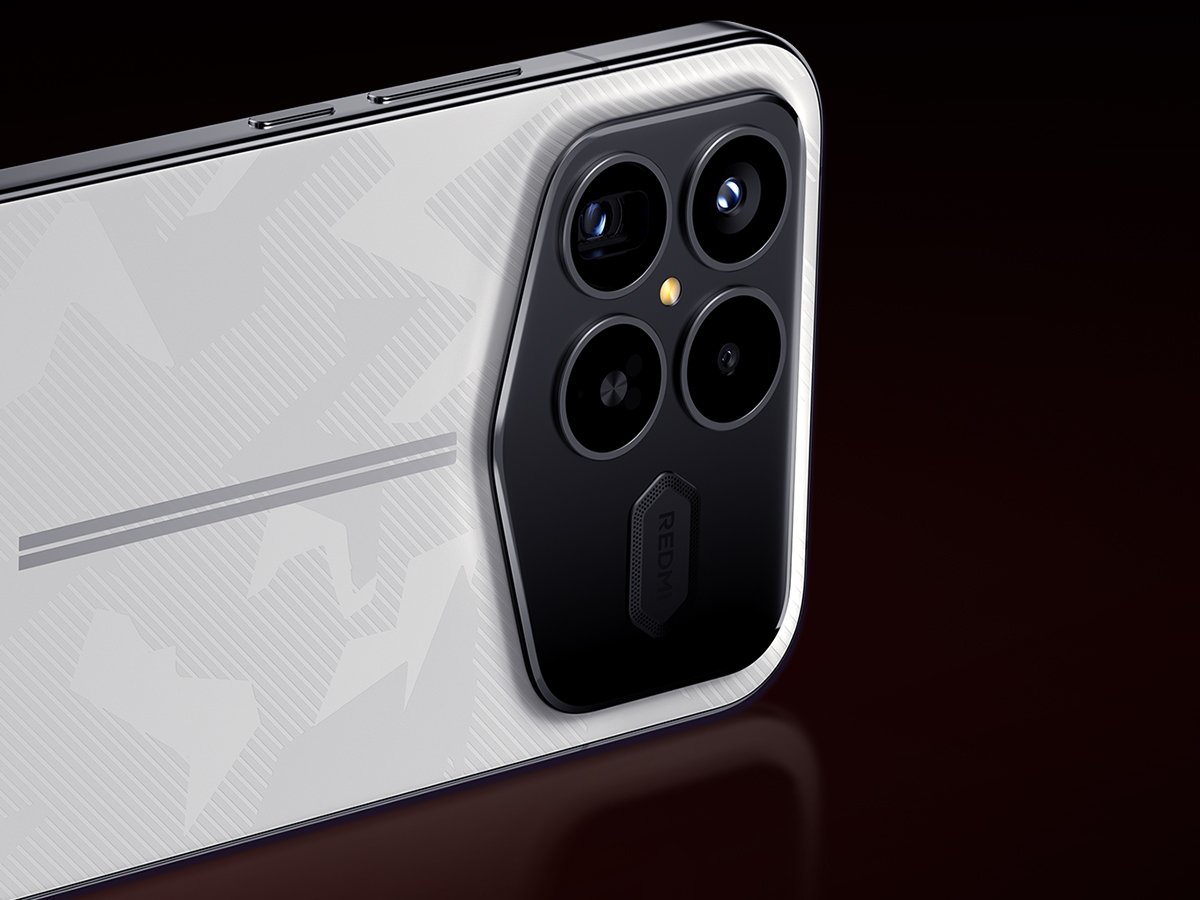
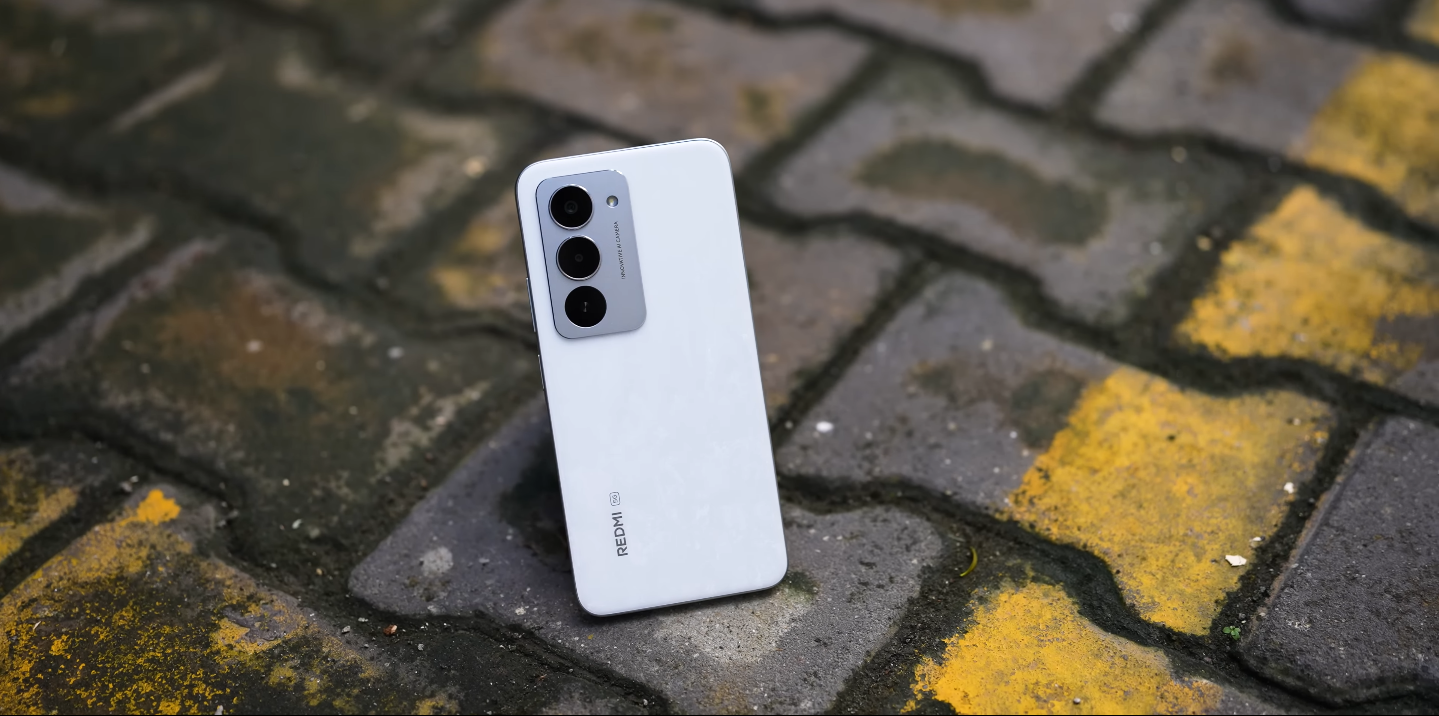
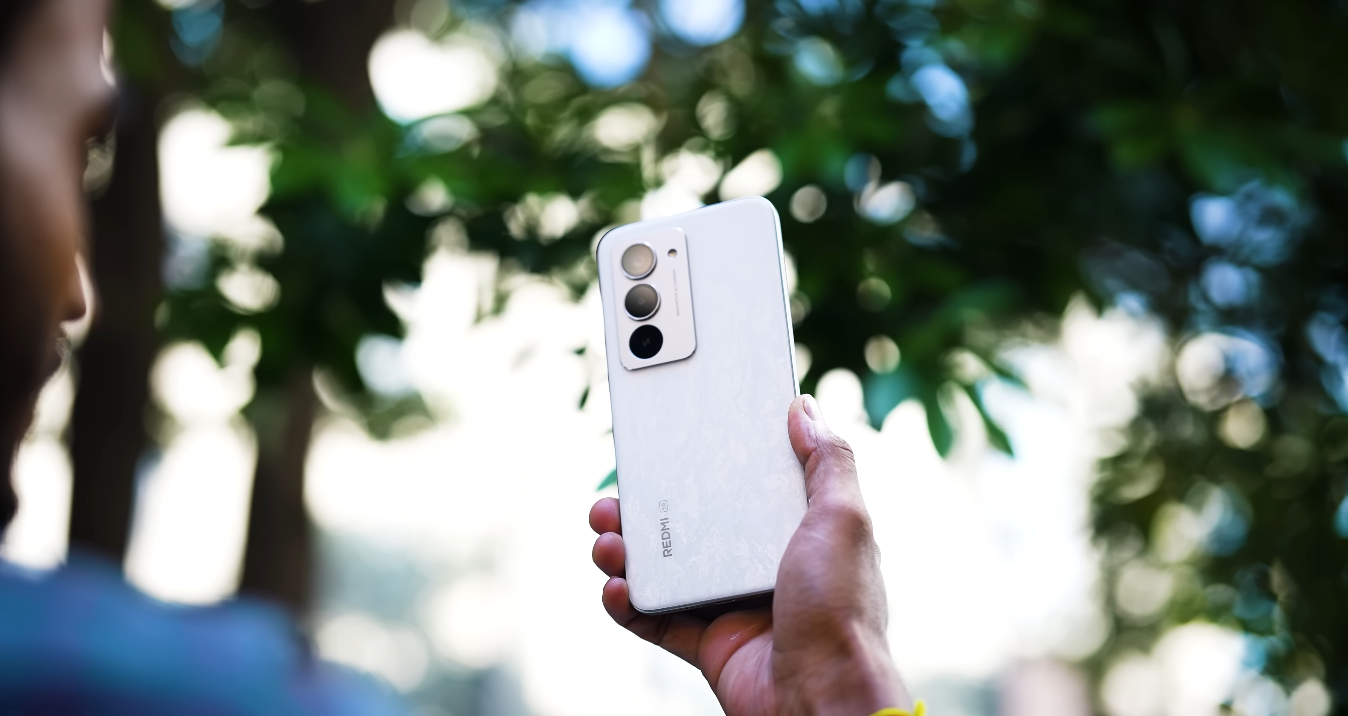
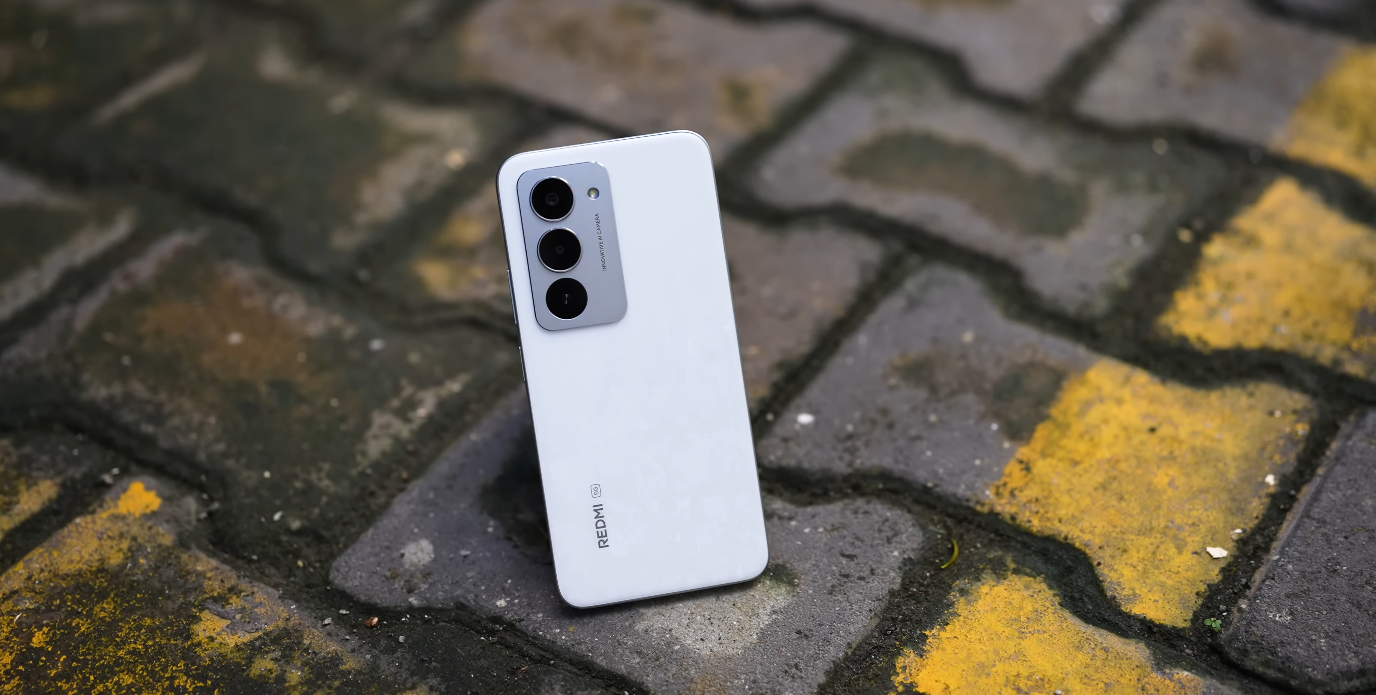
When it comes to design, most users appreciate the Redmi 15’s premium feel. The matte finish, minimal camera bump, and curved edges make it look more expensive than it is. However, some find it too large and heavy, saying it’s not comfortable for one-handed use or prolonged calls.

The camera has received mixed reviews. Daylight photos are clear, colourful, and well-detailed, but low-light shots tend to lose sharpness and accuracy. Many users say it’s good for casual photography but not ideal for night-time or professional use. The 8MP front camera, however, performs decently for selfies and video calls.

A few users mentioned software quirks. While Xiaomi’s new HyperOS feels smooth and responsive, some complained about pre-installed apps and occasional pop-up suggestions. Still, most agree that overall navigation and system performance are stable and polished.

Sound quality and connectivity have been widely praised. The stereo speakers deliver balanced audio for videos and music, and call quality remains clear even in noisy surroundings. The IP64 dust and splash resistance rating adds a layer of reassurance that many buyers appreciate.

In general, first-week owners seem satisfied with what the Redmi 15 offers for its price. They describe it as a dependable daily driver that nails the essentials—battery, display, and performance—while cutting corners only where expected. It’s not perfect, but most agree it’s an excellent choice for anyone wanting a feature-packed phone without stretching their budget.

Overall, the Redmi 15’s early reputation is strong: a bold, big-screen device that combines endurance, style, and reliable performance. For users who prioritise screen size and battery life over compact design or flagship-level cameras, this new Redmi seems to deliver exactly what it promises.

Redmi 15 major compromises: What you lose for the price?

Redmi 15 major compromises What you lose for the price

Where value comes with trade-offs

The Redmi 15 delivers an impressive set of features for its budget price, but like all value devices it comes with several compromises you should know about. While the large battery and high refresh rate display stand out, these advantages come at the expense of other premium aspects.

Firstly, the display is large and smooth, but it uses an LCD panel rather than a high-end AMOLED. That means contrast, deep blacks and peak brightness may not match what you get from higher-tier phones. If you frequently use your phone outdoors or care about display finesse, this is a noticeable difference.

Camera performance is solid for everyday use, yet it doesn’t rival flagship quality. The Redmi 15 offers a 50 MP main camera, but supporting sensors and optics (such as ultra-wide, telephoto, or advanced image stabilisation) are limited. Users who prioritise photography or low-light shots will find the compromises here.

Redmi 15 major compromises What you lose for the price

Performance and connectivity also reflect cost-saving choices. The Redmi 15 uses a mid-range chipset and in some regions lacks full 5G support. While this won’t affect casual use, if you play demanding games, edit videos regularly or want your phone to stay fast for many years, the hardware might feel stretched over time.

Build materials and premium touches are another area where sacrifices are made. While the phone offers features like IP64 splash resistance, the frame and back cover may not have the same premium glass or metal feel as more expensive models. The large size of the device also means it can be bulky and less convenient to handle one-handed.

Charging speed is decent at 33 W, and the phone even offers reverse charging, but when compared to rivals that support 67 W or higher, the top-up time is longer. If you often rush to charge your phone quickly, you may notice this compromise.

Software and update support tend to be less generous than flagship models. Budget phones like the Redmi 15 often receive fewer years of major OS upgrades and security updates. If you plan to keep the phone for several years, this is a factor to weigh.

Finally, the sheer size of the phone—thanks to the large screen and big battery—impacts portability and comfort. If you prefer compact phones or often carry the device in tighter pockets, then the dimensions may feel unwieldy.

In summary: The Redmi 15 offers excellent value in areas like battery life, screen size and refresh rate. But you lose some display quality, camera versatility, premium finishes, top-end charging, and long-term future-proofing. If your priorities align with its strengths and you accept these trade-offs, it is a smart budget phone. If those compromises matter more to you, it may be worth investing a little more for fewer compromises.

Redmi 15 gaming performance: can it handle heavy hitters?

Redmi 15 gaming performance can it handle heavy hitters

Testing how well the Redmi 15 performs under gaming pressure

The Redmi 15 has been launched with impressive specs for a budget device, but gamers are curious to know whether it can handle demanding titles like PUBG Mobile, Genshin Impact, or Call of Duty: Mobile. With a Snapdragon 6s Gen 3 processor, a 144Hz display, and a 7000 mAh battery, it certainly looks capable on paper — but real-world performance tells the full story.

During testing, the Redmi 15 handled popular titles like BGMI and COD Mobile comfortably at medium to high settings. Frame rates hovered around 50–55 FPS on balanced graphics, which is respectable for its segment. Gameplay felt smooth in lighter titles such as Asphalt 9, Free Fire, and Mobile Legends, while heavier games required some compromises in resolution or effects to maintain consistency.

The large 6.9-inch Full HD+ display plays a key role in enhancing gaming immersion. Its 144Hz refresh rate makes motion look fluid, although not every game fully supports this refresh rate. Still, the touch response is accurate, and input lag remains low, giving players solid control during fast-paced sessions.

Redmi 15 gaming performance can it handle heavy hitters

Thermal management is one of the Redmi 15’s strongest points. Even after extended play sessions of up to 90 minutes, the phone stayed comfortably warm rather than hot. Xiaomi’s cooling design keeps the chipset from throttling too aggressively, ensuring stable frame rates for longer periods. This makes it ideal for casual or mid-level gamers who play for hours at a stretch.

Battery life also stands out in gaming. The 7000 mAh capacity allows nearly two full days of moderate use or 6–7 hours of continuous gaming. Even heavy sessions don’t drain it too quickly, and with 33W charging support, topping up the battery takes just over an hour. This endurance gives the Redmi 15 an edge over most mid-range competitors.

However, it’s not without limits. Games like Genshin Impact and Fortnite, which demand high GPU power, push the Snapdragon 6s Gen 3 near its limits. Frame rates can dip below 30 FPS at max settings, and occasional stutters appear during intense scenes. For smoother performance, it’s best to play such games at medium settings.

The 8GB RAM variant delivers a noticeably better experience than the 4GB model. Loading times are shorter, background apps stay active, and performance remains steadier when multitasking. Players planning to game regularly should definitely opt for the higher-memory version.

Audio and haptics further enhance gameplay. The dual speakers produce strong, balanced sound, and the vibration feedback feels precise during shooting or racing games. Combined with the big display, this gives a surprisingly premium feel despite its budget positioning.

Overall, the Redmi 15 isn’t a dedicated gaming beast, but it’s far from weak. It delivers reliable gaming performance for popular titles, maintains cool temperatures, and offers outstanding battery life. For its price, it strikes a great balance between entertainment, performance, and endurance — proving that even budget phones can play with the big names when tuned right.

Redmi 15 vs Realme 12: which budget champion wins?

Redmi 15 vs Realme 12 which budget champion wins

Battle of big battery versus big camera

The budget smartphone race has intensified again as Xiaomi’s Redmi 15 and Realme 12 go head-to-head for value-conscious buyers. Both brands have a reputation for delivering strong performance without high prices, but their approaches this year highlight two different priorities — battery life for Redmi and camera performance for Realme.

Starting with design and display, the Redmi 15 offers a large 6.9-inch panel with a 144Hz refresh rate, giving users an exceptionally smooth experience for scrolling and gaming. The Realme 12 keeps things slightly smaller with a 6.7-inch display that focuses on brightness and colour accuracy. Redmi’s bigger screen is ideal for entertainment, but Realme’s AMOLED panel offers deeper contrast and better clarity under sunlight.

Power is where the Redmi 15 clearly takes the lead. Its massive 7,000 mAh battery outlasts nearly every rival in its class, comfortably lasting through a full day and more of heavy use. Realme 12, with its 5,000 mAh unit, still performs well but requires more frequent charging. Xiaomi’s 33W fast charging and reverse charging options also give the Redmi an added edge for practical day-to-day use.

Redmi 15 vs Realme 12 which budget champion wins

In performance, the Redmi 15 uses the Snapdragon 685 processor paired with up to 8GB RAM, which handles regular multitasking efficiently. Realme 12 offers a slightly newer chip tuned for better 5G connectivity and power management. This means Realme performs marginally better in demanding apps and downloads, while Redmi focuses more on sustained efficiency and longer uptime.

Camera performance shows the clearest contrast between the two. Realme 12 features a 108MP primary sensor that captures detailed, well-balanced images even in lower light. The Redmi 15’s 50MP camera performs reliably for everyday shots, but Realme’s image processing delivers a sharper and more dynamic output overall. For users who prioritise mobile photography, Realme has the upper hand.

Storage options are generous on both devices, with configurations up to 256GB available, ensuring enough room for photos, videos and apps. Build quality is also competitive, with Redmi offering IP64 dust and splash resistance, while Realme keeps its design sleek and lightweight for comfortable handling.

Software experience differs in tone but not in usability. Redmi’s MIUI focuses on customisation and power efficiency, while Realme UI aims for a cleaner interface with subtle design refinements. Both brands promise regular updates, though Samsung’s longer policy still outpaces them in the segment.

When it comes to user priorities, Redmi’s proposition is hard to beat for endurance and multimedia. Its large screen and unmatched battery size make it perfect for travellers, students, and users who dislike frequent charging. Realme, on the other hand, positions itself as the better all-rounder, especially for photography, speed, and connectivity.

In daily use, Redmi 15 feels like the sturdier and longer-lasting workhorse, whereas Realme 12 comes across as the stylish and capable performer. Each dominates its niche — Redmi for longevity and display value, Realme for imaging and future-readiness.

In the final verdict, if you want a smartphone that keeps going all day with minimal compromises, the Redmi 15 is the more practical champion. But if your focus is camera quality, sleeker design, and modern connectivity, the Realme 12 edges ahead. Both remain top contenders, proving that the budget category is now more competitive than ever.

Redmi 15 hidden features you didn’t know about

Redmi 15 hidden features you didn’t know about

Secret tools and tricks inside Xiaomi’s new budget star

Xiaomi’s Redmi 15 has already impressed with its massive 6.9-inch 144Hz display and 7000 mAh battery, but beneath its surface lies a collection of clever hidden features that many users might overlook. From smart system shortcuts to advanced customisation options, the Redmi 15 packs more intelligence than you’d expect from a budget phone.

One of the most useful hidden tools is the Smart Sidebar, a floating panel that lets you access apps, screenshots, and screen recording tools instantly. It slides out with a swipe from the side of the display, saving time when multitasking. Gamers especially appreciate this feature, as it allows quick access to key apps without leaving the game screen.

Another feature tucked inside HyperOS is Video Toolbox, designed for entertainment lovers. When you play YouTube or Netflix, swiping from the edge opens a hidden control menu that lets you enhance sound, adjust colour saturation, or even play videos in the background with the screen off — something not all Android phones allow.

Redmi 15 hidden features you didn’t know about

Redmi 15 also includes Battery Extension Mode, a software trick that prolongs battery life by controlling background apps and adjusting refresh rates automatically. Combined with the huge 7000 mAh cell, it allows users to squeeze out up to two days of use on a single charge, especially useful during travel or outdoor activities.

One lesser-known gem is Memory Extension, which converts unused storage into temporary RAM. This boosts performance during heavy multitasking, letting the phone handle larger apps or games more smoothly. It’s a clever use of software optimisation that narrows the performance gap between this and mid-range rivals.

The AI Image Engine is another hidden strength. Found under camera settings, it improves low-light photos, enhances clarity, and automatically adjusts tones without manual editing. This makes even quick snapshots look noticeably sharper and more balanced, a pleasant surprise for users expecting basic camera results.

Xiaomi has also added a Privacy Dashboard, offering greater control over app permissions. It shows which apps accessed the camera, microphone, or location recently, allowing users to revoke access with a single tap. For security-conscious users, this feature adds an extra layer of confidence rarely found in phones at this price.

Another subtle but practical feature is the Gesture Controls menu. Users can double-tap the back to take screenshots, open the camera, or even turn on the flashlight. Once customised, these shortcuts become second nature and save time in everyday use.

Music fans will enjoy the Audio Enhancer mode, hidden in sound settings. It lets users fine-tune bass, treble, and balance for wired and wireless earphones. When paired with Dolby Atmos support, the Redmi 15’s audio performance feels much more premium than expected for its class.

Lastly, Xiaomi’s One-Handed Mode makes handling the large display easier. With a quick gesture, the screen shrinks to a smaller window, allowing easy navigation with a single thumb — a thoughtful addition for those who prefer compact usability without sacrificing screen size.

All these hidden features prove that the Redmi 15 isn’t just a budget device — it’s a thoughtfully designed smartphone packed with surprises. Xiaomi has managed to blend powerful hardware with smart software touches, giving users an experience that feels far beyond its price tag.

Redmi K90 Pro Max battery charging nipples: 100W or faster?

Redmi K90 Pro Max battery charging nipples 100W or faster

How fast does Xiaomi’s flagship really charge?

The Redmi K90 Pro Max has been turning heads for its massive 7,560mAh silicon-carbon battery and promises of ultra-fast charging. Xiaomi’s marketing highlights 100W wired charging support, sparking curiosity among tech enthusiasts in the UK who wonder whether this flagship can push beyond that figure. Real-world testing now offers a clearer picture of what users can actually expect.

Officially, the Redmi K90 Pro Max supports 100W wired charging and 50W wireless charging. These figures come directly from Xiaomi’s technical documentation and reflect the company’s most advanced power management system yet. In ideal lab conditions, the phone can reportedly charge from 0 to 100 percent in under 30 minutes — an impressive feat for a battery this large.

The secret lies in its silicon-carbon chemistry. Compared to traditional lithium-ion cells, silicon-carbon batteries handle higher charging currents more efficiently, producing less heat and maintaining long-term durability. This allows Xiaomi to deliver fast charging speeds without compromising safety or longevity, even with such high wattage.

Redmi K90 Pro Max battery charging nipples 100W or faster

In independent charging tests, the K90 Pro Max reaches 50 percent in just over 10 minutes using the bundled 100W charger. A full top-up takes around 27 to 30 minutes depending on ambient temperature and background usage. These results confirm Xiaomi’s claims and position the K90 Pro Max among the fastest-charging smartphones currently available.

While the 100W speed is impressive, some users have questioned whether Xiaomi might enable even faster charging through future software updates or special editions. As of now, there is no confirmed global variant exceeding 100W. Xiaomi’s engineers appear focused on balancing thermal control and battery health rather than chasing higher numbers, ensuring consistent long-term performance for everyday users.

Wireless charging performance is equally noteworthy. With a 50W compatible pad, the K90 Pro Max can recharge fully in under an hour, outperforming many competitors that still rely on slower 15–30W wireless solutions. The phone also supports 22.5W reverse wireless charging, allowing it to power accessories like earbuds or smartwatches directly.

Thermal management plays a big role in sustaining high charging speeds. The K90 Pro Max uses a multi-layer vapour cooling system to disperse heat efficiently during fast charging sessions. This helps maintain stability, preventing performance throttling and extending the battery’s health over time. Users report that even during 100W sessions, surface temperatures remain comfortable, a testament to Xiaomi’s refined power architecture.

In day-to-day use, the charging experience is consistent and reliable. Even with heavy gaming or streaming, short 10-minute top-ups deliver hours of battery life, making range anxiety almost nonexistent. Xiaomi’s software also allows users to toggle modes for faster or slower charging depending on their needs, giving control over battery preservation.

Compared with rivals, the Redmi K90 Pro Max easily outpaces most flagships from Samsung, Apple, and Sony, which typically offer between 25W and 65W charging. It’s closer in class to models from OnePlus and Realme that also approach the 100W mark but often with smaller batteries. The combination of capacity and speed is what gives Xiaomi’s phone a distinct advantage.

For UK consumers, it’s important to note that the global variant supports the same 100W speed as the Chinese model. The included charger is region-specific, ensuring compatibility with UK sockets and voltage standards. Using third-party chargers may reduce charging efficiency or disable turbo charging altogether.

In summary, the Redmi K90 Pro Max officially tops out at 100W wired charging and 50W wireless charging — and that’s more than enough. While it doesn’t surpass that figure, its real-world performance ranks among the fastest in the industry. Combined with advanced cooling and battery technology, it delivers blazing speeds safely and consistently, setting a new standard for value-driven flagship power.

Redmi K90 Pro Max UK retailer exclusives: which stores to watch?

Redmi K90 Pro Max UK retailer exclusives which stores to watch

Early indications on where the flagship could first appear in Britain

The Redmi K90 Pro Max still has not had a confirmed formal shelf launch in the UK, but UK analysts and Xiaomi watchers have already started tracking likely retail pathways because Xiaomi devices normally follow very specific distribution patterns when they enter Britain. That means even before an official listing goes live, there are clear indicators on where UK buyers should expect the earliest proper listings, bundle deals and colour exclusives once rollout begins.

The first place UK tech buyers need to track is the official Xiaomi UK store, because whenever Redmi flagships do cross into official distribution here, this platform is usually the first to show the UK-region SKU codes. This also tends to be the fastest way to confirm whether the specific variant is UK-certified with correct 5G bands and proper UK power plug packaging. This matters because imported Chinese variants regularly enter the UK early, but those do not guarantee local service coverage.

British retailers such as Currys, Argos and Amazon UK often receive Xiaomi devices after the official store listing appears, but sometimes they get early visibility before wider marketing goes live. These companies usually highlight launch bundles, seasonal sale tie-ins and occasional retailer-limited colour trims. For a high-interest model like the Redmi K90 Pro Max, this is especially important because early stock on the first day can be surprisingly limited, especially if the phone becomes a sudden TikTok trend item.

Redmi K90 Pro Max UK retailer exclusives which stores to watch

Carphone Warehouse and major carrier partners like EE, Three or Vodafone may also play a role if Xiaomi decides to push the phone with a monthly plan angle. Xiaomi has previously done carrier-linked pushes with other Redmi models, and UK users who prefer contract rather than upfront purchase typically watch these stores to see if exclusive storage tiers or limited introductory tariff rates are offered for early adopters.

Another area UK watchers often monitor is student-focused promotion channels, because Xiaomi occasionally offers student discount vouchers linked to a product page during the first week of availability. If the Redmi K90 Pro Max enters the UK officially, this same pattern could appear again. This is not guaranteed until the SKU is live, but the trend exists across several Xiaomi cycles and is worth monitoring for younger buyers.

It is also relevant to track whether a limited edition colour is included in launch stock. Xiaomi occasionally holds one colour finish for a single retail partner in specific regional launches. That sometimes becomes a micro-exclusive, meaning a certain shade might only be sold through one retailer for a short opening window before it widens to other outlets. For UK buyers who care about visual uniqueness, this becomes a genuine incentive to watch retailer feeds closely.

There is also the possibility of early online-only exclusivity in the UK, where certain storage sizes initially appear only through one site before arriving at wider retailers. Devices with periscope telephoto hardware often generate early demand, and this model fits that profile. So if the K90 Pro Max does ship into the UK with official certification, there is realistic likelihood that the highest storage tier may be limited to one retail partner initially.

Timing is another factor. Xiaomi sometimes stagger-releases across Europe, meaning France, Germany or Spain can get stock ahead of the UK. When this happens, UK retailers may show placeholder “coming soon” pages before the UK official Xiaomi page is updated. Seasoned UK buyers of imported flagships often track these European movements because they offer hints on when UK stock will land and which retailer gets listing priority.

Also, many UK buyers check stock feeds during seasonal sale periods, especially around big shopping events. Xiaomi has previously aligned certain UK handset announcements with seasonal offer windows. Therefore, if the K90 Pro Max is targeted for official UK entry in late year cycles, retailers like Currys or Amazon UK could get launch bundles that are not repeated after the first wave sells out. This type of launch timing often rewards quick buyers.

In summary, UK customers who want to be first in line for the Redmi K90 Pro Max should watch the Xiaomi UK official store first, then high-volume retailers like Currys, Argos, Amazon UK and major network carrier storefronts. Until the formal UK landing page is published, nothing is fully confirmed, but early patterns strongly suggest that official channels will show the earliest legitimate UK SKU listing, and that is where exclusives, bundles and early unit availability are most likely to appear.

Redmi K90 Ultra: The Ultimate UK Gaming Phone Rival to RedMagic 11 Pro

The Redmi K90 Ultra, a new UK gaming phone with a powerful processor, ample storage, and a high-quality display, set to rival the RedMagic 11 Pro in the UK gaming phone market

Redmi K90 Ultra: A New Challenger in the UK Gaming Phone Market

The Redmi K90 Ultra has been making waves in the tech world, with leaks emerging from notable Weibo tipster Digital Chat Station. This upcoming Xiaomi phone is set to take on the RedMagic 11 Pro, a formidable opponent in the gaming phone arena. With its impressive specs and features, the Redmi K90 Ultra is poised to give the RedMagic 11 Pro a run for its money. The UK gaming community is eagerly awaiting its release.

The Redmi K90 Ultra’s specs are still under wraps, but rumours suggest it will boast a powerful processor, ample storage, and a high-quality display. These features will undoubtedly make it a top contender in the UK gaming phone market. The RedMagic 11 Pro, on the other hand, has already proven itself to be a force to be reckoned with. Its impressive performance and sleek design have won over many UK gamers.

As the Redmi K90 Ultra’s release date approaches, UK gamers are becoming increasingly excited. The phone’s ability to handle demanding games and applications will be put to the test. If it can deliver on its promises, the Redmi K90 Ultra may just become the go-to gaming phone in the UK. The RedMagic 11 Pro will need to up its game if it wants to remain a top choice among UK gamers.

The UK gaming phone market is becoming increasingly competitive, with new releases and updates emerging all the time. The Redmi K90 Ultra’s entry into this market will undoubtedly shake things up. With its unique features and impressive specs, it may just become the ultimate UK gaming phone. Only time will tell if it can live up to the hype and dethrone the RedMagic 11 Pro as the top gaming phone in the UK.

The Redmi K90 Ultra’s design is also worth mentioning, with a sleek and modern aesthetic that is sure to appeal to UK gamers. The phone’s colour options and build quality will also be important factors in its success. If the Redmi K90 Ultra can deliver on its promises, it may just become the most popular gaming phone in the UK.

In conclusion, the Redmi K90 Ultra is a gaming phone that is definitely worth keeping an eye on. With its impressive specs, unique features, and sleek design, it may just become the ultimate UK gaming phone. The RedMagic 11 Pro will need to watch its back, as the Redmi K90 Ultra is poised to take the UK gaming phone market by storm.

Redmi 15 vs iPhone SE 4: ultra-budget vs value flagship – which to choose?

Redmi 15 vs iPhone SE 4 ultra-budget vs value flagship – which to choose

Comparing Redmi 15’s power with Apple’s compact premium

The Redmi 15 and the upcoming iPhone SE 4 represent two very different worlds — one built for maximum value, the other for refined performance. UK buyers deciding between the two are essentially choosing between affordability and long-term polish. Both aim to deliver more than their price suggests, but their strengths lie in completely separate areas.

The Redmi 15 is designed to deliver everything a user needs at a fraction of flagship cost. It offers a large 6.9-inch Full HD+ display with a smooth 144Hz refresh rate and an efficient Snapdragon 685 processor. Its standout feature remains the massive 7,000mAh battery paired with 33W charging, capable of lasting nearly two full days under regular UK use.

By contrast, the iPhone SE 4, expected to launch in 2025, will likely continue Apple’s philosophy of compact performance. Leaks suggest a 6.1-inch OLED display, Apple’s latest A18 chip, and a 48MP main camera — features placing it closer to flagship territory than budget range. The new design and USB-C charging bring it in line with Apple’s current standards, making it a more rounded upgrade from the older SE models.

Redmi 15 vs iPhone SE 4 ultra-budget vs value flagship – which to choose

Performance is where these two phones truly separate. The Redmi 15 handles multitasking, streaming, and casual gaming well, but the iPhone SE 4’s A18 chip will deliver flagship-level power and longevity. For users who keep their phones for several years, Apple’s extended software updates make the SE 4 a better long-term investment.

In display quality, the Redmi 15’s LCD panel is bright and smooth, ideal for media consumption, while the iPhone SE 4’s OLED technology provides deeper blacks and more vivid contrast. For everyday use, both perform well, but the SE 4 will likely offer more premium colour accuracy and sharpness.

Cameras also differ significantly. The Redmi 15’s 50MP setup produces solid daylight photos, while the iPhone SE 4 is expected to deliver far better image processing and low-light performance. For users who value quick, consistent photography, Apple’s software tuning still leads.

Battery endurance, however, belongs to Redmi. The iPhone SE 4’s compact design limits battery capacity, and while Apple’s optimisation helps, it won’t match the Redmi 15’s two-day life. For heavy users who rely on long screen time, the Redmi offers a more practical solution.

Price will be the deciding factor for many UK buyers. The Redmi 15 is priced around £159, making it one of the best-value phones available. The iPhone SE 4, meanwhile, is expected to start around £500, positioning it as an affordable flagship rather than a budget phone. The gap reflects Apple’s brand premium but also the long-term performance advantage.

For users focused on durability, large screens, and long battery life, the Redmi 15 stands as an unbeatable deal. It’s ideal for students, professionals, and anyone wanting dependable power at a low cost. Those seeking smoother performance, better cameras, and a premium ecosystem experience will find the iPhone SE 4 worth the investment.

In the end, it comes down to lifestyle. The Redmi 15 wins on practicality, endurance, and affordability, while the iPhone SE 4 excels in polish, software, and longevity. If you value value-for-money above all, choose Redmi. If you’re after refinement and future-proof performance, the iPhone SE 4 is the smarter pick.

Redmi 15 UK launch timing: when will it hit shelves?

Redmi 15 UK launch timing when will it hit shelves

Redmi 15 arrives in the UK sooner than expected

Xiaomi has officially begun the rollout of the Redmi 15 in the UK, marking one of the brand’s earliest launches for its mid-range lineup. Following its global unveiling, the device reached UK stores in mid-September 2025, earlier than many anticipated. The launch signals Xiaomi’s growing focus on the British market, where demand for budget-friendly smartphones continues to rise.

The Redmi 15 is now available through Xiaomi’s official UK website and select retail partners, including major online platforms and high-street electronics stores. The base model, featuring 6GB RAM and 128GB storage, is priced around £159, positioning it as one of the most affordable large-battery smartphones currently on sale.

Pre-orders for the device opened briefly at the beginning of September, with first deliveries reaching customers in the second half of the month. Stock levels were initially limited due to high early demand, especially for popular colour options like Graphite Black and Aurora Silver. However, availability has since stabilised across the country.

Redmi 15 UK launch timing when will it hit shelves

The UK variant of the Redmi 15 arrives with the same core features as the global model — a 6.9-inch Full HD+ display with a 144Hz refresh rate, Snapdragon 685 processor, and a 7,000mAh battery with 33W fast charging. The device also includes an IP64 rating and runs HyperOS 2 based on Android 15 straight out of the box.

Xiaomi has ensured the UK version includes full support for local 4G and 5G networks, along with region-specific optimisations for performance and battery management. Buyers can expect the correct UK charger in the box, complete with a standard three-pin plug. This attention to local standards helps the Redmi 15 deliver a seamless out-of-the-box experience.

The company has not yet confirmed a wider retail campaign, but units are already available from authorised resellers both online and in physical stores. Some operators are expected to list the device under budget plans in the coming months, expanding its reach beyond direct sales.

The early arrival of the Redmi 15 in the UK also suggests Xiaomi’s intention to maintain momentum in the competitive mid-range segment. With brands like Samsung and OnePlus pushing their affordable models, the Redmi 15’s large battery and high-refresh display give it a strong edge for practical buyers.

For those waiting for special edition colours or higher storage variants, Xiaomi has hinted that additional configurations may arrive before the end of 2025. These could include extra RAM options or limited finishes, though no exact release window has been announced.

In short, UK buyers no longer have to wait — the Redmi 15 is officially available and ready to purchase across multiple outlets. With its combination of big battery power, solid performance, and accessible pricing, it’s set to become one of the standout budget phones on UK shelves this year.

Redmi 15 vs Google Pixel A-series: camera vs value – who wins?

Comparing Xiaomi’s budget star with Google’s camera champion

The Redmi 15 and Google’s Pixel A-series are two very different takes on the mid-range smartphone experience. One focuses on value and all-day battery power, while the other continues Google’s legacy of offering best-in-class camera performance. For UK buyers weighing both options, the question comes down to priorities — photography excellence or unbeatable value.

The Redmi 15 is positioned as an affordable large-screen phone with a focus on endurance and everyday practicality. It features a 50MP main rear camera, a secondary AI lens, and Xiaomi’s latest HyperOS built on Android 14. The Google Pixel A-series, on the other hand, features a 64MP main camera with optical image stabilisation and Google’s renowned image processing. While the Redmi 15’s hardware looks competitive on paper, the Pixel’s superior sensor tuning and software optimisation deliver a distinctly different experience in real-world use.

In daylight conditions, both phones perform well, but the Pixel A-series has a noticeable edge. Google’s computational photography consistently produces sharper, more balanced images with better exposure control. The Redmi 15 captures bright and colourful shots, though its processing tends to oversaturate tones slightly. While that makes photos look more vivid, they sometimes lose natural contrast compared to the Pixel’s realistic approach.

Redmi 15 vs Google Pixel A-series camera vs value – who wins

Under low light, the gap widens further. The Pixel’s dedicated night mode and larger sensor area maintain impressive detail even in dim conditions, with minimal noise and accurate colours. The Redmi 15’s night mode brightens scenes but struggles to retain texture and shadow detail. Without optical image stabilisation, longer exposures on the Redmi can produce slight motion blur, especially in handheld shots.

When it comes to zoom performance, the Pixel’s processing and digital crop from its higher-resolution sensor result in clearer, more consistent images. The Redmi 15 relies entirely on digital zoom, which performs adequately up to 2x but softens rapidly beyond that. For casual photography, it’s fine, but the Pixel remains superior for detailed long-distance shots or mixed lighting scenes.

The ultra-wide comparison tells a similar story. The Pixel captures wider, distortion-free frames with better edge detail, while the Redmi 15’s ultra-wide mode exhibits some softness around the corners. Still, Xiaomi deserves credit for including a wide-angle option in a budget device, something many competitors skip at this price. For landscape and group photos, it remains perfectly serviceable.

Beyond cameras, the Redmi 15 takes the lead in endurance and practicality. Its massive 7,000 mAh battery easily lasts two full days on moderate use, outperforming the Pixel’s smaller cell by a wide margin. The Redmi’s 6.9-inch 144Hz display offers smoother scrolling and a more immersive visual experience, though the Pixel’s OLED panel provides richer colour accuracy and HDR performance. For users who consume a lot of media, the Redmi 15’s screen size and battery combo are a major advantage.

Software is another area where the Pixel holds its crown. With Google’s direct Android updates and guaranteed five years of support, it remains more secure and up-to-date in the long run. The Redmi 15’s HyperOS provides a clean and stable experience, but Xiaomi only promises two years of major updates and four years of security patches. For those who value extended software longevity, the Pixel A-series remains a safer investment.

Value is where the Redmi 15 shines brightest. It costs nearly half the price of the latest Pixel A-series model while still offering a large display, long battery life, and respectable camera quality for daily use. The Pixel delivers industry-leading photography and longer support, but its higher cost may not justify the upgrade for casual users who simply want reliable performance and endurance.

In the end, the winner depends on what you value most. If you prioritise photography, updates, and refined image processing, the Google Pixel A-series easily wins this comparison. But if your goal is maximum value, excellent battery life, and strong all-round performance at a fraction of the cost, the Redmi 15 emerges as the better deal. For many UK buyers, that balance of affordability and capability makes Xiaomi’s latest mid-ranger a compelling choice.

Also Read:  OnePlus 15 vs Poco F6 Pro: value flagship face-off

Redmi 15 vs Poco X-series: sibling rivalry or different league?

Redmi 15 vs Poco X-series sibling rivalry or different league

Comparing Xiaomi’s two power-packed mid-rangers

The Redmi 15 and Poco X-series are both products of Xiaomi’s expanding ecosystem, yet they target slightly different audiences. While Redmi focuses on balanced performance and unbeatable battery life, Poco leans towards speed, gaming, and flagship-like performance at mid-range prices. Despite their family ties, the two brands are clearly built for different purposes.

Starting with design and display, the Redmi 15 features a 6.9-inch LCD panel with a 144Hz refresh rate — impressive for its price point and perfect for users who enjoy a larger viewing experience. The Poco X-series, particularly the X6 and X5 Pro models, uses AMOLED displays with sharper resolution and better colour contrast, giving them a premium edge in visuals and brightness.

Battery capacity is one of Redmi’s biggest selling points. The Redmi 15 packs a huge 7,000 mAh battery that easily outlasts most competitors in its category. It supports 33W fast charging and even offers reverse charging for powering accessories. In comparison, Poco X-series models use 5,000 mAh batteries, which, while smaller, benefit from faster 67W charging and better power optimisation due to their more efficient chipsets.

Redmi 15 vs Poco X-series sibling rivalry or different league

Performance is where Poco pulls ahead. Redmi 15 uses the Snapdragon 685 processor, focusing on efficiency and steady multitasking. The Poco X5 Pro and X6, however, employ higher-tier chips like the Snapdragon 7s Gen 2 and 778G, providing a noticeable boost in gaming, app loading, and overall speed. This positions Poco as the better choice for users who want raw performance.

When it comes to cameras, Redmi 15’s 50MP main sensor delivers clean and consistent shots, ideal for social media use. Poco’s X-series steps up with 64MP or even 108MP setups, offering richer detail and improved dynamic range. The difference becomes clearer in low light, where Poco’s superior image processing software produces more balanced results.

In terms of connectivity, Poco clearly aims at the future. Most X-series devices support 5G connectivity, while the UK variant of the Redmi 15 still relies on 4G, prioritising affordability over future-proofing. This might not be a deal-breaker for everyone, but users looking for long-term use may lean towards the Poco option.

Software experiences remain similar, with both running MIUI-based interfaces tuned differently for branding. Poco’s interface includes performance modes and gaming enhancements, whereas Redmi offers smoother day-to-day optimisation and better battery management. Both promise regular updates, but Poco tends to receive feature-rich builds slightly earlier.

On durability, Redmi 15 includes IP64 dust and splash resistance, which is reassuring for everyday reliability. Poco X-series phones often feature better build finishes, Gorilla Glass protection, and sturdier mid-frame designs, giving them a more premium feel in the hand.

Price plays a decisive role in separating the two. The Redmi 15’s UK pricing, starting around £159, makes it one of the most affordable large-battery phones available. Poco X-series devices typically start closer to £249, but their added performance and premium hardware justify the difference for users seeking higher specs.

In conclusion, Redmi 15 and Poco X-series are not true rivals despite their shared DNA. Redmi delivers maximum endurance and value, ideal for everyday users and budget-conscious buyers. Poco targets enthusiasts who demand faster chips, better cameras, and 5G connectivity. So while they may be siblings under Xiaomi’s banner, they’re playing in distinctly different leagues — one built for all-day reliability, the other for pure performance.