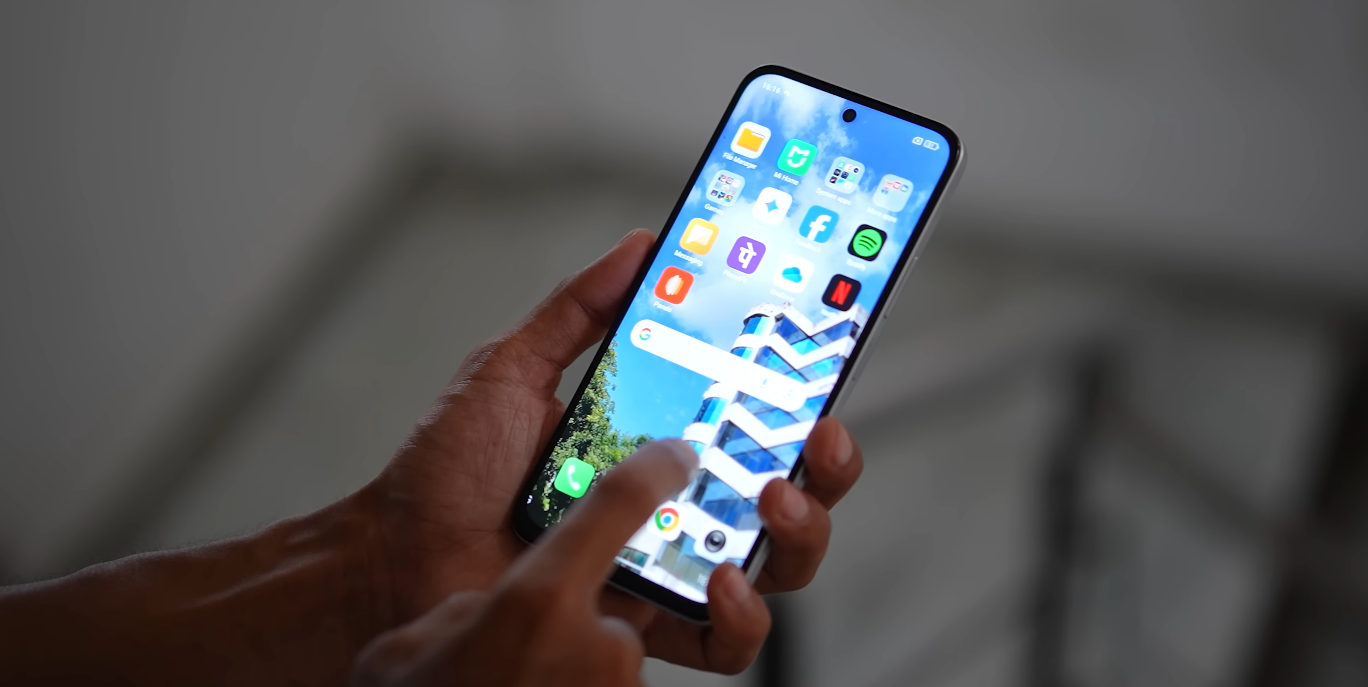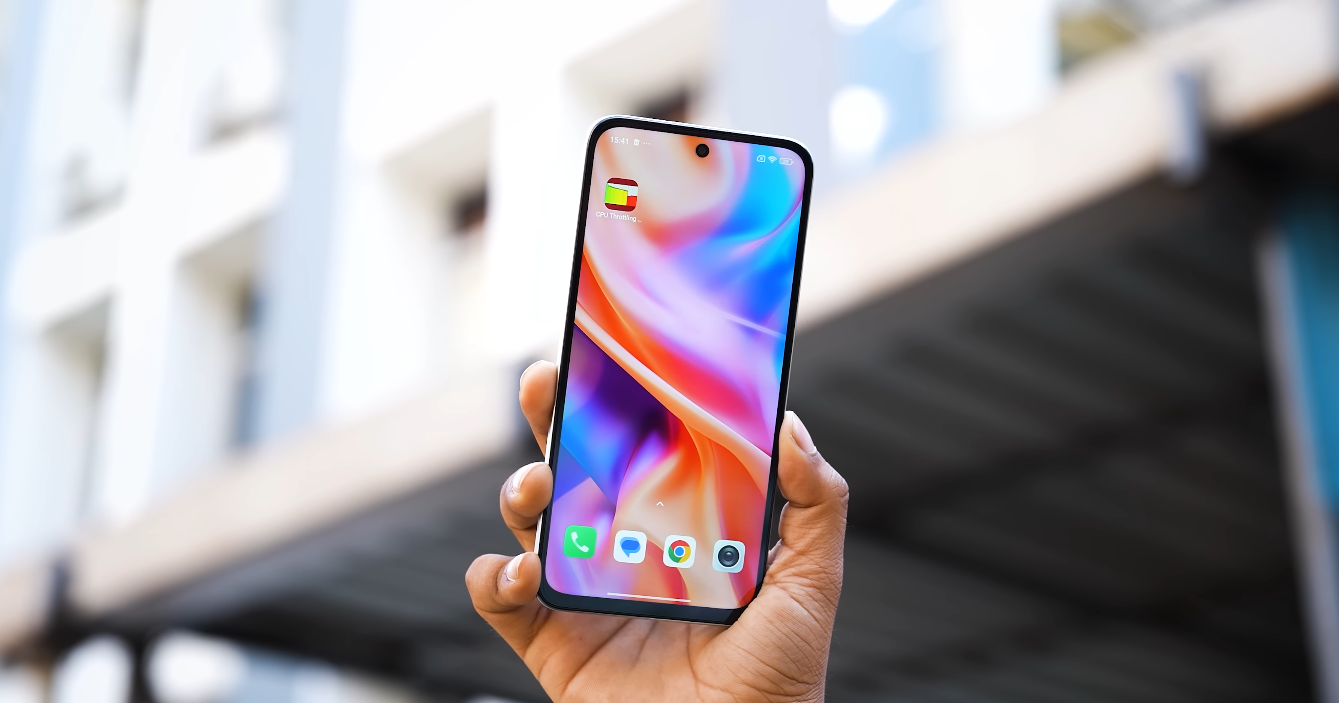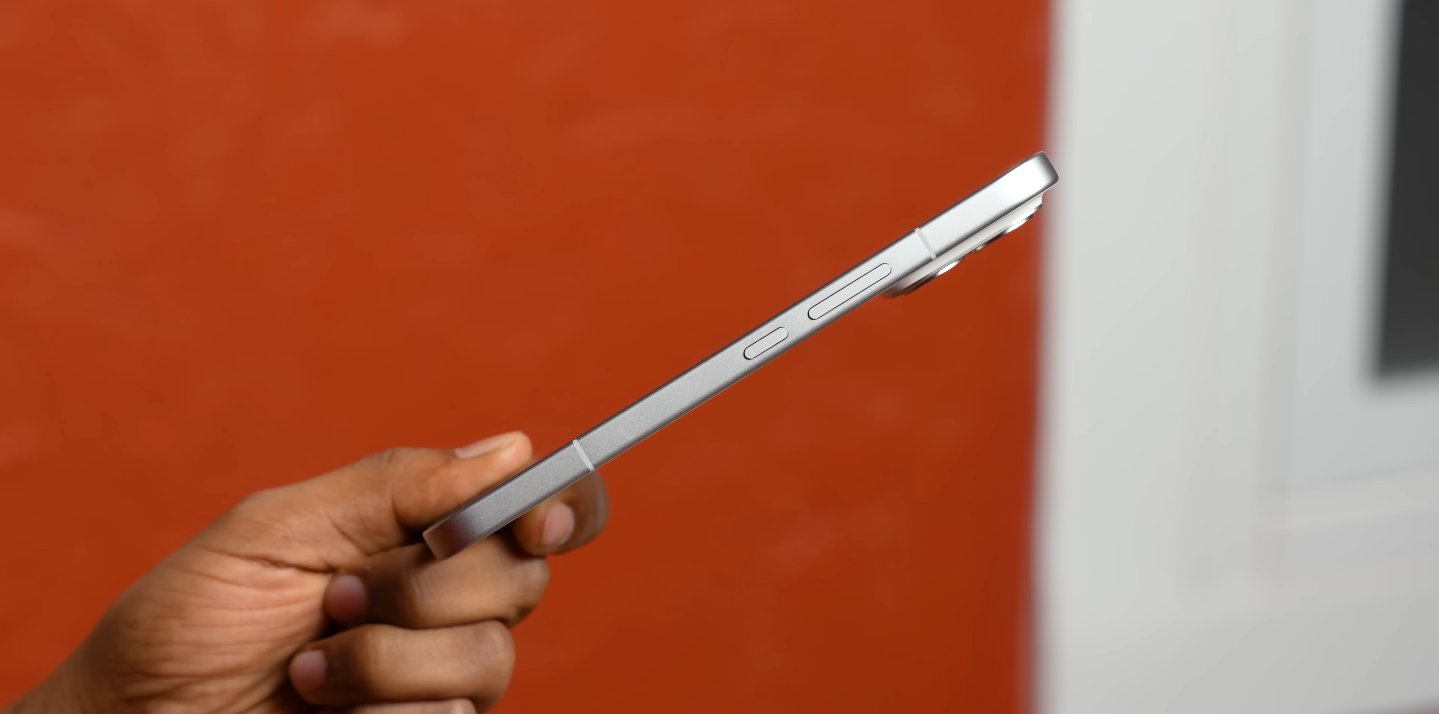
Redmi K90 Pro Max post-launch update bugs: what to watch for

Redmi K90 Pro Max post-launch update bugs what to watch for

Key Software Issues After Updates on the Redmi K90 Pro Max

Early adopters of the Redmi K90 Pro Max are reporting several post-launch software issues after applying the initial firmware updates and system patches. While the hardware remains compelling, UK buyers should be aware of these bugs so they can decide whether to update immediately or wait for a more stable build.

One of the most frequently cited problems is excessive battery drain following recent updates. Users note that screen-on time and background usage have both increased, reducing overall endurance compared with earlier test results. Some fixes include reducing screen brightness, disabling background processes, or applying the very latest patch when it arrives. (Issue reported in several user-forum threads.)

Connectivity issues have also surfaced. Some units show erratic Wi-Fi dropouts, unstable Bluetooth connections, or cellular signal fluctuations — especially when switching between 4G/5G networks. These seem tied to modem firmware or Radio Interface Layer updates. Until Xiaomi issues a robust fix, switching to 4G only or toggling “Smart Network Switch” can be a temporary workaround.
Redmi K90 Pro Max post-launch update bugs what to watch for

Another concern is app instability after updates. Users have reported apps freezing, crashing, or becoming unresponsive after upgrading the system. The problem appears more common with pre-installed apps or ones that rely on deep system integration (camera app, gallery, system theme engine). Clearing cache, reinstalling updates, or updating apps individually can mitigate this until a full patch arrives.

Some display-related bugs have emerged too. For example, ghost touches (unintended screen taps), touchscreen latency, and occasional inconsistent refresh-rate behaviour (for instance 120Hz mode not sticking) have been reported. Since the K90 Pro Max uses high refresh and advanced display tech, the patch rollout must address these to maintain the fluid experience promised.

Over-heating under heavy use or charging is also being mentioned by a subset of users. While heavy gaming or 100W charging will naturally generate heat, reports suggest that some devices run warmer than expected after updates, possibly due to power-management changes. Monitoring temperature and charging behaviour is advisable, especially if Westminster or London ambient temperatures add stress.

Camera quirks following updates should also be on the radar. Issues like slow focus, lag when toggling zoom levels, or inconsistency with the periscope telephoto lens have been flagged. As this is a flagship selling point, prospective buyers in the UK who use the camera extensively (night shots, outdoor zoom) may want to hold off major updates until a stable firmware arrives.

What to watch in terms of timing: If your device still shows the factory build or early OTA version, delaying major updates until user forums report stability might be wise. Before updating, back up your data and ensure your apps and system are all ready for the transition. If you’re already updated: keep an eye out for version numbers in the update log and patch notes mentioning bug-fixes (especially for battery, connectivity, camera).

For UK users specifically: update when you have access to stable Wi-Fi (to avoid data drops), ensure your charger is original (to minimise heat risk), and test key areas after the update (battery runtime, Wi-Fi/Bluetooth, camera behaviour) so you can spot regressions early. If you notice serious degradation, rolling back or waiting for the next patch could save you frustration.

In summary, while the Redmi K90 Pro Max offers flagship-level hardware, its early software update phase shows some notable bugs. Buyers should monitor patch release notes, test their device after updating, and consider delaying non-critical updates until stability is confirmed. Approach the first few firmware updates with a mix of enthusiasm and caution.
Redmi K90 Pro Max eco credentials: packaging, longevity and sustainability

Redmi K90 Pro Max eco credentials: packaging, longevity and sustainability

How sustainable is Xiaomi’s latest flagship in the real world?

The Redmi K90 Pro Max is one of Xiaomi’s most advanced smartphones yet, combining powerful hardware with a bold design. But in 2025, buyers in the UK are also paying closer attention to environmental impact and long-term value. While performance grabs headlines, sustainability — from packaging to product longevity — is becoming an important part of the story.

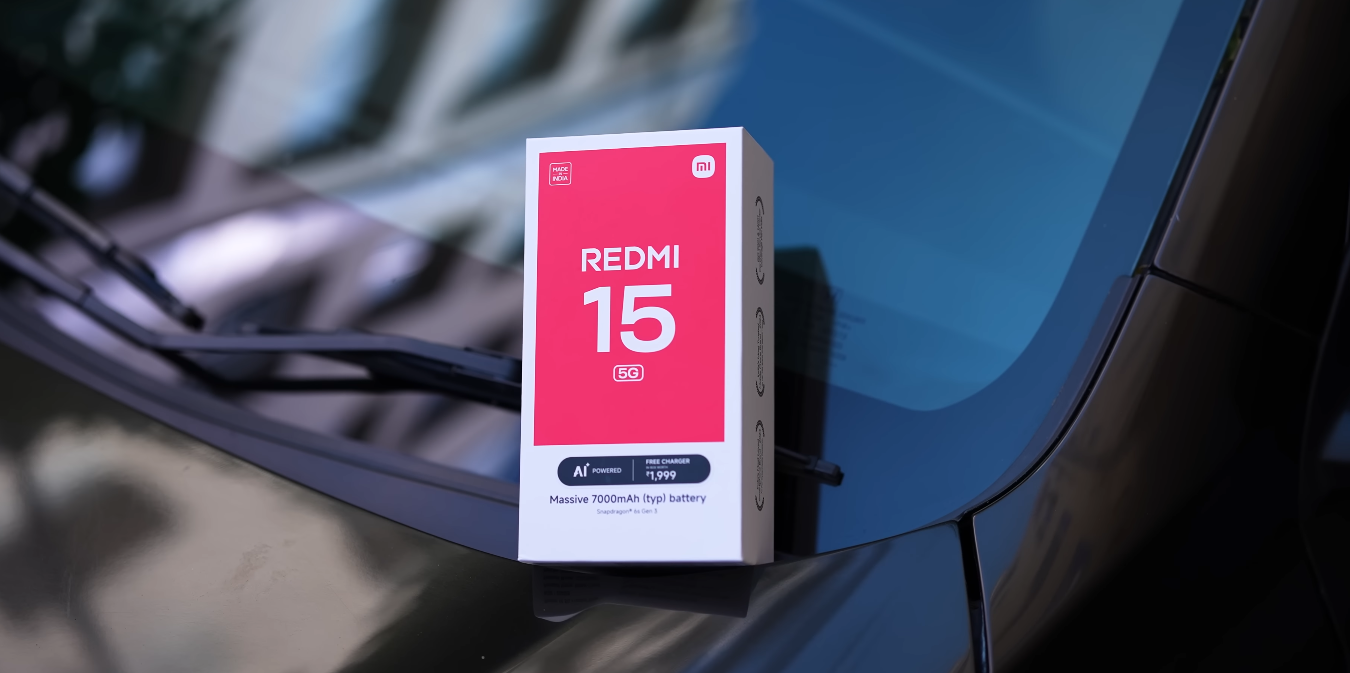
Starting with packaging, Xiaomi has gradually shifted towards more eco-friendly materials across its product range. The Redmi K90 Pro Max continues this trend, shipping in a compact box made primarily from recyclable cardboard with minimal use of plastic. Most retail units feature a paper-based outer layer and simplified internal layout, designed to reduce waste. The company has not completely eliminated plastic, but it has reduced its presence in wrapping and internal separators compared to previous Redmi generations.

The inclusion of a charger remains a topic of debate. Xiaomi continues to provide one with the K90 Pro Max, which some eco-conscious users see as a negative compared to brands that omit it to cut waste. However, Xiaomi argues that including a 100W fast charger ensures maximum efficiency and eliminates the need for users to purchase separate adapters — which also has environmental benefits when measured across the device’s lifespan.

Redmi K90 Pro Max eco credentials: packaging, longevity and sustainability

When it comes to build quality and longevity, the K90 Pro Max fares well. Its premium aluminium frame, Gorilla Glass protection, and high-end internal components mean it is designed for several years of daily use. The Snapdragon 8 Elite Gen 5 processor, combined with up to 16GB RAM, ensures the phone won’t quickly fall behind in performance. Xiaomi has also committed to four years of Android updates and five years of security patches, extending its usable life significantly for UK consumers.

Repairability is one area that still has room for improvement. Like most flagship phones, the Redmi K90 Pro Max isn’t designed for easy DIY repairs. The battery and display require professional servicing, and while authorised repair centres in the UK will stock parts, Xiaomi doesn’t yet provide full self-repair options. Nonetheless, its modular internal design allows service technicians to replace key components efficiently, reducing the number of devices discarded early due to damage.

In terms of energy efficiency, the K90 Pro Max benefits from the 3nm Snapdragon chip, which is considerably more power-efficient than older architectures. This helps reduce overall energy consumption during daily use. Combined with its large 7,560mAh battery and advanced power management, users can expect lower charging frequency — a small but meaningful environmental gain over time.

Xiaomi has also implemented regional sustainability initiatives, including trade-in programs and recycling support for UK customers through authorised partners. While the company’s overall carbon reduction goals are not as aggressive as some rivals, it has publicly committed to using more recycled materials and reducing packaging waste by 2030.

For UK buyers looking for an environmentally responsible smartphone, the Redmi K90 Pro Max strikes a balance between premium performance and mindful production. It’s not the most eco-centric device available, but it performs above average in material usage, efficiency, and long-term software support.

Ultimately, the best sustainability choice is longevity — and this phone delivers on that front. With durable construction, extended update cycles, and efficient hardware, the Redmi K90 Pro Max is built to last. For buyers seeking a flagship that’s both powerful and mindful of its footprint, Xiaomi’s latest model stands as a well-rounded and responsible option.

Also Read:  iQOO Neo 11 leak reveals IP68/IP69 rating which impresses UK users

Redmi K90 Pro Max USB-C, ports and connectivity rundown

Redmi K90 Pro Max USB-C, ports and connectivity rundown

How the new flagship handles charging, accessories and modern wireless standards

The Redmi K90 Pro Max is positioned as a next-generation flagship with a clear push into premium territory, and one of the most practical aspects for UK buyers is always connectivity. Charging speeds, USB bandwidth, accessory compatibility and wireless standards matter more than they used to, especially as more people now rely on their phone for file transfer, audiovisual output, and external device handling across home and work usage.

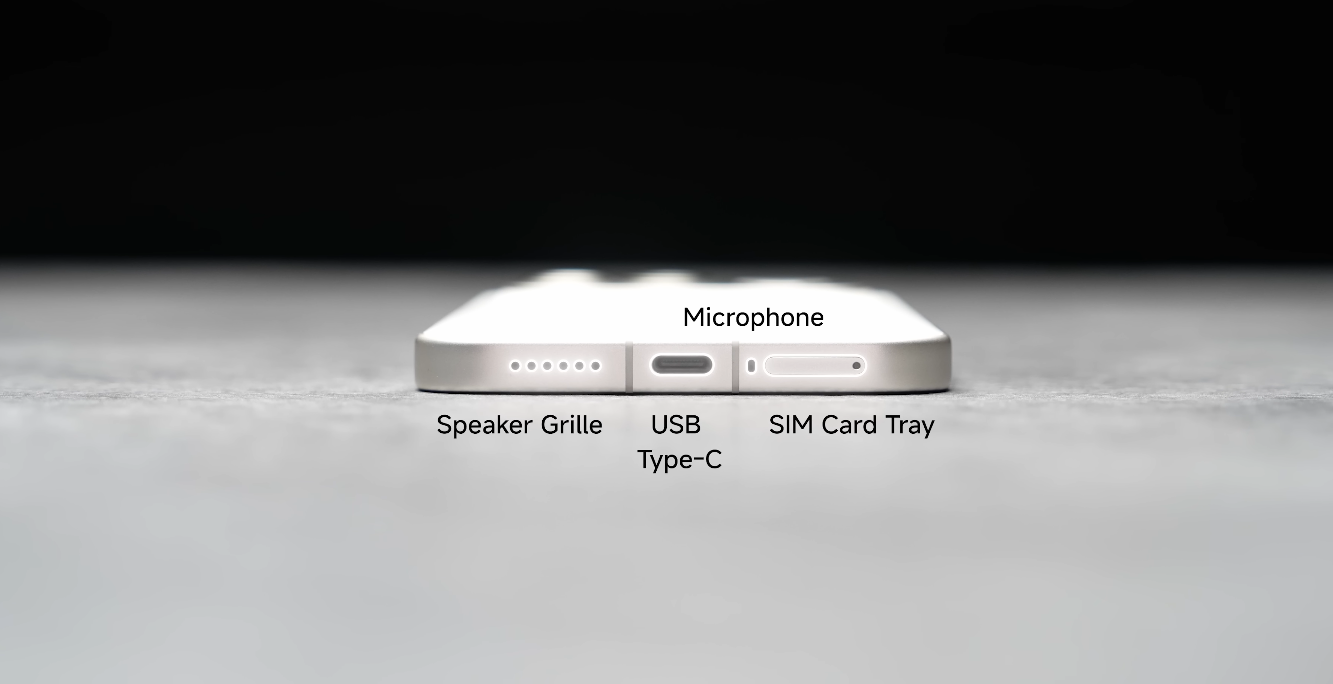
The primary physical interface on the Redmi K90 Pro Max is a USB-C port, and based on official specification listings, this port is rated at USB-C 3.2 standard. This means faster data throughput and wider compatibility for modern high-speed external storage such as SSD sticks, camera card readers and larger multi-purpose USB accessories. British users who still occasionally offload 4K or 8K video clips directly to a drive will find value in higher port capability.

Charging behaviour over USB-C is also a defining upgrade, with the Redmi K90 Pro Max rated for 100W wired fast charging using an appropriate cable and charger. This means a full top-up cycle can be significantly shorter compared to typical mid-range Android models, giving UK commuters more flexibility when time windows are tight. It also supports reverse wired charging, which means accessories such as earbud cases can be topped up directly through the phone using the port.

Redmi K90 Pro Max USB-C, ports and connectivity rundown

One noticeable change compared to older Redmi generations is that there is no 3.5mm headphone jack on this model. Instead, wired audio now routes through USB-C digital output. Most modern USB-C earphones are supported, and the phone also offers high-resolution audio capability. UK users who still own legacy wired headphones can connect via a USB-C DAC or adapter, but the trend continues toward wireless audio rather than copper headphone plugs.

In terms of wireless connectivity, the Redmi K90 Pro Max supports Wi-Fi 7, Bluetooth 5.4 and NFC. This puts it in a forward-facing position for high-bandwidth streaming, next-generation routers, and smooth wireless peripheral performance. It also supports dual SIM operation, but there is no micro-SD card expansion slot, meaning buyers who shoot large video files may want to select a higher internal storage tier at purchase to avoid future space pressure.

Network band support depends on regional variant, and this is where UK shoppers need to be careful. A model intended for UK distribution should include full 5G band compatibility for major British networks. Imported models sometimes ship with firmware tuned for Asian markets, and while the hardware is the same, regional bands may not be fully enabled out of the box. This can influence 5G stability and network performance across certain local operators.

The phone includes additional connectivity extras such as an infrared blaster for TV and device remote control. This is a niche feature that many brands have removed, but it still remains practical in UK homes where legacy TV sets, ceiling fans, and set-top boxes exist in mixed combinations, especially in older rental flats or family spaces with multi-brand equipment. For some buyers, this is a surprisingly useful element.

Accessory compatibility is wide thanks to USB-C OTG support. USB thumb drives, gamepads, small keyboards, card readers and even certain external camera adapters can connect directly for file access or input control. Paired with Wi-Fi 7, the device can handle local file sharing or media streaming more fluidly, giving both students and travelling professionals more flexibility in mixed desk setups across homes, libraries and shared office spaces.

Another area where USB-C 3.2 helps is display output potential. Manufacturers have begun enabling display stream modes through the port on certain models, though formal confirmation per region varies. If this capability is activated for the UK model, then the phone could function as a compact presentation device for slideshows and local media. For now, UK buyers should wait for final region-specific rollout details before assuming full video-out behaviour.

Overall, the connectivity profile of the Redmi K90 Pro Max is aligned with premium market trends. Faster USB-C, aggressive charging speed, strong wireless capability and sensible OTG options make it well-equipped for modern digital habits. UK buyers who connect regularly to accessories or travel across cities will find that the interface design on this model is not a step backward but a deliberate move toward the future, where wired legacy elements continue to phase out and high-speed, universal standards take over.

Redmi 15 technical deep dive: Snapdragon 6s Gen 3 explained

Redmi 15 technical deep dive Snapdragon 6s Gen 3 explained

Understanding the power behind Redmi 15’s performance

The Redmi 15 introduces Qualcomm’s Snapdragon 6s Gen 3 chip to the mid-range smartphone market, marking a significant leap in performance and efficiency for Xiaomi’s latest device. Built on a 6nm process, the Snapdragon 6s Gen 3 combines strong daily performance, improved graphics handling, and excellent power efficiency — all designed to complement the Redmi 15’s massive 7,000 mAh battery and 144Hz display.

At its core, the Snapdragon 6s Gen 3 features an eight-core CPU built on a 2+6 architecture. This includes two high-performance Cortex-A78 cores clocked at up to 2.3GHz and six power-efficient Cortex-A55 cores running at 2.0GHz. The result is a chip that balances smooth multitasking with lower energy consumption. The high-performance cores handle demanding tasks like gaming and media editing, while the efficiency cores take care of lighter background processes, ensuring sustained performance without overheating.

Graphics are powered by the Adreno 619 GPU, a capable unit that delivers enhanced gaming and visual performance over previous Snapdragon 6-series chips. Paired with the Redmi 15’s 144Hz refresh rate display, animations, scrolling, and gameplay feel noticeably smoother. While it won’t rival flagship GPUs, it comfortably handles popular titles like PUBG Mobile, Asphalt 9, and Genshin Impact at moderate settings with stable frame rates. Casual and mid-level gamers will find it more than sufficient for daily entertainment.

Redmi 15 technical deep dive Snapdragon 6s Gen 3 explained

Connectivity is another strong point of the Snapdragon 6s Gen 3. The platform supports 5G connectivity, dual-SIM standby, Wi-Fi 6, and Bluetooth 5.2 — ensuring future-ready compatibility for UK users. The integrated 5G modem allows faster downloads and stable connections on emerging UK networks. This makes the Redmi 15 one of the most affordable devices in the market with modern connectivity standards baked in.

The chip also enhances battery efficiency, a crucial advantage when paired with Redmi 15’s 7,000 mAh cell. Thanks to its 6nm fabrication, the Snapdragon 6s Gen 3 consumes less power during heavy tasks compared to older 8nm or 12nm chips. Xiaomi’s software optimisation in HyperOS further extends battery life, enabling up to two days of mixed-use performance. Even at full brightness or high refresh rates, the phone maintains impressive endurance.

AI capabilities are another area where this chip quietly excels. Qualcomm’s integrated AI Engine boosts photo processing, voice recognition, and smart resource allocation. This helps the Redmi 15’s 50MP camera system process images faster, improve scene detection, and manage exposure more intelligently. While the AI performance doesn’t match flagship Snapdragon models, it’s a welcome upgrade in the mid-range segment, especially for enhancing photos and battery management.

Thermal management has also seen improvement with this processor. The 6nm process helps keep temperatures lower during extended gaming or video sessions. Xiaomi’s internal graphite cooling layers further distribute heat efficiently, preventing thermal throttling during longer use. Users can expect consistent speed without sudden performance drops, even while multitasking between apps and media playback.

When comparing performance to older chips, the Snapdragon 6s Gen 3 sits comfortably above the Snapdragon 680 and close to the Snapdragon 695 in efficiency and processing power. It performs daily tasks 20–25% faster while maintaining better stability under sustained workloads. For most users, this means a noticeable reduction in app launch times and a smoother interface throughout long-term use.

However, there are a few limitations worth noting. The Snapdragon 6s Gen 3, while fast, is not designed for high-end content creation or heavy 3D gaming. It lacks the advanced ISP and GPU power found in flagship processors, so professional video editing and ultra settings in demanding games may push its limits. Still, for everyday users and light gamers, it strikes an excellent balance between speed and efficiency.

Overall, the Snapdragon 6s Gen 3 positions the Redmi 15 as one of the most technically balanced devices in its price range. It brings a fine mix of power, endurance, and intelligent performance to mid-tier smartphones, ensuring reliable day-to-day use. For UK buyers looking for a device that combines strong performance, long battery life, and smooth operation, the Redmi 15 with Snapdragon 6s Gen 3 proves to be a smart and future-ready choice.

Redmi 15 vs Samsung M-series: value vs brand – choosing wisely

Redmi 15 vs Samsung M-series value vs brand – choosing wisely

Finding the right balance between price and reliability

The Redmi 15 and Samsung’s M-series both target budget-conscious smartphone buyers, but they take very different routes to win them over. Xiaomi focuses on offering the most hardware for the lowest cost, while Samsung leverages its long-standing reputation and after-sales support. For UK consumers, deciding between the two often comes down to whether you value raw specifications or brand assurance more.

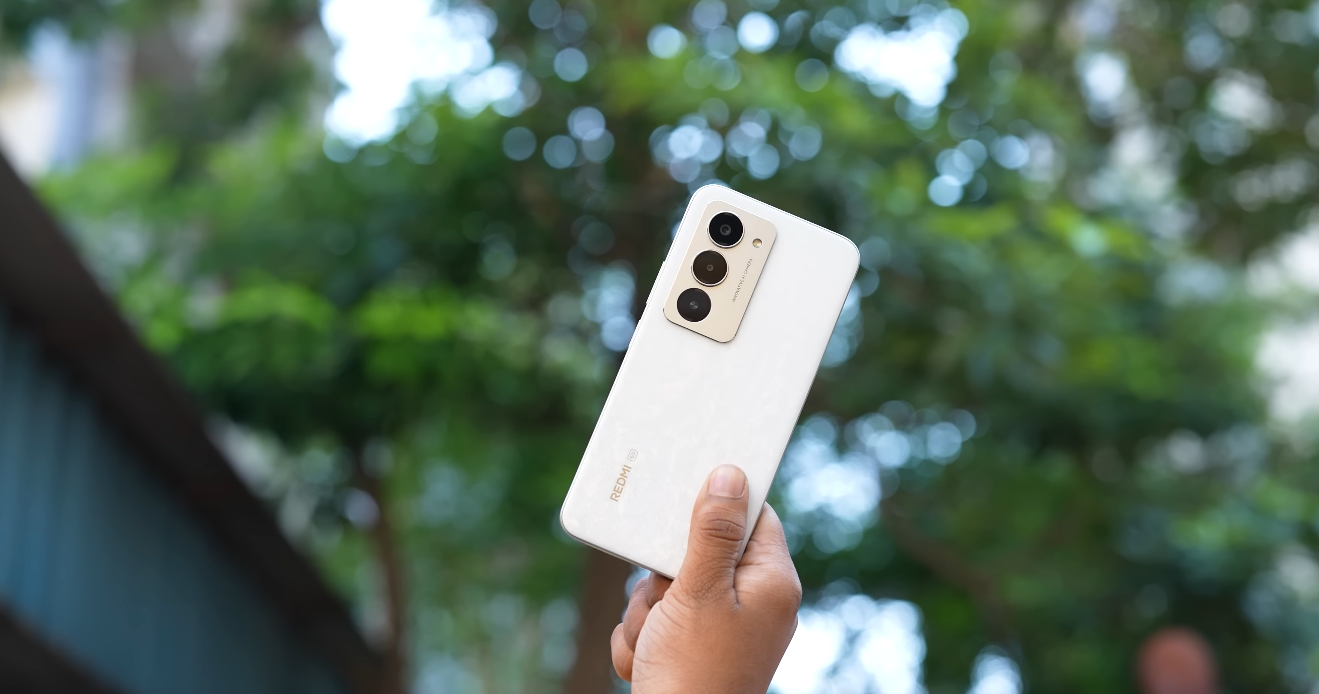
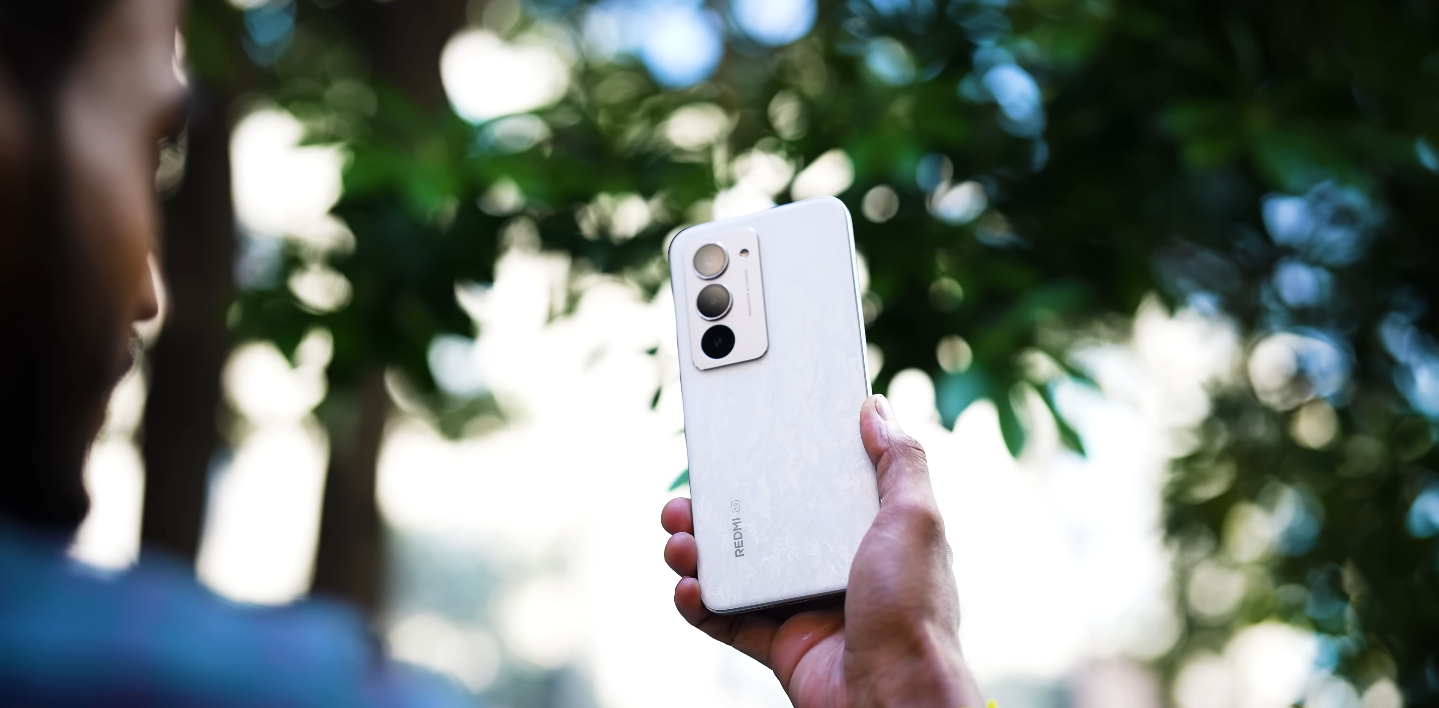
The Redmi 15’s main selling point is its incredible value for money. It features a massive 7,000 mAh battery, a 6.9-inch 144Hz display, and a sleek design that looks more premium than its price suggests. For around £159, it delivers specifications usually seen in higher brackets. Xiaomi has packed it with performance and endurance to appeal to users who want long battery life, smooth visuals, and reliable everyday performance.

In contrast, Samsung’s M-series — particularly models like the Galaxy M14 and M34 — focuses on consistency and user trust. These phones often come with slightly smaller batteries but offer superior display calibration, better camera tuning, and a proven update policy. While the Redmi 15 excels in size and stamina, Samsung’s M-series offers a more refined experience overall, reflecting its years of optimisation and brand reliability.

Redmi 15 vs Samsung M-series value vs brand – choosing wisely

On the performance front, the Redmi 15 uses the Snapdragon 685 processor in its UK model, paired with up to 8GB of RAM and 256GB of storage. It’s a capable chip for daily tasks, social media, and light gaming, though not designed for heavy workloads. Samsung’s M-series typically runs on Exynos or mid-range Snapdragon processors that provide slightly better efficiency and software integration, giving smoother multitasking over time.

When it comes to camera systems, both brands aim for versatility but with different strengths. The Redmi 15’s 50MP main sensor produces bright, sharp images in daylight but can struggle in low light due to limited image stabilisation. Samsung’s M-series cameras, on the other hand, benefit from better image processing, producing more natural tones and improved night shots. For users who take photos regularly, Samsung’s tuning gives it a noticeable edge in consistency and realism.

Battery life is where the Redmi 15 truly dominates. Its 7,000 mAh cell easily lasts up to two days of mixed use, while most Samsung M-series phones typically offer 6,000 mAh or smaller batteries. The Redmi’s 33W fast charging also means shorter downtime, making it ideal for users who travel or use their phone heavily throughout the day. Samsung’s charging speeds are slightly slower, though its battery optimisation ensures steady performance even after prolonged use.

Software updates often make or break long-term value. Samsung is known for offering four years of security updates and up to three Android version upgrades on its M-series phones. Redmi 15, running Xiaomi’s HyperOS based on Android 14, promises two major Android updates and four years of security patches. While Xiaomi has improved its update policy, Samsung still leads in long-term reliability, especially for users planning to keep their phone for several years.

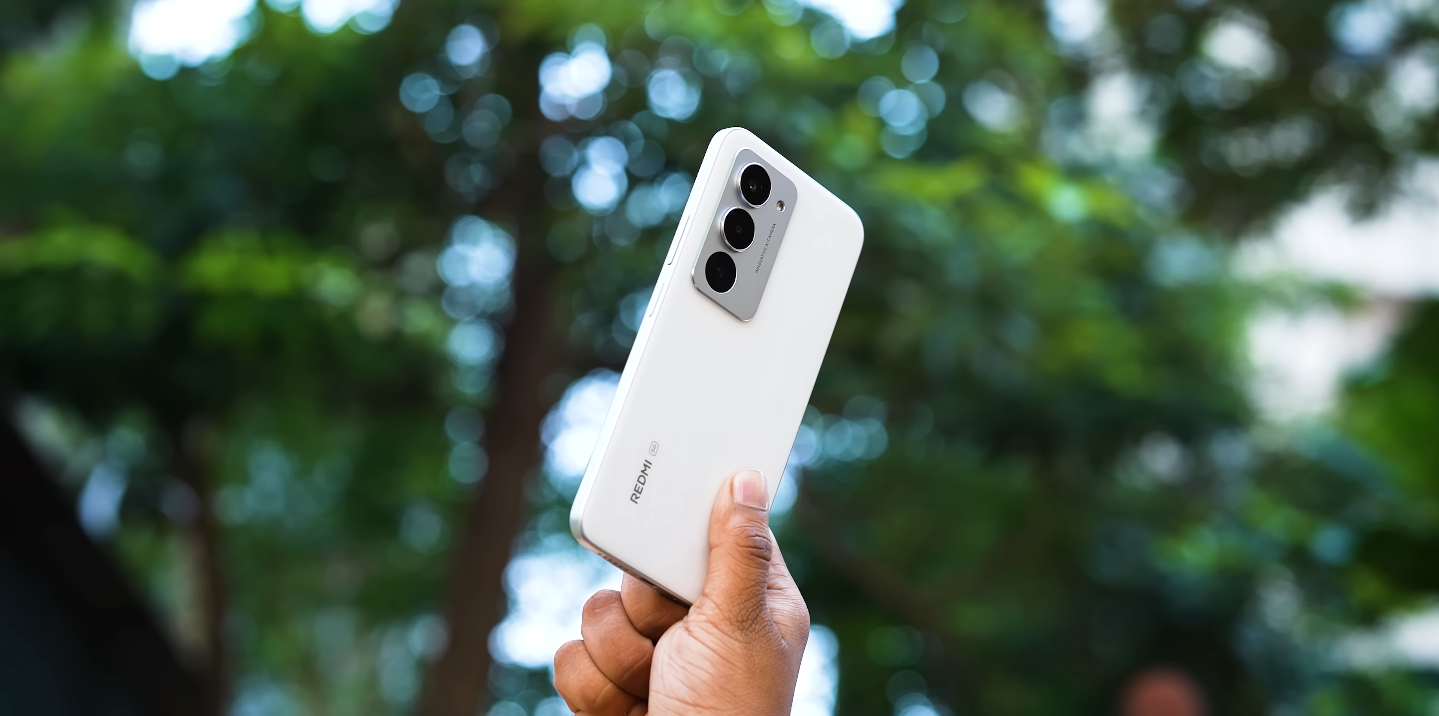
Design and build quality also reflect the two brands’ philosophies. The Redmi 15 sports bold colour options like Sandy Purple and Titan Grey, with a matte back and modern finish. Samsung’s M-series opts for understated looks with more conservative shades but better durability and water resistance ratings. If you prefer stylish, expressive designs, Redmi feels fresher. If you want something that lasts and fits professional settings, Samsung remains the safer pick.

Price is where Xiaomi wins decisively. The Redmi 15’s top variant with 8GB RAM and 256GB storage costs significantly less than most Samsung M-series equivalents. Buyers who want flagship-like endurance and a large display without overspending will find the Redmi 15 unbeatable for the cost. However, Samsung’s higher resale value and stronger brand trust balance that advantage for those who see their phone as a longer-term investment.

Ultimately, the right choice depends on your priorities. If you want raw performance, battery life, and features per pound, the Redmi 15 offers exceptional value that’s hard to match. But if software stability, camera quality, and proven brand support matter more, Samsung’s M-series holds the upper hand. For many UK buyers, the Redmi 15 represents a bold step into feature-packed affordability, while Samsung remains the dependable choice for long-term peace of mind.

Redmi 15 UK buyer guide: what you need to check before purchase

Redmi 15 UK buyer guide what you need to check before purchase

Key things UK buyers must verify before getting the Redmi 15

The Redmi 15 has officially entered the UK market, drawing attention for its massive 7,000 mAh battery and large 6.9-inch display. While it offers impressive features for its price, there are a few important checks buyers should make before purchasing. The UK version differs slightly from the global models, so careful consideration can help avoid post-purchase surprises.

First, confirm which variant you are buying. Some global versions of the Redmi 15 feature 5G connectivity powered by the Snapdragon 7 Gen 2 chip, while the UK variant reportedly uses a Snapdragon 685 processor with 4G-only support. Before you order, check that your preferred model supports all major UK network bands to ensure smooth connectivity. Buyers should also double-check RAM and storage options, as the 6GB + 128GB and 8GB + 256GB models have noticeable performance differences.

Next, consider the pricing. The Redmi 15 starts around £159 in the UK, positioning it as a budget-friendly large-screen device. However, that low cost means some trade-offs in processing power and camera performance. If you value long battery life and media consumption over heavy gaming or flagship-level photography, the Redmi 15 fits well. But users expecting full 5G speeds or top-tier camera performance may want to look at slightly higher-priced competitors.

Redmi 15 UK buyer guide what you need to check before purchase

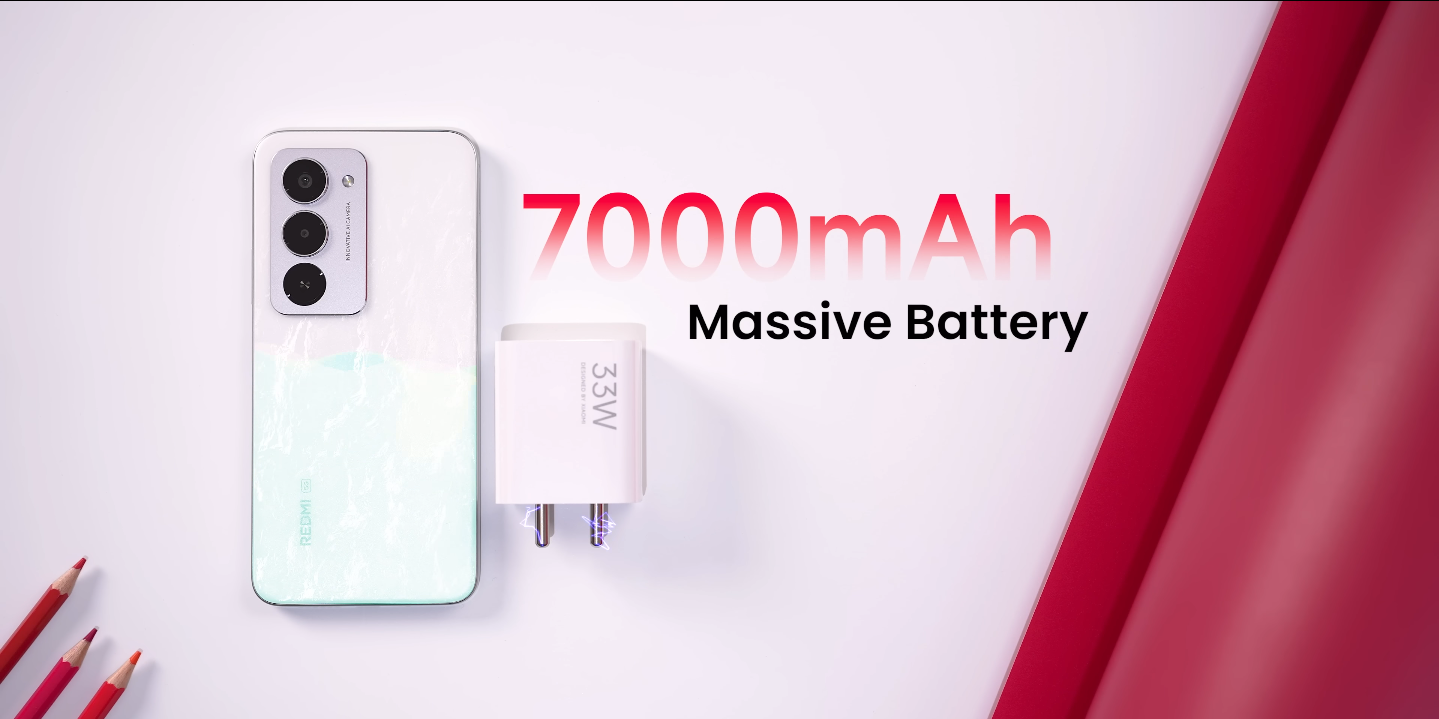
Battery life is a major selling point, but there are practical aspects to note. The 7,000 mAh battery promises two days of use, but this varies depending on refresh rate and app usage. The 6.9-inch FHD+ display with 144Hz refresh rate can drain power faster than expected, especially during gaming or video streaming. The 33W fast charger included in the box can restore roughly half the battery in under an hour, which is solid but not class-leading.

Camera quality is another area where buyers should manage expectations. The Redmi 15 uses a 50MP main sensor, capable of clear and bright shots in daylight. However, in low light, the camera shows noticeable noise and limited detail. Night mode helps but can overexpose bright areas. For everyday social media use and casual photography, it performs reliably, but it’s not meant for professional-level photography.

Software and updates should be checked before buying. The UK variant is expected to run Xiaomi’s new HyperOS based on Android 14. Buyers should confirm how many years of software and security updates are officially supported, as UK update schedules can differ from global ones. Regular updates ensure better performance and longer device lifespan.

Build quality is another factor worth verifying. The Redmi 15 comes with a matte finish and Gorilla Glass protection, but it lacks a full IP rating. It can resist light splashes but is not water-resistant. Check whether your chosen retailer includes official accessories like a charger and protective case, as some UK distributors sell eco-packaged versions with fewer inclusions.

Before finalising the purchase, check if NFC is available on your variant. Many budget Xiaomi phones omit NFC, which is important for UK users relying on contactless payments. Also, confirm stereo speaker support and headphone jack availability, as configurations differ across regions.

UK buyers should prioritise purchasing from authorised retailers or Xiaomi’s official store to ensure warranty coverage. Imported models may not have valid UK warranties, and some may lack compatibility with UK LTE or VoLTE services. Buying locally also simplifies returns, service support, and access to replacement parts.

Finally, consider the long-term value. The Redmi 15’s large battery, bright display, and sturdy build make it a great daily driver for light to moderate users. However, if you rely heavily on high-speed 5G networks or take frequent photos in low light, it’s worth exploring mid-range alternatives like the Redmi Note series or Realme Narzo lineup.

Overall, the Redmi 15 offers excellent endurance, modern design, and solid performance for its price in the UK. Just be sure to check variant specifications, network compatibility, software update policy, and local warranty terms before you buy. For budget-conscious buyers seeking reliability and battery life, it stands out as one of the most balanced options in its segment.

Redmi 15 vs Redmi 14: Is the new model worth upgrading?

Redmi 15 vs Redmi 14 Is the new model worth upgrading

Redmi 15 brings new power, but is it really a major step up?

The Redmi 15 has officially arrived, continuing Xiaomi’s popular budget-friendly series. Many UK buyers are now wondering whether it’s worth upgrading from the Redmi 14. While the latest model does bring several improvements, not all of them may justify an upgrade for every user.

The biggest highlight of the Redmi 15 is its massive 7,000mAh battery, which easily outshines the Redmi 14’s 5,000mAh cell. This improvement means significantly longer endurance for day-to-day tasks, streaming, and gaming. However, charging speed remains capped at 33W, which is decent but not dramatically faster than the previous model’s 30W support.

In terms of display, the Redmi 15 gets a 6.9-inch Full HD+ LCD panel with a 144Hz refresh rate, offering smoother motion for browsing and gaming. The Redmi 14, depending on the variant, had a 120Hz AMOLED display. This means the newer model provides better refresh rate performance, but those who prefer richer colours and contrast might still find the older AMOLED panel more appealing.

Redmi 15 vs Redmi 14 Is the new model worth upgrading

Performance-wise, the Redmi 15 runs on the Snapdragon 685 chipset with up to 16GB of extended RAM. It handles multitasking and moderate gaming without issue. Compared to the Redmi 14’s mid-range processor, users may notice slightly faster response times and better system stability, especially with Xiaomi’s latest HyperOS 2 based on Android 15.

When it comes to photography, the Redmi 15 features a 50MP primary sensor paired with an AI depth lens. The Redmi 14, in contrast, offered a higher 108MP main sensor on some models. Although megapixels aren’t everything, users upgrading from the 108MP variant might not find the Redmi 15’s camera to be a significant jump. However, improved image processing and colour balance in the new model help maintain overall quality.

The design of the Redmi 15 takes on a more premium look with slimmer bezels and an IP64 rating for dust and splash resistance. That’s an upgrade over the Redmi 14, which lacked official protection certification. Build quality feels sturdier, giving it a more modern and reliable feel for daily use.

Another subtle advantage of the Redmi 15 is in the software department. It ships with Android 15, which ensures longer security and feature update support compared to the Redmi 14. For those who plan to hold on to their device for several years, this provides a stronger long-term value.

Despite these improvements, the Redmi 15 doesn’t completely outshine the Redmi 14 in every aspect. Users satisfied with their current phone’s performance, especially those with the AMOLED variant, might not find the display change worthwhile. The upgrade mainly benefits users who want better endurance and updated software rather than camera or display advancements.

For UK buyers, the Redmi 15’s improvements are meaningful if you need a more durable and longer-lasting smartphone. Its larger battery, refined design, and updated software make it a practical upgrade. But for users who already own the Redmi 14 and aren’t facing battery or speed issues, holding off until the next generation might make more sense.

Overall, the Redmi 15 is a dependable evolution rather than a major leap. It’s an ideal option for first-time buyers or those coming from much older Redmi models, but not necessarily a must-have for recent Redmi 14 owners who are still happy with their device.

Redmi K90 Pro Max fast charging impact on battery health: myth vs reality

Redmi K90 Pro Max fast charging impact on battery health myth vs reality

Does Fast Charging Really Damage the Redmi K90 Pro Max Battery?

The Redmi K90 Pro Max has drawn attention for its powerful 100W wired fast charging system, promising to refill its large battery in under half an hour. But for many UK buyers, a key question arises — does this high-speed charging affect long-term battery health? There’s been much debate on whether such rapid charging reduces battery lifespan, so it’s worth separating myth from reality.

One of the most common myths is that fast charging inevitably harms the battery. The belief stems from older lithium-ion battery behaviour, where higher current meant more heat and faster chemical wear. While this was partly true a few years ago, today’s smartphones use far more advanced battery management systems and cell designs that minimise those risks.

The Redmi K90 Pro Max uses a modern silicon-carbon battery, engineered for high efficiency and reduced heat generation. It’s paired with a smart power management chip that carefully regulates current flow during charging. This allows the device to draw power rapidly at the start, then gradually slow down as it nears full capacity, preventing overcharging and heat build-up — two major factors behind battery degradation.

Redmi K90 Pro Max fast charging impact on battery health myth vs reality

In practical UK conditions, with moderate ambient temperatures and typical indoor usage, the K90 Pro Max’s fast charging is well within safe operating limits. Tests and early user reports suggest that the phone stays cool even during full-speed charging sessions. The temperature control and split-cell battery design ensure that thermal levels remain balanced, which is crucial for longevity.

Another myth is that fast charging reduces total charge cycles significantly. In reality, a battery’s health is affected more by how it’s used daily — such as being kept at 100% for long hours, frequent deep discharges, or exposure to heat. With Redmi’s adaptive charging algorithms, the device optimises power delivery based on conditions, reducing unnecessary strain during short top-ups or overnight charging.

To maintain battery health, UK users can follow a few simple habits. Always use the official 100W charger or a certified GaN charger that supports the same power profile. Avoid charging the phone under direct sunlight or while performing demanding tasks like gaming. Also, where possible, let the device cool down before plugging it in after extended use.

For those planning to keep their phone for several years, using slower charging occasionally — such as with a standard 30W or 45W charger — can slightly reduce long-term wear. However, this is optional, as Redmi’s battery system is already built to handle high wattage safely. The key is to manage temperature, not to avoid fast charging altogether.

In reality, modern smartphones like the Redmi K90 Pro Max are designed to balance speed with safety. The hardware and software work together to prevent excessive voltage stress and thermal buildup. Over two to three years of regular use, the difference in battery capacity loss between fast and slow charging remains minimal if used correctly.

For UK buyers, the takeaway is simple — fast charging on the Redmi K90 Pro Max is both efficient and safe when used responsibly. The myths about fast charging ruining batteries belong to an earlier generation of devices. With Redmi’s improved technology, users can enjoy the convenience of rapid charging without sacrificing long-term health or reliability.

Redmi K90 Pro Max colour options explained: which finish suits you?

Redmi K90 Pro Max colour options explained which finish suits you

Choosing the Best Redmi K90 Pro Max Finish for Your Style

The Redmi K90 Pro Max arrives in several colour finishes that go beyond simple aesthetics. Each version offers a unique texture, reflectivity, and grip suited for different lifestyles. For UK buyers, where weather, lighting, and daily use can vary, the right finish can make a big difference in comfort and long-term appearance.

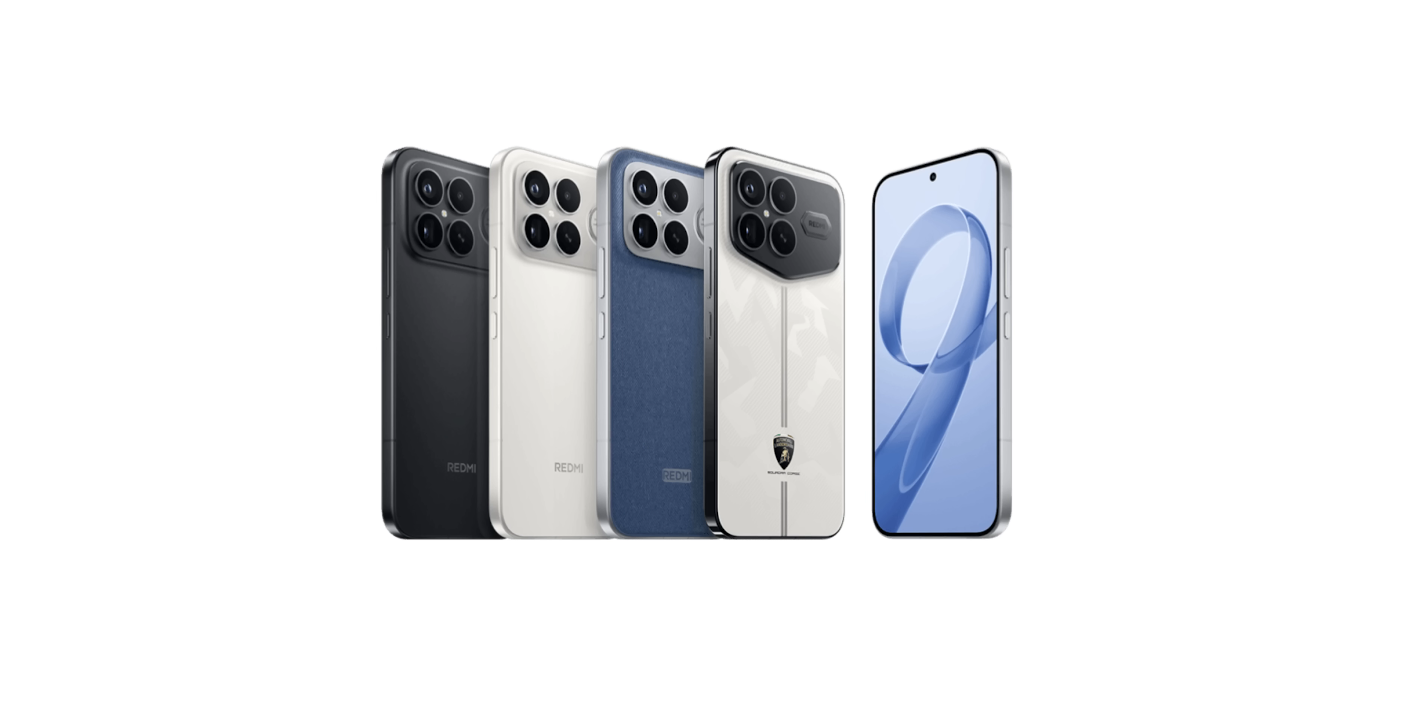
The first standout option is the Denim Blue variant. It comes with a textured leather-like back that feels soft yet sturdy, designed to resist smudges and everyday marks. This finish provides better grip, which is particularly useful during commutes or wet conditions common in the UK. The texture adds a sense of uniqueness, giving the phone a more casual yet premium appeal. It’s ideal for students or active users who want a balance between design and practicality.

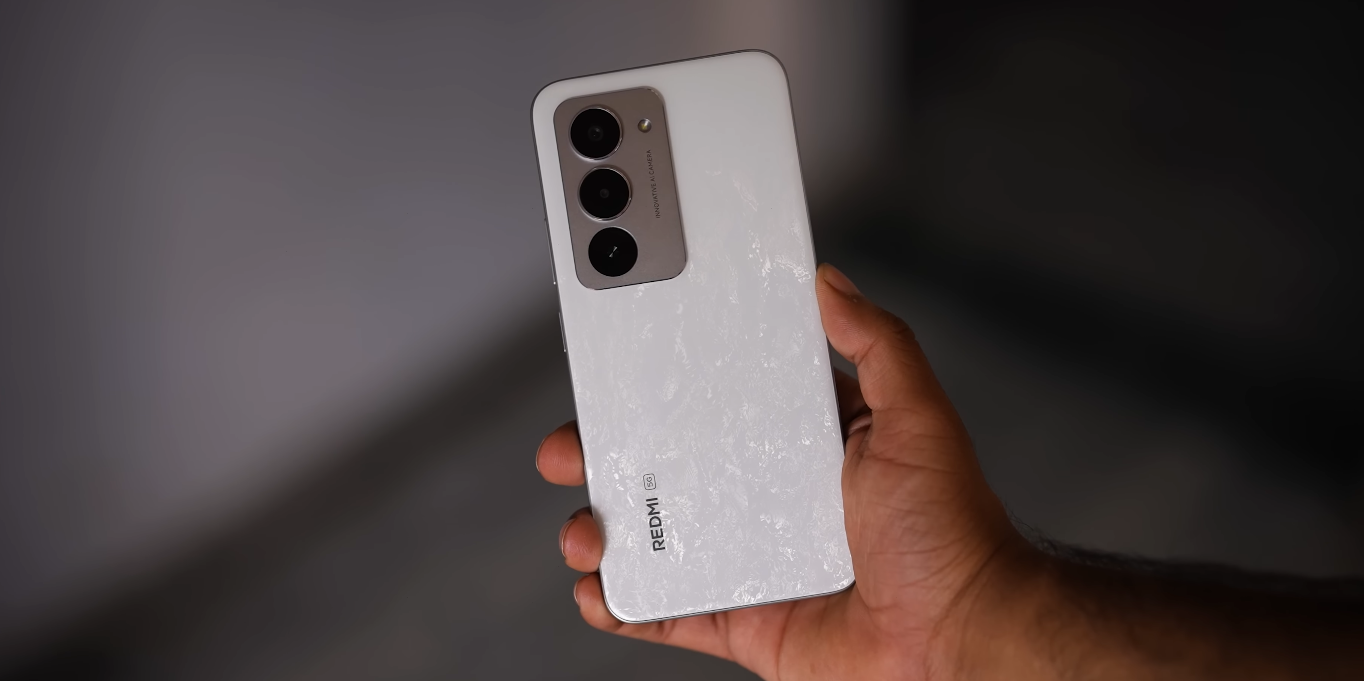
Next is the Flowing Gold or White finish, the most striking and elegant of the lineup. It delivers a glossy, light-reflective appearance that shines under daylight or indoor lighting. This colour option looks clean, minimal, and luxurious — perfect for users who enjoy a refined, standout aesthetic. Fingerprints are less visible compared to darker colours, though it may attract dust or smudges over time. Pairing it with a clear case helps preserve its sleek look while adding protection.

Redmi K90 Pro Max colour options explained which finish suits you

For those who prefer a timeless and understated design, the Black finish remains the most classic choice. It has a high-gloss surface that gives off a mirror-like appearance, adding depth to the phone’s premium glass build. Black pairs well with most accessories, whether you prefer bold or subtle colours. However, this finish tends to show fingerprints and light scratches more easily, so regular cleaning or a matte case can help keep it looking pristine.

Each colour also subtly changes how the phone feels in hand. The textured Denim Blue is warmer and more tactile, while the glossy White and Black versions feel smoother and more polished. The differences may seem minor, but for long-term users, texture can improve handling comfort, especially on larger phones like the K90 Pro Max.

In terms of lighting, the Denim Blue finish performs best under typical UK cloudy conditions — it diffuses reflections and maintains its hue without glare. The White option shines brightest in daylight, giving it a crisp, modern feel, while the Black variant looks deep and reflective, adding a more professional edge. This makes your choice not just about preference, but also about how it complements everyday surroundings.

From a durability standpoint, the textured finish is the most resistant to wear and minor scratches. Glossy finishes tend to show fine marks over time, especially on the edges and camera frame. Using a slim, transparent case is recommended to preserve both style and protection, particularly for those who prefer showing off their phone’s design.

If you frequently use your phone without a case, Denim Blue provides the safest handling experience. Its soft-touch coating improves grip, making it less likely to slip during one-handed use. Meanwhile, those who prioritise a clean, polished look will find the Flowing Gold/White version to be the most visually rewarding option.

In conclusion, the Redmi K90 Pro Max offers three distinct finishes designed to match different lifestyles. Denim Blue suits practical users who value comfort and grip. Flowing Gold/White is ideal for style-conscious buyers seeking a bright, elegant appearance. And Black is perfect for professionals who prefer a sleek, traditional look. Each finish complements the phone’s premium build, ensuring there’s a perfect match for every UK user’s taste and daily routine.

Redmi 15 vs budget 5G phones under £300: standout or average?

Redmi 15 vs budget 5G phones under £300 standout or average

Evaluating Redmi 15 Against UK Budget 5G Rivals

The Redmi 15 has entered the competitive market of budget 5G smartphones, aiming to deliver premium-like features at a price under £300. With Xiaomi’s track record of offering feature-rich phones for less, the Redmi 15 positions itself as a strong contender. But in a market full of capable alternatives from Samsung, Motorola, and Realme, does it really stand out or simply blend in?

The Redmi 15 offers a large 6.9-inch Full HD+ display with a 144Hz refresh rate, a specification usually seen in more expensive models. The screen is bright and responsive, making it ideal for streaming and social media. However, it uses an LCD panel rather than AMOLED, which some similarly priced rivals now include. This makes colours slightly less vivid, though the high refresh rate provides smoother navigation and gaming.

One of the Redmi 15’s key strengths is its massive 7,000mAh battery, easily one of the biggest in the sub-£300 segment. It delivers up to two full days of moderate use and supports 33W fast charging. This long-lasting battery life sets it apart from most competitors, many of which struggle to go beyond a single day. For users who prioritise endurance, the Redmi 15 clearly leads the pack.

Redmi 15 vs budget 5G phones under £300 standout or average

Performance-wise, the phone is powered by the Snapdragon 6s Gen 3 processor in its 5G version. It handles everyday apps, web browsing, and social media effortlessly, though heavy gaming or multitasking may cause slight slowdowns compared to phones powered by the Dimensity 7200 or Snapdragon 7s chips found in some rivals. Still, for most users, performance is more than sufficient for daily needs.

In the camera department, the Redmi 15 features a 50MP main sensor paired with an AI-supported secondary lens. It performs well in daylight, capturing clear and colour-balanced shots. Low-light results, however, remain average, with visible noise and less detail. Competing phones from Realme or Samsung tend to offer better imaging systems under £300, especially with dedicated ultra-wide or macro sensors.

Design-wise, the Redmi 15 has a modern, flat-edge look and a sturdy plastic back with IP64 dust and splash resistance. It feels well-built for the price, though not as premium as glass-backed competitors like the Galaxy M14 5G. Its slim profile and curved sides make it comfortable to hold despite the large battery, maintaining a good balance between size and usability.

The audio experience on the Redmi 15 is decent, featuring Dolby-tuned single speakers that produce clear vocals and good midrange. While stereo speakers are missing, the overall loudness is impressive for its category. For better quality, users can make use of the 3.5mm headphone jack or Bluetooth audio, both of which perform reliably.

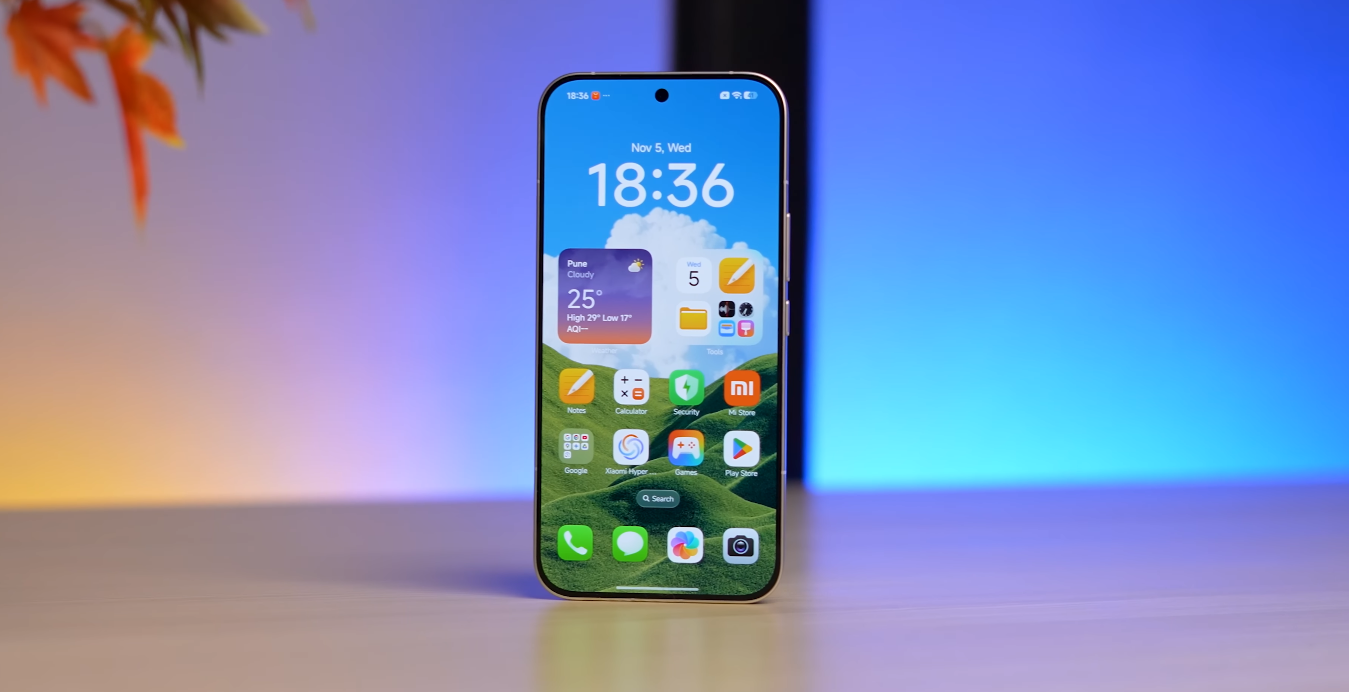
On the software side, the Redmi 15 runs Xiaomi’s latest HyperOS, based on Android 14. It offers a clean, smooth interface with improved optimisation over MIUI. Xiaomi has also promised regular updates, giving users confidence in software longevity — a key factor in this price range where many phones receive limited support.

When compared with other 5G phones under £300, such as the Motorola G54, Realme Narzo 70x 5G, or Samsung Galaxy M14, the Redmi 15 holds its own through its battery life, display size, and smooth performance. However, some rivals offer better AMOLED panels, faster charging, or improved cameras. That balance makes the Redmi 15 a solid all-rounder rather than a category leader.

In conclusion, the Redmi 15 stands out for its exceptional battery, high refresh-rate display, and reliable day-to-day performance. It may not deliver the best camera or the most premium build in the price range, but it excels where it matters most to budget-conscious buyers. For UK consumers seeking a dependable 5G phone under £300, the Redmi 15 is more than average — it’s a smart, value-packed choice that prioritises endurance and practicality over luxury.

Redmi 15 resale value forecast: how well will it hold up?

Redmi 15 resale value forecast how well will it hold up

Estimating the long-term value of Xiaomi’s new budget hit

The Redmi 15 has made a strong impression with its powerful specs and low price, but one question remains for many buyers — how well will it hold its value over time? Budget phones typically see sharper depreciation than flagships, yet Xiaomi’s latest device may surprise with how much it retains after a year or two of use.

The Redmi 15 arrives with several long-lasting features that help its case in resale. Its large 6.9-inch 144Hz display, 7000 mAh battery, and 5G support make it relevant for at least the next few upgrade cycles. Buyers in the used market tend to prioritise screen quality, battery life, and connectivity, and the Redmi 15 ticks all three boxes confidently.

In the short term, the phone is expected to hold up well. Within the first year, the Redmi 15 could retain around 60–70% of its original value if kept in excellent condition. The higher RAM and storage models — such as the 8GB + 256GB variant — usually perform better in resale, as they age more gracefully and remain attractive to second-hand buyers.

Redmi 15 resale value forecast how well will it hold up

After two years, resale value typically dips to around 40–50% of the launch price. This drop reflects both software update limitations and the arrival of newer Redmi models that overshadow older ones. Xiaomi’s update policy for this range usually includes two major Android upgrades and four years of security patches, which helps sustain value for a while.

Beyond the two-year mark, however, depreciation accelerates. After three years, resale value might fall to 20–30%, similar to most budget phones. At that stage, hardware aging, outdated software, and declining battery capacity start to influence buyer interest more significantly.

Several factors will influence how well your Redmi 15 performs in the resale market. Physical condition is key — keeping the screen scratch-free, maintaining the original charger and box, and avoiding heavy wear will all increase resale potential. Phones that are unlocked, updated, and free from service issues tend to sell faster and for more.

Market timing also matters. Selling the Redmi 15 before its direct successor launches generally yields a higher return. Once Xiaomi announces the Redmi 16 or 17, used prices for the 15 will likely see a quick dip as demand shifts to newer models.

Compared to similarly priced phones, the Redmi 15 should hold value slightly better than ultra-budget rivals, thanks to its high-end display and large battery. However, it won’t perform as strongly as Xiaomi’s flagship lines or premium brands like Samsung’s Galaxy S series or Apple’s iPhones, which traditionally dominate resale rankings.

Overall, the Redmi 15 offers solid short-term value retention for a budget device. It’s expected to stay desirable for at least two years, especially among buyers looking for a large-screen, long-lasting 5G phone at a lower cost. In the long run, while depreciation is inevitable, the Redmi 15’s specifications and durability give it better-than-average staying power in its price range.

Redmi 15 RAM & storage variants: which one should you pick?

Redmi 15 RAM & storage variants which one should you pick

Choosing the right Redmi 15 model for your needs

The Redmi 15 has quickly become one of Xiaomi’s most talked-about mid-range releases, offering strong specifications at an accessible price. However, with multiple RAM and storage configurations available, buyers often find themselves unsure which version offers the best value. Choosing the right combination is crucial for ensuring smooth performance and long-term usability.

In the UK, Xiaomi is offering the Redmi 15 in 6GB RAM with 128GB storage and 8GB RAM with 256GB storage options. Some international models also feature 4GB RAM with 128GB storage, though this version may not appear officially in the UK. Both main UK variants support expandable storage via a dedicated microSD card slot, giving users added flexibility to store photos, videos, and apps.

For light users, the 6GB + 128GB model is likely the best balance between performance and cost. It’s ideal for everyday tasks such as social media, web browsing, messaging, and streaming. The 6GB of RAM handles multitasking reasonably well, and the 128GB storage is enough for most users who don’t store extensive media libraries. This variant is the most affordable option, making it suitable for students or secondary phone buyers.

Redmi 15 RAM & storage variants which one should you pick

For users who multitask frequently or plan to keep the phone for several years, the 8GB + 256GB variant is the smarter choice. It offers smoother performance, especially when switching between multiple apps or running heavier games. The additional storage ensures more breathing room for apps, high-resolution videos, and system updates over time. For most UK buyers, this configuration strikes the right balance between price and longevity.

The Redmi 15 also supports memory extension technology, which allows a portion of internal storage to be used as virtual RAM when needed. While this helps boost multitasking, it’s no substitute for real physical RAM. Users who often run demanding apps or gaming titles will still notice better performance on the higher-RAM variant, especially after several months of regular use.

Storage speed also plays a role in everyday performance. Both variants use UFS 2.2 storage, which ensures faster app loading and file transfers compared to older eMMC storage types. Still, the 256GB model performs slightly better in data-heavy tasks due to larger internal storage capacity and improved caching behaviour. This makes it a better fit for those handling photos, videos, and large documents regularly.

Price differences between the two models in the UK are modest. The 6GB + 128GB version starts around £159, while the 8GB + 256GB model is expected to retail near £189. Considering the long-term benefits, the extra investment of roughly £30–£40 provides double the storage and a clear performance edge. Over several years, that difference is well worth it for smoother operation and fewer storage warnings.

Buyers should also consider their update plans. Xiaomi has promised up to two major Android version upgrades and four years of security updates for the Redmi 15. More RAM and storage help ensure the device remains fast and stable through future software changes. The 8GB model, in particular, will better handle additional system demands from upcoming Android releases.

Another practical factor is resale value. Phones with higher RAM and storage configurations tend to hold better value in the used market, especially as app sizes continue to grow. If you plan to sell or trade in the device after a couple of years, the 8GB + 256GB variant will likely attract more buyers.

Overall, both Redmi 15 variants deliver solid performance for their price, but the right choice depends on your usage pattern. The 6GB + 128GB version is ideal for casual users who prioritise affordability and simplicity. The 8GB + 256GB model, on the other hand, is the recommended pick for anyone seeking longevity, better multitasking, and future-proof reliability. For most UK buyers, spending a bit extra upfront will pay off with a faster, smoother experience over the long term.