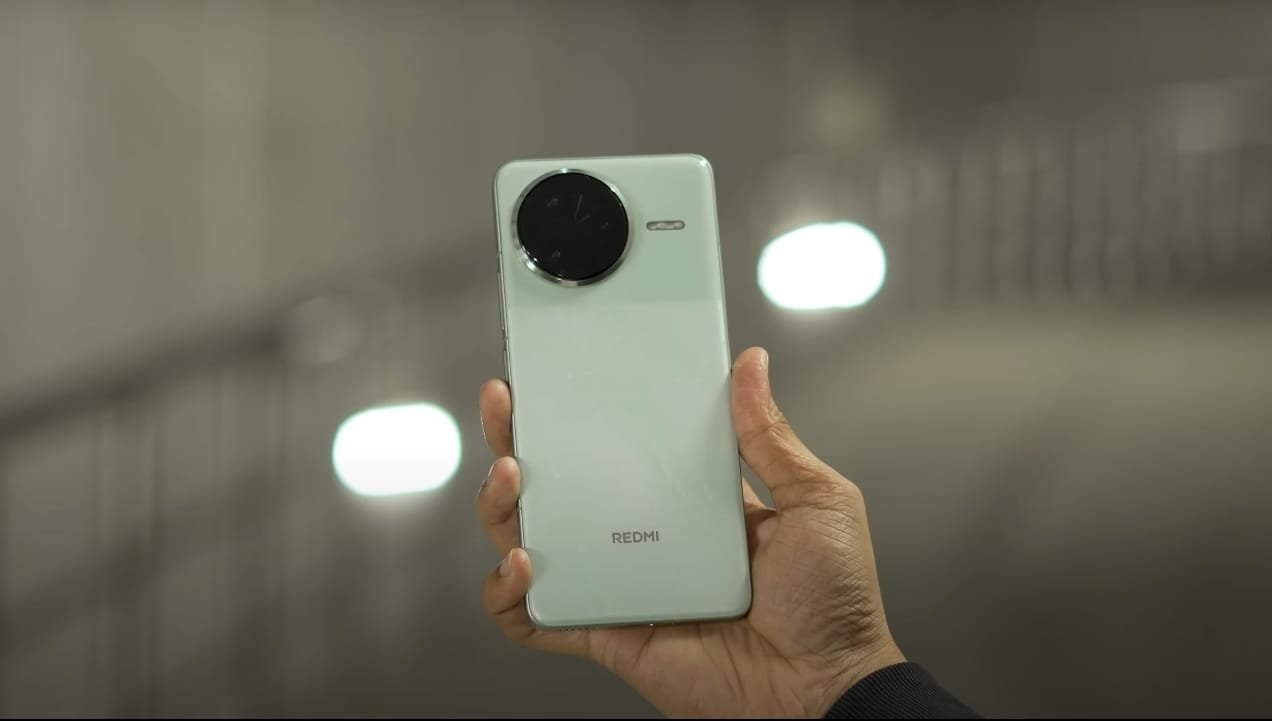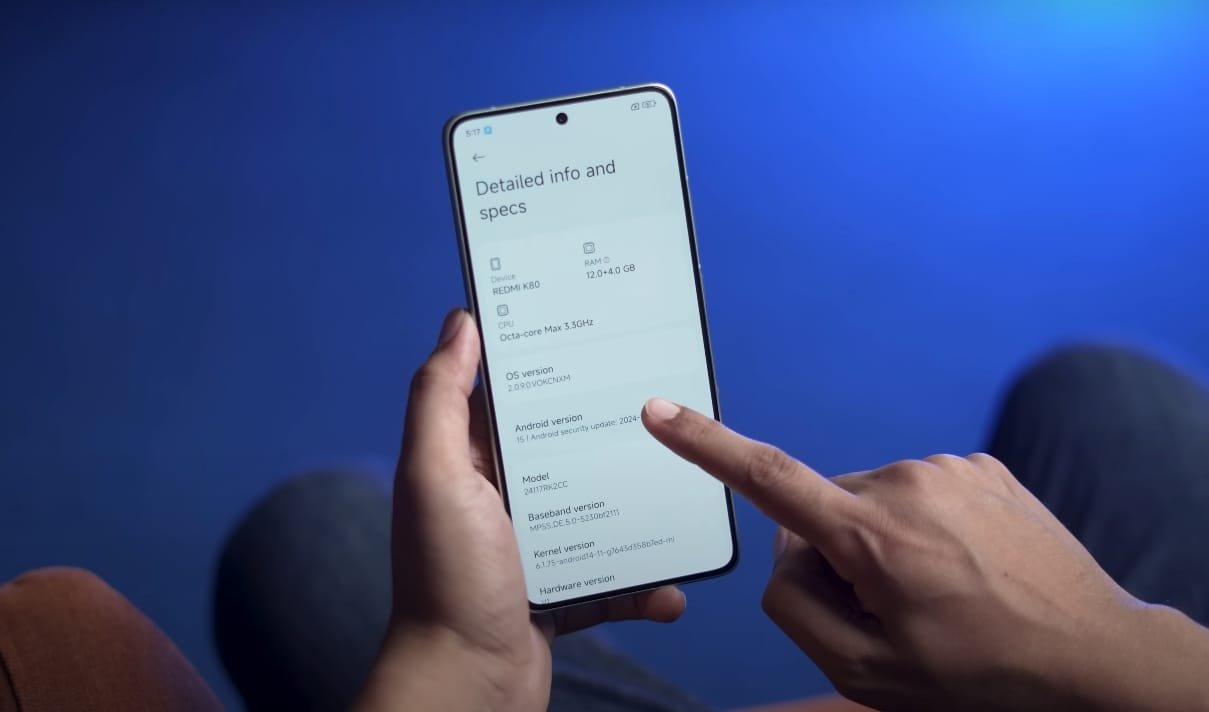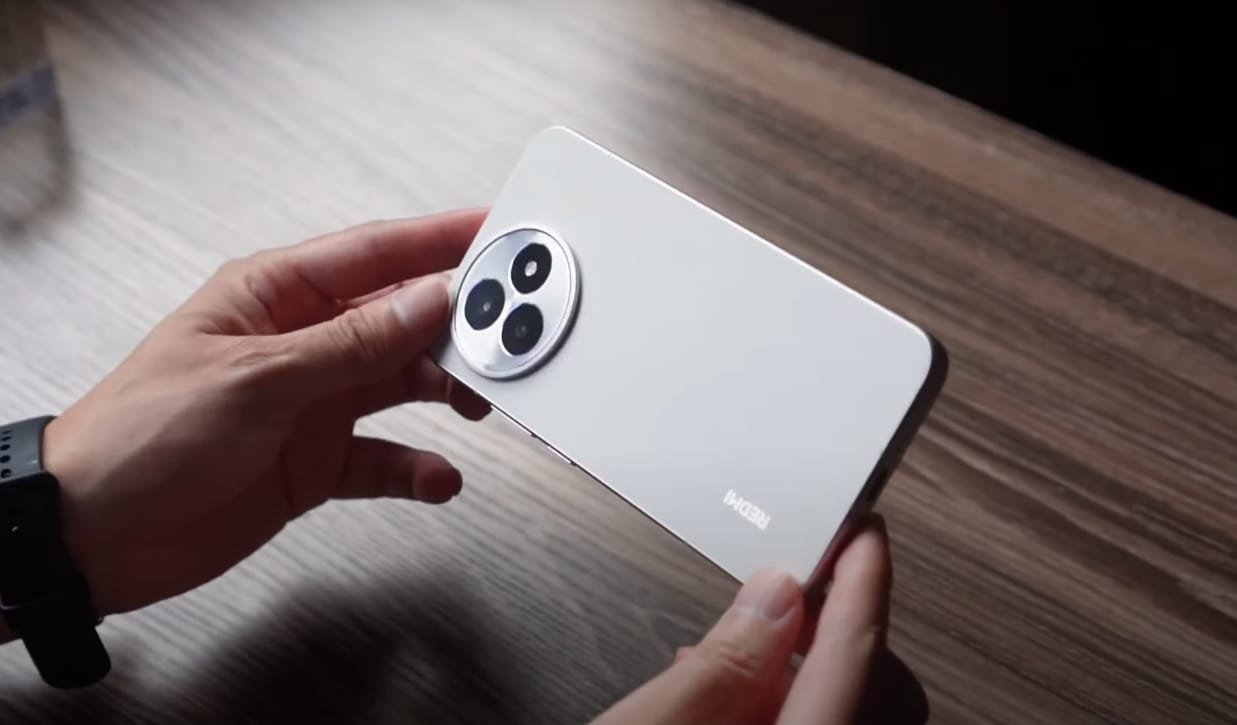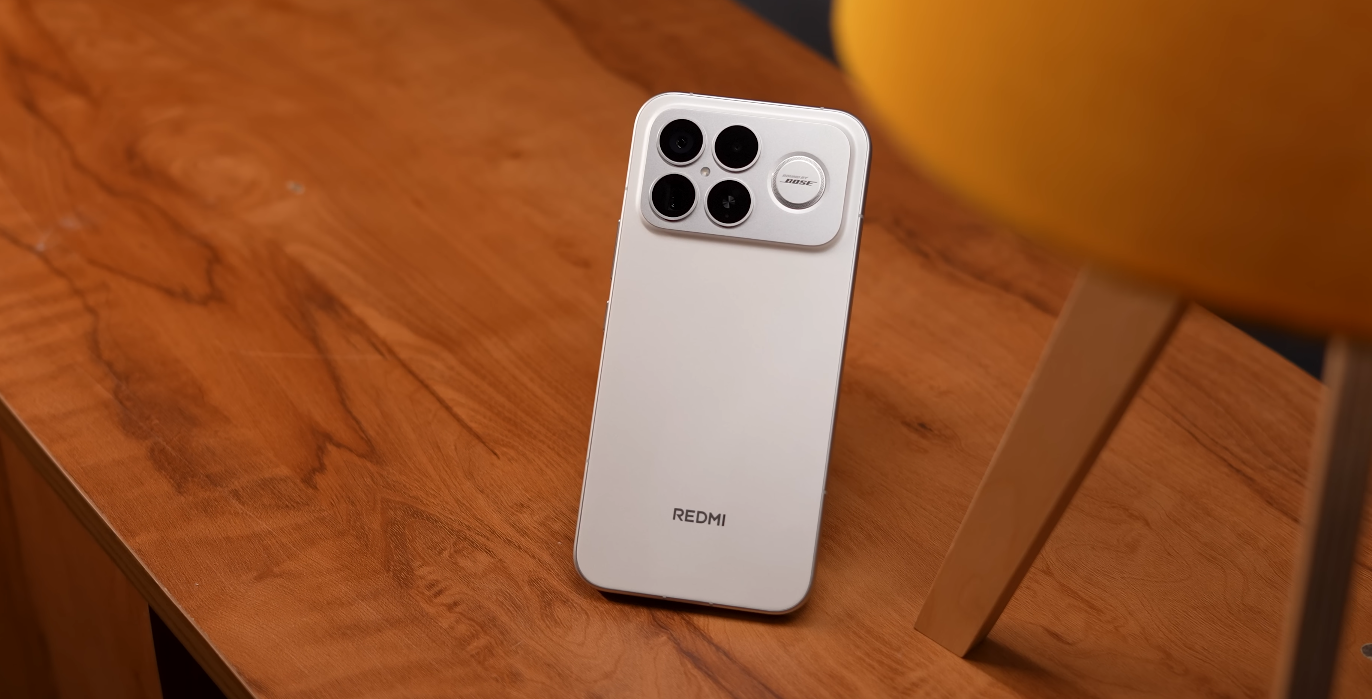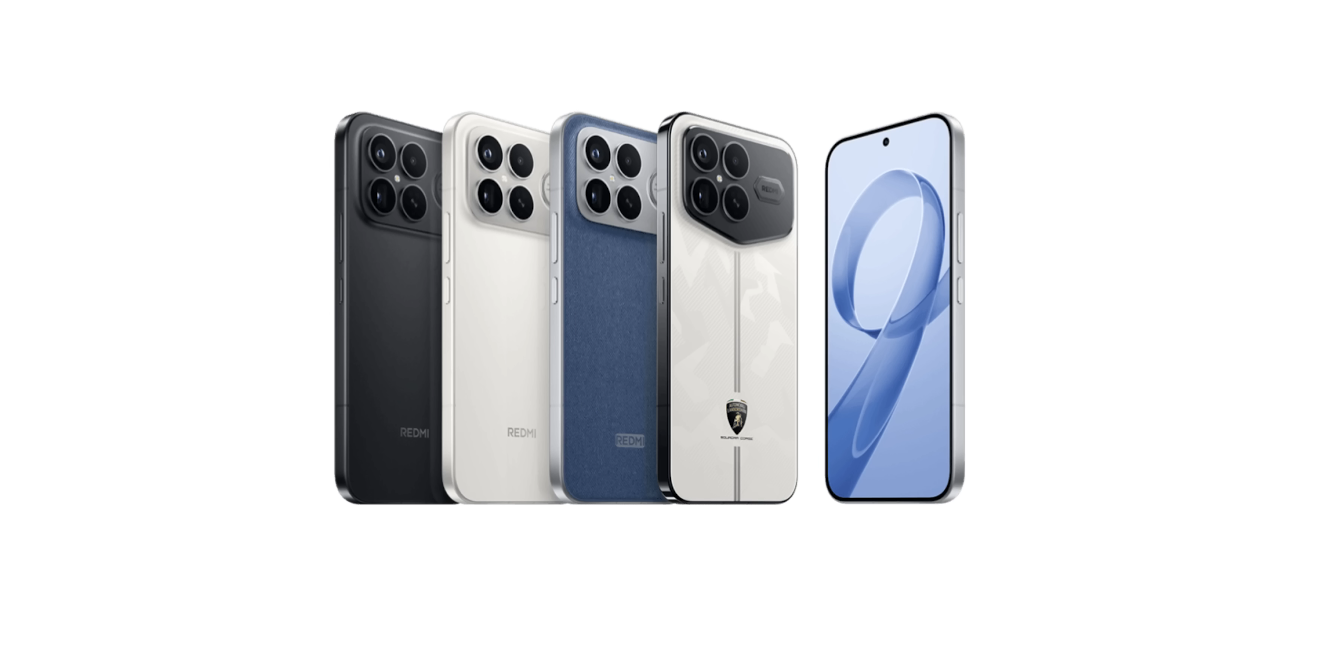
Redmi K80 Ultra UK Price and Availability Should British Buyers Wait For This Smartphone

Redmi K80 Ultra UK Price and Availability Should British Buyers Wait For This Smartphone

The smartphone market is abuzz with talk of the Redmi K80 Ultra, a device that delivers flagship-level performance at a mid-range price point. British tech enthusiasts are now eagerly asking when this impressive device will hit UK shores and whether it’s worth the anticipation.


With its cutting-edge Dimensity 9400+ chipset and revolutionary 7,410 mAh battery, this phone could redefine expectations for affordable flagship killers in the UK market.


Redmi K80 Ultra UK Release Status Current Situation


As of now, Xiaomi has not made any official announcements regarding UK availability for the Redmi K80 Ultra. The device first launched in China on June 26, 2025, and Xiaomi typically follows a staggered release pattern for its Redmi series across global markets.


Looking at previous launch cycles, UK consumers might realistically expect the K80 Ultra to arrive by early 2026 if it gets an international release. UK buyers should monitor official Xiaomi UK channels for any updates. The phone may initially appear through third-party importers at premium prices before receiving an official UK launch.
 

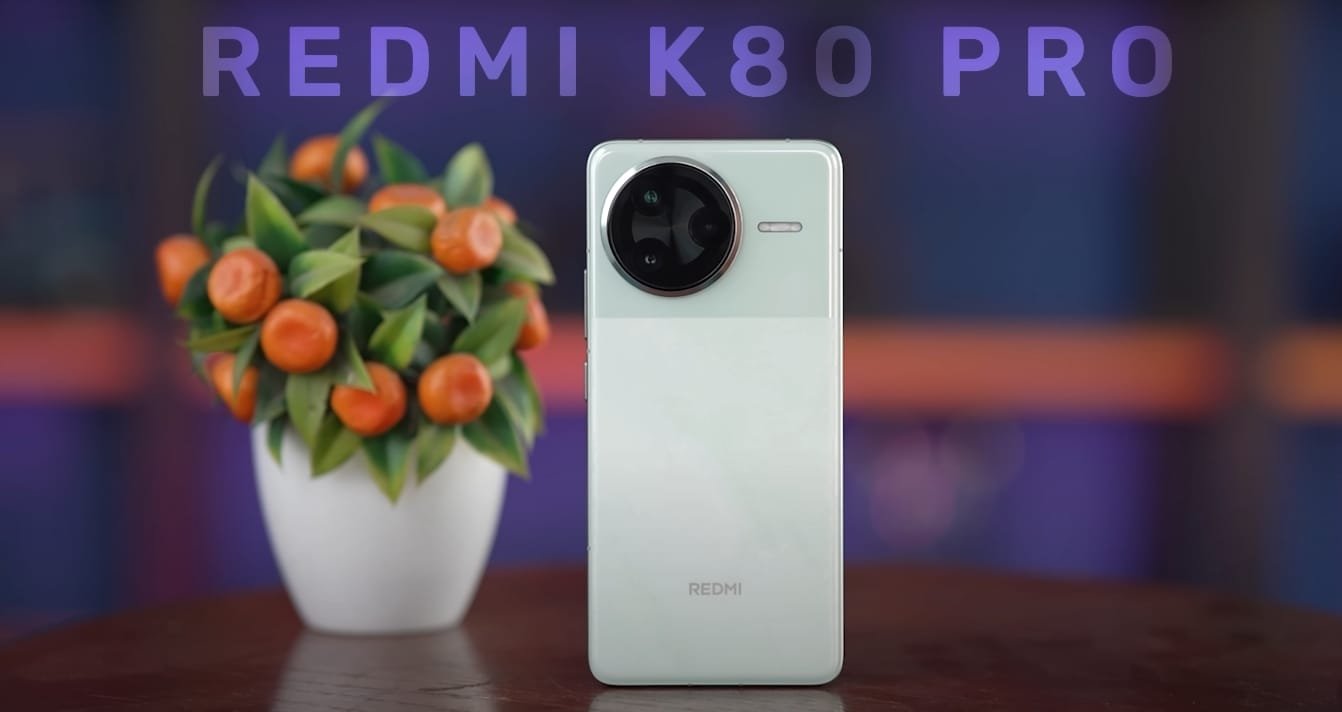
Redmi K80 Ultra UK Price and Availability

Those considering importing should be aware of potential warranty limitations and the need to verify network band compatibility with UK carriers.


Expected UK Pricing and Market Position


While official UK pricing remains unconfirmed, we can make reasonable projections based on the Chinese pricing and typical UK market adjustments. The Redmi K80 Ultra launched in China at remarkably aggressive price points that significantly undercut competing devices with similar specifications.


If Xiaomi decides to bring the K80 Ultra to the UK, it would likely position itself as one of the most compelling value propositions in the £400-£600 price bracket. Its combination of flagship-grade performance, exceptional battery life, and premium display technology could disrupt the current UK smartphone market dynamics.


Game Changing Features That Set It Apart


The Redmi K80 Ultra boasts several groundbreaking features that challenge more expensive flagship devices. Its MediaTek Dimensity 9400+ chipset delivers performance that rivals the best from Qualcomm and Apple, while the enormous 7,410 mAh battery promises endurance that dwarfs most competitors.


The 6.83-inch OLED display stands out with its industry-leading 3,200 nits peak brightness and silky-smooth 144Hz refresh rate. For mobile gamers and power users, the combination of the Dimensity chipset with the dedicated D2 AI Display Chip creates an experience typically reserved for devices costing twice as much.


Current UK Alternatives Worth Considering


While waiting for potential UK availability, consumers might consider alternatives like the Nothing Phone (2) or OnePlus 12R. These devices offer strong performance at similar price points with the advantage of official UK distribution and warranty support.


However, none of these alternatives can match the K80 Ultra’s combination of cutting-edge chipset performance and unprecedented battery capacity. This makes the potential UK launch of the Redmi K80 Ultra particularly exciting for performance-focused buyers who want flagship-level specs without the premium price tag.


Also Read:  Oppo Find X8 Ultra vs Xiaomi 14 Ultra speed test


Should UK Consumers Wait for the Redmi K80 Ultra


For tech enthusiasts who can afford to wait and don’t need an immediate upgrade, keeping an eye on Xiaomi’s UK announcements might prove worthwhile. The K80 Ultra’s unique combination of features could offer exceptional value if it arrives in Britain. However, those requiring a new phone immediately may find adequate alternatives among currently available models.


The decision ultimately comes down to individual priorities and timelines. If having the latest chipset technology and longest possible battery life tops your list, the potential arrival of the Redmi K80 Ultra might justify the wait. Otherwise, existing options from established brands provide reliable alternatives with full UK support.
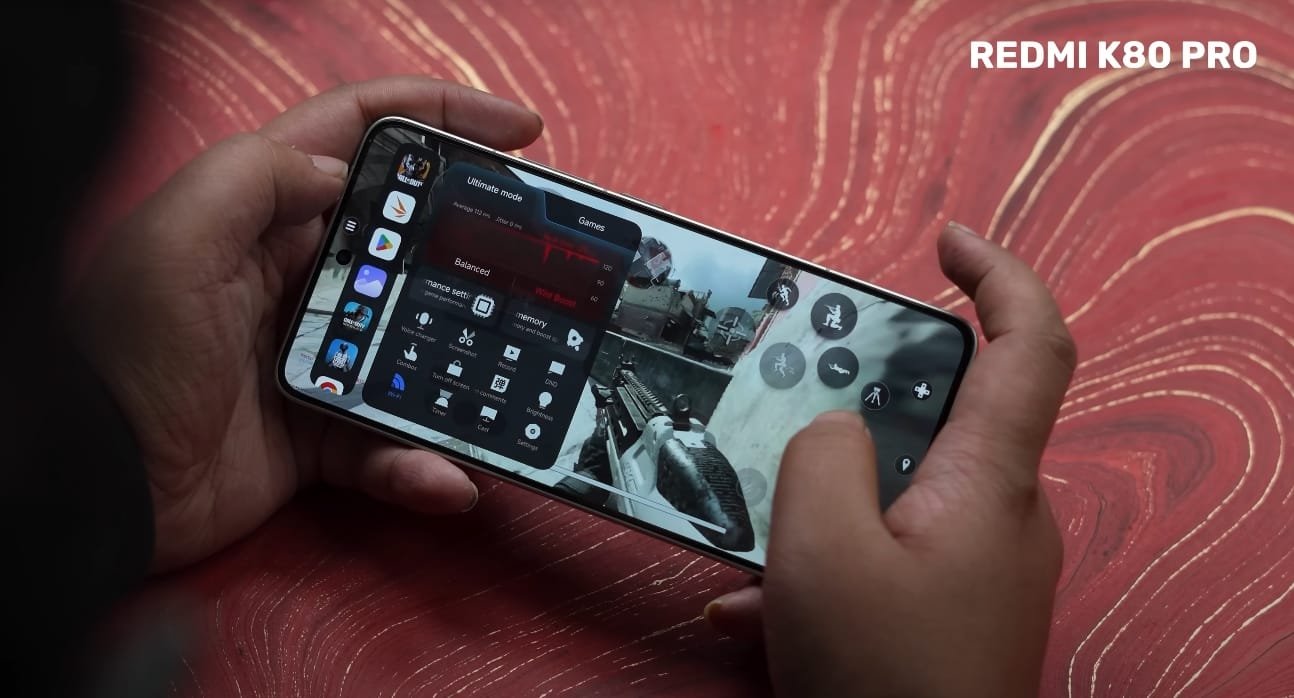
 

Redmi K80 Ultra UK gaming

British smartphone buyers should watch Xiaomi’s official UK channels for any announcements regarding the K80 Ultra’s potential launch. If it does arrive, and this device could significantly shake up the UK smartphone market with its unbeatable combination of performance and value.


For now, the Redmi K80 Ultra stands as one of the most exciting smartphone prospects on the horizon, promising to deliver premium flagship performance at a price that won’t require remortgaging your home. Its eventual arrival in the UK could give performance-hungry, budget-conscious consumers the ultimate reason to upgrade their devices.
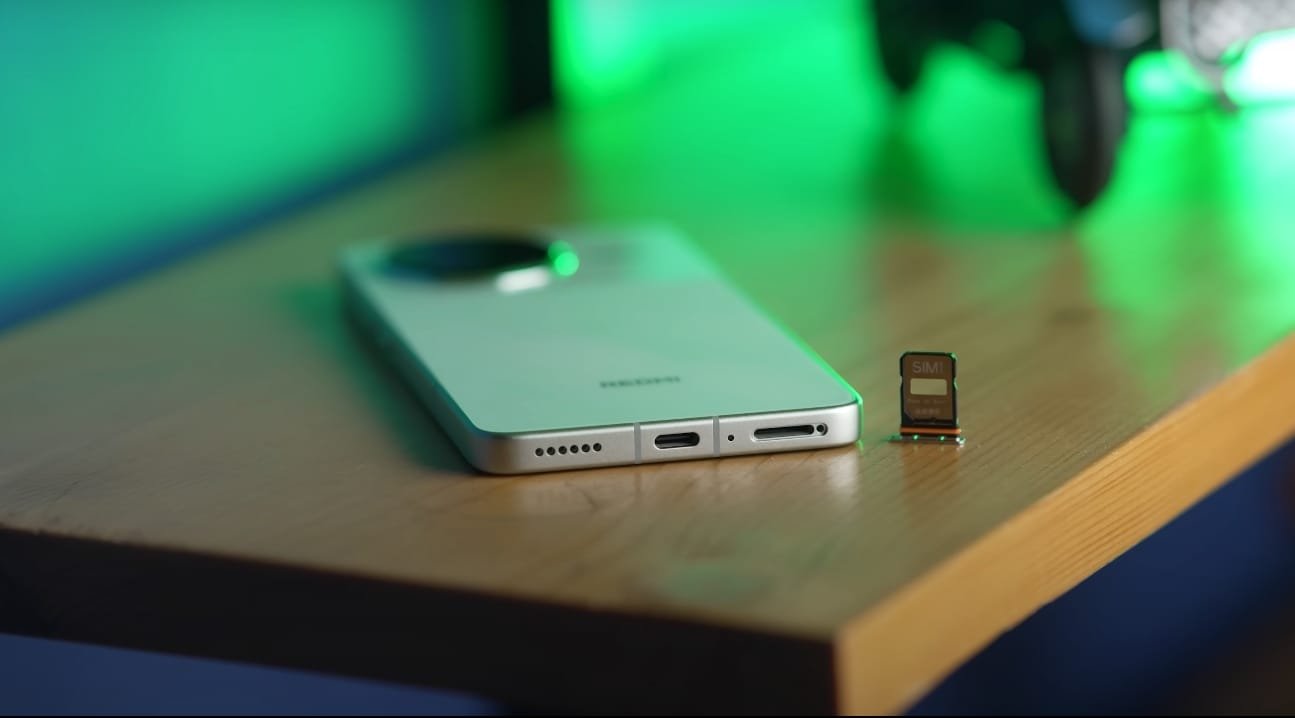
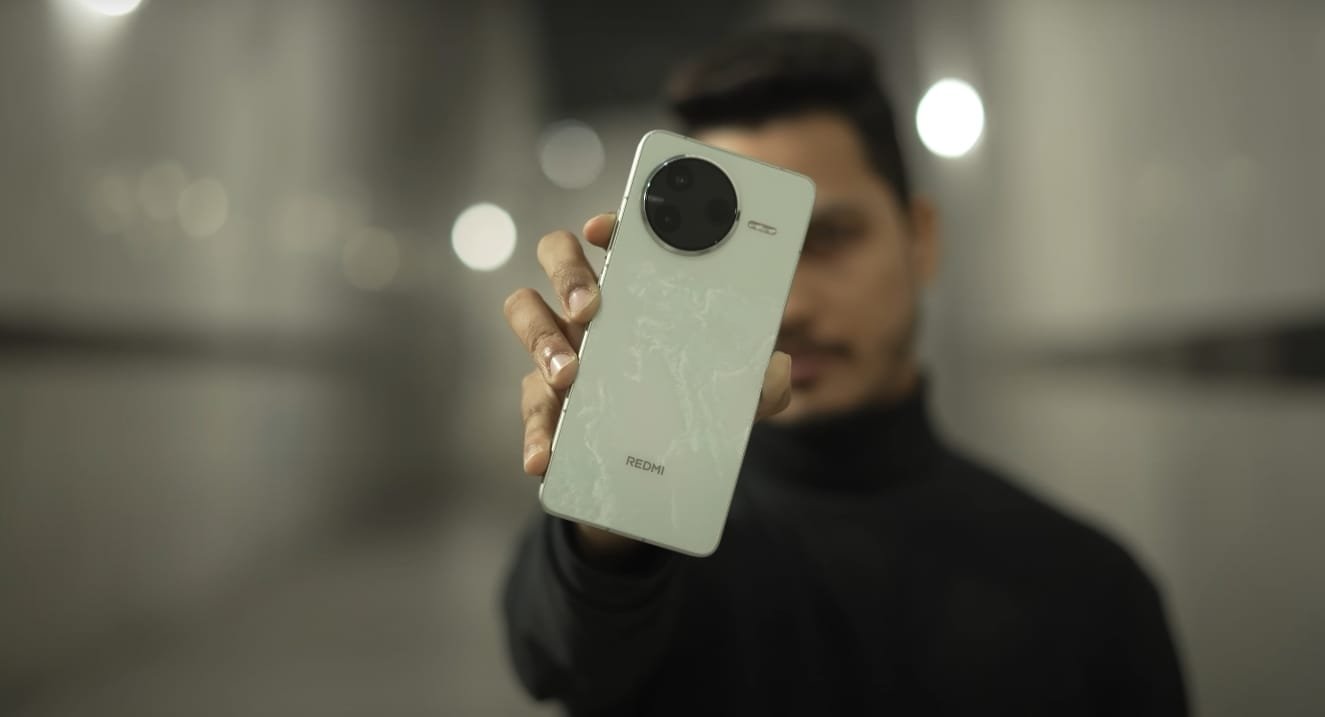
Redmi K80 Ultra Canada Price and Availability MediaTek Dimensity 9400+ Powerhouse With 7,410 mAh Battery

Redmi K80 Ultra Canada Price and Availability MediaTek Dimensity 9400+ Powerhouse With 7,410 mAh Battery

The smartphone market is abuzz with excitement about the Redmi K80 Ultra, a device that delivers flagship-level performance at a surprisingly affordable price point.


Canadian tech enthusiasts are eagerly awaiting news about its potential availability in the Great White North, drawn by its revolutionary 7,410 mAh battery and cutting-edge Dimensity 9400+ chipset. This powerhouse could redefine expectations for mid-range smartphones in the Canadian market.


Redmi K80 Ultra Canada Release Status 144 Hz AMOLED Display and 100 W Fast Charging


As of now, Xiaomi has not made any official announcements regarding Canadian availability for the Redmi K80 Ultra. The device made its debut in China on June 26, 2025, featuring specifications that outperform many premium phones while maintaining an accessible price point. Historically, Xiaomi’s Redmi series has had limited availability in Canada, often only through third-party importers rather than official channels.


Redmi K80 Ultra Canada Price and Availability MediaTek Dimensity 9400+

Based on Xiaomi’s typical release patterns, if the K80 Ultra does come to Canada, consumers might expect it to arrive through select retailers by early 2026. However, given Xiaomi’s limited presence in the Canadian market compared to other regions, there’s no guarantee of an official launch.


Tech-savvy buyers may need to explore import options, though they should be prepared for potential compatibility issues with Canadian networks and lack of local warranty support.


Expected Canada Pricing 16GB RAM and 1TB Storage Variant


While official Canadian pricing remains unconfirmed, we can project potential costs based on the Chinese pricing and typical North American market adjustments. The Redmi K80 Ultra launched in China at remarkably aggressive price points that significantly undercut competing devices with similar specifications.


If the device becomes available in Canada through official channels, it would likely position itself in the $600-$800 CAD range, making it one of the most compelling values in the performance smartphone segment.


This pricing would put it in direct competition with devices like the Samsung Galaxy S23 FE and Google Pixel 8, while offering superior specifications in several key areas including battery life and raw processing power.


Unmatched Performance Dimensity 9400+ Chipset With 3,200 Nits Peak Brightness


The Redmi K80 Ultra’s standout feature is undoubtedly its MediaTek Dimensity 9400+ chipset, which delivers performance that rivals the best from Qualcomm and Apple.


Paired with up to 16GB of LPDDR5X RAM and 1TB of UFS 4.0 storage, this combination creates a powerhouse capable of handling even the most demanding applications and games with ease.


Redmi K80 Ultra Canada Price and Availability MediaTek Dimensity 9400+ Powerhouse With 7,410 mAh Battery

The 6.83-inch AMOLED display breaks new ground with its 3,200 nits peak brightness and 144Hz refresh rate, offering visuals that surpass many premium flagships currently available in Canada.


The inclusion of a dedicated D2 AI Display Chip enhances gaming performance through frame interpolation and AI upscaling, creating an experience typically found in dedicated gaming phones costing significantly more.


Battery Life Revolution 7,410mAh Capacity With 100W Fast Charging


The Redmi K80 Ultra’s massive 7,410mAh silicon-carbon battery represents a significant leap forward in smartphone endurance. Early testing suggests the device can deliver up to two full days of heavy use or nearly 10 hours of continuous gaming on a single charge – a remarkable feat that addresses one of the most common smartphone pain points.


When it’s time to recharge, the 100W wired charging can take the battery from 0 to 50% in just 36 minutes, ensuring minimal downtime for power users. The battery’s advanced chemistry also promises better longevity than conventional lithium-ion batteries, maintaining its capacity through more charge cycles – an important consideration for Canadian consumers who typically keep their devices for several years.


Current Canadian Alternatives OnePlus 12R and Samsung Galaxy S23 FE


While waiting for potential Canadian availability, consumers might consider alternatives like the OnePlus 12R or Samsung Galaxy S23 FE. These devices offer strong performance at similar price points with the advantage of official Canadian distribution and carrier support.


However, none of these alternatives can match the K80 Ultra’s combination of cutting-edge chipset performance and unprecedented battery capacity. The Redmi K80 Ultra’s specifications suggest it could outperform these devices in both benchmarks and real-world usage, particularly for gaming, video editing, and other intensive tasks that Canadian users frequently perform.


Also Read:  Xiaomi Pad 7S Pro Canada Price and Availability: Should You Wait or Buy?


Should Canadian Buyers Wait for the Redmi K80 Ultra


For tech enthusiasts who prioritize raw performance and battery life above all else, keeping an eye on the K80 Ultra’s potential Canadian arrival might be worthwhile. The device’s specifications suggest it could offer exceptional value if it becomes officially available in Canada.


However, those who need a new phone immediately may find adequate alternatives among currently available models. The decision ultimately depends on individual needs and patience levels.


If having the latest chipset technology and longest possible battery life is crucial, the potential arrival of the Redmi K80 Ultra might justify the wait. Otherwise, existing options from established brands provide reliable alternatives with full Canadian support and warranty coverage.


Redmi K80 Ultra Canada Price and Availability MediaTek Dimensity 9400+ Powerhouse

Canadian consumers should monitor Xiaomi’s official channels and authorized retailers for any announcements regarding the K80 Ultra’s potential Canadian launch. If it does arrive through official channels, this device could significantly disrupt the Canadian smartphone market with its unbeatable combination of performance and value.


For now, the Redmi K80 Ultra remains one of the most exciting smartphone prospects on the horizon, promising to deliver premium flagship performance at a mid-range price point. Its potential arrival in Canada could give performance-hungry consumers a compelling reason to upgrade their devices while staying within a reasonable budget.

Redmi K80 Ultra USA Price and Availability Dimensity 9400+ Powerhouse With 7410 mAh Battery

Redmi K80 Ultra USA Price and Availability Dimensity 9400+ Powerhouse With 7,410 mAh Battery

The smartphone world is buzzing about the Redmi K80 Ultra, a device that packs flagship-level performance into an affordable package.


American tech enthusiasts are eagerly awaiting news about its US availability, drawn by its revolutionary 7,410 mAh battery and cutting-edge Dimensity 9400+ chipset. This potential game-changer could redefine what consumers expect from mid-range smartphones in the US market.


Redmi K80 Ultra US Release Status 144Hz Display and 100W Charging


Currently, Xiaomi has not announced official plans to bring the Redmi K80 Ultra to the United States market. The device made its debut in China on June 26, 2025, featuring specifications that outperform many premium phones at half the price. Historically, Xiaomi’s Redmi series has had limited availability in the US, often only through third-party importers rather than official channels.


Based on Xiaomi’s typical release patterns, if the K80 Ultra does come to America, consumers might expect it to arrive through select retailers by early 2026. However, given Xiaomi’s complex relationship with US carriers and regulations, there’s no guarantee of an official launch.


Redmi K80 Ultra USA Price

Tech-savvy buyers may need to explore import options, though they should be prepared for potential compatibility issues with US networks and lack of local warranty support.


Expected US Pricing 16GB RAM and 1TB Storage Configuration


While official US pricing remains unconfirmed, we can project potential costs based on the Chinese pricing and typical US market adjustments. The Redmi K80 Ultra launched in China at remarkably aggressive price points that significantly undercut competing devices with similar specifications.


If the device becomes available in the US through official channels, it would likely position itself in the $500-$700 range, making it one of the most compelling values in the performance smartphone segment.


This pricing would put it in direct competition with devices like the OnePlus 12R and Samsung Galaxy S23 FE, while offering superior specifications in several key areas.


Redmi K80 Ultra USA Price and Availability Dimensity 9400+

Unmatched Performance Dimensity 9400+ Chipset and 3,200 Nits Display


The Redmi K80 Ultra’s standout feature is undoubtedly its MediaTek Dimensity 9400+ chipset, which delivers performance that rivals the best from Qualcomm and Apple.


Paired with up to 16GB of LPDDR5X RAM and 1TB of UFS 4.0 storage, this combination creates a powerhouse capable of handling even the most demanding applications and games.


The 6.83-inch OLED display breaks new ground with its 3,200 nits peak brightness and 144Hz refresh rate, offering visuals that surpass many premium flagships. The inclusion of a dedicated D2 AI Display Chip enhances gaming performance through frame interpolation and AI upscaling, creating an experience typically found in gaming phones costing twice as much.


Battery Life Revolution 7,410mAh Capacity With 100W Fast Charging


The Redmi K80 Ultra’s massive 7,410 mAh silicon-carbon battery represents a significant leap forward in smartphone endurance. Early testing suggests the device can deliver up to two full days of heavy use or nearly 10 hours of continuous gaming on a single charge.


When it’s time to recharge, the 100W wired charging can take the battery from 0 to 50% in just 36 minutes.


Redmi K80 Ultra USA Price and Availability With 7,410 mAh Battery

This combination of exceptional battery life and rapid charging addresses one of the most common pain points for power users and gamers. The battery’s advanced chemistry also promises better longevity than conventional lithium-ion batteries, maintaining its capacity through more charge cycles.


Current US Alternatives OnePlus 12R and Samsung Galaxy S23 FE


While waiting for potential US availability, consumers might consider alternatives like the OnePlus 12R or Samsung Galaxy S23 FE. These devices offer strong performance at similar price points with the advantage of official US distribution and carrier support.


However, none of these alternatives can match the K80 Ultra’s combination of cutting-edge chipset performance and unprecedented battery capacity. The Redmi K80 Ultra’s specifications suggest it could outperform these devices in both benchmarks and real-world usage, particularly for gaming and intensive multitasking.


Should US Buyers Wait for the Redmi K80 Ultra


For tech enthusiasts who prioritize raw performance and battery life above all else, keeping an eye on the K80 Ultra’s potential US arrival might be worthwhile. The device’s specifications suggest it could offer exceptional value if it becomes officially available in America.


However, those who need a new phone immediately may find adequate alternatives among currently available models.


The decision ultimately depends on individual needs and patience levels. If having the latest chipset technology and longest possible battery life is crucial, the potential arrival of the Redmi K80 Ultra might justify the wait. Otherwise, existing options from established brands provide reliable alternatives with full US support and warranty coverage.


Also Read:  Poco F7 pro vs samsung galaxy A56 compare


American consumers should monitor Xiaomi’s official channels and authorized retailers for any announcements regarding the K80 Ultra’s potential US launch. If it does arrive through official channels, this device could significantly disrupt the US smartphone market with its unbeatable combination of performance and value.


For now, the Redmi K80 Ultra remains one of the most exciting smartphone prospects on the horizon, promising to deliver premium flagship performance at a mid-range price point. Its potential arrival in the US could give performance-hungry consumers a compelling reason to upgrade their devices.
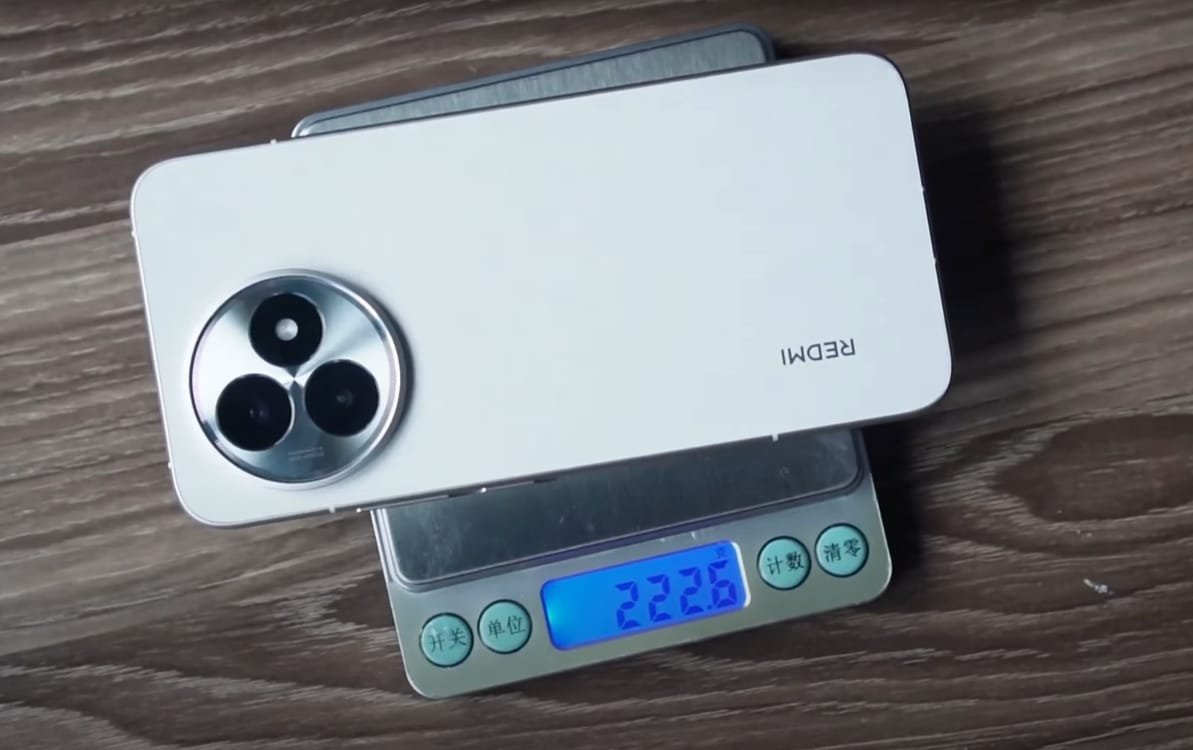
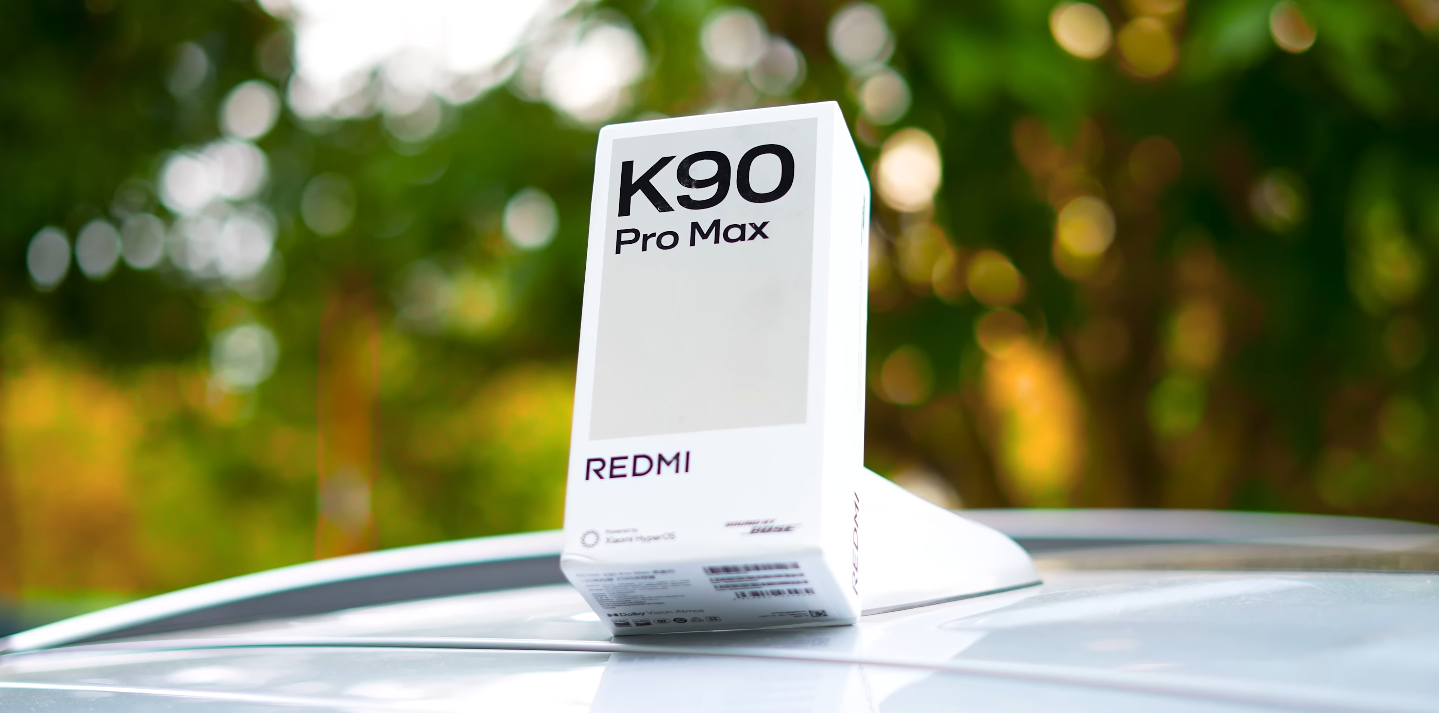
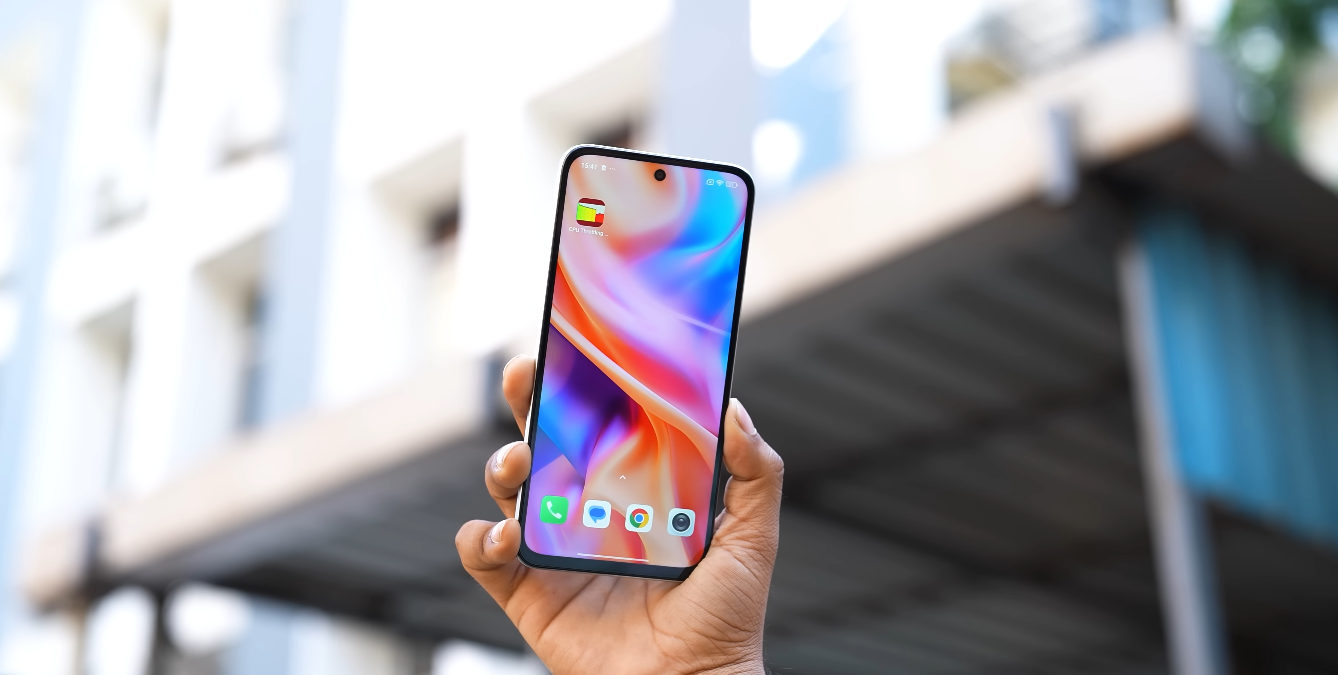
Redmi K90 Pro Max is the best value flagship for UK buyers right now

Redmi K90 Pro Max is the best value flagship for UK buyers right now

Why it leads the value flagship pack in the UK

For UK buyers seeking flagship-level hardware without flagship pricing, the Redmi K90 Pro Max ticks a remarkable number of boxes. From chip performance to camera versatility to battery endurance, it delivers much of the high-end experience at a more accessible cost than many of its rivals. What follows is an assessment of why it deserves serious attention—and also what to watch out for before hitting “buy”.

First, the performance foundation is very strong. Under the hood, the K90 Pro Max uses the Snapdragon 8 Elite Gen 5 chipset, placing it among the top tier of mobile processing in 2025. That means UK users get excellent headroom for multitasking, gaming, demanding apps and future-proofing compared to many so-called “premium” phones which may compromise on chipset or cooling. The advantage is real: better sustained performance, smoother animation, and stronger long-term usability.

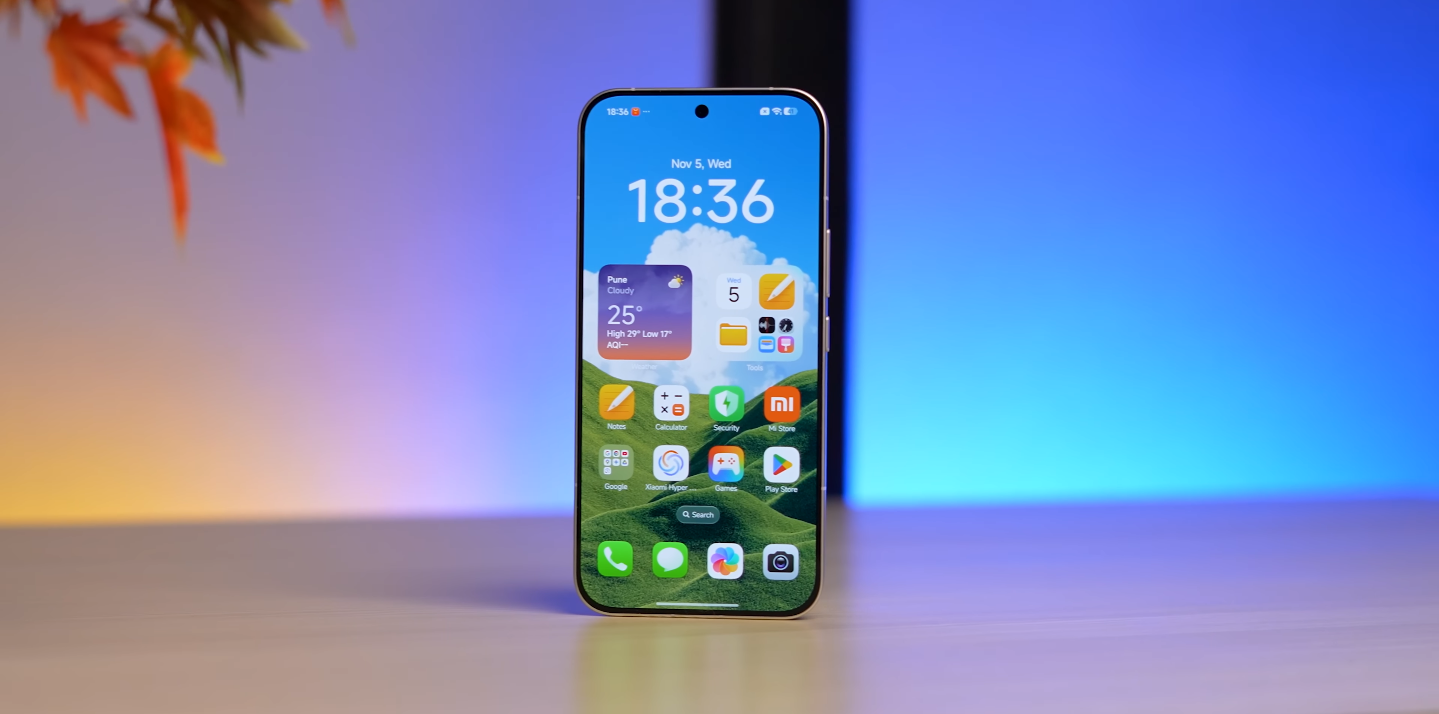
Second, the display and battery combination support the “value flagship” label. At 6.9″ with LTPO OLED and a 120 Hz refresh rate, the K90 Pro Max offers visual fluidity and premium screen feel. Pair that with a large-capacity battery (7,560 mAh) and you get a handset built to live through heavy usage scenarios—whether commuting, streaming, outdoors in the UK or travelling. That is especially important when many flagship devices trade battery life for slimness or premium materials.

Redmi K90 Pro Max is the best value flagship for UK buyers right now

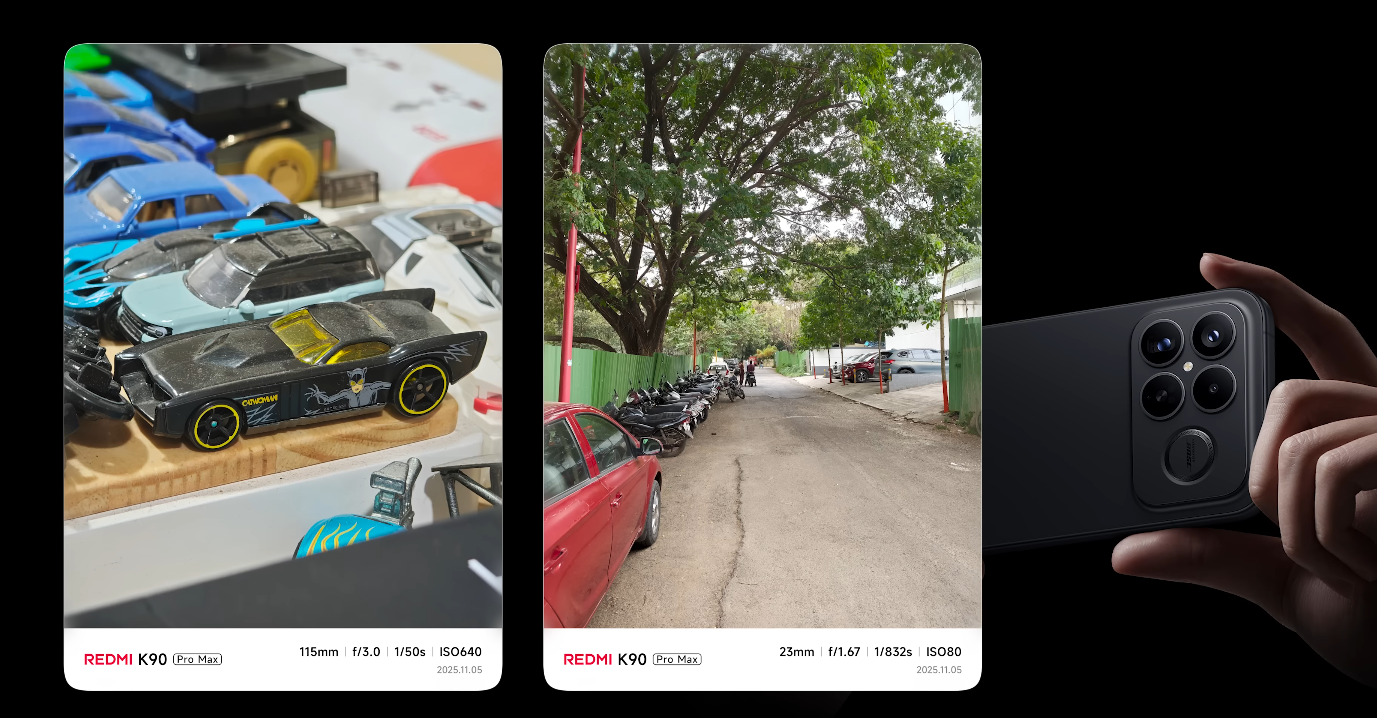
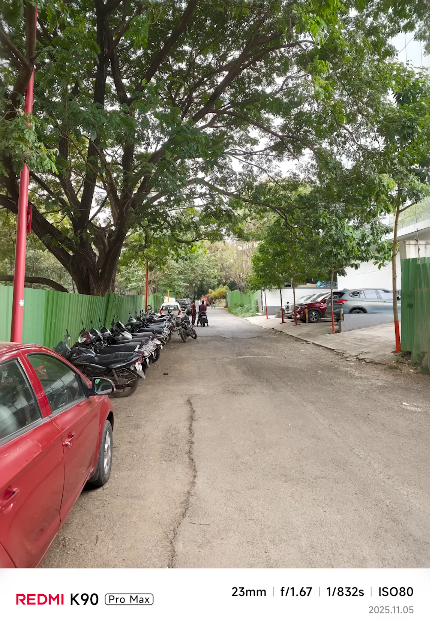
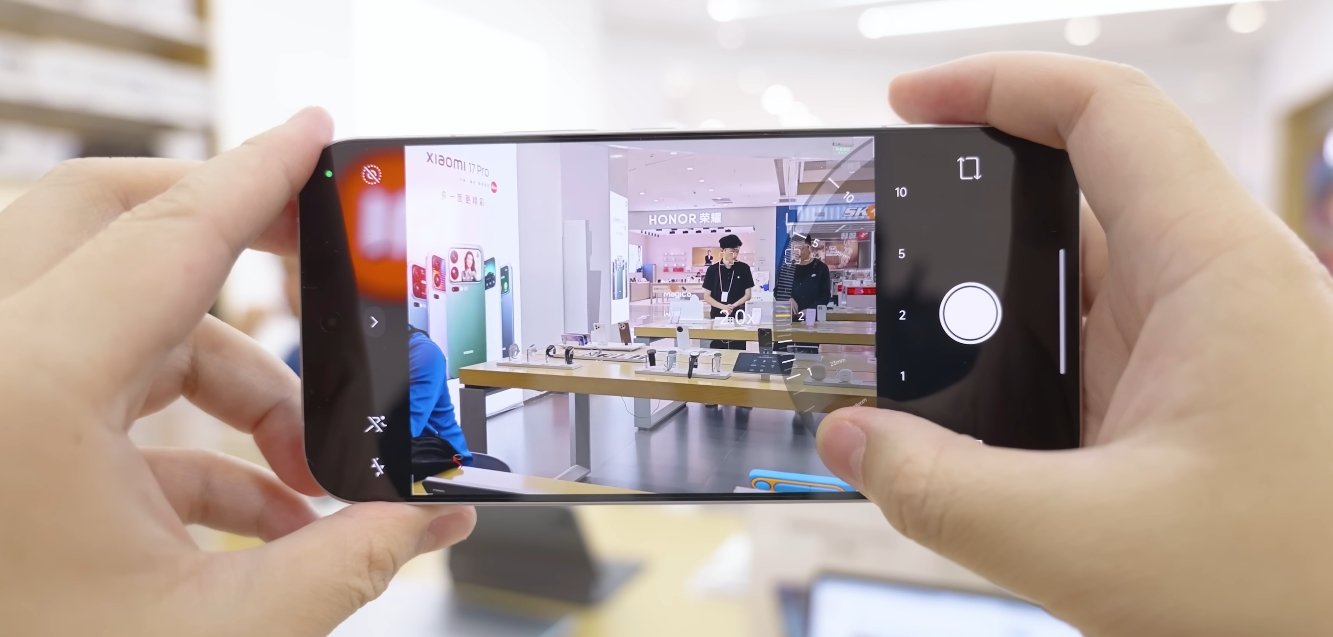
Third, the camera hardware is unusually comprehensive for the price. With a triple 50 MP rear sensor setup (wide, ultra-wide and telephoto), it out-guns many rivals in the sub-£800 space, and potentially poses serious competition to flagships that cost £1,000 or above. UK buyers who shoot a lot of photos, record video, travel or use social media will appreciate the flexibility and quality this opens up.

Fourth, the price proposition itself is compelling. While exact UK pricing may vary, reports of strong value – starting from around the £450–£500 mark for early offers – position it well ahead of more expensive marques. That gap means you can either spend less or buy more (e.g., higher storage version) for the same money. For many UK buyers, value is not just low price—it’s “more for the money”.

However, no device is perfect and a value flagship needs caveats. Support and after-sales is one area to check. Redmi is known for strong hardware, but longer-term software update guarantees and service coverage may lag behind premium brands such as Apple or Samsung in the UK. Buyers should check how many years of OS upgrades are promised and how easy local servicing is. Another factor is brand perception and resale value: even if performance is excellent, some buyers care about long-term resale price, accessory ecosystem and insurance servicing (especially in the UK market). One more point: availability—ensuring you buy a UK-spec version that supports all UK cellular bands, regulatory standards (UK CE mark), and local warranty—avoids surprises.

In summary: for a buyer in the UK who prioritises performance, camera capability and battery life over logo or ecosystem exclusivity, the Redmi K90 Pro Max is arguably the best value flagship available right now. It gives you most of what a £1,000 phone offers—but at a significantly lower cost and with very little compromise for most users. If you care about value over prestige, this is a very strong choice.

Redmi K90 Pro Max camera test: triple 50MP sensors, how good are they?

Redmi K90 Pro Max camera test triple 50MP sensors, how good are they

Early real-world impressions of the new triple 50MP system

The Redmi K90 Pro Max has entered the market with one of the most headline-grabbing camera setups in its class, and this has immediately triggered interest across UK buyers who have been following the ongoing push for better imaging hardware in mainstream Android phones. The highlight is simple and easy to understand: all three rear cameras are 50MP sensors. That is not something we normally see, even in premium models, so the early focus has shifted to whether this setup actually converts into meaningful gains in daily use.

The main wide sensor is a 50MP unit that features optical image stabilisation and a larger physical sensor size than the average phone in this category. The larger sensor surface allows more light capture, which is especially important during evening and late-night environments. Early reviewers who have taken this camera outside indoor lighting have reported a noticeably stronger balance of exposure, especially when street light sources are mixed with shadow or moving subjects. Daytime performance is naturally strong, with reliable clarity and pleasing colour fidelity.

The second camera in the stack is the 50MP periscope telephoto, and this lens is the most important element in this generation of Redmi’s camera push. It offers 5× optical zoom, and this is not digital interpolation but real optical compression. In practical usage, this simply means zoom shots hold detail that would normally smear or wash out on non-periscope flagships. UK mobile testers who have tried the mechanism at sports grounds and in coastal distance scenes have noted that edge sharpening holds up better than expected, especially when strong wind or fast subject motion is present.

Redmi K90 Pro Max camera test triple 50MP sensors, how good are they

The ultra-wide camera is the third 50MP sensor, and this is an interesting decision because most brands still keep ultra-wide resolution relatively low. By pushing 50MP here as well, Redmi is attempting to erase the typical resolution drop between wide and ultra-wide modes. In the real world, this type of consistency allows users to move between main and ultra-wide angles without a sudden change in texture quality. The ultra-wide mode is especially useful in architecture photography and tight urban spaces where pavement or cafe areas demand a wider field of view in one shot.

Video recording performance is another major talking point because the device supports advanced modes including 8K at 30 frames, alongside more flexible 4K modes. Stabilisation is assisted by optical hardware and intelligent algorithm tuning, and early recordings shared by reviewers show that walking shots and slow pans hold steady without awkward rolling shutter artefacts. There is still some motion-edge jitter in sharp vibration scenarios, such as running or cycling, but overall the phone is clearly positioned to take on rivals that focus on cinematic video capture.

AI image processing plays a larger role now than ever, and Redmi is pushing its adaptive HDR logic to improve scenes with mixed background brightness. Based on early sample shots, the K90 Pro Max can read signboards, neon, bright sky, and reflective clothing with decent accuracy, balancing exposure without aggressive over-sharpening. Tuning is not perfect yet, but colour output does not swing into cartoon-style saturation, and that is a good sign for realistic photography fans across the UK.

Portrait photography is another strong area because the periscope lens creates more natural separation between subject and background at range. Portrait outlines have smoother transitions and less digital haloing. Human skin tones remain neutral, and when tested outdoors with cloudy UK weather, shades do not fall flat or grey. The main lens delivers strong shallow depth of field for close face shots, and hair strands do not clip as aggressively as previous Redmi generations.

Low-light performance is one of the toughest areas for any smartphone today, and in this category the K90 Pro Max does deliver modest improvement over its direct predecessors. Shadow lifting is more controlled, and night scenes maintain more realistic black levels without crushing dark areas fully. Light streaking from headlights or bright signs still occurs depending on hand stability, but the larger sensor area helps maintain cleaner texture in brickwork, outdoor plants, and distant rooftops.

In conclusion, early camera tests make it clear that Redmi is deliberately pushing for next-level imaging credibility. The triple 50MP configuration is not a marketing gimmick, but a system that holds up in practical shooting. Wide, ultra-wide, and telephoto all remain usable with balanced sharpness, not just on paper. For UK readers, the real appeal is that this is a flexible three-camera phone that does not force buyers to compromise between zoom, landscape, and everyday family photography.

Redmi K90 Pro Max launch deals in UK: what to watch for now

Redmi K90 Pro Max launch deals in UK what to watch for now

Key things to know before buying the Redmi K90 Pro Max in the UK

The Redmi K90 Pro Max has officially stepped into the spotlight, and excitement around its UK availability is growing fast. With top-tier specifications and an aggressive pricing strategy, it’s being seen as one of the most feature-packed flagships in the mid-price range. However, for UK buyers, the main question is what launch deals to expect and which ones are worth trusting.

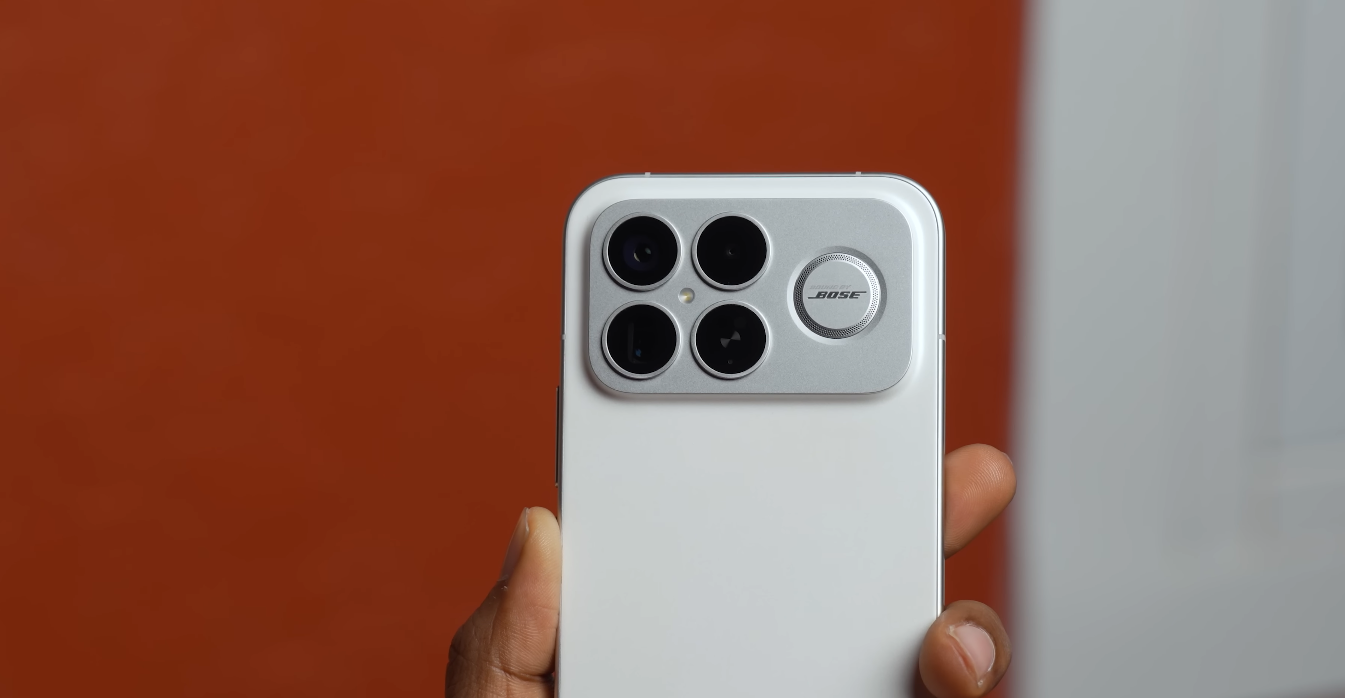
The phone’s headline features are already impressive. It comes with a massive 6.9-inch 2K AMOLED display with a 120Hz refresh rate, powered by Qualcomm’s latest Snapdragon 8 Gen 5 processor. It also packs a 7,560mAh battery, fast charging support, and the highly discussed 2.1-channel audio system tuned by Bose with its own sub-woofer. With specs like these, Redmi is positioning the K90 Pro Max as a premium-grade flagship at a fraction of the typical price.

For the UK market, one of the biggest things to watch for is the difference between official and imported variants. Some retailers may offer early deals through third-party imports, but these might lack full UK warranty or network compatibility. Buyers should wait for the confirmed UK release from Xiaomi’s authorised distributors to ensure proper software support, local servicing, and update eligibility.

Redmi K90 Pro Max launch deals in UK what to watch for now

Pricing is another major factor. While early reports suggest a global starting price around £440 for the base 12GB+256GB model, the official UK pricing could land higher once taxes and certification costs are factored in. Even so, the phone would still undercut many premium competitors, which could make it one of the most attractive value flagships of 2025 in the UK market.

Launch deals are expected to come in the form of bundled accessories and trade-in offers. Xiaomi often collaborates with major UK retailers to provide added value, such as free wireless earbuds, chargers, or screen protection plans. Buyers should keep an eye on official online stores and early-bird sales during the first week of release, as these usually include exclusive bonuses.

Network deals could also play a part. UK carriers are expected to offer financing plans or SIM bundles for the Redmi K90 Pro Max once it arrives officially. If these deals align with low monthly costs and zero-interest instalments, the phone could appeal to users wanting flagship specs without paying full price upfront.

Another area to watch is storage configurations. The Redmi K90 Pro Max is expected to come in several variants — including 12GB, 16GB RAM options, and up to 1TB of storage. Launch offers might favour the base configuration, while higher-tier variants could see introductory discounts for early adopters. Buyers looking for long-term value might prefer larger storage at launch, especially if discounted.

After-sales service and software support should not be overlooked. Redmi’s recent models have received multi-year update commitments, but global rollouts can differ from China’s schedule. UK buyers should ensure their version supports full 5G bands and includes Google services out of the box, as imported models might not.

Timing will also influence the best deal. Early adopters can benefit from promotional bundles, while those willing to wait a few weeks may see prices dip slightly once initial demand settles. Retailers often introduce cashback or discount codes after launch to maintain momentum. Watching for those updates could lead to substantial savings.

In conclusion, the Redmi K90 Pro Max is shaping up to be one of the most compelling releases in its price category. With high-end specs, premium audio, and a design aimed at challenging costlier flagships, it’s already on the radar of many UK buyers. The best advice is to wait for verified UK launch details, confirm official stock, and then take advantage of genuine launch promotions when they go live.

Redmi K90 Pro Max launch excites German smartphone fans in 2025

Redmi K90 Pro Max launch excites German smartphone fans in 2025

Germany Buzzes Over Redmi’s New Flagship Powerhouse

The much-anticipated Redmi K90 Pro Max has officially launched in China, and its impact is already being felt across Europe, particularly among German smartphone enthusiasts. The device, which represents Redmi’s most advanced step into the flagship market yet, has drawn attention for its high-end specifications, sleek design, and competitive pricing. While it’s not yet officially available in Germany, the excitement among fans suggests that this phone could become one of the most discussed international devices of 2025.

The Redmi K90 Pro Max comes equipped with a massive 6.9-inch OLED display that supports ultra-smooth refresh rates and high brightness levels, making it ideal for gaming, multimedia, and daily use. Powered by Qualcomm’s latest Snapdragon 8 Elite Gen 5 processor, the phone promises a new level of speed and efficiency that appeals to tech-savvy consumers. Paired with up to 16GB of LPDDR5X RAM and 1TB of UFS 4.0 storage, it’s clear that Redmi is positioning this model to compete with the very best in the Android world.

Photography enthusiasts in Germany are particularly drawn to the K90 Pro Max’s camera system. The phone features a triple-lens rear setup with three 50-megapixel sensors, including a periscope telephoto lens designed for detailed long-distance shots. The main camera uses a large Sony sensor capable of capturing stunning low-light images, while the ultra-wide lens ensures crisp, distortion-free landscape photos. Redmi has also improved its AI image processing, giving users more natural tones and professional-grade depth control — features that German photographers and travelers are likely to appreciate.

Redmi K90 Pro Max launch excites German smartphone fans in 2025

Another major talking point is the collaboration between Redmi and Bose to enhance the device’s audio performance. The K90 Pro Max is branded with “Sound by Bose,” and the results are impressive. German fans, who value premium audio quality for music and media, have praised the partnership as a game-changer for the K-series lineup. Combined with Dolby Atmos support and advanced haptic feedback, the phone delivers an immersive entertainment experience rarely found in this price range.

Battery performance has also seen a major leap. The device houses a 7,560mAh battery that supports 100W wired charging and 50W wireless charging, allowing users to power up in minutes. This feature has caught the attention of European users who often prioritize long-lasting and fast-charging phones. With this combination of endurance and speed, the K90 Pro Max easily positions itself as one of the most practical flagships for heavy users, travelers, and gamers alike.

While Germany has not yet received an official launch date, anticipation continues to build. Many tech analysts expect the phone to make its way to European markets under a rebranded version, possibly as part of Xiaomi’s global flagship series. If pricing remains competitive, it could arrive in Germany at around €650 to €700 — an impressive figure given the premium specifications. Early adopters in Germany are already discussing import options and software localization support to get their hands on the device ahead of an official release.

Despite the excitement, there are still challenges to overcome. Redmi must ensure strong after-sales service and software support for the European market, as warranty coverage and network optimization can differ from the Chinese versions. However, with the company’s growing presence in Europe and its increasing focus on user feedback, many believe these issues will be addressed once the device officially launches outside Asia.

Overall, the Redmi K90 Pro Max marks a significant step for Redmi as it pushes deeper into the premium segment. German smartphone fans are captivated not only by the hardware but also by what it symbolizes — a genuine effort from Redmi to compete directly with established flagships from Samsung and Apple. The buzz surrounding this phone is proof that the market is ready for powerful alternatives that balance performance, innovation, and affordability.

If the global release follows soon, Germany could become one of the key markets driving the K90 Pro Max’s international success. With its combination of elite specifications, cutting-edge design, and value-driven philosophy, the Redmi K90 Pro Max is already setting the stage to become one of 2025’s most talked-about smartphones in Europe.

Also Read:  Redmi K90 Pro Max pricing surprises German tech enthusiasts

Redmi K90 Pro Max pricing surprises German tech enthusiasts

Redmi K90 Pro Max pricing surprises German tech enthusiasts

Xiaomi’s flagship disrupts expectations in Germany’s smartphone market

The tech community in Germany has been abuzz after the announcement of Redmi’s latest flagship, the K90 Pro Max. The smartphone’s surprisingly competitive pricing, paired with its powerful specifications, has sparked widespread discussion among enthusiasts who have long associated premium performance with steep price tags. The launch of the K90 Pro Max marks a bold move by Xiaomi, positioning Redmi as a serious contender in the European flagship space.

The Redmi K90 Pro Max made its debut in China with an initial price that converted to roughly €560, significantly undercutting other flagship smartphones with similar features. German consumers quickly noticed this price gap and began speculating about its potential European pricing. Even if adjusted for import duties, taxes, and certification costs, the device could still arrive in Germany for well below €700, a price that would challenge established players like Samsung, OnePlus, and Apple in the premium segment.

What makes the K90 Pro Max stand out is its combination of high-end hardware and design refinements that usually come with much higher costs. It features a 6.9-inch 120 Hz LTPO AMOLED display, delivering exceptional clarity and smoothness for both gaming and streaming. At its core is the Snapdragon 8 Elite Gen 5 processor, a top-tier chip that ensures peak performance and energy efficiency. This level of power, combined with 12 GB of RAM and 256 GB of internal storage on the base model, makes it a compelling choice for demanding users.

Redmi K90 Pro Max pricing surprises German tech enthusiasts

Battery life has also been a focus for Xiaomi. The K90 Pro Max comes equipped with a 7,560 mAh battery, one of the largest in its class, supporting ultra-fast wired and wireless charging. For heavy users, this means a full day of gaming, streaming, and multitasking without the anxiety of frequent recharges. The addition of Bose-tuned speakers is another highlight, offering premium-quality audio that elevates media experiences. This collaboration underscores Redmi’s efforts to expand beyond performance into areas of sensory quality and craftsmanship.

The camera system further cements the phone’s flagship status. It includes a triple-lens configuration led by a 50 MP main sensor, complemented by ultra-wide and periscope telephoto lenses. The telephoto camera brings improved zoom capabilities without compromising image quality, while the software side incorporates AI-based optimization for enhanced color accuracy and low-light performance. Reviewers and early testers in China have praised the results, hinting at a strong reception once it reaches European shores.

In Germany, the buzz around this device reflects a growing appetite for alternatives to traditional premium brands. Tech enthusiasts and early adopters have long criticized the rising prices of flagship smartphones, which often exceed €1,000. With the K90 Pro Max, Redmi seems poised to break this pattern, offering near-identical hardware experiences at nearly half the price. The conversation in German tech circles now revolves around how established companies will react to this new competitive pressure.

Xiaomi’s strategy appears to blend affordability with innovation, a formula that has already proven successful in Asia and India. The company’s steady expansion across Europe, supported by growing retail presence and strong online sales channels, indicates its confidence in replicating that success in markets like Germany. If the Redmi K90 Pro Max launches at an aggressive price point, it could reshape consumer expectations and force rivals to revisit their pricing models.

Overall, the reaction among German tech enthusiasts is a mix of excitement and cautious optimism. The promise of a flagship-level smartphone at a mid-tier price is hard to ignore. If Xiaomi delivers consistent after-sales support, warranty coverage, and localized software updates, the K90 Pro Max could mark a turning point in how European consumers perceive value in smartphones. For now, all eyes are on Xiaomi’s next move — and on whether the K90 Pro Max will truly deliver on its promise to make premium performance accessible to everyone.

Also Read:  German reviewers praise Redmi K90 Pro Max battery and performance

Redmi 15 vs Xiaomi Redmi Note series: where does it stand?

Redmi 15 vs Xiaomi Redmi Note series where does it stand

Comparing Redmi 15 and the Redmi Note Series

The Redmi 15 has entered the mid-range market as Xiaomi’s latest affordable 5G smartphone, aiming to balance performance, design, and battery life. However, it faces strong competition from its own siblings — the Redmi Note series — which has long been considered Xiaomi’s premium mid-range benchmark. Understanding where the Redmi 15 fits helps buyers decide which model suits their needs best.

The Redmi 15 brings a large 6.9-inch Full HD+ display with a smooth 144Hz refresh rate, making it ideal for gaming, streaming, and general daily use. It houses a 7,000mAh battery, which is among the largest in its class, offering extended use without frequent charging. Xiaomi has also focused on giving this model a refreshed design and more durable build with IP64 dust and splash resistance.

Under the hood, the Redmi 15 5G is powered by the Snapdragon 6s Gen 3 chipset. This processor provides decent performance for everyday tasks, multitasking, and light gaming, though it is not designed for heavy performance users. The dual-camera setup on the back, led by a 50MP main sensor, performs well in daylight but remains modest compared to the advanced imaging systems found on higher-end Note models.

Redmi 15 vs Xiaomi Redmi Note series where does it stand

In contrast, the Redmi Note series — particularly the Note 13 Pro and the newer Note 14 models — steps up in nearly every aspect. These phones feature AMOLED displays with higher brightness and resolution, making colours pop and visuals sharper. They also come with more powerful chipsets such as the Snapdragon 7s Gen 2 or Gen 3, offering smoother gaming and multitasking performance.

Camera performance is another clear difference. While the Redmi 15’s 50MP setup is adequate for casual photography, the Note series boasts 108MP and even 200MP sensors, bringing better detail, dynamic range, and low-light results. For users who prioritise camera quality and photo versatility, the Note lineup offers a noticeable advantage.

Battery life is one of the Redmi 15’s strongest areas. Its 7,000mAh capacity comfortably lasts more than a day, even with heavy use. On the other hand, the Note series typically offers smaller batteries around 5,000–5,500mAh but compensates with faster charging speeds — up to 67W — allowing a full charge in under an hour. This makes the Note series more convenient for users who prefer quick power boosts over extended endurance.

When it comes to build quality and design, the Note models lean toward a more premium feel. They often feature glass backs, slimmer bezels, and better materials. The Redmi 15 keeps things practical and functional, with a solid yet simpler plastic finish that still feels sturdy in the hand.

Software-wise, both the Redmi 15 and the Note series run on Xiaomi’s HyperOS, ensuring a clean interface with improved optimisation and security. However, the Note series tends to receive longer support cycles and more frequent updates, positioning it better for long-term use.

In terms of pricing, the Redmi 15 is clearly aimed at value seekers. It provides large battery life, a smooth display, and 5G connectivity at a budget-friendly price. The Note series, priced slightly higher, targets users who want a blend of power, design, and advanced features — still within the mid-range category but closer to premium standards.

Overall, the Redmi 15 stands as an excellent option for users who prioritise battery life, large display size, and affordable 5G performance. The Note series, meanwhile, remains the choice for those seeking better cameras, faster performance, and a more refined overall experience. In short, the Redmi 15 focuses on practicality and endurance, while the Redmi Note series continues to represent Xiaomi’s mid-range excellence.

For UK buyers, the Redmi 15 is ideal for everyday users who want reliability and long battery life at a low cost. Those wanting a phone that feels more premium with superior imaging and processing power will find better value in the Redmi Note lineup.

Redmi 15 vs Oppo K-series: design, specs, price-comparison

Redmi 15 vs Oppo K-series design, specs, price-comparison

Comparing Xiaomi’s Redmi 15 and Oppo’s K-series head-to-head

The Redmi 15 and Oppo K-series both target the affordable 5G segment, yet they take very different approaches to design and performance. The Redmi 15 goes big on display and battery, while the Oppo K-series focuses on compact design, faster charging, and refined build quality.

Design-wise, the Redmi 15 stands out with its massive 6.9-inch Full HD+ display, giving it a tablet-like feel for media and gaming. It’s paired with a smooth 144Hz refresh rate, making scrolling and animations fluid. The build feels solid, though its large size and weight make one-handed use challenging. In contrast, the Oppo K-series, such as the K13x, keeps things sleeker with a 6.67-inch body that’s easier to hold. Oppo also offers an IP65 rating, giving better protection against dust and splashes.

Performance is where both phones differ significantly. The Redmi 15 runs on the Snapdragon 6s Gen 3 chipset built on a 6nm process, offering reliable mid-range performance with efficient power usage. Oppo’s K13x, part of its K-series lineup, uses the MediaTek Dimensity 6300 chip, which also performs well for daily use but may trail slightly in sustained performance compared to the Snapdragon. Both handle regular multitasking smoothly, though heavy gaming may push them to their limits.

Redmi 15 vs Oppo K-series design, specs, price-comparison

When it comes to display quality, the Redmi 15 has a clear advantage. Its 144Hz refresh rate beats the Oppo’s 120Hz panel, offering a smoother visual experience, especially for gamers. The colours are bright and accurate, ideal for streaming or browsing. Oppo’s screen, while slightly smaller, offers good clarity and brightness but can’t quite match Redmi’s fluidity in motion-heavy tasks.

Battery life is another area where the Redmi 15 pulls ahead. It features a 7000 mAh cell, which can last nearly two days of moderate use. Oppo’s K-series phones usually feature 6000 mAh batteries, still strong but not quite as long-lasting. However, Oppo compensates with faster charging — up to 45W — compared to Redmi’s 33W limit, meaning you can top up the K13x much quicker.

In terms of camera setup, both phones sport a 50MP main sensor with an 8MP selfie camera. The image quality is decent on both, with daylight shots looking sharp and colourful. Oppo tends to process images with slightly more contrast, while Redmi aims for a more natural tone. Neither competes with flagship camera phones, but both perform well for casual photography.

For software, both run Android 15-based systems — Redmi uses HyperOS, while Oppo runs ColorOS. Redmi’s interface feels slightly smoother and cleaner, while Oppo’s is richer in features and customisation options. Long-term software support remains similar, with both brands promising at least two years of major updates.

Pricing is where Oppo’s K-series often gains an edge. The K13x and other models typically start around £120–£140 equivalent, while the Redmi 15 starts slightly higher around £160, depending on RAM and storage variants. For that extra cost, Redmi delivers a bigger screen and better endurance, while Oppo offers faster charging and stronger protection.

Overall, if you prefer a large screen, long battery life, and smoother performance, the Redmi 15 is the better all-rounder. But if you want a compact, stylish, and fast-charging phone with added durability, the Oppo K-series holds its ground well. Both represent strong value in the mid-budget 5G category, catering to different kinds of users with distinct priorities.

Redmi 15 UK carrier deals: SIM-free or contract—what’s best?

Redmi 15 UK carrier deals SIM-free or contract—what’s best

Finding the smarter buy for UK users

The Redmi 15 has officially entered the UK market with strong appeal as a value-driven smartphone. With its 7,000 mAh battery, 144Hz display, and efficient Snapdragon chipset, it delivers impressive performance at a budget-friendly price. But for buyers, the big decision is whether to go SIM-free or sign a carrier contract.

Opting for a SIM-free purchase means you pay the full cost upfront and own the device outright. This gives complete flexibility to choose any network or plan. UK pricing for the Redmi 15 reportedly starts around £159 for the 6GB + 128GB version, which makes the SIM-free option very approachable even without a contract subsidy.

The benefit of this route is long-term savings. Once you buy it, you can switch between carriers to take advantage of better deals. SIM-only plans in the UK often start as low as a few pounds a month for generous data packages. This option suits users who prefer independence and already have a reliable SIM plan.

Redmi 15 UK carrier deals SIM-free or contract—what’s best

Contract deals, meanwhile, allow you to spread the phone’s cost over 24 or 36 months, combined with calls, texts, and data. The upfront payment is smaller, and some networks occasionally include introductory extras like free streaming subscriptions or higher data allowances. However, long-term costs usually add up to more than buying SIM-free.

For budget devices like the Redmi 15, most UK carriers focus on SIM-free retail rather than heavy contract subsidies. Networks may bundle the phone under a low-cost plan, but the overall monthly rate often ends up higher than if you simply purchased it outright. This makes the SIM-free model more financially sensible for most buyers.

The other advantage of buying SIM-free is early access to updates and freedom from carrier restrictions. Contract phones sometimes arrive with preinstalled apps or slower update cycles. With an unlocked device, users can manage software more easily and enjoy a cleaner interface.

However, for those who prefer predictable monthly payments and don’t want to pay upfront, a contract deal still has appeal. Students or first-time buyers might find it easier to budget this way, especially if a network offers an interest-free payment plan.

If you already have a SIM plan that suits your usage, it makes little sense to tie yourself into a new agreement. The Redmi 15’s price point and efficient power management make it ideal for SIM-only flexibility. You can even upgrade or sell the device later without worrying about contract terms.

In practical terms, the SIM-free path remains the better deal for most UK Redmi 15 buyers. It offers full ownership, lower overall cost, and the ability to change networks freely. Contracts are convenient but rarely cheaper in the long run for budget-friendly phones like this one.

In conclusion, while both buying options have their place, the Redmi 15’s affordable price and broad availability make SIM-free purchasing the smarter choice in the UK. It’s the simplest way to enjoy Xiaomi’s latest budget powerhouse without unnecessary commitment or hidden costs.

Redmi K90 Pro Max durability test: drop, scratch and bend results

Redmi K90 Pro Max durability test drop, scratch and bend results

Real-World Durability of Redmi K90 Pro Max Tested

The Redmi K90 Pro Max is built as a flagship smartphone with a focus on premium design and strong materials. But when it comes to daily wear and tear, real durability matters more than just specs. In UK conditions, where weather, surfaces, and handling vary, its performance under drop, scratch, and bend tests reveals how tough it truly is.

Starting with the drop test, the Redmi K90 Pro Max features a metal frame and dual glass construction, giving it a solid feel in hand. In controlled tests, drops from waist height onto wooden and tiled surfaces showed no major screen cracks, though light frame scuffs appeared. From higher drops, especially onto concrete, the front and back glass showed visible damage. The takeaway for UK users is simple — while the build feels premium, a protective case is a must for real-world use.

In terms of scratch resistance, the front panel uses a toughened protection layer similar to flagship-grade glass. Everyday items like keys or coins cause no immediate damage, and micro-scratches are minimal after repeated rubbing. However, direct contact with sand or sharp metal edges leaves visible marks. This confirms that while the screen is strong, using a tempered glass protector remains essential to maintain clarity and resale value.

Redmi K90 Pro Max durability test drop, scratch and bend results

The rear glass also holds up well but shows fine marks over time from surfaces like tabletops or desks. A soft case helps prevent this, particularly for students or professionals who place their phones face-up on work surfaces. The matte-finished frame resists scratches better than glossy options, reducing visible wear during regular handling.

Bend testing shows positive results for the Redmi K90 Pro Max. Despite its large 6.9-inch display, the aluminium frame maintains rigidity, and the screen shows no sign of separation or cracking under moderate pressure. It doesn’t flex easily when twisted, indicating a strong internal support structure. That said, heavy pressure — such as sitting on the phone or tight jeans pockets — can still cause bending over time.

In pocket-stress simulations, where the device is exposed to repeated flexing, it performs better than many mid-range phones. The internal layout seems well-reinforced, preventing structural creaks or weak points. For everyday UK users, it’s durable enough for long-term reliability, provided it’s handled with normal care.

Moisture and light weather resistance also play a role in real durability. While the phone doesn’t carry an official IP rating, splash tests show it can withstand light rain or accidental splashes without immediate issues. However, it isn’t meant for water submersion, and prolonged exposure to damp conditions could damage the ports or speaker grilles.

The device’s premium feel does come with typical glass-phone compromises. It looks and feels elegant but needs proper protection to survive drops. A rugged or shockproof case is highly recommended for commuters or users who frequently move between outdoor and indoor environments.

In conclusion, the Redmi K90 Pro Max scores well in everyday durability with its solid frame, scratch-resistant glass, and strong build quality. It handles minor drops and bends confidently but isn’t immune to major impacts. For UK buyers, pairing it with a case, screen protector, and mindful handling ensures it stays looking premium while lasting for years without major wear or breakage.