Redmi K90 Pro Max design leak shows denim-backed variant – stylish or gimmick?

Redmi K90 Pro Max design leak shows denim-backed variant – stylish or gimmick

A bold new look or just marketing flair?

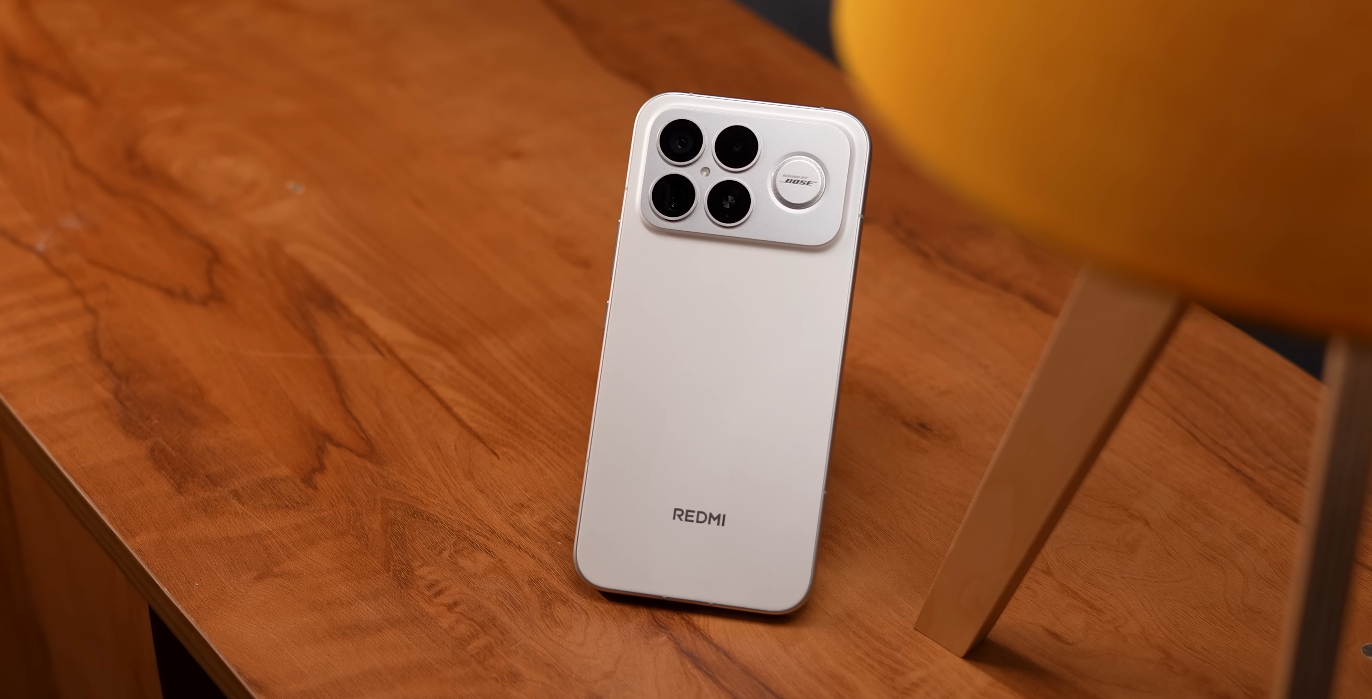
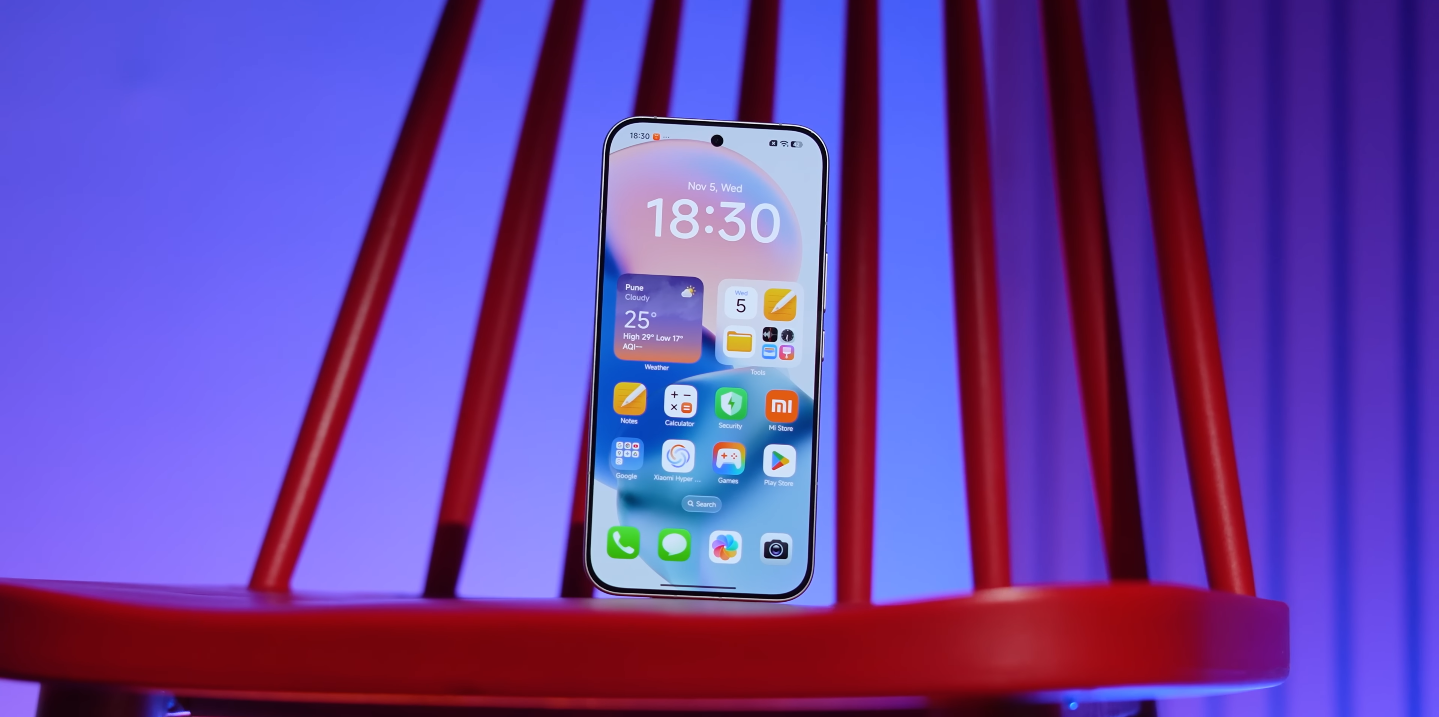
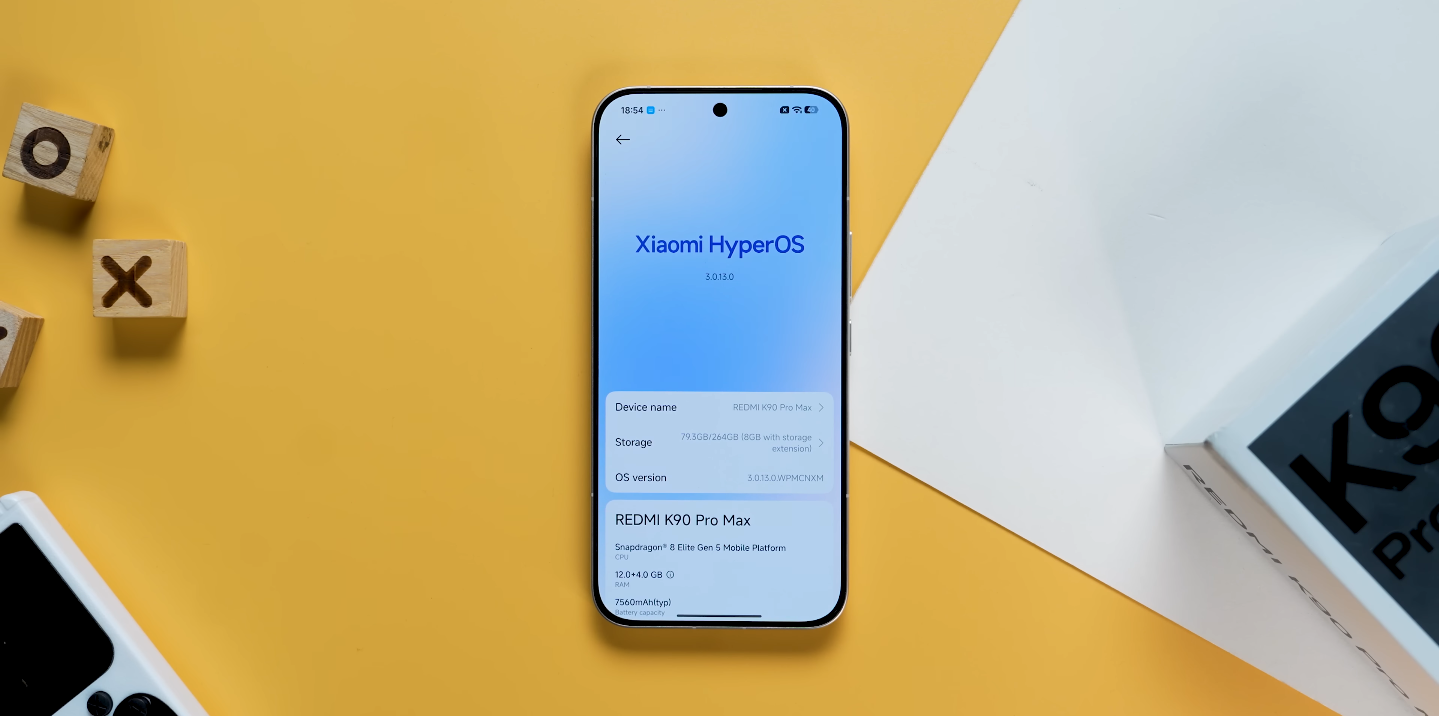
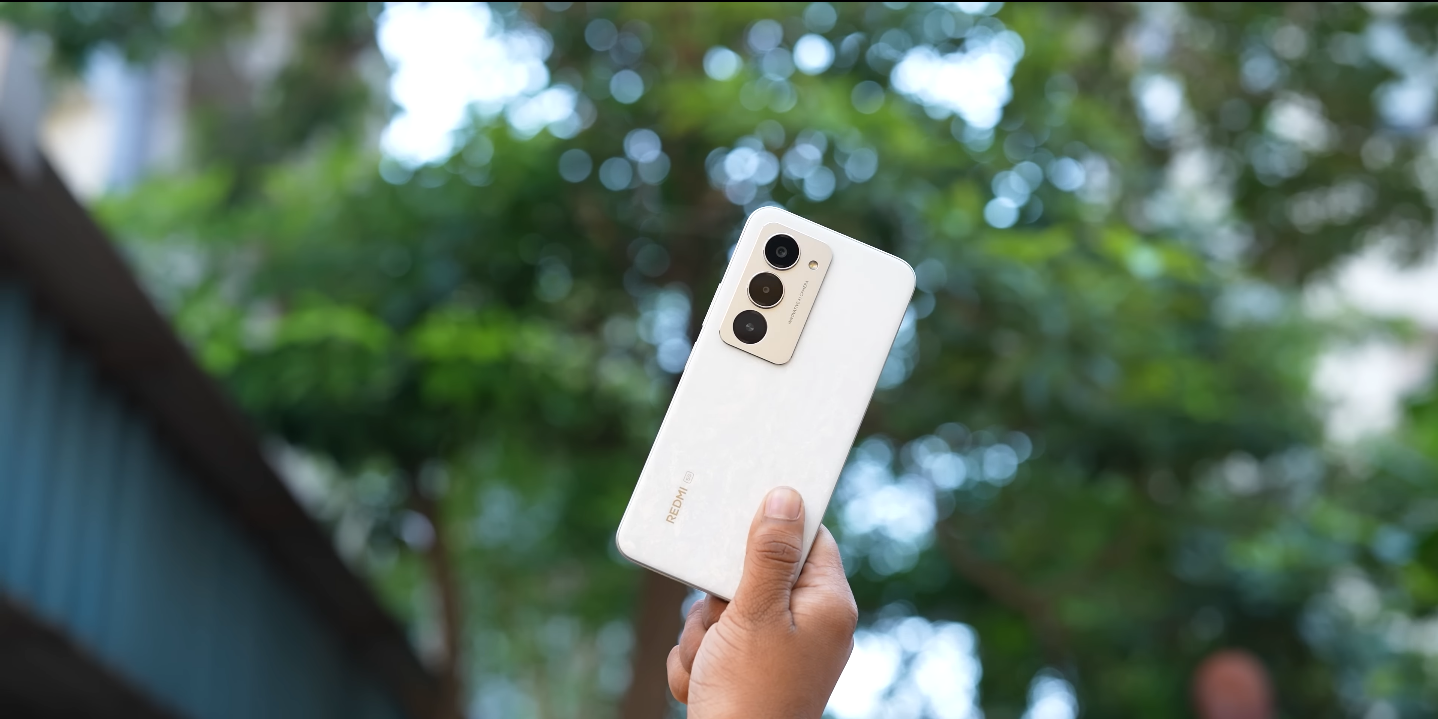
Redmi is once again in the spotlight with fresh leaks revealing an unexpected design twist for its upcoming flagship, the Redmi K90 Pro Max. The latest images and insider details show a variant featuring a denim-textured back, a move that blends fashion with technology. This unique approach has sparked a wave of curiosity, with many asking whether it’s a genuine innovation or simply a stylish gimmick meant to grab attention.

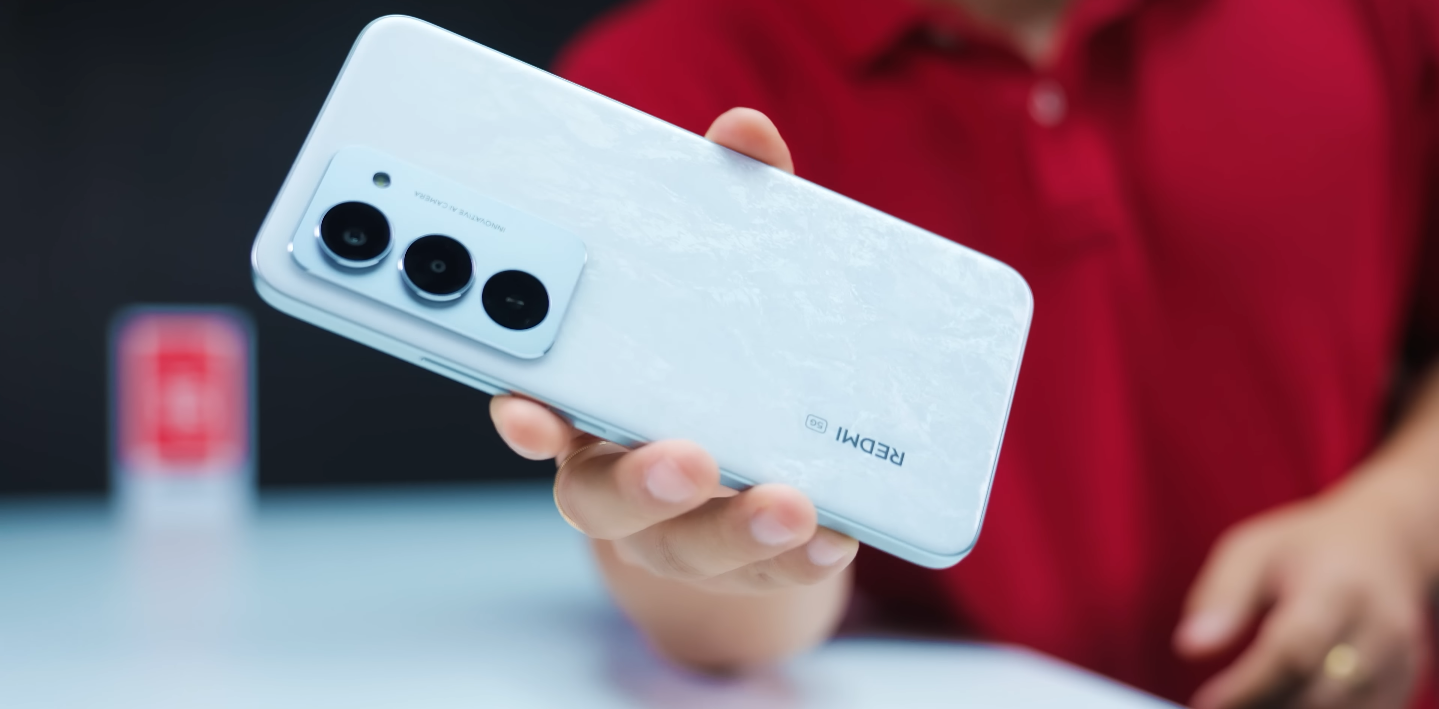
The Redmi K90 Pro Max is already expected to launch as one of the brand’s most premium offerings, boasting cutting-edge hardware and an ambitious design language. The denim-backed edition, however, adds a new dimension to its appeal. Instead of traditional glass or metal finishes, Redmi appears to be experimenting with a fabric-inspired look, reportedly achieved using a high-grade nano-leather material treated to resemble denim.

This texture is said to provide a tactile feel that mimics the rugged softness of denim while maintaining durability and resistance to everyday wear. The company’s goal seems to be balancing style and practicality, offering a smartphone that looks and feels distinctive yet remains functional in daily use. It’s a daring step that challenges the industry’s usual obsession with glossy glass finishes and minimalist aesthetics.

Redmi K90 Pro Max design leak shows denim-backed variant – stylish or gimmick

From a visual standpoint, the denim variant certainly stands out. The subtle weave pattern and matte finish give the phone a modern yet casual personality, something that could appeal to younger audiences and style-conscious buyers. Unlike mirror-polished glass surfaces that easily collect fingerprints and smudges, the denim-like finish is expected to resist marks and scratches, making it a more practical choice for long-term use.

That said, questions remain about durability. While glass and metal are proven over time, fabric-inspired finishes can wear differently, especially along the edges and corners. Some early users might worry that friction from pockets or cases could gradually dull the texture or cause uneven fading. Redmi’s challenge will be proving that this innovative coating is more than just a short-lived novelty.

Beyond looks, Redmi’s decision to experiment with materials highlights a growing trend in smartphone design. Brands are searching for ways to make devices feel more personal, tactile, and sustainable. By introducing a material that mimics denim, Redmi is not only tapping into a familiar fashion symbol but also hinting at new possibilities in custom finishes and texture-driven design. This could spark broader experimentation across the industry if it proves successful.

For potential buyers, however, the denim finish may come down to personal taste. Those who prefer a classic, premium aesthetic might still lean towards the standard glass variant, while trendsetters could see the denim version as a refreshing change. The practicality also depends on usage habits. Users who often use protective cases may rarely see or feel the texture, limiting its impact to the unboxed look.

In terms of ergonomics, the denim-like surface may provide improved grip compared to slippery glass backs, reducing the chances of accidental drops. The added texture can also make the phone more comfortable to hold during long sessions. This subtle advantage could make the design more functional than it first appears, appealing to those who value both comfort and appearance.

Whether this design becomes a success or fades as a marketing experiment will depend on execution. If Redmi manages to deliver a finish that feels premium, lasts long, and genuinely enhances usability, the denim edition could set a new trend. However, if it falls short on practicality or durability, it risks being labelled as little more than a design gimmick meant to create buzz.

In the end, the denim-backed Redmi K90 Pro Max embodies a bold attempt to redefine smartphone aesthetics. It’s a fusion of fashion and function that could either signal a new direction for phone design or serve as a reminder that style alone cannot carry a flagship device. For now, it’s an intriguing glimpse at how far brands are willing to go to stand out in a crowded market — and whether innovation in design can be as impactful as innovation in technology.
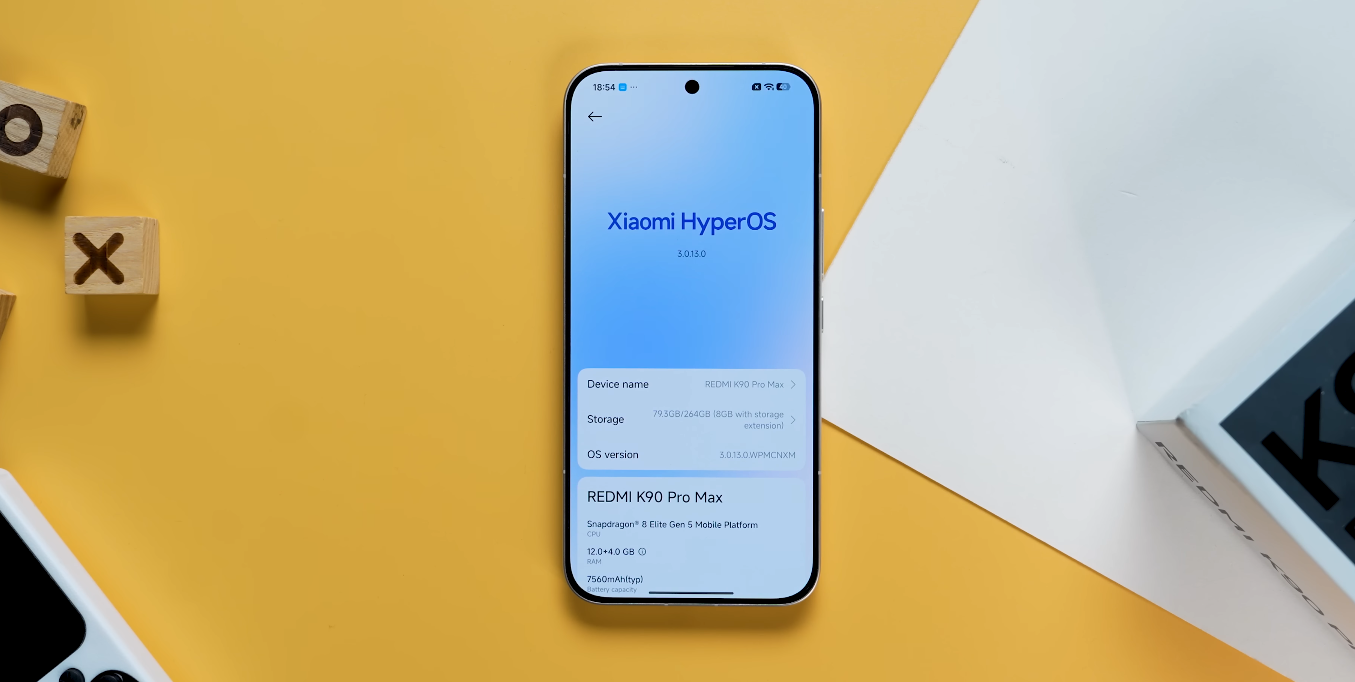
Redmi K90 Pro Max display brightness hits 3,500 nits — perfect for UK sunlight

Redmi K90 Pro Max display brightness hits 3,500 nits — perfect for UK sunlight

Extreme peak luminance sets new clarity expectations outdoors

Xiaomi’s latest display communications have focused heavily on extreme peak brightness levels, and the Redmi K90 Pro Max has been highlighted as pushing to 3,500 nits in peak conditions. This figure sits well above mainstream flagships currently circulating in western markets, and it represents a deliberate move to prioritise outdoor legibility alongside HDR headroom. For UK readers, this matters because even though the UK is not known for constant sunshine, the low-angle glare that appears on bright winter days can make standard displays wash out.

Peak brightness specifications are usually measured in very specific visual modes, and Xiaomi has been framing 3,500 nits as a hardware capability rather than a default baseline. That means the system only reaches the extreme level in particular highlight conditions, such as HDR scenes or high-contrast outdoor sunlight events. The advantage for UK users is that this kind of peak luminance keeps shadows visible against bright reflections, and text remains crisp even when the sun reflects strongly from glass or metal surfaces.

Xiaomi’s display briefings have presented higher luminance partly as an HDR enabler. When a panel has more headroom, it can stretch bright highlight zones without forcing the whole frame to rise, and this maintains colour consistency. For users in the UK who stream HDR content on trains or during commutes, having headroom makes the footage look less flat and enables more dynamic tonal pops. It also prevents the panel from overdriving unnecessarily when conditions change quickly.

Redmi K90 Pro Max display brightness hits 3,500 nits — perfect for UK sunlight

Another practical angle is daylight mapping. Higher peak brightness allows the phone to run more comfortably in mid ranges without needing to push the system close to thermal limits. If a screen can hit 3,500 nits, then running at 800 to 1,200 nits becomes easier and more stable in typical real-world outdoor sessions. For UK users who jump between indoor office work and outdoor pavement walking, this smoother control means fewer sudden dips or surges.

Panel efficiency matters too. Higher peak values have historically risked heavy battery drain, but Xiaomi has been emphasising improved drive efficiency. The company has been presenting its display work in parallel to its silicon-carbon battery efforts, which suggests a combined strategy. For UK readers, the interplay between brightness and battery is critical because long battery life is one of the clearest user-priority features, especially when mixed-use data, messaging and maps are common.

Colour volume also benefits when the system has a higher luminance ceiling. Saturation can hold better at high light levels, and mid tones can keep shape. With the UK’s reflective surfaces in busy areas like glass-front retail and metal urban street furniture, this can reduce the way colours wash out. The continuity between indoor cinema-like viewing and outdoor clarity is part of the reason OLED peak brightness has become a major marketing headline.

Improved sun mode behaviour also matters for maps. UK drivers and walkers rely on navigation that needs to remain viewable at a glance, not only when glare is minimal. Higher peak brightness makes it easier to spot lane markers, junction arrows, and location markers without needing to shade the screen with a hand. Even brief moments of clarity provide smoother navigation flow, especially in bright mid-day winter sun.

There is another subtle benefit: reflections become more manageable. When brightness is significantly higher than reflection intensity, the image dominates instead of the reflection dominating. That makes the phone more usable as a photographic reference screen outdoors. For UK users capturing shots of architecture or landscapes, the preview gains clarity that improves framing accuracy.

The longer-term implication is that brightness is now a strategic spec, not a side detail. The 3,500 nit statement acts as a benchmark that pushes expectations across the segment. The UK audience has become increasingly performance aware, and display legibility matters more than small synthetic differences in processing. This is why the brightness figure is resonating so much.

In the broader picture, the Redmi K90 Pro Max’s extreme peak brightness capability signals a shift in Xiaomi’s display priorities. Instead of focusing only on colour charts or resolution numbers, the brand is now addressing real-world use conditions. For the UK market, where sun appears less predictably but still produces hard reflections, this top-tier luminance headroom is one of the clearest and most immediately visible upgrades a modern flagship can deliver.

Redmi 15 vs Samsung Galaxy S older model: value proposition

Redmi 15 vs Samsung Galaxy S older model value proposition

Can a new budget phone beat an old flagship?

The Redmi 15 and older Samsung Galaxy S models, such as the Galaxy S21 or S20, represent two different philosophies in smartphone design. One focuses on delivering the best possible value in the budget segment, while the other offers once-premium features that still hold up years later. For UK buyers, the question is simple — should you buy a brand-new Redmi 15 or invest in an older Galaxy S flagship that has dropped in price?

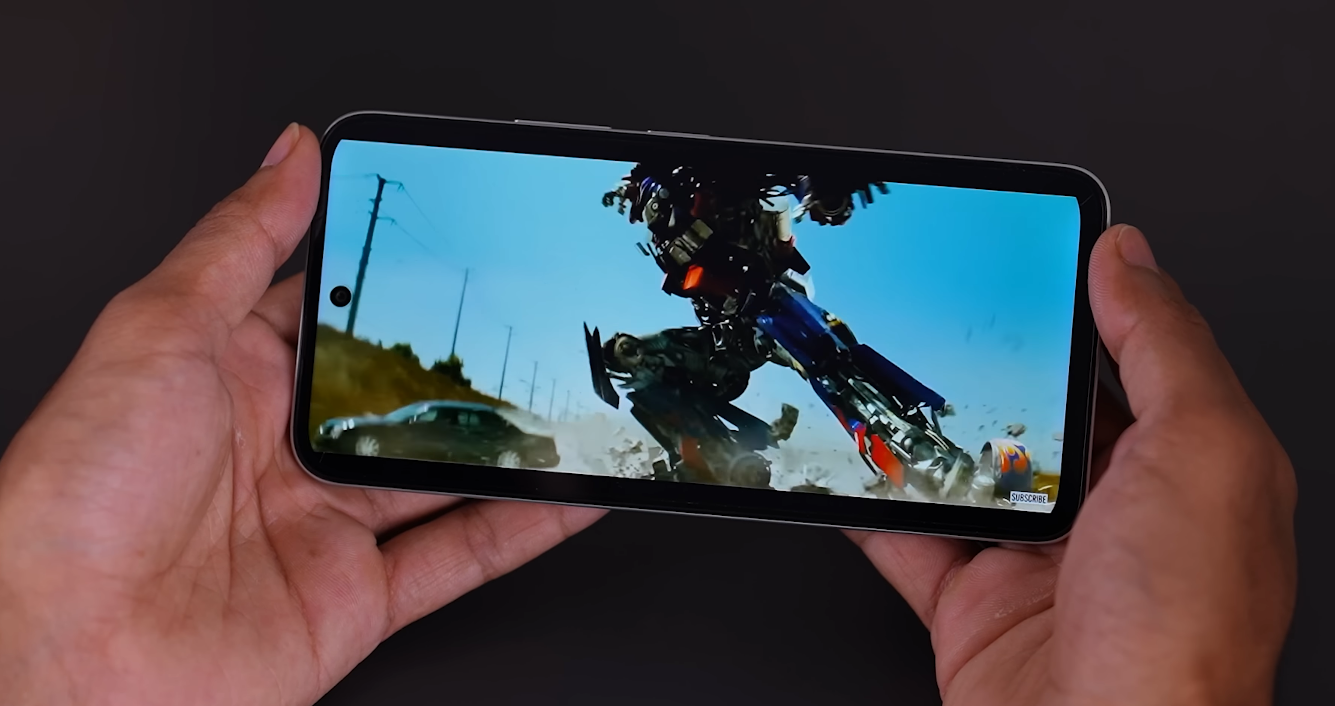
The Redmi 15 enters the market as a strong contender in the mid-range category, offering a 6.9-inch 144Hz display, a massive 7,000 mAh battery, and a Snapdragon 6s Gen 3 processor. It’s a phone built for endurance and everyday usability, aimed at those who value practicality and longevity. Despite its affordable price, it brings modern design, 5G capability (in some variants), and Xiaomi’s latest HyperOS software based on Android 14.

By comparison, older Samsung Galaxy S models like the S21 and S20 were once flagships and continue to deliver exceptional performance. They feature high-quality AMOLED displays, IP-rated designs, superior camera systems, and refined build quality. While they lack the oversized battery or ultra-high refresh rate of the Redmi 15, they excel in areas that define premium devices — particularly display calibration, camera consistency, and overall finish.

Redmi 15 vs Samsung Galaxy S older model value proposition

Performance is one of the clearest distinctions between the two. The Redmi 15’s Snapdragon 6s Gen 3 is a solid mid-range processor optimised for power efficiency and daily smoothness. It’s designed to handle multitasking, streaming, and gaming comfortably but isn’t intended for heavy-duty processing. The Galaxy S21’s Exynos 2100 or Snapdragon 888 chip, though older, remains significantly more powerful. In benchmarks and real-world use, it handles demanding games and editing tasks better, showing the lasting strength of older flagship silicon.

Battery life, however, is where the Redmi 15 pulls ahead. Its 7,000 mAh cell easily outlasts the S21’s 4,000 mAh battery by a wide margin. Even with its large screen and high refresh rate, the Redmi can deliver up to two days of moderate use, while the Samsung typically needs daily charging. For users prioritising endurance and less frequent charging, the Redmi’s efficiency makes it a clear winner.

Camera quality still tilts in Samsung’s favour. The Galaxy S-series has long been known for superior image processing, optical image stabilisation, and more consistent low-light performance. The Redmi 15’s 50MP main sensor performs well in daylight but lacks the depth and dynamic range of Samsung’s older flagship cameras. Users who care about photography quality, particularly for travel or night shots, will likely prefer the Galaxy S experience.

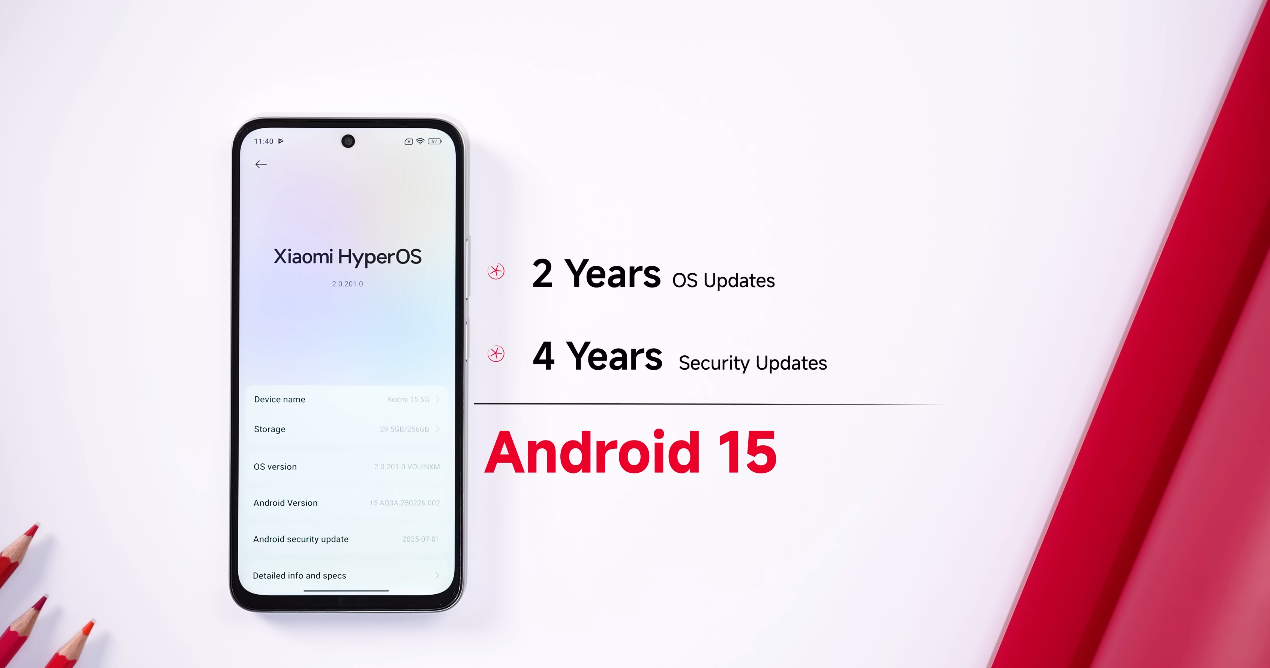
Software updates and support are another major consideration. Samsung offers extended Android and security updates for its flagship devices, even older ones, often covering four to five years. Redmi’s update promise for the 15 includes two major Android upgrades and four years of security patches. While respectable for a budget phone, it doesn’t match Samsung’s longer-term commitment, making the Galaxy S series more appealing for users planning to keep their phone for several years.

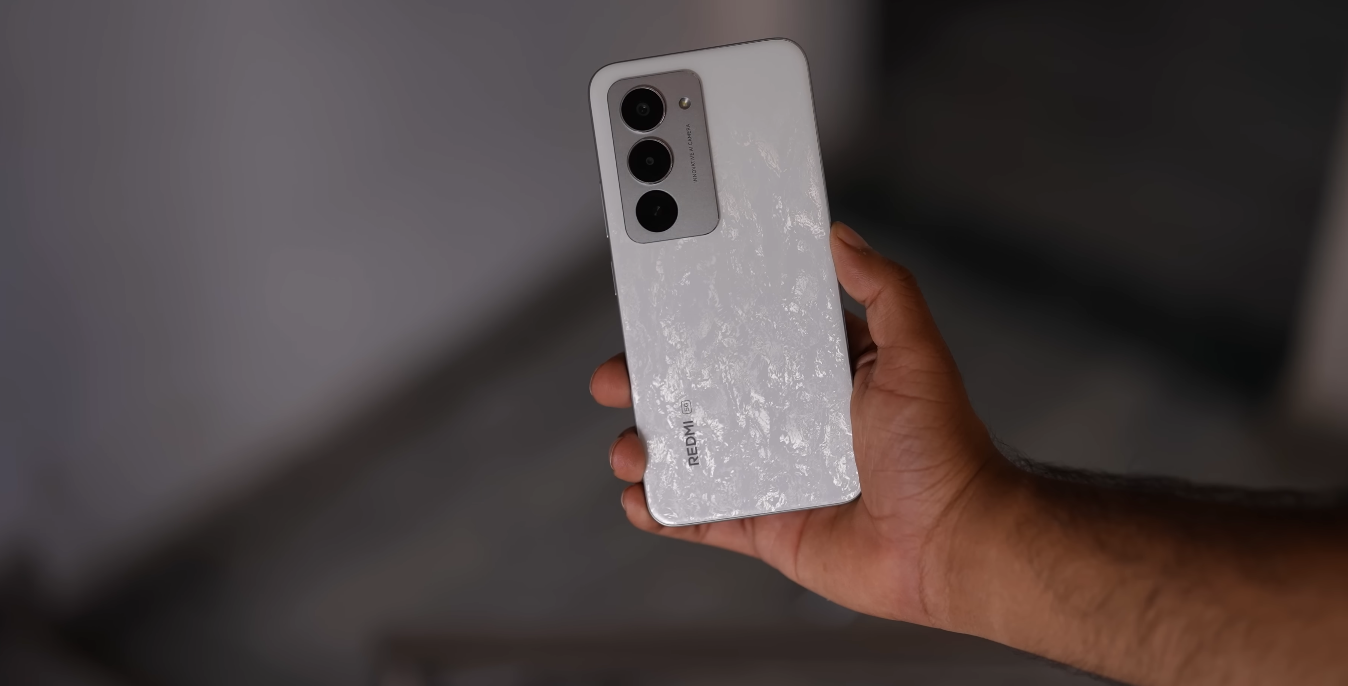
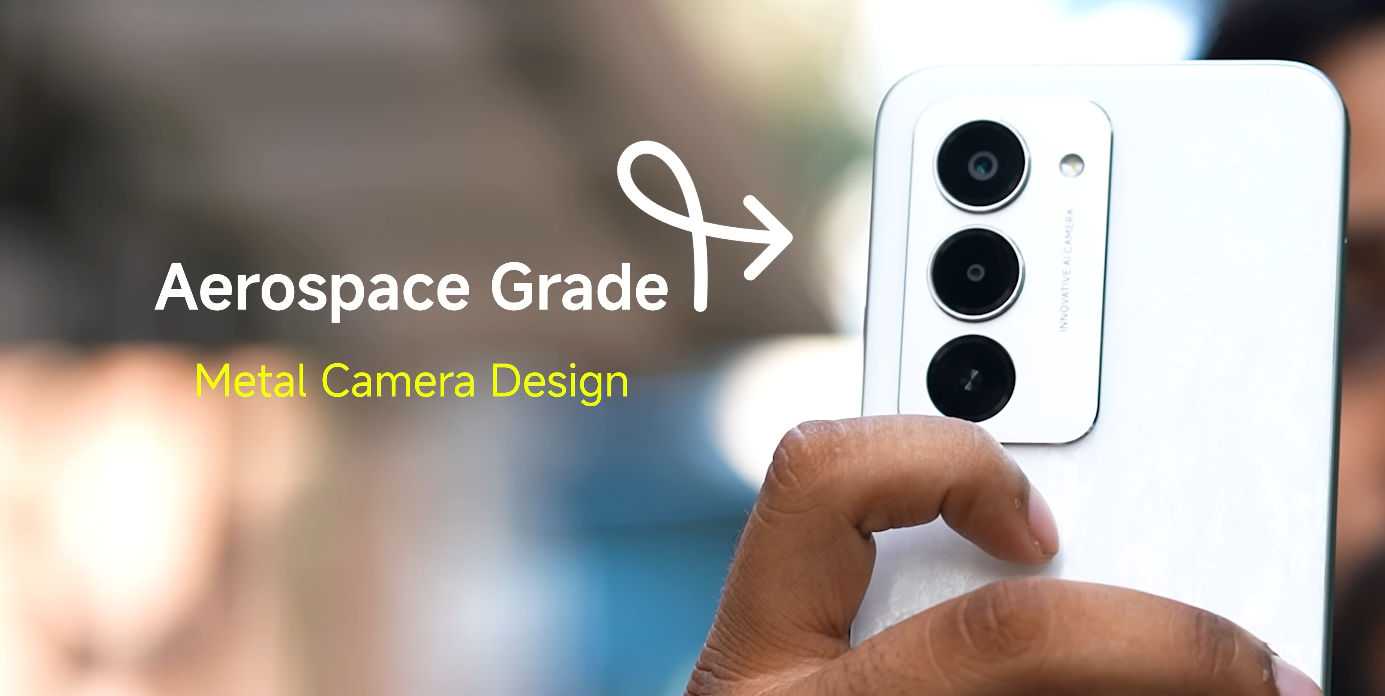
In terms of design, the Redmi 15 features a modern aesthetic with bold colour options like Titan Grey and Sandy Purple, alongside a lightweight matte finish. The Galaxy S21 retains its premium glass-and-metal feel, compact form factor, and water resistance — qualities that still outclass most budget phones. While the Redmi 15 feels solid, it’s built from plastic and lacks the premium touch of an older flagship.

Price remains the deciding factor for many buyers. The Redmi 15’s base model, priced around £159, delivers immense value with modern features, long battery life, and reliable performance. Older Galaxy S models, now available between £250 and £350 for refurbished or lightly used units, still justify their price for users prioritising brand trust, camera excellence, and overall refinement.

Ultimately, your choice depends on what matters more. The Redmi 15 offers unbeatable value, modern specs, and incredible endurance for everyday users who want a worry-free device. The older Galaxy S models, though pricier, deliver superior camera performance, build quality, and software longevity. For UK buyers seeking a dependable daily phone on a budget, the Redmi 15 makes more sense. But if you crave a flagship experience and don’t mind a slightly older design, the Samsung Galaxy S still holds the edge in premium feel and performance.

Redmi 15 UK import cost: shipping, customs, warranty – things to know

Redmi 15 UK import cost shipping, customs, warranty – things to know

Key considerations before importing rather than buying UK-stock

Importing the Redmi 15 into the UK can seem appealing when you find a lower price overseas. But it’s not just the sticker price that matters—shipping, customs, warranty and compatibility all influence the real cost and user experience. This article outlines what you need to check and whether importing makes sense.

Firstly, warranty rights differ depending on where the phone is sold. UK purchases from authorised retailers come with UK warranty and consumer protection. Imported units are often excluded from UK warranty support unless the seller explicitly includes it. For example, the manufacturer may note that “products purchased outside the UK are not covered by UK warranty.” This means repair costs, downtime and support will fall to you if something goes wrong.

Shipping and customs add cost. When importing, you must add shipping fees, and potentially customs duty or UK VAT. Many overseas sellers list a low price, but by the time you add shipping, import VAT and possible handling fees, the final cost may approach or exceed the UK retail price. You also may pay higher shipping or slower delivery, and return logistics may be complex.

Redmi 15 UK import cost shipping, customs, warranty – things to know

Network compatibility and software are another factor. UK-stock devices ensure full support for UK network bands, regulatory certification and suitable firmware. Imported units might lack certain 5G bands, UK carrier optimisation or up-to-date UK firmware. This can impact coverage, update frequency and resale value.

Service and parts availability matter. If you have an authorised UK serial number, service centres will more easily source parts and charge typical UK labour rates. Imported models may require parts special-order, incur longer turnaround or higher costs. If you rely on your phone daily (work, study, commuting), downtime matters.

So: is importing worth it? It depends on the margin and your risk tolerance. If your final total cost (including shipping and VAT) is significantly (for example 20% or more) below the UK-stock price, you’re comfortable accepting support limitations and you plan to upgrade relatively early, the import route might make sense. If the saving is marginal or you plan to keep the phone longer, buying the UK-stock model might be the better value overall.

In conclusion, importing the Redmi 15 can be viable—but you should calculate your full cost (price + shipping + VAT + risk) and compare with UK-stock deals. Factors like warranty, network compatibility, customer service and resale value tilt the balance. For most UK buyers who plan to keep a phone for two or more years and want peace of mind, buying UK-stock is the safer path.

Redmi 15 vs Asus Zenfone budget line: value showdown

Redmi 15 vs Asus Zenfone budget line value showdown

Comparing two budget contenders for real-world value

The budget smartphone market is more competitive than ever, and two names often discussed by value-seekers are the Redmi 15 and the Asus Zenfone budget line. While one represents a modern entry with updated hardware and current-generation features, the other has built its reputation on reliability and clean software at a lower cost. This comparison looks at how both models hold up today, especially for UK users deciding which option delivers the best return for their money.

The Redmi 15 arrives with modern design cues, a large display and a strong focus on battery life and everyday performance. It represents the latest wave of budget devices aiming to offer premium-style features without raising prices too far. The Asus Zenfone budget segment, particularly models like the Max Pro series, follows a different strategy. These phones are known for simplicity, lightweight software and longevity, although their hardware now shows age compared to newer budget releases.

In terms of display, the Redmi 15 clearly targets users who want more screen for media, reading and multitasking. Its large panel and high refresh rate give it a more fluid and modern feel, making it appealing for streaming, scrolling and general use. Asus Zenfone budget models traditionally feature smaller and more modest screens designed for everyday practicality. They remain comfortable for basic use, but they lack the visual punch of newer rivals.

Redmi 15 vs Asus Zenfone budget line value showdown

Performance is another defining point between these phones. With newer chipsets powering the Redmi 15, the experience feels more responsive when launching apps, switching tasks or using heavier features. This makes it better suited for daily users who rely on their phone for both communication and productivity. Asus Zenfone budget models run on older processors, which can still handle essential tasks well but fall behind under pressure from modern apps and updates.

Battery life remains a strength for both approaches. The Redmi 15 packs a significantly larger battery, offering long endurance even with its bigger screen. This makes it suitable for long days, travel or workloads that involve constant use. The Zenfone line, although smaller in capacity by today’s standards, was designed with efficiency in mind and can still offer good runtime for basic use. However, charging speeds and battery longevity favour the newer Redmi model.

Camera capability often influences budget phone choices, and here the age gap makes itself clear. The Redmi 15 features a higher-resolution primary sensor and newer processing, resulting in more detailed shots and better low-light performance for its class. Asus Zenfone budget models deliver perfectly usable photos for social use but lack the refinement, speed and clarity offered by newer hardware. For users valuing photography, this difference may matter more than expected.

When it comes to pricing, both have strengths depending on your expectations. The Redmi 15 sits firmly in the modern budget bracket with a price aimed at value without deep compromise. Its feature set aligns well with its cost, making it suitable for users wanting a reliable main phone for several years. The Asus Zenfone budget range is often available at much lower pricing, especially in refurbished or older-stock markets. This is attractive for ultra-budget buyers who only need basics and are willing to accept older hardware in return.

Trade-offs ultimately define the decision. Choosing the Redmi means accepting its position as a modern budget handset with some limitations in build quality, camera extras or long-term premium features. But in return, it offers a more up-to-date experience, better performance and a longer usable lifespan. The Asus Zenfone option gives you genuine affordability and simplicity, but at the cost of hardware that may struggle with newer apps or fail to keep up over time.

For UK buyers in particular, the choice depends on how long you intend to use the phone and what features matter most. If you need a reliable daily device with updated specs, better performance and a larger battery, the Redmi 15 stands out as the more balanced option. Its modern hardware and wider feature set make it a stronger long-term value. If you simply want the lowest possible cost and your usage involves minimal apps and light communication, the Asus Zenfone budget models remain viable, provided you understand their age and limitations.

Overall, the value showdown leans in favour of the Redmi 15 for most everyday users. Its combination of display quality, performance, battery strength and updated hardware makes it a more future-proof choice in the budget category. The Asus Zenfone budget line still serves a purpose, but mainly for buyers with very limited budgets or extremely light usage needs. For a balanced mix of cost, capability and durability, the Redmi 15 takes the lead in this comparison.

Redmi K90 Pro Max accessories you need at launch: charger, case, screen-protector

Redmi K90 Pro Max accessories you need at launch charger, case, screen-protector

Essential Accessories for Redmi K90 Pro Max Buyers in the UK

The Redmi K90 Pro Max is one of the most advanced Redmi flagships yet, and like every premium smartphone, it deserves the right accessories from day one. With its large display, glass back, and high-speed charging support, there are a few essentials that UK buyers should prioritise at launch to keep their new device protected and performing at its best.

First and foremost, the charger. The Redmi K90 Pro Max supports up to 100W wired charging, meaning it can refill its large battery in less than half an hour. However, buyers should note that depending on the retail box configuration, the official charger may not always be included in certain UK or EU bundles. Investing in a certified 100W GaN charger with USB-C Power Delivery ensures you get full-speed, efficient charging while staying future-proof for other devices as well.

Next on the list is a protective case. The phone’s design, with its large display and premium glass back, makes it stunning to look at but also prone to damage from accidental drops or bumps. A slim TPU case is ideal for everyday users who prefer light protection while keeping the phone’s profile intact. On the other hand, those who work outdoors or travel frequently may benefit from a rugged shockproof case that adds extra grip and impact resistance, especially helpful during wet UK winters.

Redmi K90 Pro Max accessories you need at launch charger, case, screen-protector

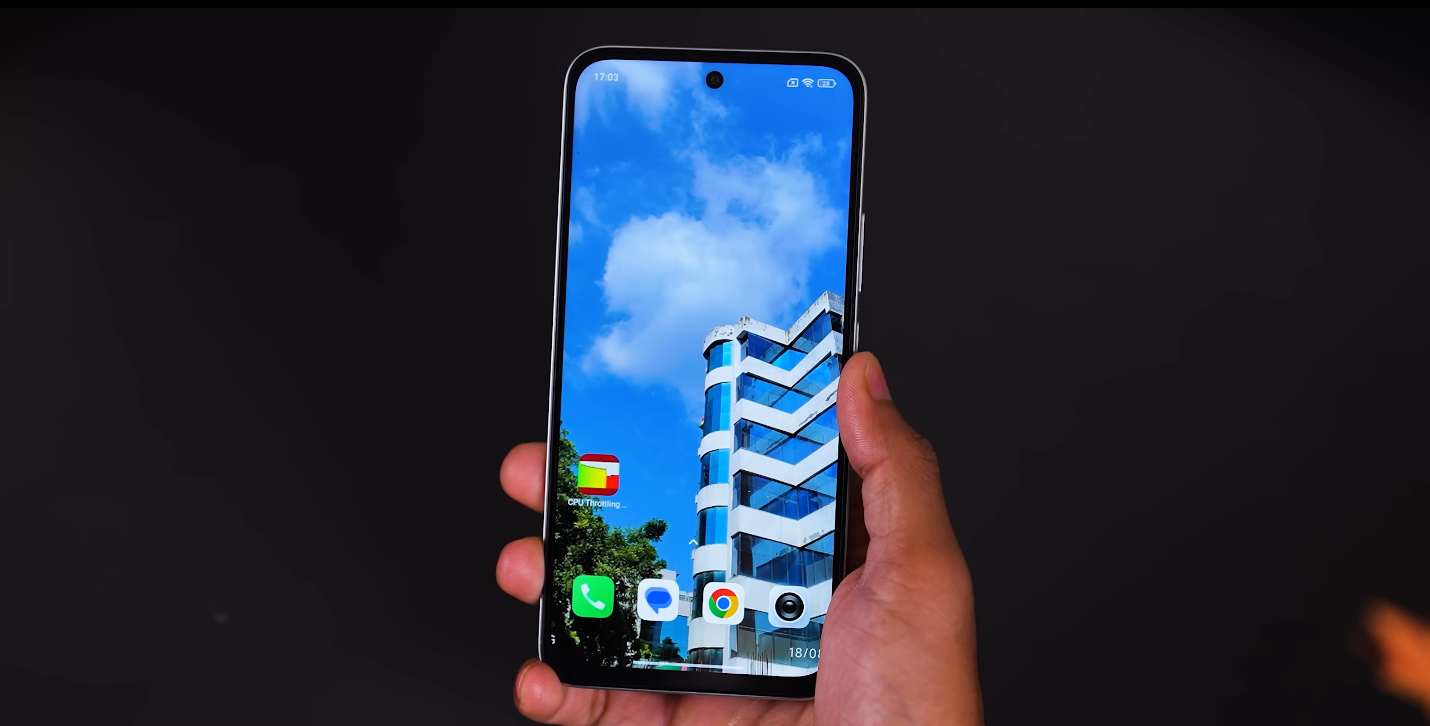
A good screen protector is equally essential. The Redmi K90 Pro Max’s nearly 7-inch AMOLED panel offers bright visuals and smooth performance, but it can easily pick up scratches from keys or dust. Tempered glass screen protectors provide the best protection without compromising touch sensitivity or colour clarity. Matte variants are also available for those who prefer reduced glare, particularly useful under the softer daylight and overcast skies typical in the UK.

Beyond the basics, buyers can also consider full-coverage protectors that shield both the front and back glass. Some accessories combine the two, offering scratch resistance and minor shock absorption. These are useful for those who prefer to keep the device naked but still want a layer of defence against scuffs and fingerprints.

Cable quality is another factor that shouldn’t be ignored. High-speed charging requires high-quality USB-C cables capable of handling 100W output. Generic or low-rated cables may limit charging speed or generate heat. Reputable UK brands such as UGREEN and Anker offer certified cables that maintain both safety and efficiency when paired with Redmi’s fast-charging setup.

It’s also worth noting that UK buyers should ensure the charger plug is region-compatible. Imported chargers may require an adaptor or may not comply with UK voltage standards. Opting for an official or CE-certified UK plug ensures both safety and convenience when charging daily.

For those who travel frequently or use their phone on the go, an additional protective pouch or a magnetic stand case can add practicality. These accessories help prevent slips or drops while offering hands-free viewing options during commutes or long journeys.

When it comes to personalising the look, transparent cases remain popular for showing off the phone’s design, especially if you opt for one of the K90 Pro Max’s distinctive finishes. Meanwhile, matte-finish or frosted cases give a professional look while reducing fingerprints — a small but noticeable benefit in everyday use.

In conclusion, the must-have accessories for the Redmi K90 Pro Max at launch include a reliable 100W GaN charger, a durable case that suits your lifestyle, and a quality tempered glass screen protector. These essentials not only protect your investment but also ensure you get the best day-to-day performance. For UK buyers, prioritising compatibility, build quality, and proper certification will make a significant difference in both safety and long-term durability.

Redmi K90 Pro Max cooling system overview: can it handle gaming marathons?

Redmi K90 Pro Max cooling system overview can it handle gaming marathons

How the cooling design manages sustained performance

The Redmi K90 Pro Max has arrived with particular focus on performance stability, especially for users who spend long periods gaming. With a high-end processor and a large, fast display, heat management becomes a key part of its overall capability. Redmi has therefore implemented an upgraded internal cooling architecture that aims to maintain smooth gameplay for extended sessions without allowing temperatures to climb too high. The phone is positioned to offer flagship-level performance while keeping performance drops under control.

At the core of the thermal system is a sizeable vapour chamber that sits directly above the main processing components. This chamber is complemented by multi-layer graphite, copper materials and heat diffusion channels designed to spread heat away from hotspots. The size and structure are intended to move heat across a wider surface area, which allows the phone to cool more efficiently during periods of sustained load, such as continuous high-refresh-rate gaming.

The chipset inside the Redmi K90 Pro Max is engineered for performance, and naturally generates heat when operating at full capacity. The cooling system’s role is to prevent that heat from remaining concentrated. By keeping the temperature balanced, the phone can avoid excessive thermal throttling, in which the hardware reduces its speed to protect itself. With stable thermals, the device is able to maintain higher frame rates for longer periods, which is particularly important for competitive and fast-paced games.

Redmi K90 Pro Max cooling system overview can it handle gaming marathons

In practical terms, this means gamers should expect consistent performance during common session lengths of 30 minutes to an hour. The phone remains comfortable to hold during this period for most users, and performance remains smooth. The heat spread across the chassis helps reduce the sensation of a single overheating spot, which can otherwise make long gaming sessions unpleasant. The design also considers grip placement, so warmth is less noticeable where fingers typically rest.

During multi-hour gaming usage, heat naturally does build, but the system helps delay the onset of performance reduction. Instead of a sharp decline in speed, the phone tends to step down performance gradually. This can help maintain playability without sudden drops that disrupt the experience. While very long sessions at maximum brightness and highest settings can still push the phone toward higher temperatures, the behaviour remains predictable and manageable.

The phone’s battery capacity contributes indirectly to thermal stability. A larger battery can distribute electrical load more efficiently, reducing the strain that sometimes increases heat output during demanding tasks. Combined with power management software, the phone can adjust performance levels intelligently to balance heat, battery draw and processing power. This helps support sustained gaming where battery life and heat are both important considerations.

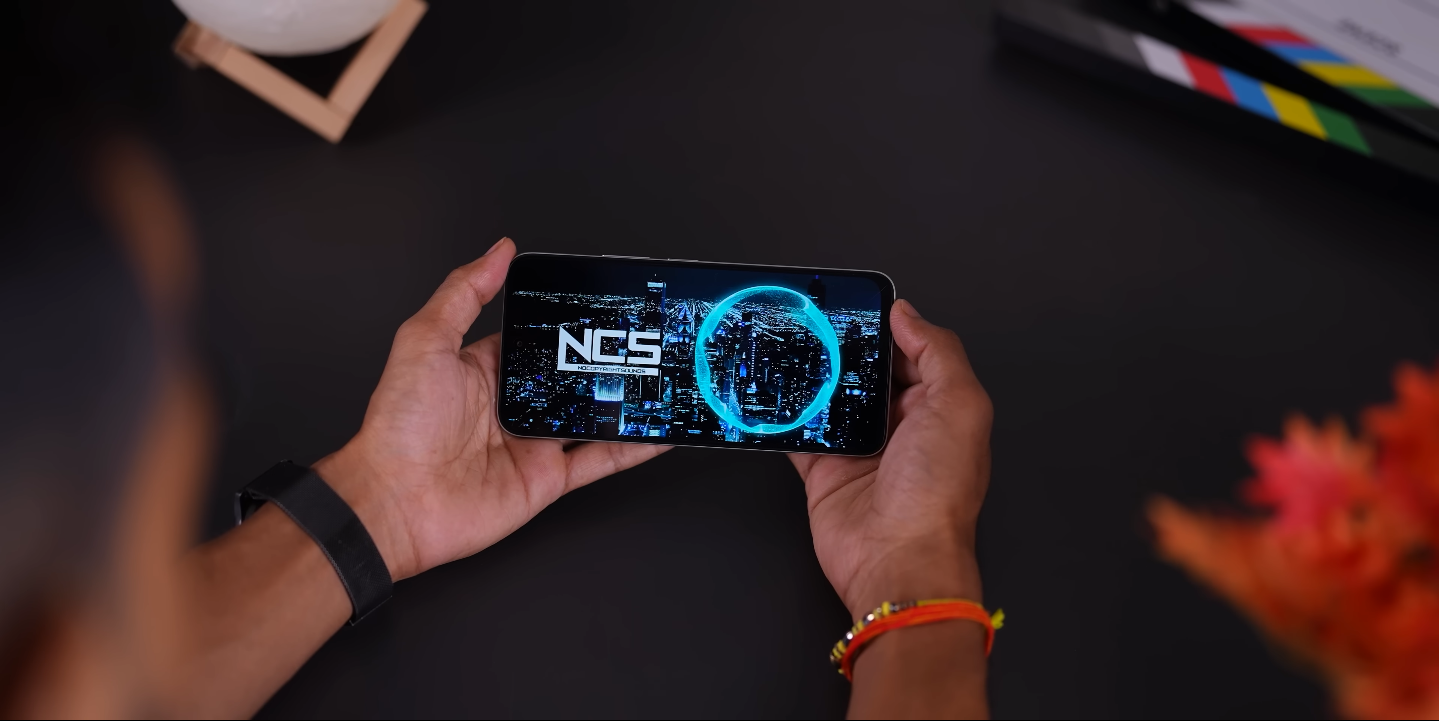
The high-refresh-rate display also plays a part in heat generation, especially when games are played at maximum frame settings. The Redmi K90 Pro Max includes options to adjust refresh rate dynamically, lowering it during less demanding scenes. This reduces heat build-up without visually interrupting gameplay. Users who prefer maximum consistency can lock settings to their preference, but the adaptive mode offers a good balance for most everyday gaming.

For UK users, ambient temperature can make a noticeable difference in gaming comfort. In cooler indoor climates, the phone’s cooling system performs particularly well, as external conditions assist heat dissipation. In warmer situations, especially outdoors or during summer, the phone may warm more quickly, though still remains within expected operating limits. A case can slightly reduce heat dissipation, so frequent gamers may prefer slimmer covers.

Overall, the Redmi K90 Pro Max demonstrates a strong thermal design suited to sustained performance. It does not eliminate heat entirely, as no smartphone can under heavy load, but it does manage it intelligently and effectively. The large vapour chamber and layered cooling approach enable the device to maintain responsiveness over long sessions, appealing to users who enjoy extended gaming without frequent breaks.

In conclusion, the Redmi K90 Pro Max is well equipped to handle gaming marathons when used in realistic conditions. The cooling system provides a stable platform for high-performance gameplay, and performance remains consistent for extended periods before gradual adjustments occur. For gamers seeking a phone that balances speed, endurance and heat control, it stands as a capable and well-considered option in the current flagship space.

Redmi 15 vs budget flagship killers: which is the smarter buy?

Redmi 15 vs budget flagship killers which is the smarter buy

Choosing between ultra-budget value and mid-range power

The Redmi 15 has positioned itself as one of the most appealing ultra-budget phones of its launch year, while so-called “budget flagship killers” sit just above it in price but promise much more power. For UK buyers trying to decide whether to save money or spend a little more, the comparison comes down to practical performance, long-term value and the type of user you are. This breakdown looks at both options to help you identify the smarter purchase.

The Redmi 15 aims squarely at price-sensitive buyers who want strong essentials without pushing into mid-range territory. With its large battery, smooth high-refresh display and respectable camera system, it exceeds expectations for a phone in its price bracket. This makes it a natural choice for students, light users and anyone who prioritises cost over advanced photography or raw performance.

Budget flagship killers, on the other hand, sit in the next tier up and are built for buyers who want near-flagship performance at a reduced price. These devices typically feature more powerful processors, better camera hardware and AMOLED displays with higher brightness or resolution. They also tend to offer longer software support, making them viable for use over several years. Their price, however, is noticeably higher than the Redmi 15.

Redmi 15 vs budget flagship killers: which is the smarter buy?

Performance is a major point of separation. The Redmi 15’s chipset is suitable for everyday use—browsing, messaging, social media and light gaming—without issues. But if you run heavy games, video editing apps or intensive multitasking, a budget flagship killer will handle it far more comfortably. The difference becomes more obvious over time as newer apps demand more processing power.

The display is another factor. The Redmi 15’s high refresh rate gives it a smooth feel, yet its LCD tech limits contrast and brightness compared with AMOLED panels found in flagship killers. For users who watch a lot of media or want richer visuals, the mid-range options offer a noticeably more premium experience. Still, for general use, the Redmi 15’s screen performs better than most in its price category.

Cameras also show clear differences. The Redmi 15 is capable of reliable shots in daylight and acceptable images at night, making it suitable for social media and everyday photography. Budget flagship killers, however, often include additional lenses and superior image-processing, producing better detail, cleaner low-light shots and more creative flexibility. If photography is a key priority, the mid-range models offer more room to grow.

Battery life is one area where the Redmi 15 competes well. Its large battery provides long runtime, often surpassing phones in higher price brackets. Budget flagship killers may offer faster charging or more efficient hardware, but the overall endurance advantage often leans toward the Redmi 15, especially for users who are frequently away from chargers during the day.

Software longevity and resale value tilt the scale in favour of the flagship killers. These models receive more updates, meaning longer security coverage and feature improvements. The Redmi 15, being a budget phone, may not receive updates for as many years, which limits its long-term viability for demanding users. For buyers hoping to use the same phone for several years, this becomes a key consideration.

The question then becomes one of priorities. If you need a capable phone for everyday tasks and prefer spending as little as possible, the Redmi 15 is the smarter buy. It offers excellent value and enough features to satisfy most light and moderate users. But if you want stronger cameras, better performance and future-proofing, spending more on a budget flagship killer becomes worthwhile.

In conclusion, the Redmi 15 delivers outstanding value for money and suits buyers who want an affordable smartphone with strong battery life and reliable day-to-day performance. Budget flagship killers justify their higher price through better displays, faster processors and more advanced cameras, making them ideal for long-term, demanding use. The smarter buy ultimately depends on your personal needs and how long you plan to keep the device, but for pure affordability and everyday practicality, the Redmi 15 remains difficult to beat.

Redmi 15 vs Google Pixel 9a: which gives better pictures for less?

Redmi 15 vs Google Pixel 9a which gives better pictures for less

Camera comparison and value analysis

When choosing a smartphone based on camera performance and value, two intriguing options are the Redmi 15 and the Google Pixel 9a. The Redmi 15 positions itself in the budget segment, offering a large-sensor main camera and solid basic features for less money. The Pixel 9a, while priced higher, offers stronger optics, additional lenses and refined software processing. This article evaluates how both devices perform in photography, especially for UK buyers, and which one offers better pictures for the money spent.

Starting with the main camera specs, the Redmi 15 includes a 50 MP primary sensor and a secondary AI lens. Its front-facing camera and lens variety are modest. In contrast, the Pixel 9a features a 48 MP primary sensor plus a 13 MP ultra-wide lens, and the software from Google adds significant value to image processing. The result is that the Pixel has a more complete toolset for photography, whereas the Redmi focuses on the main camera only.

In daylight and portrait conditions, the differences become clearer. The Redmi 15 handles good lighting well, producing clean subjects, decent detail and acceptable background blur for casual social posts. The Pixel 9a, however, excels further: its portrait mode blur is smoother, edge detection is more refined, and the ultra-wide lens gives users creative flexibility. If you frequently shoot social content in good light, the Pixel provides more polish, while the Redmi remains a strong value.

Redmi 15 vs Google Pixel 9a which gives better pictures for less

Low-light photography is often where budget cameras struggle, and here the gap widens. The Redmi 15 provides usable night shots—bright enough for sharing on social media, but with visible noise and less dynamic range than premium phones. The Pixel 9a, with its larger aperture, better lens combination and mature software, delivers superior results in darker environments. For users shooting nightlife, indoor events or poorly lit scenes, the Pixel clearly leads.

Versatility is another area of distinction. The Pixel’s ultra-wide lens means you can take landscapes, group shots and creative perspectives without buying extra gear. The Redmi’s dual camera setup lacks that breadth. Also, Google’s image software offers better HDR, better low-light algorithms and more consistent results across scenarios. For a photo-focused user, this versatility and processing matter even if the price is higher.

The “less money” factor depends heavily on your budget and how you weigh camera needs. The Redmi 15 costs significantly less and offers very good camera performance for its class. If your usage is moderate—social posts, daylight photography, general snapshots—the Redmi might suffice and gives you solid value. But if you prioritise photography as a key feature—night shoots, ultra-wide shots, professional-style portraits—the Pixel 9a justifies the premium cost.

UK buyers should also consider factors beyond camera specs: software update policy, warranty, storage and model variants. Google typically offers longer software support which can benefit photography features over time. Redmi may have shorter update cycles. Cost of purchase, storage options and availability of UK camera features should all feed into your decision.

In conclusion, if I must choose: for the best overall picture quality, the Pixel 9a wins. It offers better optics, more lens versatility, and superior low-light performance. But for the best cost-to-camera value, the Redmi 15 is a very strong contender—especially if your photography needs are casual and your budget is limited. For UK users wanting “good pictures for less money”, the Redmi 15 delivers meaningful value. For those wanting “excellent pictures and willing to spend more”, the Pixel 9a is the smarter choice.

Redmi 15 vs Poco F7: specs vs price – competition analysed

Redmi 15 vs Poco F7 specs vs price – competition analysed

Value vs performance: two contenders in the smartphone field

When shopping for a smartphone in today’s hectic marketplace, two names stand out for value and performance: the Redmi 15 and the Poco F7. Although both come from the same parent company, they occupy very different segments and serve very different needs. This article examines how they compare across the board, and which might suit you better, especially if you are based in the UK and looking for a smart choice under budget constraints.

Starting with performance, the Redmi 15 is built for budget-friendly usability with reliable everyday features. It handles apps, browsing and light gaming comfortably, and offers a large battery and high refresh screen that were once reserved for far more expensive handsets. The Poco F7, on the other hand, escalates things into the higher tier with a stronger chipset, better display and improved multitasking capacity. For users who demand smooth gaming or heavy multitasking, the Poco has clear advantages.

Display and user experience are key differentiators. Redmi 15 gives you a big screen and high refresh rate, which means smoother scrolling and better visual feedback than many in its class. Its use of LCD technology keeps costs down, but also means blacks and contrast won’t quite match premium standards. The Poco F7 moves into AMOLED territory, improved resolution and more premium build quality–ideal if you stream media, game or simply appreciate superior screen technology.

Redmi 15 vs Poco F7 specs vs price – competition analysed

Camera and battery life are two areas where each model takes its strengths. The Redmi 15 features a respectable primary sensor, plenty of battery and solid daily endurance. It’s perfect for someone who prioritises longevity over headline camera specs. Meanwhile, the Poco F7 ups its camera game significantly: better sensors, more detailed front camera options and in some regions faster charging or larger battery size. For photography enthusiasts, the Poco is the more compelling option.

Pricing is where your decision might ultimately hinge. The Redmi 15 is positioned in the budget bracket, delivering many premium features at a fraction of the cost of higher end models. It makes substantial compromises in areas like screen tech and camera extras, but does so in a smart way to maximise value. The Poco F7 lands in the mid-to-upper segment and commands a higher price—but it also brings a stronger feature set that justifies the cost if you can stretch your budget.

Of course, trade-offs exist. With the Redmi 15 you must accept fewer premium materials, a standard LCD panel and moderate camera extras. If you’re happy with solid performance without top-tier bells and whistles, it’s a very clever purchase. With the Poco F7 you pay more, and some features may depend on region (battery size, charging speed, camera specifics). Also, premium phones often invite higher expectations, so real-world performance and software support become more significant.

So which is right for you? If budget is your primary constraint and you want as much feature for your money as possible, the Redmi 15 is a standout. It gives high refresh display, big battery and reliable performance without asking you to break the bank. If you’re willing to spend more for better display, stronger chipset and enhanced camera and battery features, then the Poco F7 is worth the price. It becomes a longer-term investment and a more premium experience.

Make the choice based on your priorities: screen quality, camera strength, performance demands or simply the best value. For streaming, gaming, multitasking and premium feel—the Poco F7 leads. For everyday usability, battery life, and low-cost entry into modern feature set—the Redmi 15 wins. Either way, you’re getting far more phone than was typical just a few years ago. And in this crowded market, clarity on your budget and needs will help you avoid regrets and pick the right handset for your lifestyle.

Redmi 15 vs flagship from 2 years ago: which gives more now?

Redmi 15 vs flagship from 2 years ago which gives more now

Can a new budget phone beat an older flagship in 2025?

The Redmi 15 is Xiaomi’s latest entry in the budget lineup, offering impressive specifications at a low price. But for many UK buyers, the question is whether a brand-new mid-range phone like this offers more practical value than a flagship device from two years ago. In real-world use, the answer depends on what you prioritise — performance, display, camera, or endurance.

The Redmi 15 brings some of the most generous hardware in its segment. It features a 6.9-inch Full HD+ display with a 144Hz refresh rate, a Snapdragon 685 processor, and a massive 7,000mAh battery supported by 33W fast charging. Its design is modern, lightweight, and functional, and it ships with HyperOS 2 based on Android 15. For everyday UK use, this means reliable multitasking, long battery life, and up-to-date software.

By contrast, a flagship from 2023 — like the Samsung Galaxy S22, OnePlus 10 Pro, or iPhone 13 — still holds strong in performance and premium build quality. These phones boast faster chipsets, AMOLED or OLED displays, higher brightness levels, and superior camera systems with optical image stabilisation and dedicated sensors. Even two years later, their processing power and camera capabilities remain better than most budget models.

Redmi 15 vs flagship from 2 years ago which gives more now

However, the Redmi 15 counters with battery efficiency and newer software. Its 7,000mAh cell easily doubles the endurance of most older flagships, many of which have batteries around 4,000–4,500mAh and may have experienced capacity loss with use. For users prioritising reliability and long standby times, the Redmi’s endurance is a huge advantage, especially in daily UK commuting conditions.

Display quality is a key point of comparison. The Redmi 15’s LCD panel with a 144Hz refresh rate offers smooth scrolling and fluid gaming, but older flagships still outperform it in brightness, contrast, and colour accuracy. An OLED panel from a 2023 flagship delivers deeper blacks and better outdoor visibility, making it the more visually appealing option for content consumption.

Performance-wise, older flagship chipsets like Snapdragon 8 Gen 1 or Apple’s A15 remain significantly faster than the Redmi 15’s Snapdragon 685. Heavy tasks such as video editing, high-end gaming, or multitasking are smoother on those older devices. But for casual use — social media, messaging, and streaming — the Redmi 15 performs without noticeable lag.

Camera quality remains one of the biggest differences. The Redmi 15’s 50MP main sensor captures good photos in daylight but lacks the dynamic range, low-light clarity, and zoom capabilities of older flagship systems. Flagship models from two years ago continue to produce sharper, more natural photos, aided by advanced image processing and better optics.

Another key advantage for the Redmi 15 is software support. It launches with Android 15 and will receive updates for several years, while older flagships may be nearing the end of their official update cycle. This gives the Redmi 15 better long-term security and feature compatibility, which is important for everyday users in 2025.

In the UK market, pricing seals the deal. The Redmi 15 costs around £159, while even refurbished older flagships often exceed £300. For budget-conscious users, the Redmi offers incredible day-to-day usability, long battery life, and fresh software at half the cost.

Ultimately, the Redmi 15 gives more in terms of practicality, endurance, and affordability, while a two-year-old flagship still leads in power, display, and camera performance. If you want premium polish and raw performance, an older flagship still shines. But if you value modern features, longevity, and unbeatable battery life for less money, the Redmi 15 easily offers more now.

Redmi K90 Pro Max gaming review: PUBG, Fortnite and more performance revealed

Redmi K90 Pro Max gaming review: PUBG, Fortnite and more performance revealed

Examining Real-World Gameplay and Performance Stability

The Redmi K90 Pro Max has quickly gained a reputation as a performance-focused device, and gaming is a major area where users want clear results. Equipped with a flagship-tier chipset and a high-refresh display, the phone positions itself as a strong option for competitive mobile gaming. The question is how well it performs in popular titles like PUBG, Fortnite and other demanding games that rely on stable frame-rates and effective cooling.

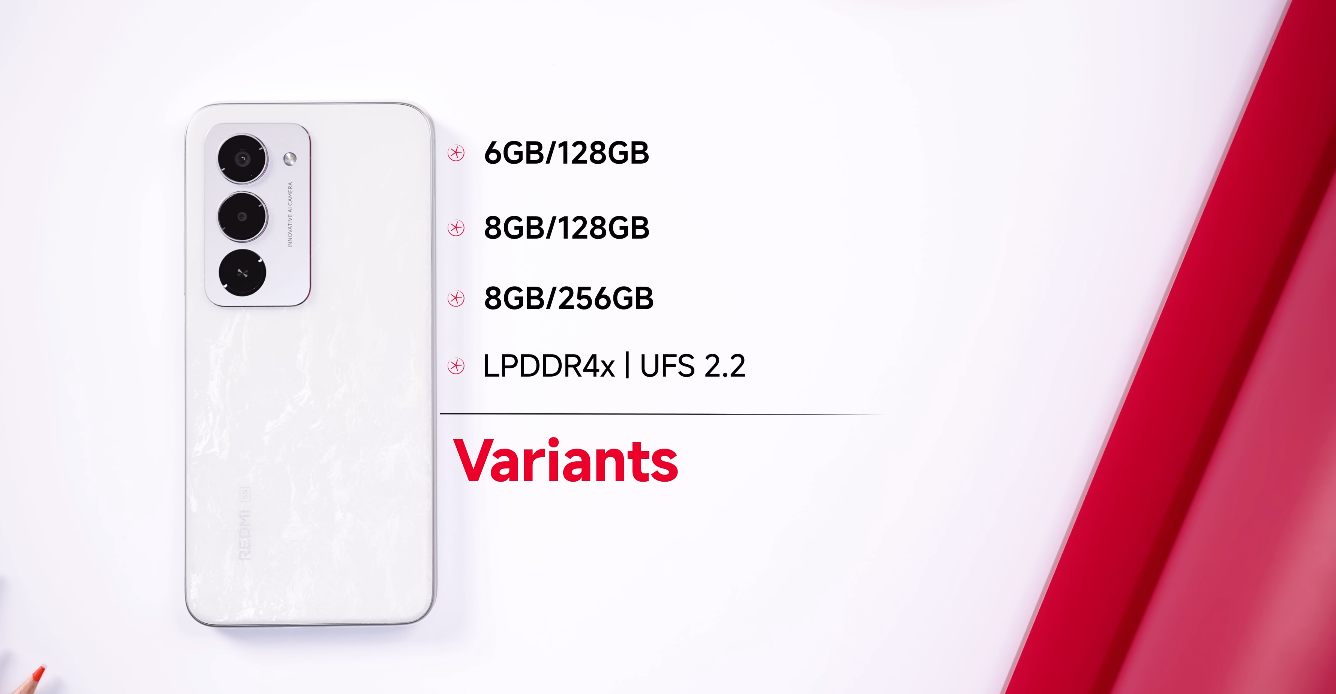
The phone features a high-end processor paired with fast memory and storage, enabling quick loading times and smooth graphics transitions. This is important when switching between menus, lobbies and in-match situations where performance dips are immediately noticeable. Gamers will find that the device launches heavy titles quickly and transitions without lag during standard use. This foundation ensures a consistent baseline experience before in-game testing begins.

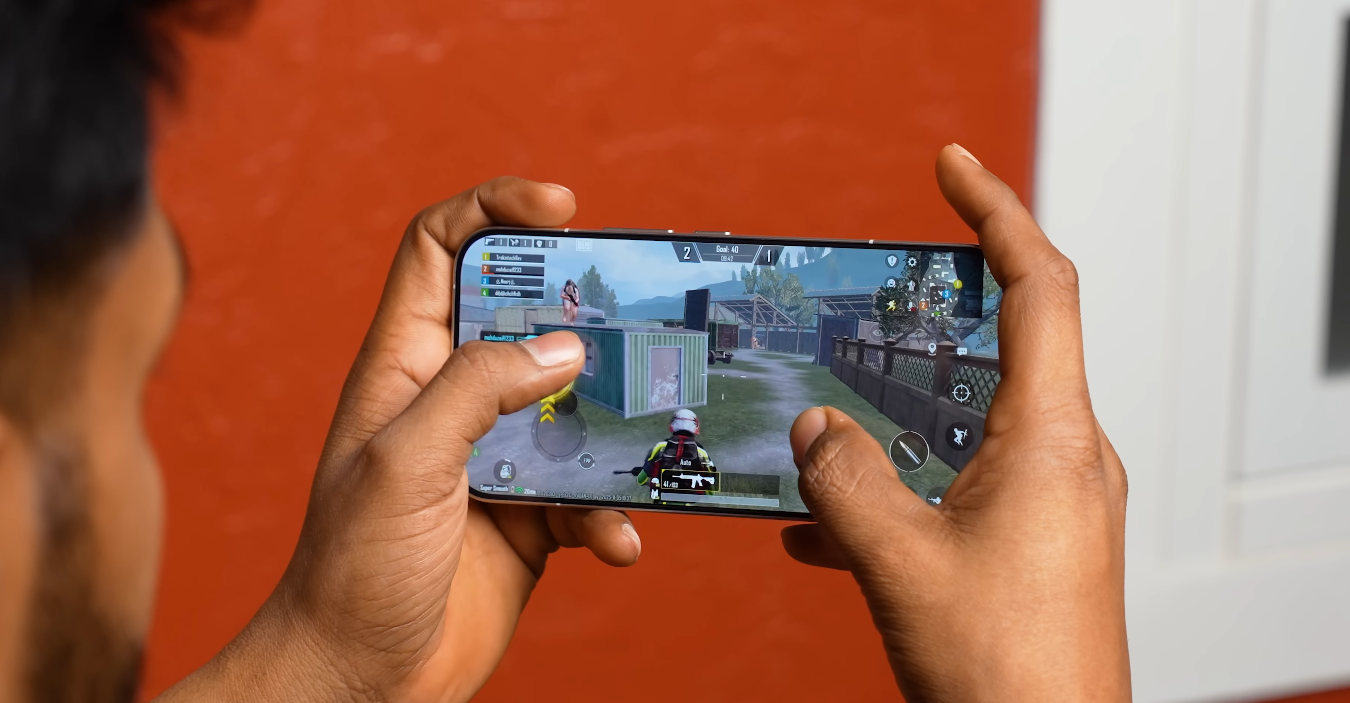
When running PUBG Mobile, the device handles high graphics settings comfortably. Frame rates remain stable during action-heavy sequences such as extended firefights or vehicle chases across detailed environments. Textures remain sharp and motion stays fluid, which helps maintain visual clarity in competitive situations. Heat does increase over time, but controlled power management and cooling hardware help prevent early performance throttling.

Redmi K90 Pro Max gaming review: PUBG, Fortnite and more performance revealed

Fortnite, which is known to be more demanding due to its building mechanics and dynamic map rendering, also runs smoothly at higher settings. The device maintains responsiveness while rotating structures, swapping weapons and navigating larger player maps. The high refresh rate contributes to a more fluid gameplay experience, especially during fast turns and player tracking. Players who value visual smoothness will appreciate the reduced motion blur.

Other titles, such as Genshin Impact and Call of Duty Mobile, show similar performance stability. Graphical environments that shift between bright open spaces and darker interiors are handled effectively by the display’s colour range and brightness control. Touch accuracy remains consistent during rapid taps and held inputs, which is essential for action and combat controls. This responsiveness supports both casual gameplay and competitive match intensity.

Sound performance also enhances the gaming experience. Clear audio helps identify gameplay cues such as footsteps, gunfire direction and approaching players. This provides a gameplay advantage in shooters and arena-based matches where spatial awareness influences winning situations. The loud and balanced output means that external audio devices are optional rather than necessary for core gaming performance.

Battery life is another notable factor for gaming usage. The phone’s large battery capacity allows extended play sessions without frequent charging interruptions. When charging is required, fast-charge support reduces downtime between matches. This makes the device suitable for long travel days, offline sessions and extended evenings of play without needing constant power source access.

Thermal stability matters for sustained gaming, and the device’s internal cooling system works to reduce performance drops under prolonged load. While heat does become noticeable during extended sessions of more demanding titles, performance remains stable enough to avoid sudden frame-rate drops. Heavy users may still prefer to play in cooler environments or avoid using thick cases to help with heat diffusion.

In summary, the Redmi K90 Pro Max delivers a strong gaming experience that aligns well with the expectations of both regular and competitive players. It runs major titles at high settings with dependable frame-rates, responsive controls and effective audio support. Its screen, battery life and performance tuning all contribute to a reliable gaming platform that can handle prolonged play without losing consistency.

For players in the UK who prioritise mobile gaming performance, this device presents itself as a confident and capable choice. It is well-suited for those who value stable high-refresh gameplay and a large display experience. If gaming is a primary use case, the Redmi K90 Pro Max stands out as a device that is ready for intense play and long-term game performance stability.