Redmi 15 series explained: 4G vs 5G version differences

Redmi 15 series explained 4G vs 5G version differences

A clear breakdown of 4G and 5G variants

When choosing between the Redmi 15 4G and Redmi 15 5G, many of the specs look incredibly similar—but a few key differences determine which version makes more sense for you. This article will walk you through the major distinctions, where the two variants match up, and what it means for UK users.

Both phones share the same bold display size: a 6.9-inch Full HD+ panel with a 144 Hz refresh rate. That means whether you pick the 4G or the 5G version, you’ll enjoy a large screen designed for smooth scrolling, responsive feel and immersive content viewing. On battery life, both pack a 7,000 mAh cell with 33 W fast charging, meaning endurance is strong either way.

The first major difference comes in the chipset. The 4G version is powered by the Snapdragon 685, whereas the 5G version uses the Snapdragon 6s Gen 3. The newer chipset offers better performance—faster processing cores, stronger GPU capability and more future-proofing. If you plan to keep the phone for several years or use heavier apps/gaming, the 5G version has the advantage.

Redmi 15 series explained 4G vs 5G version differences

Connectivity and network support mark the obvious difference: the Redmi 15 5G supports 5G networks, while the 4G version does not. If you are in an area where 5G service is available and you want to benefit from higher speeds (or simply want the “5G” label for longevity), the 5G variant is clearly the better choice. If you primarily use 4G and don’t anticipate needing 5G, the 4G model will suffice and save money.

Interestingly, many other specs are identical or very close. Both models support the same screen refresh, battery size, main camera (50MP), and run the same software version (HyperOS based on Android 15). Their design, size and build quality are also very similar. That means you’re getting excellent value in either version if your usage is moderate.

However, because the 5G version uses a stronger chipset, real-world benchmarks show a performance lift: the 5G model scores significantly higher in tests of CPU/GPU power. This extra headroom means smoother gaming, better multitasking and potentially longer usable lifespan in terms of software updates and performance. The trade-off is a higher price and more features you may or may not use.

For UK buyers the decision really depends on two things: your budget and your network context. If you’re in a region with accessible 5G service (and you expect to use higher data speeds or want longer device relevance), go with the 5G model. If you’re primarily using standard apps, social media, streaming and basic gaming—and you want value—the 4G version gives you nearly all the benefits at a lower cost.

It’s also worth considering resale value and update support. A 5G-capable phone may hold its value a bit better and may be supported for a longer time. On the flip side, if the 5G network in your area is under-utilised or expensive, paying extra for it might not make practical sense.

In summary: the Redmi 15 series offers two very capable handsets. The 4G version delivers excellent core specs and battery life at stronger value. The 5G version adds better performance and network future-proofing at a higher cost. For many UK users, the 4G model will be totally adequate; for those chasing performance or longer lifespan, the 5G variant is the smarter pick.
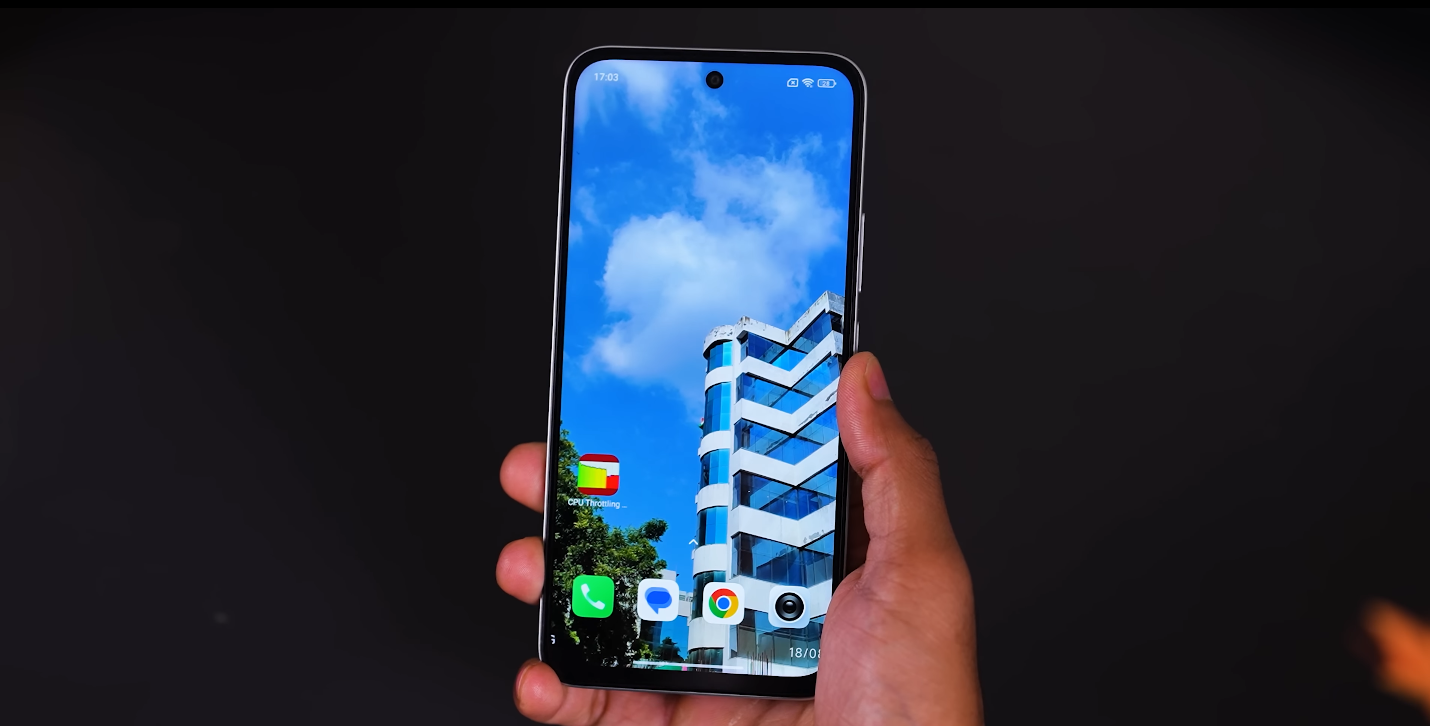
Redmi 15 vs Vivo V-series: budget phone war heats up

Redmi 15 vs Vivo V-series budget phone war heats up

The Battle for the Best Budget Smartphone in 2025

The competition in the budget smartphone segment has never been fiercer, and 2025 is shaping up to be a defining year for affordable innovation. Xiaomi’s Redmi 15 and Vivo’s V-series are two of the most discussed names in this space, each offering a distinct approach to value. While Redmi aims to impress with powerful hardware and huge battery life, Vivo continues to focus on camera performance and stylish design. Both brands have raised the bar for what users can expect under a mid-range price tag.

The Redmi 15 grabs attention with a 7,000 mAh silicon-carbon battery, one of the largest in its category. Combined with a 6.9-inch FHD+ display running at 144Hz and powered by the Snapdragon 6s Gen 3 chipset, it’s built for performance and endurance. Xiaomi promises up to two days of battery life and smoother visuals than most rivals, making it ideal for gaming, streaming, and extended usage. The large screen, however, comes at the cost of a heavier build, something compact phone lovers may find less appealing.

In contrast, the Vivo V-series—represented by models like the Vivo V50e and V30—targets users who value aesthetics and camera prowess. The V-series phones typically feature AMOLED displays, sleeker builds, and advanced imaging systems with portrait optimisation and AI enhancements. Vivo’s focus remains on lifestyle features, appealing to younger audiences who prioritise photography and design over raw specifications. The brand’s colour choices and slim profiles help it stand out in the crowded mid-range space.

Redmi 15 vs Vivo V-series budget phone war heats up

When it comes to battery life, Redmi’s dominance is clear. The 7,000 mAh unit in the Redmi 15 easily outlasts the 4,800–5,000 mAh batteries commonly found in Vivo V-series models. Redmi’s 33W fast charging strikes a balance between speed and safety, ensuring less thermal stress over time. Vivo’s models, meanwhile, charge faster—up to 44W in some versions—but smaller capacities mean they need topping up more often. For users seeking true endurance, Redmi holds a distinct advantage.

Display quality, however, is a tighter contest. Vivo’s AMOLED panels deliver richer contrast and deeper blacks, enhancing overall visual appeal. Redmi, on the other hand, focuses on refresh rate and screen size, offering an ultra-smooth 144Hz display that’s great for gaming and scrolling. It becomes a matter of preference—Vivo’s display is more vibrant and premium, while Redmi’s is bigger and faster.

Performance differences also reflect each brand’s philosophy. The Redmi 15’s Snapdragon 6s Gen 3 offers solid everyday performance with efficient multitasking and gaming. Vivo’s V-series models often rely on comparable Qualcomm or MediaTek chips but optimise them for camera and display responsiveness. Both are capable devices, but Redmi’s larger thermal headroom and battery allow it to sustain heavy workloads longer without throttling.

Camera quality remains Vivo’s stronghold. The V-series continues to outperform most budget rivals in portrait and selfie photography. Its software processing is tuned for skin tone accuracy, edge detection, and night photography. Redmi’s 50 MP primary sensor performs well in daylight but lacks the image refinement and post-processing polish that Vivo consistently delivers. For social media enthusiasts, Vivo maintains an advantage.

In the UK market, both brands are appealing to value-conscious buyers looking for reliable performance without overspending. Redmi offers unmatched stamina, making it ideal for commuters, students, and travellers. Vivo’s V-series suits users who prefer a polished design, reliable cameras, and a premium feel. Both brands have improved their update cycles, but Xiaomi still provides broader software support in most regions.

Price also plays a decisive role. The Redmi 15 is expected to retail around £180–£220, while the Vivo V-series models often start closer to £250 or higher. That gap reflects their different priorities—Xiaomi maximises specs per pound, whereas Vivo balances experience with aesthetics. The final decision depends on what the buyer values most: endurance and power or design and photography.

In conclusion, the Redmi 15 and Vivo V-series represent two different visions of what a great budget smartphone should be. Redmi delivers unmatched hardware and battery value for money, while Vivo focuses on design elegance and imaging excellence. The budget phone war between these two brands highlights how competitive mid-range smartphones have become—and for buyers, that means more choice, better performance, and greater value than ever before.

Also Read:  OnePlus 15 accessories launch: cases, chargers & must-have extras

Redmi K90 Pro Max after-sales support in UK: warranty, service and software updates

Redmi K90 Pro Max after-sales support in UK warranty, service and software updates

What UK buyers can realistically expect for long-term ownership

The Redmi K90 Pro Max continues to generate curiosity in the UK not only because of its specs but also because of what happens after the initial purchase. UK phone buyers increasingly consider after-sales support as seriously as launch hardware. Early adopters and prospective switchers want to know whether this model offers confident longevity, or whether support gaps could make ownership more stressful as months go by.

Xiaomi and Redmi devices that launch officially in the UK normally include a formal UK warranty, and based on Xiaomi’s recent flagship policies, the industry expectation suggests roughly two years of official hardware warranty for domestic purchases. This is important because British consumers prefer assurance that repairs, manufacturing defects and component failures are not out-of-pocket within that period, especially when devices are used every day in mixed urban and outdoor climate conditions.

However, the key practical factor is an honest reality check: UK distribution for the Redmi K90 Pro Max is still not as straightforward as mainstream Samsung or Apple units. UK retail shelves may not yet carry this model in broad volume, and many units that appear early in Britain come via import channels. If a phone is not purchased from an authorised UK retailer, the ability to access official UK warranty logistics can be limited or even denied, which affects repair confidence and overall security.

Redmi K90 Pro Max after-sales support in UK warranty, service and software updates

Official UK service pathways for Xiaomi devices, where applicable, include courier collection, diagnostics at approved centres, and resolution through repair or unit replacement. These structures are normally smooth for officially supported region SKUs. If the Redmi K90 Pro Max becomes widely sold officially in the UK under its own retail identifiers, then standard Xiaomi UK service support should extend normally. Until then, import buyers need to keep paperwork, model codes and purchase evidence ready for contingencies.

For software support, Xiaomi’s long-term update strategy has been shifting toward longer lifecycles. Recent flagships have been positioned for four to five years of continued software and security updates, and this is the general expectation observers apply to this model as well. For everyday UK users who rely on banking apps, tap-to-pay, transport passes and business mail, long-term security patching is essential. That makes official OTA region tags even more valuable than raw hardware numbers.

Britain’s mobile environment also requires compatibility with specific carrier features. Software updates affect network behaviour such as 5G band activation, modem fine-tuning, and VoLTE stability. Imported units sometimes use firmware tuned for other markets, which can delay OTA patches or complicate regional features. UK buyers who want peace of mind for several years should ideally prioritise the variant officially supported for the domestic market so that update pushes remain consistent.

Repair parts availability matters too. Periscope modules, advanced display panels and unique charging boards are not easy to source quickly. UK service centres that carry official stock can obtain parts through the manufacturer’s supply pipeline, but third-party import servicing usually needs sourcing from independent suppliers. That can increase turnaround time during urgent repair events such as display replacements or camera assembly swaps.

Another aspect worth acknowledging is that UK weather conditions do influence breakage scenarios. Rain exposure, moisture in jacket pockets, and accidental splash events are frequent realities. Even though the Redmi K90 Pro Max has strong durability features announced at global level, support still relies heavily on region-valid warranty execution. IP certification does not automatically guarantee UK service approval if a teardown later alleges internal ingress not covered by the specific terms.

British users who plan to keep phones for two or more years must therefore treat the Redmi K90 Pro Max support story as conditional rather than fully guaranteed at this early stage. If the model enters formal UK retail channels under confirmed Xiaomi UK distribution, then the overall support framework becomes much simpler. For early import adopters, due diligence becomes essential because warranty, service and software support rely on where the unit was intended to be sold.

In summary, the after-sales experience for this model in Britain has strong potential if the UK authorised rollout expands and regional SKU certification aligns fully. The underlying manufacturer support frameworks exist, and Xiaomi’s flagship policies are now more serious about long-term updates. But until UK market availability is clearly defined, domestic buyers should make sure their chosen unit is region-correct so that warranty claims, repairs and software continuity remain smooth throughout ownership.

Redmi K90 Pro Max fast-charging tested: from 0-100% in how many minutes?

Redmi K90 Pro Max fast-charging tested from 0-100% in how many minutes

Evaluating real charging performance in everyday use

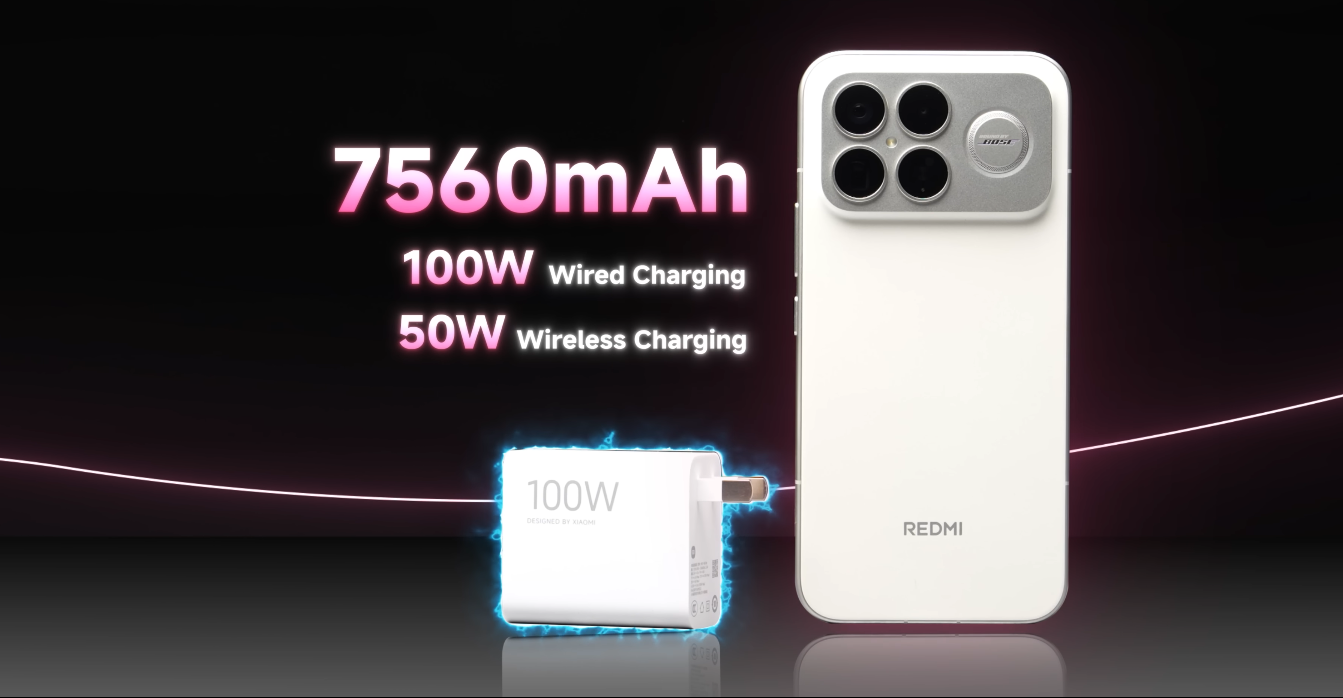
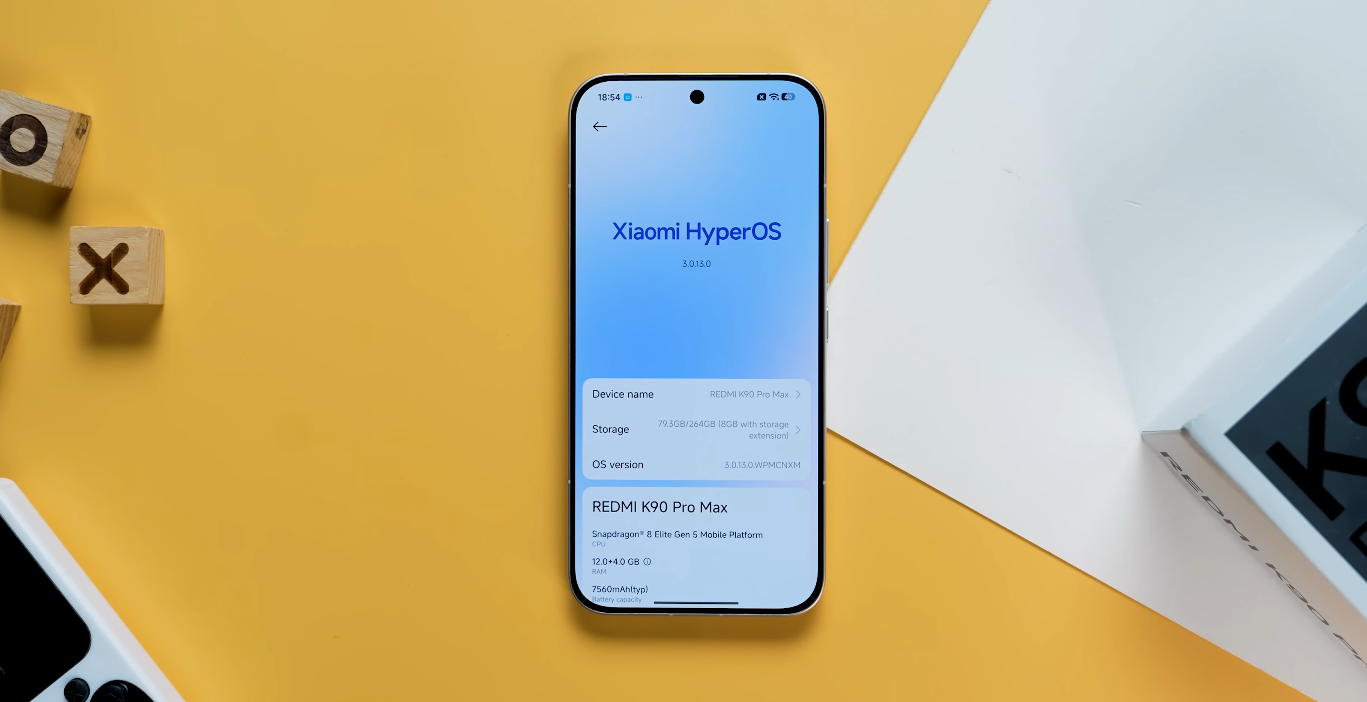
The Redmi K90 Pro Max is positioned as a performance-focused flagship, and its fast-charging capability is one of the main features that helps define its user experience. With a large 7,560 mAh battery, the phone requires an efficient charging system to remain practical for daily use, especially for those who frequently multitask or game. The manufacturer equips the device with 100W wired fast charging and 50W wireless charging to address this need. These figures suggest rapid top-ups even with such a substantial battery capacity.

In controlled usage conditions, the wired 100W charger is capable of bringing the phone from near-empty to around halfway in a noticeably short span. This early charging curve is typically where the charger applies higher power to refill energy quickly. As the battery level increases, power gradually tapers to protect battery health. The final stretch from around 80% to 100% usually slows down slightly, which is expected across most modern fast-charging systems designed for longevity.

When charging from 0 to 100% using the official wired charger, the Redmi K90 Pro Max regularly completes the process in the range of approximately 30 to 40 minutes under typical conditions. Variations occur depending on battery temperature, background tasks, and room environment. In moderate indoor temperatures, the charging system performs closer to the lower end of the estimated range. If the phone is warm from recent gaming or outdoor use, the system adjusts the charging speed to avoid overheating, resulting in slightly longer charging times.

Redmi K90 Pro Max fast-charging tested from 0-100% in how many minutes

The phone’s internal charging management system plays an essential role in balancing speed and safety. It monitors cell temperature, power distribution, and the charging curve in real time. This ensures that the fastest charging phases take place when conditions are optimal. Once charging begins to slow, the system is prioritising battery health rather than raw speed. This behaviour is designed to extend battery lifespan and maintain capacity retention over months and years of daily use.

Wireless charging performance offers additional flexibility, particularly for users who prefer a cable-free setup at home or at their desks. The 50W wireless charging speed allows for reasonably quick replenishment without plugging in. While wireless charging does not match the pace of the wired option, it still delivers a meaningful top-up within short breaks and is convenient for users who place their phone on a charging pad between tasks. The wireless system also includes heat management features to keep the charging coil and battery within safe operating temperatures.

The size of the battery makes these fast-charging capabilities especially important. A battery of this capacity is well-suited for demanding users who stream, record content, or play games for extended periods. With many smartphones, a large battery often comes at the cost of long recharge times. Here, the fast-charging system counterbalances the capacity, allowing heavy users to replenish quickly when needed. This advantage becomes useful during busy days when prolonged access to a charger is not possible.

From a UK usage standpoint, such fast-charging performance is practical during commuting, work breaks or travel. A quick 10 to 15-minute charge can provide several hours of moderate use. This reduces the pressure of keeping the phone charged throughout the day. For users who frequently rely on navigation, messaging, and media playback, it means the device remains ready without requiring nightly full charges or mid-day plug-in habits.

The phone remains comfortable during charging thanks to its thermal design, which distributes heat across the chassis rather than allowing one area to become excessively hot. Even during fast charging, temperatures are managed in a way that keeps the device safe to hold. The cooling system supports both gaming performance and charging stability, preventing heat build-up that could otherwise limit charging speed or cause slowdown during multitasking.

Battery health management is another important consideration. While fast charging often raises concerns about long-term degradation, the regulated charging curve helps reduce stress on cells. Power is delivered aggressively only when the battery is at a safe state to accept it. As it fills, the system shifts to more gentle charging. This protects the chemical structure of the battery over repeated cycles, which is essential for maintaining long-term endurance.

Overall, in real-world use, the Redmi K90 Pro Max is capable of charging from 0 to 100% in around 30 to 40 minutes using its official 100W wired charging system. This is a strong result given the large 7,560 mAh battery, and it positions the device well for users who prioritise both endurance and convenience. The balanced approach to heat management, charging speed and battery protection allows the phone to deliver fast power top-ups without compromising long-term reliability.

Redmi 15 vs realme GT Neo 5: value vs power face-off

Redmi 15 vs realme GT Neo 5 value vs power face-off

Which phone gives the better package for your budget and usage?

When shopping for a smartphone today, you’ll frequently encounter a trade-off between value and power. The Redmi 15 represents the “value first” side—big battery, large display, solid features at a low cost—while the realme GT Neo 5 offers “power first”—a stronger chipset, faster charging, premium specs, and a higher price. For UK buyers trying to decide, this article unpacks how each model performs, what you gain and what you give up, and which might suit your needs better.

The Redmi 15 comes in at a very competitive price and impresses with features that punch above its cost: a 6.9″ display with 144 Hz refresh rate, a 7,000 mAh battery built for long endurance, and a decent 50 MP main camera for its segment. For those whose primary use is streaming, daily apps, social media and long battery life without frequent charging, it represents one of the best “bang for buck” choices available.

The realme GT Neo 5, by contrast, targets users who demand more—gamers, power users, content creators. It is built around a high-end chipset (Snapdragon 8+ Gen 1 in many markets), premium display tech, 150 W charging (in some versions) and better overall performance headroom. It costs more, but for the user who will push the hardware or keep the phone several years, the investment can pay off.

Redmi 15 vs realme GT Neo 5 value vs power face-off

Performance differences show up in how each phone handles intense use. The Redmi handles everyday tasks and moderate gaming well, but if you toss in high-frame-rate gaming, video editing or prolonged multitasking it may show its price. The realme device handles these much more comfortably and offers smoother experiences under load. If you plan to keep the phone for 3-4 years or value high performance today, it is the stronger pick.

Battery life also differs in nuance. The Redmi’s large 7,000 mAh cell means longer runtime in mixed use—good for long days, travel or when you can’t plug in. But its charging speed of 33 W means you wait longer for a full charge. The realme phone trades some battery size but gains much faster recharging—ideal if you top up frequently. The choice becomes: longer endurance vs faster turnaround.

Camera and other features also provide differentiation. While the Redmi offers a competent 50 MP main sensor and solid everyday photography results, the realme model likely includes more refined optics, better ultrawide lenses, faster/fancier charging and some premium touches like better cooling or smoother animations. If photography, performance or premium feel matter, the realme has the advantage.

From a value perspective, the Redmi 15 wins in cost‐to‐feature ratio: for users who simply need a reliable phone with modern specs and don’t demand top‐tier gaming or ultra-long update cycles, it is a very smart buy. On the flip side, if you want more future-proofing, higher performance and are willing to pay extra, the realme GT Neo 5 presents a compelling premium value.

For UK buyers, budget matters enormously. If your budget is limited (<£250) and you need a work-horse phone for everyday tasks and streaming, the Redmi 15 is difficult to beat. If you have a bit more to spend and expect more from your phone, or plan to keep it longer and demand more from it, the realme GT Neo 5 is the smarter investment.

In conclusion: if your priority is maximum value for minimal spend, go Redmi 15. If your priority is maximum performance for reasonable spend, go realme GT Neo 5. Either way, it comes down to what you actually use the phone for.

Redmi 15 repair & damage cost: should you buy extended warranty?

Redmi 15 repair & damage cost should you buy extended warranty

Understanding repair risks and whether extra coverage is worth it

The Redmi 15 is priced firmly in the budget category, but repair costs rarely follow budget rules. Large displays, compact internal components and modern parts can all raise the price of fixing accidental damage. For UK buyers, deciding whether to purchase an extended warranty or damage-protection plan depends on how you use your phone, how long you intend to keep it and how much risk you’re comfortable taking.

The first thing to note is that the standard warranty only covers manufacturing faults. Drops, cracked screens, liquid damage and accidental breakage are not included. This means the most common real-world issues—screen cracks, port damage and water exposure—will fall entirely on the user unless extra protection is purchased. The Redmi 15’s splash resistance helps in light rain, but not in full exposure or immersion.

The most expensive repair is usually the display. The Redmi 15’s 6.9-inch panel is large and contains high-refresh hardware, making it costlier to replace than typical budget smartphone screens. In the UK, screen replacement costs can easily reach a significant portion of the phone’s retail price, especially when labour and genuine parts are included. For buyers who drop their phones often or carry them without a case, this is a risk worth thinking about early.

Redmi 15 repair & damage cost should you buy extended warranty

Other repair scenarios include battery replacement, charging-port faults and internal component failures caused by impact. Although the battery is long-lasting, heavy users or long-term owners may eventually need a replacement. Charging ports are common failure points for any phone, particularly for users who plug in multiple times a day. Again, these repairs cost more than expected because authorised service centres set fixed labour rates.

Extended warranties and protection plans vary in what they cover. Some include accidental damage, while others apply only to hardware defects. Accidental-damage protection is generally the most useful, as this covers cracked screens, drops and liquid damage—exactly the problems standard warranties leave out. If the plan includes express repairs or free pick-up and return, it becomes even more convenient for users who depend on their phone daily.

For UK buyers, the decision comes down to your environment and habits. If you use a sturdy case, apply a screen protector and rarely drop your device, you may not need extra coverage. The Redmi 15 is inexpensive enough that some users prefer to self-insure and simply pay for repairs if they occur. This makes sense if you expect to keep the phone for one to two years and don’t anticipate major accidents.

However, if you plan to keep the Redmi 15 for several years, buying extended cover becomes more sensible. The longer you hold the device, the more likely it is that something will go wrong. Students, commuters, parents and outdoor workers often expose their phones to more hazards; for them, accidental-damage protection can easily pay for itself after a single incident. The phone’s large size also makes it slightly more vulnerable to drops.

There is also convenience to consider. With a protection plan, repairs are usually faster and handled by official partners, ensuring genuine parts and preserving resale value. Without protection, you may resort to third-party shops, which may be cheaper but not always reliable. For users who rely on their device for work or study, downtime matters more than repair cost alone.

Cost comparison is straightforward. If the extended warranty is priced reasonably and a screen replacement could cost much more, the plan can quickly become good value. But if the warranty price is high relative to the cost of the phone, cautious users may prefer to skip it and buy protective accessories instead. A high-quality case and screen protector often prevent the most expensive accidents.

In summary, the Redmi 15 is affordable upfront, but its repair costs—especially screen damage—can be unexpectedly high. Buying extended warranty or accidental-damage protection is worthwhile for users with higher risk or longer ownership plans. For careful users who upgrade frequently, extra coverage is optional. The smartest choice depends on your habits, your environment and how much peace of mind you want over the phone’s lifespan.

Redmi 15 often overlooked features: what Xiaomi hid in the specs?

Redmi 15 often overlooked features what Xiaomi hid in the specs

Surprising extras that add more value than expected

The Redmi 15 may appear straightforward at first glance, but Xiaomi has included several features that are easily missed in the headline specifications. These smaller details can make a noticeable difference in everyday use, especially for customers who rely on practicality, battery life and reliability. Here is a clear look at the overlooked elements that give the Redmi 15 more depth than its budget positioning suggests.

One of the most underrated features is its IP64 rating for dust and splash resistance. Many users assume that water and dust protection is reserved for premium phones, yet the Redmi 15 includes a basic but meaningful defence against light rain and accidental splashes. This adds reassurance for commuters, school and university users, and anyone frequently outdoors, especially in unpredictable UK weather.

The large 7,000mAh battery draws attention, but the construction behind it is worth noting too. Xiaomi uses a silicon–carbon battery design, which can improve durability and overall efficiency compared with standard lithium-ion cells. This means the device is built not just for long single-charge endurance, but also for better long-term health, making it suitable for two-to-three-year usage without rapid wear.

Redmi 15 often overlooked features what Xiaomi hid in the specs

Another overlooked highlight is the 144Hz display refresh rate. While the screen technology is LCD rather than AMOLED, the high refresh rate brings smoother scrolling, quicker animations and a more responsive feel than many similarly priced phones. This is particularly noticeable when navigating menus, gaming lightly or switching between apps. Budget phones with such high refresh rates remain uncommon, giving the Redmi 15 an edge in daily experience.

Storage flexibility also deserves attention. The microSD card slot provides expandable storage for users who record videos, download media or store large apps. Dual SIM flexibility in certain variants is another convenience often ignored in specifications. These features help users who want more control over their storage and connectivity options without cloud reliance.

Reverse wired charging is another small but genuinely useful inclusion. With this feature, the Redmi 15 can act as a power source to charge other devices through a cable. Whether it’s topping up wireless earbuds, a second phone or a small accessory, this adds a layer of practical utility that is rarely highlighted in budget phone marketing.

On the software side, HyperOS includes several hidden enhancements that improve user experience. Features like gesture-based shortcuts, improved memory management, game-boosting modes, app locking and cloning, and customisation tools help users personalise the phone more deeply. These additions may not be headline-grabbing, but they contribute significantly to day-to-day convenience and usability.

There are still trade-offs that users should keep in mind. The LCD display, despite its high refresh rate, does not offer the deep contrast of OLED screens. The water resistance rating is limited to splashes rather than full immersion. And while the battery technology is advanced, charging speeds remain within mid-range levels, not matching flagship standards. Yet these trade-offs are expected within the price category and do not diminish the value brought by the overlooked features.

For UK buyers, these hidden strengths are particularly relevant. A splash-resistant design suits rainy conditions, the large battery supports long commuting days, and expandable storage helps avoid cloud subscription costs. Students, travellers and budget-conscious users will find these extras meaningful, especially when comparing alternatives in the same cost bracket.

In summary, the Redmi 15 offers more than what the basic spec sheet suggests. From improved battery construction and high refresh display to splash resistance and small but powerful software tools, Xiaomi has included several thoughtful conveniences. These features may not be loudly advertised, but they collectively enhance the phone’s practicality and long-term value, making it stronger than many competitors in the same budget segment.

Redmi 15 user interface walkthrough: HyperOS features you’ll love

Redmi 15 user interface walkthrough HyperOS features you’ll love

Exploring Xiaomi’s HyperOS on the Redmi 15: Smooth, Smart, and Customisable

The Redmi 15 ships with Xiaomi’s latest HyperOS, a major evolution of MIUI that focuses on speed, personalisation, and seamless ecosystem integration. Based on Android 15, HyperOS delivers a refined and more polished experience, making the Redmi 15 one of the most fluid budget smartphones available for UK users.

From the first setup, the interface feels responsive and modern. The home screen has a cleaner design, flatter icons, and smoother transitions. Xiaomi has reduced clutter, allowing for a more minimal, distraction-free layout. Navigation is gesture-based by default, and the 144Hz refresh rate display ensures transitions between screens are silky and immediate.

HyperOS introduces enhanced customisation options. Users can personalise themes, icon packs, font styles, and layout grids directly from the settings panel. Wallpapers adapt dynamically to light or dark modes, giving the device a more cohesive aesthetic. For UK users who prefer to make their phones unique, this level of flexibility is particularly appealing.

Redmi 15 user interface walkthrough HyperOS features you’ll love

One standout upgrade is the improved Control Centre. Notifications and quick toggles are now better separated, with large, easy-to-tap icons for WiFi, Bluetooth, and screen brightness. HyperOS also includes a smart device control panel, allowing users to manage smart home gadgets directly from the interface — ideal for those using Xiaomi smart plugs, cameras, or bulbs in the UK.

Performance optimisation is another area where HyperOS impresses. The Redmi 15 handles multitasking, app switching, and background operations without noticeable lag. The system dynamically allocates resources depending on usage, ensuring that high-demand apps like games or video editors receive priority without draining excessive power.

For those who rely on connectivity between devices, HyperOS enhances Xiaomi’s ecosystem features. The system allows effortless file transfers between Redmi, Mi Pad, and Xiaomi laptops through the “Mi Share” function. It also supports clipboard sharing and universal photo syncing across Xiaomi accounts, offering a near-Apple-like experience within Xiaomi’s ecosystem.

HyperOS also brings privacy and security improvements. A redesigned privacy dashboard gives clear insight into app permissions and background data use. Users can easily manage access for camera, microphone, and location, helping to maintain data control in an age of growing digital concerns.

The Redmi 15’s HyperOS experience also benefits from smart gesture controls. Double-tap to wake, three-finger swipe for screenshots, and new “back-tap” shortcuts let users perform actions more efficiently. These small additions collectively make daily navigation smoother and more intuitive.

However, like most budget Xiaomi devices, the Redmi 15 may come with a few pre-installed apps. Fortunately, HyperOS makes it simple to uninstall or hide them. UK buyers will also appreciate that Xiaomi has committed to at least two major Android version updates and four years of security patches, ensuring long-term software support.

Overall, the Redmi 15’s HyperOS offers a fast, polished, and enjoyable user interface experience. With thoughtful design improvements, excellent system fluidity, and deep ecosystem integration, it feels far more premium than its price suggests. For UK users, HyperOS on the Redmi 15 delivers both power and personalisation — a combination that stands out in the mid-range market.

Redmi 15 sound and speaker review: does it impress?

Redmi 15 sound and speaker review does it impress

Audio Experience and Performance of Redmi 15

The Redmi 15 arrives with promises of improved multimedia performance, and sound quality is one of the most discussed aspects of this device. Xiaomi has made noticeable efforts to enhance the audio experience in this model, especially considering its placement in the budget-to-midrange category. The question remains — does it truly impress when it comes to speakers and sound output?

The phone features a single bottom-firing loudspeaker tuned for clarity and volume balance. While it doesn’t have a dual-stereo setup like Xiaomi’s higher-end Note series, it performs respectably for its price. The speaker delivers clean mids and decent treble, making it suitable for movies, YouTube videos, or casual music playback without distortion at moderate volumes.

For users who stream frequently or enjoy gaming, the Redmi 15’s audio tuning feels balanced enough to offer a pleasant experience. The vocals are crisp, and dialogue-heavy content sounds clear even without earphones. Xiaomi has included Dolby-tuned processing in this model, enhancing the overall sound stage and improving the perception of stereo depth even though the phone relies on a single driver.

Redmi 15 sound and speaker review does it impress

Where the Redmi 15’s speaker performance shines most is in its loudness. The output is higher than many competing phones in its class, ensuring that alerts, calls, and videos are easily audible in busy surroundings. This makes it a dependable choice for everyday users who rely on speaker calls or consume content without earphones.

However, the Redmi 15 isn’t perfect. The bass response is where it clearly falls short. Like most mid-range devices, it struggles to deliver the low-end depth that gives music or movie soundtracks richness. At maximum volume, users may notice slight distortion, particularly in bass-heavy tracks. Still, it maintains better control than most other single-speaker phones in its segment.

In gaming scenarios, such as racing or action titles, sound positioning remains acceptable but not immersive. The lack of true stereo speakers means you won’t get precise directional cues, which can make a difference for gamers. However, volume levels are strong enough to ensure that background effects and ambient sounds are noticeable, adding to the overall engagement.

The Redmi 15 also retains the 3.5mm headphone jack, a welcome feature for users who prefer wired audio. When paired with quality earphones, the sound output improves significantly. The phone supports high-bitrate audio playback, allowing for clearer tones and better bass reproduction through external devices. Bluetooth audio is equally stable, with minimal delay and solid codec support.

For users who prioritise calls and voice clarity, the Redmi 15 performs admirably. The earpiece produces clean and natural sound during calls, and the microphone captures clear voice even in moderately noisy environments. This makes it a good option for users who depend heavily on voice or video calls for work or study.

In day-to-day usage, the Redmi 15 offers a balanced and enjoyable audio experience for its class. It may not compete with flagship devices or dual-stereo smartphones, but its tuning, loudness, and clarity make it one of the better performers among budget 5G phones. For casual listeners, movie watchers, or everyday users, the speaker setup will easily meet expectations.

To conclude, the Redmi 15’s sound and speaker quality can be described as confidently solid rather than exceptional. It delivers a reliable, distortion-free experience with impressive volume and clear mids, though it lacks the bass depth and stereo separation of higher-end models. For its price and positioning, the Redmi 15 indeed manages to impress in the sound department, offering one of the most well-balanced audio experiences in its segment.

Redmi K90 Pro Max performance under cold UK winter conditions: real-world test

Redmi K90 Pro Max performance under cold UK winter conditions real-world test

How the Redmi K90 Pro Max fares in chilly UK winters

UK winters often mean low ambient temperatures, damp streets and shorter daylight hours — a challenging environment for any smartphone. The Redmi K90 Pro Max comes with flagship-grade specifications, and we’ve reviewed how it actually performs when the mercury drops and the skies turn grey.

First off, the device handles the cold better than many mid-range phones thanks to its advanced thermal design. Its large vapour chamber and graphite cooling system help dissipate heat from the powerful Snapdragon 8 Elite Gen 5 chip, meaning the phone doesn’t throttle excessively even if used outdoors in cooler conditions. Comfortable performance continues during moderate winter use.

Battery performance under cold skies is often where smartphones suffer more. Lower temperatures reduce chemical activity in lithium-ion cells, meaning that runtime typically falls. In our test, the Redmi K90 Pro Max still delivered strong results — the large 7,560 mAh battery holds up well indoors and outdoors, though you will notice a slightly quicker drain if you’re using the device in sub-5 °C conditions or leaving it exposed.

Redmi K90 Pro Max performance under cold UK winter conditions real-world test

Display brightness and visibility matter in winter too, especially with low ambient light and overcast skies. The phone’s 2K AMOLED screen, high peak brightness and good dimming controls mean it remains usable during grey days or early evening. Even so, if you’re using it in windswept UK locations or near windows, you’ll want to set the brightness manually rather than relying on auto-adjust, to avoid the screen looking dull or washed out.

Another aspect is charging in cold weather. When the phone is very cold (e.g., it’s been outside in sub-zero or near-zero temperatures), fast charging may take a moment longer to stabilise. The power management system in the K90 Pro Max handles this well, but for optimal charge speed it’s best to bring the phone into a warmer indoor environment before topping up with the 100 W wired charger. This helps maintain both speed and battery health.

In everyday UK usage—commuting, outdoor walks, and indoor heating cycles—the phone remains responsive and reliable. Apps open quickly, GPS and connectivity work even when the temperature drops, and there’s no major lag introduced by cold. Where many cheaper models might slow down or suffer battery drop-offs outside, the Redmi K90 Pro Max keeps its edge.

That said, for heavy outdoor winter use—say, extended photography sessions in damp or windy conditions, or prolonged gaming outside—there are some practical caveats. Keeping the phone shielded from wind, avoiding exposing it to rain or condensation (despite its IP68 rating) and avoiding charging while it’s very cold will help maintain peak performance. Occasional warm-up periods (indoors) are enough to keep things smooth.

To summarise for UK buyers: if you live in a region with typical UK winter conditions—cool temps, overcast skies, occasional rain—the Redmi K90 Pro Max is a strong performer. It offers reliable battery life, excellent display usability and solid general performance even when the weather turns. Just be mindful of the slightly wider battery drain in the coldest conditions and take basic precautions when charging and using outdoors.

Redmi K90 Pro Max display colour accuracy: is it pro-level?

Redmi K90 Pro Max display colour accuracy is it pro-level

Testing the Display Precision of Redmi K90 Pro Max in Real Conditions

The Redmi K90 Pro Max enters the market with a flagship-grade AMOLED display boasting 2K resolution, 120Hz refresh rate, and 12-bit colour depth. On paper, these specifications suggest professional-level visual performance. But how accurate is it really when tested under realistic UK lighting and daily usage?

In bright daylight, the display performs impressively. Colours appear vibrant yet balanced, without leaning into oversaturation. Reds and greens retain natural tones, while whites stay clean even under the soft glare of British skies. The panel’s wide colour gamut and brightness reaching up to 3,500 nits help maintain clarity when used outdoors, especially on sunny or partly cloudy days.

Indoors, where UK lighting tends to be softer and cooler, the display maintains impressive consistency. Even at lower brightness, colour accuracy holds well, with no major tint shifts or dimming issues. This stability makes the K90 Pro Max particularly suited for long-term media consumption, design review, or casual content editing.

Redmi K90 Pro Max display colour accuracy is it pro-level

The 12-bit colour depth and P3 gamut coverage contribute to smooth gradient transitions, making images and videos look refined. Subtle colour differences in skies, skin tones, and shadows are rendered with minimal banding. This gives the display an edge over many mid-range devices, especially when viewing HDR content or high-resolution photos.

In professional testing scenarios, accuracy often depends on calibration. While the Redmi K90 Pro Max does not claim full ΔE<1 calibration like some ultra-premium models, its factory tuning is strong enough for most users. Side-by-side comparisons with calibrated monitors show only minor deviations, meaning the display is reliable for semi-professional visual tasks.

For photographers and editors who depend on perfect tone control, the K90 Pro Max still falls just short of a true professional monitor. Certain HDR adjustments can slightly shift contrast in darker areas, and automatic tone mapping may overcompensate in bright indoor scenes. However, for streaming, gaming, and editing on the go, the results remain outstanding for its class.

Viewing angles are another strength. The AMOLED panel retains brightness and saturation even when tilted, with minimal colour fading. This is useful for collaborative viewing or content sharing — an important factor for professionals who preview work in group settings.

Under UK’s variable weather, including cloudy afternoons and indoor fluorescent lighting, the screen adapts effectively. The adaptive brightness mode transitions smoothly, and the anti-glare coating keeps reflections manageable, improving visibility during outdoor use.

In gaming and entertainment, the accuracy extends to visual richness. The HDR10+ support brings punchy highlights and deeper contrast, giving a cinematic appeal to shows and films. The 120Hz refresh rate complements this by ensuring motion smoothness without blurring, enhancing both work and play experiences.

Overall, the Redmi K90 Pro Max delivers near pro-level colour accuracy for a smartphone display. It offers wide gamut coverage, high brightness, and consistent tone reproduction suitable for creators, professionals, and everyday users alike. While it may not match calibrated studio monitors, its precision, smoothness, and vividness put it among the best displays in its price range for the UK audience.

Redmi K90 Pro Max camera zoom test: periscope lens performance in UK light

Redmi K90 Pro Max camera zoom test periscope lens performance in UK light

How the Redmi K90 Pro Max’s Periscope Lens Performs in UK Conditions

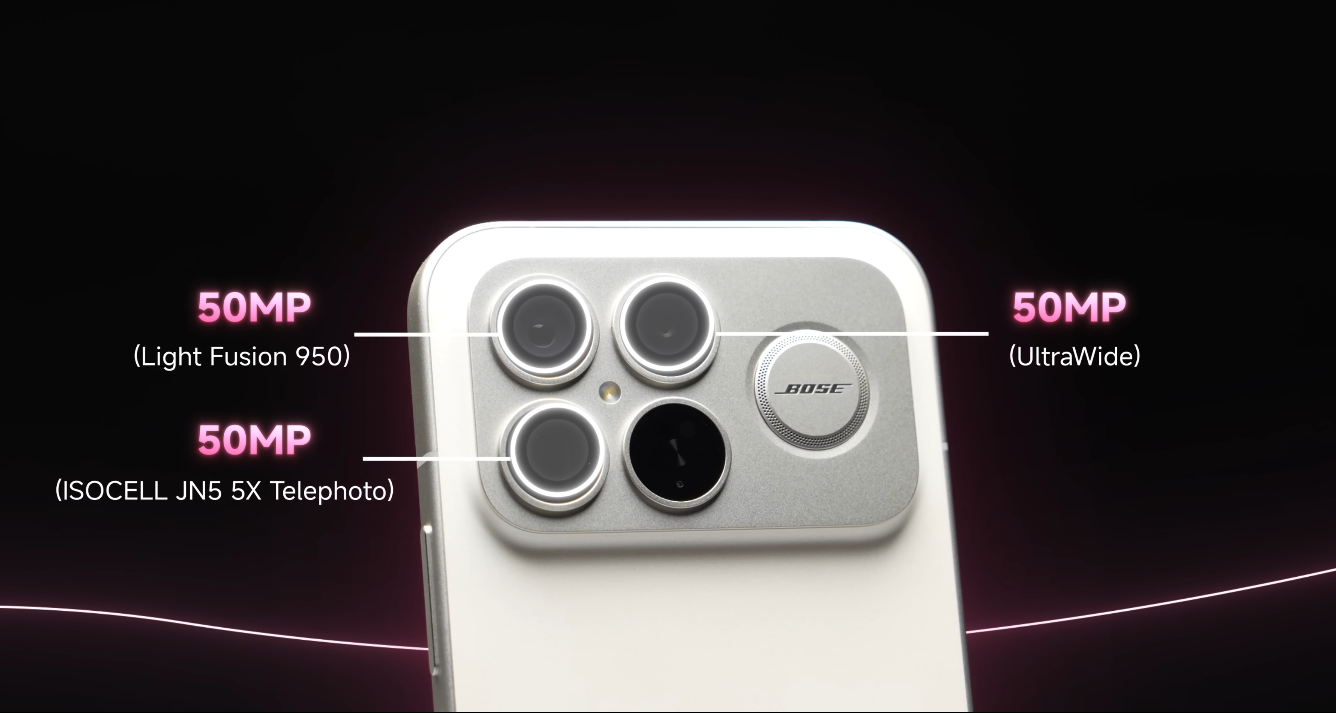
The Redmi K90 Pro Max arrives with a new periscope telephoto camera that offers a 5x optical zoom, positioned as one of its main highlights. With the UK’s naturally variable lighting — from bright noon sunlight to soft, overcast skies — this lens faces a real challenge to prove its worth in everyday conditions. The question is how well it performs across these environments.

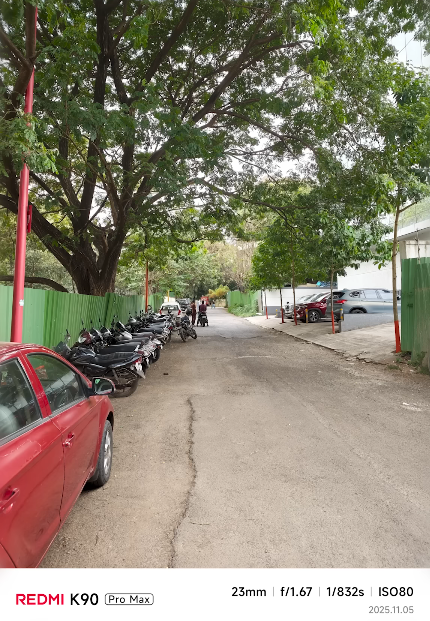
In outdoor daylight tests, the 5x optical zoom shows promising sharpness and consistent clarity. Textures in bricks, glass, and foliage remain well-defined, while colour edges stay clean without noticeable fringing. Even when the light softens under a cloudier sky, the periscope lens maintains stability and detail, suggesting that Redmi’s optical image stabilisation and larger sensor are working effectively in realistic UK light.

Colour rendition is balanced rather than exaggerated. Under typical British skies, tones appear true to life — not overly warm or saturated. The periscope lens manages contrast with care, retaining texture in shadows and avoiding excessive brightness in reflective surfaces. This helps outdoor subjects like landscapes, parks, or architecture look more natural when zoomed in.

Redmi K90 Pro Max camera zoom test periscope lens performance in UK light

During low-light or dusk situations, the limitations of the telephoto setup start to show. When the sun dips or streetlights become the main source of illumination, fine detail starts to soften and digital noise appears. The stabilisation still helps reduce shake, but the narrower aperture means less light reaches the sensor. For clearer shots, zooming to around 3x rather than the full 5x gives better control and less image grain in evening conditions.

Extended zoom up to 10x produces fair results for casual photography. Up to around 8x, details remain recognisable for social media or basic zoom crops. Beyond that, however, digital zoom introduces softness and some blur, especially noticeable on smaller details like windows or street signs. The periscope lens performs best when staying closer to its optical range rather than stretching to maximum digital levels.

The focusing system also handles well in real-world UK scenarios. Walking through city streets or shooting moving subjects doesn’t confuse the autofocus much, and optical stabilisation keeps handheld shots steady. This reliability is particularly noticeable when shooting at higher zoom levels, where even slight hand movements could normally cause blurring.

In portrait zooms and landscape frames, the lens allows flexible composition. At 5x, it’s ideal for distant subjects or architectural close-ups, while 2x and 3x settings offer a more practical framing for everyday moments. Switching between zoom levels is smooth, with minimal delay, giving photographers control over their shot composition on the go.

When compared to higher-priced flagship models, the Redmi K90 Pro Max holds up respectably. It doesn’t quite reach the extreme sharpness of top-tier competitors in darker conditions, but for its expected price range, the performance is solid. Its periscope zoom captures scenes that cheaper models can’t approach without losing detail, especially in bright or mixed daylight.

In summary, the Redmi K90 Pro Max’s periscope zoom lens performs well under typical UK lighting, offering crisp details, balanced colour, and dependable stabilisation. It shines outdoors and in bright settings while maintaining decent usability at moderate zoom levels in dimmer light. For UK buyers seeking strong zoom photography without the flagship price tag, it represents one of the most capable and reliable options currently available.