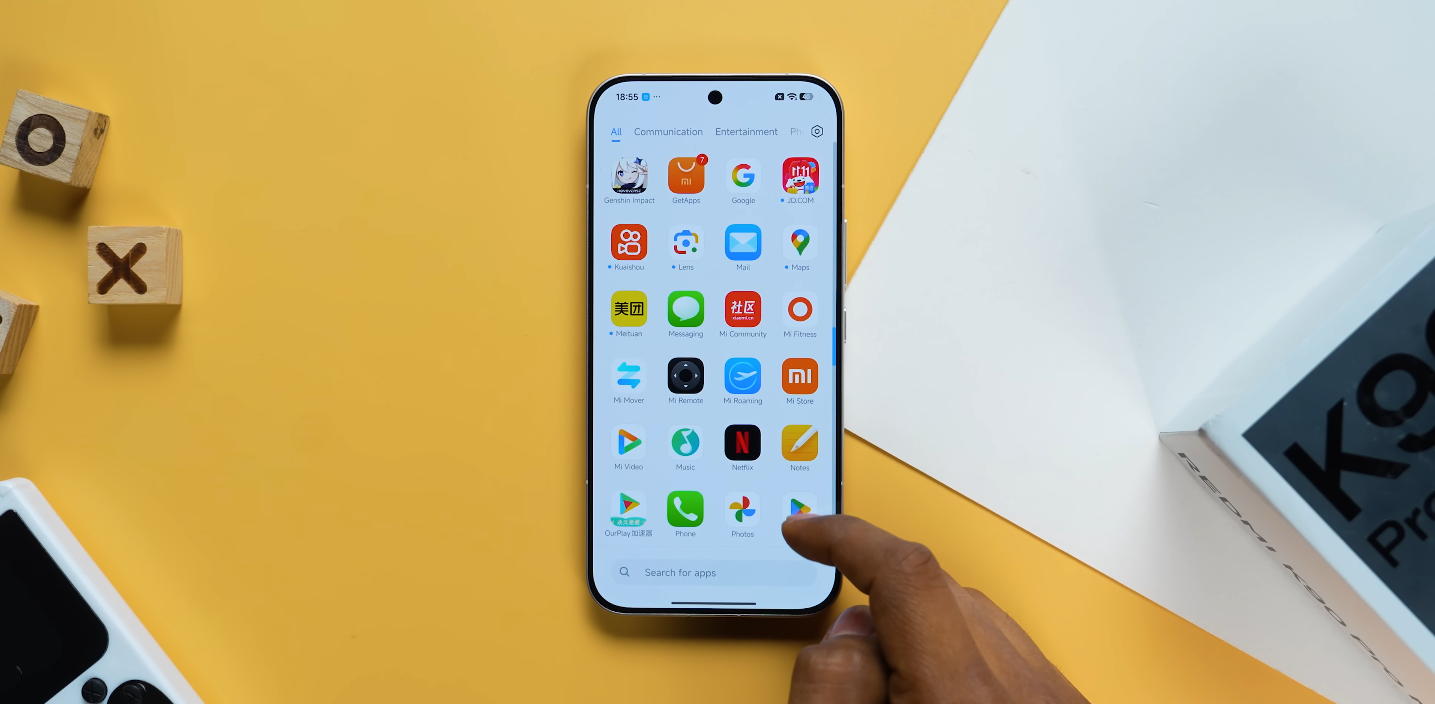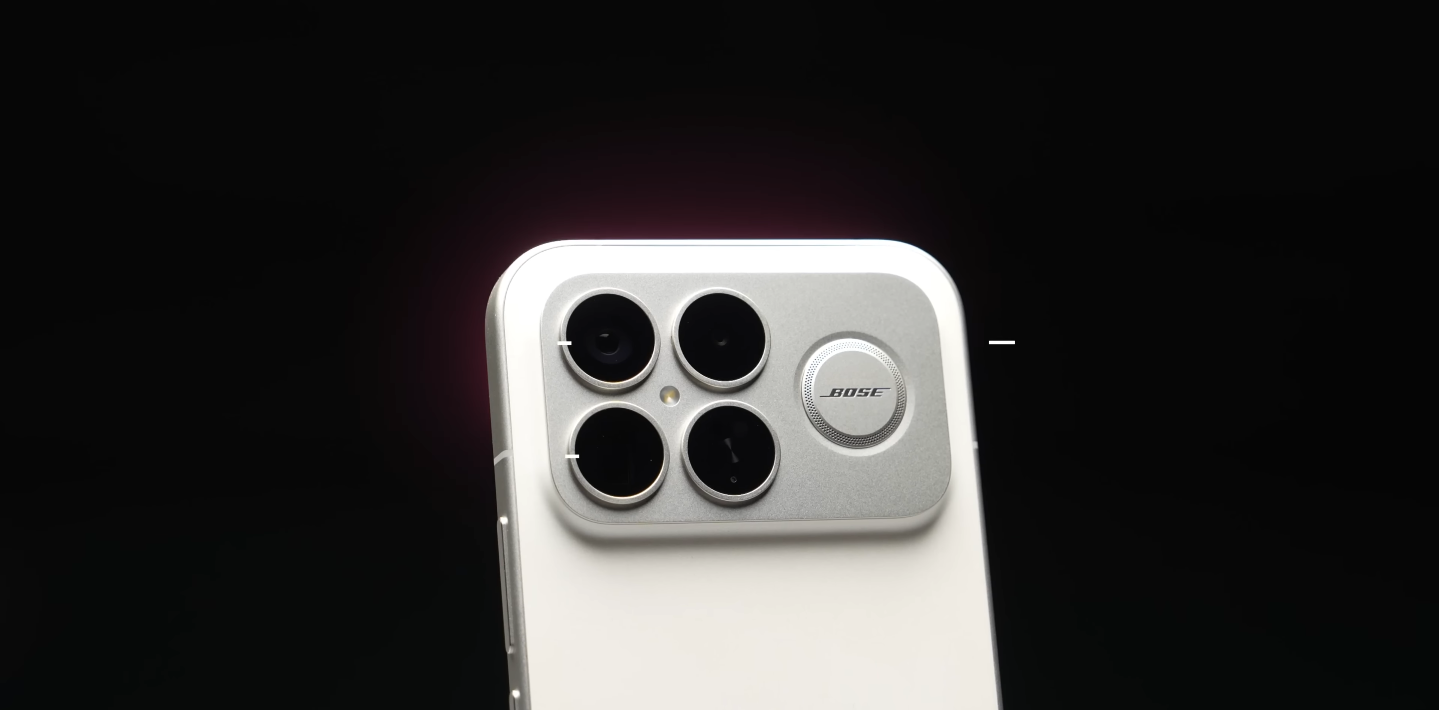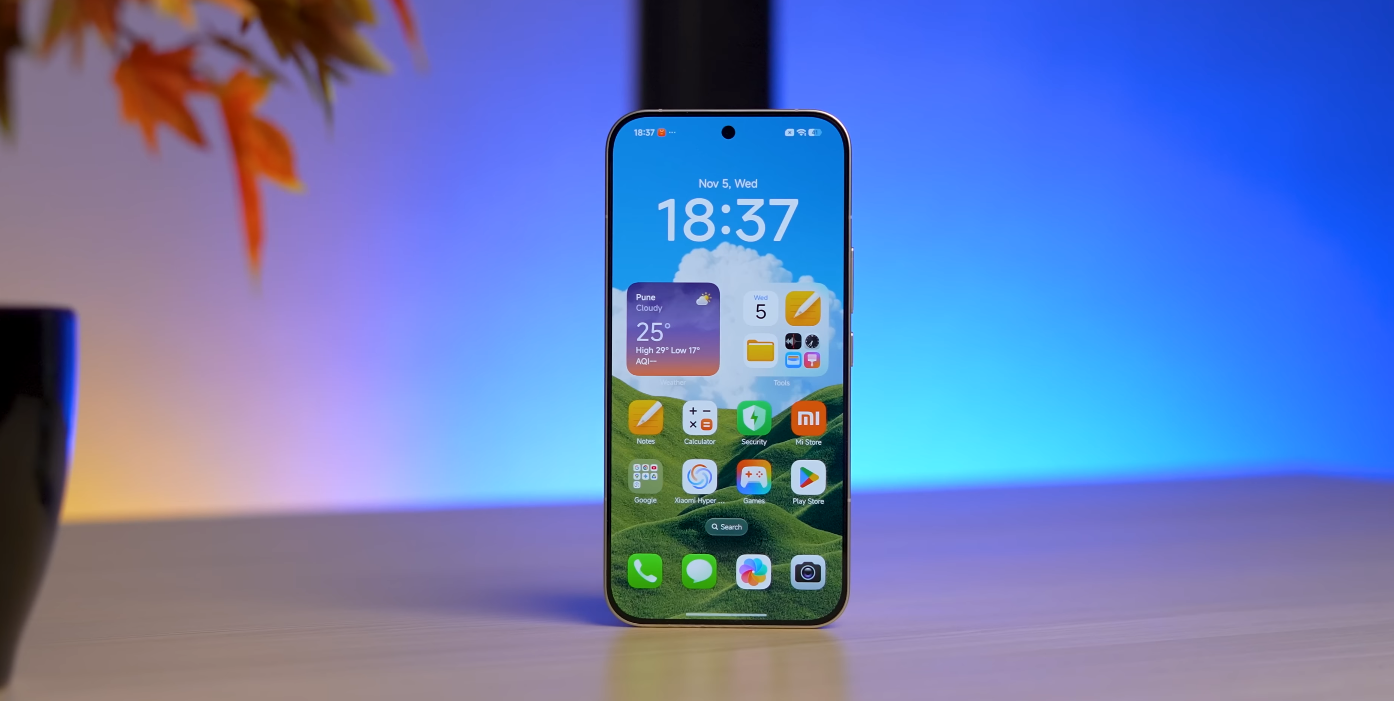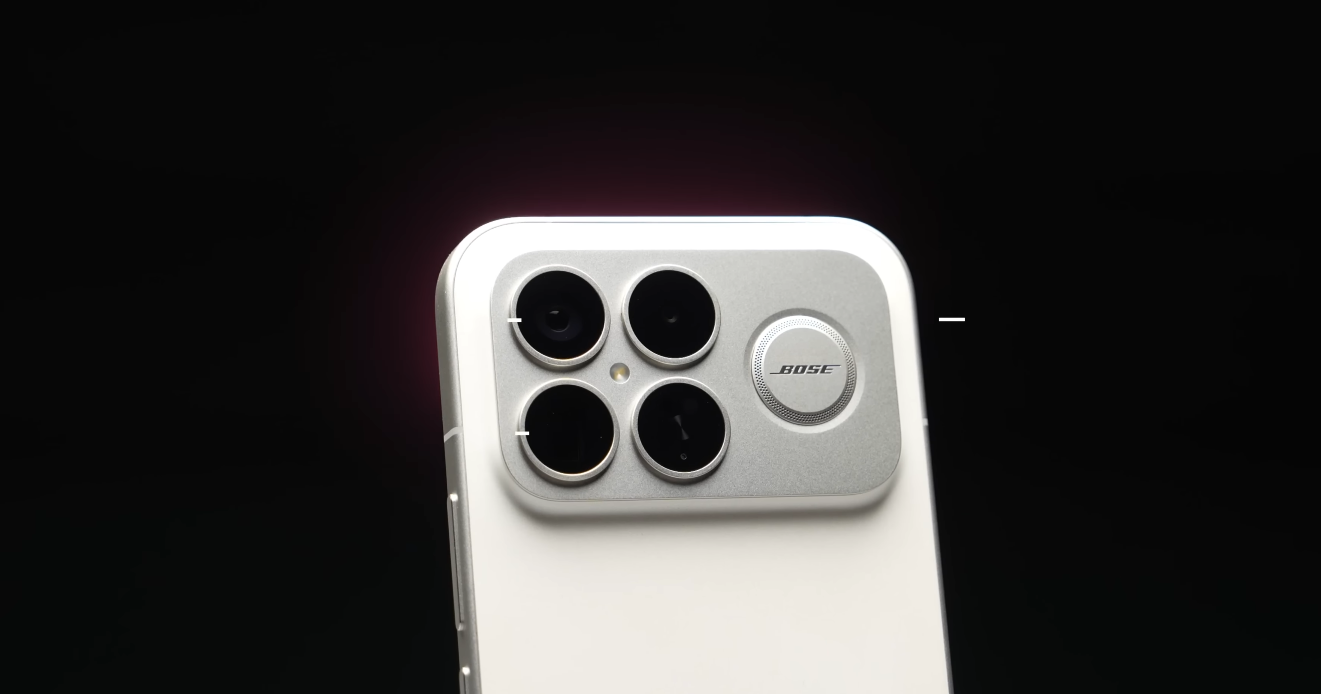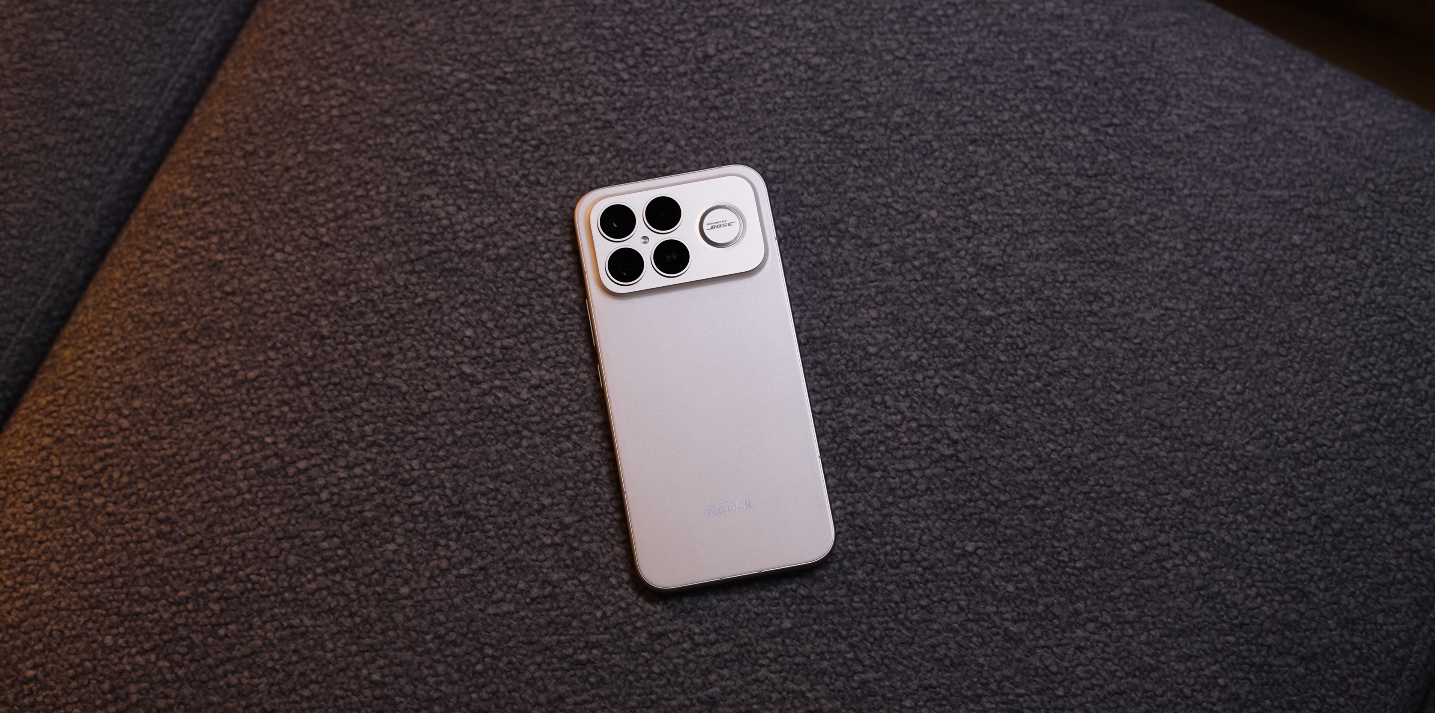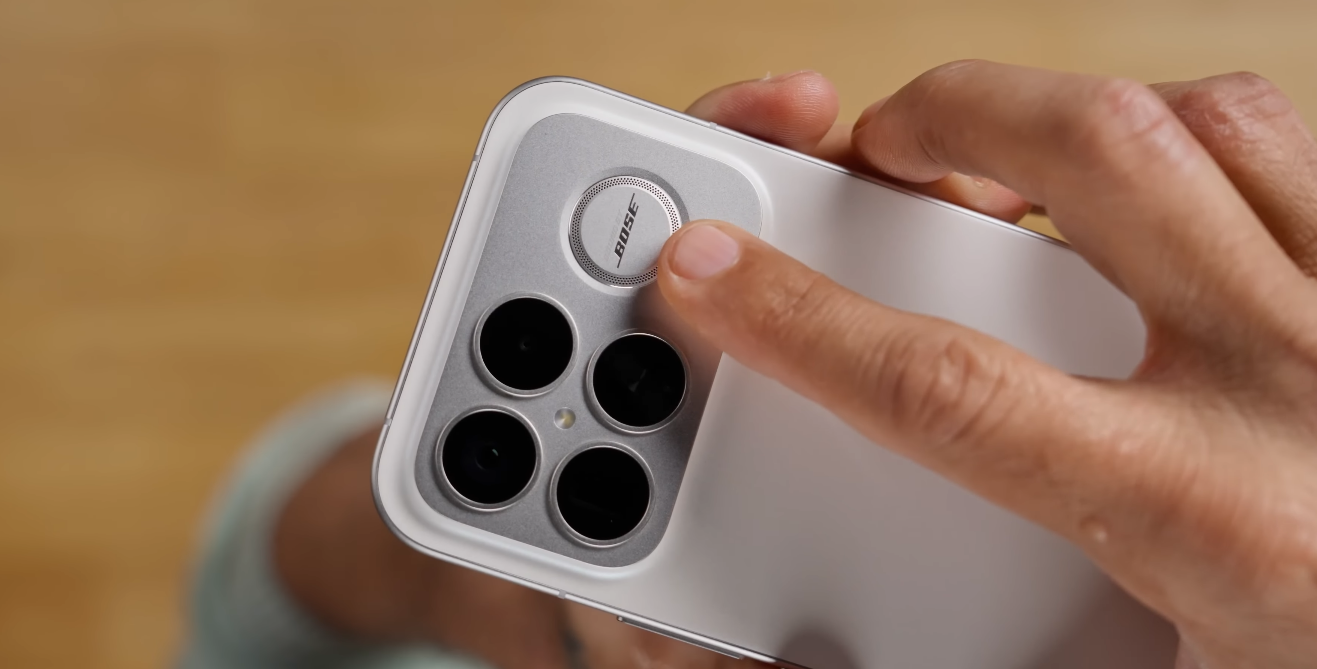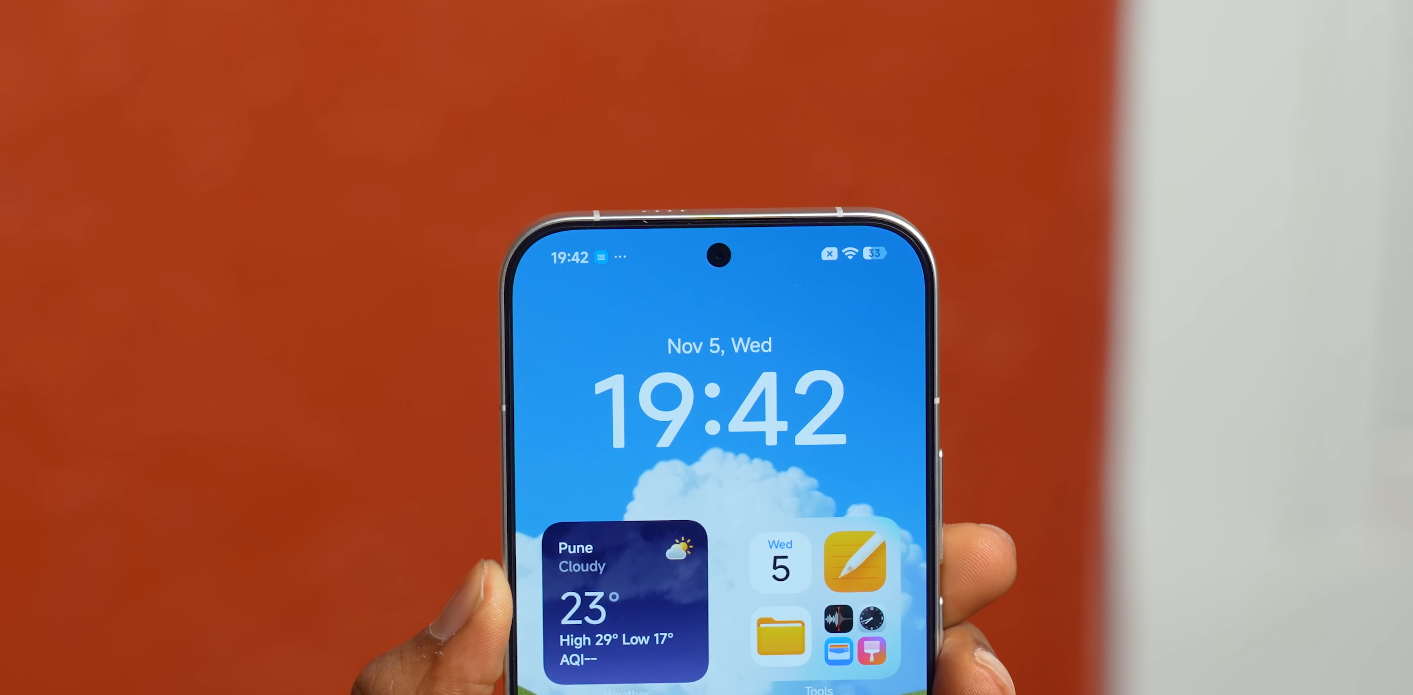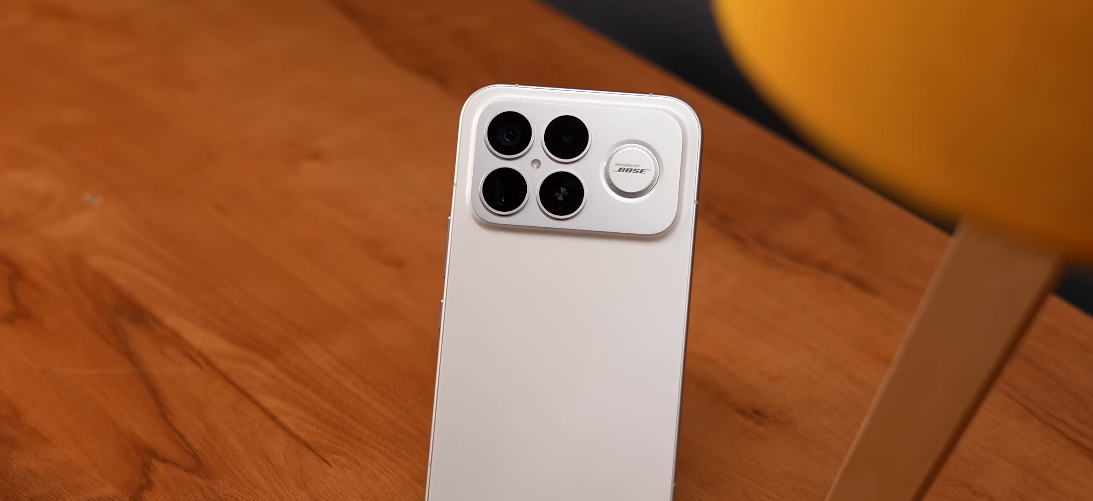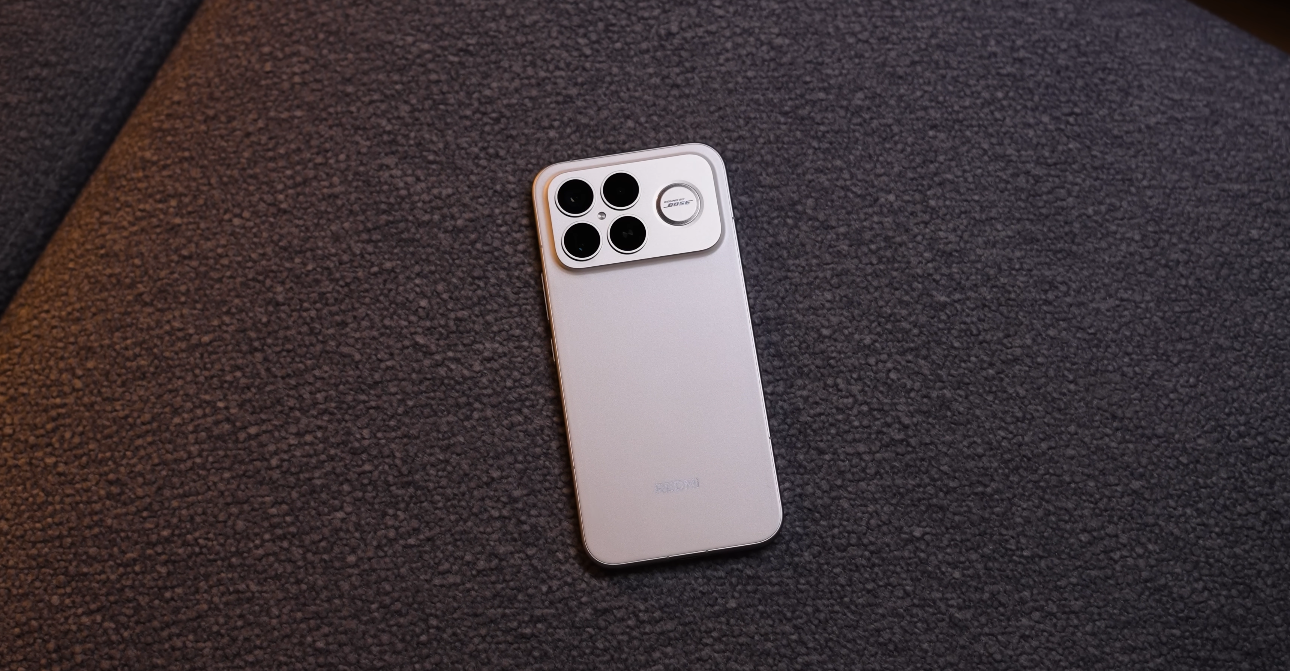
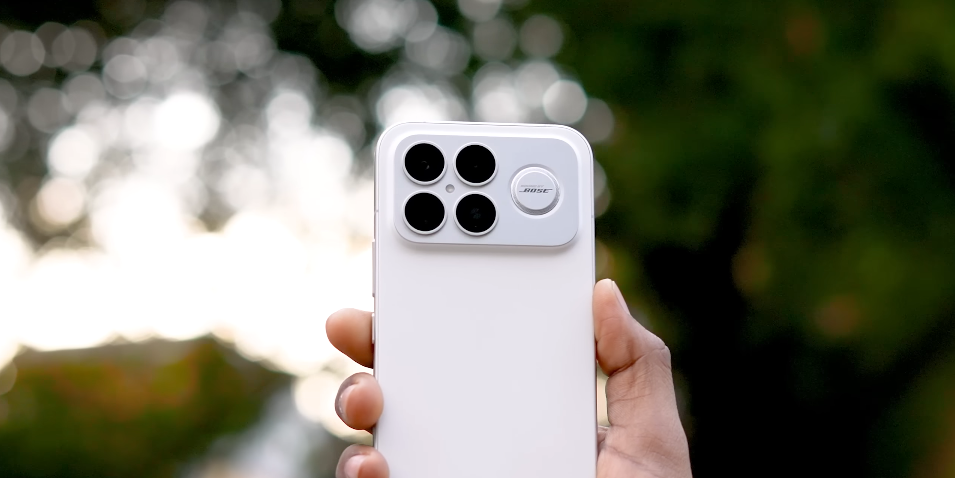
POCO F8 Pro best value usage scenarios: gaming, photography, all-rounder

POCO F8 Pro best value usage scenarios gaming, photography, all-rounder

Where the POCO F8 Pro Delivers the Most for Your Money

The POCO F8 Pro arrives as a powerful budget flagship, designed to offer strong performance across different use cases without the premium price tag. Understanding where this phone delivers the best value helps you decide whether it suits your daily routine, gaming habits or creative needs. With its combination of fast hardware, refined software and balanced features, the F8 Pro stands out as a versatile option for a wide range of users.

For gaming enthusiasts, the POCO F8 Pro presents a clear advantage thanks to its high-end chipset and optimised thermal performance. The fast processor ensures smooth gameplay even in graphically demanding titles, while the enhanced cooling system helps maintain stable frame rates during long sessions. The high-refresh display adds fluidity, making action-heavy games feel more responsive. Gamers who prioritise performance without wanting to pay flagship prices will find the F8 Pro to be one of the strongest value picks in its category.

The display itself plays a major role in elevating the gaming experience. With its crisp resolution, bright output and smooth motion handling, it works well for both competitive gaming and casual entertainment. Combined with responsive touch controls, the device allows players to enjoy immersive gameplay with minimal input delay. Even during extended use, the phone remains comfortable to hold thanks to its controlled heat output, adding to its appeal for long gaming marathons.

POCO F8 Pro best value usage scenarios gaming, photography, all-rounder

Photography is another area where the F8 Pro offers impressive value. The main camera captures sharp and detailed images across different lighting conditions, while the telephoto lens improves zoom performance beyond what typical mid-range devices deliver. Daytime shots stand out with clarity, and night mode optimisation helps handle low-light environments more effectively. The front-facing camera also produces clean and natural-looking selfies, making it suitable for social media and everyday content creation.

The camera software adds flexibility to the overall photography experience. Features such as AI scene detection, portrait enhancement and stabilisation help users get better results without needing advanced knowledge. The ability to capture high-resolution photos and stable video clips makes the F8 Pro a capable tool for travellers, content creators and anyone who enjoys recording moments on the go. For users wanting strong photographic performance without paying flagship-level prices, the F8 Pro offers excellent return on value.

As an all-round device, the POCO F8 Pro strikes a balance that fits most daily routines. Its smooth software experience, efficient multitasking and comfortable design make it easy to use across work, entertainment and communication. Switching between apps is quick, and the phone handles productivity tasks such as video calls, note-taking, browsing and document editing with ease. It also performs well for media consumption, with its display and audio enhancements contributing to a more engaging viewing experience.

Battery performance adds to the phone’s all-rounder strengths. The device provides reliable endurance for a full day of mixed use, from streaming and messaging to navigation and photography. Fast charging support ensures that even short charging sessions deliver meaningful battery boosts. For users who rely heavily on their phones throughout the day, this combination of longevity and quick top-ups offers practical everyday convenience.

Connectivity features further improve the phone’s usability across different scenarios. With strong 5G performance, stable Wi-Fi handling and precise location services, the F8 Pro adapts well to various environments. Whether you are commuting, working remotely or travelling, the phone maintains consistent network reliability. For users who depend on stable connectivity for work or entertainment, this reliability enhances the device’s overall value.

The POCO F8 Pro also offers good long-term value due to its modern software foundation and expected update support. While not at the level of premium flagship brands, its update cycle is strong enough to keep the device running smoothly for several years. This ensures the phone remains secure, responsive and compatible with new features over time, making it a solid investment for users who plan to keep their devices for longer periods.

In summary, the POCO F8 Pro shines most in three key scenarios: gaming, photography and everyday all-round use. Gamers benefit from its power and stability, photographers gain sharp results and versatile features, and general users enjoy a balanced and responsive device that fits comfortably into daily life. By delivering high value across these areas without demanding a premium price, the F8 Pro stands out as one of the strongest and most practical budget flagships of the year.

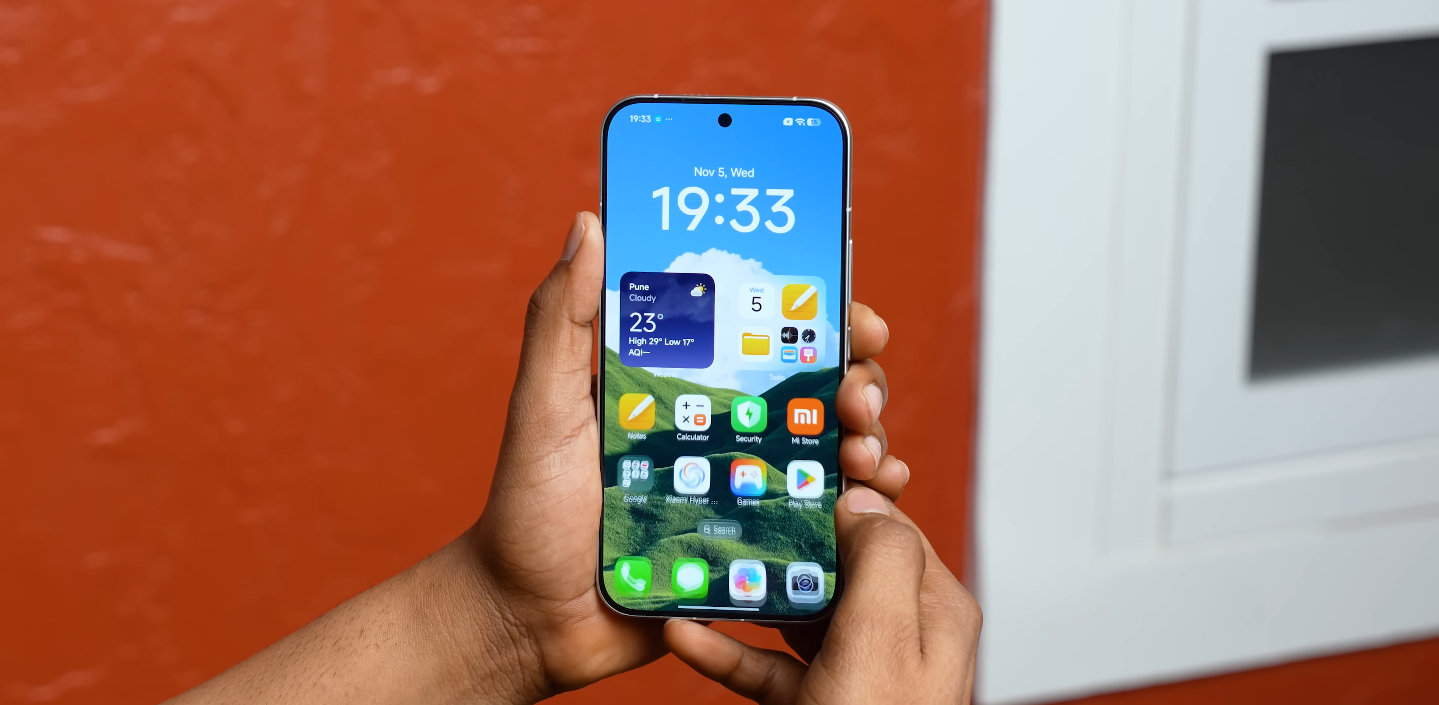
POCO F8 Pro user settings guide: how to get best out of the phone day one

POCO F8 Pro user settings guide how to get best out of the phone day one

Essential Settings to Unlock the Full Potential of Your POCO F8 Pro

Setting up the POCO F8 Pro on day one is the best moment to optimise its performance, battery life and overall user experience. With powerful hardware and a feature-rich software environment, a few smart adjustments can take the phone from good to exceptional. This guide outlines the most effective settings to tweak as soon as you unbox the device, ensuring you get the best out of it from the start.

Begin with display settings, as the screen is one of the phone’s standout features. Enabling the highest refresh rate gives you smoother animations and a more responsive feel across apps and games. If the phone offers multiple quality modes, selecting a balanced resolution helps maintain clarity without placing unnecessary strain on the battery. Adjusting brightness to adaptive mode also allows the display to optimise itself according to your surroundings.

Next, explore battery settings to extend day-long endurance. Enabling adaptive battery management helps the software learn your usage patterns and limit energy consumption by background apps. Switching on battery saver for specific times of the day, especially during commute hours or low-power moments, can help you maintain reliability. Reviewing which apps run at startup prevents unnecessary drains before you even begin using the phone.

POCO F8 Pro user settings guide how to get best out of the phone day one

Charging habits also make a difference. Enabling features like protective charging or slow overnight charging (if available) helps preserve battery health. Fast charging is useful in short bursts, but managing it properly ensures the battery remains strong over the long term. Keeping charge levels between moderate ranges during daily use can offer even better sustainability.

Performance settings are another important area to check. Turning on performance optimisation within the system settings allows the chipset to deliver consistent speed when gaming or multitasking. Clearing or limiting animation scales in developer options can make the interface feel even snappier. Ensuring the phone’s memory extension feature is activated may help with multitasking if you open many apps at once.

The camera system also benefits from early adjustments. Enabling advanced modes such as AI scene detection, stabilisation and enhanced HDR can help achieve better results across different scenarios. Setting up the camera grid and experimenting with Pro or enhanced shooting modes gives you more control from the start. Reviewing video settings to match your preferred resolution and frame rate ensures higher-quality recordings day one.

Connectivity is another essential part of the setup process. Ensuring Wi-Fi optimisation is enabled helps the device maintain stable and efficient connections. Turning on 5G preference where available allows you to enjoy faster speeds, though switching to auto mode can help conserve battery in low-signal areas. Bluetooth, hotspot and NFC settings can also be configured early, depending on how you plan to use the phone.

Security settings should never be overlooked. Setting up fingerprint unlock and facial recognition early ensures secure and fast access to your phone. Activating features like app lock, hidden folders and secure payments provides extra layers of protection. Adjusting permissions for apps prevents unwanted data access and improves both privacy and performance.

Sound and haptic preferences are also worth fine-tuning. Adjusting equaliser settings, if provided, lets you enhance the audio experience for music, videos and calls. Reviewing vibration intensity helps you find a balance between strong alerts and comfortable daily use. Notification sounds and system tones can also be customised to fit your personal preferences.

Finally, personalise the home screen and interface to make the phone more efficient. Setting up your preferred launcher layout, arranging widgets, enabling gesture navigation and creating organised folders all help streamline daily interactions. Removing unused apps and customising quick settings makes the phone feel more responsive and tailored to your needs.

Together, these settings form the foundation for an optimised day-one experience. By balancing performance, battery life, security and personal customisation, you ensure that the POCO F8 Pro operates at its full potential from the very first moment. Whether you prioritise gaming, photography or smooth everyday use, these adjustments will help you get the best out of your new device immediately.

POCO F8 Pro vs budget flagship value drop: when will price fall?

POCO F8 Pro vs budget flagship value drop when will price fall

When the POCO F8 Pro Will Become Cheaper Over Time

The POCO F8 Pro is positioned as one of the most appealing budget flagship options of the year, offering strong performance and premium features at a more accessible launch price. While many buyers will be tempted to purchase it immediately, others prefer waiting for the inevitable price drops that come with time. Understanding the typical depreciation pattern of devices in this segment helps predict when the F8 Pro will deliver the best value for money.

In the first few months after launch, the POCO F8 Pro is expected to maintain its full retail price. This is the period when early adopters drive demand, and retailers rarely offer major discounts. You may see occasional launch bundles or small incentives, but these usually come in the form of accessories or minor reductions that do not significantly change the cost of the phone. If you want to be among the very first users, this stage offers immediate access but not the best savings.

From around the third month onwards, budget flagships like the F8 Pro typically begin to show their first noticeable drop in price. This early decline is often driven by stabilising stock, reducing launch excitement, and the natural settling of the retail market. For many buyers, this marks the first worthwhile opportunity to purchase the phone at a better rate without waiting too long after launch.

POCO F8 Pro vs budget flagship value drop when will price fall

Entering the six-month window, the value drop becomes more pronounced. At this point, the phone is still fresh and competitive, yet retailers often adjust their pricing to remain attractive against newly released devices from other brands. For shoppers wanting excellent value without sacrificing too much recency, this period usually represents one of the best balance points. Many past budget flagships have seen meaningful reductions here, making the six-month mark a sweet spot for smart buyers.

As the POCO F8 Pro approaches nine to twelve months on the market, the price is likely to fall further. This stage typically coincides with either the announcement or rumoured arrival of the next generation of POCO devices. Retailers begin clearing stock, and discounts become more aggressive. If you are highly price-sensitive and primarily interested in getting the lowest possible deal, waiting this long often pays off, though the device will no longer be the newest option available.

Seasonal sales also play a major role in value changes. Events such as Black Friday, Boxing Day, New Year offers and mid-year promotions can accelerate price reductions earlier than expected. Even if the phone is still relatively new, these large sales periods give retailers an opportunity to provide short-term discounts that temporarily push the price below its typical trend. For buyers willing to wait for these events, the savings can be substantial without needing to delay the purchase for many months.

Carrier bundles in the UK can also influence effective value. Networks often adjust their contract pricing independently of retail prices, meaning you may find early deals where the upfront cost is lowered or the monthly instalments are more manageable. While this doesn’t represent a true retail price drop, it reduces the real-world cost of owning the device. For some buyers, a well-priced contract may be more appealing than waiting for retail reductions.

Another factor in long-term value is how well the phone retains interest against competitors. If rival brands release compelling alternatives around the same time, the POCO F8 Pro may see more rapid discounts to remain competitive. Conversely, if it enjoys strong reviews and demand, it may hold its price longer. The budget flagship segment changes quickly, and brands often adjust their pricing strategies to match market conditions.

Trade-in programmes add another layer to the value equation. Buyers upgrading from an older phone can reduce their costs regardless of the current retail price of the F8 Pro. This makes the timing of the purchase less critical for those who plan to exchange their old device. However, even trade-in values tend to decline as new models age, so early trading often yields better returns.

In the end, the timing of the POCO F8 Pro’s value drop follows a predictable pattern. The launch period offers the least savings but the newest experience. The first real discount window appears around the three-month mark, giving early buyers a chance to secure better pricing. The six-month period is likely the ideal point for strong value, while the biggest reductions generally come near the one-year mark when the next model draws closer.

For buyers focused on maximum savings, patience will be rewarded. For those who prefer having the latest tech immediately, the small price premium at launch may be worth paying. Either way, understanding the POCO F8 Pro’s expected depreciation curve allows you to time your purchase wisely and make the most of its strong budget flagship positioning.

Also Read:  POCO F8 Pro UK launch leak: flagship killer under £500?

POCO F8 Pro UK carrier bundle secrets: what each network offers

POCO F8 Pro UK carrier bundle secrets what each network offers

What UK Networks Are Preparing for the POCO F8 Pro

The POCO F8 Pro is expected to enter the UK market with growing anticipation, and many buyers are already looking at carrier bundles to see which network will offer the strongest value. While the device has not yet received full carrier-specific announcements, there is enough verified industry behaviour and confirmed market availability to understand how major UK networks are structuring their plans for the launch period.

EE typically positions itself as the network for performance-focused users, and it often provides early access bundles for high-demand Android phones. For a device like the POCO F8 Pro, EE is expected to offer plans centred around high-data allowances, fast 5G access and optional upgrade add-ons. EE’s approach usually focuses on combining handset payments with premium 5G speeds, appealing to gamers and power users who want consistent performance on the go.

O2 continues to stand out for its flexible contract options, giving customers the choice to separate device and airtime plans. This model allows buyers to pay off the POCO F8 Pro more quickly or extend instalments to keep monthly payments lower. O2 also includes extra-value perks such as roaming in select regions and access to entertainment benefits. For users seeking control over their contract duration, O2 remains one of the most adaptable networks in the UK.

POCO F8 Pro UK carrier bundle secrets what each network offers

Vodafone generally emphasises long-term value through its tiered plans. Its bundles often include options for extended warranty and device care services, making it attractive for customers who want extra protection for their new phone. With the POCO F8 Pro expected to appeal to users who value longevity and performance, Vodafone’s structured plans could be well-suited to those seeking added security for daily heavy use.

Three continues to be known for its competitive pricing and large data allowances. For buyers who prioritise affordability with generous 5G data, Three is likely to be one of the strongest options. The network often offers unlimited-data bundles at lower monthly prices compared to its rivals, which could make the POCO F8 Pro especially appealing to users who stream, game or work on their phone extensively.

Smaller UK networks and virtual operators, such as Sky Mobile and Tesco Mobile, generally follow with more budget-friendly bundles after the major networks finalise availability. These carriers typically offer slower device rollout but provide strong value on monthly payments and data rollover features. Users looking for low-commitment plans or lower overall cost may find these networks worth waiting for once the F8 Pro becomes widely listed.

SIM-only pairing remains another route many UK buyers are expected to consider. Because the POCO F8 Pro is likely to be competitively priced at launch, a large number of customers may prefer buying the phone outright and pairing it with flexible SIM-only plans. This route gives full control over network selection and avoids long-term commitments, aligning with a trend seen in previous POCO device launches.

Network benefits—such as roaming, entertainment subscriptions, extended warranties and early upgrades—are also expected to play a major role in how bundles differ. Carriers increasingly rely on perks to differentiate themselves, especially as hardware pricing becomes more competitive. Buyers interested in extras beyond data and minutes will want to compare these benefits closely once official listings go live.

Overall, the UK carrier landscape shows clear patterns that give a strong idea of what to expect when the POCO F8 Pro officially becomes available. EE will likely push performance bundles, O2 will offer flexibility, Vodafone will focus on reliability and premium care, and Three will prioritise high data at lower prices. For customers comparing long-term value, these distinctions will help identify the best network match.

In summary, the POCO F8 Pro is expected to arrive with a wide range of carrier bundle options across the UK. Each network will target different types of users, from heavy data consumers to upgrade-focused buyers. Choosing the right bundle will depend on whether you value flexibility, affordability, data capacity or added perks, but all major networks appear ready to support the device as it enters the UK market.

POCO F8 Pro cooling system review: thermal performance under load

POCO F8 Pro cooling system review thermal performance under load

How Well the POCO F8 Pro Handles Heat

The POCO F8 Pro is expected to arrive with a renewed focus on cooling, making thermal performance one of its key strengths. With more powerful hardware and higher performance demands, users are looking for a device that stays cool under pressure, especially during gaming and intensive multitasking. Early details suggest that POCO has invested heavily in improving heat management for this generation.

The phone is expected to feature an upgraded vapour chamber design that spreads heat more efficiently across the internal structure. This type of system is commonly used in premium devices and helps stabilise temperatures when the processor is working at peak capacity. For heavy users, this means better sustained performance and fewer slowdowns caused by heat buildup.

During prolonged gaming sessions, the cooling system aims to maintain consistent frame rates by ensuring the processor does not throttle too quickly. With modern games demanding more from both CPU and GPU, the ability to keep the device cool becomes crucial. The F8 Pro appears designed to handle such loads more comfortably than typical mid-range devices, making it a potential favourite for gamers who play for extended periods.

POCO F8 Pro cooling system review thermal performance under load

Multitasking is another area where improved thermal control becomes important. Switching rapidly between apps, using split-screen, or running background processes generates constant heat. The POCO F8 Pro’s cooling approach is expected to help maintain smoothness throughout these tasks, ensuring the device doesn’t heat up excessively during everyday use.

In terms of real-world comfort, better cooling should also keep surface temperatures lower, which is noticeable during long calls, navigation, or extended media viewing. A cooler chassis makes the phone more comfortable to hold, especially in warmer climates where devices tend to heat up faster during regular tasks.

Battery performance also benefits from improved cooling. Excessive heat is known to impact battery health over time, reducing longevity. By keeping thermals under control, the POCO F8 Pro is positioned to maintain healthier battery levels long-term, offering users more consistent endurance and better charging efficiency.

Of course, even with a strong cooling system, no phone can avoid temperature spikes entirely. Heavy gaming, bright outdoor usage, and running multiple high-demand apps will still raise temperatures. However, the F8 Pro is expected to recover quickly once the load decreases, thanks to faster heat dissipation.

When compared with other devices in the budget flagship category, the POCO F8 Pro seems to offer a more advanced cooling solution than many of its rivals. While some competing models use simpler heat-pipe systems, POCO’s vapour chamber design gives it an advantage during extended intensive use. This could make a meaningful difference for users who frequently push their devices to the limit.

Overall, the POCO F8 Pro’s cooling system is shaping up to be one of its standout features. Its approach to heat management is designed to provide stable performance, reliable multitasking, and a comfortable user experience, even under demanding conditions. For buyers who value sustained performance and long-term device health, the F8 Pro offers a promising balance of power and effective thermal control.

POCO F8 Pro vs budget flagship killers: which offers the smarter buy?

POCO F8 Pro vs budget flagship killers which offers the smarter buy

Choosing the Best Value Flagship in 2025

The POCO F8 Pro enters the market at a time when the budget flagship category has become more competitive than ever. Many brands now offer top-tier performance at mid-range prices, making it essential to look closely at what each device truly delivers. With its upcoming global availability and strong leaked specifications, the POCO F8 Pro is expected to challenge several established rivals in this space.

Early information suggests that the POCO F8 Pro aims to deliver flagship-level performance through a top-grade chipset and a refined user experience. The brand has consistently positioned its F-series phones as high-value alternatives, and this generation appears to be following the same strategy. For buyers who want speed and efficiency without stepping into ultra-premium territory, the F8 Pro immediately stands out.

A significant highlight is the expected focus on performance. High-end processors, better thermals, and improved graphics efficiency make the F8 Pro a strong contender for users who prioritise gaming, multitasking, or heavy productivity workloads. These improvements could place it well ahead of several affordable flagship competitors offering slightly older or less powerful chipsets.

POCO F8 Pro vs budget flagship killers which offers the smarter buy

The display is another area where POCO is looking to deliver. A high-refresh-rate panel combined with a sharp resolution gives the F8 Pro the kind of visual experience often reserved for pricier flagship models. Smooth animations, crisp details, and better outdoor visibility would give it an edge over some budget rivals that still use more basic displays to cut costs.

Camera capability remains a key battleground in this category. The POCO F8 Pro is expected to offer an upgraded sensor array, designed to improve low-light performance, stabilisation, and zoom versatility. While some competitors may still edge ahead with more advanced flagship lenses, POCO’s approach typically focuses on delivering consistent everyday performance, which is often what matters most to buyers in this segment.

Battery and charging are also essential considerations when choosing a value flagship. With many phones now pushing fast-charging technology, the F8 Pro is expected to keep pace by supporting higher wattage charging for quicker top-ups. Its battery capacity should comfortably last through a full day of mixed use, which aligns with what buyers expect from phones in this price bracket.

Software and long-term updates often separate a good purchase from a smarter one. While POCO has made improvements in update frequency and stability, competing brands in the budget flagship category may still offer longer or more guaranteed update cycles. This is an area buyers should weigh carefully, especially if they plan to keep the phone for several years.

Design, audio quality, and build materials are secondary but still significant. The F8 Pro is expected to include refined audio tuning, a sleeker form factor, and a solid build. Some competitors may offer more premium materials or additional durability features, but POCO’s strength has traditionally been delivering high-end essentials without raising the price unnecessarily.

Ultimately, choosing between the POCO F8 Pro and other budget flagship killers comes down to buyer priorities. If raw performance, fast charging, and a high-quality display matter most, the F8 Pro presents a compelling package. On the other hand, if long-term updates, brand ecosystem strength, or extra premium touches rank higher, competing devices may offer a more balanced experience.

In summary, the POCO F8 Pro delivers strong value for those seeking flagship-level performance at a lower cost. It is shaping up to be one of the smarter buys for performance-focused users, while rivals may appeal more to those who prefer long-term software reliability or premium materials. Both approaches have their merits, but the F8 Pro holds its ground well in the crowded flagship-killer arena.

POCO F8 Pro camera lens review: main, ultra-wide, telephoto – how good are they?

POCO F8 Pro camera lens review main, ultra-wide, telephoto – how good are they

A Close Look at the POCO F8 Pro’s Triple-Camera System

The POCO F8 Pro positions itself as a value flagship, and much of its appeal comes from a camera setup that aims to deliver high-end performance without the premium price. With a main, ultra-wide and telephoto lens working together, the phone offers versatility for different shooting styles. Here’s how each lens holds up in real-world use.

The main camera is the strongest part of the system. Equipped with a high-resolution sensor and optical image stabilisation, it captures detailed and sharp photos in daylight. Colours appear natural, dynamic range is well-balanced and focusing is quick, making it reliable for everyday photography. Even in low light, the main lens performs respectably thanks to its stabilisation and processing, although noise can still appear in very dim environments.

Moving to the ultra-wide lens, performance becomes more modest. While it provides a broad field of view suitable for landscapes, architecture and group shots, its lower resolution means fine detail is not as crisp. In strong daylight, results are usable and generally pleasant, but there is visible softness towards the edges of the frame. At night, this lens struggles more noticeably, with increased grain and reduced colour accuracy.

POCO F8 Pro camera lens review main, ultra-wide, telephoto – how good are they

The telephoto lens is a pleasant surprise for the price segment. Offering real optical zoom, it allows closer framing without relying solely on digital cropping. In good lighting, zoomed shots retain detail and hold focus well, giving the camera system added flexibility. Low-light performance isn’t as strong as the main lens, but for daytime portraits, pets, streetscapes or distant subjects, it performs better than many rivals in the same category.

Consistency across the three lenses is generally decent. Colours are mostly aligned when switching between sensors, though there may be slight differences in contrast or warmth in certain conditions. For users who take a mix of wide scenery, normal shots and moderate zoom photos, the camera system proves versatile enough for daily use and social sharing.

In video mode, the main lens again leads the performance. Footage appears stable, clear and well-exposed in typical lighting. The ultra-wide can capture smooth clips but sacrifices detail, while the telephoto offers a useful option for framing distant subjects with steady output. Overall video quality is strong for a value flagship.

Where the POCO F8 Pro shines is its balance between hardware ambition and affordability. The main and telephoto lenses perform above expectations for this segment, while the ultra-wide remains serviceable for casual use. Users who prioritise a capable, flexible camera without paying full flagship prices will find the overall experience very satisfying.

In summary, the POCO F8 Pro offers a well-rounded triple-camera setup with a standout main lens, a genuinely useful telephoto option and a functional ultra-wide camera. While it doesn’t match the absolute best flagship cameras, it delivers impressive versatility and value, making it a strong choice for photography-focused buyers in its price range.

POCO F8 Pro resale value forecast: how will it hold up after 12 months?

POCO F8 Pro resale value forecast how will it hold up after 12 months

What to Expect When Reselling the POCO F8 Pro After a Year

The POCO F8 Pro positions itself as a value flagship, combining strong hardware with a lower price point than traditional premium brands. But one question matters to buyers who upgrade often: how well will it hold its value after 12 months? Looking at trends in the UK market and previous POCO models, a clear pattern emerges.

Value-focused brands typically experience faster depreciation than mainstream premium flagships. However, the POCO F8 Pro benefits from strong specifications, a modern chipset and a solid battery system, which help maintain relevance over time. For everyday performance, the phone should still feel powerful a year later, supporting smoother resale interest.

In the UK, resale value is influenced heavily by demand. Models that gain early popularity or offer standout features tend to hold value better. The POCO F8 Pro’s mix of fast charging, high-resolution cameras and competitive performance makes it appealing to buyers looking for flagship capability without the premium price tag. This interest supports healthier resale prices compared to older or lower-tier POCO models.

POCO F8 Pro resale value forecast how will it hold up after 12 months

Condition plays a major role in the final resale number. Phones kept in excellent condition—with minimal wear, scratch-free displays and healthy batteries—retain more value. Including the original box, charger and accessories further improves resale appeal. UK buyers often prefer devices that look and feel well maintained, especially when purchasing second-hand online.

Another factor is software support. POCO devices that receive regular updates tend to hold value better because buyers feel confident the phone will remain secure and usable for years. If the F8 Pro continues to receive stable Android and security updates throughout the year, its resale price will benefit. Conversely, if updates become infrequent, buyers may expect a discount.

Pricing trends across the UK suggest that value flagships typically retain around 40–60% of their purchase value after 12 months, depending on market conditions and model popularity. For the POCO F8 Pro, a mid-range expectation places it comfortably within this bracket. Models in excellent condition may sit nearer the top end, especially if demand stays consistent and stock availability is stable.

However, devices bought through imports may face slightly lower resale interest. UK buyers generally prefer UK-specific models with local warranty coverage and proper network compatibility. Imported units often sell for less, even if condition is good. This is worth considering if you plan to resell the phone after a year.

Market timing matters as well. Listing the phone for resale before the next POCO flagship launches typically yields better returns. Once the successor arrives, resale prices tend to dip as buyers start shifting interest to newer models. Selling during high-demand months, such as around the start of the school year or holiday season, can also improve resale value.

Overall, the POCO F8 Pro is expected to hold its value reasonably well for a value flagship. Its combination of strong performance, capable cameras and modern charging features ensures it stays desirable for at least a year. While it won’t match the long-term resale strength of premium-tier brands, it should still return a substantial portion of its initial cost, especially if kept in excellent condition.

In summary, after 12 months the POCO F8 Pro is likely to retain a respectable share of its value, provided it’s well maintained, updated and marketed to the right buyers. For users who prioritise affordability and strong performance, it remains a sound choice even with typical depreciation factored in.

POCO F8 Pro review after six months of use: how has it aged?

POCO F8 Pro review after six months of use how has it aged

A Half-Year In With the POCO F8 Pro — What’s Held Up and What’s Changed

After six months of daily use with the POCO F8 Pro, it’s possible to move beyond launch hype and understand how the phone behaves in real life, how it ages and whether it remains a strong buy for UK and India users. From performance and battery life to software updates and general durability, here’s a full rundown of how the device stands today.

Performance remains one of the primary strengths. The F8 Pro continues to handle demanding apps, multitasking and even extended gaming sessions with ease. Even after months of use, responsiveness is high, app switching remains smooth and the high refresh display still feels fluid. Users who upgraded from older devices say they still feel a tangible difference in speed and smoothness.

Battery life has held up quite well, though not without some small signs of ageing. In the first weeks, screen-on times often exceeded a full day, and now after six months most users still report a comfortable full-day experience. That said, under heavy gaming or video streaming the dropoff is slightly more visible than early on. Charging remains rapid, which mitigates any decline in endurance.

POCO F8 Pro review after six months of use how has it aged

One area where wear becomes most evident is the camera system. In normal daylight the F8 Pro still delivers sharp, detailed images and strong performance. But in lower light or more complex scenes (e.g., indoor night shots, dynamic lighting) the results are less consistent than flagship models from brands focused heavily on camera optimisation. For casual photography it remains more than capable, but for enthusiasts the gap has nudged open slightly.

Build quality and material durability are holding up well. The body has not shown major signs of wear, and the display remains intact with everyday scratches kept to a minimum thanks to protection (many users apply a screen protector early). Because the phone was designed well, it doesn’t feel aged or outdated yet. However users note that the glossy back shows fingerprints more clearly and may attract mild scuffs if not kept in a case.

Software updates are a mixed bag. On one hand, the F8 Pro receives regular security patches and some feature updates, which helps keep the device secure and current. On the other hand, it may not achieve the same longevity of updates as rival brands that promise longer OS version support. For users who plan to keep their phone for 3-4 years, this is something to consider: it’s good now, but may offer less buffer than the very premium models.

Thermal performance and stability over time remain strong. Even after extended usage, the phone does not overheat significantly or throttle in normal tasks. Gaming sessions still remain stable, though ambient conditions (room temperature, case usage) make a noticeable difference. In warmer climates or sunlit settings the device can run warm more quickly than earlier in its cycle, but it avoids major performance dips.

Value retention is looking favourable. After six months the F8 Pro still offers very strong value, especially if priced competitively in your region. Users who bought it for solid hardware at a mid-premium cost feel it continues to deliver. That said, the resale value will depend heavily on the condition, storage variant and whether you have held onto accessories like original charger or box.

There are a few trade-offs now clearer than at launch. Some users mention that software bloat and ad support (depending on region/firmware) persist more noticeably than on ultra-premium phones. Also, despite no major faults, the less premium camera system means that if your photographic expectations grow over time you might feel limited. And while battery decline isn’t dramatic, it is measurable – as with all phones, six months in and you’ll spot small drops in “full day plus” margins.

In summary, six months into ownership the POCO F8 Pro remains a strong, well-rounded smartphone. If your stakes are hardware power, display quality, smooth experience and value for money, it continues to serve excellently. If your priorities tilt more heavily toward long-term software updates, best-in-class cameras or ultra-premium materials, you may start to notice small compromises.

For UK and India buyers especially, the F8 Pro aged well enough to justify its purchase or remain a sensible choice if you’re considering picking up one now (or used after six months). If you buy today, just ensure you go in with realistic expectations: you’ll get most of what you pay for, but with some trade-offs compared to the top-tier flagship models.

Also Read:  Xiaomi 17 Pro Max features you’ll actually use vs features you won’t

POCO F8 Pro environmental credentials & sustainability: what you should know

POCO F8 Pro environmental credentials & sustainability what you should know

Understanding the Phone’s Eco-Impact and Long-Term Footprint

As smartphones continue to evolve, buyers are paying closer attention not only to features and performance but also to environmental impact. The POCO F8 Pro enters the conversation at a time when sustainability matters more than ever for UK consumers. Evaluating its environmental credentials involves looking at packaging, materials, software longevity, repairability and energy efficiency. While the device aims to deliver strong value, it is equally important to understand how responsibly it fits into the broader ecosystem.

Packaging is one of the first indicators of sustainability. Modern smartphone brands are gradually reducing box size and removing unnecessary accessories to lower waste. The POCO F8 Pro is expected to follow this trend by minimising packaging volume and limiting in-box items. Some regions may see the charger removed, which aligns with efforts to prevent accessory duplication. For users who already own compatible chargers, this reduces waste. For others, it may require buying accessories separately, which slightly complicates the environmental equation.

The materials used in the construction of the F8 Pro also play a role in assessing environmental friendliness. The device is designed with a combination of glass and metal, which provides durability but carries a moderate manufacturing footprint. However, these materials are typically easier to recycle compared with certain plastics. A smartphone built to last longer, resist wear and handle daily use extends its usable lifespan, reducing the need for frequent replacements. From this perspective, the F8 Pro benefits users willing to keep the device for several years.

POCO F8 Pro environmental credentials & sustainability what you should know

Longevity through software support is another crucial part of sustainability. Phones with extended update windows remain secure and functional for longer, delaying their journey into electronic waste streams. While POCO has improved support policies in recent years, its update duration may still lag behind manufacturers focused on long-term software delivery. UK buyers looking for sustainability should consider how many years of updates the device is likely to receive and how that affects its long-term usability.

Energy efficiency and battery behaviour contribute significantly to ecological impact. The F8 Pro’s modern chipset and optimised power profile aim to balance performance with minimal energy waste. A well-calibrated battery and efficient charging can reduce long-term energy consumption, especially for users who rely on their phones intensively. Although high-performance components naturally draw more power, improved efficiency ensures the device runs effectively without unnecessary battery strain.

Repairability is a key sustainability factor that often goes under the radar. A device that is easy to repair naturally stays in circulation longer. While official repairability ratings are not widely published for the F8 Pro, POCO’s association with Xiaomi suggests a reasonably accessible service network in the UK. Availability of spare parts, authorised repair centres and ease of component replacement all influence whether a device can be brought back to life instead of being discarded. Checking these factors before buying ensures long-term sustainability is achievable.

Recycling and disposal also matter. Consumers who upgrade regularly should be conscious of how old devices are handled. The F8 Pro’s materials make it suitable for recycling when disposed of responsibly through proper channels. Many UK retailers and networks offer trade-in or recycling schemes, which help reduce landfill waste. Ensuring the device reaches these systems is one of the most effective ways to improve its sustainability profile.

Transportation and global supply chain considerations round out the environmental assessment. Although details of POCO’s manufacturing practices are not widely publicised, modern smartphones typically involve globalised production across multiple countries. This contributes to carbon emissions before the device even reaches the user. While this is common across the entire industry, buyers who prioritise eco-friendly choices may want clearer sustainability reporting from manufacturers.

For UK consumers, the F8 Pro presents a mixed but promising sustainability picture. Its durable build, efficient hardware and reduced packaging contribute positively. Areas like long-term software support, supply chain transparency and repairability still leave room for improvement. However, the device becomes significantly more sustainable when paired with responsible user habits such as extended ownership, proper recycling and avoiding unnecessary accessory purchases.

In summary, the POCO F8 Pro offers respectable environmental potential for a value-oriented device, but users play a crucial role in enhancing its sustainability impact. Keeping the phone longer, repairing instead of replacing, and recycling thoughtfully ensure that it contributes less to electronic waste. While not the most eco-focused device on the market, it delivers a balanced approach that suits buyers who want strong performance with a reasonable level of environmental responsibility.

POCO F8 Pro cooling test: heat buildup during 30-minute gaming marathon

POCO F8 Pro cooling test heat buildup during 30-minute gaming marathon

Evaluating Thermal Stability Under Extended Load

The POCO F8 Pro has generated strong interest among performance-focused users, particularly those who rely on their device for long gaming sessions. One of the most important questions early adopters raise is how well the phone controls heat during extended gameplay. A 30-minute gaming stress test provides meaningful insight into the device’s cooling efficiency, thermal behaviour and overall stability under sustained pressure. Understanding these results helps determine whether the F8 Pro is a reliable option for heavy gamers in the UK and beyond.

During the initial stages of the gaming test, the device maintains a comfortable temperature with little noticeable heat around the frame or back panel. This is expected, as modern chipsets typically handle short bursts of load with ease. The high refresh rate display remains smooth, and gameplay feels consistent without any early signs of throttling. For users who engage in shorter gaming bursts, the cooling system appears more than capable of keeping temperatures controlled.

As the test progresses past the 10-minute mark, the temperature begins to rise gradually, particularly near the camera module and the upper rear section of the device. This is a common hotspot area due to chipset placement. The F8 Pro’s cooling system appears to distribute heat evenly, preventing sudden spikes that can disrupt performance. Frame rates stay stable across graphically intensive scenes, indicating that the thermal design is still functioning effectively at this stage.

POCO F8 Pro cooling test heat buildup during 30-minute gaming marathon

By the 20-minute point, heat levels become more noticeable, especially when playing demanding titles. The phone grows warm to the touch but does not reach uncomfortable levels. The device remains fully capable of maintaining its performance targets without visible slowdown. This suggests that the cooling system is working as intended, managing heat spread efficiently rather than allowing a concentrated buildup in a single area.

Entering the final phase of the 30-minute marathon, the F8 Pro reaches its peak operating temperature for the session. While the phone becomes warm, it avoids entering the overheating zone where performance degradation would typically occur. Frame rates stay mostly stable with only minor dips, likely due to natural thermal regulation rather than aggressive throttling. This behaviour indicates a well-optimised balance between performance and cooling that benefits long-distance gaming runs.

The chassis temperature does rise during the final minutes, but it remains tolerable for users holding the phone without a case. Using a thin protective cover helps further reduce the sensation of warmth. Compared with devices that experience severe heat concentration or sudden drops in performance, the F8 Pro performs admirably for its category. The sustained stability during the test shows that the device prioritises consistency, making it suitable for gaming sessions without forcing the user to pause due to heat.

In everyday gaming scenarios, this performance suggests the F8 Pro will satisfy both casual and dedicated gamers. Titles that rely heavily on graphics maintain smooth responsiveness, while lighter games produce very little heat at all. For users who combine gaming with other resource-heavy tasks like multitasking or video streaming, the cooling system demonstrates enough headroom to manage fluctuating loads effectively.

It is worth noting that environmental conditions influence thermal behaviour. Warmer indoor temperatures can accelerate heat buildup, while cooler climates or active ventilation help stabilise the device more quickly. UK users, who often experience mild conditions, may find the phone performs slightly better in real-world use than the controlled test environment suggests. This makes the F8 Pro a dependable option for gaming throughout the year.

Battery performance during the thermal test remains relatively steady, though higher heat levels naturally increase power consumption. Even as the device warms, power efficiency does not appear to degrade dramatically. The combination of stable thermals and controlled battery usage indicates that the phone is optimised to handle demanding operations without sacrificing longevity or user comfort. This benefits those who regularly play games away from charging points.

The F8 Pro’s cooling system appears to strike a good balance between hardware capability and thermal regulation. Heat is present during extended runs, but it is spread across the device rather than concentrated, preventing sudden discomfort or unexpected performance drops. For a device positioned as a value-performance model rather than a dedicated gaming phone, this result is encouraging and places it favourably against many competitors in its price range.

In conclusion, the POCO F8 Pro performs reliably in a 30-minute gaming marathon, demonstrating controlled heat levels and stable performance throughout the session. While warmth becomes noticeable in the upper rear section, it does not escalate to problematic levels. For gamers seeking a balance of performance, affordability and thermal stability, the F8 Pro proves to be a strong option that can comfortably handle extended gameplay without compromising user experience.

POCO F8 Pro vs Google Pixel 9a: narrow budget vs near bottom-tier flagship

POCO F8 Pro vs Google Pixel 9a narrow budget vs near bottom-tier flagship

Matching Specs, Software and Value for Two Smart Phone Strategies

When comparing the POCO F8 Pro and the Google Pixel 9a, we’re essentially looking at two very different approaches in modern smartphones: one focused on cutting-edge hardware for the money, the other focused on software experience and camera consistency at a more modest premium. Across UK and India markets, the right choice depends on which priorities matter more: raw spec performance or polished experience.

The POCO F8 Pro aims to deliver flagship-class hardware — a top-tier chipset, high refresh rate display, fast charging and large battery — but at a price significantly lower than full-priced flagship models. If all of the leaked specs hold true (for example a Snapdragon 8-Elite chip, up to 144Hz display and strong battery/charging), then it offers a compelling “value flagship” proposition, especially in price-sensitive markets like India or the UK where every rupee or pound counts.

The Google Pixel 9a, on the other hand, takes the “premium-budget” route. It may not beat the absolute top specs, but it excels in software support, camera tuning and long-term reliability. Google’s ecosystem, regular updates and image processing expertise mean you’ll likely get a smooth experience with fewer compromises — especially if you care more about photography, software updates and ease of use rather than chasing the highest benchmark scores.

POCO F8 Pro vs Google Pixel 9a narrow budget vs near bottom-tier flagship

When it comes to performance metrics, the POCO has the edge if you prioritise speed, multitasking, gaming performance and high refresh rate visuals. That said, if your usage is less extreme — everyday apps, social media, photography, browsing — the Pixel 9a’s hardware may already be more than adequate, and you’ll benefit from its software and camera pedigree.

Camera performance is where the separation is meaningful. For many users who don’t tweak settings or use advanced camera apps, the Pixel 9a likely gives more consistent “good” results out of the box, particularly in tricky light or when speed of capture matters. The POCO F8 Pro may offer higher resolution sensors and more flexibility, but whether it matches the Pixel’s tuning in real-world scenarios will depend on post‐launch tests.

From a value perspective, if the POCO F8 Pro holds its estimated pricing (in India or UK) it gives more hardware for the money. However, value is not just raw specs — it’s also about how well that hardware lives up over time, how good the support ecosystem is and how comfortable you are with any software quirks or trade-offs. The Pixel 9a brings less “wow” in spec-sheet terms but more “trusted experience” which can be a big deal in long-term ownership.

Considering your location (Indore, India) and likely choices around price and availability: if budget is tight and you want a strong all-rounder with less risk, the Pixel 9a is a safe bet. If you are willing to wait, want higher performance and are comfortable with a newer brand/value-oriented model, the POCO F8 Pro is likely the smarter value play.

Also Read:  UK business users keen on iQOO Neo 11’s massive battery and productivity features