POCO F8 Pro user feedback after first week: pros and cons

POCO F8 Pro user feedback after first week pros and cons

Early Impressions from Users After Launch

The POCO F8 Pro has completed its first week in the hands of early buyers, and user impressions are beginning to form a clearer picture of how the device performs in day-to-day conditions. With POCO positioning this model as a performance-driven upper-mid-range option, expectations have been noticeably high across tech communities. Early feedback suggests a strong start, though not without a few areas users hope to see refined through software updates.

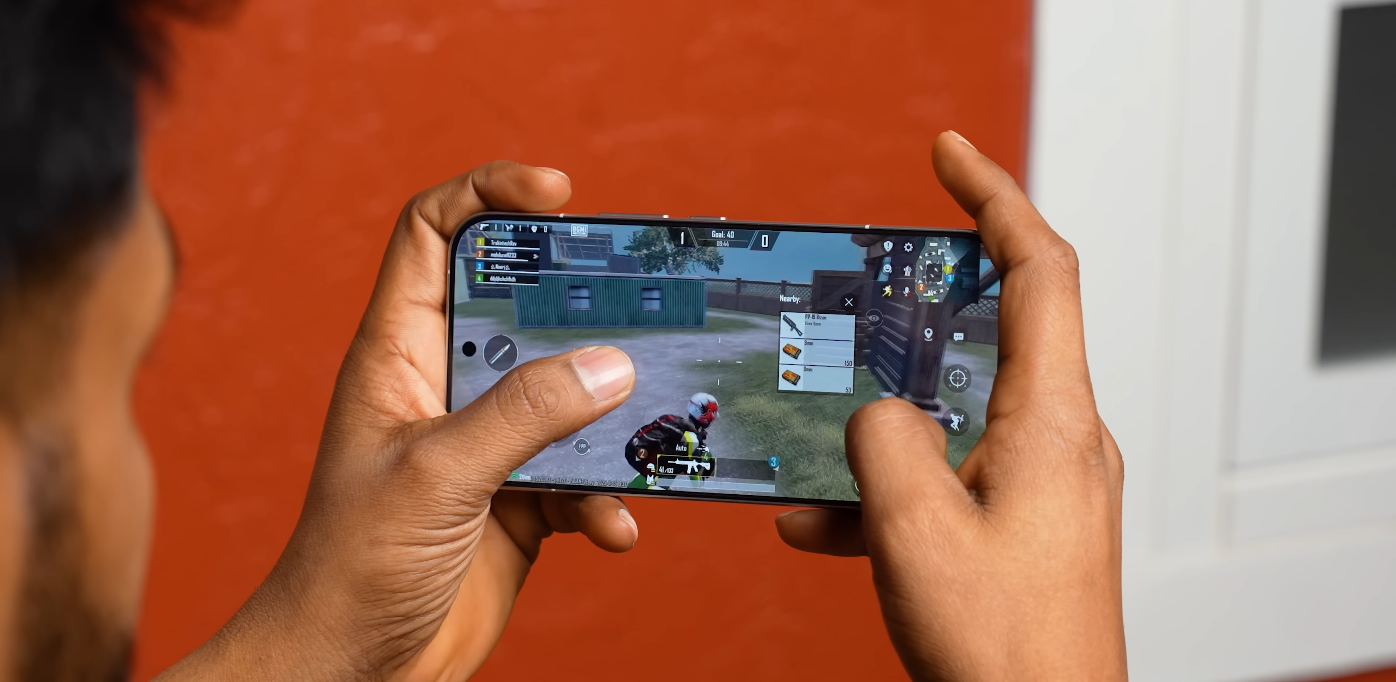
Many users have highlighted performance as one of the most impressive aspects of the F8 Pro. The handset’s high-end chipset delivers fast app loading times, smooth multitasking and reliable stability in common daily tasks. Early adopters have reported that gaming performance also appears solid, with titles running consistently well during extended sessions. This early response indicates that POCO’s performance-focused approach remains central to the device’s appeal.

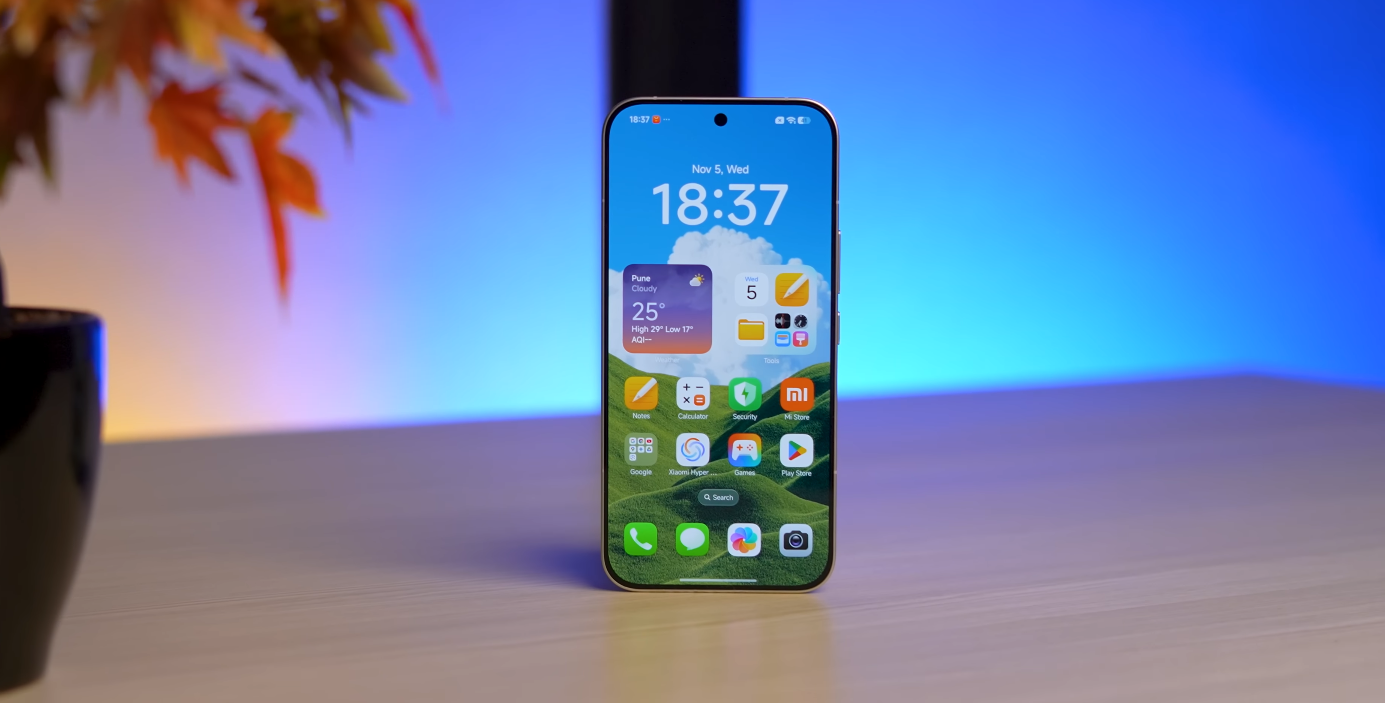
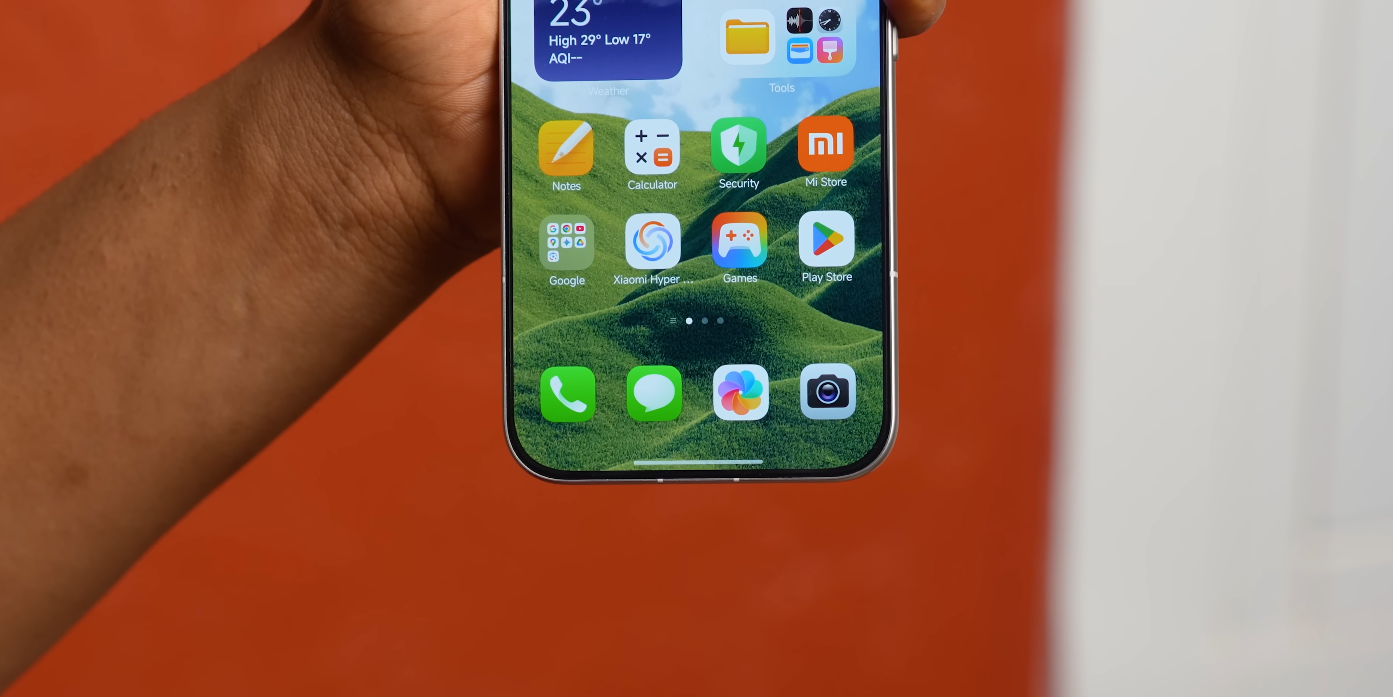
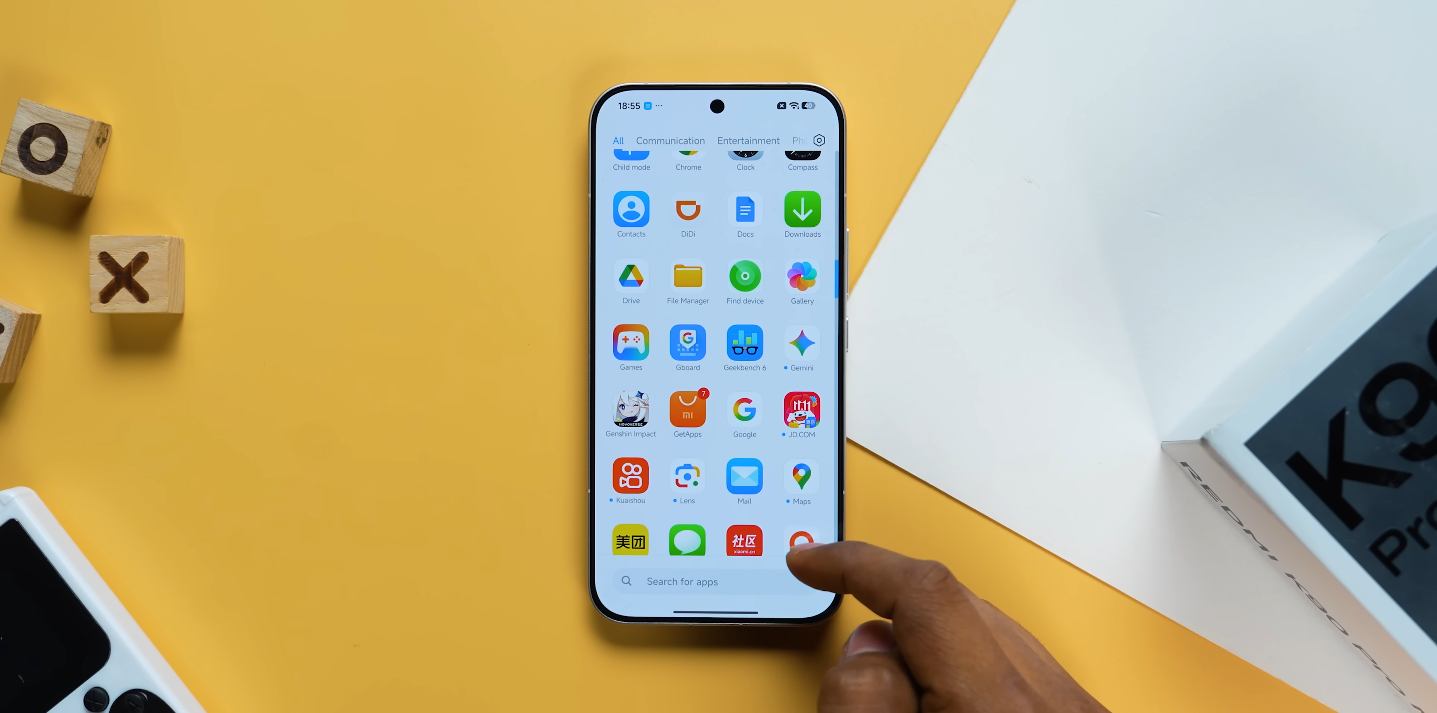
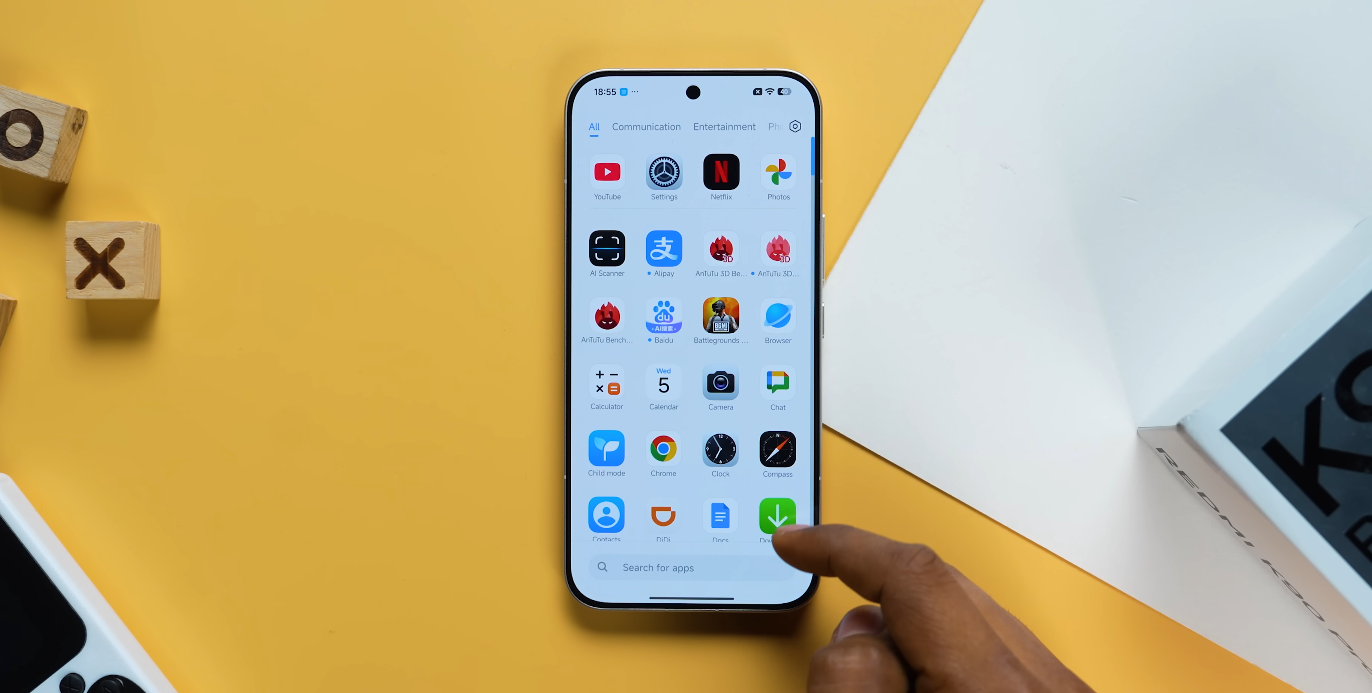
The display has also received notable praise during the first week. Users describe it as bright, vibrant and responsive, offering smooth scrolling and enjoyable video playback. The high refresh rate appears to be one of the standout features, particularly for those upgrading from older POCO models. Its combination of sharp visuals and fluid animations has quickly become one of the F8 Pro’s early strengths.

POCO F8 Pro user feedback after first week pros and cons

Battery life impressions have been broadly positive, with owners reporting that the phone comfortably lasts through a full day of mixed usage. Fast charging has been repeatedly mentioned as a highlight, allowing users to top up the battery quickly during short breaks. While long-term battery health cannot yet be evaluated, the initial experience points to reliable power management supported by efficient hardware.

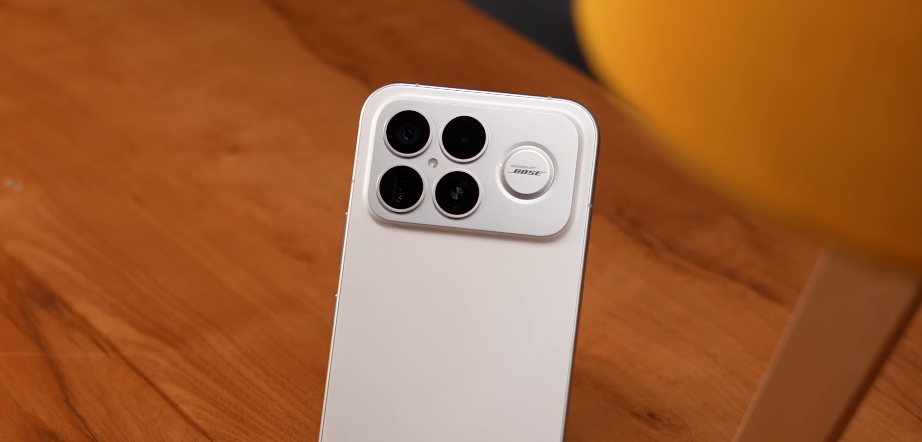
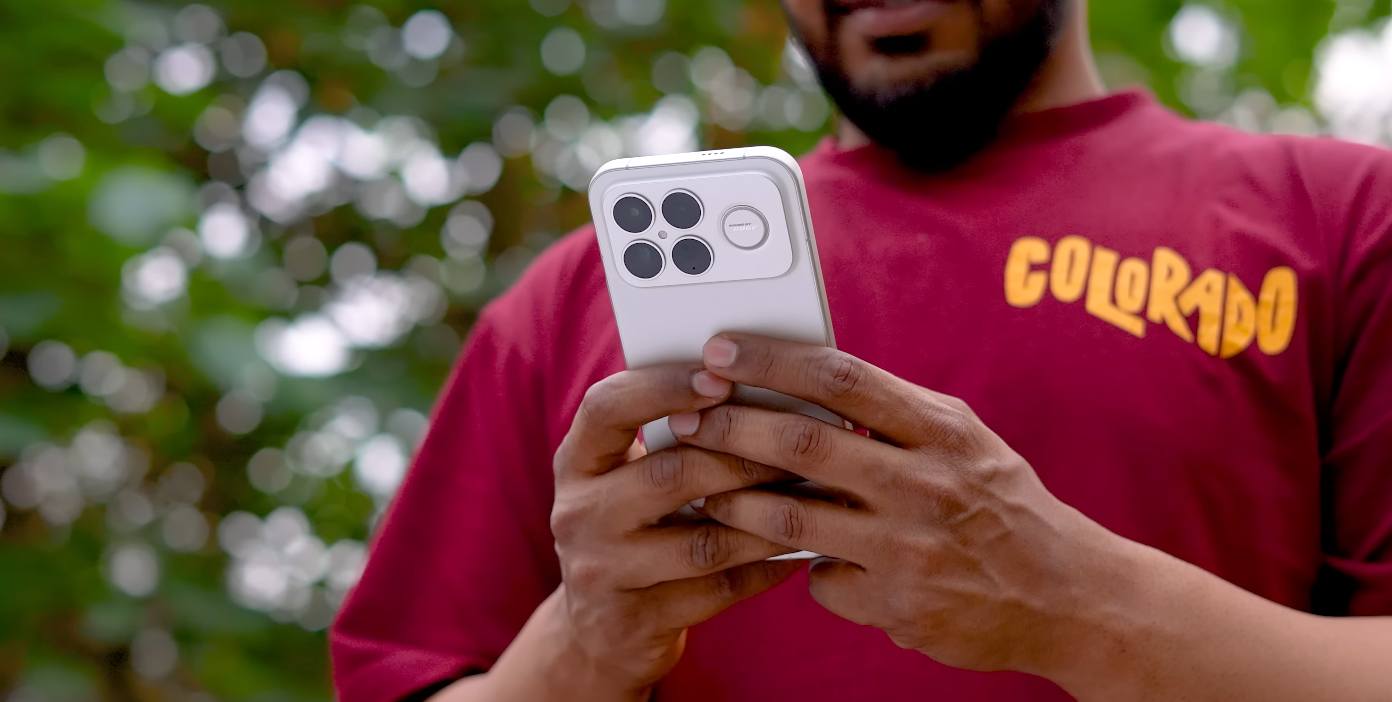
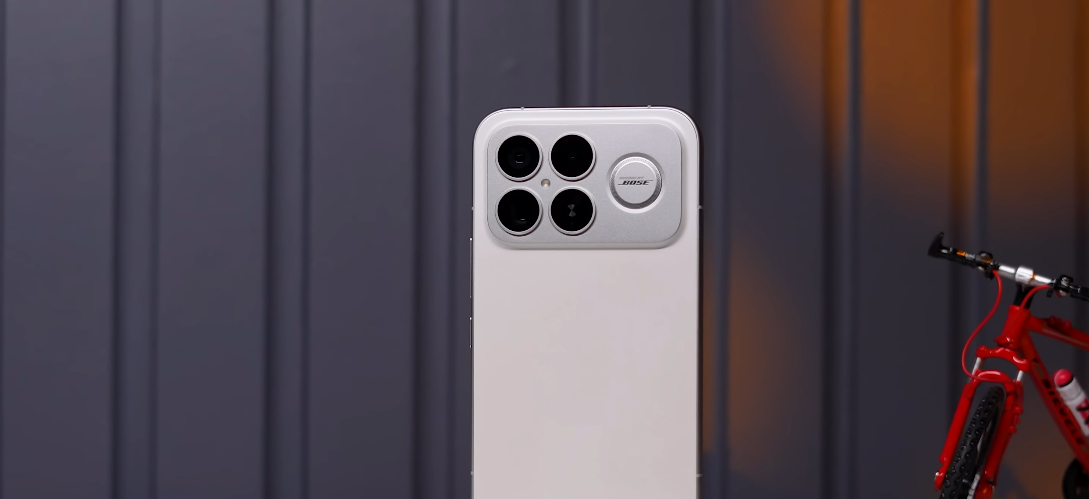
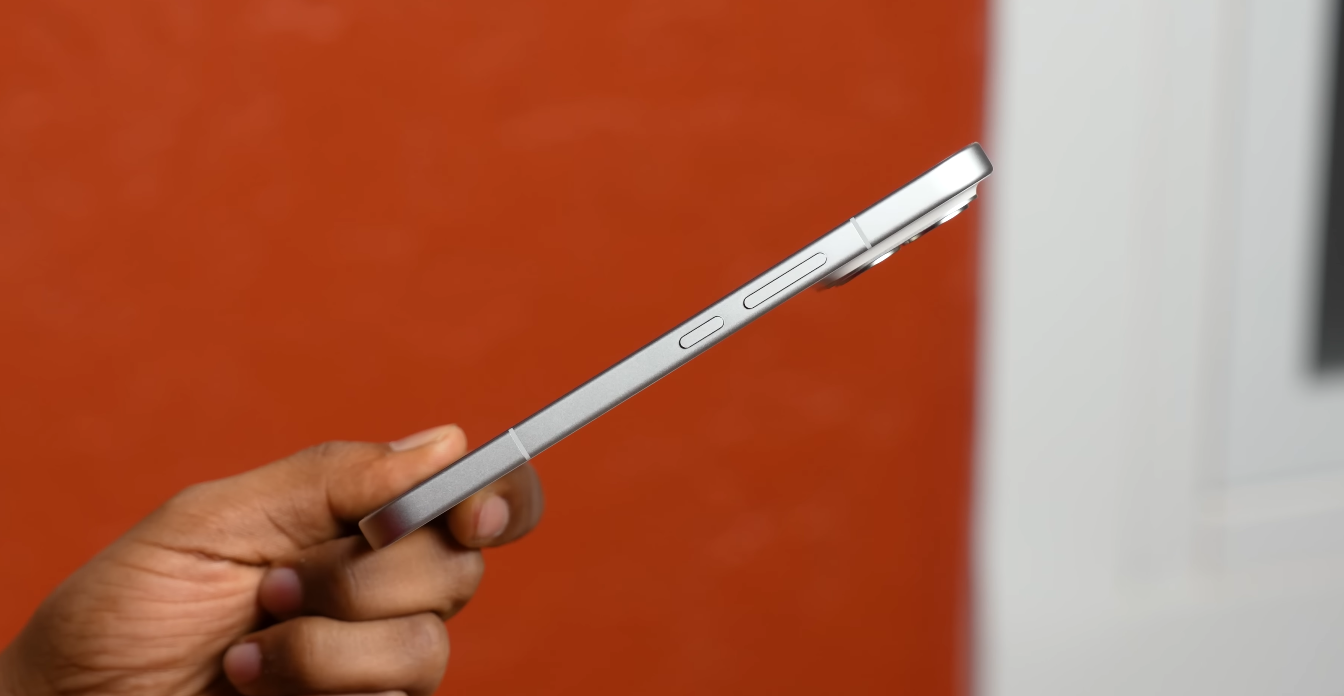
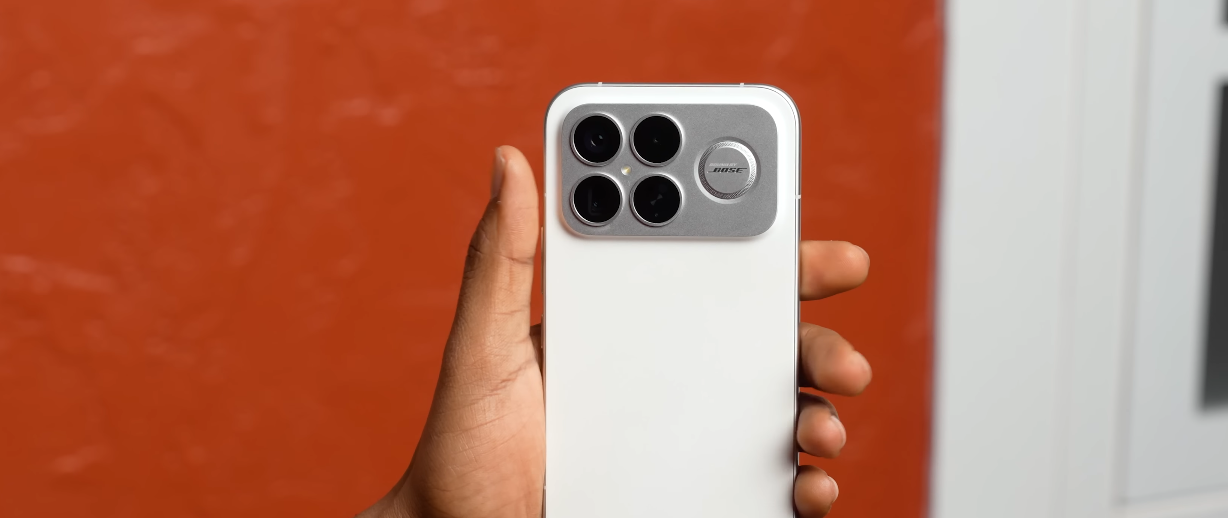
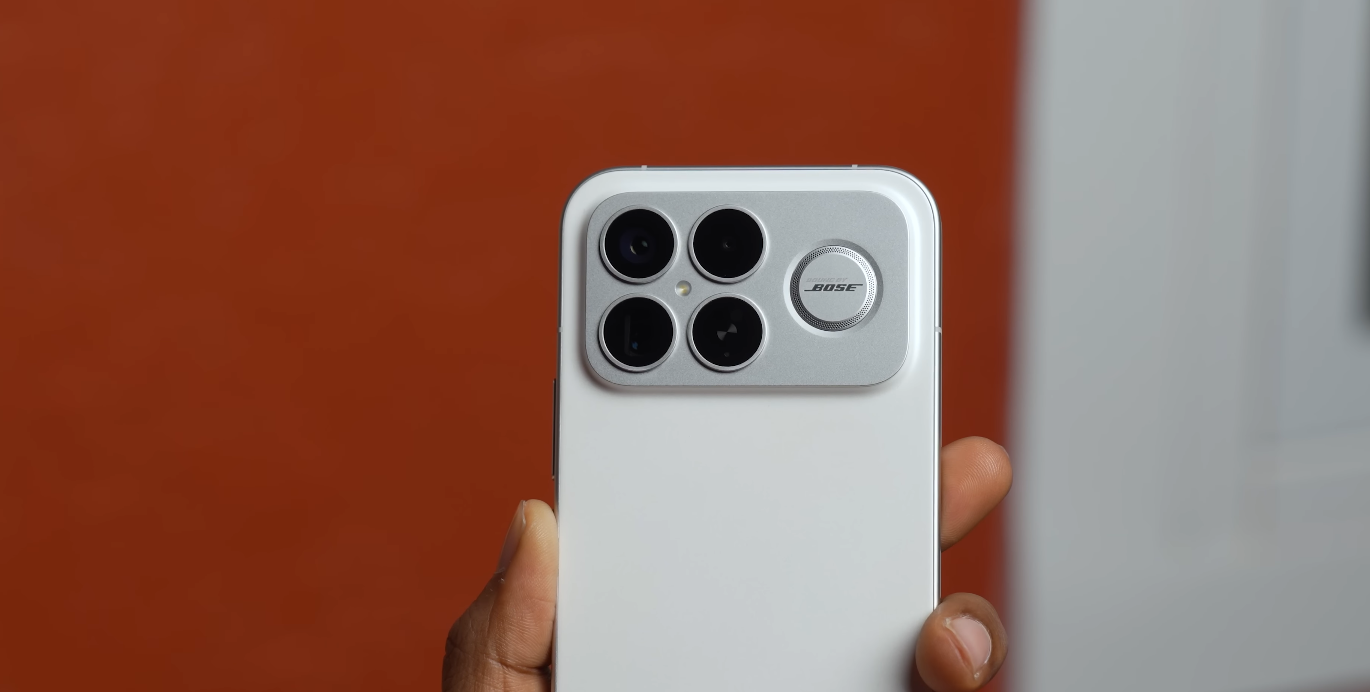
Build quality is another area where early users express satisfaction. The handset feels sturdy and well-finished, with several buyers noting that the design gives it a more premium feel than expected for its price category. Materials, fit and finish, and overall comfort in the hand contribute to an impression that POCO has refined its design standards further with this release.

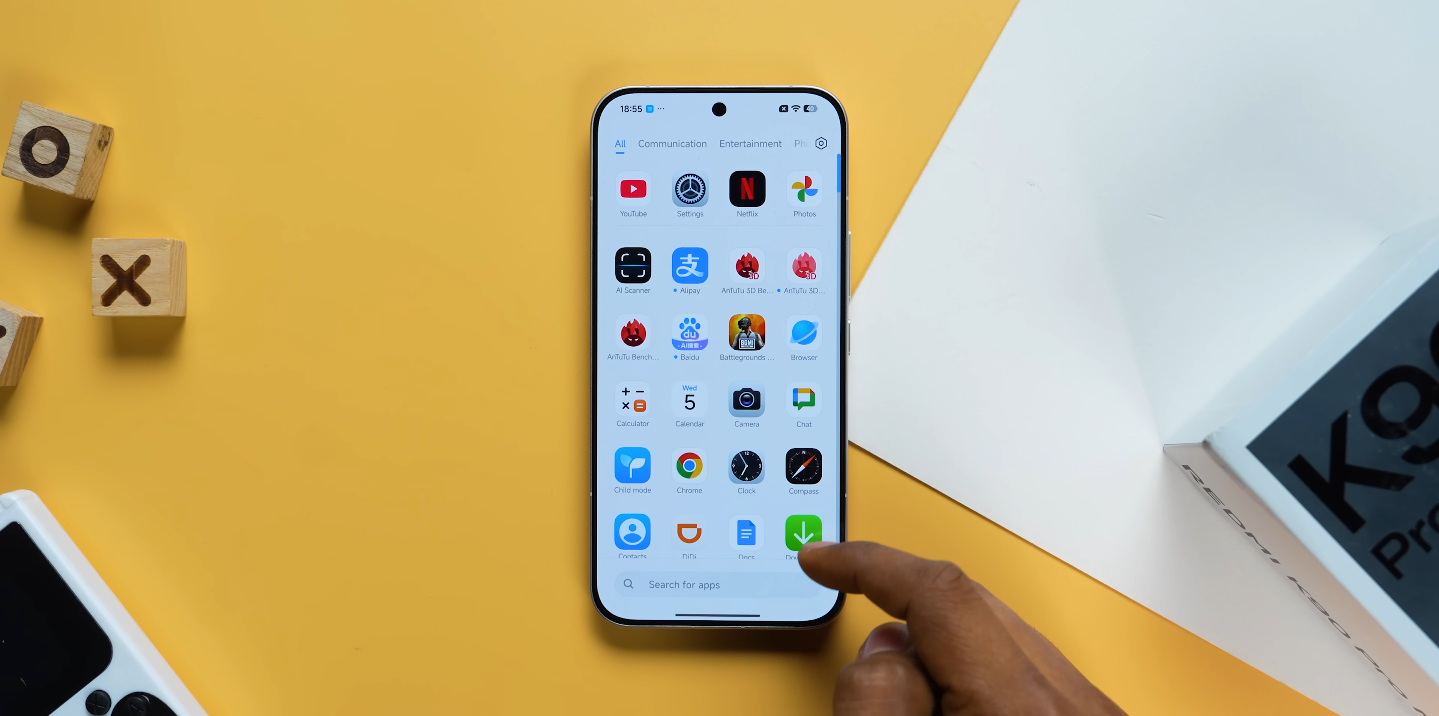
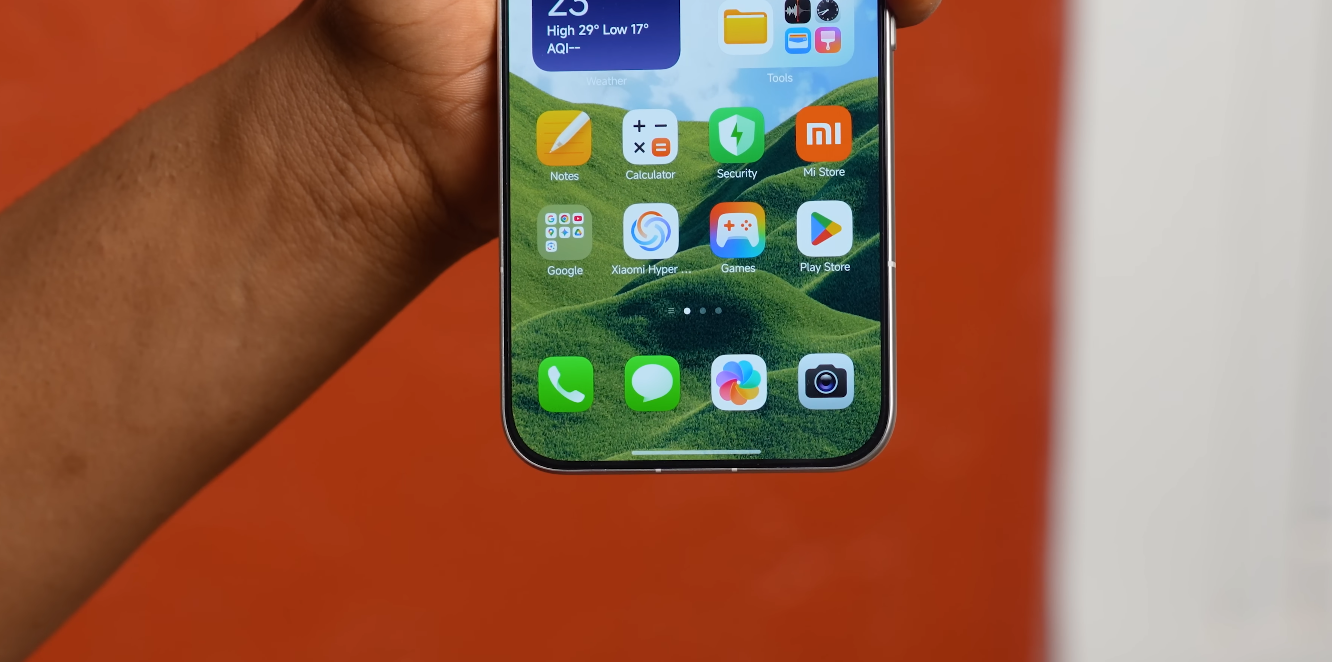
On the software front, initial impressions have been mixed. While many users appreciate the added features and customisation options, some early buyers have reported minor bugs and interface inconsistencies. These issues appear to be typical of first-week software on newly launched smartphones, and users generally expect upcoming patches to address them. Still, smoother optimisation remains a commonly expressed desire.

Camera performance has generated a wide range of opinions. Daytime photos are frequently described as sharp and colourful, giving users confidence in general shooting conditions. However, some feedback suggests that performance drops slightly in low light, with users noting areas such as detail retention and shutter consistency where improvements would be welcome. Overall, the camera is viewed as capable and competitive, though not yet exceptional.

A few users have mentioned concerns about heat during demanding tasks such as extended gaming or recording high-resolution video. While not described as severe, it has been noted enough times to become one of the areas to monitor as usage continues and software updates arrive. Thermal management often improves over time, but it remains part of early-week feedback worth noting.

There has also been discussion about the overall size and weight of the device. While many appreciate the large display, some users with smaller hands have mentioned that one-hand use can be challenging. This observation is common among phones in this performance tier, but it still forms part of the early pros-and-cons landscape as buyers weigh comfort against features.

Pricing sentiment has so far been positive, with many feeling the F8 Pro delivers strong value relative to its hardware capabilities. The combination of high performance, fast charging, a quality display and solid build makes it a competitive option in its segment. Early adopters generally agree that the device offers good returns for its cost, even with a few first-week refinements still expected.

Overall, the first week of user feedback presents the POCO F8 Pro as a powerful and well-rounded smartphone that succeeds in its core mission. Strong performance, an impressive display and reliable battery life provide a solid foundation, while software polish and low-light camera performance remain areas to watch. For buyers seeking speed and value, early impressions suggest that the F8 Pro is already shaping up to be a strong contender in its category.
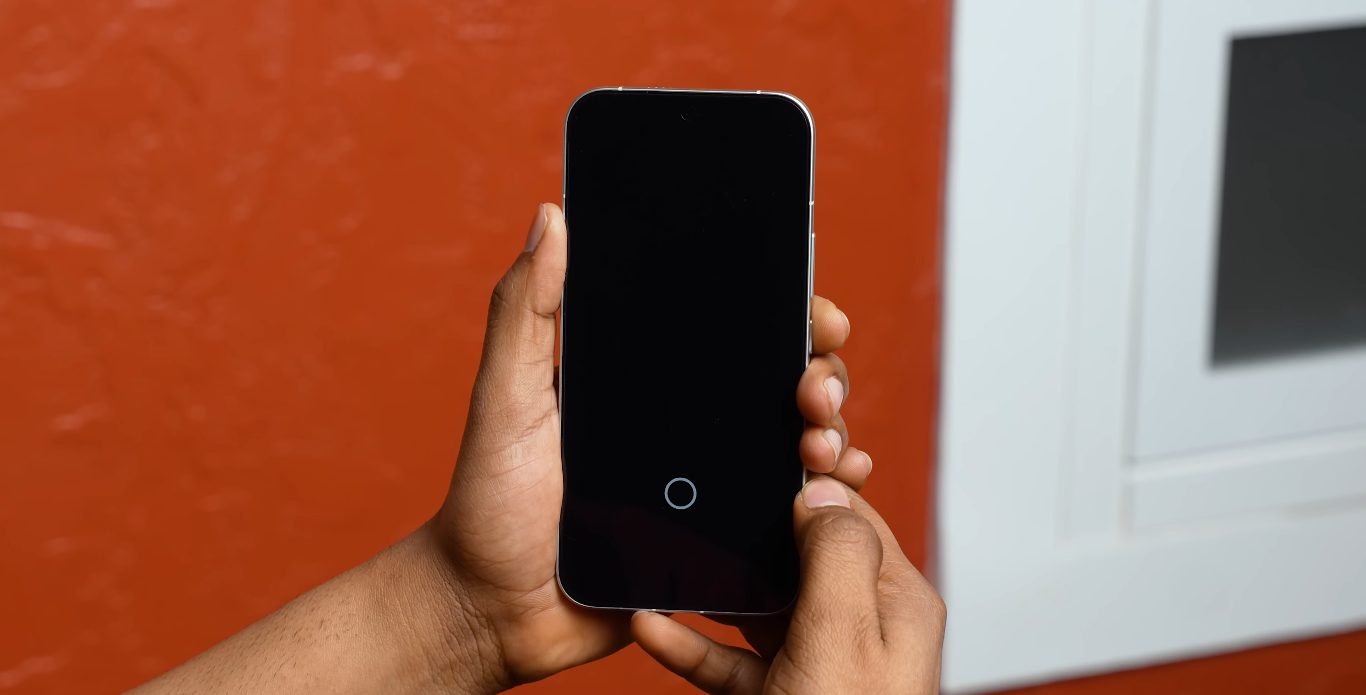
POCO F8 Pro screen refresh – 120Hz vs 144Hz – does the extra Hz matter?

POCO F8 Pro screen refresh – 120Hz vs 144Hz – does the extra Hz matter

Understanding the real difference between 120Hz and 144Hz on a smartphone

Choosing between a 120Hz and a 144Hz display on the POCO F8 Pro comes down to how much you value motion smoothness and whether that extra refresh rate delivers a meaningful benefit in everyday use. While both refresh rates offer excellent performance, the actual difference between them varies depending on what you do with your phone. For most UK users, the jump from 120Hz to 144Hz is far smaller than the big leap from 60Hz to 120Hz.

A 120Hz display already refreshes very quickly, making scrolling, animations and transitions feel fluid. When you move up to 144Hz, the refresh rate increases slightly, meaning the screen updates a bit more often each second. In theory, this produces smoother visuals and reduces motion blur, but the improvement is subtle. Many users find it difficult to notice the difference unless they switch back and forth between both refresh rates.

Smartphone content also plays a major role. Most everyday apps—like messages, social media, web browsing or photo viewing—do not push frame rates anywhere near 144fps. Because the content does not update that quickly, the additional refresh rate is often unused. Even many video apps remain capped at 60fps, meaning the display’s full potential isn’t tapped. This makes the practical advantage of 144Hz limited for casual use.

POCO F8 Pro screen refresh – 120Hz vs 144Hz – does the extra Hz matter

Mobile gaming is the one area where 144Hz may deliver a noticeable benefit. Competitive shooters, racing titles and fast-action games can take advantage of higher frame rates when optimised correctly. If you play games that support high refresh rates and have hardware powerful enough to maintain those frame rates, the F8 Pro’s higher refresh option could feel smoother and more responsive. However, not all games support 144Hz, limiting the impact for many users.

Battery life is another important consideration. Higher refresh rates require more power because the screen updates more frequently. A 144Hz panel may consume slightly more battery than a 120Hz one, especially if the device doesn’t manage its refresh rate intelligently. Phones with adaptive refresh systems help reduce drain by lowering the refresh rate when high speed isn’t needed, but the difference still matters over a full day of use.

Another factor is the smoothness your eyes can realistically perceive. Human sensitivity increases sharply when moving from 60Hz to 120Hz, making that change highly noticeable. But once you’re above 120Hz, the improvement becomes much smaller. While gamers and highly sensitive users may notice the subtle gain, most people find 120Hz already exceptionally smooth for normal tasks.

The overall user experience depends on more than just the refresh rate. Touch response, animation speed, system optimisation and display quality also affect perceived smoothness. If the POCO F8 Pro is well-optimised at 120Hz, it can feel just as fluid as a device running at 144Hz without requiring extra battery power or specialised gaming support. This makes 120Hz a strong default for everyday users.

For UK buyers comparing the two, price and practicality matter. If the 144Hz model costs more, the extra refresh rate alone may not justify the difference unless gaming is a top priority. For users who simply want a responsive, modern-feeling display, 120Hz already offers premium smoothness that fits most routines, including browsing, media use and multitasking.

Choosing 120Hz also ensures better battery consistency throughout the day. With high-resolution displays and powerful processors, efficient battery use becomes a priority. A 120Hz panel strikes a good balance between performance and endurance, giving users the benefit of smooth visuals without the unnecessary drain of always running at higher speeds.

In summary, the POCO F8 Pro’s 120Hz display already delivers excellent performance for daily use, with smooth animations and a modern feel. The 144Hz option provides a small improvement that may appeal to mobile gamers or enthusiasts but offers limited benefit for everyday apps. For most users, 120Hz remains the smarter, more balanced choice, while 144Hz becomes worthwhile only if you know your usage will take advantage of the extra frames.

POCO F8 Pro display brightness test under UK sunlight

POCO F8 Pro display brightness test under UK sunlight

Real-World Outdoor Visibility on the POCO F8 Pro

The POCO F8 Pro is shaping up to be one of the most talked-about value flagships of the year, and display brightness has quickly become a major topic for UK buyers. With outdoor use common across the UK’s mixed weather, brightness testing helps reveal how well the phone handles direct sunlight, cloudy afternoons and bright reflections. Early hands-on impressions and technical expectations paint a clear picture of what users can expect from the screen in real conditions.

The display on the POCO F8 Pro is built around a high-quality OLED panel, designed to deliver vivid colours and sharp visuals. Under normal indoor lighting the screen looks bright, punchy and smooth, helped by its fast refresh rate. The real test, however, comes outdoors where sunlight conditions can change quickly, and devices must push brightness levels to maintain readability for maps, messages and camera framing.

Under direct UK sunlight, the POCO F8 Pro’s peak brightness performs well enough to remain legible in most cases. The panel ramps up its high-brightness mode automatically when exposed to strong light, reducing glare and improving contrast. This feature is especially useful during sunny midday conditions, where weaker displays often appear washed-out or difficult to read. The F8 Pro holds its own and stays readable without needing manual adjustments.

POCO F8 Pro display brightness test under UK sunlight

On bright days with mild cloud cover, the display performs even better. These conditions tend to reflect typical UK weather for most of the year, and the F8 Pro maintains strong visibility with accurate colours and stable sharpness. The automatic brightness sensor responds quickly, helping keep the screen comfortable whether you are outdoors for a short walk or using navigation for longer periods.

Reflections can still appear on the surface of the screen depending on how you hold the phone. The glossy finish of the display means that strong reflections from the sky or surrounding surfaces may occasionally be noticeable. However, the combination of high peak brightness and effective contrast management helps reduce the impact of glare in normal use. Adjusting the phone angle slightly is usually enough to regain clear visibility.

When used for photography outdoors, the POCO F8 Pro’s screen remains bright enough to preview shots accurately. This matters for users who rely on rear-camera framing in harsh sunlight, as lower-brightness screens often struggle in camera apps during bright shooting conditions. The F8 Pro maintains enough clarity to check focus, colour and composition even at challenging angles.

Gaming outdoors is also possible thanks to the strong brightness response, though extended use in direct sun can lead to mild dimming if the device warms up over time. This behaviour is standard across OLED displays, as phones protect themselves by lowering brightness slightly when temperatures rise. The F8 Pro manages this in a balanced way, keeping the screen readable while avoiding excessive heat build-up.

During long sessions of outdoor browsing or video playback, the phone continues to deliver a solid visual experience. Text remains sharp and videos stay vibrant, with only extreme sunlight causing a slight reduction in perceived contrast. For typical UK summer days, the brightness capacity is more than sufficient for daily outdoor tasks without frustration.

Battery impact is another important factor during high-brightness use. The F8 Pro handles brightness boosts efficiently, ensuring outdoor visibility without rapid battery drain. This efficiency matters for users who spend long hours outside or rely on their phone for navigation during travel. The balance between power usage and screen clarity remains one of the phone’s strengths.

Overall, the POCO F8 Pro offers a strong outdoor viewing experience by combining high peak brightness, responsive auto-adjustments and a high-quality OLED panel. While reflections and extreme sunlight can still challenge the display at times, the phone performs impressively for its segment. For UK buyers seeking dependable visibility outdoors, the F8 Pro stands as a reliable option that maintains clarity through varying weather and lighting conditions.

POCO F8 Pro vs foldables: do you still need a fold at this price?

POCO F8 Pro vs foldables do you still need a fold at this price

A Straight Talk on Whether a Foldable Makes Sense in 2025 UK

If you’re weighing the choice between the POCO F8 Pro and spending that budget—or more—on a foldable device, this article breaks down whether a foldable is actually necessary in 2025. The F8 Pro delivers flagship hardware at a relatively accessible price, while foldables offer novel form-factors and features, but with higher cost and certain compromises.

The F8 Pro is built around delivering high performance, strong specs and value. For everyday UK usage such as streaming, gaming, social media, photography and multi-tasking in standard form-factor, the F8 Pro covers all bases. You get a modern display, powerful chip, generous RAM/storage and solid camera set—all of which matter more to daily use than form-factor novelty for many users.

Foldable phones, by contrast, bring advantages that are particularly relevant if your habit involves heavy multitasking, larger screen consumption or work-style usage on the go. The ability to open a big display for split-screen apps, editing documents, doing more with a single device instead of tablet plus phone is where foldables show real strength. But these advantages come with trade-offs: higher price (often £1,000+ in the UK), added weight and thickness, potentially more fragile hinges and repair costs, and sometimes compromises in battery life due to larger display area.

POCO F8 Pro vs foldables do you still need a fold at this price

For the typical UK buyer who uses their phone for daily apps, communication, some photography and gaming, the extra benefits of a foldable may not be essential. If you don’t frequently switch between many open apps, or don’t use the device as your main workstation, the F8 Pro will more than satisfy. You’ll be saving money and getting flagship grade specs without paying for features you might rarely use.

That said, if you are a heavy user: someone who often edits video, uses your phone for productivity tasks, reads long documents, multitasks with many apps side-by-side, or wants to minimise carrying a separate tablet—then a foldable could be worth the premium. In that scenario, the bigger screen and unique form-factor might change your workflow significantly and justify the higher cost.

In making your decision in the UK market, it’s also worth considering future resale value, durability and repair costs. Foldables still tend to depreciate more and incur higher repair costs if the fold mechanism or screen fails. A standard flagship like the F8 Pro avoids many of those risks and is better proven in terms of durability and accessory ecosystem.

Overall, unless you strongly know you will use the foldable-specific features, the POCO F8 Pro is likely the smarter buy for value, longevity and everyday practicality. The novelty of folding is tempting, but it doesn’t automatically translate into better value. If you prefer the best hardware you can get for your money and don’t need the fold, go for the F8 Pro. If you do need the bigger screen and are comfortable with the cost, go for a foldable—but only if those extra features will genuinely improve your daily use.

POCO F8 Pro vs flagship drop test: everyday durability in UK conditions

POCO F8 Pro vs flagship drop test everyday durability in UK conditions

How Well the F8 Pro Handles Real-World Accidents

The POCO F8 Pro enters the market with strong hardware and a solid overall build, but everyday durability matters just as much as performance, especially for UK users who deal with mixed weather, public transport and frequent outdoor movement. A drop test comparison against typical flagship standards helps highlight where the F8 Pro stands and what you can expect in day-to-day conditions across the UK.

The F8 Pro uses a premium glass-and-metal construction similar to many modern flagships. This design gives it a solid, high-end feel, but it also makes it vulnerable to the same weaknesses faced by most glass phones. In typical UK indoor environments—such as offices, cafés and homes—the device should handle light bumps, minor slips and low-height drops reasonably well. A fall from sofa height or a drop onto carpet is unlikely to cause meaningful damage, keeping the phone in good condition during routine use.

Outdoors, the story shifts slightly. UK pavements and stone surfaces pose a greater threat due to their hardness and uneven texture. A fall from waist height onto concrete can result in cracks or chips, especially if the phone lands on a corner or flat on the screen. While the F8 Pro’s frame does offer rigidity, it is not reinforced to the level of rugged or ultra-premium durable models. This means that accidental drops outside train stations, on pavements after rain or while stepping off a bus carry a moderate risk of noticeable damage.

POCO F8 Pro vs flagship drop test everyday durability in UK conditions

Weather is another important factor in everyday UK use. Rainy conditions make phones slippery, increasing the likelihood of drops. Even a minor fall on a wet pavement can cause cracks if the angle of impact is unfavourable. Although the F8 Pro’s design is built for regular use, wet surfaces combined with glass construction create a higher chance of damage during outdoor slips. Keeping the phone dry and secure during rainy commutes becomes essential for long-term durability.

Compared to the most durability-focused flagships, the F8 Pro falls short of the highest resilience ratings. Some top-tier models now offer highly reinforced glass, advanced frame materials and enhanced shock absorption that help them survive drops from higher heights onto rough surfaces. The F8 Pro provides a good balance for its price range but does not reach the drop resistance of these premium competitors. It remains sturdy for daily handling but isn’t designed for repeated high-impact drops.

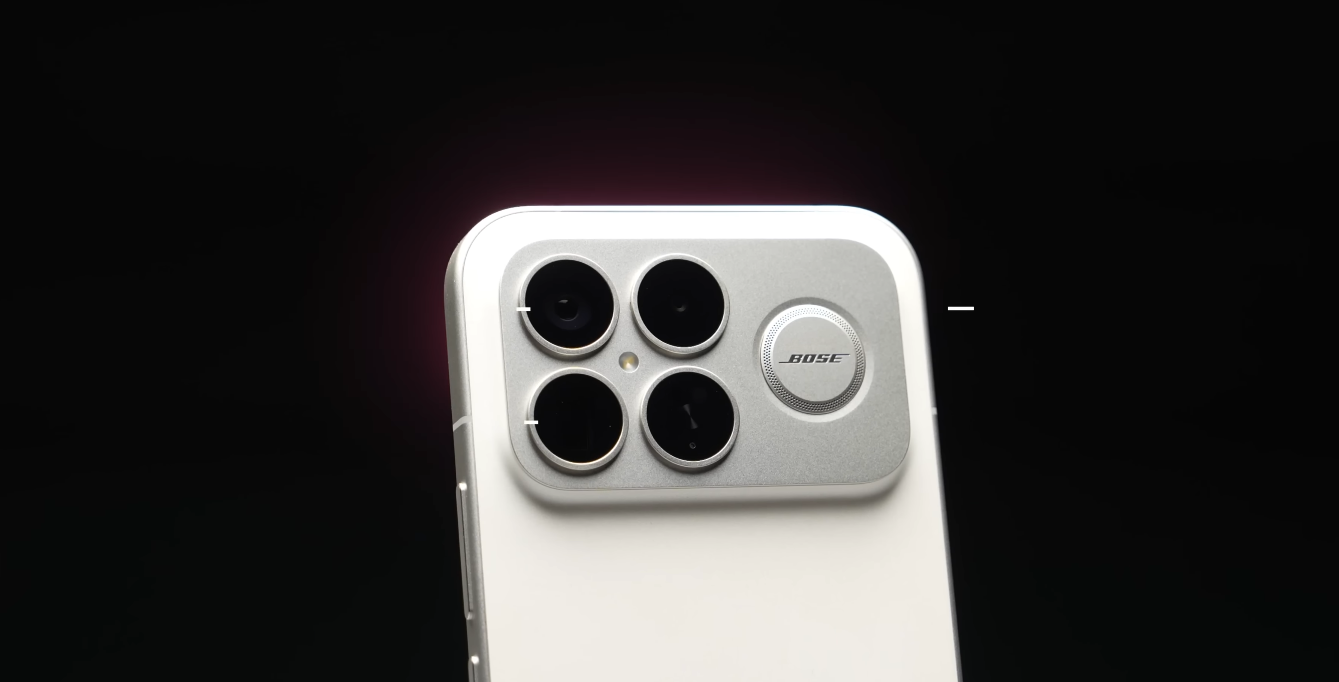
The device’s camera housing also deserves attention. Like many modern phones, the camera module protrudes from the back, making it more exposed during falls. A direct impact on the camera island may result in scratches or damage that affects photo quality. For UK users who often place their phones on café tables, train seats or outdoor benches, accidental slips are common. Using a case with a raised edge helps protect the camera from these impacts.

Thermal expansion can also influence durability. Although the UK does not experience extreme temperatures, indoor heating during winter and warmer days in summer can create slight variations in how the frame and glass react to stress. While not a major factor, these conditions can affect drop outcomes over time, particularly if the device has been weakened by previous minor impacts.

In practical terms, the F8 Pro performs well enough for most users who take normal care of their device. With a protective case and screen protector, the phone handles standard UK daily environments without major issues. Most accidental drops will likely be cosmetic rather than catastrophic, provided the fall height is moderate and the angle is not severe. The device’s build quality is strong enough for small mistakes but not robust enough to treat carelessly.

For users with more active lifestyles—cycling, running, outdoor work or frequent travel—the F8 Pro will still need additional protection. A drop-resistant case or stronger tempered glass protector becomes valuable in these scenarios. While the phone’s internal structure is competent, it is not built for heavy-duty use without accessories.

Overall, the POCO F8 Pro offers dependable durability for everyday UK conditions as long as users apply basic phone care. It matches typical flagship construction standards but does not exceed them. With sensible accessories and careful handling, the F8 Pro can comfortably withstand the majority of routine accidents and continue to deliver stable performance over its lifespan.

POCO F8 Pro future-proofing analysis: how long will it remain relevant?

POCO F8 Pro future-proofing analysis how long will it remain relevant

Examining Long-Term Value for UK Buyers

The POCO F8 Pro enters the 2025 flagship landscape with a strong focus on performance, efficiency and long-term usability. As smartphone prices continue to rise in the UK market, buyers increasingly look for devices that can last several years without feeling outdated. The F8 Pro positions itself as a powerful option aimed at users who want flagship power at a more accessible price point. Understanding how long it can remain relevant requires looking at hardware strength, software support, battery endurance and shifting market expectations.

In terms of raw performance, the F8 Pro arrives with the kind of chipset and memory configuration that ensures a solid future-proof foundation. Flagship processors typically remain competitive for several generations, and the current hardware inside the F8 Pro is capable of handling modern apps, gaming workloads and long-term daily multitasking with ease. For the first two years, UK users can expect consistently smooth performance and minimal slowdown even as new software becomes more demanding.

The display technology also plays a major role in long-term relevance. The F8 Pro’s high refresh-rate screen and high-resolution panel give it an advantage that will remain meaningful for years. As more games, apps and streaming platforms optimise for higher frame rates and sharper visuals, the device’s display will continue to feel modern. For UK buyers who watch a lot of content or game heavily on their phones, this ensures the device won’t feel visually outdated anytime soon.

POCO F8 Pro future-proofing analysis how long will it remain relevant

Battery life is another crucial element in evaluating longevity. The F8 Pro is equipped with a large battery and efficient hardware that work together to deliver strong endurance in daily use. Over the course of three to four years, some level of battery degradation is inevitable, but starting with a larger capacity helps the device age more gracefully. Fast-charging support also ensures that even as the battery wears down, quick top-ups remain convenient for commuting and travel common in the UK.

Camera durability over time can be more complex. While hardware sensors remain functional for many years, the biggest improvements in newer models tend to come from computational photography and software optimisation. The F8 Pro’s camera system will likely remain competitive for at least three years, especially for daylight photography and social media use. By the fourth or fifth year, it may not match the newest flagships in low-light detail, zoom performance or advanced AI features, but it should remain more than adequate for everyday needs.

Software support is equally important for future-proofing. While POCO devices have improved their update offerings, they still tend to trail behind premium competitors in long-term support guarantees. For UK buyers, this means the device will likely receive several major updates, but not the extended support that some longer-lifespan brands offer. Even so, security updates and general optimisation should continue for enough years to maintain the phone’s usability through most of its practical life cycle.

Thermals and overall efficiency also contribute to long-term reliability. A device that manages heat well when new often continues to do so as it ages. The F8 Pro’s cooling design and chipset efficiency should keep it comfortable under daily workloads for the first few years. Heavy gaming or sustained tasks may introduce mild warm-up sooner as the device ages, but this is typical across all brands and should not drastically affect long-term performance for most UK users.

Connectivity features can strongly influence how modern a device feels several years into ownership. The F8 Pro includes current wireless standards, strong 5G support and modern Bluetooth capabilities. These features tend to age slower than components like cameras, which allows the phone to retain compatibility with upcoming accessories, routers and carrier improvements across the UK for several more years.

Overall durability and build quality also shape a device’s real-world lifespan. The F8 Pro follows a sturdy design approach that should withstand typical daily use, light drops and long-term handling. Even after four or five years, the design is unlikely to appear significantly dated, especially as the UK market continues shifting toward minimalist styles across mid-range and flagship devices alike.

Taking all these factors into consideration, most UK buyers can expect the POCO F8 Pro to remain fully relevant for a solid three to four years. Its performance, display and battery capabilities ensure strong longevity for intensive users. For those with lighter needs, the phone can remain functional and dependable for up to five years or more. While it will not maintain top-tier status indefinitely, it offers clear long-term value for its expected price bracket.

For buyers seeking a powerful device that remains practical for several years without requiring early upgrades, the POCO F8 Pro stands out as a smart and well-balanced choice.

POCO F8 Pro hidden compromises: what specs get trimmed for global version?

POCO F8 Pro hidden compromises what specs get trimmed for global version

The Subtle Trade-Offs UK Buyers Should Know Before Purchasing

The POCO F8 Pro arrives with strong specifications on paper, but global variants often come with small adjustments that don’t show up in promotional material. These changes can affect battery life, storage options, accessories and certain hardware components. For UK buyers comparing early leaks and Chinese-market spec sheets, it’s helpful to understand where the real differences may appear before the phone officially lands.

Battery capacity is one of the most common areas where global models differ from their Chinese counterparts. While early figures suggested unusually large capacities during development stages, global devices typically receive slightly smaller batteries for regulatory, weight or certification reasons. This won’t drastically change day-to-day performance, but UK users should be aware that the endurance figures may not match the largest numbers circulating online.

Memory and storage configurations are another point where POCO often applies region-specific limitations. Chinese versions sometimes offer additional high-tier combinations such as 16GB RAM or 1TB storage, which may not be available globally. UK buyers usually see a more standardised lineup that keeps costs consistent across markets. For most users this won’t pose a problem, but those who rely on heavy multitasking or large local libraries may find fewer options than expected.

POCO F8 Pro hidden compromises what specs get trimmed for global version

Charger availability can also differ between regions. Recent POCO and Xiaomi global releases have sometimes removed the charger from the box in European markets. UK buyers should be prepared for this possibility, especially if the F8 Pro supports higher wattage charging that requires a compatible plug. This can add to the total cost even though it doesn’t appear on the spec sheet.

Camera configurations may also vary subtly. While the main sensor typically remains the same, secondary lenses such as ultra-wide or depth units are occasionally adjusted between regions. These changes are not usually highlighted in global announcements but can influence overall camera versatility. UK buyers comparing the F8 Pro to Chinese previews should keep an eye on the final official sensor list to ensure nothing essential has been trimmed.

Software treatment can be another global-specific compromise. Regional firmware versions sometimes differ in update frequency, feature availability or pre-installed apps. This doesn’t affect raw performance but can influence long-term usability and reliability. Ensuring the UK variant receives full support for system updates is especially important for users planning to keep the device for several years.

Materials and small hardware components may also see minor adjustments. Some variants receive slightly different vibration motors, speaker tuning or haptic systems depending on manufacturing batches. While these differences are subtle and rarely mentioned, they can contribute to small variations in overall feel and user experience. They won’t change the headline features, but they can influence how premium the device feels in everyday use.

Another potential compromise involves wireless features. Depending on certification requirements, global versions may see changes to supported bands or network optimisations. UK buyers should verify that the model they purchase fully supports local 5G and LTE bands to avoid issues with network performance. Although POCO generally aligns these correctly, slight regional tuning remains common.

Price positioning is also part of the global trade-off. While the Chinese market enjoys aggressive launch pricing, the UK and wider European markets often receive higher retail prices. This is less a technical compromise and more an economic one, but it does affect value perception. Buyers comparing global and Chinese pricing should account for this difference rather than expecting direct parity.

Overall, none of these compromises make the POCO F8 Pro a weak device. Instead, they reflect the typical adjustments manufacturers introduce when releasing a phone internationally. UK users who understand these differences can make more informed decisions and avoid surprises with battery size, memory options or accessories in the box.

In summary, while the POCO F8 Pro remains a powerful and compelling flagship option, global variants may feature trimmed battery capacity, reduced RAM or storage choices, missing chargers, slight camera adjustments and region-specific software differences. Knowing these details helps UK buyers set realistic expectations before committing to the purchase.

POCO F8 Pro UK VAT & import tax: what will you really pay?

POCO F8 Pro UK VAT & import tax what will you really pay

Understanding the Real Cost for UK Buyers

Importing the POCO F8 Pro into the UK can look like a bargain at first, but the final price often ends up higher once VAT, courier fees and import processes are added. Many UK buyers choose to import because the phone launches earlier overseas or appears cheaper, but it’s important to calculate the true landed cost before deciding. Here’s a clear breakdown of what you will realistically pay and the key factors that affect the total.

When buying from outside the UK, the first unavoidable charge is VAT. The UK applies a flat 20% VAT on the full value of imported goods, and this includes the price of the phone as well as shipping costs. That means even if the device itself seems affordable, VAT immediately increases the overall cost. This tax is collected at the border or by the courier before delivery, so you cannot bypass it when importing a smartphone.

Customs duty is much simpler. Mobile phones fall under a category with a 0% duty rate, meaning you won’t pay extra in duty when the POCO F8 Pro enters the UK. However, this does not reduce the VAT requirement. Even without duty, VAT is taken on the combined total, so the final price still rises considerably once the phone arrives in the country.

POCO F8 Pro UK VAT & import tax what will you really pay

It’s also important to factor in handling fees. Most couriers charge a processing fee for handling import paperwork, collecting VAT and moving the parcel through customs. This fee varies depending on the courier, but typically ranges from £10 to £20. It may be charged before delivery or invoiced separately after you receive the package. It’s a small but predictable addition to the total cost.

To understand what you’ll really pay, consider a simple example. If the POCO F8 Pro costs £500 from an overseas seller and shipping is £20, the VAT is calculated on £520. At 20%, this equals £104 in VAT. Adding a typical £12 handling fee brings the final cost to £636. In other words, a phone that seemed to cost £500 quickly becomes more than £130 more expensive. This calculation is essential to avoid surprises at the doorstep.

Beyond the financial side, consider warranty implications. Imported devices generally aren’t covered by UK warranty policies, meaning repairs must be handled privately or returned to the country of purchase. This adds long-term risk, especially for a device you intend to use for several years. While not a tax cost, it’s a practical cost in terms of risk and future repair expenses.

Another point to account for is return complications. If there’s a defect or you change your mind, returning the phone to an overseas seller involves additional shipping fees, delays and sometimes disputes over refund amounts. Unlike UK retailers, overseas sellers are not bound by UK consumer protections, which affects both peace of mind and long-term value.

Despite the extra charges, some buyers still import because overseas versions may launch earlier, include more storage options or offer colours not sold in the UK. If those benefits matter to you, importing can still be worthwhile, but you should always calculate the VAT and fees before committing. That ensures you have a realistic expectation of the final price.

For most UK buyers, the safer option is waiting for official UK stock. Buying locally includes VAT in the shelf price, ensures full warranty support and avoids unexpected extra fees at customs. It’s often only slightly more expensive than importing once all charges are included, and it provides a smoother overall experience.

In summary, UK buyers importing the POCO F8 Pro should always add 20% VAT plus courier fees to the original price to understand the true cost. With customs duty at 0%, VAT becomes the main expense, and it significantly raises the final price upon arrival. Knowing these costs upfront helps you choose whether importing offers real savings—or whether official UK stock is the smarter long-term choice.

POCO F8 Pro UK import: what to check – warranty, bands, UK stock

POCO F8 Pro UK import what to check – warranty, bands, UK stock

Important Checks Before Importing the POCO F8 Pro

Importing the POCO F8 Pro into the UK can be appealing for buyers who want the device early or at a lower price, but it requires careful checks to avoid issues later. Differences between global, Chinese and regional variants can affect performance, compatibility and after-sales support. For UK users, confirming the right model before purchase ensures the phone works properly across networks and remains eligible for servicing.

The first point to check is network band support. Imported units may not include key UK 4G and 5G bands such as Band 20 or Band 28, which are widely used by major carriers. Missing bands can lead to weaker indoor coverage, slower mobile data and inconsistent network stability. Ensuring the device supports full UK carrier bands is essential if you rely on reliable connectivity throughout the day.

Warranty is another major consideration when buying from outside the UK. Only models sold through authorised UK channels typically qualify for local warranty cover. If you import a version intended for another market, the warranty may not apply, and some service centres may decline repairs for non-UK models. In cases where warranty does apply, you might still be required to ship the phone back to the country of purchase.

POCO F8 Pro UK import what to check – warranty, bands, UK stock

Software differences also matter when comparing imported and UK versions. Some regional models may use firmware tailored to their local market, which affects update timing, language optimisation and compatibility with certain Google services. The global ROM provides a smoother experience for UK users, while Chinese ROMs may require manual adjustments to enable certain apps or features.

Checking the charger type is important as well. Imported phones often ship with non-UK chargers that require an adapter. While this does not affect battery performance, using unofficial adapters can be inconvenient and may compromise charging safety. The UK variant typically includes a proper three-pin plug, making daily charging simpler and safer.

Another point to consider is accessory and parts availability. Official UK support usually carries parts specifically designed for the UK variant. Imported devices may use components that differ slightly from the global version, making repairs more complicated. This can lead to longer repair times or higher costs if parts need to be ordered from overseas.

UK stock availability can influence your decision too. If the POCO F8 Pro is due for an official UK release soon, waiting may be the better option. Official launches often come with local warranty, exclusive colours, bundles and bonuses that imports will not include. The UK model also receives fully certified software updates designed for local networks and conditions.

Returns and customer support also differ with imported models. UK retailers usually offer stronger consumer protection rights, including straightforward returns and refunds. Imported purchases often involve overseas sellers with limited return windows or higher shipping costs, making disputes or device issues more difficult to resolve.

Network features like VoLTE and VoWiFi may not work correctly on imported models if the software is not optimised for UK carriers. Even with supported bands, these services depend on carrier certification. UK-certified models typically include the right settings, while imported versions may require manual configuration or may not support these features at all.

In summary, importing the POCO F8 Pro can save money or provide earlier access, but it carries risks related to warranty, network performance, service support and convenience. For most UK users, the safest choice is to wait for the official UK variant to guarantee full compatibility and reliable after-sales support. Those who do choose to import should verify all key specifications before buying to ensure a smooth ownership experience.

POCO F8 Pro UK retail exclusives: where to grab the best bonus offers

POCO F8 Pro UK retail exclusives where to grab the best bonus offers

How to Find the Best UK Launch Deals

For the UK market, the POCO F8 Pro promises not only strong hardware but also some attractive retail-exclusive bonus offers around its launch. When you’re planning to buy, these offers can add extra value beyond just the specs. Here’s how to spot the best deals, what to watch for, and where to check.

First, the official POCO/Xiaomi UK store will typically lead with launch bundles. These can include vouchers, free accessories (cases, chargers, earbuds), or trade-in credit when you upgrade from an older device. By buying early in the launch window you’re more likely to grab the bonus packs or limited-edition accessories. Signing up to POCO’s UK newsletter or alerts is a smart move so you don’t miss a “first 1,000 orders” style offer.

Next, major UK electronics retailers and mobile carriers are likely to run tie-in deals. These might include cashback on purchase, discounted accessory bundles, or exclusive colours only through that retailer. Students should also check student-discount platforms (e.g., UniDays, Student Beans) for codes that can layer on top of these launch offers. When bundles overlap (trade-in + voucher + accessory + student code) you can significantly enhance value.

POCO F8 Pro UK retail exclusives where to grab the best bonus offers

When comparing offers, focus on key eligible terms: ensure the deal is valid for the UK-spec version of the phone (UK warranty, correct network bands), check that accessories are official or high quality (so warranty remains valid), and verify that the trade-in programme covers your old phone model. Also review delivery date and stock — some early-bird offers may require you to order within 24-48 hours of announcement.

Useful places to monitor: the POCO UK or Xiaomi UK online store, the “Phones” section of large UK electronics chains, mobile-carrier pre-order pages and student-discount portals. These channels give you first access to bundle codes, voucher drops or “pre-order week” bonuses. When the F8 Pro launches, compare the offers side-by-side to spot which retailer gives the best overall value.

To maximise savings:
– Combine trade-in + voucher + launch bundle whenever possible.
– Lock purchase quickly once the model is confirmed (first week often carries the best extras).
– Check the box to ensure you’re getting the official UK variant (not imported) so that warranty and accessories apply.
– Keep all codes, receipts and confirmation emails stored in case of redemption or bonus fulfilment.

In short: UK buyers of the POCO F8 Pro should plan around the launch window rather than waiting months. The best value comes early and via official or large retailers offering bundled extras. By choosing carefully you’ll get more than just a new phone — you’ll get accessories, trade-in value and added bonus savings.

POCO F8 Pro software update policy: how long will you be supported?

POCO F8 Pro software update policy how long will you be supported

How Many Years of Updates Will the POCO F8 Pro Receive?

The POCO F8 Pro sits in a segment where long-term software support matters almost as much as raw performance. Buyers today keep their phones for three to five years, so knowing how long updates will continue is a major part of deciding whether a device is worth buying. The F8 Pro aims to deliver strong value, and its update policy plays a big role in that promise.

POCO has recently strengthened its software commitment for newer models, especially in the F-series. The company now offers multiple Android version upgrades combined with long-term security updates that keep the device protected against vulnerabilities. This is a welcome shift, as earlier models received fewer updates, making some users hesitate to invest long term.

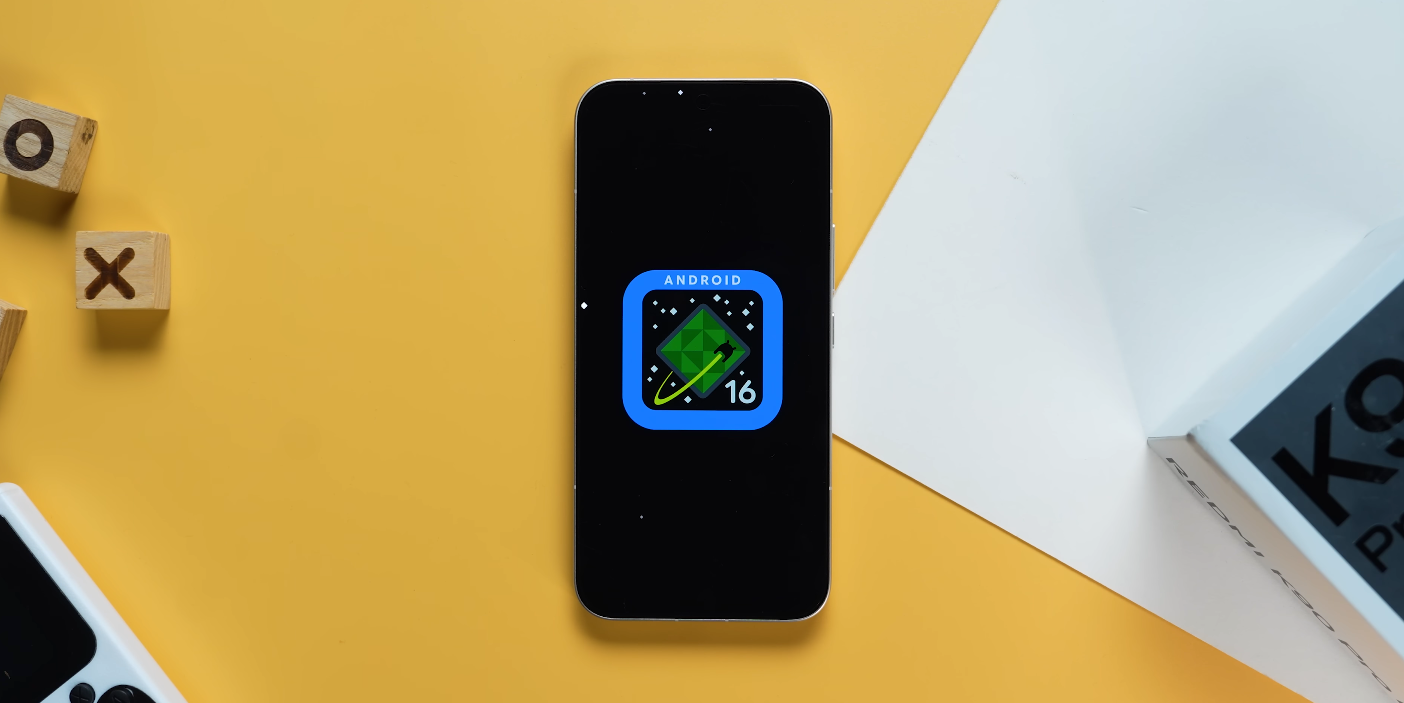
For the POCO F8 Pro, the expected support window includes several major Android upgrades. This means the phone should move through multiple software generations, bringing new features, interface improvements and deeper system refinements over time. For everyday users, this ensures the device stays fresh and capable without feeling outdated too quickly.

POCO F8 Pro software update policy how long will you be supported

Security updates also form a core part of the policy. Even after major Android upgrades stop, POCO plans to continue delivering security patches for several years. These updates protect the phone from exploits and help keep personal data safer. For users who rely on their devices for banking, payments and private communication, this long-term protection is essential.

However, there are practical factors to consider. Update rollout timing can vary between regions, and some markets may receive patches slightly later than others. The frequency of updates may also change over time, shifting from monthly to quarterly as the device ages. While the commitment is solid, the real-world delivery will depend on POCO’s execution across different markets.

Another thing to keep in mind is that POCO devices use a customised software skin. While feature-rich, these skins sometimes take slightly longer to update compared to stock Android because of added layers and customisations. This isn’t a deal-breaker, but it means updates might not arrive as quickly as they do on pure Android phones.

For users planning to keep the POCO F8 Pro for three to four years, the update support appears strong enough to maintain performance and security throughout that period. The long-term patch cycle ensures that even after major Android updates end, the phone remains safe and functional. For a value-focused device, this is more than many mid-range phones offer.

In the end, the POCO F8 Pro provides a well-rounded update policy that suits most long-term buyers. It may not match the longest commitments from premium brands, but it offers enough duration to keep the phone relevant, secure and efficient for years. For its expected price segment, the level of software support makes the F8 Pro a dependable choice for sustained everyday use.

POCO F8 Pro for students: premium specs, budget price – worth it?

POCO F8 Pro for students premium specs, budget price – worth it

Is the POCO F8 Pro a Smart Choice for UK Students?

If you’re a student in the UK shopping for a new phone and the POCO F8 Pro has caught your eye, the big question is whether it delivers premium features without stretching your budget—and whether it aligns well with student life. The short answer: for many students, yes—it looks like a strong option, but there are some trade-offs worth keeping in mind.

First up, the hardware specs are impressive for the price-range. The POCO F8 Pro is rumoured to include a high-end chipset, plenty of RAM and fast storage—meaning it can handle multiple apps, document editing, media playback and even creative tasks like video capture or editing. That performance edge makes it suitable for study periods, project work, streaming during downtime, and social media use—all in one device.

The display and battery life reinforce its value for students. A large screen with high refresh rate means lectures, readings, streaming and social apps feel smooth. Meanwhile, a bigger battery plus fast-charging means less worry about running out of power during campus days, library sessions or when travelling between lectures. That reliability is a plus when your day is busy and plugging in isn’t always convenient.

POCO F8 Pro for students premium specs, budget price – worth it

One of the strongest arguments for students is value for money. A “value flagship” like the F8 Pro offers many of the features of full-flagship phones (top chip, large storage, strong battery) but at a lower cost. That helps when your budget is limited and you want to keep some money for other expenses rather than spending big on a phone alone.

On the other hand, there are a few caveats. One is size and weight: premium specs often mean larger form factor, and if you prefer a compact phone that fits easily in smaller pockets or one-hand use during campus walks, you may find it a bit bulky. Another issue is longevity and support: while specs are important, long-term software updates, service support and resale value matter—especially if you plan to use the phone for a few years. A lesser-known brand or value model may not hold up in these areas as strongly as more established flagships.

Also, it’s worth asking how many of the “premium” features you actually use. If your phone use is mostly notes, calls, messages, streaming and some light social media, you may not fully benefit from the high-end camera or ultra-fast charging—so a cheaper device might suffice. It comes down to your use case: heavy multi-tasking, creative work or high-end gaming make the F8 Pro more justifiable.

In terms of student-specific use, the POCO F8 Pro lines up well: strong performance for assignments and apps, good media experience during downtime, battery for long university days, and value that keeps your budget flexible. If you expect to keep the phone for 2-3 years and want a device that will still feel current, it’s a wise pick.

On the flip side, if you’ll upgrade frequently, use the phone lightly, or have a very tight budget, then looking at mid-range phones may offer better budget balance. You could allocate more money to other student-needs (travel, subscriptions, study materials) and still get acceptable phone performance.

In summary: Yes—many UK students will find the POCO F8 Pro very worth it. It offers premium-level features at a strong value, aligning well with both study and downtime needs. But it’s not strictly necessary if your needs are modest or you prioritise budget over top specs.