POCO F8 Pro vs Apple iPhone SE (4th gen): premium features vs budget price

POCO F8 Pro vs Apple iPhone SE (4th gen) premium features vs budget price

Choosing between flagship-style power and an affordable entry into Apple’s ecosystem

The POCO F8 Pro and the Apple iPhone SE (4th gen) represent two very different approaches to smartphone value in 2025. One aims to deliver premium hardware and top-end performance at a competitive flagship price, while the other focuses on providing the Apple experience at the lowest possible cost. For buyers deciding between these two contrasting devices, the real question is whether premium features justify spending more or whether a budget-friendly price delivers enough satisfaction.

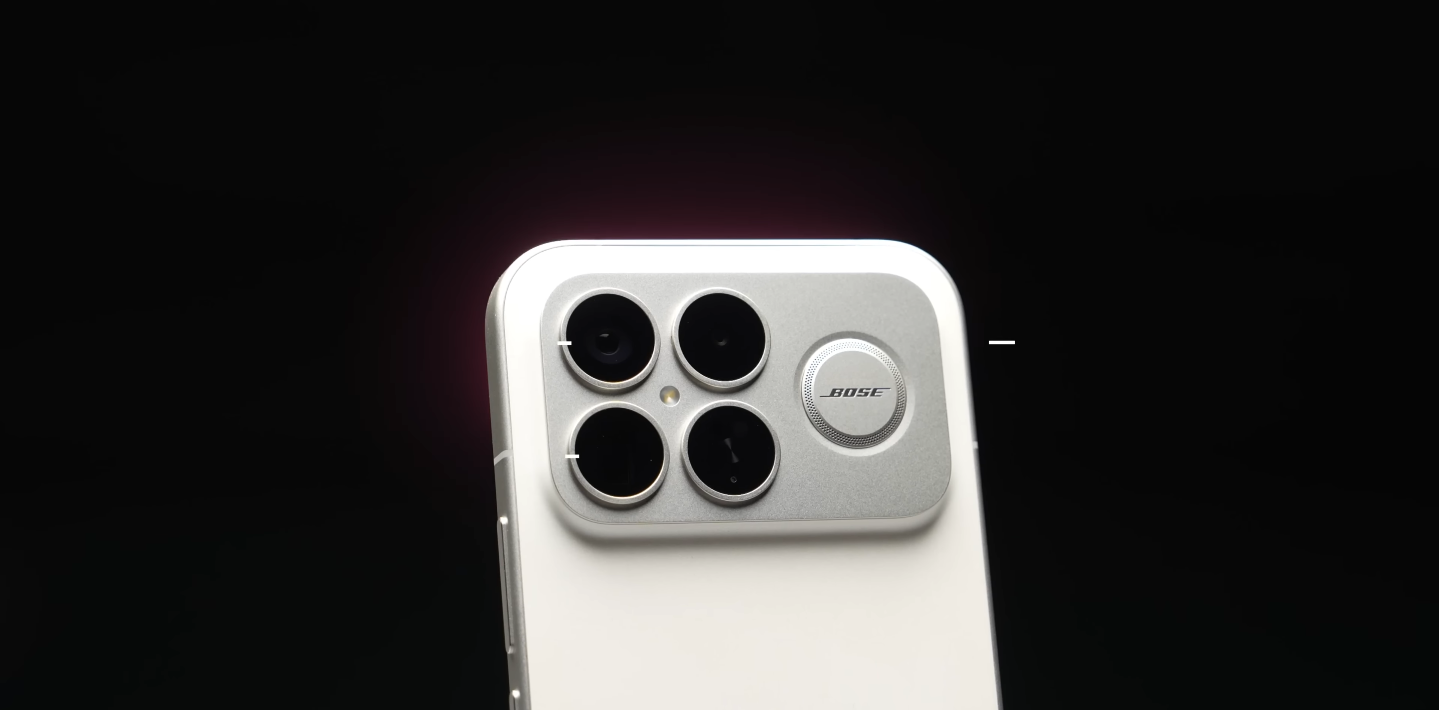
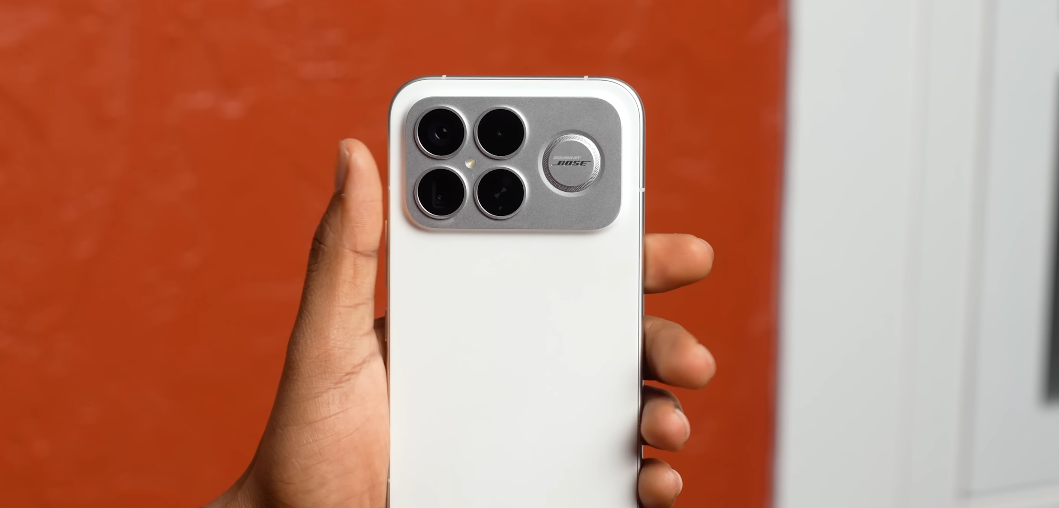
The POCO F8 Pro is designed for users who want the newest Android hardware without stepping into ultra-expensive flagship territory. With a high-resolution OLED display, fast refresh rate and a top-tier chipset, it promises performance suited for gaming, multitasking and demanding media consumption. Its camera setup is expected to be feature-rich, combining high-resolution sensors with optical stabilisation and zoom capabilities to offer flexibility for photography and video recording.

The iPhone SE (4th gen) takes a different path by offering the Apple ecosystem at a lower price. It is expected to use a smaller display and a simpler camera system compared to Apple’s Pro models, but it still benefits from a modern, powerful chipset. Users who prefer the simplicity, long-term software support and brand familiarity of Apple will view the SE as a balanced entry point without the cost of premium iPhones. Its compact design also appeals to users who prefer a lighter and easier-to-handle phone over large-screen devices.

POCO F8 Pro vs Apple iPhone SE (4th gen) premium features vs budget price

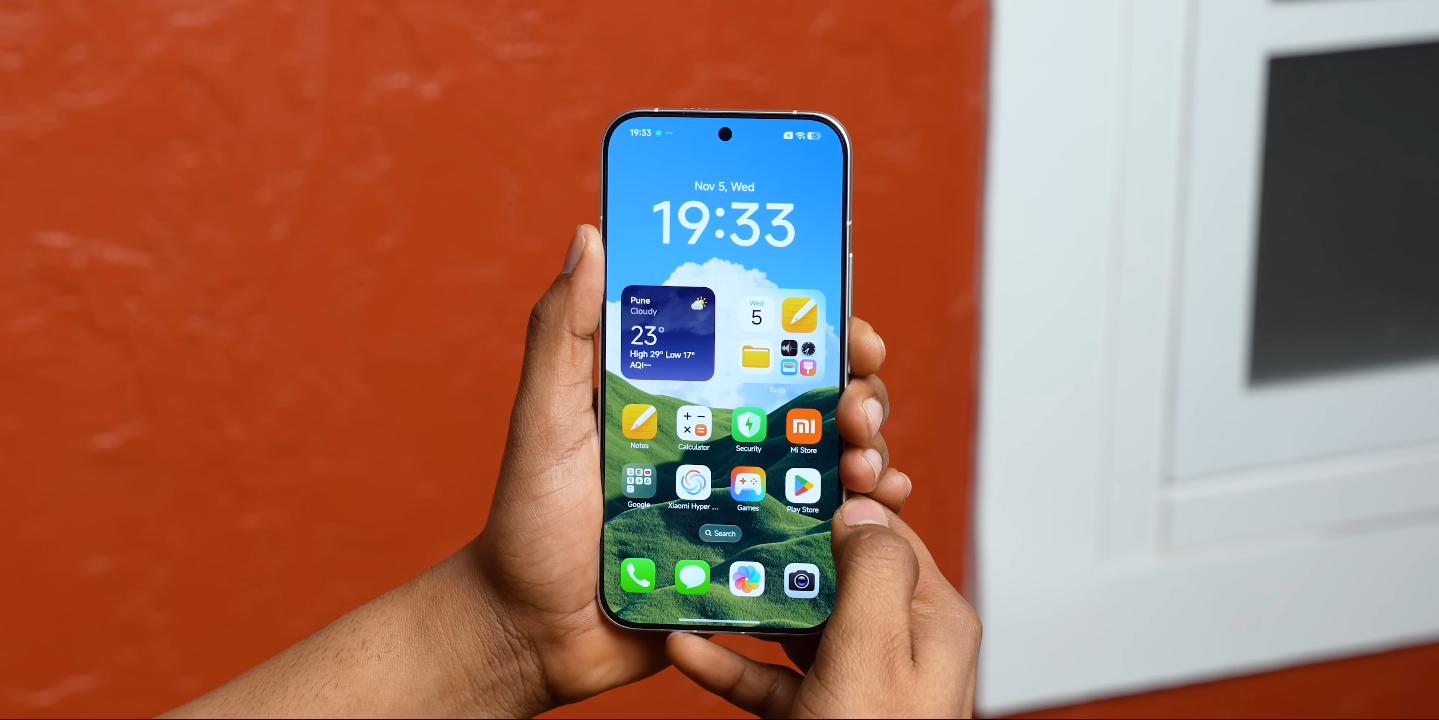
Display technology is one of the clearest dividing lines between the two phones. The POCO F8 Pro focuses on entertainment and productivity with its larger, sharper and smoother display, which is ideal for gaming, streaming and multitasking. The iPhone SE, in contrast, prioritises practicality and cost savings. It offers quality, but not the highest-end visual experience. For users who care about cinematic viewing, detailed graphics or high refresh rate responsiveness, the POCO option stands out more.

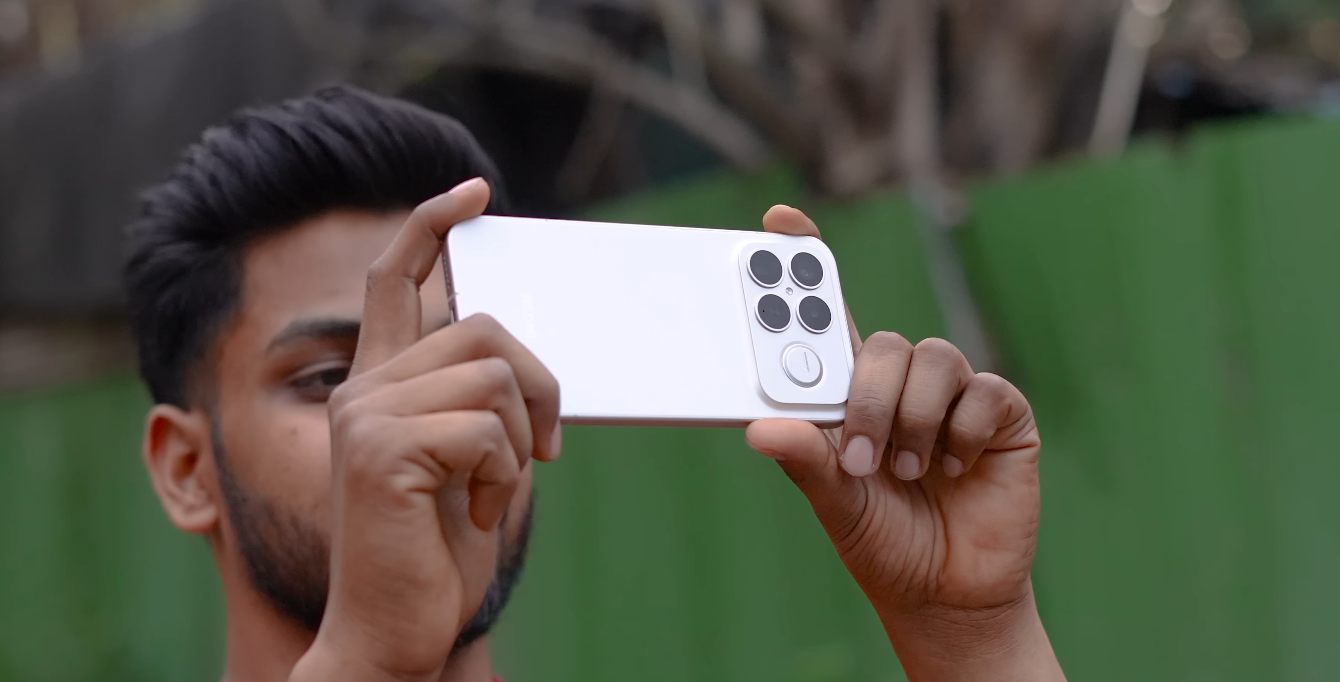
Camera capabilities widen the gap further. The POCO F8 Pro targets photography enthusiasts with its multi-sensor arrangement that covers wide, ultra-wide and telephoto requirements. It is built to handle portraits, landscapes, zoom shots and low-light scenes with versatility. The iPhone SE is expected to rely on a single primary camera, which delivers reliable quality but lacks the flexibility of multiple lenses. For casual photography and social media, the SE performs well, but hobbyists and creators will get more from the POCO.

Performance is strong on both phones but for different reasons. The POCO F8 Pro attempts to maximise raw power suitable for heavy workloads, gaming and future-proof usage. The iPhone SE, on the other hand, focuses on real-world responsiveness, integration with Apple software and long-term system optimisation. Even with fewer technical extras, the SE benefits from Apple’s efficiency, meaning everyday performance remains smooth despite its lower price.

Battery life and charging speed also help shape the comparison. The POCO F8 Pro aims for long endurance with a large battery and fast charging suitable for people who rely on their phone heavily throughout the day. The iPhone SE prioritises compact form factor, so its battery is expected to be smaller, which may require more frequent charging for heavy users. For users who travel or consume media extensively, the POCO holds an endurance advantage, while users who prefer portability may accept the trade-off.

In the end, the decision comes down to whether premium hardware and advanced features matter more than price and ecosystem preference. The POCO F8 Pro is the better choice for enthusiasts who want high-refresh gaming, versatile photography and long-lasting power. It costs more, but users who take advantage of these features will find the investment worthwhile. The iPhone SE (4th gen) makes the most sense for buyers who want access to Apple’s software experience without paying flagship-level prices, and for those who prioritise brand reliability over feature count.

Both phones represent strong value — but in different categories. The POCO F8 Pro brings the feeling of a top-tier smartphone at a controlled price, while the iPhone SE brings the comfort of Apple’s ecosystem at the lowest entry point available. The right choice depends on whether you value cutting-edge features or cost-efficient simplicity more in your next smartphone.
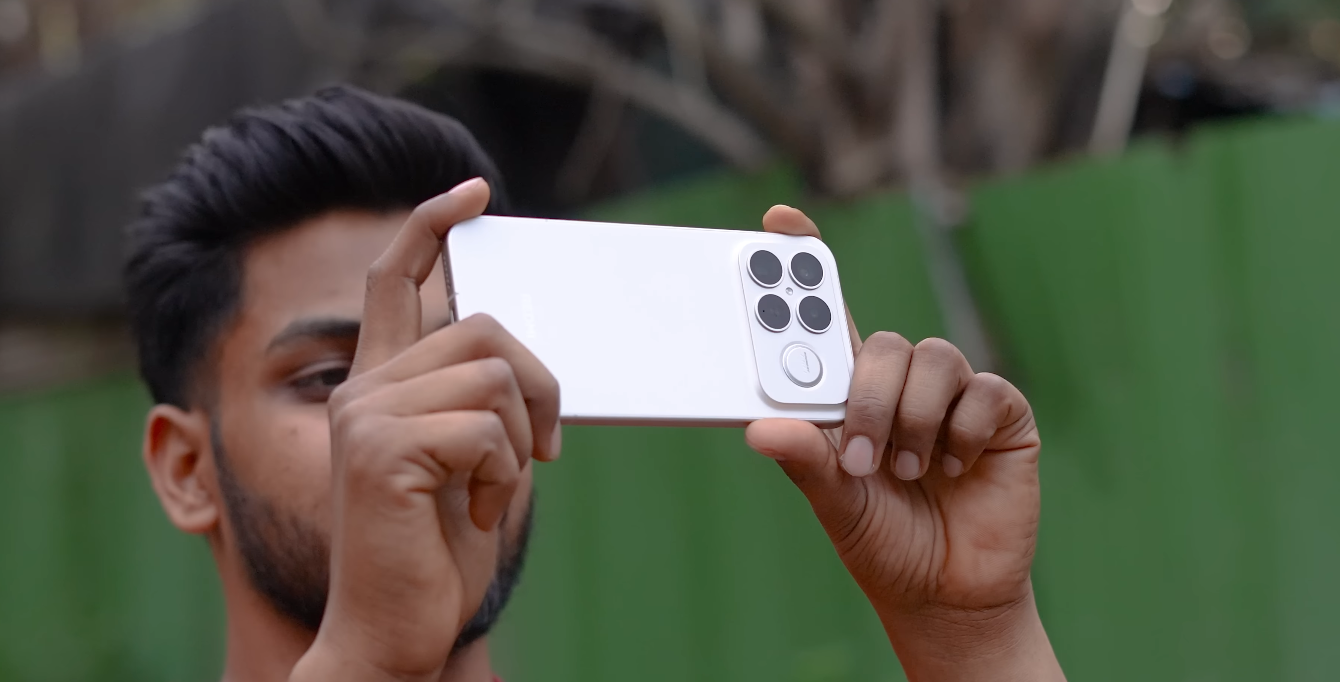
POCO F8 Pro real-world battery drain test: streaming, navigation, gaming

POCO F8 Pro real-world battery drain test streaming, navigation, gaming

How the POCO F8 Pro battery performs under everyday high-demand usage

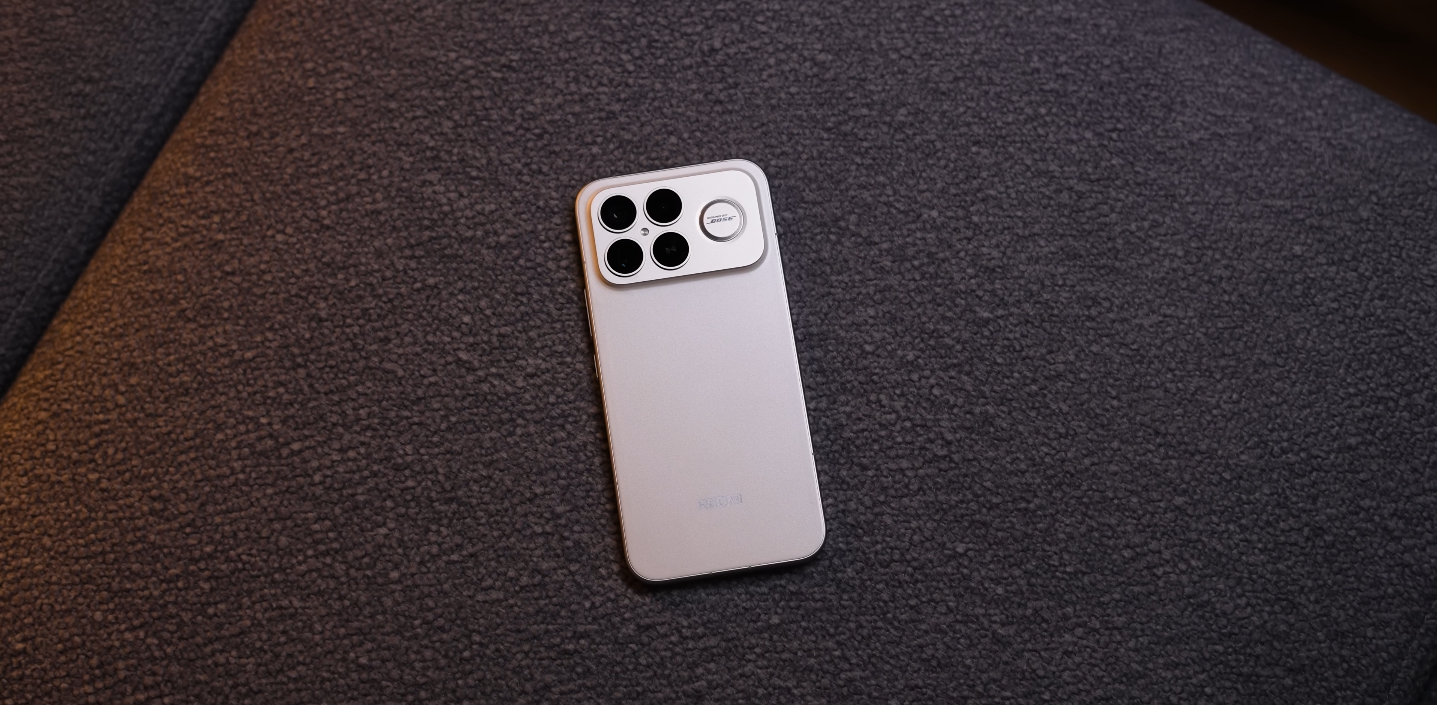
The POCO F8 Pro has arrived with high expectations around performance, efficiency and daily usability, but the real question for buyers is how well its battery lasts beyond lab numbers. Real-world power tests involving streaming, navigation and gaming give the clearest picture of whether the device can handle a full day of mixed usage without needing an emergency recharge. With a large battery and fast-charging technology, the F8 Pro is positioned as a reliable companion for demanding users, but the results vary depending on the type of workload.

In streaming tests, the POCO F8 Pro shows strong efficiency thanks to its OLED display and modern processor. When watching long YouTube or Netflix sessions at high brightness, the battery drains gradually rather than rapidly, allowing multiple hours of continuous viewing without triggering battery anxiety. Reducing the refresh rate further improves endurance, which benefits users who enjoy binge-watching content at home or during travel. The phone handles high-resolution playback without overheating, making streaming one of the most battery-friendly intensive tasks for this device.

Navigation, however, places heavier pressure on the battery due to simultaneous usage of GPS, mobile data, background calculations and continuous display activity. During long navigation sessions, the F8 Pro does lose battery faster than during streaming, but it remains stable enough to support lengthy road trips or map-based commutes without shutting down prematurely. For drivers who depend on live traffic updates and frequent rerouting, the phone maintains consistent performance, though carrying a fast charger on long journeys is still advisable.

POCO F8 Pro real-world battery drain test streaming, navigation, gaming

Gaming represents the toughest endurance challenge for the POCO F8 Pro, as it pushes the chipset and graphics processor to sustained high levels. Titles that run at maximum settings and 120 Hz refresh rate cause noticeably faster battery drain compared to most other tasks. Even so, the device maintains smooth gameplay over extended periods without sudden performance drops. Gamers who play competitive or graphics-heavy titles for several hours will likely need a mid-day charge, while casual gaming or reduced graphics settings noticeably extend battery life.

In a mixed daily routine, the strength of the POCO F8 Pro battery becomes clear. A day of social media browsing, messaging, web reading and routine app usage drains the battery slowly, even when occasional high-demand activities are added. Users who stream during commutes, take calls and play quick gaming sessions will consistently reach the end of the day with charge remaining. Only people who combine heavy gaming and long navigation sessions in a single day may need an afternoon recharge, which is typical for high-performance phones.

Fast charging plays a major role in making the device dependable for heavy users. The F8 Pro can recover a significant portion of battery capacity in a short period, making short charging breaks meaningful. This greatly reduces downtime for travellers, gamers and remote workers who are constantly on the move. The fast-charging system ensures that even demanding users rarely find themselves interrupted by long charging sessions.

Thermal behaviour also influences endurance across different workloads. During extended gaming or hotspot usage, the device warms up as expected, increasing power draw slightly. However, the battery continues to discharge in a controlled way without sudden drops. The phone retains steady processing performance rather than aggressively throttling to reduce heat, which maintains gaming quality but increases battery consumption. For the average user, this effect is noticeable only during marathon gaming sessions.

With these results combined, the F8 Pro demonstrates endurance that suits a wide range of users. Binge-streamers can enjoy long sessions without worry, frequent travellers can rely on navigation without premature shutdowns and gamers get enough runtime for extended matches before reaching low battery levels. This mix of high efficiency in moderate workloads and controlled consumption in demanding ones makes the phone adaptable to both productivity and entertainment.

Over the course of a full day, the POCO F8 Pro generally offers enough power to last from morning to late evening without requiring constant charging management. Its real-world battery behaviour aligns with the needs of heavy smartphone users who consume content, navigate, multitask and play games regularly. With a combination of large battery capacity, efficient hardware and fast charging technology, the device positions itself as a dependable flagship-class option for users who expect long endurance without compromising performance.

POCO F8 Pro vs Asus ROG Phone for gamers: flagships with different focus

POCO F8 Pro vs Asus ROG Phone for gamers flagships with different focus

Two performance powerhouses built for different gaming styles

The rivalry between the POCO F8 Pro and the Asus ROG Phone has quickly become one of the biggest talking points in the gaming smartphone community. Both devices target users who demand high performance, but they take very different approaches to delivering it. One focuses on offering flagship-grade power at an accessible price, while the other is designed as a specialist gaming machine with features tailored specifically for long and intense play sessions.

The POCO F8 Pro brings a top-tier chipset, a high-refresh OLED display and fast storage to deliver strong frame rates in popular games. It aims to give gamers high performance without forcing them to pay premiums associated with dedicated gaming brands. The model is built as an all-round flagship, meaning it balances gaming strengths with areas such as camera quality, social media content creation and everyday practicality.

The Asus ROG Phone takes a specialised route by prioritising gaming above everything else. It includes high refresh-rate screens, long-term thermal management and built-in gaming controls that appeal to competitive players. While it also offers premium general-use performance, its hardware and software are tuned primarily for consistency during extended gaming sessions and esports-style titles.

POCO F8 Pro vs Asus ROG Phone for gamers flagships with different focus

Gameplay experience is where the two devices reveal their contrasting identities. The POCO F8 Pro delivers smooth and responsive gameplay backed by a powerful processor and modern display technology. It supports high-quality visuals and stable frame rates in most games, making it an easy recommendation for users who want a phone that can game hard but also excel in photography, entertainment and work.

The ROG Phone focuses on maximum responsiveness and stability. Features such as shoulder triggers, high-precision touch sampling and advanced cooling systems are especially useful during long or competitive matches. These additions give players advantages in reaction-based titles and help keep performance consistent even when games run at high graphics settings for extended periods.

Thermal performance plays an important role for both smartphones, but the experiences diverge. The POCO F8 Pro manages heat well for everyday gaming and heavy workloads, offering predictable performance without major throttling during standard sessions. The ROG Phone takes cooling further with larger chambers and optional accessories designed for marathon play, making it better suited for users who routinely push games to their limits.

Battery life is another area where both models aim to satisfy gamers, but with different priorities. The POCO F8 Pro targets strong endurance alongside fast charging to support long hours of media use, gaming and streaming. The ROG Phone emphasises battery size and slow degradation during gaming, meaning it is optimised to deliver longer sessions without rapid battery drain when running demanding titles.

User preference ultimately determines which of these devices fits best. Gamers who also care deeply about cameras, design, daily battery efficiency and premium multimedia output may appreciate how the POCO F8 Pro blends performance with overall versatility. It delivers flagship gaming potential without committing exclusively to a gamer-centric identity.

On the other hand, those who want a phone that feels purpose-built for gaming from the moment it’s switched on will immediately notice the advantages of the Asus ROG Phone. With ergonomic design, low-latency features and extended thermal capabilities, it remains one of the most performance-stable devices for competitive gaming and long high-intensity play sessions.

Both smartphones occupy the premium performance category, but they deliver that performance in different ways. The POCO F8 Pro stands out as a high-value flagship suited to users who game often but also want their phone to excel across photography, entertainment and everyday use. The Asus ROG Phone caters to serious gamers who want a device built expressly to handle the toughest gameplay scenarios with speed, stability and tactical precision.

POCO F8 Pro vs iPhone 17 Pro Max: specs war for ultimate mobile photography

POCO F8 Pro vs iPhone 17 Pro Max specs war for ultimate mobile photography

Battle of flagship cameras in the next-gen smartphone era

The contest between the POCO F8 Pro and the iPhone 17 Pro Max has become one of the most talked-about comparisons among smartphone enthusiasts, especially those focused on mobile photography. Both devices arrive with the intention of redefining what a camera phone can deliver, but they follow different approaches in hardware and image processing. With creators on Instagram and TikTok pushing demand for high-quality visuals, buyers are looking closely at which phone truly leads in camera capabilities.

Apple continues its tradition of premium imaging with the iPhone 17 Pro Max, equipping it with a triple 48-megapixel camera system that covers wide, ultra-wide and telephoto focal lengths. This versatility gives users strong control over framing and distance, with emphasis on optical zoom performance when shooting portraits or capturing subjects at long range. The device benefits from Apple’s deep integration of computational photography and image processing, enhancing details and colour accuracy straight out of the camera.

The POCO F8 Pro, positioned as a competitive flagship alternative, focuses on delivering maximum value through high-resolution hardware at an accessible price segment. The main camera features a 50-megapixel sensor designed to capture large amounts of detail, supported by a telephoto and an ultra-wide module in a triple-camera arrangement. The strategy aims to offer flagship-grade versatility without positioning the device exclusively for the luxury market.

POCO F8 Pro vs iPhone 17 Pro Max specs war for ultimate mobile photography

In video recording scenarios, the iPhone 17 Pro Max continues its push into professional-style videography. Support for high-bitrate recording modes, advanced stabilisation and refined skin-tone rendering is intended to appeal to both casual users and professional creators. The POCO F8 Pro focuses on high-resolution recording such as 4K with stabilisation, ensuring users can produce polished video content that holds up well on social media platforms even after compression.

Low-light performance serves as a major point of separation between the two smartphones. The iPhone line has consistently elevated night photography through sensor optimisation and dedicated low-light processing. With the iPhone 17 Pro Max, this trend continues as the device attempts to deliver bright and noise-free images even in dim scenes. The POCO F8 Pro relies heavily on its high-resolution main sensor to maintain clarity, and improvements in noise handling suggest confidence in night-mode output for users who frequently shoot indoors or after sunset.

For creators who share content frequently, the front camera matters just as much as the rear setup. The iPhone 17 Pro Max places emphasis on realistic skin tones and accurate exposure in selfie shots, benefiting users who film vlogs or video calls. The POCO F8 Pro offers a high-resolution front sensor designed to capture sharp detail, making it appealing for users who rely on the selfie camera for lifestyle content and portrait-style shots.

Storage management plays a role in real-world usage, especially for photography enthusiasts capturing 4K video and high-resolution stills. The iPhone 17 Pro Max offers multiple storage variants suitable for professional users with heavy workloads. The POCO F8 Pro offers generous internal storage to support creators who need space for media files but want to avoid constant device clean-ups or cloud reliance.

Ultimately, the question of which smartphone is the “ultimate” choice for mobile photography comes down to user priorities. Photographers and filmmakers seeking the most consistent results across a wide range of environments are likely to favour the iPhone 17 Pro Max, thanks to its balanced camera system and mature processing pipeline. Meanwhile, users who want flagship-level photographic flexibility and high resolution without moving into the top pricing tier will find the POCO F8 Pro highly compelling.

The landscape of mobile photography in 2025 is defined not only by megapixels but by the balance between hardware, software, video performance and value. The iPhone 17 Pro Max presents a polished and reliable experience for professionals and serious creators, while the POCO F8 Pro delivers powerful hardware that makes flagship-style imaging more accessible. Either choice provides a capable platform for next-generation smartphone photography, but the final decision depends on whether the buyer values premium refinement or value-driven flagship power.

POCO F8 Pro vs iPhone 16 Core: specs vs ecosystem – which matters more?

POCO F8 Pro vs iPhone 16 Core specs vs ecosystem – which matters more

Choosing between raw performance and seamless long-term device integration

The POCO F8 Pro and the iPhone 16 Core target very different types of smartphone buyers, and deciding between them in the UK market comes down to whether hardware specs or ecosystem value matters more over time. The POCO F8 Pro pushes high-end specifications at a competitive price, while the iPhone 16 Core focuses on ecosystem convenience, long-term support and interconnected Apple services. Understanding these priorities helps buyers choose the device that genuinely suits their usage.

The POCO F8 Pro is built for users who want maximum power for their money. It is expected to feature a top-tier Snapdragon Elite chipset, a 2K high-refresh OLED display, a large battery and a camera system tuned for detail and low-light performance. These specifications translate into high performance for gaming, multitasking, streaming and content creation. Buyers who focus on raw hardware usually find POCO’s value positioning especially attractive.

By contrast, the iPhone 16 Core is built around Apple’s ecosystem. Even if some of its specifications seem modest on paper, it delivers a predictable experience through iOS optimisation, continuity features and strong integration with Apple services. Clipboard handoff, photo sharing, AirPods pairing and Apple Watch connectivity allow users to move between devices without friction. For users who already own Apple products, this ecosystem convenience often outweighs the spec sheet differences.

POCO F8 Pro vs iPhone 16 Core specs vs ecosystem – which matters more

Software longevity also separates the two devices. iPhones consistently receive software updates for several years longer than most Android models. This allows the iPhone 16 Core to hold its value and remain secure and up to date well into the future. While the POCO F8 Pro is likely to receive reliable support initially, its update timeline is shorter, making long-term ownership less future-proof for some users. This becomes important for buyers who keep their phones beyond two or three years.

Display and battery performance highlight further differences. The POCO F8 Pro offers a sharper screen with higher refresh, which benefits gamers and users who value smoother interactions. Its large battery and fast charging also suit heavy daily use. The iPhone 16 Core may not match these numbers on paper, but its power efficiency and optimisation offer steady, predictable performance throughout the day. For moderate users, the experience may feel similar despite the lower specifications.

Camera behaviour also reflects the divide. POCO aims for versatility through multiple lenses and high megapixels, appealing to users who manually edit or experiment with photography. Apple, on the other hand, prioritises consistency and simplicity: photos and videos tend to look good with minimal input. Buyers who enjoy quick point-and-shoot results may prefer the iPhone 16 Core, while those who want a highly capable toolkit may lean toward the F8 Pro.

Price sensitivity is another factor for UK buyers. The POCO F8 Pro is positioned to offer flagship-level performance at a mid-range cost, which creates strong appeal for budget-conscious smartphone enthusiasts. The iPhone 16 Core costs more but compensates through resale value, brand support and seamless ecosystem integration. For buyers who upgrade regularly, POCO’s lower upfront cost may win. For users who plan to keep the phone longer, Apple’s support and resale value can offset the initial price.

Ultimately, the decision between the POCO F8 Pro and the iPhone 16 Core comes down to personal priorities rather than simple specification comparison. If you value specifications, display quality, battery capacity and high performance at a lower price, the POCO F8 Pro provides exceptional hardware value. If you prioritise long-term updates, smooth device integration, reliable support and effortless day-to-day usability, the iPhone 16 Core delivers a stronger ecosystem experience.

For UK buyers deciding between the two, the best choice depends on how you use your phone. Hardware-driven users will likely prefer the POCO F8 Pro, while ecosystem-driven users will benefit more from the iPhone 16 Core. Both are powerful devices, but the definition of value depends on whether raw specifications or seamless long-term convenience matters more in daily life.

POCO F8 Pro manufacturing & build quality: how premium does it feel?

POCO F8 Pro manufacturing & build quality how premium does it feel

Hands-on impressions of design, durability, and materials for UK buyers

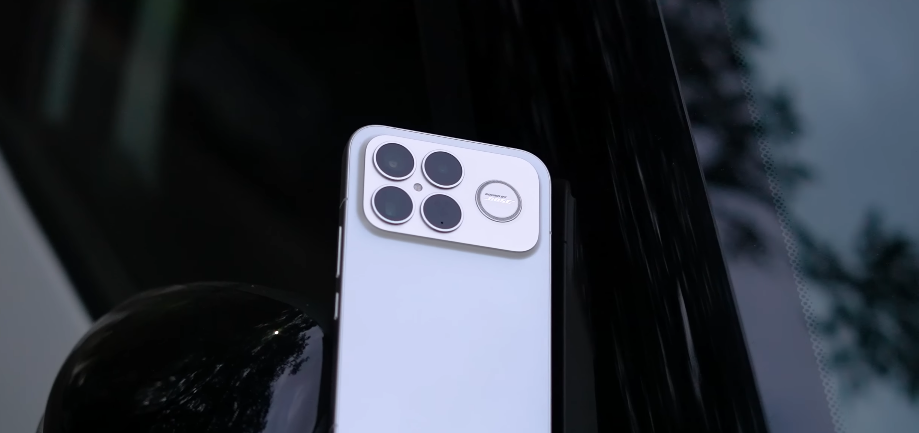
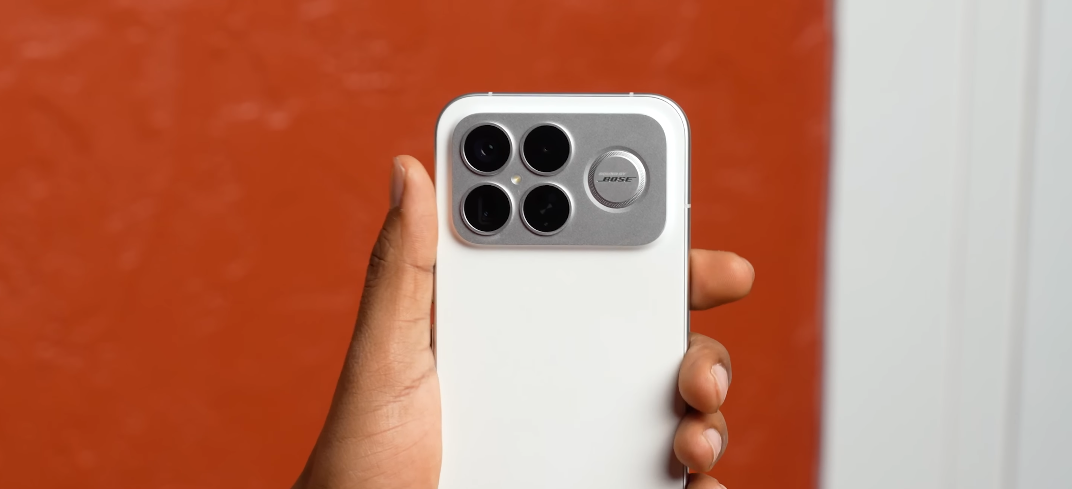
The POCO F8 Pro introduces a noticeable step up in build quality compared to earlier POCO releases, and early examinations show that it feels more premium than its typical mid-range price suggests. The phone features a refined chassis, polished finish and tightly optimised construction, which together create a solid flagship-class impression in hand. For UK users evaluating whether it looks and feels high-end, the physical experience is an important part of the decision.

A major contributor to the premium feel is the device’s frame. Instead of polycarbonate, the POCO F8 Pro uses a metal frame that enhances both durability and hand feel. The weight distribution and rigidity provide confidence when holding the device and make it feel closer to flagship tier rather than a budget performance phone. The overall structure resists flexing, and the side rails and button cut-outs show attention to detail.

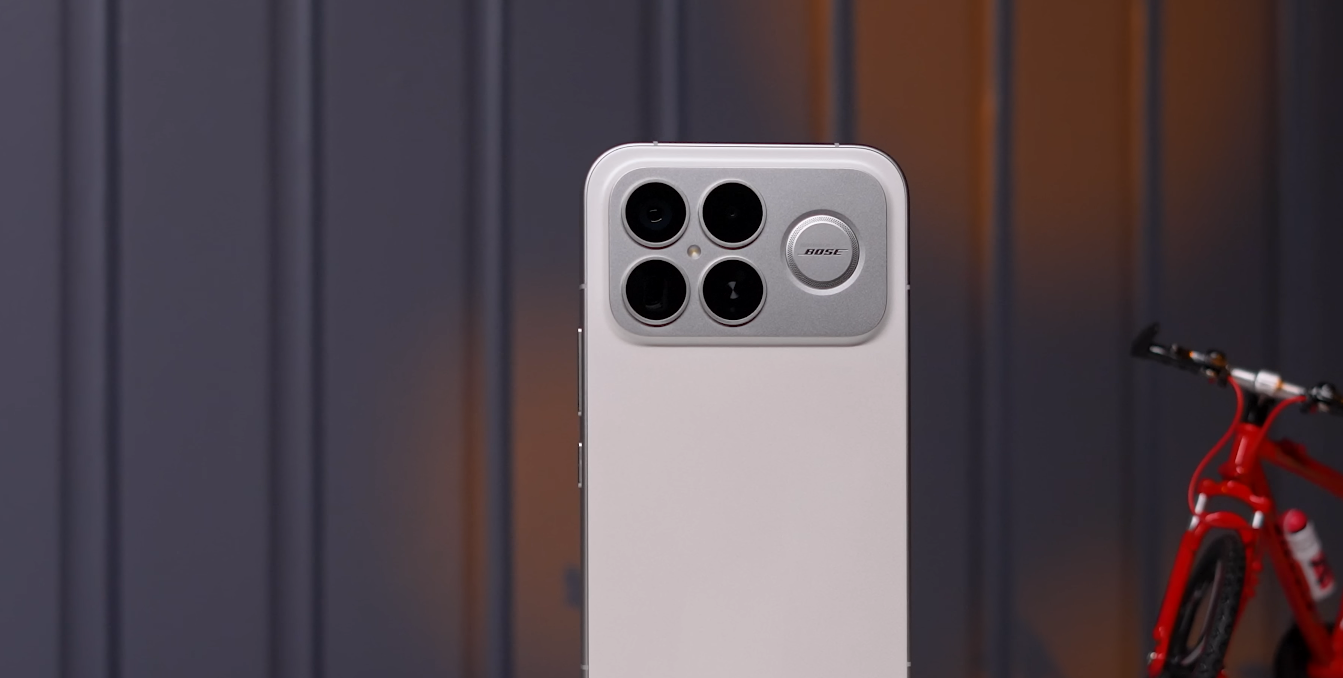
The back material adds to that experience. With its matte or textured glass finish, the F8 Pro offers reduced fingerprint smudging and improved grip compared to glossy designs. The surface has a smooth touch but enough texture to avoid slipping, which is particularly useful for users who don’t want to use a case. The camera bump is cleanly integrated into the rear design, and the phone maintains a unified visual theme rather than appearing like a recycled shell.

POCO F8 Pro manufacturing & build quality how premium does it feel

Durability is another area where the F8 Pro improves over typical mid-range builds. The device is expected to include high-grade water and dust protection, placing it closer to flagship standards and making it more reliable for long-term ownership. The reinforced middle frame and rear panel dampen shock from accidental drops better than the plastic-framed models POCO released in previous years. This makes the phone feel sturdy and well-engineered during daily handling.

Comfort also plays a role in how premium a phone feels. The POCO F8 Pro has refined curvature along the back and sides, allowing it to sit naturally in the palm without sharp edges. The weight lands in the “premium” zone without feeling overly heavy, giving a sense of presence. The combination of smoother button response and secure grip adds to the perception of a more expensive device.

While the build quality is impressive for the class, there are still distinctions separating it from ultra-high-end flagships. Higher-priced smartphones sometimes incorporate titanium frames, ceramic backs or sapphire lens protection, which are not present here. The bezels and finish precision also don’t quite reach the level of the most expensive models on the market. However, these differences are only noticeable when comparing side by side and do not affect everyday usability.

An important factor for value-focused UK buyers is that the POCO F8 Pro avoids the flimsy feel or hollow sensation that can be found in some mid-range smartphones. The solid metal frame, dense internal structure and high-quality glass give the device a reassuring feel when tapping, squeezing or pressing around the display edges. These tactile cues matter because they reinforce the impression of reliability over time.

Taken as a whole, the POCO F8 Pro delivers a surprisingly premium build for its expected price segment. It brings a metal-and-glass flagship feel without inflating the cost, and offers both durability and comfort without compromising on design. While it doesn’t take the extreme materials approach of luxury flagships, it achieves a refined balance that most users will appreciate. For UK buyers wanting a phone that looks and feels high quality without paying top-tier prices, the POCO F8 Pro stands out as an excellent proposition.

POCO F8 Pro UK carrier deals: SIM-free vs contract which is better?

POCO F8 Pro UK carrier deals SIM-free vs contract which is better

Comparing ownership value for UK buyers planning to purchase the POCO F8 Pro

The POCO F8 Pro is attracting strong attention among UK smartphone buyers thanks to its flagship-grade performance at a mid-range price. With availability expanding across the UK, many users are now deciding whether to buy the phone SIM-free or through a long-term carrier contract. The choice affects cost, flexibility and long-term value, making it important to understand both options before committing.

Buying the POCO F8 Pro SIM-free means paying the full handset price upfront and then using a network plan of your choice. This approach gives complete ownership from day one, and the phone remains unlocked for all UK carriers. Users can switch networks anytime, use temporary SIMs while travelling abroad and take advantage of promotional SIM-only plans without limitations or exit fees.

SIM-free ownership also benefits customers looking to sell or trade in their device later. Unlocked models typically retain higher resale value because they are compatible across all major UK networks. Buyers who upgrade regularly often prefer SIM-free purchases for this reason. The downside is that the full price has to be paid immediately, which is a barrier for those who prefer spreading costs.

POCO F8 Pro UK carrier deals SIM-free vs contract which is better

Carrier contract deals, on the other hand, allow buyers to get the POCO F8 Pro with little or no upfront payment. The cost of the phone is divided across a 24- or 36-month plan combined with a data and voice bundle. For many UK users, especially those who prefer predictable monthly bills, contract deals offer convenience and make it easier to access a new flagship phone without a large payment at the start.

However, contract deals usually result in a higher total cost over time. When handset repayments are added to monthly plan pricing, the overall spend is often more than buying the phone SIM-free and selecting an affordable SIM-only plan. In addition, leaving the contract early may involve costly termination fees, reducing flexibility if your network coverage or personal circumstances change.

Network contracts may also restrict the resale of the POCO F8 Pro while the plan is active. Some agreements require returning or clearing the handset balance before selling the phone, which can complicate upgrades. In contrast, SIM-free buyers can trade or sell anytime, giving them more control over upgrade timing and residual value.

For buyers who travel frequently, the SIM-free option also holds advantages. Swapping local SIMs abroad avoids expensive international roaming fees and ensures connectivity without depending on carrier travel packages. Users on contract plans may have limited roaming benefits depending on the network and region, adding extra charges for overseas usage.

That said, carrier plans sometimes offer bundle extras that may appeal to specific users. These may include higher data allowances, premium customer support, discounts on accessories or loyalty benefits over time. For users who rely heavily on mobile data or use their device for work, the bundled value may offset the higher overall cost and justify committing to a contract.

Ultimately, the best option depends on financial comfort and long-term intentions. If you can afford the upfront cost and prefer freedom to change networks, adjust plans and resell the device later, the SIM-free route offers better control and stronger value. If your priority is a lower initial expense and a simple monthly payment that covers both the phone and the tariff, a carrier contract is a more convenient solution.

For most UK buyers looking at cost-to-value specifically with the POCO F8 Pro, the SIM-free purchase paired with a competitive SIM-only plan delivers the best overall value. It keeps ongoing charges low, protects resale worth and avoids long-term lock-ins. However, contracts remain appealing for anyone who prefers small upfront payments and doesn’t mind staying with the same network for the duration of the agreement.

POCO F8 Pro hidden features you didn’t know about

POCO F8 Pro hidden features you didn’t know about

Underrated software tricks and hardware extras that unlock the phone’s full potential

The POCO F8 Pro is already known for offering high-end performance at a competitive price, but many of its best capabilities are not immediately visible. Beneath the standard feature list, HyperOS includes several powerful options that can significantly improve the user experience. UK buyers who want to get the most out of the device can benefit from exploring these hidden tools, as they allow performance tuning, camera enhancements and refined audio behaviour.

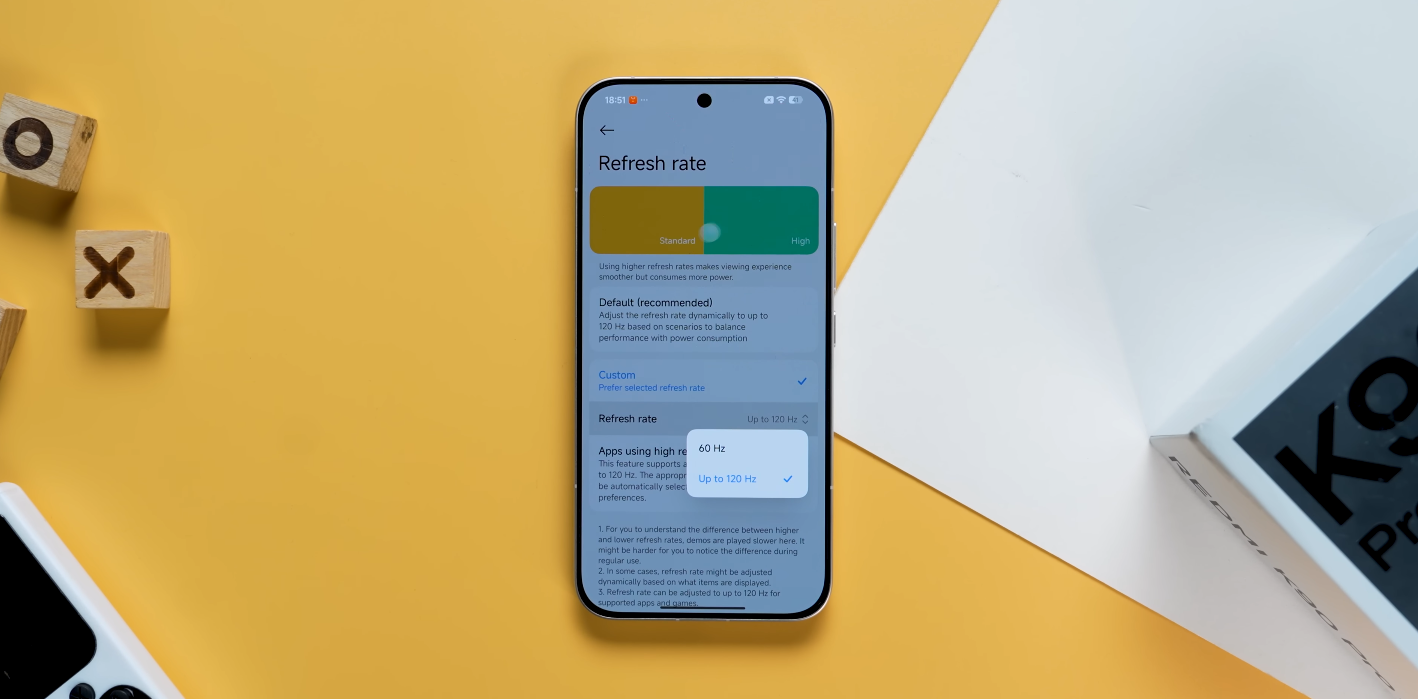
One of the most useful hidden features is its advanced display controls. While the device supports high refresh rates and strong brightness, users can manually enable additional display management options within the settings. These include frame interpolation for video, sunlight contrast boost for outdoor visibility and a force-refresh mode for select apps. These toggles reveal a level of display customisation that makes the phone more comfortable to use in varied UK lighting conditions.

The POCO F8 Pro also hides a robust audio engine with tuning profiles that many users overlook. Inside the Sound Effects menu are presets designed for different listening scenarios, including high-clarity voice optimisation and boosted stereo modes. Enabling these profiles allows the device to take better advantage of its built-in speaker hardware, offering noticeable upgrades in clarity and spatial separation when watching films or gaming.

POCO F8 Pro hidden features you didn’t know about

A third hidden strength lies in the camera software. Beyond the regular photography interface, the device includes a Pro Video mode and RAW capture support tucked under advanced controls. These options unlock more detailed colour data and manual focus tools that creators can use for social content, night photography and high-dynamic-range scenes. The additional video stabilisation settings buried inside the menu also assist in recording steady clips, even without a gimbal.

Gaming capabilities benefit from features that are not activated by default. The Game Turbo panel includes touch sampling adjustments, visual enhancement toggles and a dedicated low-latency audio mode. These are often missed by casual users, yet they can make a major difference in titles where precision and reaction time matter. When the correct per-game profile is applied, gaming responsiveness becomes noticeably sharper.

Battery optimisation is another area where hidden additions can improve day-to-day usage. The phone includes charging safeguards designed to preserve long-term battery health, as well as adaptive charging strategies that regulate speed based on the user’s routine. These options are easy to ignore but can extend battery lifespan when enabled. They also help the device run cooler during intensive workloads, which is especially useful when multitasking.

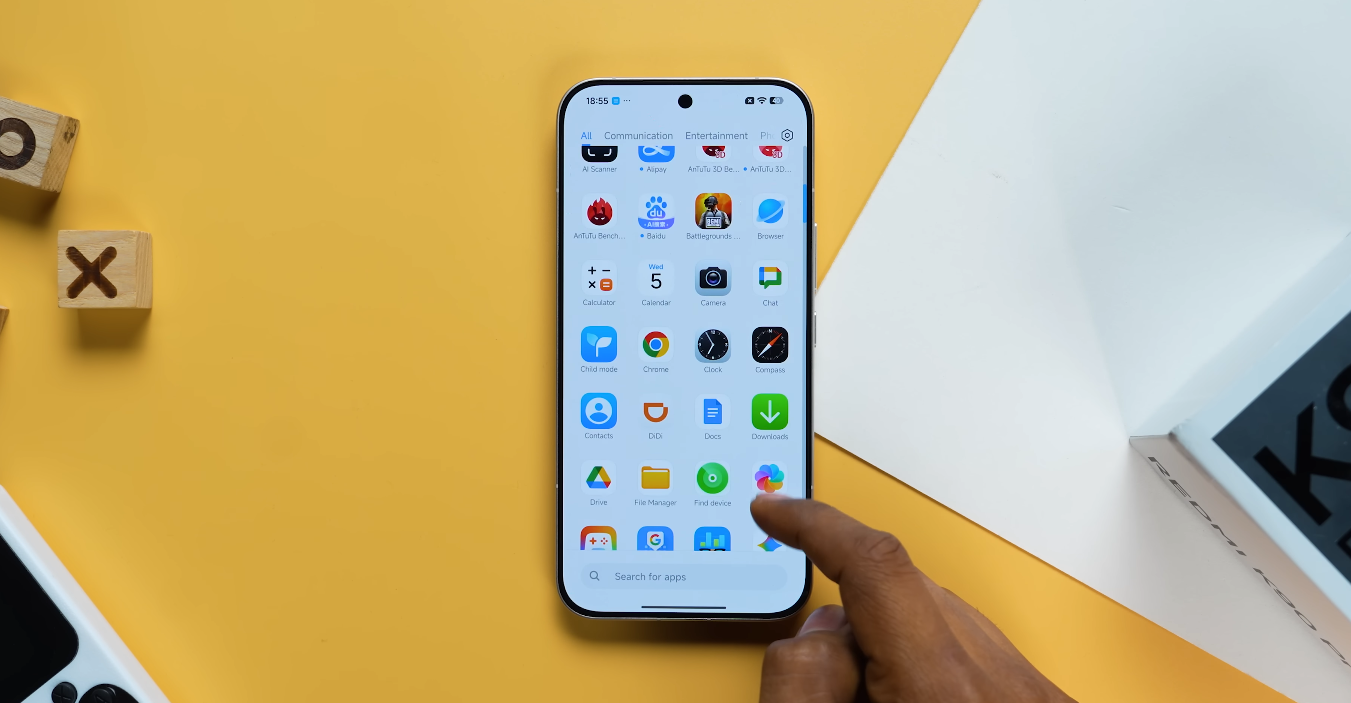
HyperOS also offers a set of productivity shortcuts that many owners never discover. These include floating windows for multitasking, clipboard history management and private file vaults for sensitive content. Although the interface may not highlight these functions on setup, enabling them through the sidebar gives the POCO F8 Pro a desktop-like workflow that power users will appreciate.

The device also supports gesture-based automation rules under the Special Features section. These allow users to assign quick actions such as toggling 5G, launching an app or activating silent mode through specific button combinations or motion triggers. While not widely advertised, these shortcuts reduce the need to dive into menus and make the phone feel faster in daily tasks.

Connectivity tools add another layer of convenience. Hidden within the network settings is an optimised Wi-Fi mode that redirects bandwidth to active foreground apps and reduces background consumption. For UK households with multiple users sharing a network, the improvement in streaming and gaming stability is noticeable. The personal hotspot settings also include a power-saving broadcast option to minimise battery drain.

Finally, the POCO F8 Pro includes a comprehensive diagnostics suite that most users never access. This menu tests sensors, touch response, battery health and speaker performance in real time. It is particularly useful for detecting issues early or verifying the condition of the phone before a trade-in. For long-term ownership, the diagnostics tool ensures the device continues performing at top capacity.

Taken together, these hidden and less-publicised features greatly expand what the POCO F8 Pro can do. For users willing to explore deeper than the surface-level settings menu, the phone becomes far more capable than expected for its price bracket. Unlocking these tools makes the POCO F8 Pro feel like a true flagship alternative and allows UK buyers to enjoy its full potential across entertainment, productivity and daily reliability.

POCO F8 Pro vs camera-centric phones: how serious is its photography setup?

POCO F8 Pro vs camera-centric phones how serious is its photography setup

Evaluating the POCO F8 Pro’s Camera Capabilities Against Photography-Focused Phones

The POCO F8 Pro steps into 2025 with a stronger photography focus than any previous POCO model. It brings a refined main camera, optical image stabilisation and a dedicated telephoto lens, all aimed at boosting its credibility in a market where camera-centric phones continue to dominate. For UK buyers, the key question is whether this setup truly competes with photography-first devices or simply offers good everyday performance without challenging the very best.

The main sensor on the F8 Pro is a noticeable upgrade. It captures sharper detail, more balanced exposure and more stable shots thanks to its improved stabilisation. Users coming from older POCO phones will immediately see clearer photos and better image consistency. In daylight and indoor conditions, the F8 Pro performs confidently, producing images that feel polished and ready for social sharing without heavy editing.

A major selling point is the addition of a dedicated telephoto lens, something many mid-range and value flagships still skip. This lens allows cleaner zooming and sharper portrait shots, giving the F8 Pro more versatility than most phones in its price range. While it doesn’t match the extreme zoom capabilities of camera-focused flagships, it still adds real photographic flexibility that enhances everyday shooting.

POCO F8 Pro vs camera-centric phones how serious is its photography setup

The ultra-wide lens performs well for casual landscape shots and group photos but doesn’t reach the same quality level as the main and telephoto sensors. Camera-centric phones typically invest heavily in their secondary lenses, ensuring consistent performance across all focal lengths. In comparison, the F8 Pro’s ultra-wide camera delivers decent results but shows limitations in detail and low-light reliability, making it more suitable for simple compositions.

Low-light photography is an area where the F8 Pro shows improvement but still trails behind specialist camera smartphones. Its stabilisation and processing help control noise and maintain clarity, yet larger sensors and advanced night modes on photography-focused devices produce superior results. For users who frequently shoot evening scenes or indoor environments, this difference may be more noticeable.

Video performance on the F8 Pro is well balanced for social and everyday use. Stabilisation helps keep footage smooth, colours remain natural and focus performance is generally reliable. However, advanced video features found on camera-centric flagships—such as stronger HDR video, enhanced microphones and deeper manual controls—are areas where the F8 Pro cannot fully compete. Casual vloggers will find it capable, but professional creators may want more.

The overall balance of the F8 Pro’s camera system is one of its strengths. Rather than excelling in one area, it performs consistently across a wide range of shooting scenarios. Everyday UK users who capture travel moments, food shots, portraits or general lifestyle content will find the F8 Pro dependable. It aims to deliver strong, reliable results without overwhelming users with complex photography tools.

Where it falls short is in specialist use-cases. Camera-centric phones offer features like periscope zoom, superior ultra-wide sensors and more advanced processing pipelines that handle challenging lighting better. These devices are built to push boundaries, while the F8 Pro focuses on offering a strong but balanced photographic experience that suits the majority of buyers without targeting niche enthusiasts.

For UK buyers considering price as well as performance, the F8 Pro becomes even more appealing. It delivers a serious photography setup at a far more accessible cost than the flagship models known for elite camera performance. This makes it an excellent choice for users who want high-quality images without paying premium-level prices, especially when photography is important but not their single top priority.

In everyday use, the F8 Pro behaves like a dependable all-rounder with occasional standout moments. Portraits, daylight shots and moderate zoom images show the biggest improvements, while ultra-wide and low-light shots remain more modest but still usable. This combination makes the phone versatile and capable, even if it doesn’t claim the top spot in mobile photography.

Overall, the POCO F8 Pro’s photography setup is serious for its segment and represents a major step forward for the brand. It doesn’t replace a true camera-focused flagship, but it gets closer than any POCO device before it. For most UK users, it offers more than enough quality, flexibility and everyday reliability to feel like a meaningful upgrade, especially at its price point.

POCO F8 Pro screen-on-time test results: gaming, streaming, everyday use

POCO F8 Pro screen-on-time test results gaming, streaming, everyday use

How the POCO F8 Pro Performs Across Different Screen-On-Time Scenarios

The POCO F8 Pro brings a fresh focus on battery efficiency, and early testing shows how it handles different real-world usage patterns. Screen-on-time is one of the most important performance indicators for UK buyers, especially those who rely on their phones for entertainment, work and social use. The F8 Pro is designed to deliver reliable endurance across gaming, streaming and everyday scenarios, giving users a clearer idea of what to expect from a full charge.

In everyday use, the POCO F8 Pro performs strongly thanks to its efficient chipset and optimised display. Tasks like messaging, browsing, scrolling through social apps and light photography keep the battery drain moderate. During mixed daily usage, the phone comfortably delivers long sessions of screen-on-time without frequent charging. For most users, the device manages to last through the day even with multiple apps running and occasional multitasking.

Streaming performance paints a similar picture. The bright OLED panel is power-efficient and helps maintain steady battery endurance during video viewing. Whether watching films, YouTube content or engaging in long social media sessions, the F8 Pro manages its energy consumption effectively. Screen-on-time during continuous streaming remains solid, and UK users who commute or travel frequently will appreciate the consistent battery life during prolonged playback.

POCO F8 Pro screen-on-time test results gaming, streaming, everyday use

Gaming is where battery endurance gets tested the most, and the POCO F8 Pro shows balanced results. High-refresh-rate gaming, intensive graphics and extended sessions naturally demand more power, but the phone remains stable. While the battery drains faster during gaming compared to general use or streaming, the results still hold up well for a device in its class. For players who enjoy titles that push the hardware, the F8 Pro delivers respectable longevity before needing a recharge.

Heat management also affects screen-on-time during extended gaming sessions. With the upgraded cooling system, the device maintains better stability, preventing rapid battery drops caused by overheating. Even during longer high-performance sessions, the phone stays within comfortable thermal limits, ensuring that battery drain remains predictable rather than sudden or inconsistent.

Brightness levels play a major role in screen-on-time, especially for UK users who move between indoor and outdoor settings. The POCO F8 Pro’s high-brightness mode helps maintain visibility in bright conditions, but this naturally increases power usage. In moderate brightness settings, however, the device conserves energy effectively, giving users more hours of screen use without compromising clarity.

Everyday app switching, social media usage and browsing also show stable efficiency. The phone’s adaptive refresh rate helps balance smoothness with power conservation, giving the device a more controlled battery drain pattern. For casual users who spend most of their time on light to moderate tasks, the screen-on-time experience remains consistently dependable throughout the day.

Charging speed further strengthens the F8 Pro’s overall battery performance. Even if screen-on-time-heavy habits drain the battery faster, the fast-charging support ensures quick top-ups. This is especially useful for heavy gamers or frequent streamers who need fast recovery during short breaks. UK users who prefer not to leave their phone plugged in for long durations will find this feature particularly practical.

Across all categories, the POCO F8 Pro’s screen-on-time results show a balanced mix of efficiency and performance. The device adapts well to the varying demands of gaming, streaming and everyday use, making it a versatile choice for different user types. While heavy gaming naturally reduces endurance compared to lighter tasks, the overall performance remains competitive for a 2025 flagship-grade device.

In summary, the POCO F8 Pro delivers strong screen-on-time across most usage patterns. Everyday users will enjoy long hours of smooth performance, streamers will appreciate consistent endurance and gamers will find stable results with manageable battery drop. Combined with fast charging and efficient optimisation, the F8 Pro offers a reliable and well-rounded battery experience for UK buyers in 2025.

POCO F8 Pro UK warranty & service overview: what buyers must know

POCO F8 Pro UK warranty & service overview what buyers must know

Understanding Warranty and Support for the POCO F8 Pro in the UK

The POCO F8 Pro comes with specific warranty terms for UK buyers, and understanding them can help avoid issues later. Most officially sold units in the UK include a one-year manufacturer warranty that covers hardware faults under normal use. This applies to the phone itself, while accessories such as the charger typically receive a shorter coverage period. Buyers should always keep their purchase receipt, because proof of purchase is required to claim any warranty service.

For UK users, one of the biggest considerations is whether the device is an official UK unit or a grey-market import. Imported models often do not qualify for warranty service at UK repair centres. Many POCO devices sold online are global variants, and although they work in the UK, the manufacturer warranty may only apply in the region where they were originally meant to be sold. This means buyers should double-check the model number and confirm the seller’s warranty policy before ordering.

If you purchase the POCO F8 Pro from an authorised UK retailer, your warranty claim will go through official UK service channels. These centres can diagnose faults, repair eligible issues and provide replacement parts if needed. Repairs are free within the warranty period as long as the issue is due to a manufacturing defect. Problems caused by accidental damage, drops, water exposure or unauthorised repairs are not covered, and the user must pay for any out-of-warranty service.

POCO F8 Pro UK warranty & service overview what buyers must know

The service process in the UK is straightforward. If your device develops a fault, you can contact the retailer or visit an authorised service centre. Technicians may need to run checks, reset the device or inspect internal components. Buyers are usually advised to back up data before handing the device in, as repairs often require a factory reset. If the fault meets warranty conditions, the repair will be completed without cost.

UK consumer protection laws also play a role in supporting buyers. Retailers must provide goods that are fit for purpose, and customers may have the right to repair, replacement or refund depending on the timing and nature of the fault. This layer of protection works alongside the manufacturer warranty, giving UK buyers an additional safety net. However, these rights are strongest when the phone is purchased from a UK-based retailer.

Software-related problems are handled differently depending on the cause. If an update creates glitches or performance issues, service centres may attempt to reinstall or repair the software. But problems caused by modified firmware, unlocked bootloaders or third-party repairs are not eligible under warranty terms. Keeping the phone on official software ensures smoother warranty support.

Another important factor is turnaround time. Most authorised service centres aim for relatively quick repairs, but this varies based on parts availability and the nature of the fault. Complex issues may require the device to be shipped to a central facility, resulting in longer wait times. Buyers should prepare for this possibility, especially with new launches where parts may be limited.

Checking the IMEI and registering your device, if supported, helps streamline future service requests. It also makes it easier to verify the authenticity of your warranty in case there are disputes with the retailer. Keeping the original box, paperwork and invoice makes the process simpler and reduces delays.

Overall, the POCO F8 Pro offers reliable warranty coverage in the UK when purchased through authorised channels. Problems usually arise when the device comes from an international source or an unofficial seller, so confirming this before buying is essential. Understanding how the service network works ensures you know what to expect if your device ever needs attention.

For most UK buyers, choosing a trusted seller and keeping all documentation will make warranty claims straightforward. With proper precautions, the POCO F8 Pro’s warranty and service support provide a secure experience for users who rely on timely repairs and dependable after-sales assistance.

POCO F8 Pro verdict: worth buying in 2025 or should you wait?

POCO F8 Pro verdict worth buying in 2025 or should you wait

Deciding Whether the POCO F8 Pro Is the Right Choice This Year

The POCO F8 Pro arrives in 2025 with strong hardware and a refreshed design, making it one of the brand’s most anticipated launches. It brings a flagship-class chipset, brighter display and improved camera system, all aimed at users who want high-end performance without paying the premium prices of top-tier brands. For many buyers, these upgrades immediately raise the question of whether it’s the right time to upgrade or if waiting would offer better value.

One of the biggest reasons the F8 Pro stands out is its performance leap. The new chipset delivers smoother responsiveness, improved gaming results and better efficiency in everyday tasks. For users coming from a POCO device that’s two or more years old, the difference will be significant. If your current phone feels slow, heats up during gaming or struggles with intensive apps, the F8 Pro offers a noticeable improvement.

The display is another highlight, offering higher brightness, better colours and a more refined viewing experience. UK users who often deal with outdoor glare will appreciate the boost in peak brightness and clarity. Whether you watch films, browse social media or play games, the F8 Pro’s upgraded panel makes everyday use more enjoyable compared to many older models.

POCO F8 Pro verdict worth buying in 2025 or should you wait

Camera quality has also been stepped up this year. The F8 Pro introduces enhanced image processing, stronger low-light performance and more stable video recording. Older POCO models sometimes delivered inconsistent results in challenging conditions, but the new system produces clearer photos with richer detail. If photography is important to you, this upgrade alone could make the phone worth considering in 2025.

Battery life remains reliable, and fast charging continues to be one of POCO’s strong points. The F8 Pro refines this further, offering quicker top-ups and more dependable endurance for a full day’s use. For users used to older POCO devices with slower charging times, the improvement in convenience is easy to notice.

Audio quality also receives attention this year, with clearer output and better balance for music, streaming and calls. While older POCO models often had basic audio tuning, the F8 Pro focuses more on creating a fuller and smoother sound. This helps elevate the overall media experience beyond what previous generations offered.

On the software front, the F8 Pro launches with smoother animations, more polished transitions and stability improvements. Users upgrading from a device running older software versions will feel the difference in both speed and refinement. It feels more stable in day-to-day use, reducing the small issues that sometimes appeared in past versions.

However, choosing whether to buy now or wait depends on your current phone and expectations. If you already own a recent high-end POCO or another modern flagship, the jump may feel modest rather than transformative. The improvements are there, but they may not justify upgrading if your existing phone already performs smoothly and meets your needs.

Another point to consider is timing. While the F8 Pro is a strong release, waiting a few months could bring early price drops or newer competitors. If your current device is still working well and you are not in urgent need of an upgrade, holding off could result in a better value decision later in the year.

For most users with older or mid-range devices, the POCO F8 Pro is an excellent upgrade in 2025. It delivers meaningful improvements across performance, display, camera, battery and everyday usability. If you want a modern, fast and reliable smartphone without overspending, it’s a strong choice right now.

If, however, your current phone is still fairly new, or you prefer to wait for long-term reviews and potential deals, waiting is also a practical option. The final decision comes down to whether you need a major upgrade immediately or prefer to balance performance gains with value over time.