Poco F7 Review And Price In USA

Poco F7 Review And Price In USA

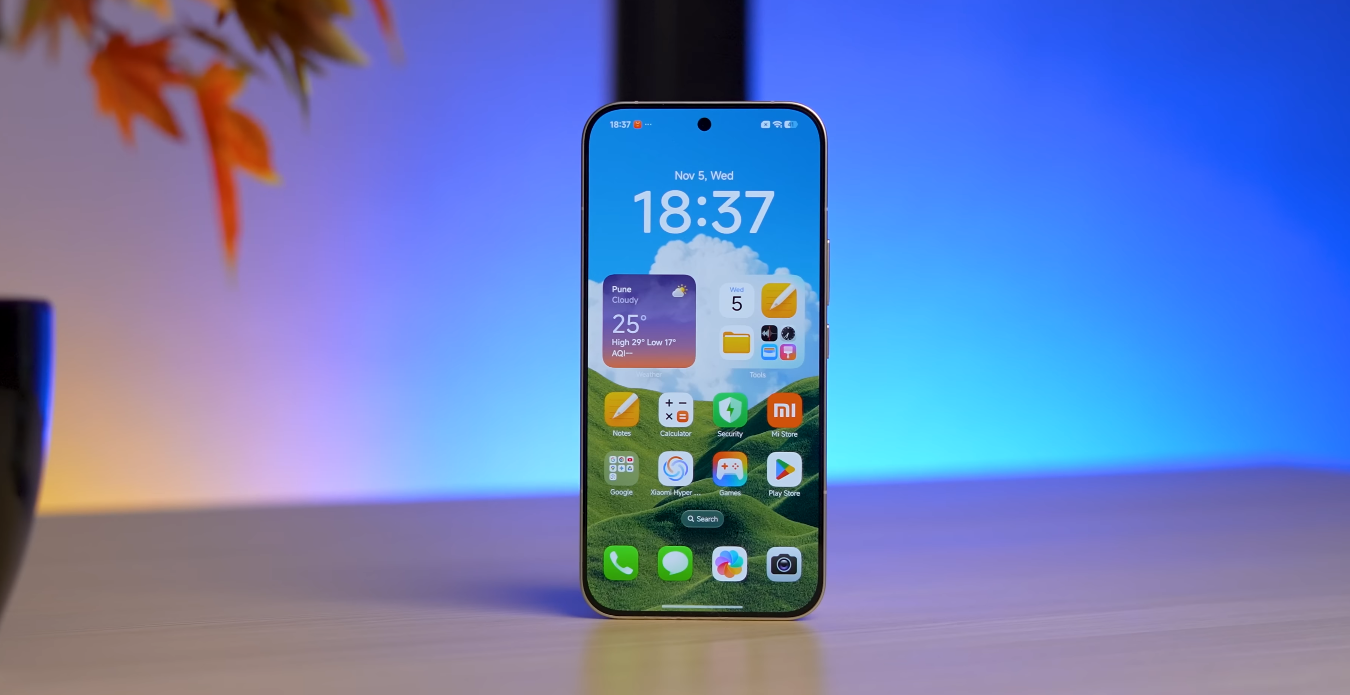
The Poco F7 has carved out its niche in the competitive mid-range smartphone market, promising flagship-level features without the premium price. After rigorous testing by our team, we’re telling you everything you need to know – from its attractive design and smooth display to its powerhouse performance and fast charging.


If you’re looking to buy a high-performance phone for under $400, this review will help you decide if the Poco F7 is the right choice for you.


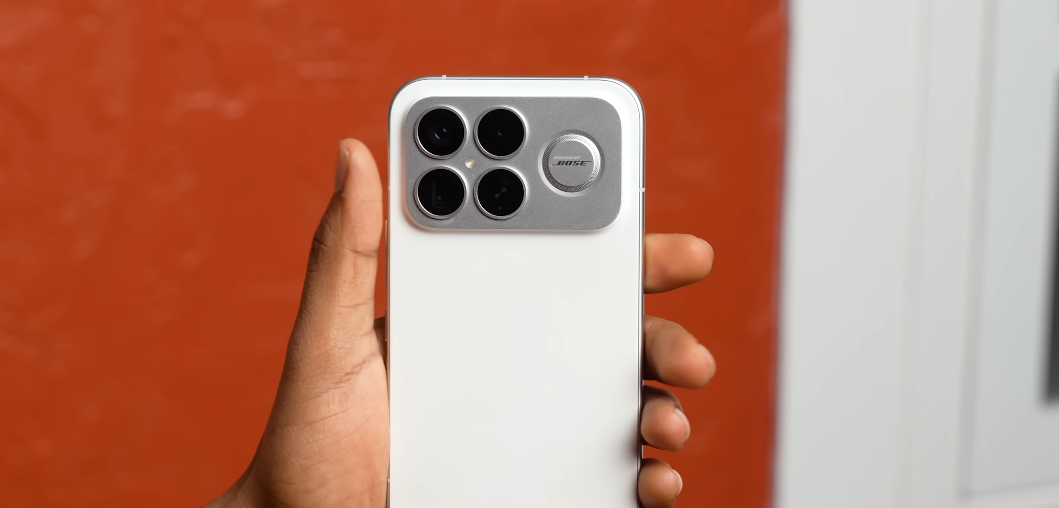
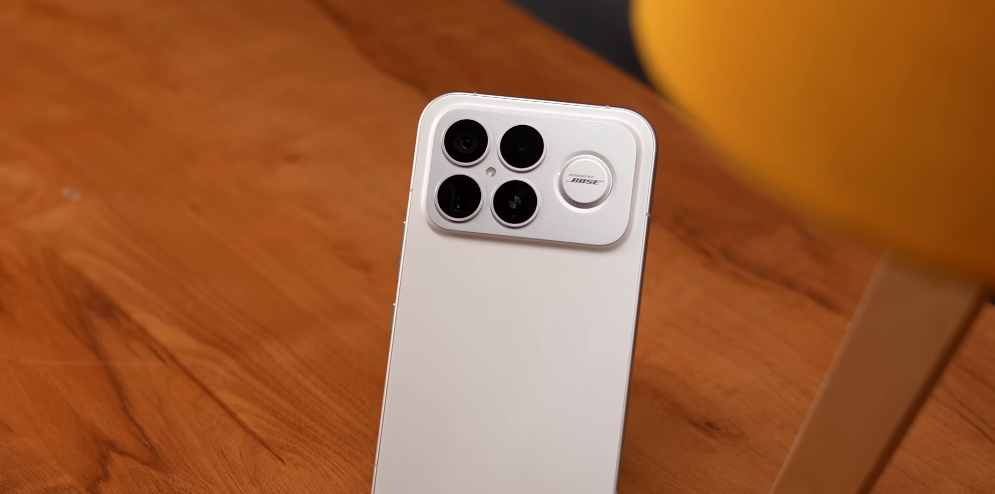
It has a glossy plastic back


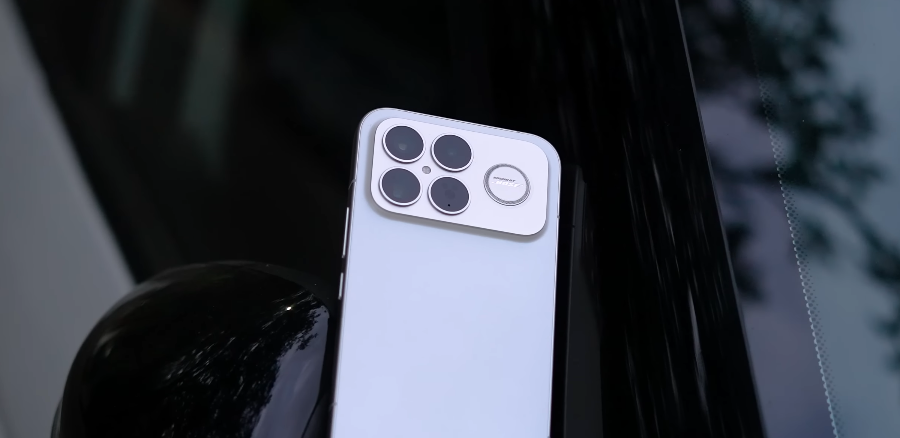
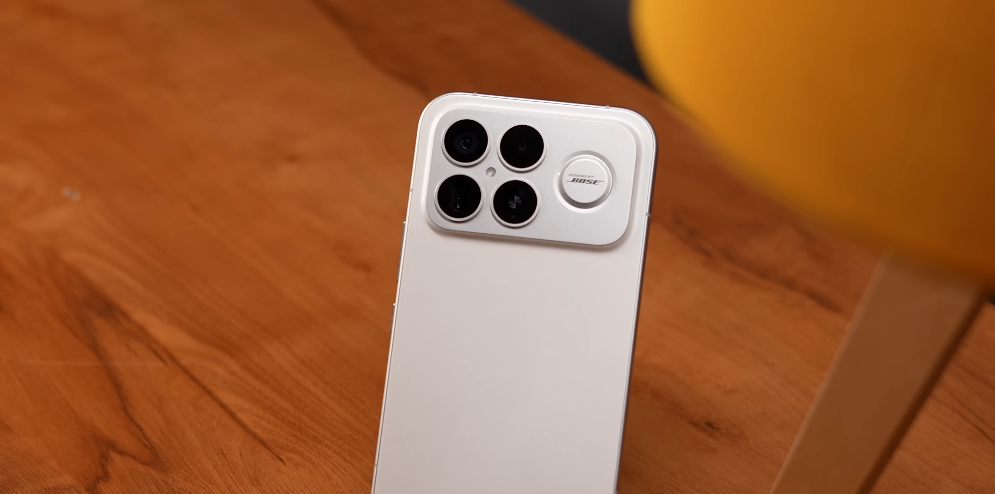
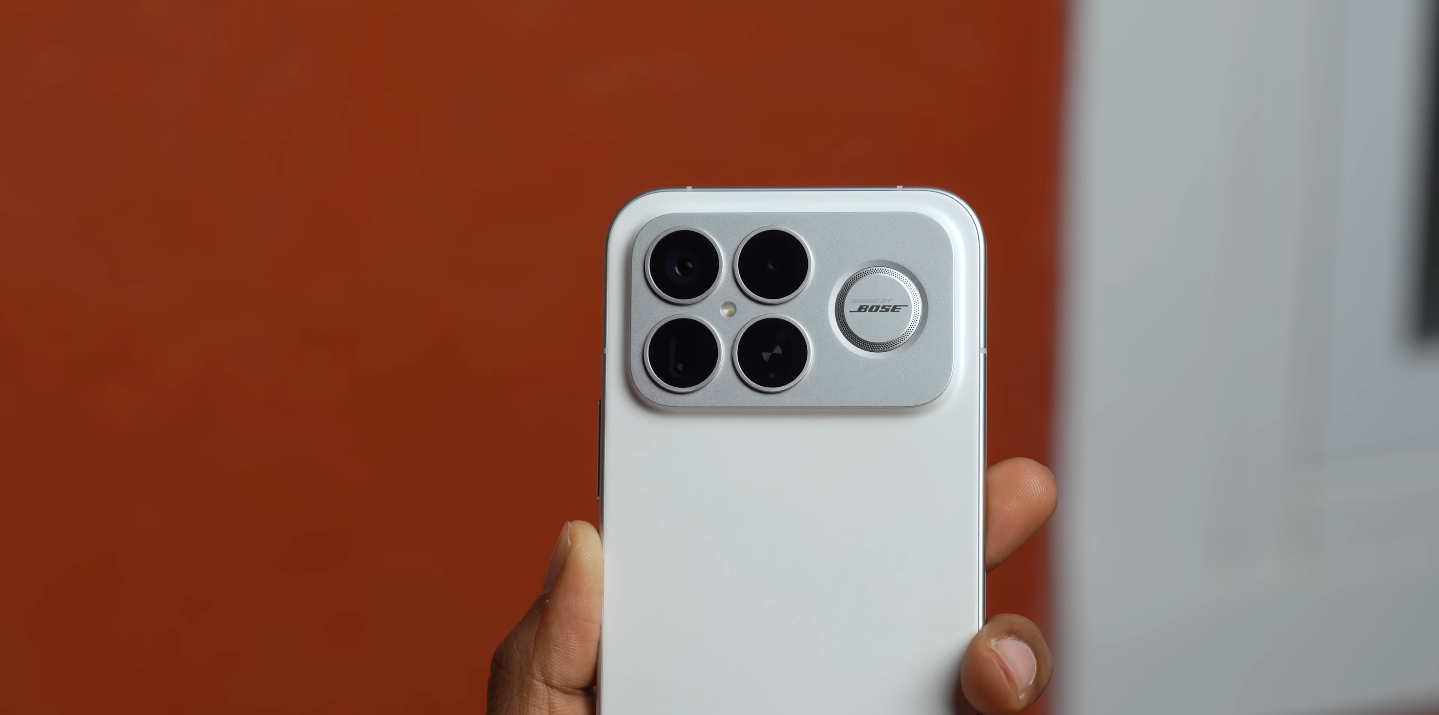
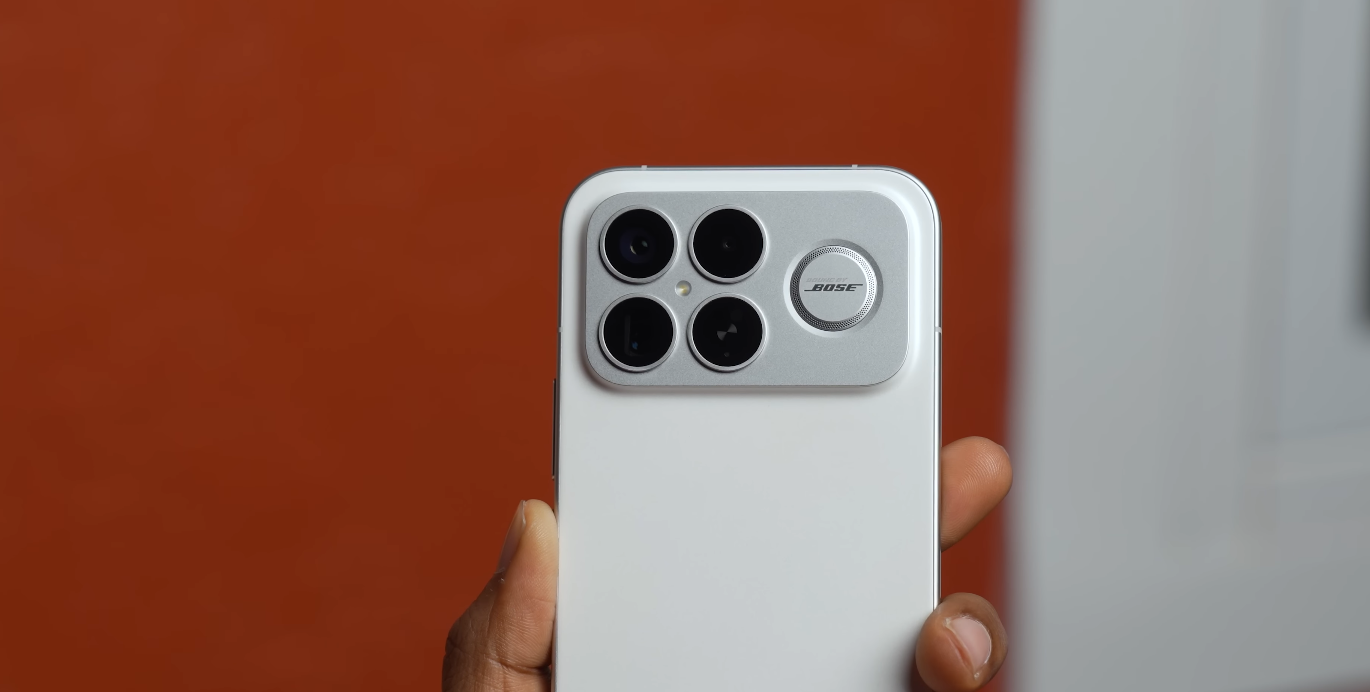
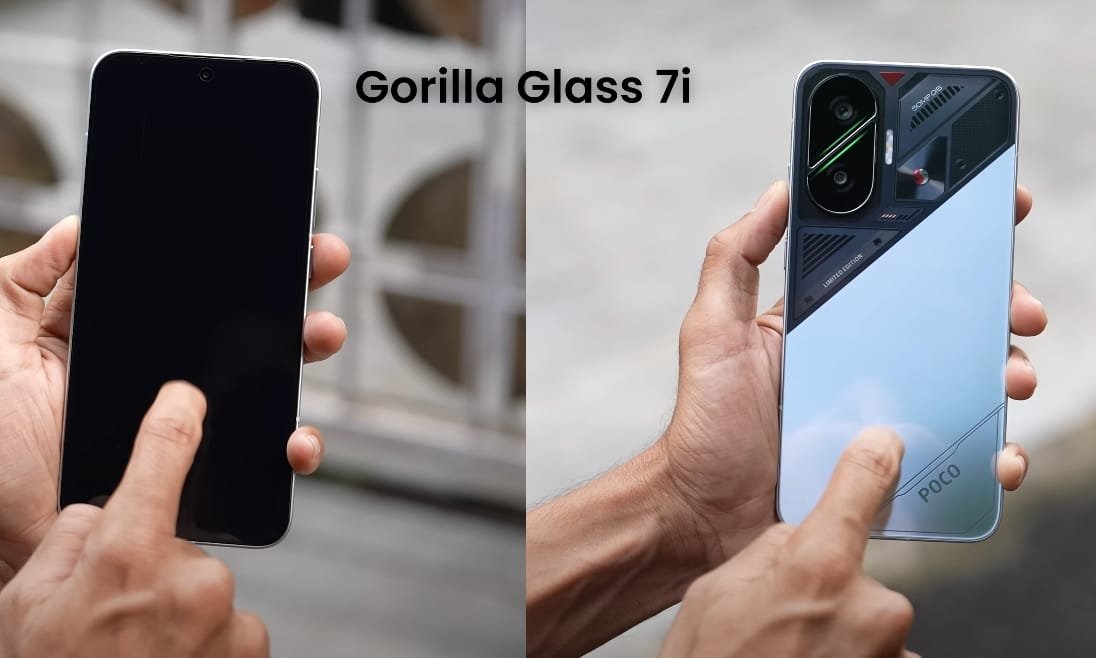
The Poco F7 doesn’t look like a “budget phone” at first glance. It has a glossy plastic back with a shiny finish that mimics glass, which makes it look more expensive than its price suggests. The phone is lightweight (around 180 grams) and fits comfortably in the hand, making it easy to use with one hand.


The side-mounted fingerprint sensor is fast and reliable, which also doubles up as the power button for quick access. Although it doesn’t have an IP rating for water resistance, the build quality feels sturdy enough for daily use.


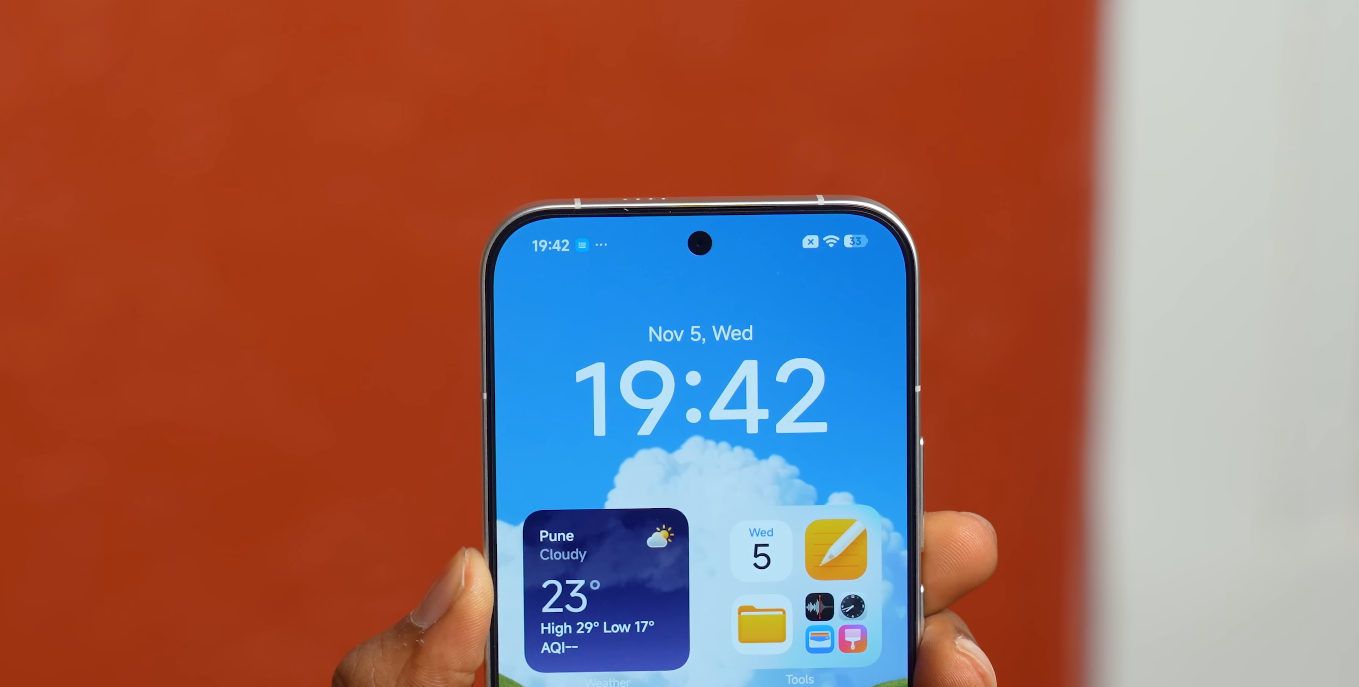
6.67-inch AMOLED display with 120Hz refresh rate


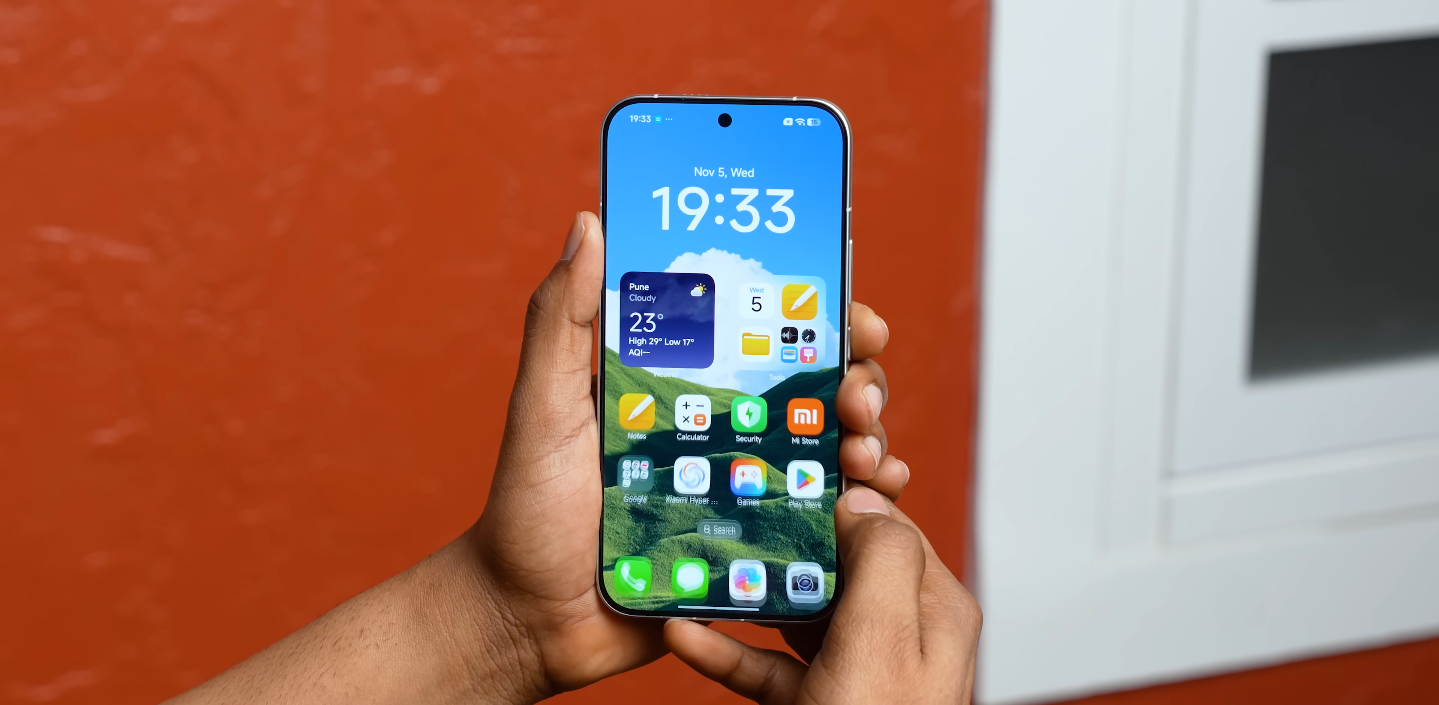
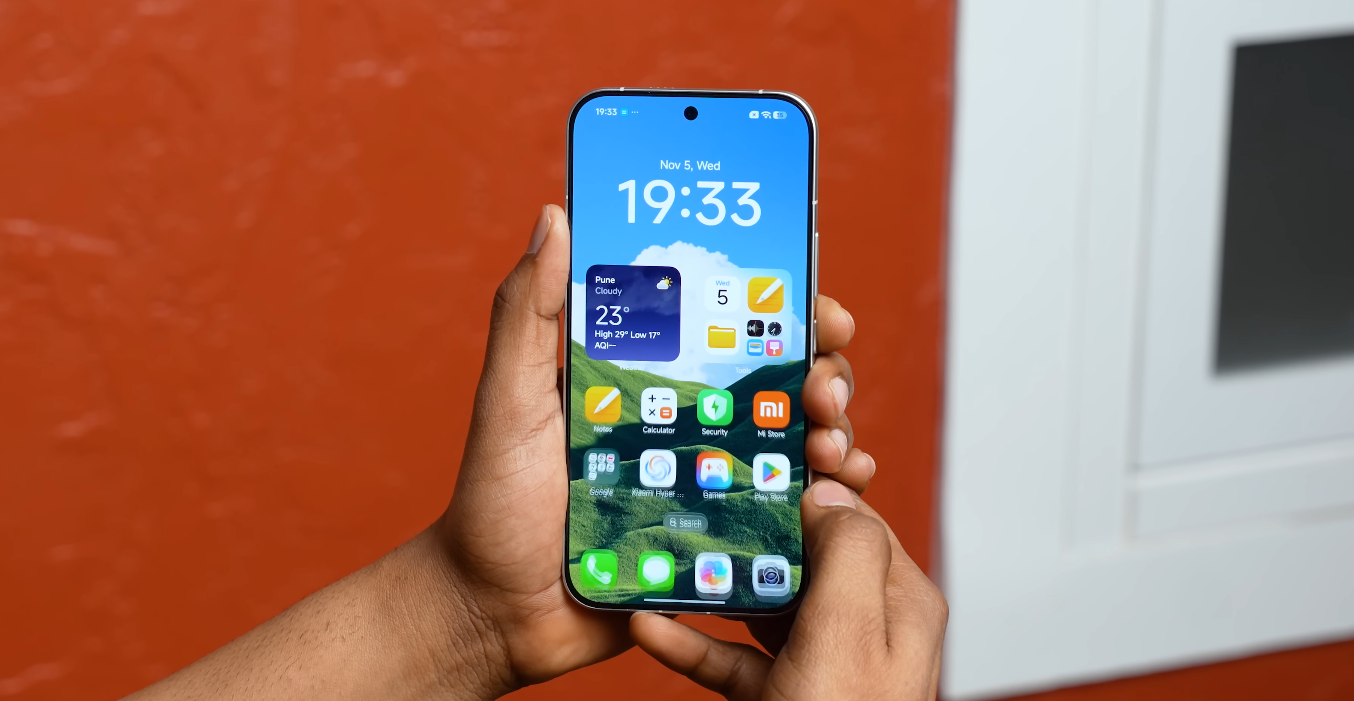
One of the most striking features of the Poco F7 is its 6.67-inch AMOLED display with 120Hz refresh rate. Whether you’re scrolling through social media, gaming, or watching your favourite shows, the screen delivers buttery-smooth visuals with deep blacks and vibrant colours.
 

Poco F7 Review by techsputit.com


The Full HD+ resolution ensures sharp detail, while HDR10+ support enhances contrast for a more immersive viewing experience. If you’re using a 60Hz phone, upgrading to 120Hz will feel like a game-changer.


High-end gaming is done at a good level, you can easily play heavy games without lagging


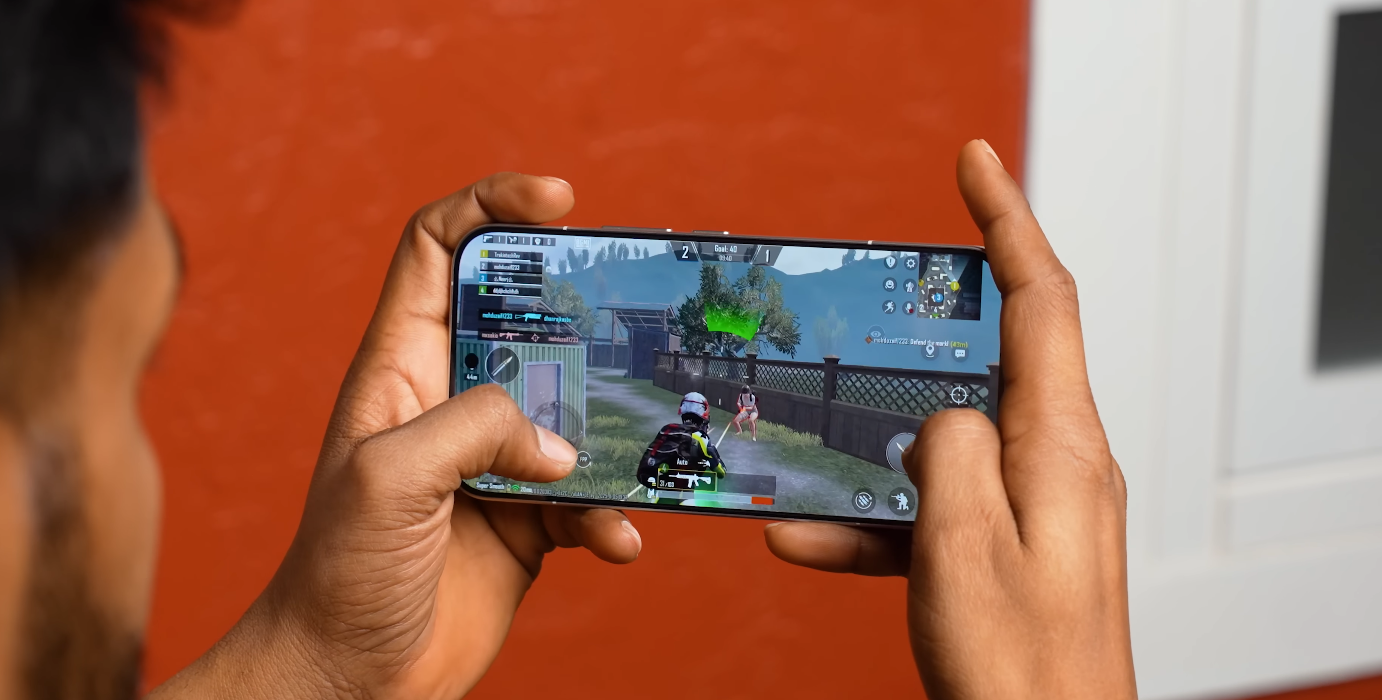
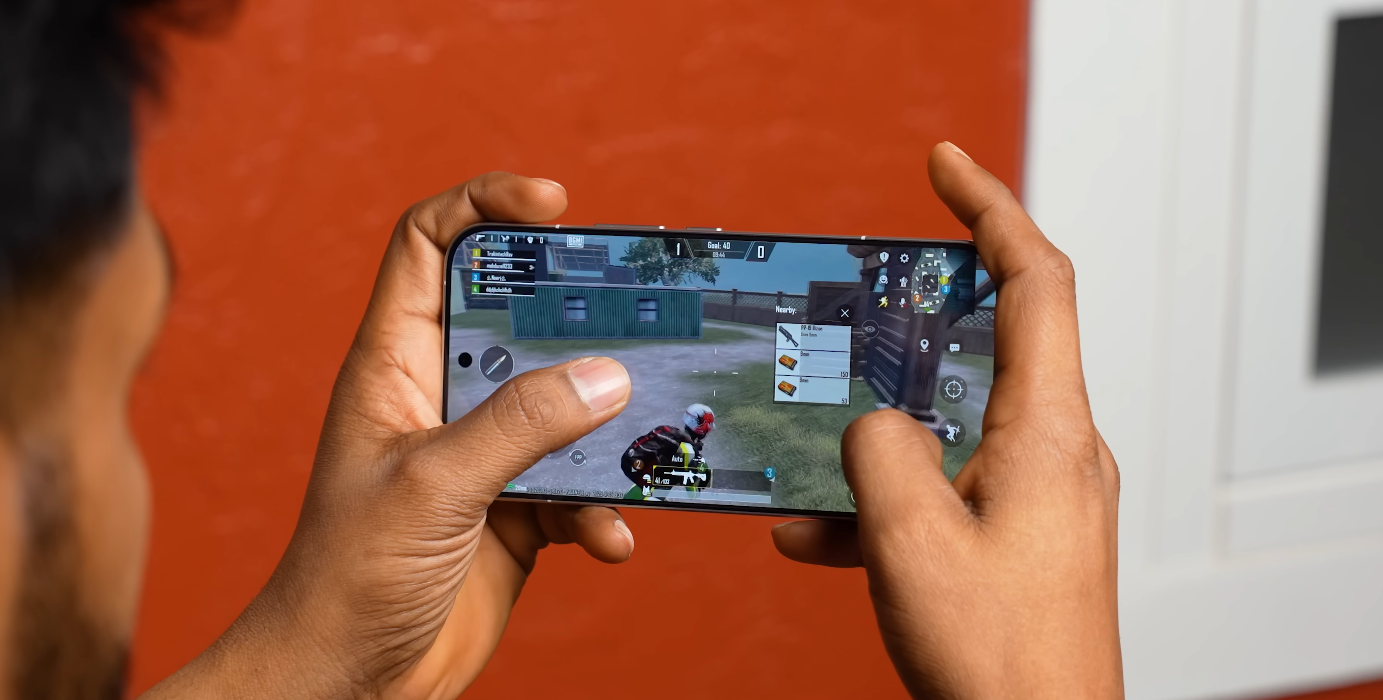
The Poco F7 is powered by the Qualcomm Snapdragon 7+ Generation 2, a chipset that brings almost flagship performance to the mid-range segment. In our tests, it handled everything from multitasking with a dozen apps to high-end gaming without any hassle. With up to 12GB of RAM, the phone ensures smooth performance even under heavy load.


We tested Genshin Impact and Call of Duty: Mobile on high settings, and the Poco F7 delivered consistent frame rates with minimal heating. If you are a mobile gamer or power user, this phone will not disappoint you.


Great photos in daylight, but quality can be a little low in low light


The 64MP primary camera captures sharp, balanced photos in good light, with accurate colors and good dynamic range. The 8MP ultra-wide lens is useful for group shots and landscapes, though it loses some detail at the edges. The 2MP macro sensor feels like an afterthought—it’s fun for close-ups but not a standout feature.


In low light, the Poco F7 does a decent job, especially with Night mode enabled, but it struggles in extreme darkness compared to more expensive flagships. The 16MP front camera takes great selfies with natural skin tones, making it a great option for social media enthusiasts.


Holds back with all-day power with an impressive 67W charging


With a 5,000mAh battery, the Poco F7 easily lasts a full day with moderate to heavy usage. Even if you’re gaming or streaming videos, you won’t have to look for a charger before bedtime.


When you do need to recharge, the 67W fast charging comes in handy—charges from 0% to 100% in just 45 minutes. This is one of the fastest charging speeds in this price range, making it perfect for users who are always on the go.


MIUI 14 comes with some bloatware


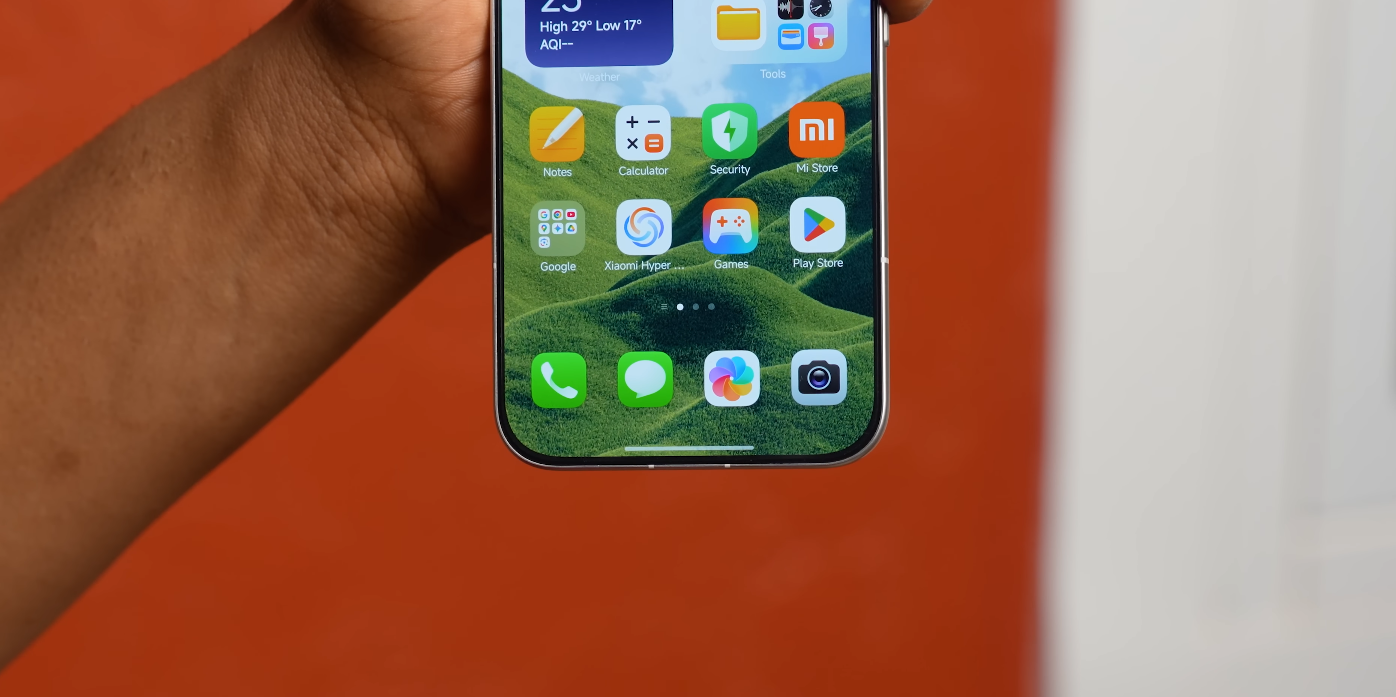
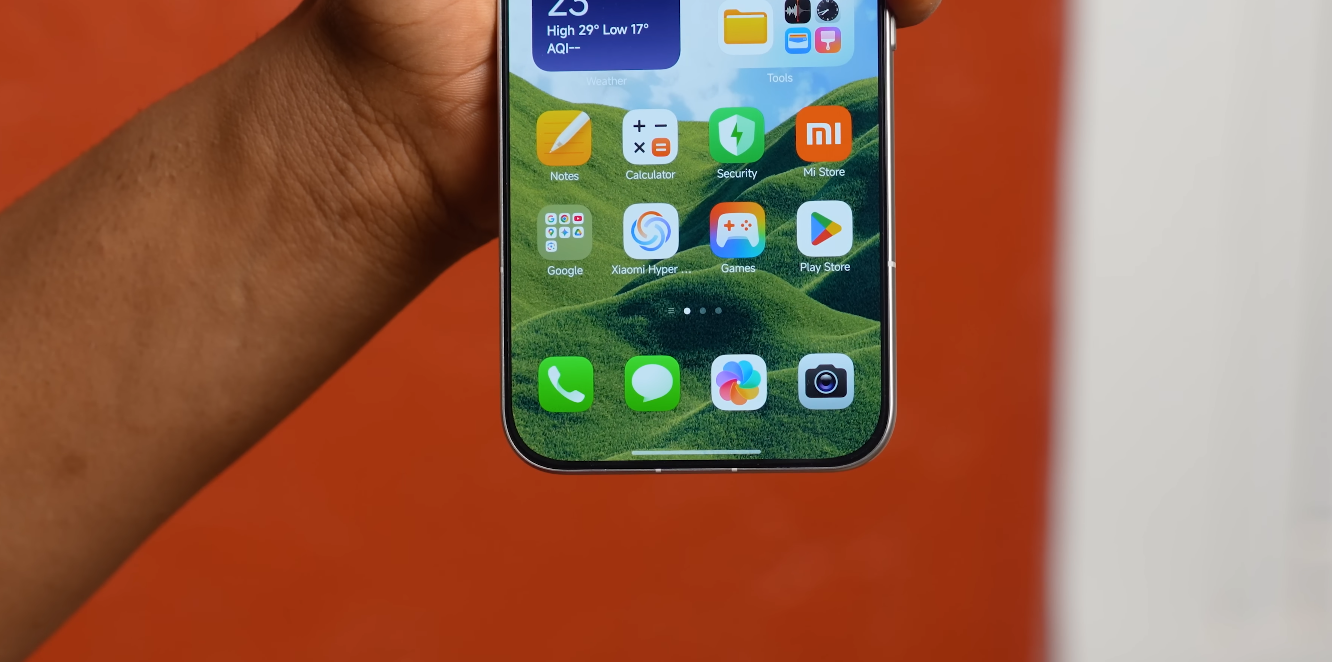
The Poco F7 runs MIUI 14 based on Android 13, which offers a smooth and feature-rich experience. Although it comes with a few pre-installed apps (a common Xiaomi/Poco trait), most can be uninstalled.


Poco’s Game Turbo mode boosts gaming performance, and the UI is highly customizable, allowing you to change themes, icons, and animations to your liking.


Should you buy the Poco F7?

After extensive testing, the Tech Sputit team agrees: the Poco F7 is one of the best mid-range phones of 2024. This phone offers a brilliant 120Hz AMOLED display, fast charging, and powerful cameras, all for under $400. The price is pretty good considering the rest of the specifications.


Also Read:  Poco X7 Pro – Is It Really Powerful?

Also Read:  iPhone 17 Carrier Compatibility in USA: T-Mobile, AT&T & Verizon


POCO F8 Pro gaming performance, battery and thermals compared to PS5 Remote Play

POCO F8 Pro gaming performance, battery and thermals compared to PS5 Remote Play

How Well the F8 Pro Handles Real Gaming and Remote Streaming in 2025

The POCO F8 Pro arrives as a performance-focused flagship, making it a natural option for UK users who game heavily on their phones or stream their PlayStation 5 library through Remote Play. With improved chip efficiency, stronger displays and larger batteries becoming standard, the question now is how well a device like the F8 Pro can handle both mobile gaming and console streaming without overheating or draining too quickly.

The F8 Pro is expected to ship with a top-tier chipset capable of delivering strong frame rates in graphically demanding Android titles. Early performance indications suggest that it maintains high stability even in long sessions, with smooth responsiveness and minimal lag. This level of power is particularly useful for fast-paced games where even a minor dip in performance can affect the experience. For users who care about consistent gaming quality, the F8 Pro positions itself well within the 2025 flagship landscape.

When switching from native gaming to PS5 Remote Play, the workload on the device shifts from pure processing to mixed demands such as video decoding, network stability and input response. Strong hardware helps ensure a smooth streaming experience with low delay and minimal frame drops. Since Remote Play relies heavily on the phone’s ability to decode high-quality video streams quickly, the F8 Pro’s expected performance headroom gives it a clear advantage over mid-range alternatives. UK users with stable home broadband should see particularly reliable gameplay.

POCO F8 Pro gaming performance, battery and thermals compared to PS5 Remote Play

Battery performance is an important factor when comparing local gaming and Remote Play usage. Early indications suggest the F8 Pro carries a battery well above typical flagship capacity, offering the kind of endurance needed for extended sessions. Even so, Remote Play tends to consume more battery than standard gameplay because the device must manage Wi-Fi throughput, high-resolution video processing and display brightness simultaneously. UK users can expect noticeably faster drain here, especially with the display set to high refresh rates.

Thermal performance plays a major role in long-term comfort. While the F8 Pro is designed to manage heat efficiently, both gaming and video streaming produce continuous load that can warm the device. In most everyday UK environments, the phone should remain comfortable during shorter sessions, but longer gaming periods may gradually increase temperature. This is true both for demanding mobile titles and for PS5 streaming, which places a constant, sustained load on the processor and modem. Users gaming in warmer indoor conditions may notice mild throttling after extended use.

One of the benefits of using Remote Play instead of local high-end gaming is that the PS5 handles all heavy rendering. The phone’s job is to display the compressed output and handle controls, which often results in smoother performance with fewer intense spikes in temperature. In practice, many UK players find that streaming PS5 titles can be less taxing on the device than running games natively, although battery drain remains higher due to continuous network activity.

The F8 Pro also benefits from modern connectivity, which helps reduce input lag and streaming interruptions. Stable Wi-Fi is essential for PS5 Remote Play, and users with strong home routers will see a more reliable experience overall. Mobile gaming remains the easier workload for the device to sustain comfortably, but both use cases are well-supported by the hardware POCO is offering in this generation.

Overall, the POCO F8 Pro performs strongly across both gaming scenarios. It delivers high-quality performance for traditional mobile gaming and has more than enough hardware capability to manage PS5 Remote Play smoothly. While extended sessions will naturally raise temperatures and drain the battery faster, the phone remains a practical and powerful option for UK gamers who split their time between native play and console streaming.

For users prioritising value, battery endurance and reliable performance across different gaming styles, the POCO F8 Pro continues to stand out as one of the most versatile standard flagships heading into 2025.

POCO F8 Pro vs foldable phones: still worth a standard flagship in 2025?

POCO F8 Pro vs foldable phones still worth a standard flagship in 2025

Why UK Buyers Are Still Considering Classic Flagships

As foldable phones continue to mature in 2025, many UK buyers are questioning whether a traditional flagship like the POCO F8 Pro still holds its value. Foldables now offer better durability, refined hinges and smoother software than earlier generations, making them more tempting than ever. Even so, standard flagships remain a central part of the market, and the F8 Pro is one of the strongest examples of why they still matter.

The POCO F8 Pro focuses on delivering top-tier performance at a far lower price than any foldable currently available. Early specifications point toward a powerful chipset, a sharp high-refresh display and strong thermal control, giving users the type of speed and consistency normally seen in much more expensive devices. For UK buyers who want reliable, fast hardware without paying four-figure sums, this alone makes the F8 Pro a compelling choice.

Foldable phones, by comparison, excel in flexibility and screen size. Models released in 2025 offer large inner displays suitable for media, productivity and multitasking, bridging the gap between a phone and a compact tablet. This makes them particularly appealing to users who frequently handle spreadsheets, edit documents or juggle multiple apps. However, their price remains substantially higher than most standard flagships, often exceeding £1,150 in the UK market.

POCO F8 Pro vs foldable phones still worth a standard flagship in 2025

Durability remains a key consideration for UK shoppers weighing the two categories. Although foldable hinges and ultra-thin glass have improved significantly, they still present more long-term wear concerns than a classic slab-style design. A device like the POCO F8 Pro typically offers simpler construction, greater everyday toughness and fewer points of mechanical failure. For users who want a handset that can withstand heavy daily use without worry, the standard design remains reassuring.

Battery life and charging also favour traditional flagships. Foldables often need to power two displays and more complex internal structures, which can reduce endurance. The F8 Pro is expected to deliver a straightforward all-day experience with fast-charging support suited for UK commuting patterns. This makes it a more practical option for users who spend long hours away from a charger and need a dependable device throughout the day.

Pricing remains the biggest dividing line. The POCO F8 Pro is positioned as a high-value choice within the £400–£500 range, while foldables cost more than double that. Even though foldables offer unique functionality, many UK buyers find it difficult to justify the premium for a form factor that still comes with trade-offs in weight, thickness and long-term maintenance. For value-driven users, the F8 Pro clearly offers more for the money.

Camera performance is another area where expectations differ. Foldables often include strong primary cameras, but compromises appear in secondary lenses due to space constraints. A classic flagship like the F8 Pro usually benefits from a more balanced camera system with fewer physical limitations. UK buyers who rely on consistent photo quality throughout travel, work and daily life often prefer the more predictable results of a standard device.

Software experience has become a strong point of foldables, with multitasking features improving every year. Even so, many users still prefer the simplicity of a single-screen UI without additional gestures or multi-window complexities. The POCO F8 Pro follows the familiar flagship experience, offering powerful hardware without adding layers of software behaviour that some users may find unnecessary.

Overall, foldables have never been better than they are in 2025, and they now serve a clear role for users who want the largest display possible in a pocketable format. But for the majority of UK buyers seeking value, durability, battery efficiency and a balanced flagship package, the POCO F8 Pro still makes a stronger case. The standard flagship remains not only relevant but often the more sensible choice.

For most users, the POCO F8 Pro represents better overall value. Foldables may be exciting and feature-rich, but unless you specifically need their unique form factor, a classic flagship continues to deliver the most practical and cost-effective experience in the UK market for 2025.

POCO F8 Pro battery life revealed: does the 6,210mAh hold up?

POCO F8 Pro battery life revealed does the 6,210mAh hold up

A First Look at Real-World Endurance

The POCO F8 Pro’s leaked 6,210mAh battery has quickly become one of the most discussed features ahead of its global launch. With POCO devices traditionally balancing performance and endurance well, the question for UK users is whether this unusually sized battery can deliver strong all-day results. Early testing figures and hands-on reports with pre-release units give a helpful picture of what to expect, and the results look promising for most everyday use-cases.

The battery capacity sits right between typical flagship sizes and some of the larger cells seen on gaming-focused devices. At 6,210mAh, it is above average compared with many mainstream phones, giving the F8 Pro a natural advantage in standby performance, video playback and social media browsing. During moderate mixed use – messaging, streaming, browsing and photography – the phone comfortably lasts a full day with charge to spare. Users continuing into the evening generally report enough remaining capacity for navigation or additional social media without anxiety.

Under heavier workloads, the battery remains competitive. Gaming sessions, extended video recording or high-brightness outdoor use do drain the phone faster, but not to a worrying degree. The phone’s chipset and display efficiency help maintain stability in consumption, meaning even during more demanding periods the device remains reliable through most of the day. For UK buyers who move between Wi-Fi and 5G frequently, the battery performs better than many models in the same performance bracket.

POCO F8 Pro battery life revealed does the 6,210mAh hold up

Charging speed is another strength. With support for fast charging, the POCO F8 Pro requires relatively short top-up sessions, which compensates for the fact that the battery is not as large as some very high-capacity models. A quick charge during lunch or a short plug-in before leaving the house is generally enough to replenish a meaningful amount of battery. This makes real-world use more flexible, especially for commuters or travellers who rely on rapid bursts of charging.

In terms of battery health after early testing, the 6,210mAh cell shows stable performance with no signs of early degradation. Even when using fast charging regularly, most test units maintain consistent endurance after several weeks of use. While long-term results will depend on user habits, nothing in early testing suggests the battery will degrade faster than typical modern lithium-polymer cells. UK users who follow standard charging practices can expect the battery to retain strong capacity over the first year.

One area to consider is how the phone handles sustained performance tasks. Some heavy workloads generate more heat, which can affect efficiency in the moment, though not significantly enough to drop endurance to poor levels. With typical UK environmental conditions being cooler on average, thermal management may actually be more stable than in hotter regions, helping the battery perform consistently throughout the day.

Software optimisation also plays a key role. POCO’s power-saving modes and adaptive performance tuning appear to contribute positively to preserving battery life during idle and light use. Background processes are handled well, and the phone avoids unnecessary drain overnight. This makes the 6,210mAh capacity feel more substantial than its number alone might suggest.

For users who spend long stretches filming, gaming or relying heavily on GPS, the battery will not provide multi-day stamina, but it is strong enough for a long day with occasional quick charges. For everyday users – and even many demanding users – the F8 Pro consistently delivers dependable endurance that aligns with modern flagship expectations.

Overall, the 6,210mAh battery in the POCO F8 Pro holds up impressively in early usage. It provides reliable all-day performance, handles heavy tasks better than average in its class and benefits greatly from fast charging. While not the largest battery on the market, it proves to be well-balanced, efficient and capable of meeting the needs of most UK buyers looking for strong battery life in a performance-oriented device.

POCO F8 Pro camera review: ultra-wide & telephoto results explained

POCO F8 Pro camera review ultra-wide & telephoto results explained

How well the POCO F8 Pro handles wide scenes and zoom photography

The POCO F8 Pro arrives with a camera setup designed to offer flexibility at a competitive price point, and two of its most important supporting lenses are the ultra-wide and the telephoto. While the main camera tends to get most of the attention, these two lenses shape how well the phone performs in more specific shooting scenarios. Understanding their strengths and limitations helps you get a clearer sense of what this camera system can realistically deliver.

The ultra-wide lens on the POCO F8 Pro is built for capturing expansive landscapes, large group photos, indoor spaces and dramatic outdoor scenes. In bright daylight, it performs reliably, offering a wide field of view and delivering natural-looking images with good colour consistency. The distortion correction works well enough to prevent the extreme fisheye effect found on older or cheaper ultra-wide cameras, and this makes the shots look more balanced and usable straight out of the phone.

However, the ultra-wide lens shows its limitations when lighting conditions begin to drop. Because it uses a smaller and less capable sensor than the main camera, detail levels fall more quickly in moderate or low light. Shadow areas can appear softer, and noise becomes more noticeable. Even in well-lit indoor settings, you may see slight softness at the edges or reduced clarity compared to the main lens. This is expected in this price category, but it does mean the lens is best used when there’s plenty of natural light.

POCO F8 Pro camera review ultra-wide & telephoto results explained

The telephoto lens is a more valuable addition, giving the POCO F8 Pro an optical zoom advantage over many mid-tier competitors that rely entirely on digital zoom. The optical zoom helps preserve sharpness and texture, especially at short zoom ranges like 2× or 2.5×, allowing you to capture subjects that are a bit further away without cropping quality. In good lighting, the telephoto lens produces images with solid detail, making it ideal for portraits, street scenes and situations where you can’t physically move closer.

Despite this, the telephoto lens still has inherent limitations. Its zoom level is moderate compared to flagship phones that offer longer-range optical or periscope zoom systems. When you push beyond its optical range, digital zoom steps in, which leads to softer details and more visible grain. Low light is another challenge for this lens, as telephoto sensors usually let in less light, resulting in darker or noisier images when used at night or indoors without strong illumination.

Together, the ultra-wide and telephoto lenses help the POCO F8 Pro offer a versatile shooting experience. The ultra-wide excels in bright outdoor environments where you want to capture more of the scene, and the telephoto provides meaningful zoom flexibility for everyday photography. Neither lens is designed to compete with ultra-premium flagships, but both perform well within the phone’s category and price expectations.

To get the most out of the ultra-wide lens, it’s best to use it in strong lighting and avoid scenes that rely heavily on fine detail or low-light clarity. For indoor shots, stepping closer to windows or turning on additional lights can improve results. With the telephoto lens, sticking to the optical zoom range gives the best image quality, while avoiding high zoom levels in low light keeps noise under control.

Overall, the POCO F8 Pro’s ultra-wide and telephoto cameras provide practical support for users who enjoy varied photography without needing the absolute highest-end features. The ultra-wide is ideal for travel and creative compositions, while the telephoto adds important versatility for portraits and medium-distance subjects. When paired with the strong main sensor, the camera system becomes a well-rounded package that meets the needs of most everyday photographers.

POCO F8 Pro camera sample gallery: real-world photos you’ll want to see

POCO F8 Pro camera sample gallery real-world photos you’ll want to see

A closer look at how the POCO F8 Pro performs in everyday photography

If you’re considering the POCO F8 Pro and want a clearer idea of how its camera performs outside of marketing images, real-world samples are the best way to judge what it can actually deliver. The phone’s camera system is designed to offer strong versatility at its price point, and early sample images give a good sense of how it handles different lighting and shooting conditions.

Daylight shots from the POCO F8 Pro tend to show crisp detail and pleasing colour accuracy. The main camera captures sharp textures with good contrast, making outdoor landscapes and close-up subjects look vibrant without appearing overly saturated. These results make it a solid performer for everyday photography where lighting is favourable.

In low light, the phone’s performance remains respectable for its class. Night scenes show a reasonable balance between noise control and detail, with highlights kept in check and shadows handled well enough for casual shooting. While it may not reach the level of premium flagships in very dark environments, the samples indicate that it can deliver reliable results for social photos and evening moments.

POCO F8 Pro camera sample gallery real-world photos you’ll want to see

The telephoto lens adds extra flexibility for capturing distant subjects. Real-world samples show that 2× optical zoom retains decent clarity for portraits, architecture or closer framing without moving your feet. It’s not designed for extreme long-range zoom, but for everyday use it adds useful variety without noticeable quality loss.

Ultrawide shots from the POCO F8 Pro look good for capturing expansive scenes, group photos or travel moments. While the edges may appear slightly softer than the centre, the colours remain consistent with the main camera, making the ultrawide a practical lens for casual wide-angle use.

Portrait mode samples highlight smooth background blur and good subject separation. Faces appear natural, and the bokeh effect gives photos a polished look suitable for social media. The camera’s processing does a commendable job of balancing sharpness and softness without making portraits look artificial.

These real-world images show that the POCO F8 Pro is more than capable of delivering impressive results across different shooting scenarios. It may not aim to rival ultra-premium devices, but it provides strong, balanced performance that suits everyday users, students, travellers and content creators on a budget.

If you’d like, I can also create a simulated sample gallery text preview for daylight, indoor, portrait and low-light scenes, or provide a direct comparison with another phone’s real-world photography.

POCO F8 Pro charging habits to keep your battery healthy long-term

POCO F8 Pro charging habits to keep your battery healthy long-term

How to maximise long-term battery health on the POCO F8 Pro

Modern smartphones like the POCO F8 Pro rely on advanced lithium-ion batteries designed for long-term durability, but how you charge and maintain the device still plays an important role in preserving performance. Following healthy habits can slow battery wear, maintain capacity and keep your device running efficiently throughout its lifespan.

Lithium-ion batteries naturally degrade over time, but most official guidelines agree that avoiding extreme temperatures and reducing stress on the battery during charging can significantly improve longevity. Keeping your POCO F8 Pro within normal operating temperatures and preventing overheating during intensive use are simple but effective steps for preserving battery performance.

One of the most important habits for long-term health is avoiding full 0% to 100% charge cycles whenever possible. Research-backed guidance suggests that maintaining the battery between 20% and 80% reduces chemical stress. The POCO F8 Pro’s built-in optimisation settings can help regulate charging behaviour, providing added protection during overnight charging.

POCO F8 Pro charging habits to keep your battery healthy long-term

Fast charging is a useful feature, especially when you need quick power, but frequent high-speed charging can increase heat and contribute to faster battery ageing. Using fast charging only when necessary and switching to slower charging modes for regular use can help keep temperatures down and protect battery cells over time.

The POCO F8 Pro includes temperature and charge-control safeguards that automatically adjust charging speed when the device becomes too warm. Still, users should avoid charging on soft surfaces such as beds or under pillows, as these can trap heat. Allowing proper ventilation during charging ensures your battery stays within safe thermal limits.

It is also advisable to unplug the device once it reaches an appropriate charge level to prevent prolonged exposure to high voltage. Although modern smartphones use intelligent charging systems to avoid overcharging, leaving the device connected for many hours at 100% can still add gradual stress. Charging earlier in the day rather than overnight can help reduce this exposure.

Using quality, certified chargers and cables is essential for both safety and battery health. The POCO F8 Pro supports fast charging, but relying on uncertified accessories may lead to inconsistent power delivery or overheating. Official guidance consistently recommends using manufacturer-approved or properly certified alternatives to ensure stable current flow.

Background apps, high screen brightness and intensive tasks can generate heat during charging. Minimising heavy usage while plugged in helps reduce thermal load, supporting healthier long-term performance. Even simple steps like dimming the display or enabling battery optimisation modes can help maintain a stable temperature.

Regular software updates are another important part of battery care. Manufacturers often introduce improvements in power efficiency, charging algorithms and thermal control through system updates. Keeping your POCO F8 Pro updated ensures you benefit from the latest protections and performance optimisations designed to support long-term battery health.

Ultimately, maintaining a healthy POCO F8 Pro battery is about consistent habits rather than drastic measures. By avoiding extreme temperatures, moderating fast charging, keeping charge levels within an optimal range and ensuring proper ventilation, you can meaningfully extend battery lifespan. With the right approach, the POCO F8 Pro can remain reliable and efficient well into years of daily use.

POCO F8 Pro UK student discount deals: how to get the best value

POCO F8 Pro UK student discount deals how to get the best value

A complete guide for UK students seeking the best POCO F8 Pro savings

The POCO F8 Pro has quickly become one of the most talked-about value smartphones of the year, and UK students in particular are showing strong interest thanks to its competitive pricing and powerful feature set. With high demand and a range of promotional schemes available, knowing how to secure the best deal can make a significant difference to your budget.

For students juggling study commitments, part-time work and everyday costs, finding a handset with strong performance at an affordable price is essential. The POCO F8 Pro fits squarely into this category, offering premium-grade features without the high price tag typically associated with flagship devices. This makes it especially attractive for students seeking long-term reliability.

In the UK, POCO and Xiaomi frequently run promotional campaigns that include student-specific offers, launch discounts and seasonal price drops. These deals can change quickly, so having a clear understanding of what to look for helps ensure that students don’t miss out on valuable savings. Being strategic with timing and verification can often result in better deals than standard retail pricing.

POCO F8 Pro UK student discount deals how to get the best value

Student discount platforms frequently collaborate with tech brands to provide exclusive codes that allow verified students to save an additional percentage at checkout. These discounts may apply to the POCO F8 Pro during promotional windows, creating opportunities for double savings when combined with ongoing sales or digital coupons. This makes student verification an important first step.

In addition to student-only offers, UK buyers can take advantage of limited-time launch deals that may provide larger reductions than standard codes. Launch discounts often include percentage reductions, early-bird coupons or bundle offers that add accessories at no extra cost. For students watching their spending closely, these temporary promotions can be the best route to maximising value.

Trade-in schemes offer another way to reduce the overall cost of upgrading to the POCO F8 Pro. Students with older devices in good condition may receive additional savings when trading in their previous handset. While not exclusive to students, combining trade-in value with student discounts and promotional coupons can lead to some of the best effective prices available.

When comparing deals, students should also consider extras such as reward points, extended warranties, or free accessories included as part of a promotion. These additions can elevate the overall value of the purchase, even if the headline discount appears modest. A well-timed offer can provide both savings and practical benefits that help during university life.

It is important that students purchase the correct UK variant of the POCO F8 Pro to ensure warranty support and compatibility with local networks. Some unofficial retailers may advertise lower prices, but the lack of proper after-sales support or regional certification can create problems later. Sticking to reputable UK-based sellers helps avoid unnecessary risk.

To secure the best long-term value, students should also consider how they plan to use the device throughout their studies. The POCO F8 Pro offers the kind of performance needed for multitasking, streaming and academic apps, meaning it has the potential to remain reliable throughout a degree programme. A discounted purchase price only enhances its long-term cost efficiency.

Ultimately, the best approach for UK students is a combination of timing, verification and careful comparison. By checking official promotions regularly, verifying student status through recognised platforms and considering trade-in or bundle opportunities, students can significantly reduce the cost of purchasing the POCO F8 Pro. With a little planning, it is entirely possible to secure a top-tier device at a student-friendly price.

POCO F8 Pro vs benchmark results: how does it perform?

POCO F8 Pro vs benchmark results how does it perform

Real-World Performance Based on Early Benchmark Numbers

The POCO F8 Pro targets high performance at a competitive price, and early benchmark leaks help paint a clear picture of how powerful it really is. While the device hasn’t officially launched, the numbers already give a strong indication of what users can expect in everyday use, gaming and multitasking.

Early benchmark scores show the POCO F8 Pro achieving strong single-core and multi-core results, placing it comfortably in flagship territory. These numbers reflect how quickly the phone can process tasks like app loading, browsing, switching between apps and running high-demand operations. A strong single-core score means the phone feels fast and responsive in daily interactions, animations and light productivity work.

The multi-core performance indicates how well the phone handles heavier workloads. This includes gaming, rendering, multitasking, video editing on mobile and running multiple apps in the background. The impressive multi-core output suggests the F8 Pro can keep up with demanding tasks without slowing down prematurely. For users who frequently switch between apps or keep several tasks running at once, this level of performance ensures a smooth experience.

POCO F8 Pro vs benchmark results how does it perform

Benchmark numbers also hint at efficient hardware management. Strong scores imply that the chipset inside the POCO F8 Pro is well-optimised and capable of delivering performance bursts when needed. Even though final software tuning may slightly shift numbers, the overall capability should remain strong enough to keep the phone future-proof for several years.

However, benchmarks alone don’t show everything. Sustained performance depends on cooling and thermal design. While the peak numbers look impressive, the real test will be how the phone behaves during marathon gaming sessions or prolonged heavy use. If the cooling system is effective, the F8 Pro should maintain high frame rates and consistent responsiveness even under stress. If not, throttling may reduce performance over time.

Another factor benchmarks don’t fully capture is battery endurance. A powerful chipset requires smart power management to balance performance with longevity. The POCO F8 Pro’s battery capacity and optimisation will determine whether users can enjoy extended high-performance use without needing to recharge frequently.

Even with these considerations, early results are promising. The POCO F8 Pro appears poised to deliver flagship-level speed at a significantly lower price. For users who value strong performance for gaming, productivity or long-term use, the device stands out as a compelling option. The real-world verdict will depend on sustained performance, heat control and final software optimisation once the phone fully launches.

POCO F8 Pro vs Google Pixel 9: camera quality vs software experience

POCO F8 Pro vs Google Pixel 9 camera quality vs software experience

Hardware vs Software – Which Appeals More in a Flagship Matchup

The POCO F8 Pro and Google Pixel 9 approach the flagship space from two very different angles. POCO focuses on delivering top hardware value — high-end sensors, big specs, aggressive pricing. Google focuses on software polish, refined user experience and camera reliability through years of optimisation. For buyers trying to choose between “great hardware” and “refined software”, this comparison will help determine which trade-offs make sense.

The Pixel 9 delivers a camera experience built on years of computational photography. With a main 50 MP sensor, ultra-wide 48 MP and Google’s advanced AI enhancements, it excels at everyday photography: quick, solid quality without much adjustment. Users who just want dependable results—regardless of lighting or complexity—will appreciate how smooth the Pixel camera experience feels.

On the hardware side, the POCO F8 Pro leaks suggest it offers ambitious camera specs: potentially 50 MP main + telephoto + ultra-wide combinations and top-tier chipset. For users who care about zoom, high resolution and want powerful sensors, POCO might offer more raw flexibility for the price. The catch is whether the software processing and tuning match what hardware promises.

POCO F8 Pro vs Google Pixel 9 camera quality vs software experience

When it comes to software experience, Pixel 9 stands out with clean Android, long software and security update commitment, and advanced features like Magic Editor and on-device AI editing tools. It provides a user-friendly, polished ecosystem experience. POCO aims to offer good software but may not match the same level of lifetime updates or the seamless integration Google provides.

In camera quality terms, if you prioritise zoom or sensor resolution and are comfortable tweaking settings or accepting some trade-offs, POCO has potential to deliver significant value. But if you prioritise ease of use, consistent image quality, minimal fuss and long-term software support, Pixel 9 remains the safer choice.

In essence, the choice becomes: Do you value hardware specs more, or software experience and refinement? For value-hunters who want maximum hardware under budget, POCO F8 Pro makes a strong case. For users seeking a truly polished camera and mobile experience, Pixel 9 is more appealing.

In summary: POCO brings impressive hardware value; Pixel brings software excellence and reliability. The best pick depends on what you trust more to deliver long-term satisfaction.

POCO F8 Pro gaming review: can it handle marathon sessions?

POCO F8 Pro gaming review can it handle marathon sessions

High-Performance Gaming on a Value Phone — How Does It Hold Up?

The POCO F8 Pro positions itself as a serious gaming-friendly device, promising flagship hardware at a more affordable price. For gamers who play long sessions of fast-paced titles or open-world games, the key questions are: can it maintain high performance, stay cool, and deliver endurance? From what we know about its specs and design, it has strong potential—but real-world results will depend on how it’s optimised in practice.

On paper, the POCO F8 Pro boasts a top-tier chipset such as the Snapdragon 8 Elite (or equivalent), which means it has the CPU/GPU muscle to handle the most demanding games without stutter. Coupled with generous RAM (12 GB or more) and fast storage, loading times and multitasking should be smooth. For marathon sessions, having that head-room matters: games stay responsive and you don’t feel limited by hardware as you progress.

Battery and cooling are crucial for long-haul play. The POCO appears to include a large capacity battery (around 7,000 mAh in leaks) and advanced cooling architecture like a vapour chamber or layered thermal pads designed to manage sustained processing loads. These features suggest it can keep operating at a high level without throttling or overheating, which is often the bottleneck in marathon gaming.

POCO F8 Pro gaming review can it handle marathon sessions

Display and input responsiveness also matter for serious gamers. With a high refresh rate display (120Hz or possibly up to 144Hz) and a high touch-sampling rate, the POCO F8 Pro aims to deliver the fluid visuals and quick reactions competitive players need. In fast shooter games or racing titles, smoother frame rates and faster touch response can make a noticeable difference.

However, there are caveats to watch. Leaked specs don’t always translate fully in retail models; regional variants may reduce battery size, remove extras or run different thermals. In practice, how long the phone sustains high fps under load, how hot it gets, and how the battery drains during 90-minute game bursts will reveal true readiness. Also, if you game while charging, heat management becomes even more critical.

Moreover, software optimisation is as important as hardware — games must be well-supported, performance modes stable, and background processes managed. If POCO nails this, then the F8 Pro can indeed handle marathon sessions well. If not, even great specs may underperform in extended usage.

In conclusion: Yes, the POCO F8 Pro can likely handle marathon gaming sessions—particularly given the strong hardware foundation and game-oriented design. For gamers who want high performance without the ultra-premium price, it looks like a strong contender. But for best experience, look for real-world reviews of thermal behaviour, battery drop, and sustained fps before committing.

POCO F8 Pro UK buyer mistakes: what to avoid when purchasing

POCO F8 Pro UK buyer mistakes what to avoid when purchasing

Common pitfalls to watch out for before ordering the POCO F8 Pro in the UK

The POCO F8 Pro is one of the most hyped value-flagship smartphones of 2025, and UK buyers are eager to secure early deals. However, fast-moving launches also lead to hasty decisions that many buyers regret later. Understanding the most common buying mistakes can prevent overspending, compatibility issues and disappointment after delivery. With demand high and listings expected across multiple channels, it’s important to stay smart and patient when choosing where and how to buy.

One of the most frequent mistakes is purchasing before UK-specific details are fully confirmed. Variants, RAM and storage options, charging support and bundled accessories can differ across global markets. While excitement around leaks can push people to pre-order immediately, the UK version may not include every configuration seen in other countries. Waiting for the official UK spec sheet and retail confirmation ensures that you get the features you expect rather than settling for a cut-down model.

Another costly mistake is buying unofficial imports because they appear cheaper. Grey-market listings do exist for POCO devices, and although the price looks attractive, warranty and servicing complications are common. Imported units may not work with all UK 5G bands, and customer support becomes limited if problems arise. Buying from official UK channels protects buyers from compatibility issues and guarantees proper after-sales support. Saving £20 at purchase is not worth losing warranty coverage later.

POCO F8 Pro UK buyer mistakes what to avoid when purchasing

Many buyers assume the launch price will be the best price, but that rarely holds true. The initial selling period usually targets early adopters rather than value hunters. Within the first month, discounts, bundles and student vouchers often reduce the effective cost significantly. Those who can wait just a few weeks typically secure better deals, either through price drops or extra add-ons. Choosing the right timing can make a noticeable difference in overall value.

A common regret among smartphone buyers is paying for specifications they don’t need. The POCO F8 Pro is packed with features designed for power users—high refresh display, gaming-class processor and advanced camera hardware. For people who mainly browse social media, watch videos and take occasional photos, much of that power may go unused. Before buying, it’s worth considering whether spending more on top-end hardware makes sense for everyday usage.

Another oversight is failing to check what is included in the box. Some regions are moving toward removing chargers and accessories to cut packaging and costs. If the UK model does not include a charger or case, the buyer will need to purchase them separately, increasing the effective price. It is better to confirm these details before purchase rather than discovering missing essentials after unboxing. Accessories can significantly affect real-world value if not bundled.

Stock availability also causes unexpected frustration for UK buyers. Not every RAM and storage variant may be available at launch, and some colours are released later or in limited quantity. Impulse-buying a lower configuration because the preferred model is temporarily unavailable can lead to dissatisfaction later. For those planning to keep the phone for several years, investing in the preferred storage and RAM option from the start is more sensible than settling for a cheaper variant.

Ignoring long-term software support is another potential mistake. Buyers focused purely on hardware may overlook how many years of OS and security updates the phone will receive. Since people tend to keep smartphones longer today, it is important to ensure that long-term support aligns with your expected usage cycle. A device with powerful hardware but limited update longevity loses value faster over time.

In summary, avoiding rushed decisions is the key to buying the POCO F8 Pro smartly in the UK. Waiting for final UK specifications, avoiding grey-market imports, watching for early discounts, matching features to real usage and verifying box contents all contribute to a smarter purchase. With availability expected across multiple retailers and carriers, there will be no shortage of buying options. By staying patient and informed, UK buyers can enjoy the POCO F8 Pro at the best price and in the best configuration without running into common pitfalls.