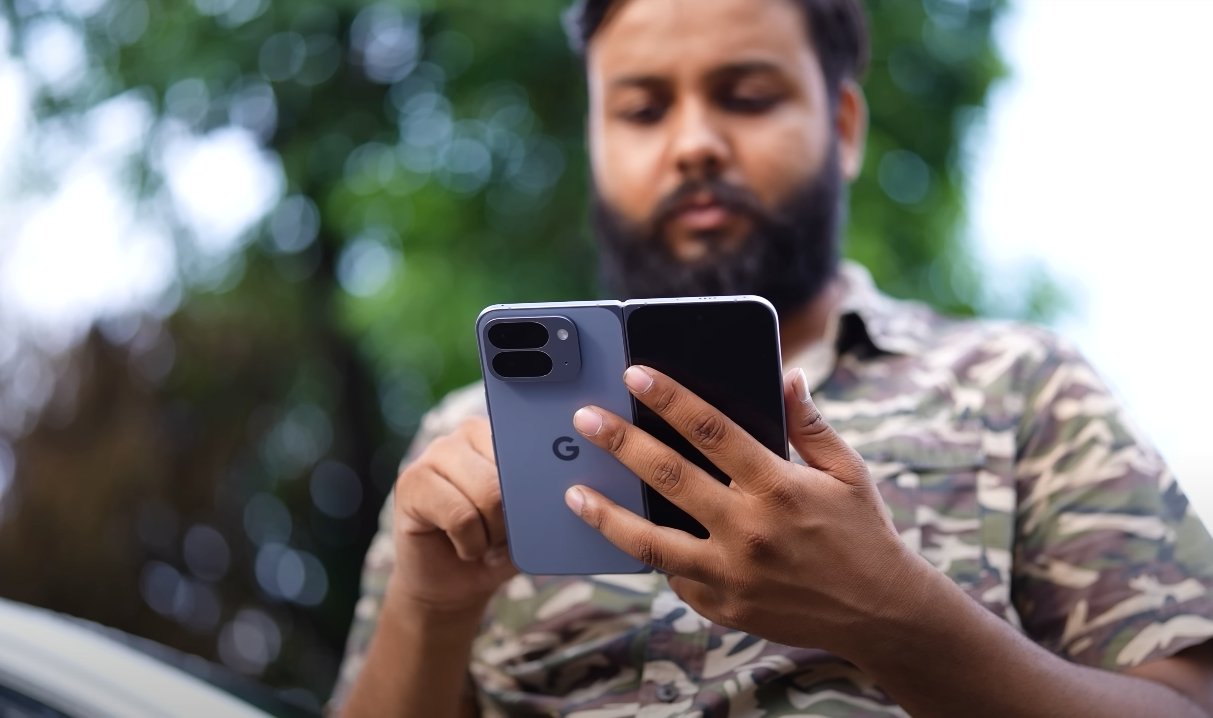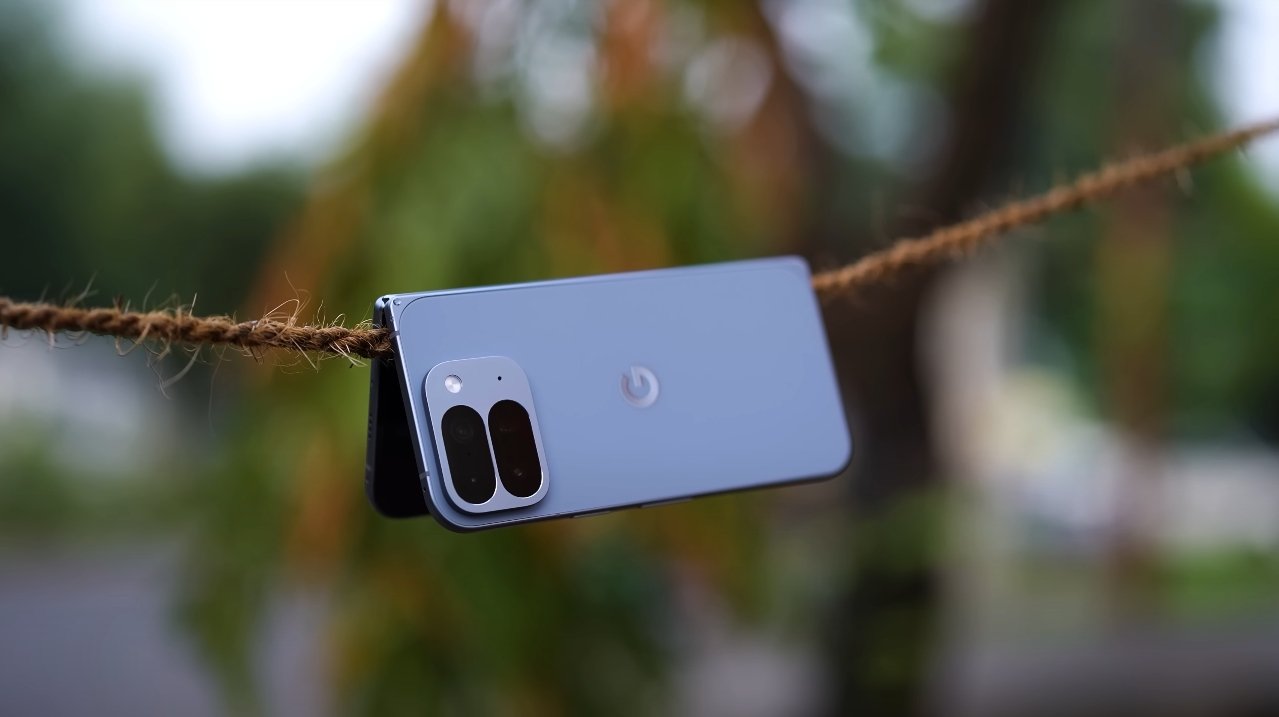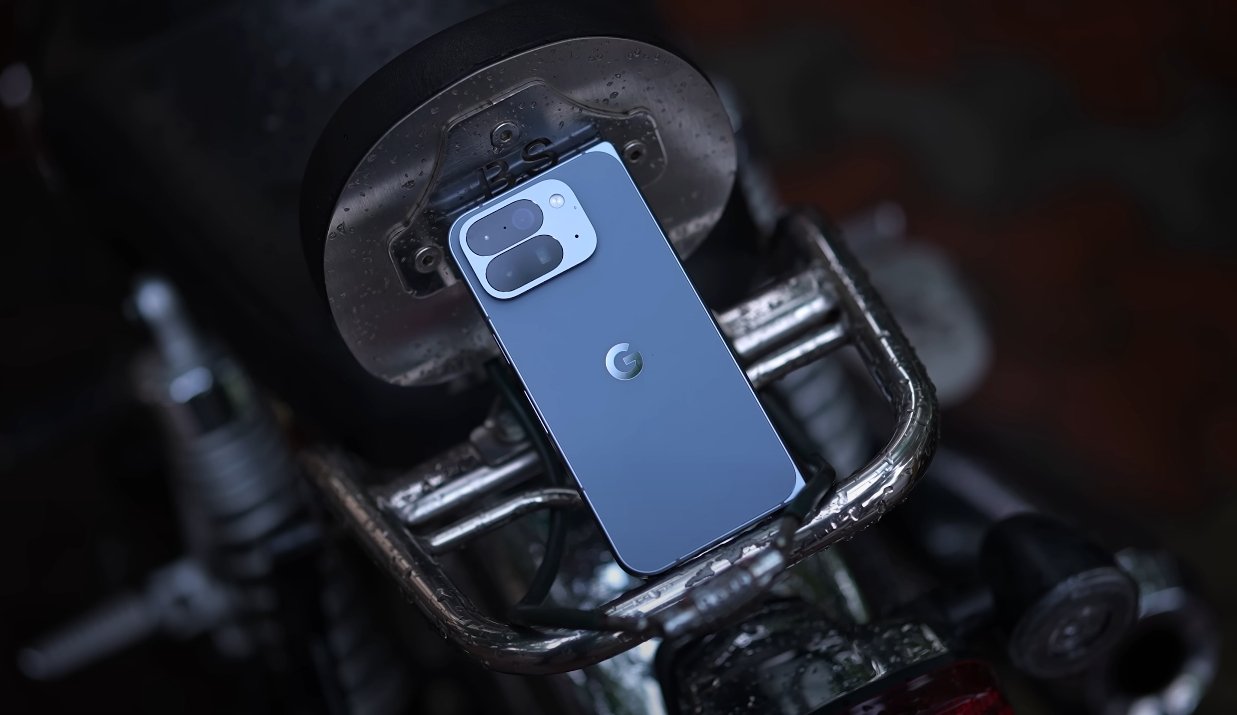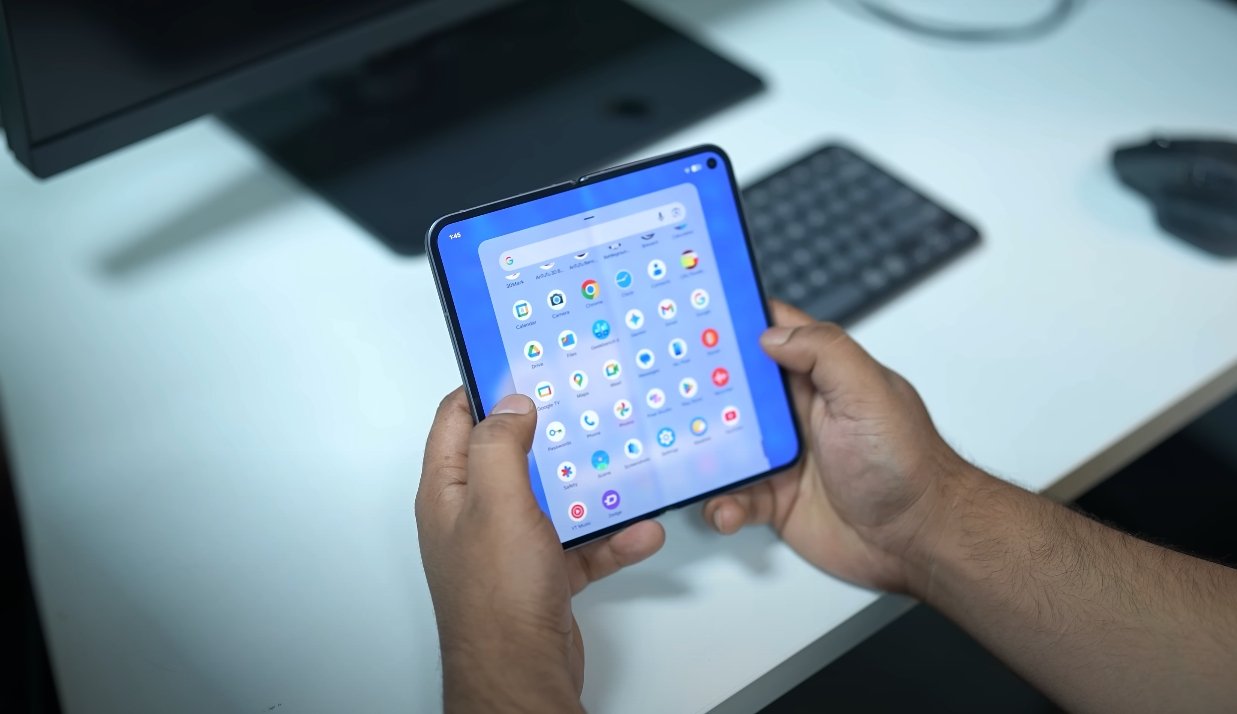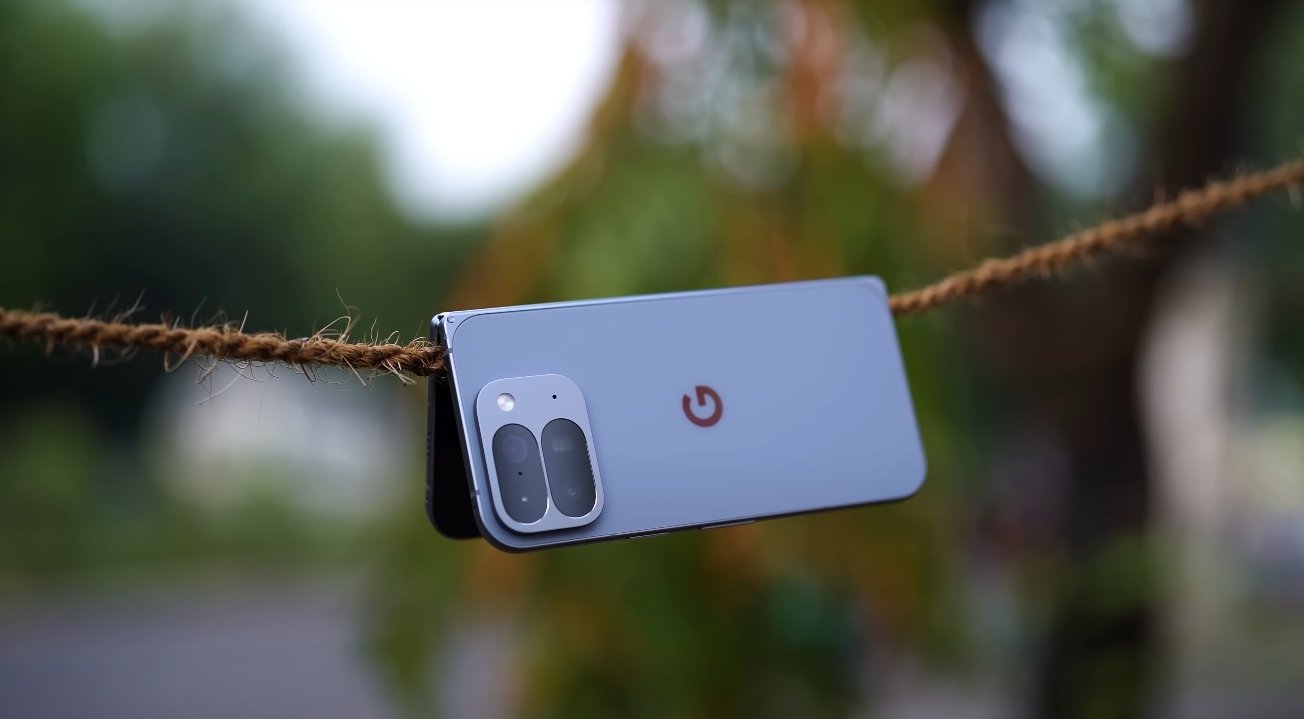
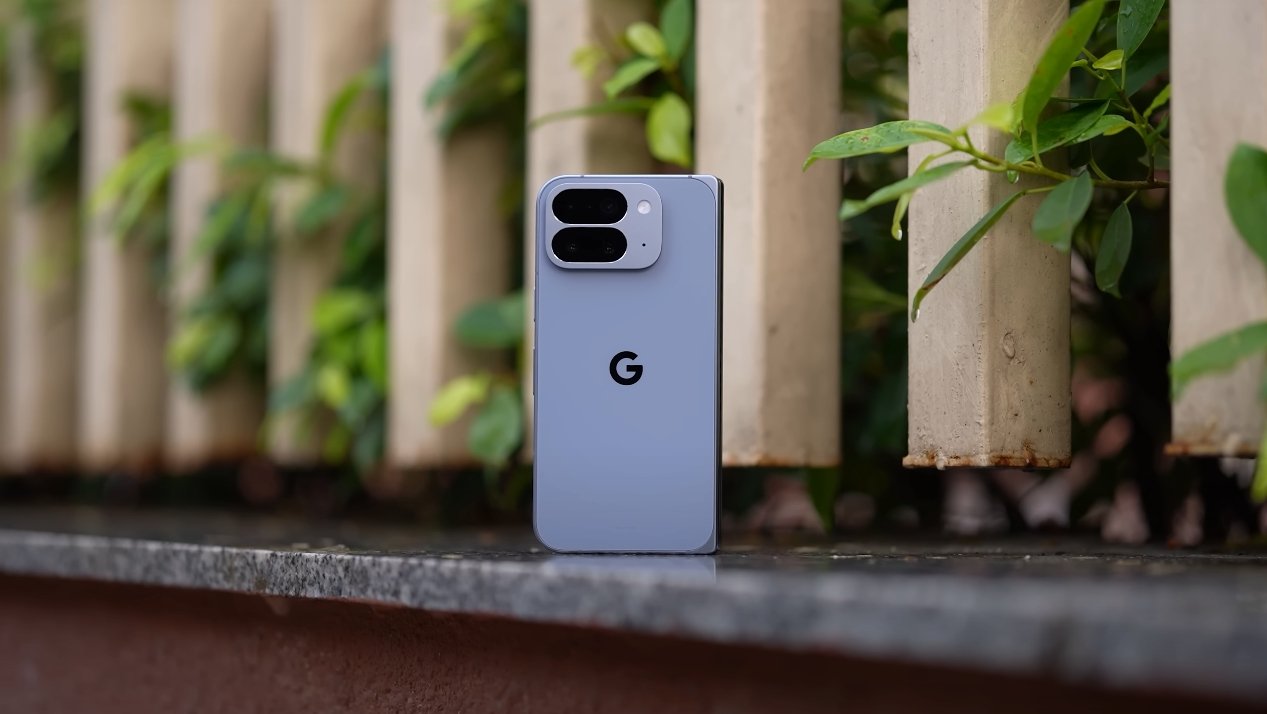
Pixel 10 Pro Fold vs OnePlus Open 2 Performance Test

Pixel 10 Pro Fold vs OnePlus Open 2 Performance Test

The Ultimate Power Showdown Between Two Foldable Flagships

The battle for foldable supremacy in 2025 has reached new heights with the arrival of Google’s Pixel 10 Pro Fold and OnePlus Open 2. Both devices push performance, design, and multitasking to premium levels, but they approach power and efficiency from different philosophies. The question is simple: which foldable delivers the best performance experience for demanding users?

At the core of the Pixel 10 Pro Fold is Google’s Tensor G5 processor, built on a 3-nanometer process. It’s engineered to focus on intelligent performance, optimizing AI-driven functions like image processing, voice recognition, and live translation. This chip offers a balanced mix of speed and efficiency, supported by 16GB of LPDDR5X RAM and up to 1TB of storage. On the other hand, the OnePlus Open 2 is powered by Qualcomm’s latest Snapdragon 8 Gen 3 Elite Edition—a chipset designed for raw performance and gaming power. Coupled with similar RAM capacity and lightning-fast UFS 4.0 storage, the Open 2 is clearly aimed at users who prioritize speed above all else.

In benchmark testing, the OnePlus Open 2 tends to outperform the Pixel 10 Pro Fold in sheer numbers. Geekbench and AnTuTu results show the Snapdragon 8 Gen 3 pulling ahead in both CPU and GPU performance, particularly in multi-core and graphics-intensive tasks. The Pixel 10 Pro Fold’s Tensor G5, while efficient, produces slightly lower scores due to its focus on machine learning and energy management rather than raw horsepower. However, in daily use, the difference is less noticeable—Google’s optimization ensures smooth app launches, quick transitions, and seamless multitasking across screens.
Pixel 10 Pro Fold vs OnePlus Open 2 Performance Test

When it comes to thermal performance, the Pixel 10 Pro Fold demonstrates better heat management. Google has re-engineered its cooling system and body design, dispersing heat more evenly during extended use. Even under heavy workloads like 4K video rendering or long gaming sessions, the Pixel maintains stable performance without aggressive throttling. The OnePlus Open 2, while initially faster, can get warmer during sustained high-performance gaming or camera use, leading to minor dips in sustained speed.

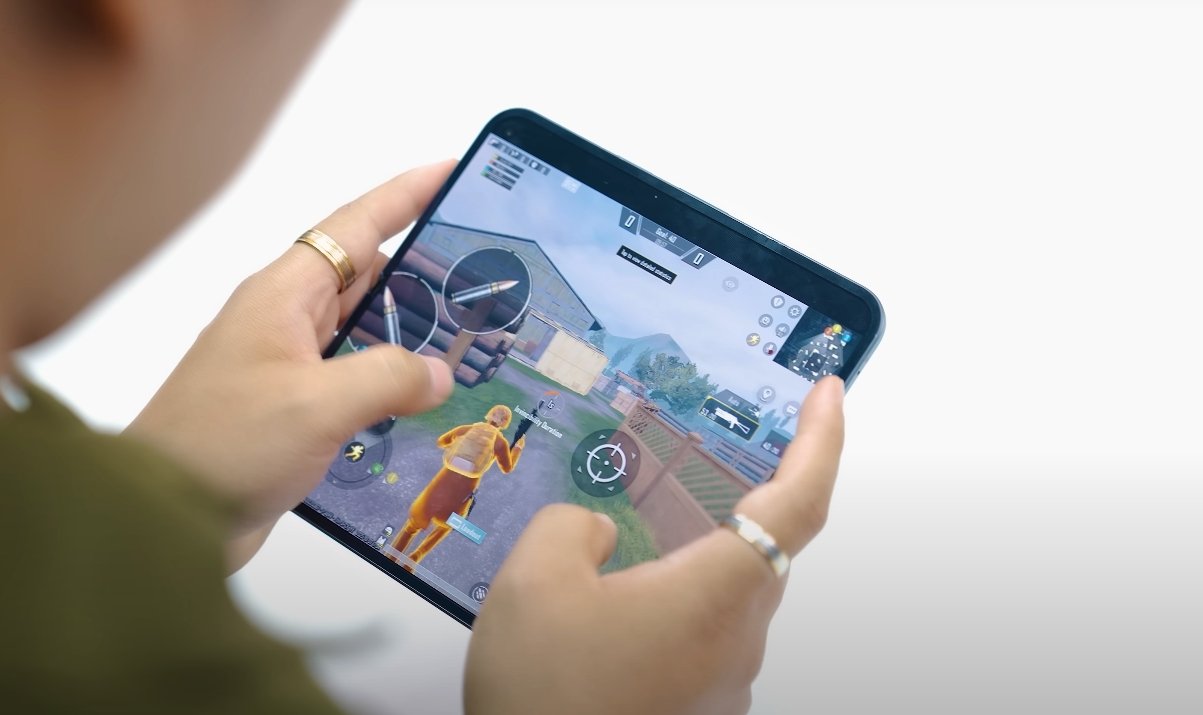
Gaming, however, is where the OnePlus Open 2 truly flexes its power. With the Adreno 750 GPU and Snapdragon Elite Gaming features, it consistently delivers higher frame rates and smoother rendering in graphically demanding titles. Games like Genshin Impact and Call of Duty: Mobile run effortlessly at maximum settings. The Pixel 10 Pro Fold isn’t far behind, offering a stable 60–90 FPS experience in most titles, but it can’t always match the GPU efficiency of Qualcomm’s flagship chip. Google’s focus on AI processing helps optimize visuals dynamically, yet the Open 2 remains the better gaming performer overall.

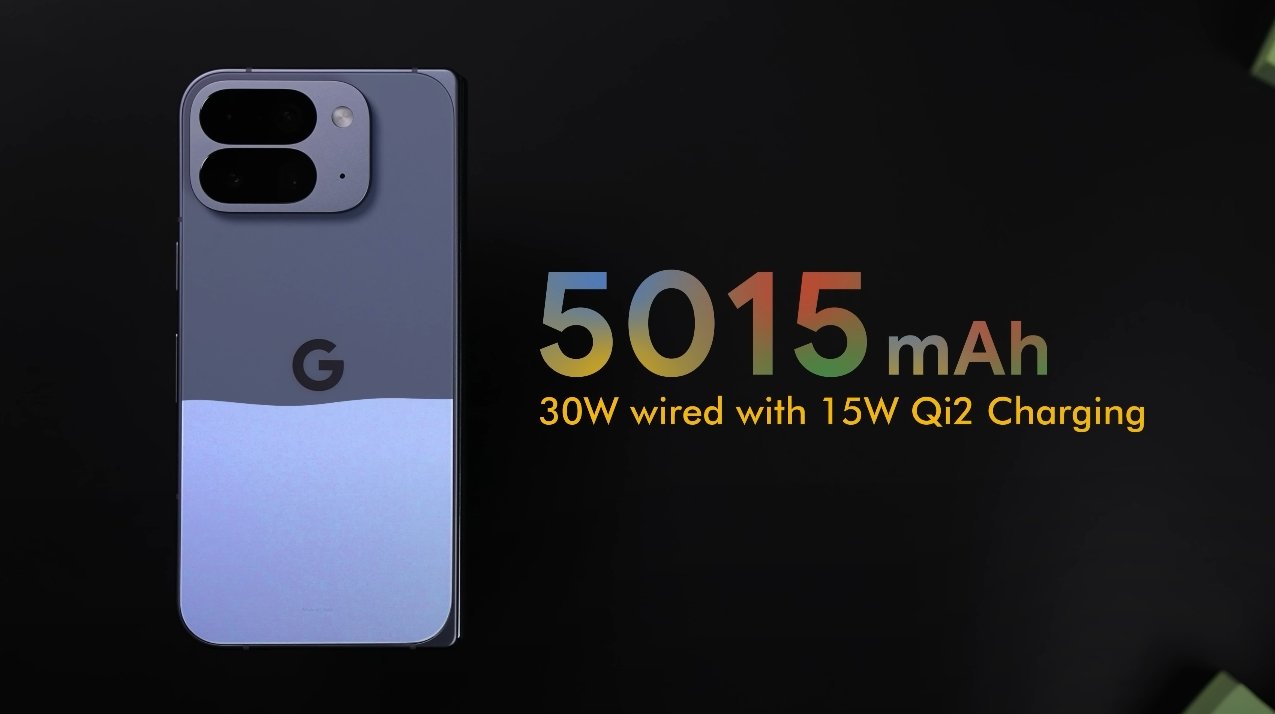
Battery performance tells a different story. The Pixel 10 Pro Fold comes equipped with a 5,015 mAh battery and improved 30W wired charging, plus Qi2 magnetic wireless charging. Its Tensor G5 chip is tuned for efficiency, giving users longer screen-on time during moderate to heavy use. The OnePlus Open 2 packs a slightly smaller 4,800 mAh battery but counters with faster 80W wired charging, capable of reaching 100% in under 40 minutes. However, real-world endurance slightly favors the Pixel, especially when using multitasking features on the inner display.

Display performance plays a role in perceived speed as well. The Pixel 10 Pro Fold features a 120Hz LTPO OLED panel with peak brightness reaching 3,000 nits, ensuring buttery-smooth scrolling and vibrant visuals. The OnePlus Open 2 also boasts a 120Hz AMOLED display, but with slightly lower peak brightness around 2,800 nits. Both deliver top-tier visual experiences, yet the Pixel’s adaptive refresh and AI-driven display tuning make it feel more responsive during dynamic usage like folding transitions or split-screen multitasking.

In everyday use, both phones deliver flagship-level responsiveness, but they cater to different user types. The OnePlus Open 2 dominates in raw speed, gaming, and synthetic benchmarks, making it the better choice for performance enthusiasts. The Pixel 10 Pro Fold, meanwhile, offers a more refined balance—combining solid performance with superior thermal control, longer battery life, and enhanced AI features that streamline productivity and content creation.

In conclusion, the OnePlus Open 2 is the powerhouse for gamers and benchmark chasers, delivering peak performance through sheer processing muscle. The Pixel 10 Pro Fold, on the other hand, is the smarter performer—cooler, more efficient, and better optimized for AI-driven workflows and multitasking. If you crave maximum speed and gaming dominance, OnePlus wins the race. But if you value consistent real-world smoothness, longevity, and intelligent performance, the Pixel 10 Pro Fold stands out as the more balanced and reliable foldable for everyday use.
Pixel 10 Pro Fold vs Galaxy Z Fold 6 display quality

Pixel 10 Pro Fold vs Galaxy Z Fold 6 display quality

Comparing Display Quality on Two Premium Foldables

The foldable smartphone market continues to evolve, and in 2025, two of the most advanced models are the Google Pixel 10 Pro Fold and the Samsung Galaxy Z Fold 6. Both devices showcase cutting-edge display technology, offering immersive visuals, high refresh rates, and impressive brightness levels. However, their designs, display ratios, and performance characteristics make them distinct choices depending on user preferences.

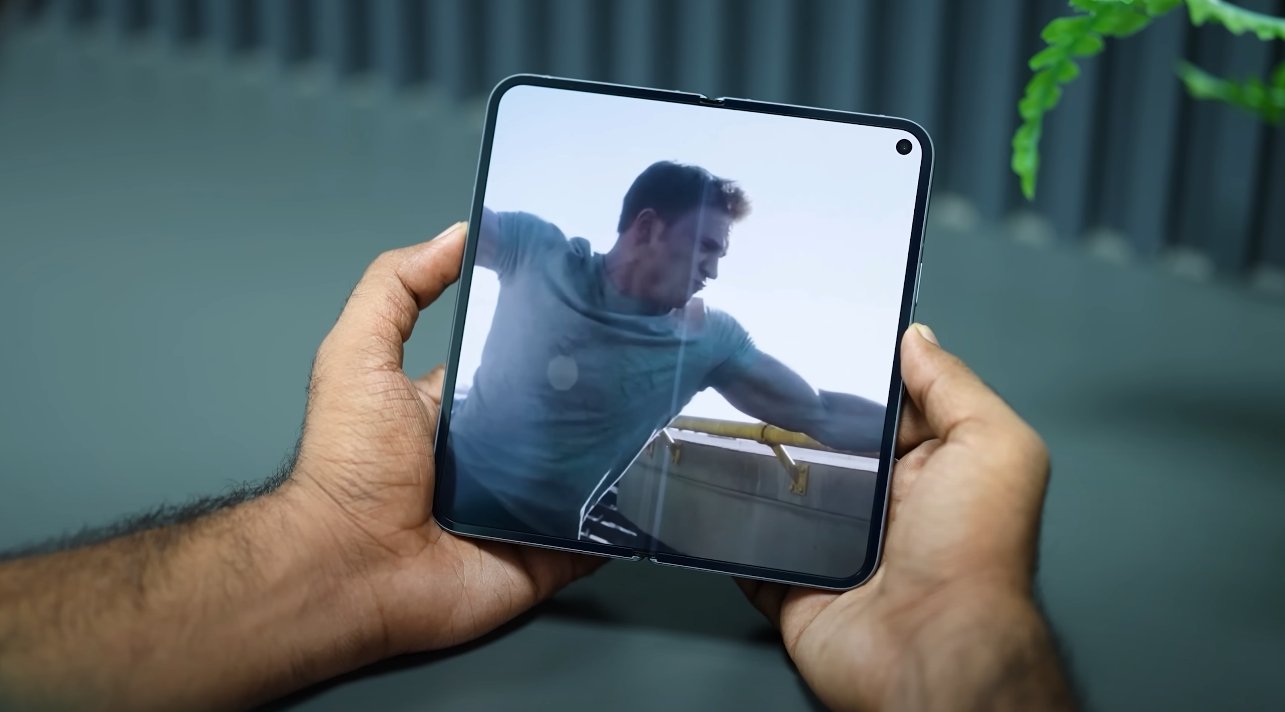
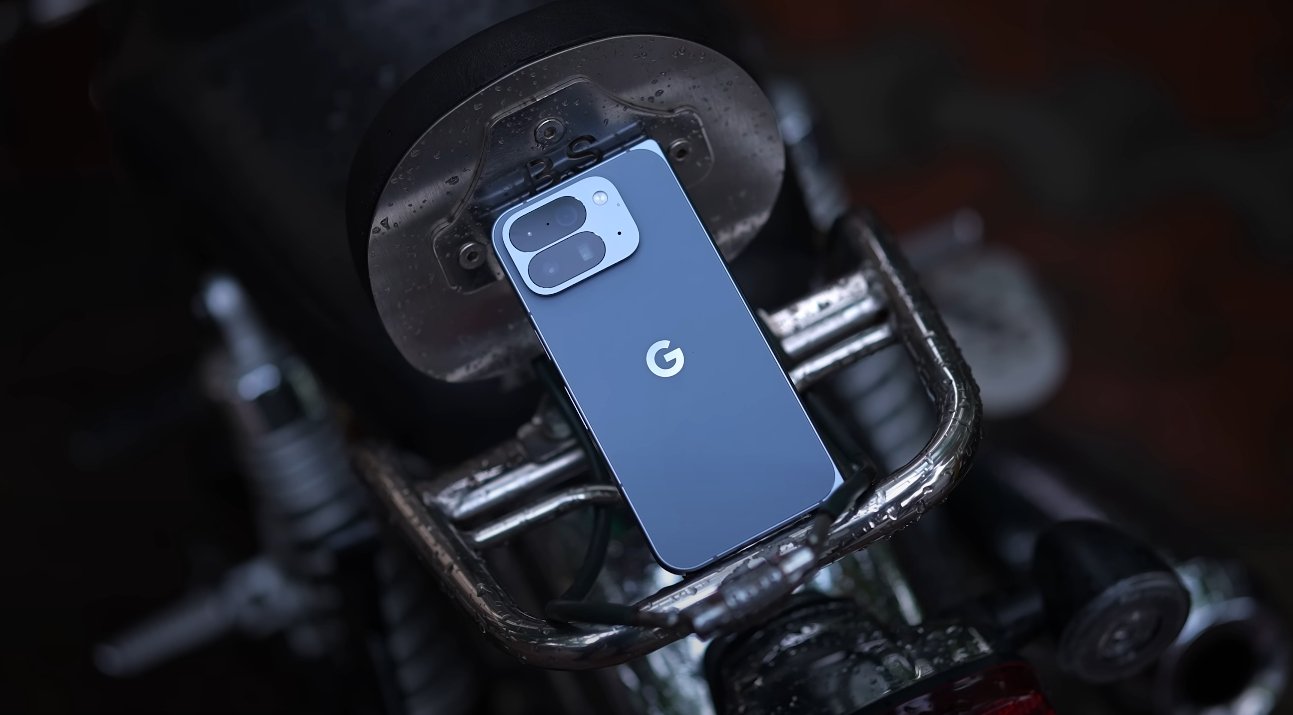
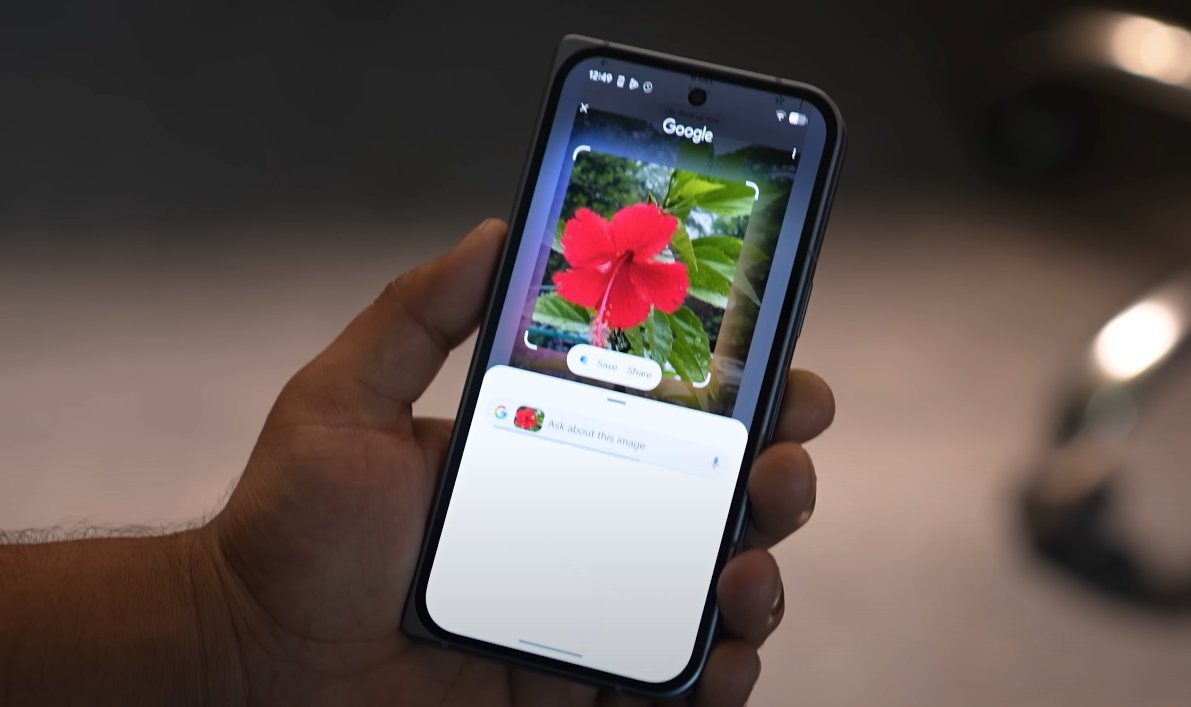
The Google Pixel 10 Pro Fold features an expansive 8-inch OLED main display with a near-square 1:1 aspect ratio, providing an exceptionally wide viewing area for multitasking and productivity. The cover display measures 6.4 inches, also OLED with a 120Hz refresh rate, ensuring smooth scrolling and color consistency between both screens. Google has pushed display brightness further than before, with the Pixel 10 Pro Fold reaching up to 3,000 nits peak brightness in certain conditions. This makes it one of the brightest foldable displays available, providing excellent outdoor visibility and enhanced HDR playback performance.

Samsung’s Galaxy Z Fold 6, on the other hand, features a 7.6-inch Dynamic AMOLED 2X main display with a 120Hz refresh rate and HDR10+ support. The outer screen measures 6.3 inches and uses the same panel technology, giving users a seamless transition between folded and unfolded modes. Samsung has improved color accuracy and contrast, and its peak brightness reaches around 2,600 nits—slightly lower than Google’s figure but still outstanding for a foldable. The company continues to refine its screen calibration, offering natural and vivid modes to suit user preferences, while maintaining exceptional color balance and black levels typical of Samsung’s AMOLED panels.

Pixel 10 Pro Fold vs Galaxy Z Fold 6 display quality

One of the major differences between the two devices lies in their aspect ratios. The Pixel 10 Pro Fold’s squarer inner display provides a near-tablet experience, ideal for split-screen multitasking, document editing, and reading. It gives users more usable space for productivity-focused applications. The Galaxy Z Fold 6, with its slightly taller aspect ratio, feels more like a traditional smartphone when folded. Its shape makes it easier to hold and use with one hand, particularly for messaging or browsing. While both displays are excellent for content consumption, the Pixel’s larger surface offers more room for immersive tasks, whereas the Galaxy’s proportions deliver better ergonomics and handling.

Durability is another area where Samsung maintains an advantage. The Galaxy Z Fold 6 uses Corning Gorilla Glass Victus 2 on its outer screen and reinforced ultra-thin glass on the inner display, improving resistance to scratches and pressure. The hinge has also been redesigned for added strength and smoother folding. The Pixel 10 Pro Fold also uses Gorilla Glass Victus 2 for its outer panel, but its inner screen protection remains more flexible and less rigid, as is common with newer foldables. While Google has improved the crease visibility and reduced the reflection along the fold line, Samsung’s experience in foldable engineering gives it a slightly more polished look and feel in everyday use.

In terms of image quality, both displays deliver stunning visuals. The Pixel 10 Pro Fold leans toward a natural color profile with excellent accuracy, making it ideal for creative professionals and users who prefer true-to-life tones. Its high brightness ensures superior HDR performance, with better highlight rendering in bright scenes. The Galaxy Z Fold 6, meanwhile, continues Samsung’s tradition of slightly more saturated colors in vivid mode, which many users find more appealing for gaming, movies, and social media. Both devices support wide color gamuts and adaptive refresh rates, adjusting dynamically between 1Hz and 120Hz to save power when viewing static content.

When it comes to real-world viewing experience, the Pixel 10 Pro Fold offers a larger and brighter panel that’s perfect for productivity, while the Galaxy Z Fold 6 excels in durability, smoothness, and color vibrancy. The Pixel’s inner display gives users more workspace, especially for multitasking and creative tasks, but it comes with added weight and a more noticeable crease. The Galaxy’s design feels slightly more compact and refined, making it more comfortable for extended handheld use.

In conclusion, the Pixel 10 Pro Fold delivers a wider, brighter, and more immersive display, best suited for users who prioritize multitasking and cinematic experiences. The Galaxy Z Fold 6, meanwhile, offers excellent display quality with a more balanced design, enhanced durability, and refined engineering. Both devices push the boundaries of foldable display technology, but the Pixel stands out for its expansive canvas and brightness, while the Galaxy shines for its longevity, craftsmanship, and perfectly tuned visuals.

Also Read:  Pixel 10 Pro Fold price leak surprises USA fans

Pixel 10 Pro Fold vs Pixel Fold First Gen Improvements

Pixel 10 Pro Fold vs Pixel Fold First Gen Improvements

How Google Perfected Its Foldable Design

The Pixel 10 Pro Fold marks a major step forward in Google’s foldable phone lineup, refining nearly every aspect of the first-generation Pixel Fold. From durability and design to performance and battery life, the latest model addresses the shortcomings of the original while introducing modern upgrades that make it one of the most advanced foldables available today.

The most noticeable improvement comes in durability and design. The first-generation Pixel Fold was elegant but fragile, with a hinge that felt delicate over time and only carried an IPX8 water-resistance rating. The new Pixel 10 Pro Fold introduces a redesigned, gearless hinge that’s both sturdier and smoother, reducing long-term wear. It now features full IP68 certification, making it resistant to both dust and water—a first for any Google foldable. This upgrade alone greatly enhances the device’s reliability for everyday use.

Display technology has also taken a big leap forward. The Pixel 10 Pro Fold maintains the same dual-screen setup—a large 8-inch inner display and a 6.4-inch outer display—but both panels are brighter and more efficient. The new OLED panels reach up to 3,000 nits of peak brightness, compared to the first-gen Fold’s 1,450 nits, allowing for far better visibility in sunlight and more vivid HDR performance. Google also reduced the bezels, creating a more immersive viewing experience while keeping the device’s footprint compact.

Pixel 10 Pro Fold vs Pixel Fold First Gen Improvements

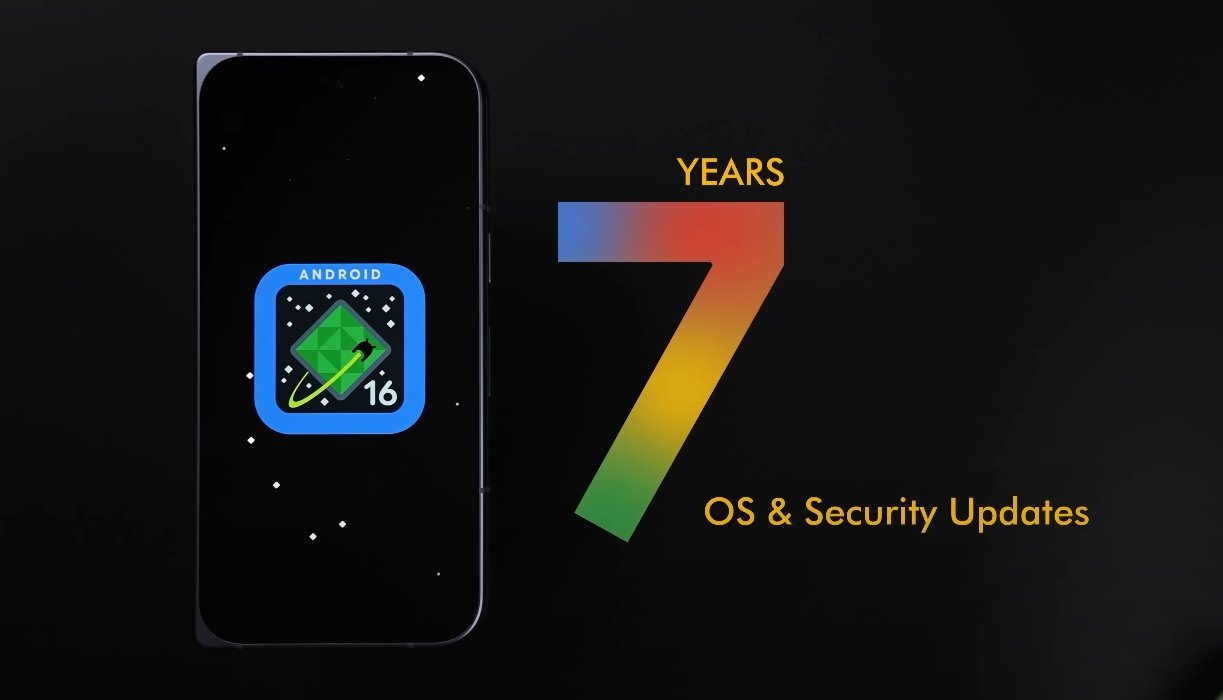
Performance and efficiency are areas where the 10 Pro Fold truly shines. Powered by the Tensor G5 chip, built on a 3-nanometer process, it offers faster processing, better thermal management, and improved battery efficiency over the original Tensor G2 in the first Fold. This newer chip enhances AI-driven tasks like real-time photo enhancement, translation, and personalized recommendations. Combined with Android 16, the device feels faster, smoother, and more responsive. Google has also committed to longer software support—up to seven years of updates—ensuring longevity for buyers.

Battery life and charging speed have seen notable improvements. The Pixel 10 Pro Fold now includes a 5,015 mAh battery, up from the original Fold’s 4,821 mAh capacity. Charging speeds are faster, with improved 30W wired charging and support for Qi2 magnetic wireless charging through Google’s new PixelSnap accessories. These upgrades translate to quicker top-ups and more consistent all-day endurance, even when multitasking or using dual screens extensively.

While the camera hardware looks similar at first glance, Google has focused on refining image processing through software and AI. The Pixel 10 Pro Fold retains the 48MP main sensor, 10.5MP ultra-wide lens, and 5x telephoto lens from the first Fold, but benefits from upgraded computational photography features. The new Tensor G5 enables faster image processing, better HDR handling, and improved low-light performance. Portrait mode separation, color accuracy, and motion blur correction all feel more natural, while the front cameras deliver clearer selfies under various lighting conditions.

The first-generation Pixel Fold was criticized for occasional lag and overheating during intensive use. Google addressed these issues by improving thermal regulation in the Pixel 10 Pro Fold, keeping performance steady even under pressure. The folding mechanism has been strengthened, and the inner display crease is less visible, offering a more seamless viewing experience. Audio quality has also been improved, with louder, clearer stereo speakers that enhance entertainment and video calls.

Despite all these enhancements, the Pixel 10 Pro Fold does carry a slightly higher price and marginally heavier build. However, those minor trade-offs are outweighed by its substantial leaps in durability, power efficiency, and camera performance. It’s clear that Google has refined the formula to deliver a more polished, dependable foldable suited for both productivity and creativity.

In conclusion, the Pixel 10 Pro Fold is a clear evolution of Google’s foldable vision. It fixes the durability issues of the first gen, boosts display quality, extends battery life, and pushes performance to new heights. For first-generation Pixel Fold owners, the upgrades may feel like a complete transformation rather than an incremental update. If you value cutting-edge technology, superior design, and long-term reliability, the Pixel 10 Pro Fold is a worthwhile upgrade and one of the most complete foldables on the market today.

Pixel 10 Pro Fold vs iPhone 16 Pro battery efficiency

Pixel 10 Pro Fold vs iPhone 16 Pro battery efficiency

Comparing Battery Efficiency Between Google and Apple’s Flagships

The Google Pixel 10 Pro Fold and the Apple iPhone 16 Pro represent two very different approaches to smartphone design, yet both aim to deliver long-lasting power and efficient performance. While the Pixel 10 Pro Fold focuses on offering a large battery to support its dual-display design, the iPhone 16 Pro emphasizes optimization and chip efficiency to make the most of a smaller battery. Real-world tests and early user experiences show a fascinating contrast in how each device manages energy, reflecting their unique hardware and software strategies.

The Pixel 10 Pro Fold is equipped with a 5,015 mAh battery, the largest ever included in a Google foldable device. This large capacity is necessary to power its two high-resolution OLED displays—a compact outer screen and a larger, tablet-sized inner display. In contrast, the iPhone 16 Pro features a smaller 3,582 mAh battery, but Apple compensates with remarkable energy management through its custom A18 Pro chip and iOS-level optimization. Despite the difference in capacity, both phones are capable of delivering a full day of mixed use, though they achieve this efficiency in very different ways.

In everyday scenarios, the Pixel 10 Pro Fold performs impressively for a foldable phone. During light to moderate use—such as browsing, messaging, and taking photos—it can easily last through a full workday with 40 to 50 percent of the battery remaining. However, the device’s endurance depends heavily on which screen is used most. When users spend more time on the inner 7.9-inch display for tasks like gaming, watching videos, or multitasking, the battery drains faster. Even so, Google’s adaptive battery system, powered by the Tensor G4 chip, helps the phone learn user habits and reduce power draw from apps that aren’t frequently used.

On the other hand, the iPhone 16 Pro continues Apple’s reputation for exceptional power efficiency. Its A18 Pro chip, built on a 3-nanometer process, manages to deliver outstanding performance with minimal energy consumption. Even though its battery is smaller, the iPhone 16 Pro often matches or exceeds the Pixel 10 Pro Fold in screen-on time during web browsing, video playback, and light productivity tasks. Apple’s combination of hardware-software integration and tightly controlled system resources ensures that the device sips power instead of draining it quickly. Users report that the iPhone 16 Pro easily lasts a full day and often stretches into a second day with lighter use.

Pixel 10 Pro Fold vs iPhone 16 Pro battery efficiency

Charging speed is another important area where the two phones differ. The Pixel 10 Pro Fold supports 30 W wired charging, capable of reaching 50 percent charge in around 30 minutes and a full charge in about 90 minutes. It also supports 15 W magnetic wireless charging through Google’s new Pixelsnap system. The iPhone 16 Pro, meanwhile, supports 27 W wired charging and up to 25 W wireless MagSafe charging. In practical terms, both devices recharge quickly enough for daily convenience, but Google’s larger battery takes slightly longer to fill completely due to its higher capacity.

Battery efficiency also extends to thermal management and background optimization. The Pixel 10 Pro Fold benefits from improved heat dissipation and intelligent cooling, which keeps temperatures stable during demanding tasks such as gaming or video editing. This prevents battery drain caused by overheating, a problem seen in earlier foldable designs. The iPhone 16 Pro, with its advanced thermal system and efficient chip, also maintains steady performance without generating excessive heat, further extending overall battery health over time.

Ultimately, the Pixel 10 Pro Fold wins in raw battery capacity and endurance for heavy users who rely on multitasking or extended media sessions. Its large battery ensures plenty of power to handle both screens throughout the day. However, the iPhone 16 Pro excels in pure energy efficiency, extracting exceptional performance from a smaller battery through optimization and refined software control. It is better suited for users who value consistency, cool operation, and efficiency over sheer size and flexibility.

In conclusion, the Pixel 10 Pro Fold and iPhone 16 Pro take different yet equally effective approaches to battery efficiency. Google’s foldable offers extended usage time through its large battery and adaptive management system, ideal for power users and multitaskers. Apple’s flagship, on the other hand, proves that smart optimization can rival larger batteries, delivering excellent efficiency in a smaller, lighter package. The choice between them ultimately depends on how you use your device—if you prioritize flexibility and screen size, the Pixel 10 Pro Fold delivers more endurance; if you value precision and refined energy use, the iPhone 16 Pro remains the more efficient everyday performer.

Pixel 10 Pro Fold connectivity and 5G bands for USA

Pixel 10 Pro Fold connectivity and 5G bands for USA

Complete Connectivity and Network Support in the United States

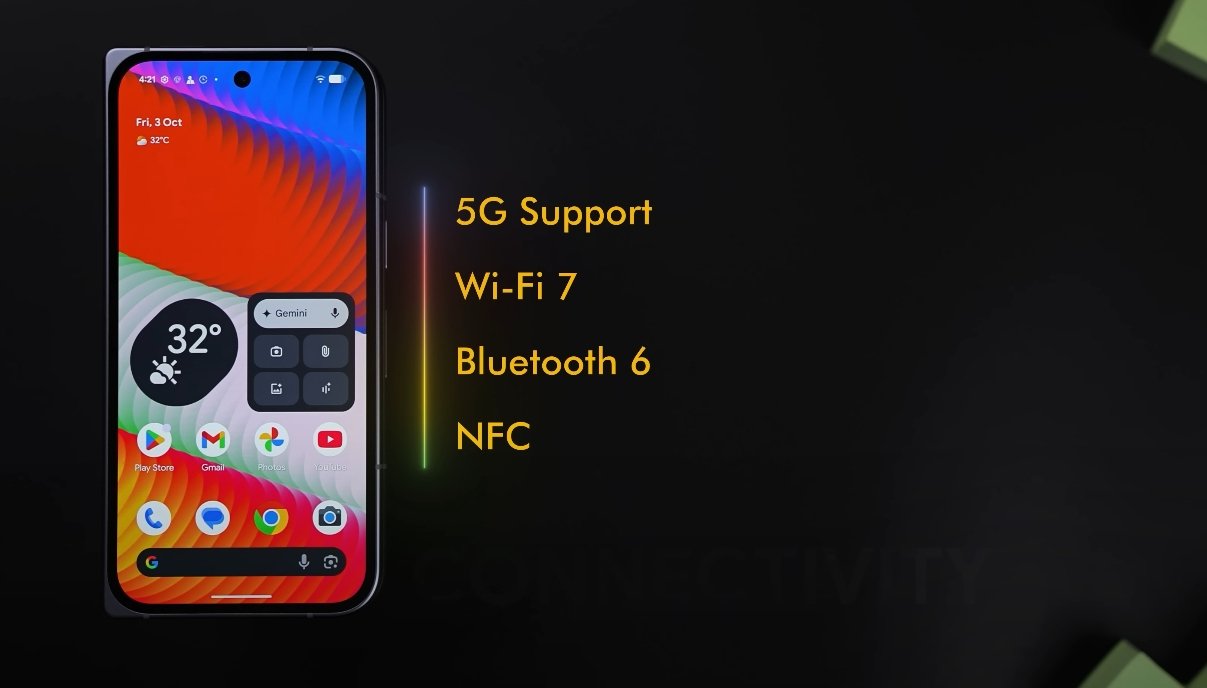
The Google Pixel 10 Pro Fold arrives as one of the most advanced foldable smartphones in 2025, and a large part of its appeal lies in its extensive connectivity capabilities. Designed with U.S. carriers and global travelers in mind, the device supports a full suite of wireless technologies, including 5G, LTE, Wi-Fi 7, Bluetooth 6, NFC, and eSIM functionality. Google has focused on making the Pixel 10 Pro Fold not only powerful in performance but also future-ready in terms of connectivity, offering support for both Sub-6 GHz and mmWave 5G networks across all major American carriers.

The Pixel 10 Pro Fold supports a comprehensive range of 5G bands for seamless performance throughout the United States. This includes Sub-6 GHz bands such as n2, n5, n12, n25, n41, n66, and n71, which are essential for wide-area coverage used by carriers like T-Mobile and AT&T. For ultra-fast connections, it also includes mmWave bands like n258, n260, and n261, used primarily by Verizon for its 5G Ultra Wideband service. This dual-band compatibility ensures users experience both speed and range, depending on their location and carrier. The combination of Sub-6 and mmWave technologies allows the Pixel 10 Pro Fold to balance high-speed performance in cities with strong coverage in suburban and rural areas.

For 4G LTE connectivity, the Pixel 10 Pro Fold maintains broad support, covering major global bands such as 1, 2, 3, 4, 5, 7, 8, 12, 13, 14, 17, 18, 19, 20, 25, 26, 28, 29, 30, 38, 40, 41, 48, 66, and 71. This extensive compatibility means the phone can easily switch between LTE and 5G networks without losing signal quality or performance. It’s fully certified for use on major U.S. carriers including Verizon, T-Mobile, and AT&T, ensuring reliable connectivity for both data and voice. The phone also supports carrier aggregation and 5G standalone (SA) mode, giving users improved network stability and faster upload speeds during heavy data use.

Pixel 10 Pro Fold connectivity and 5G bands for USA

Google has also included eSIM support as the default option in the Pixel 10 Pro Fold for U.S. models, eliminating the need for a physical SIM card. This shift follows the industry trend toward digital SIM adoption, which simplifies switching carriers and managing multiple profiles. Users can store several eSIM profiles at once, making it convenient for frequent travelers who need to switch between local and international networks. International variants of the device still include a hybrid SIM tray, but U.S. versions rely solely on eSIM technology to streamline the design.

Beyond cellular connectivity, the Pixel 10 Pro Fold brings top-tier wireless standards to enhance user experience. It supports Wi-Fi 7, offering improved speeds, lower latency, and better performance in crowded environments compared to Wi-Fi 6E. This makes the device ideal for streaming high-resolution video, cloud gaming, and fast downloads on compatible routers. Bluetooth 6 support ensures higher data transmission rates and improved range, particularly for audio devices such as Pixel Buds and third-party wireless accessories. Google has also upgraded NFC performance for faster tap-to-pay and pairing, making it smoother to use Google Wallet and other contactless services.

Location and navigation accuracy have also been improved. The Pixel 10 Pro Fold includes dual-band GNSS (Global Navigation Satellite System), supporting GPS, GLONASS, Galileo, and BeiDou for precise tracking even in dense urban areas. This is especially beneficial for navigation, fitness tracking, and AR applications. The device also supports Ultra-Wideband (UWB) technology, which enhances spatial awareness and enables advanced features like precise device tracking and improved Nearby Share capabilities.

Overall, the Pixel 10 Pro Fold sets a new standard for connectivity in foldable smartphones. Its comprehensive 5G band support ensures compatibility with every major carrier in the United States, while Wi-Fi 7, Bluetooth 6, and UWB integration make it ready for the next generation of wireless technology. Whether users are streaming, gaming, traveling, or working remotely, the Pixel 10 Pro Fold offers the speed, reliability, and flexibility that modern mobile connectivity demands. This combination of cutting-edge technology and forward-thinking design confirms Google’s commitment to delivering a truly global and future-proof foldable experience.

Pixel 10 Pro Fold vs iPhone 16 Pro Max Camera Test

Pixel 10 Pro Fold vs iPhone 16 Pro Max Camera Test

The Ultimate Flagship Camera Showdown

Smartphone photography has reached new heights in 2025, and two of the most talked-about devices leading the charge are the Google Pixel 10 Pro Fold and the Apple iPhone 16 Pro Max. Both represent the best of what their respective brands can offer, blending powerful hardware with advanced computational photography. The real question for enthusiasts and professionals alike is: which camera system delivers the better overall experience?

The Pixel 10 Pro Fold brings Google’s latest imaging advancements powered by the Tensor G5 chip. Its triple-lens setup includes a 48MP main sensor, a 10.5MP ultra-wide lens with macro focus, and a 10.8MP 5x telephoto lens that supports Super Res Zoom up to 20x. The foldable design doesn’t compromise camera performance, and Google’s HDR+ algorithms continue to excel in capturing vibrant images with excellent dynamic range. The phone also benefits from real-time AI image enhancement, sharpening details and improving color balance automatically.

Meanwhile, the iPhone 16 Pro Max features Apple’s most refined camera system yet. It includes a 48MP main wide sensor, a larger ultra-wide sensor for improved light capture, and an upgraded 5x tetraprism telephoto lens. Apple’s new Photonic Engine and A18 Pro chip enhance image processing, ensuring more accurate tones, less noise, and exceptional consistency across all lenses. The addition of 4K 120fps ProMotion video recording has also solidified the iPhone’s lead in cinematic video creation.

When it comes to daylight photography, both phones deliver outstanding results. The Pixel 10 Pro Fold produces images with deep contrast and bold saturation, giving them a punchier look straight out of the camera. The iPhone 16 Pro Max, on the other hand, opts for a more natural tone, preserving realistic colors and balanced highlights. Skin tones tend to look smoother and truer on the iPhone, while the Pixel sometimes adds extra warmth or shadow contrast that can make photos appear more stylized.

Pixel 10 Pro Fold vs iPhone 16 Pro Max Camera Test

In low-light conditions, the iPhone 16 Pro Max continues to dominate. Its larger sensor and enhanced night mode produce images with cleaner details and minimal grain. Apple’s computational merging of multiple exposures allows it to maintain natural lighting even in near-dark environments. The Pixel 10 Pro Fold’s Night Sight mode performs admirably, pulling in remarkable detail and accurate colors, but it occasionally introduces noise in very dim situations. For users who frequently shoot at night or indoors, the iPhone has the edge in clarity and smoothness.

When testing zoom and telephoto performance, the Pixel 10 Pro Fold stands out. Its 5x optical zoom lens produces crisp and detailed results at mid to long distances, outperforming the iPhone at higher zoom levels. Google’s Super Res Zoom algorithm adds further reach without a major loss in quality. The iPhone’s digital zoom is solid up to about 10x, but beyond that, it tends to lose texture detail. However, the iPhone handles transitions between lenses more smoothly, with minimal focus delay when switching zoom levels.

On the video side, Apple remains the industry benchmark. The iPhone 16 Pro Max offers exceptional stabilization, true-to-life colors, and superior HDR performance. Its cinematic mode, now available in 4K 60fps, delivers professional-grade depth of field and dynamic lighting control. The Pixel 10 Pro Fold shoots impressive video as well, particularly in bright conditions, but sometimes shows exposure shifting during rapid movement or changes in light. For creators, vloggers, and mobile filmmakers, the iPhone remains the more reliable video tool.

In portrait and macro photography, both phones shine but take different approaches. The iPhone 16 Pro Max uses precise depth mapping to separate subjects naturally, giving portraits a lifelike background blur. The Pixel 10 Pro Fold offers sharper detail in close-ups and better edge detection for macro shots, thanks to its dedicated ultra-wide macro lens. The differences are subtle but reflect each company’s priorities—Apple aims for realism, while Google leans toward visual drama.

Overall, the iPhone 16 Pro Max wins in terms of video quality, low-light performance, and overall color accuracy. The Pixel 10 Pro Fold holds its own with superior optical zoom, richer contrast, and more creative control for still photography. For users who prioritize versatility, zoom range, and a foldable form factor, the Pixel 10 Pro Fold is an exciting choice. However, for those who value consistency, cinematic video, and effortless results in any lighting condition, the iPhone 16 Pro Max remains the gold standard.

In conclusion, both devices showcase how far mobile imaging has come. The Pixel 10 Pro Fold excels in flexibility and optical strength, while the iPhone 16 Pro Max leads in refinement and realism. Your best choice depends on whether you’re drawn to artistic expression or professional reliability—but either way, both represent the pinnacle of smartphone photography in 2025.

Pixel 10 Pro Fold retail box and accessories revealed

Pixel 10 Pro Fold retail box and accessories revealed

What Comes Inside the Pixel 10 Pro Fold Box

The Google Pixel 10 Pro Fold has officially begun shipping, and early retail units are now giving customers a clear look at what’s included in the box. Continuing Google’s minimalist approach, the packaging is designed to be eco-friendly and straightforward, containing only the essentials. As with previous Pixel devices, Google has chosen not to include a power adapter or earphones in the retail package, aligning with its ongoing sustainability efforts and focus on reducing electronic waste.

Inside the box, buyers will find the Pixel 10 Pro Fold handset, a 1-meter USB-C to USB-C cable, a SIM ejector tool, and basic documentation such as a quick start guide and warranty booklet. The documentation is printed on recycled paper, and much of the setup information is also available digitally through the phone’s onboarding process. The box itself is smaller and slimmer than previous models, featuring simple white packaging with the Pixel logo embossed on the top. This minimalist presentation reinforces Google’s design philosophy of functionality without excess.

While the box contents are simple, Google has expanded its accessory ecosystem around the Pixel 10 Pro Fold. The company introduced a new series of magnetic accessories under the “Pixelsnap” brand. These accessories make use of an integrated magnetic ring on the back of the Pixel 10 Pro Fold, similar in concept to Apple’s MagSafe system. The Pixelsnap lineup includes the Pixelsnap Charger, the Pixelsnap Stand, and the Pixelsnap Ring. Each accessory magnetically attaches to the back of the device, ensuring perfect alignment and stability during use.

The Pixelsnap Charger is the most notable accessory in the lineup. It’s a compact magnetic puck that attaches to the phone’s back for easy wireless charging. The charger delivers up to 15 watts of wireless power and supports Qi2 standards for broader compatibility. Users can also purchase the Pixelsnap Charger with a stand variant, allowing for convenient hands-free viewing while charging. Google designed these chargers to complement the Pixel 10 Pro Fold’s large inner display, making them practical for desk setups or nightstands.

Pixel 10 Pro Fold retail box and accessories revealed

The Pixelsnap Ring is another new addition to Google’s ecosystem. This magnetic ring attaches securely to the phone and doubles as a grip or stand. It can rotate 360 degrees, providing flexibility for watching videos or holding the phone comfortably in one hand. For users who prefer protection, Google has also released official Pixel Fold cases that include built-in magnetic rings, ensuring they remain compatible with the Pixelsnap accessories even when using a case.

In addition to the Pixelsnap series, Google introduced the new Pixel Flex 67W dual-port USB-C charger. This compact adapter is sold separately and features two USB-C ports capable of delivering fast charging to multiple devices simultaneously. When charging two devices, the adapter intelligently distributes power based on demand, prioritizing the device with the lower battery level. The charger’s folding prongs make it travel-friendly, and its compatibility with laptops, tablets, and phones makes it a practical companion for Pixel users who need a single, versatile power source.

The absence of a charging brick inside the retail box has been a point of discussion among customers, but Google maintains that most users already have compatible USB-C chargers at home. The company argues that excluding the adapter reduces packaging size and overall environmental impact. Similar decisions have been made by other major smartphone manufacturers, and Google’s stance aligns with the industry trend toward sustainability and modularity.

Overall, the Pixel 10 Pro Fold retail unboxing experience reflects Google’s commitment to minimalism, environmental responsibility, and ecosystem expansion. While the box itself contains only the basics needed to start using the device, the new Pixelsnap accessories and Pixel Flex charger showcase Google’s effort to build a cohesive accessory environment around its premium devices. This combination of sleek packaging, modern accessory options, and sustainability-focused design positions the Pixel 10 Pro Fold as one of the most refined and forward-thinking foldables in Google’s lineup.

Also Read:  Apple iPhone Air vs iPhone SE which offers more value

Pixel 10 Pro Fold vs Pixel 9 Pro: Which Is the Better Buy

Pixel 10 Pro Fold vs Pixel 9 Pro: Which Is the Better Buy

The Battle Between Google’s Latest Flagship Phones

Google’s Pixel lineup continues to push the boundaries of smartphone technology, and the arrival of the Pixel 10 Pro Fold has sparked a new wave of comparisons with the Pixel 9 Pro. Both devices target premium users, but they cater to slightly different preferences. Choosing between them depends on whether innovation, performance, or practicality matters most to you.

The Pixel 10 Pro Fold represents Google’s most advanced foldable yet. It features the new Tensor G5 chip built on a 3-nanometer process, offering better efficiency and improved AI-driven performance compared to the Pixel 9 Pro’s Tensor G4. This means faster on-device processing for features like real-time translation, image recognition, and enhanced photo editing. The Pixel 10 Pro Fold also introduces stronger thermal management and longer battery life, providing a smoother experience for multitasking and media consumption.

In terms of design, the Pixel 10 Pro Fold offers a larger inner display at around 8 inches, paired with a 6.3-inch outer screen that supports a 120Hz refresh rate. Both displays are brighter than before, reaching up to 3,000 nits—ideal for outdoor use. Meanwhile, the Pixel 9 Pro sticks with a more traditional design and a 6.7-inch flat OLED display. While it doesn’t fold, it delivers consistent performance, lighter weight, and a more pocket-friendly build for users who prefer simplicity over novelty.

Pixel 10 Pro Fold vs Pixel 9 Pro

Camera performance remains a strong point for both devices. The Pixel 10 Pro Fold carries a triple-lens setup similar to the Pixel 9 Pro, including a 48MP main sensor, ultra-wide lens, and telephoto zoom. However, Google’s new AI algorithms, combined with the Tensor G5, provide more accurate color reproduction and improved low-light photography. The Pixel 9 Pro still captures stunning shots, especially with its proven hardware and refined computational photography, but the Fold’s updated image processing delivers a noticeable edge.

Battery and charging capabilities also differ. The Pixel 10 Pro Fold packs a slightly larger 5,000 mAh battery with faster wired and wireless charging, plus support for the new Qi2 magnetic charging standard. The Pixel 9 Pro offers solid endurance with its 4,800 mAh battery, but it lacks the same charging versatility. Users who rely heavily on power efficiency and all-day use will find the Pixel 10 Pro Fold more future-ready.

Durability and design innovation also tilt in favor of the new Fold. It features IP68 dust and water resistance—a first for Google’s foldable lineup—addressing concerns about long-term reliability. The hinge mechanism has been reinforced for smoother folding and better protection against debris. In contrast, the Pixel 9 Pro retains a sturdy aluminum body but lacks the flexible versatility of the Fold’s dual-screen format.

Overall, the Pixel 10 Pro Fold is a more futuristic device with cutting-edge hardware, enhanced durability, and next-gen AI performance. However, it comes at a premium price. For users who prefer a traditional smartphone experience with reliable performance and a lower cost, the Pixel 9 Pro remains an excellent choice.

In conclusion, if you want the newest technology, superior multitasking, and a design that stands out, the Pixel 10 Pro Fold is the better buy. But if practicality, simplicity, and value are your priorities, the Pixel 9 Pro continues to offer exceptional performance without breaking the bank. Both phones showcase Google’s innovation, but your ideal pick depends on how much you value the foldable experience.

Also Read:  Apple iPhone Air VS iPhone 17 Pro

PlayStation Store Discounts Spark Outrage in the UK

A screenshot of the PlayStation Store, showing different prices for the same game, highlighting the issue of individualized discounts and price gouging in the UK gaming community, with a focus on the need for transparency and fairness in Sony's pricing strategy, and the impact on the gaming industry as a whole, including the use of data and analytics to personalize prices and the potential for unfair treatment of certain customers

Unequal Discounts in the PlayStation Store: A Cause for Concern in the UK

The PlayStation Store has been at the centre of controversy lately, with reports emerging that some users are being offered significantly lower prices for the same games as others. This has led to widespread criticism, with many players feeling that they are being unfairly charged. The issue has sparked a heated debate about the fairness of Sony’s pricing strategy in the UK.

According to a report by Insider Gaming, Sony is experimenting with individualized discounts in the PlayStation Store. This means that not all users are receiving the same discounts on the same games, leading to a situation where some players are paying nearly twice as much as others for identical offers. This has led to accusations of price gouging and unfair behaviour towards certain customers.

The controversy has highlighted the need for greater transparency in the way that Sony approaches pricing in the UK. Many players are calling for the company to adopt a more consistent and fair pricing strategy, one that does not penalize certain customers for no apparent reason. The issue has also sparked a wider debate about the use of data and analytics to personalize prices in the gaming industry.

As the situation continues to unfold, it remains to be seen how Sony will respond to the criticism. The company has yet to comment on the issue, but it is clear that something needs to be done to address the concerns of players in the UK. In the meantime, gamers are advised to be vigilant when making purchases in the PlayStation Store, and to always compare prices before making a buying decision.

The use of individualized discounts in the PlayStation Store is a complex issue, and one that raises important questions about fairness and transparency in the gaming industry. As the industry continues to evolve, it is likely that we will see more examples of personalized pricing, and it is up to companies like Sony to ensure that their approaches are fair and equitable. By analysing the behaviour of players and adjusting prices accordingly, Sony can create a more dynamic and responsive pricing strategy that benefits all customers.

However, this approach also raises concerns about the potential for price manipulation and unfair treatment of certain customers. As the UK gaming community continues to debate the issue, it is clear that Sony needs to take a closer look at its pricing strategy and make adjustments to ensure that all players are treated fairly. The company must also be more transparent about its use of data and analytics to personalize prices, and provide clear guidelines on how prices are determined.

In conclusion, the controversy surrounding individualized discounts in the PlayStation Store is a complex issue that requires a nuanced and multifaceted approach. By engaging with the gaming community and addressing concerns about fairness and transparency, Sony can work to create a more positive and inclusive gaming environment in the UK. The company must prioritize the needs of its customers and ensure that its pricing strategy is fair, consistent, and transparent.

The UK gaming community is eagerly awaiting a response from Sony, and it is likely that the company will face ongoing criticism until the issue is resolved. In the meantime, players are advised to remain vigilant and to continue to speak out against unfair pricing practices. By working together, the gaming community can create a more fair and equitable environment for all players, and ensure that the PlayStation Store remains a positive and enjoyable place to game.

As the gaming industry continues to evolve, it is likely that we will see more examples of personalized pricing and individualized discounts. However, it is up to companies like Sony to ensure that these approaches are fair and transparent, and that all customers are treated with respect and dignity. The UK gaming community is watching, and it is time for Sony to take action and address the concerns of its customers.

The issue of individualized discounts in the PlayStation Store is a reminder that the gaming industry is constantly changing, and that companies must be willing to adapt and evolve in response to the needs of their customers. By prioritizing fairness, transparency, and customer satisfaction, Sony can create a more positive and inclusive gaming environment in the UK, and ensure that the PlayStation Store remains a leader in the gaming industry.

PlayStation Unveils Release Date for Wolverine Game

The Wolverine game is an upcoming Marvel video game developed by Insomniac Games, with a release date now announced, the game is set to be a major release in the gaming world, with fans eagerly anticipating its launch, the game will delve into the world of one of Marvel's most iconic characters, and will feature a rich storyline and engaging gameplay mechanics

PlayStation’s Latest Marvel Venture: Wolverine Game Release Date Announced

PlayStation has finally announced the release date for its highly anticipated Wolverine video game, developed by Insomniac Games. The new single-player Marvel game has been shrouded in mystery, with many details still unknown. One thing is certain, however, and that is the excitement building around this latest venture. The gaming community is eager to get its hands on the game and explore the world of Wolverine.

Despite the release date being announced, there is still a lot we don’t know about the game, such as its price and gameplay mechanics. The lack of information has only added to the anticipation, with fans analysing every bit of available information to try and piece together what the game will be like. As the release date draws near, it is likely that more details will be revealed, giving fans a better idea of what to expect.

The Wolverine game is the fourth Marvel video game to be released by PlayStation, following on from the success of previous titles. The game’s developer, Insomniac Games, has a reputation for producing high-quality games, and fans will be hoping that this latest venture will live up to expectations. With the release date now announced, the countdown to the game’s launch has begun, and fans are eagerly awaiting the opportunity to play as one of Marvel’s most iconic characters.

The gaming community is known for its passion and dedication, and the release of the Wolverine game is likely to be a major event. Fans will be keen to share their experiences and thoughts on the game, and it will be interesting to see how the game is received. With its rich storyline and engaging gameplay, the Wolverine game has the potential to be a huge success, and fans will be hoping that it will live up to the hype surrounding its release.

As the release date approaches, fans will be looking for any information they can get about the game. The game’s developer will likely be releasing more details, including gameplay trailers and screenshots, to give fans a better idea of what to expect. The anticipation is building, and it won’t be long before fans can get their hands on the game and experience it for themselves. The Wolverine game is set to be a major release, and fans will be eager to see if it lives up to the expectations surrounding it.

The world of Marvel is vast and complex, with a wide range of characters and storylines to explore. The Wolverine game will be delving into the world of one of Marvel’s most iconic characters, and fans will be keen to see how the game’s developer has chosen to portray him. The game’s storyline and gameplay mechanics will be crucial in determining its success, and fans will be hoping that the game will do justice to the character and the Marvel brand.

In conclusion, the release date for the Wolverine game has been announced, and fans are eagerly anticipating its launch. With its rich storyline and engaging gameplay, the game has the potential to be a huge success, and fans will be hoping that it will live up to the hype surrounding its release. The gaming community will be keen to share their experiences and thoughts on the game, and it will be interesting to see how the game is received.

PlayStation Plus February 2026 Game Catalogue Revealed

PlayStation Plus February 2026 Game Catalogue featured image, showcasing the 10 new games being added to the service, including a mix of popular titles and hidden gems, with a focus on the PlayStation Plus Game Catalogue

PlayStation Plus February 2026 Game Catalogue: 10 New Games to Enjoy

Sony has officially announced the PlayStation Plus Game Catalogue lineup for February 2026, bringing a total of 10 new games to the platform. This month’s additions are set to excite members, with a diverse range of titles to suit various tastes. The new games will be available to Extra and Premium subscribers, offering even more value to their membership. Members can look forward to exploring new worlds and experiencing different genres.

The PlayStation Plus Game Catalogue has been a major draw for the service, offering a vast library of games for members to access. With the addition of these 10 new titles, the catalogue continues to grow, providing an unparalleled gaming experience. From action-packed adventures to strategic puzzles, there’s something for everyone in this month’s lineup. The games will be available to play on a range of devices, including the PlayStation 5 and PlayStation 4 consoles.

The new games being added to the PlayStation Plus Game Catalogue include a mix of popular titles and hidden gems. Members can discover new favourites and revisit old classics, all as part of their subscription. The games will be available to download and play at no extra cost, making it an ideal time to join the PlayStation Plus community. With the constant stream of new content, members can always find something new to play and enjoy.

The PlayStation Plus service has been continually evolving, with new features and games being added regularly. The Game Catalogue is just one aspect of the service, which also includes online multiplayer, exclusive discounts, and more. Members can take advantage of these benefits and enhance their gaming experience. Whether you’re a casual player or a hardcore gamer, the PlayStation Plus service has something to offer.

The addition of these 10 new games to the PlayStation Plus Game Catalogue is a significant boost to the service. Members can expect a steady stream of new content in the coming months, with more games and features being announced. The PlayStation Plus community is thriving, with a dedicated following of gamers who appreciate the value and benefits of the service. As the service continues to grow and evolve, it’s an exciting time to be a part of the PlayStation Plus community.

The PlayStation Plus Game Catalogue is a major selling point for the service, and this month’s additions only add to its appeal. With a vast library of games to choose from, members can always find something new to play. The catalogue includes a wide range of genres and styles, from first-person shooters to role-playing games. Whether you’re in the mood for something action-packed or strategic, there’s a game to suit your tastes.

The new games being added to the PlayStation Plus Game Catalogue are sure to be a hit with members. With their diverse range of genres and styles, there’s something for everyone to enjoy. The games will be available to play on a range of devices, including the PlayStation 5 and PlayStation 4 consoles. Members can take advantage of the service’s online multiplayer features and play with friends and other members of the community.

The PlayStation Plus service is committed to providing a high-quality gaming experience for its members. The Game Catalogue is just one aspect of the service, which also includes exclusive discounts, online multiplayer, and more. Members can take advantage of these benefits and enhance their gaming experience. With the constant stream of new content, members can always find something new to play and enjoy.

The addition of these 10 new games to the PlayStation Plus Game Catalogue is a significant boost to the service. Members can expect a steady stream of new content in the coming months, with more games and features being announced. The PlayStation Plus community is thriving, with a dedicated following of gamers who appreciate the value and benefits of the service. As the service continues to grow and evolve, it’s an exciting time to be a part of the PlayStation Plus community.

In conclusion, the PlayStation Plus February 2026 Game Catalogue is an exciting development for members of the service. With 10 new games being added, there’s never been a better time to join the PlayStation Plus community. The games will be available to play on a range of devices, including the PlayStation 5 and PlayStation 4 consoles. Members can take advantage of the service’s online multiplayer features and play with friends and other members of the community.

PlayStation 5 Ships 92.2 Million Units Worldwide

The PlayStation 5 console and controller, with a TV screen displaying a gaming scene in the background, showcasing the console's stunning graphics and immersive gaming experience

PlayStation 5 Achieves New Milestone with 92.2 Million Units Shipped Worldwide

Sony has recently released its financial results for the quarter ending December 31, 2025, revealing a significant milestone for the PlayStation 5. The PS5 has now shipped over 92 million units worldwide, marking a major achievement for the gaming console.

This impressive figure demonstrates the enduring popularity of the PS5, with its engaging games and innovative features continuing to captivate gamers globally. The console’s success can be attributed to its exceptional performance, stunning graphics, and immersive gaming experience.

The PS5’s remarkable shipment figures are a testament to Sony’s commitment to delivering high-quality gaming experiences. With a wide range of exciting games and accessories available, the PS5 is an excellent choice for both casual and avid gamers. Its sleek design, fast loading times, and intuitive controller make it an ideal console for anyone looking to elevate their gaming experience.

The gaming industry is highly competitive, with various consoles vying for market share. However, the PS5’s impressive sales figures indicate that it remains a top choice among gamers. Sony’s dedication to innovation and customer satisfaction has enabled the PS5 to maintain its position as a leading gaming console.

The PS5’s success has also been driven by its robust online gaming community, with many players enjoying the console’s multiplayer features and social sharing capabilities. The console’s ability to facilitate seamless online interactions has enhanced the overall gaming experience, making it more enjoyable and engaging for users.

As the gaming industry continues to evolve, it will be interesting to see how the PS5 adapts to changing trends and technologies. With its strong foundation and commitment to innovation, the PS5 is well-positioned to remain a leading console in the market. Its remarkable shipment figures are a testament to its enduring popularity and Sony’s dedication to delivering exceptional gaming experiences.

The PS5’s impact on the gaming industry extends beyond its sales figures, with its influence evident in the development of new games and accessories. The console’s success has also led to the creation of new gaming communities, with many players sharing their experiences and tips online. This sense of community has enhanced the overall gaming experience, making it more enjoyable and social.

In conclusion, the PS5’s shipment of 92.2 million units worldwide is a significant achievement, demonstrating the console’s enduring popularity and Sony’s commitment to delivering high-quality gaming experiences. With its impressive features, engaging games, and robust online community, the PS5 is an excellent choice for anyone looking to elevate their gaming experience.

As the gaming industry continues to grow and evolve, it will be exciting to see how the PS5 continues to innovate and adapt to changing trends and technologies. With its strong foundation and dedication to customer satisfaction, the PS5 is well-positioned to remain a leading console in the market, providing gamers with exceptional experiences for years to come.

The PS5’s success is a testament to the power of innovation and customer satisfaction in the gaming industry. By prioritising these values, Sony has created a console that has captured the hearts of gamers worldwide, providing a unique and engaging gaming experience that continues to evolve and improve over time.

With the PS5’s continued success, it will be interesting to see how the console adapts to emerging trends and technologies, such as cloud gaming and virtual reality. The console’s ability to innovate and evolve will be crucial in maintaining its position as a leading gaming console, providing gamers with new and exciting experiences that continue to push the boundaries of what is possible in the world of gaming.