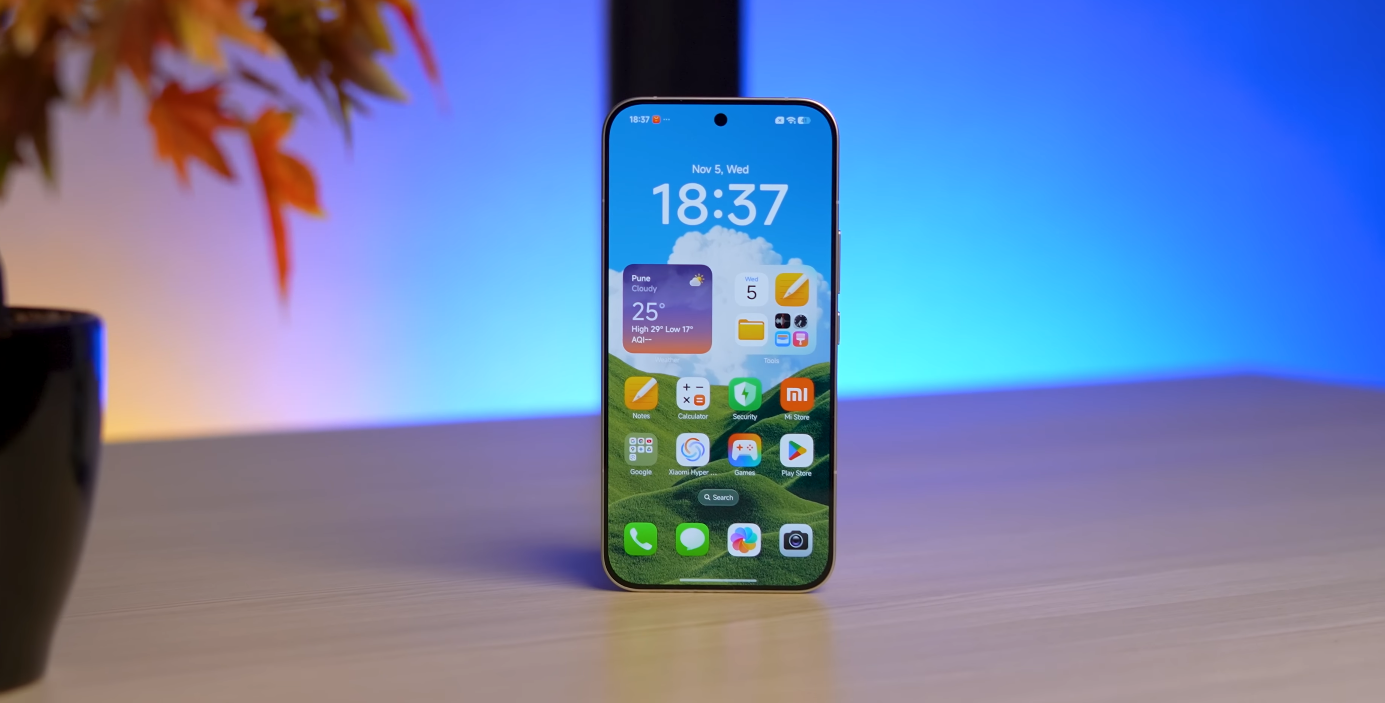
OxygenOS 16 vs ColorOS 15 feature by feature comparison

OxygenOS 16 vs ColorOS 15 feature by feature comparison

Comparing OxygenOS 16 and ColorOS 15: Features and Performance

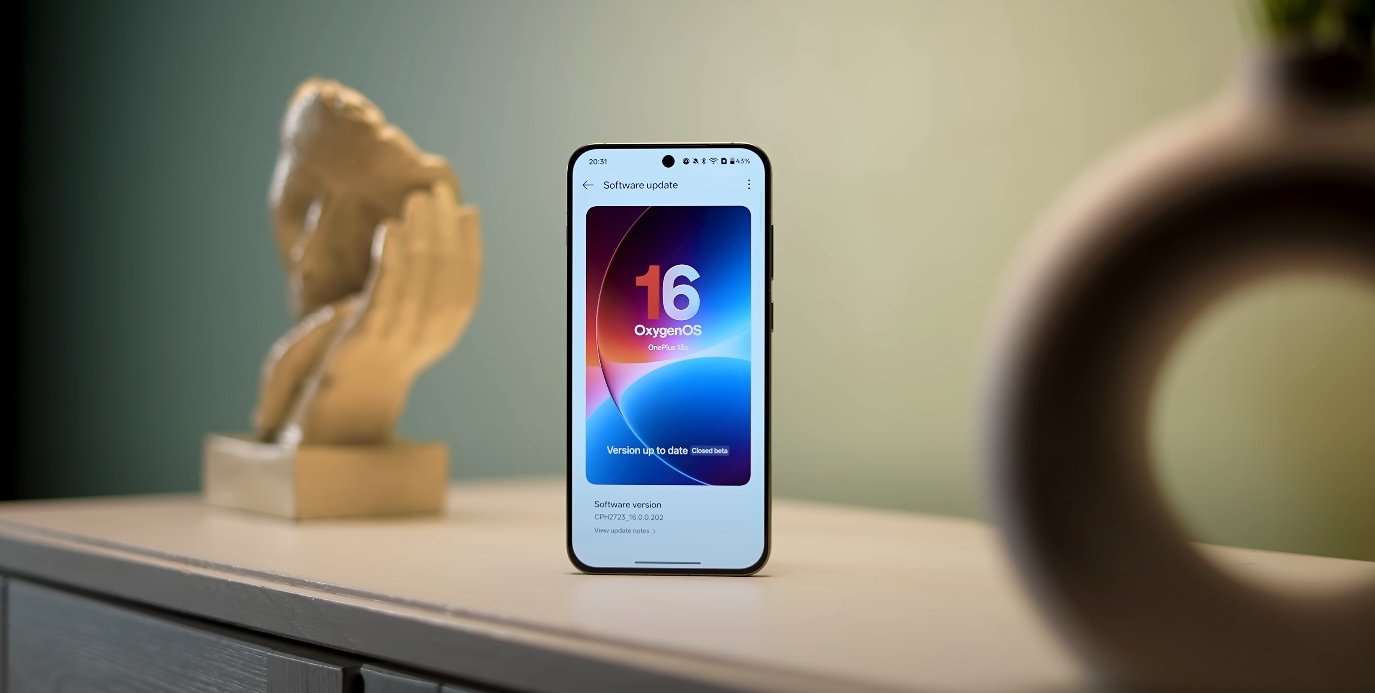
OxygenOS 16 and ColorOS 15 are two leading Android-based operating systems, each offering unique enhancements. Both focus on performance, security, and AI integration, but they approach these elements differently. Users now have several options depending on their priorities, from speed and multitasking to visual design and privacy.

In terms of user interface and animations, OxygenOS 16 emphasizes smooth transitions and responsiveness. Its “Flow Motion” and “Zero-Lag Multitasking” features make app switching and navigation faster. Refined icons, translucent elements, and polished system gestures contribute to a light and fluid experience. ColorOS 15, on the other hand, focuses on visually rich interfaces. Its dynamic lighting, natural shadow effects, and Aurora Engine animations provide depth and texture, giving users a more colorful and immersive experience. While both offer impressive visual enhancements, OxygenOS leans toward minimalism and speed, whereas ColorOS emphasizes style and fluidity.

Multitasking is another area of difference. OxygenOS 16 allows resizing and floating windows, improved split-screen capabilities, and smoother app switching, especially on larger screens and tablets. ColorOS 15 offers similar split-screen functionality, faster app installations, and smoother multitasking transitions through performance optimizations and parallel animations. OxygenOS provides more control and flexibility for multitasking power users, while ColorOS prioritizes ease of use and visually smooth transitions.
OxygenOS 16 vs ColorOS 15 feature by feature comparison

AI integration is a strong feature in both systems. OxygenOS 16 includes Google Gemini models, system-wide AI enhancements, personalized themes, and smarter Always-On Display options. Users can benefit from AI-driven suggestions and predictive behavior based on usage patterns. ColorOS 15 focuses on AI for creative tools such as photo editing, document enhancements, and AI assistants for productivity. OxygenOS leans toward personalization and system intelligence, whereas ColorOS emphasizes content creation and AI-assisted utilities.

Privacy and security have been enhanced in both operating systems. OxygenOS 16 introduces the Private Computing Cloud, stronger encryption, auto-reset permissions for unused apps, remote lock protection, and Identity Check for unauthorized access. ColorOS 15 strengthens encryption, smart clipboard protection, improved permission controls, and secure data handling. OxygenOS emphasizes device-level protection and lost-device security, while ColorOS focuses on data management and granular permission control.

Performance and efficiency improvements are notable in both updates. OxygenOS 16 is designed for “Zero-Lag” multitasking, optimized memory management, smoother app transitions, and adaptive battery optimization. ColorOS 15 delivers faster app responsiveness, system stability, and better resource allocation across both high-end and mid-range devices. OxygenOS favors high-load scenarios like gaming and multitasking, while ColorOS prioritizes overall smoothness and consistent performance.

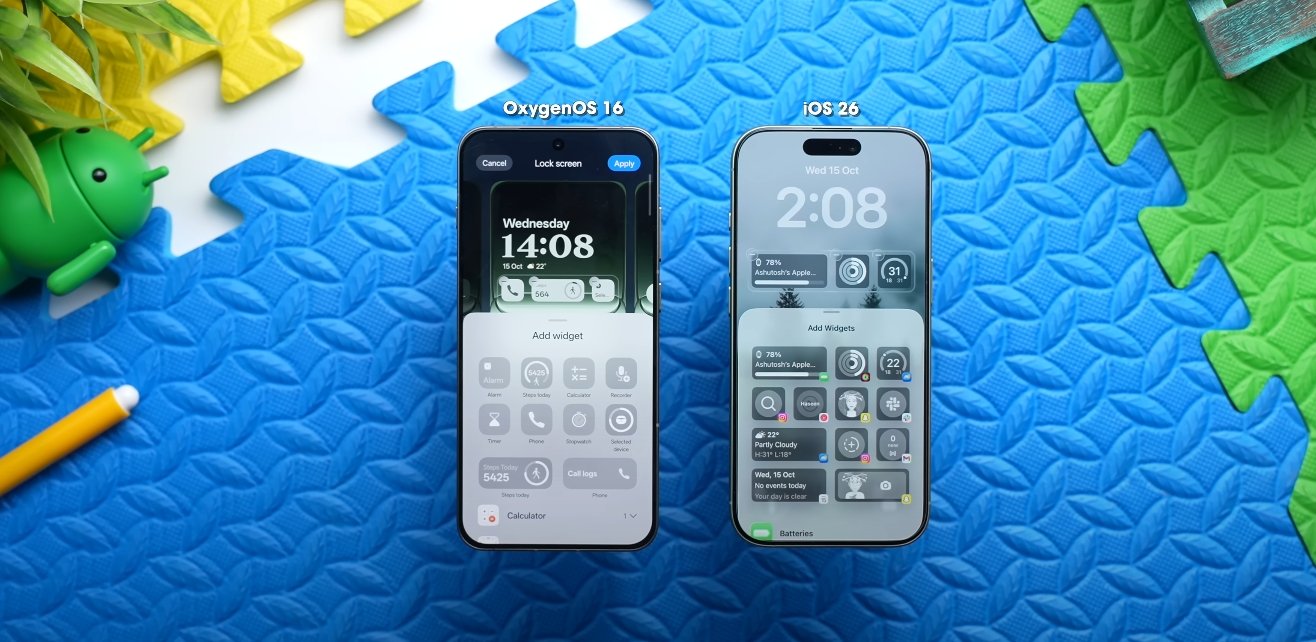
Customization options differ as well. OxygenOS 16 offers Flux Themes 2.0, dynamic wallpapers, lock screen customization, and control over icon shapes, layouts, and visual effects. ColorOS 15 provides dynamic themes, customizable home and lock screens, icon adjustments, and refined transition effects. OxygenOS offers more granular control over visual elements, while ColorOS emphasizes an overall polished and aesthetic experience.

Overall, OxygenOS 16 excels for users who prioritize high performance, multitasking flexibility, and device security. ColorOS 15 stands out for those seeking AI-assisted creativity, visually immersive themes, and strong privacy controls. Choosing between them depends on whether a user values speed and control or a visually rich and AI-enhanced experience. Both systems provide a compelling Android experience tailored to different user needs.

Also Read:  Oppo Find X8 Ultra vs iPhone 15 Pro Max zoom result
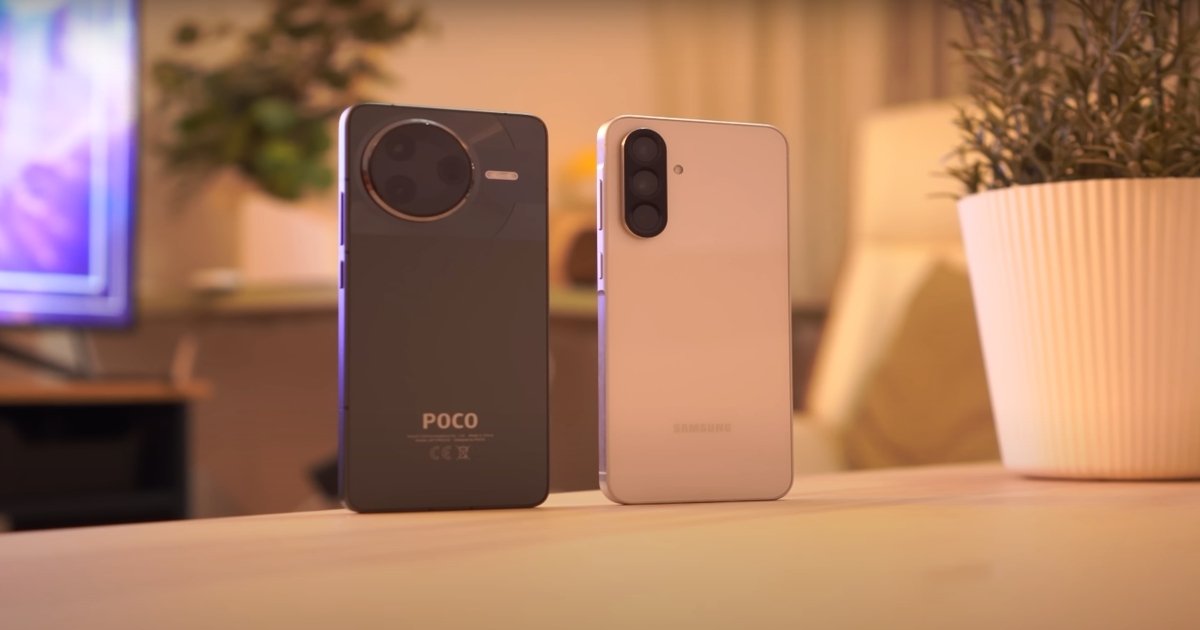
Poco F7 pro vs samsung galaxy A56 compare

Poco F7 pro vs samsung galaxy A56 compare

Samsung and Poco introduced their latest mid-range smartphones. The Samsung Galaxy A56 and the Poco F7 Pro. Each brand caters to consumers with well-rounded devices featuring competitive features at similar price points.

Poised as an affordable flagship killer with a Snapdragon 8 Gen 3 chipset under the hood. Both of these phones have a relatively similar price point and more importantly, they offer competitive features and performance for the price. So, the big question is this.


Design wise both look

Starting with the design and the Samsung Galaxy A56 and the Poco F7 Pro look nothing alike. They have their own distinct design language and both of them look good in their own way. But as we always say, style is subjective. So instead, let’s look at the facts. Starting with the Samsung Galaxy A56. The Galaxy A56 exemplifies Samsung’s signature simplicity and premium quality, attracting users who prefer a classic aesthetic, while the Poco F7 Pro targets consumers looking for something edgy and modern.

It sticks to Samsung’s premium yet minimalist styling found on the flagship S25 model. It features an aluminum frame, flat glass back panel, and a signature triple camera housing at the upper left corner. This time though, it does have a new blacked out camera island. While both devices run on Android 15, the user experience differs, with Samsung’s One UI 7 offering familiar features against Poco’s Hyper OS.


Design, colour and other elements

This design is tried and tested, but Samsung made the Galaxy A56 thinner, now measuring just 7.4 mm thick and weighing 196 g. It also comes with an IP67 rating for dust and water resistance, giving users a reassuring level of protection from the elements. In addition, the glass back panel is protected by Corning Gorilla Glass Victus Plus. Now, on the other hand, the Poco F7 Pro stands out more between the two phones with its more aggressive styling. It features a dual texture glass back panel with a matte and glossy finish at the top. It also has an aluminum frame, and this colorway does give off a futuristic vibe.

Meanwhile, the cameras are located on a large circular camera island here at the top with a flash on the outside. Now, Poco has also upgraded the build quality on this year’s F7 Pro, now featuring an IP68 rating for water and dust resistance. This allows it to be submerged in fresh water for up to 1.5 m for 30 minutes. The Galaxy A56 offers a minimalist premium look, while the Poco F7 Pro boasts a more aggressive outer appearance.

It’s slightly heavier and thicker at 204 g and 8.12 mm thick, but it still feels sturdy and balanced in your hands. With that, the Poco F7 Pro takes the first point in this comparison with its higher IP rating allowing it to be a more rugged phone. The Snapdragon 8 Gen 3 chipset delivers high-level performance over Samsung’s Exynos 1480.


Display quality and types

The Galaxy A56 does have Gorilla Glass Victus Plus for the rear glass, IP68 is becoming the norm in this segment. Now, moving on to the part of the phone you’ll be looking at the most, the display. For phones around this price range, the Poco F7 Pro and the Galaxy A56 both have beautiful AMOLED panels. Starting off with the Galaxy A56, it uses Samsung 6.7 in Super AMOLED panel with full HD plus resolution and thin borders all around. It boasts HDR10 Plus support with up to 1,900 nits of peak brightness. It also has 120 Hz refresh rate and it’s protected by Corning Gorilla Glass Victus Plus. Of course, this being an AMOLED panel.

It features beautiful vivid colors and deep blacks offering a great viewing experience. With the 120 Hz refresh rate, you have smooth animations, too, making it great for gaming. Now, as for the speakers, you’d get dual stereo speakers with support for Dolby Atmos. Now, moving on to the Poco F7 Pro, which does have a slightly smaller 6.67 in flow AMOLED display. However, it does feature a higher resolution of 3200 by440. It also has a 120 Hz refresh rate and a higher peak brightness of 3,200 nits. It also has slightly thinner borders too as compared to the A56.


Battery mAh and both charging time

A combination of a larger battery capacity and faster charging in the Poco F7 Pro represents a significant advantage for users seeking long-lasting performance without frequent charging interruptions, particularly in today’s fast-paced lifestyle.


features wise Comparison

Though the Galaxy A56 offers more lenses, the camera performance on the Poco F7 Pro can produce more natural images. This suggests that higher megapixel counts do not always equate to better photography, emphasizing the importance of processing quality. The Snapdragon 8 Gen 3 chip in the Poco F7 Pro enables superior performance, especially in gaming and multitasking.


Poco F7 pro vs samsung galaxy A56
Poco F7 pro and samsung galaxy A56

The A56, it has HDR10 plus support, but the F7 Pro’s display is also Dolby Vision certified, offering a more immersive viewing experience. The viewing experience is further enhanced with dual stereo speakers with support for Dolby Atmos. And with that, the Poco F7 Pro takes another point in this compar with its higher resolution display, Dolby Vision support, and higher peak brightness. If you look at the phone’s display individually, it’s hard to tell which one is better. But put them side by side and you can just see just how much better the display on the PO F7 Pro is.

Each OS brings unique features that cater to different user needs, from customization to efficiency. Aside from having a higher resolution, it also has support for Dol Vision and a higher peak brightness. But that’s not to say the Galaxy A56 display is bad. It’s still a beautiful display that we enjoyed using. It just so happens that the Poco F7 Pro’s display is a lot better. The differences between One UI 7 and Hyper OS represent more than just user preferences; they can significantly impact user experience and satisfaction. fore more information read see phones arena review samsung galaxy A56 vs poco F7.

PlayStation Plus December Games Revealed Ahead of Schedule

PlayStation Plus December Games Revealed Ahead of Schedule

Early game lineup leak sparks excitement among PlayStation fans

PlayStation Plus subscribers are set for an early festive treat as the December game lineup was revealed ahead of schedule, giving members a first look at the titles arriving next month. The unexpected early disclosure has stirred anticipation across the PlayStation community as players prepare for new additions to the Extra and Premium catalogues.

One of the headline arrivals is Red Dead Redemption, which joins the PS Plus Extra library on 2 December. The critically acclaimed western epic offers subscribers a chance to return to its expansive frontier world, and its arrival has been warmly received by fans keen to revisit the beloved Rockstar classic during the holiday season.

December’s lineup also introduces Skate Story as a day-one addition for Extra and Premium members. Launching on 8 December, the surreal indie adventure brings a visually striking and experimental take on skateboarding, offering a fresh contrast to the heavyweight titles typically associated with the service.

PlayStation Plus December Games Revealed Ahead of Schedule

For PlayStation Plus Essential users, the monthly free games are set to be confirmed earlier than usual, with the official announcement expected on 26 November. The titles will then become available to download from 2 December, aligning with the broader catalogue refresh across all tiers.

In addition to new arrivals, December will see several games depart the PS Plus library. Nine titles — including Battlefield 2042, Grand Theft Auto III: Definitive Edition, Forspoken, Sonic Frontiers and a selection of VR-focused games — will leave Extra and Premium on 16 December. Subscribers hoping to finish any of these games are encouraged to do so before they are removed.

The early reveal appears to be part of a strategic effort to boost engagement heading into the busy holiday period. By announcing the lineup ahead of time, PlayStation allows subscribers to plan their festive gaming, decide which titles to prioritise and manage their backlogs before the seasonal rush.

The mix of departing and incoming titles reflects PlayStation’s ongoing approach to balancing blockbuster classics with innovative indie projects. Red Dead Redemption anchors the month with mainstream appeal, while Skate Story adds creative diversity to the catalogue, rounding out a lineup designed to attract a broad range of players.

For long-term users, the shifting catalogue underscores how PS Plus continues to evolve as a dynamic subscription service. The inclusion of high-profile favourites and day-one indies suggests an increased focus on offering variety and value across different gaming tastes.

The December update arrives at a crucial moment as competition intensifies across subscription services. PlayStation’s combination of classic titles, experimental new releases and regular catalogue refreshes is becoming increasingly vital to retaining and growing its subscriber base.

As the holiday season approaches, the early announcement has already fuelled enthusiasm across the PlayStation community. With major departures and standout new titles arriving in the same month, December promises to be an active period for PS Plus members eager to make the most of their subscriptions.

POCO F8 Pro vs Google Pixel 9 Pro: which camera smartphone to pick?

POCO F8 Pro vs Google Pixel 9 Pro which camera smartphone to pick

A clear camera comparison to help you choose the right phone

Choosing between the POCO F8 Pro and the Google Pixel 9 Pro comes down to how much you value camera performance versus overall value. Both devices take different approaches: the Pixel aims for flagship-level photography, while the POCO focuses on delivering strong hardware at a more affordable price.

The Pixel 9 Pro features a high-end camera system built around a large 50MP main sensor, supported by a powerful ultrawide lens and a dedicated 5× optical telephoto. Its software processing is one of the best available, offering excellent detail, natural colours and industry-leading low-light performance. For users who shoot a lot of portraits, landscapes or zoom photos, the Pixel’s camera versatility stands out.

The POCO F8 Pro, on the other hand, is geared toward delivering strong camera capabilities without the premium price. It is expected to include a 50MP main camera with optical image stabilisation, a telephoto lens with around 2× optical zoom and an 8MP ultrawide. While not as advanced as the Pixel’s setup, it still offers solid performance for everyday photography, especially on the main lens.

POCO F8 Pro vs Google Pixel 9 Pro which camera smartphone to pick

Zoom capability is where the biggest difference appears. The Pixel’s 5× telephoto lens produces sharper, cleaner zoom shots and its software enhances this even further. The POCO’s telephoto provides some flexibility but cannot match the Pixel’s reach or clarity for distant subjects. This makes the Pixel the better choice for travel, wildlife or long-range photography.

In terms of software, the Pixel’s image processing has a long reputation for delivering excellent dynamic range, consistent skin tones and strong night shots with very little effort from the user. POCO’s processing has improved over the years, but it still prioritises punchy colours and lacks the refined consistency of Google’s tuning.

Video quality is another area where the Pixel maintains an advantage thanks to stronger stabilisation and more advanced recording modes. The POCO F8 Pro is still capable, but its video performance targets its price segment rather than the flagship tier.

Where the POCO F8 Pro shines is in value. It is expected to offer impressive hardware for a fraction of the cost of the Pixel 9 Pro, making it appealing for users who want good photos without paying top-tier prices. If you mostly shoot casual photos, social media content or everyday moments, the POCO may feel more than sufficient.

The Pixel 9 Pro is the clear winner for users who prioritise camera performance above all else. Its combination of sensor quality, zoom power and software refinement makes it one of the strongest camera phones available. However, for buyers on a budget or those looking for strong performance at a much lower cost, the POCO F8 Pro remains a compelling option.

Ultimately, choose the Pixel 9 Pro if you want the best possible camera experience. Choose the POCO F8 Pro if you want strong photography at a more accessible price point.

POCO F8 Pro vs mid-range with 1-year old specs: can you wait and save?

POCO F8 Pro vs mid-range with 1-year old specs can you wait and save

Choosing between a next-gen flagship and a smart value alternative

The decision between waiting for the POCO F8 Pro or buying a mid-range phone with year-old specifications depends on what you expect from your next smartphone. Both options can make sense, but they target different priorities. One focuses on delivering the latest flagship-level experience while the other balances solid performance with maximum cost savings.

The POCO F8 Pro is positioned as a flagship-killer device, expected to arrive with a top-tier processor, high-resolution OLED display and upgraded camera hardware. Its specifications are designed to offer long-term performance and reduce the need for an early upgrade. For users who rely heavily on gaming, content creation or fast multitasking, this advantage is especially meaningful because a newer flagship chip can remain powerful for several years.

Mid-range smartphones built on one-year-old specs, on the other hand, represent exceptional value. Last year’s high-end processors now sit in the mid-range segment and still provide strong performance for general use, social media, photography and casual gaming. Buyers benefit from competitive pricing, and devices in this category are often discounted during sales, making them easy to recommend for budget-conscious users.

POCO F8 Pro vs mid-range with 1-year old specs can you wait and save

Longevity is an important factor in this comparison. While a mid-range device may perform well today, it will reach its performance limits sooner than a flagship-grade device. The POCO F8 Pro is likely to remain responsive for a longer period, meaning fewer compromises over time. This matters most to users who hold onto their phones for three years or longer and want to avoid early slowdowns.

Timing also plays a role. The POCO F8 Pro appeals most to users who are not in urgent need of an upgrade and can comfortably wait for its launch and broader market availability. If a phone is required immediately due to performance issues, battery trouble or damage, then opting for a current mid-range model becomes the practical move. In many cases, users will not notice significant differences in day-to-day usage compared to a flagship.

User priorities ultimately define which option is smarter. If camera quality, maximum future-proofing and strong performance under heavy workloads are essential, waiting for the POCO F8 Pro makes sense. If the primary goal is a reliable device that handles everyday tasks smoothly at a low cost, a mid-range model with one-year-old specs provides excellent value without overpaying.

Both approaches are valid for different types of buyers. The POCO F8 Pro appeals to users who want cutting-edge features without paying ultra-premium pricing, while the mid-range option suits those who prefer saving money and still getting a capable smartphone. The best choice depends on whether long-term performance or immediate value matters more in your upgrade decision.

Pixel 10 Pro Fold Performance Benchmark Results Leak

Pixel 10 Pro Fold Performance Benchmark Results Leak

Early Scores Hint at Power and Efficiency Gains

Leaked benchmark results for the Pixel 10 Pro Fold have given tech enthusiasts their first detailed look at Google’s next-generation foldable performance. While official testing has yet to be confirmed, these early figures provide a strong indication of what users can expect when the device launches later this year. The results point to a clear performance jump compared to the first-generation Pixel Fold, but they also reveal that Google’s focus remains on balance and optimization rather than raw speed.

According to the reported figures, the Pixel 10 Pro Fold achieves a single-core score of around 2,200 and a multi-core score of roughly 6,100 in early benchmark testing. These results represent a noticeable improvement over the Pixel 9 Pro Fold, which averaged closer to 1,900 and 5,000, respectively. This suggests that Google’s new Tensor G5 processor delivers a meaningful performance boost across everyday operations, multitasking, and background AI functions. The chip appears to prioritize efficiency, machine learning tasks, and sustained performance rather than pushing clock speeds to their limit.

Beyond CPU power, early GPU performance results reveal a mixed outcome. The Pixel 10 Pro Fold reportedly scored in the mid-3,000 range on graphics benchmarks, indicating that while gaming and visual rendering will be smoother than on earlier models, it still trails the latest Snapdragon-powered foldables. However, Google’s goal seems to be consistent thermal performance and improved AI-driven optimization rather than chasing the highest synthetic scores. This means users may see fewer drops in frame rate during long gaming sessions and better performance in photo and video editing tasks that leverage Google’s neural processing units.

Pixel 10 Pro Fold Performance Benchmark Results Leak

The Tensor G5 chipset also brings notable improvements in power management. It is built on a smaller fabrication process, allowing it to consume less energy while maintaining stable performance under load. Early testing shows that thermal throttling is less aggressive, meaning the Pixel 10 Pro Fold can sustain high performance for longer periods without overheating. For users, this translates to smoother multitasking, faster app switching, and more reliable performance when running demanding apps like video editors, 3D renderers, or AR tools.

In addition to raw power, the new chip also enhances AI and camera-related processing, two areas where Google traditionally leads the market. The Tensor G5 introduces faster machine learning cores that help power real-time image enhancement, advanced voice recognition, and live translation features. Benchmarks that measure AI performance indicate that Google’s foldable is roughly 30% faster in these workloads compared to the previous generation. This improvement will likely be more noticeable in the camera experience, as AI-assisted photography is central to Pixel’s identity.

While benchmark scores provide a glimpse into potential performance, they do not always tell the whole story. Google has historically tuned its chips to prioritize stability, smart power allocation, and computational photography rather than headline-grabbing numbers. The early Pixel 10 Pro Fold results reflect that same philosophy. The device is not expected to outperform the most powerful Snapdragon or A-series chips in synthetic tests, but it may deliver a smoother, more consistent real-world experience, especially when managing multiple tasks or using foldable-specific features like split-screen multitasking.

As launch day approaches, the final benchmarks may show further gains once the software is optimized. Pre-release units often run on early firmware that does not fully utilize the chip’s potential. By the time the retail model reaches users, performance may improve slightly across CPU, GPU, and AI tests. Even in its current leaked form, the Pixel 10 Pro Fold appears ready to offer a blend of solid performance, power efficiency, and advanced AI capabilities that make it one of the most balanced foldables of its generation.

In summary, the leaked benchmark results for the Pixel 10 Pro Fold highlight a clear step forward for Google’s foldable lineup. The Tensor G5 brings tangible gains in speed, efficiency, and intelligence, positioning the device as a powerful everyday performer rather than a benchmark showpiece. For users who value fluid multitasking, stable performance, and enhanced AI features, the Pixel 10 Pro Fold looks like a major upgrade over its predecessor and a strong contender in the foldable market.

Also Read:  Apple iPhone Air 5G network compatibility in USA

Pixel 10 Pro Fold camera samples shared by reviewers

Pixel 10 Pro Fold camera samples shared by reviewers

Real-World Camera Performance of the Pixel 10 Pro Fold

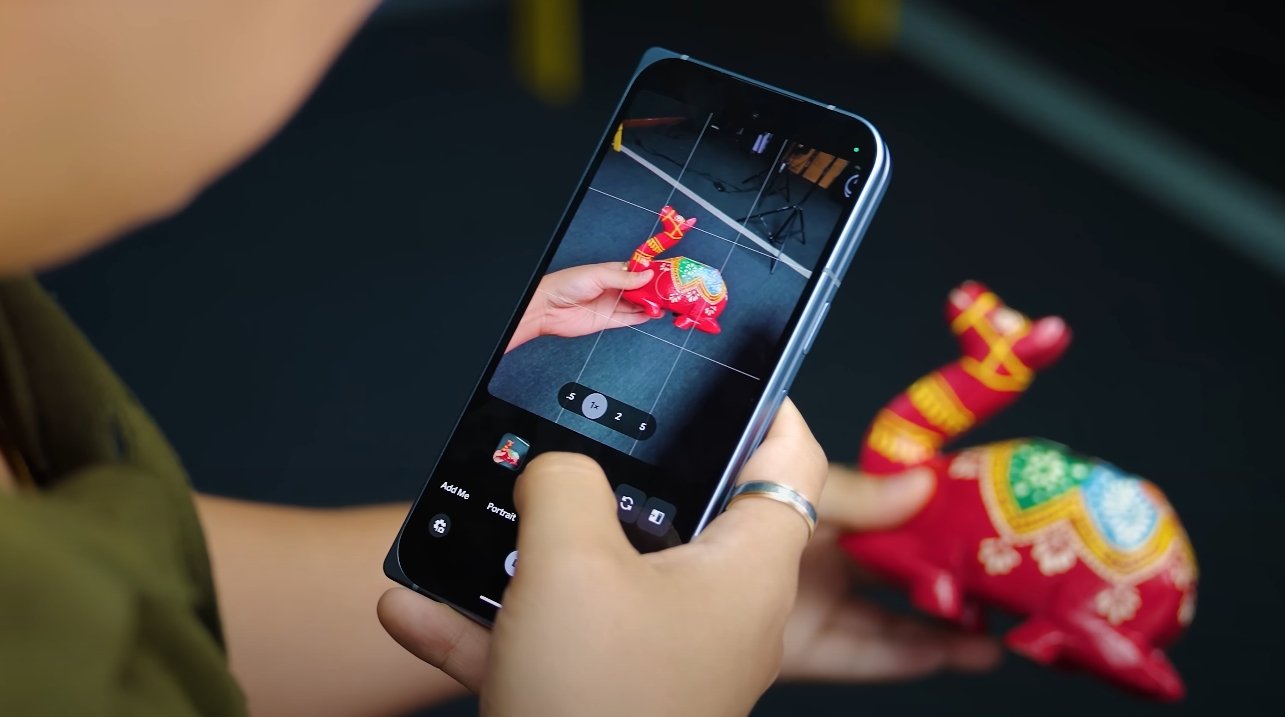
The Google Pixel 10 Pro Fold features a versatile triple-lens camera system that has drawn significant attention from reviewers. While the foldable design and large display are the device’s main highlights, its camera capabilities remain a key consideration for potential buyers. Reviewers have shared a variety of sample images, providing insights into both the strengths and limitations of the Pixel 10 Pro Fold’s photography.

The device is equipped with a 48MP primary camera designed for capturing detailed and sharp images in a variety of lighting conditions. It also includes a 10.8MP telephoto lens offering 5x optical zoom and a 10.5MP ultrawide camera. These lenses allow users to take wide scenic shots, close-up details, and everything in between. The combination of multiple lenses provides versatility that is expected from a flagship-level device, though performance in real-world conditions has been mixed according to reviewers.

In low-light scenarios, the Pixel 10 Pro Fold performs competently but not exceptionally. Reviewers noted that shots in dim or sunset lighting sometimes appear overexposed, with highlights blown out and colors slightly muted. While the AI-assisted night mode helps brighten dark areas, the results can occasionally lack the warmth and natural color balance seen in other flagship devices. Despite these minor issues, the device still captures usable low-light images suitable for social media or casual photography.

Pixel 10 Pro Fold camera samples shared by reviewers

For food photography, the Pixel 10 Pro Fold demonstrates adequate sharpness but tends to over-sharpen or flatten colors in some situations. Dishes like pasta or grilled meats may appear less vibrant compared to images taken on other high-end Pixel devices. Reviewers point out that adjusting lighting conditions or using the foldable display to frame shots more carefully can improve results, but the camera’s natural color processing may still be inconsistent.

The telephoto lens performs well up to 5x optical zoom, though reviewers noticed some noise in the background when zooming into distant subjects. Trees, skies, or architectural details may exhibit slight graininess, particularly in bright outdoor light. While the main lens captures detailed images with strong dynamic range, the telephoto lens may fall short in comparison to the primary sensor. Despite this, the zoom functionality remains useful for portrait shots or capturing subjects at a distance without losing framing flexibility.

Ultrawide shots are another area where the Pixel 10 Pro Fold performs reliably. Landscapes, group photos, and architectural shots maintain clarity across the frame, though edge distortion can occasionally appear at the corners. Reviewers noted that the device’s AI corrections help minimize warping and maintain overall image balance. The combination of wide, telephoto, and ultrawide lenses provides a comprehensive photography package for most everyday scenarios.

AI-powered features enhance the Pixel 10 Pro Fold’s camera experience. Tools like composition guidance and automatic scene optimization assist users in capturing better photos without manual adjustments. However, reviewers suggest that these features are not a substitute for hardware limitations. While AI helps improve color balance, focus, and exposure, it cannot fully overcome issues like overexposure in sunsets or noise in telephoto shots. Users who are willing to manually adjust settings may achieve slightly better results.

Pixel 10 Pro Fold camera samples shared by reviewers

Overall, the Pixel 10 Pro Fold offers a capable camera system suitable for casual photographers and users who value the foldable form factor. While it may not fully match the Pixel 10 Pro in certain conditions, particularly in low-light or telephoto performance, the device provides versatility with multiple lenses and AI enhancements. The camera produces solid, shareable images in most lighting situations, making it a strong option for users prioritizing a foldable experience with reliable photography capabilities.

Reviewers’ sample images suggest that the Pixel 10 Pro Fold’s camera excels in daylight and well-lit environments while delivering usable but slightly inconsistent results in more challenging scenarios. The AI features and lens combination create a balanced experience for everyday photography, social media sharing, and creative experimentation. Users seeking a foldable device with good photography potential will find the Pixel 10 Pro Fold to be a versatile and functional choice that blends innovative hardware with competent imaging performance.

Also Read:  Pixel 10 Pro Fold vs iPhone 16 Pro Max Camera Test

Pixel 10 Pro Fold MagSafe-Style Accessories Support

Pixel 10 Pro Fold MagSafe-Style Accessories Support

Google Brings Magnetic Accessory Compatibility to the Pixel Series

The Pixel 10 Pro Fold marks a major evolution in Google’s hardware lineup, introducing official support for magnetic charging and accessories similar to Apple’s MagSafe system. This feature, designed around the new Qi2 wireless charging standard, brings convenience and versatility to Pixel users who have long awaited a unified magnetic ecosystem for their devices.

For the first time on a Pixel Fold model, Google has built magnets directly into the phone’s frame. These magnets allow the device to attach securely to compatible chargers, stands, wallets, and mounts. The design ensures precise alignment between the phone’s charging coil and the magnetic accessory, improving charging efficiency and preventing heat buildup from misaligned coils. This technology mirrors what iPhone users have enjoyed for several years but now expands to Android in a standardized way.

The new system supports 15W wireless charging speeds, delivering steady power while maintaining the safety features Google is known for. While wired charging remains faster for heavy users, the magnetic wireless setup offers convenience that suits everyday needs—especially for those who prefer to charge their phones while working, streaming, or using navigation in the car. The secure magnetic attachment also minimizes accidental disconnections, making it more reliable than earlier wireless charging methods.

Pixel 10 Pro Fold MagSafe-Style Accessories Support

Google has introduced its own line of official magnetic accessories, including chargers, stands, and cases designed specifically for the Pixel 10 Pro Fold. These products are optimized to match the magnetic alignment perfectly, ensuring strong attachment and consistent performance. Third-party manufacturers are also preparing Qi2-compatible accessories, meaning Pixel owners will soon have a wide selection of stands, wallets, grips, and mounts to choose from. Because Qi2 is a universal standard, the Pixel 10 Pro Fold’s magnetic system should also work with many existing MagSafe accessories already available on the market.

This compatibility opens up a new level of convenience for Pixel users. From desk charging stands to magnetic car mounts and portable power banks, the accessories that once only worked with iPhones can now serve both ecosystems. It’s a step toward bridging the gap between major smartphone platforms and offering more flexibility for consumers who want premium-quality add-ons without switching devices. For travelers and professionals who rely on fast, hands-free setups, this could be one of the most practical upgrades in the Pixel lineup.

However, there are still some limitations to consider. While Qi2 magnetic charging ensures up to 15W power transfer, it cannot match the speed of Google’s 30W wired charging. Users seeking the fastest possible top-up will still benefit from using a cable. Additionally, certain thick or metallic cases could interfere with magnetic alignment and reduce the grip or charging efficiency. For the best results, Google recommends using certified Qi2 or official Pixel accessories designed to maintain the optimal distance between magnets and coils.

Despite these caveats, the integration of magnetic accessory support represents a major step forward for Google’s foldable line. It shows the company’s commitment to blending convenience, modern standards, and cross-platform usability. The Pixel 10 Pro Fold is not only a powerful device in terms of performance and camera capabilities but also a versatile companion that fits seamlessly into a growing magnetic ecosystem.

As more accessory makers embrace the Qi2 standard, Pixel owners will gain access to an expanding range of reliable and stylish magnetic products—from power banks and desk docks to travel chargers and stands. For users who value simplicity and function, the Pixel 10 Pro Fold delivers both, proving that foldable technology and magnetic convenience can now coexist in a sleek and premium form.

Also Read:  Vivo X300 FE gaming test results show stable USA frame rates

Pixel 10 Pro Fold color options officially confirmed

Pixel 10 Pro Fold color options officially confirmed

Exploring the Official Color Choices for the Pixel 10 Pro Fold

The Google Pixel 10 Pro Fold, released in October 2025, has officially confirmed two distinct color options: Jade and Moonstone. These new shades mark a significant shift from the traditional colors seen in previous Pixel models, such as Obsidian and Porcelain. Google’s decision to introduce these modern and visually striking colors reflects a growing trend in premium smartphones where aesthetics are as important as performance. The color options are carefully designed to appeal to a wide range of users, allowing them to select a device that aligns with their personal style while showcasing the cutting-edge technology inside.

The Jade variant presents a soft pistachio green hue accented by a subtle gold frame. This combination produces a warm and inviting aesthetic that stands out from more conventional smartphone colors. The green tone is muted enough to remain elegant and professional while still offering a unique identity. The gold accents provide a touch of luxury, creating a harmonious contrast with the main body color. This variant is ideal for users who want a premium-looking device that is visually distinct without being overly flashy. It offers a sense of personalization and flair, ensuring that the Pixel 10 Pro Fold feels like a statement piece in addition to a functional device.

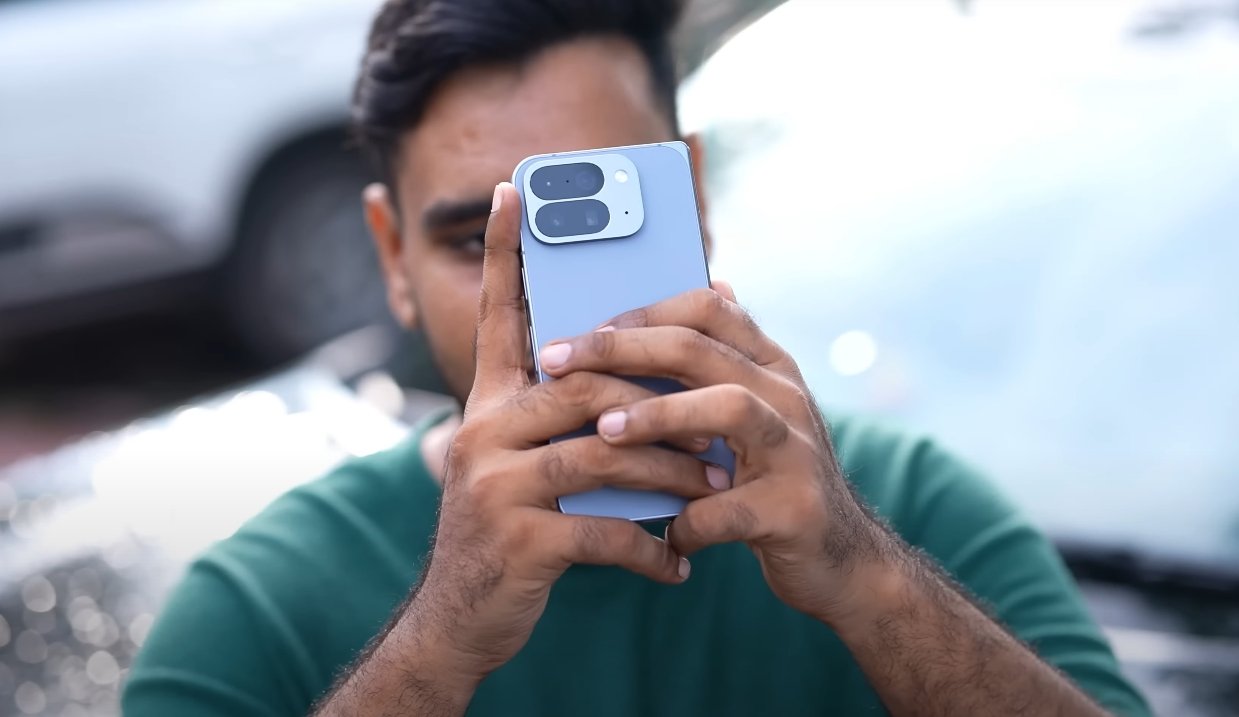
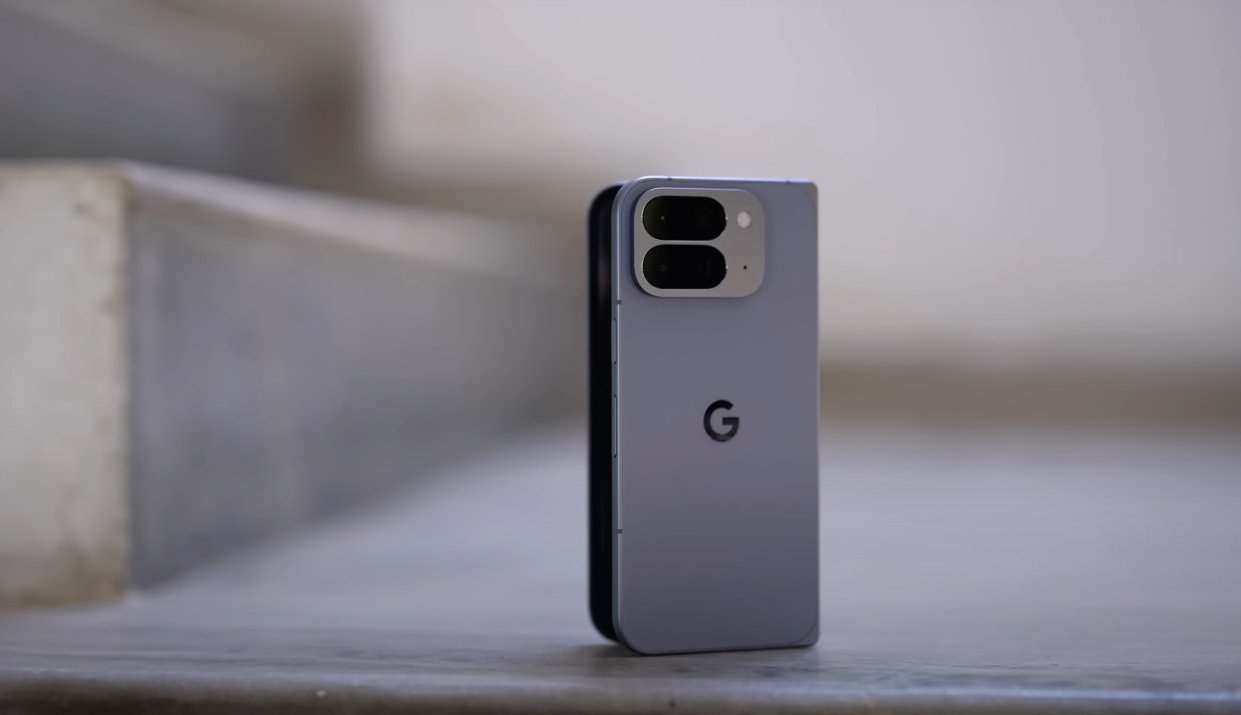
In comparison, the Moonstone variant provides a sleek and contemporary appearance with its cool, silvery-blue tone accented by hints of gray. This color conveys sophistication and modernity, appealing to users who prefer a more understated yet stylish look. The silvery-blue finish complements the Pixel 10 Pro Fold’s high-end design, emphasizing the device’s clean lines and foldable form factor. Moonstone is particularly attractive for professional settings or for users who appreciate subtle elegance. The understated color choice does not distract from the device’s design or features but instead enhances its overall premium feel.

Pixel 10 Pro Fold color options officially confirmed

Both color options are offered across all storage variants of the Pixel 10 Pro Fold, which include 256GB, 512GB, and 1TB. The Jade variant is available up to 512GB, while the Moonstone variant offers storage options up to 1TB. This ensures that users have flexibility in selecting both the color and capacity that best meets their needs. High storage configurations paired with these premium colors allow the device to appeal to users who require ample space for apps, media, and productivity tasks while maintaining an aesthetic that reflects their personal taste.

The introduction of Jade and Moonstone highlights Google’s commitment to combining form and function in its foldable lineup. The company recognizes that premium smartphones are not only tools for communication and productivity but also personal style statements. By offering distinctive colors, Google ensures that users can express their individuality while enjoying the advanced capabilities of the Pixel 10 Pro Fold, including its large foldable display, high-performance processor, and versatile camera system.

Moreover, the choice of colors also enhances the device’s appeal in a competitive market. Foldable smartphones are becoming increasingly popular, and aesthetics play a crucial role in consumer choice. The Jade and Moonstone finishes provide a fresh alternative to more traditional black, white, or gray options, making the Pixel 10 Pro Fold stand out in both retail displays and in daily use. The colors are designed to photograph well, maintain a premium look over time, and complement the device’s hinge and metallic accents.

In addition to aesthetics, the colors have been carefully integrated with the phone’s overall design. The hues are subtle enough to appeal to a broad audience but bold enough to make the device feel modern and exclusive. Google has balanced color vibrancy with elegance, ensuring that the Pixel 10 Pro Fold remains a device that conveys sophistication, technological advancement, and personal expression.

Overall, the Jade and Moonstone color options for the Pixel 10 Pro Fold represent Google’s focus on user choice, personalization, and premium design. They allow the device to appeal to a wide range of users, from those seeking a bold and stylish statement to those who prefer subtle, sophisticated elegance. Combined with the Pixel 10 Pro Fold’s advanced hardware, large foldable display, and innovative features, these colors enhance the overall ownership experience. They demonstrate that Google is not only focused on technology but also on how users interact with and perceive their devices on a daily basis.

In conclusion, the official confirmation of Jade and Moonstone as color options for the Pixel 10 Pro Fold emphasizes the importance of design and personalization in modern smartphones. These options provide both aesthetic appeal and functional integration with the device’s overall design, ensuring that the Pixel 10 Pro Fold is not only a technological marvel but also a stylish accessory. Users now have the ability to choose a foldable smartphone that reflects their personality while delivering top-tier performance, innovative features, and a premium user experience.

Also Read:  Pixel 10 Pro Fold connectivity and 5G bands for USA

Pixel 10 Pro Fold Repair and Screen Replacement Cost

Pixel 10 Pro Fold Repair and Screen Replacement Cost

What It Costs to Fix Google’s Premium Foldable

The Pixel 10 Pro Fold is one of Google’s most advanced smartphones yet, featuring a dual-display foldable design and premium build materials. However, with that innovation comes higher repair costs—especially when it comes to the foldable screen. Whether you’re dealing with a cracked display, hinge issue, or internal damage, understanding the potential costs can help you decide whether to repair or protect your device with a plan.

For users in the United States, the estimated official repair cost for the Pixel 10 Pro Fold varies depending on the component and type of damage. If you damage the outer cover display, the replacement typically costs around $250 to $300, including parts and labor. This front panel is similar to traditional smartphone screens and is relatively straightforward to replace compared to the foldable inner display.

The inner folding screen, however, is a much more complex repair. Because it involves flexible OLED technology, specialized adhesives, and precise alignment, its replacement cost is significantly higher. Out-of-warranty users should expect to pay around $400 to $600 for the internal foldable screen replacement if done through official service centers. Independent repair shops may offer lower prices, but they often rely on third-party parts that may not match the original display’s quality or touch sensitivity.

Pixel 10 Pro Fold Repair and Screen Replacement Cost

For those with Google’s Pixel Care Plus protection plan, the financial impact of screen damage is far less severe. This plan, which costs roughly $18 per month or about $339 for two years, covers accidental damage, including screen repairs and battery replacements. Under this plan, repairing or replacing a cracked outer display or degraded battery typically comes with no deductible. However, if the inner foldable display is damaged, Google applies a $99 deductible for repair or replacement. This coverage makes Pixel Care Plus a valuable option for foldable owners, as foldable screen repairs are among the most expensive in the smartphone market.

For customers without the protection plan, Google-authorized repair centers and partners like uBreakiFix handle most Pixel repairs. Labor costs can vary depending on location, but on average, users can expect to pay around $50 to $100 in labor fees on top of part costs. In total, repairing a foldable screen without coverage could easily approach $500 or more, depending on the extent of the damage.

Aside from the screens, other repair costs are relatively moderate. A battery replacement usually costs about $100 to $130, while repairing minor damage like the rear glass panel or camera lens may range from $75 to $200. The hinge mechanism—a critical part of any foldable—is designed for durability, but if it fails due to impact or debris, it can cost $200 to $300 to fix, given the complexity of the component.

To minimize repair expenses, users are encouraged to invest in a protective case and a screen protector specifically designed for foldable displays. Google’s official accessories, including the Pixel Fold Case and Fold Screen Protector, can help prevent scratches and cushion the device during drops. Given the high cost of inner screen repairs, even small protective measures can make a significant financial difference over time.

In summary, repairing the Pixel 10 Pro Fold can range anywhere from $250 for minor outer display issues to over $600 for major foldable screen damage if you don’t have coverage. With the Pixel Care Plus plan, those costs drop dramatically, with most users paying little to nothing for repairs beyond the deductible. Considering the high price of foldable technology, investing in protection or using a trusted repair service is the smartest move to keep Google’s flagship foldable running like new.

Pixel 10 Pro Fold retail box unboxing experience

Pixel 10 Pro Fold retail box unboxing experience

A First Look at the Pixel 10 Pro Fold Packaging and Contents

The Google Pixel 10 Pro Fold comes in a sleek, premium retail box designed to reflect the flagship nature of the device. Opening the package provides a sense of anticipation and quality, giving users their first real impression of the foldable smartphone. Every detail of the unboxing experience has been carefully considered, from the layout of the contents to the presentation of the device itself.

The outer box is minimalistic, featuring the Pixel branding and a subtle image of the foldable phone. The sturdy cardboard packaging protects the device during shipping while maintaining a modern and premium aesthetic. Once the top lid is lifted, the Pixel 10 Pro Fold is immediately visible, nestled securely in a molded tray that ensures it stays safe and pristine. The device’s large foldable display is the first thing to catch the eye, emphasizing its flagship status.

Underneath the phone, the box is organized to house all included accessories. Google has included a USB-C to USB-C cable, capable of supporting fast charging and data transfer. While the company no longer bundles a power adapter in all regions, the box may include one in certain markets to allow immediate use out of the box. Additionally, a SIM eject tool is included, along with a small packet containing the quick start guide and warranty information. These materials are neatly arranged, reflecting Google’s attention to presentation and user convenience.

Pixel 10 Pro Fold retail box unboxing experience

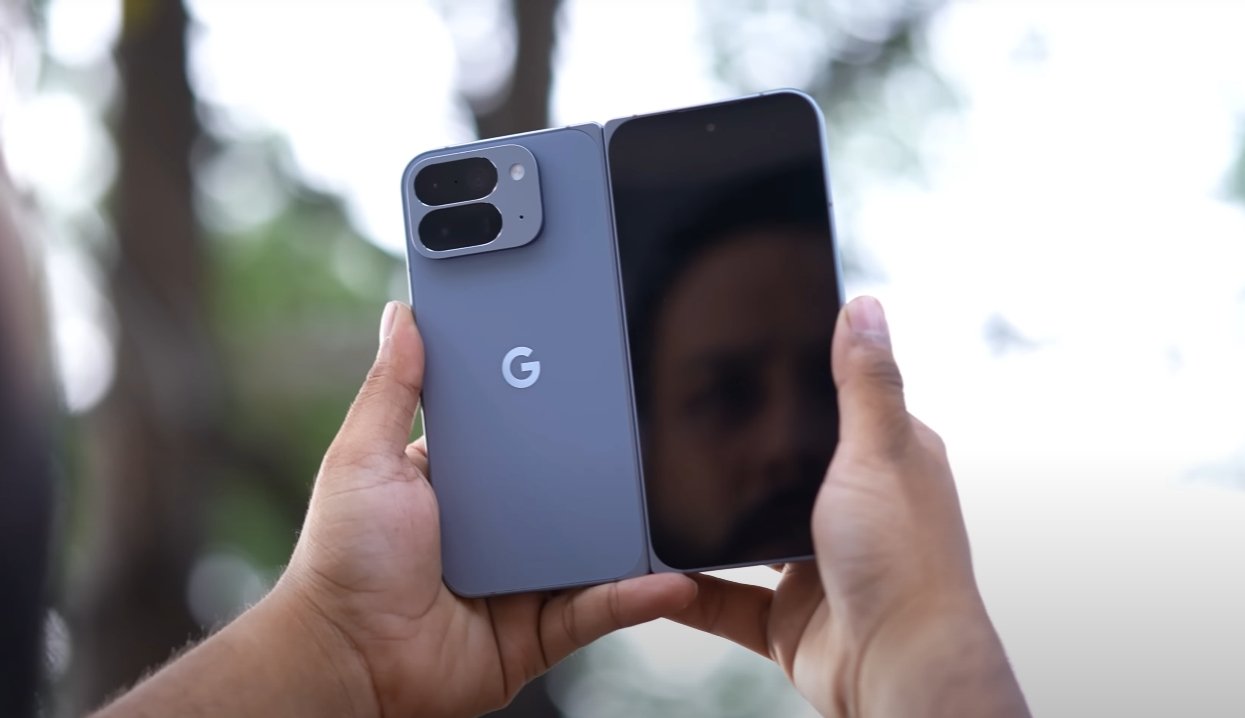
The unboxing process highlights the phone’s premium design. The Pixel 10 Pro Fold feels solid yet lightweight when lifted from its tray, and the hinge mechanism is immediately noticeable. Users can unfold the device for the first time, experiencing the large 8-inch inner display and the more compact outer display. The fold is smooth, and the crease along the hinge is barely noticeable, demonstrating the engineering improvements over previous foldable models.

Some editions of the retail box may also include promotional materials or offers, such as discounts on Google services or trial subscriptions for apps. These extras add value and create a more complete initial experience for new users. Google’s packaging aims to balance simplicity with excitement, providing a premium feel without excessive packaging materials.

Overall, the Pixel 10 Pro Fold unboxing experience emphasizes quality, attention to detail, and the excitement of owning a flagship foldable device. From the secure packaging and neat arrangement of accessories to the immediate impact of the unfolded display, the retail box is designed to enhance the first impression of the phone. Users are given everything they need to start using the device immediately, with a presentation that reflects the innovation and premium nature of the Pixel 10 Pro Fold.

This unboxing highlights Google’s commitment to user experience, showing that even the packaging and initial interaction with the device are designed to impress and create a sense of value for early adopters. It sets the tone for the overall ownership experience, combining practicality, aesthetics, and the thrill of opening one of the most advanced foldable smartphones on the market today.

Pixel 10 Pro Fold Official USA Store Availability Date

Pixel 10 Pro Fold Official USA Store Availability Date

When to Expect Google’s New Foldable on Sale

Google has officially confirmed that the Pixel 10 Pro Fold will become available for purchase in the United States on October 9, 2025. This launch date marks one of the most anticipated moments in Google’s 2025 product lineup, signaling the company’s next major step in the foldable smartphone market. The device will be sold directly through the Google Store, as well as major U.S. retailers and carrier partners.

Preorders for the Pixel 10 Pro Fold are already live, allowing early buyers to secure their device before it officially ships. Google typically begins processing and shipping preorders within a few days of the public release date, meaning customers who preorder should expect delivery between October 9 and October 12, depending on shipping location and availability. As with previous Pixel launches, inventory is expected to be limited at first, especially for specific color options and higher storage configurations.

In addition to the Google Store, major retailers such as Best Buy, Amazon, and carrier partners including Verizon, AT&T, and T-Mobile will also begin offering the Pixel 10 Pro Fold starting on October 9. These partners will provide a range of purchasing options, including installment plans, trade-in credits, and bundle offers that include accessories or discounted service plans. Carrier-locked versions will likely ship on the same day as the unlocked Google Store models, ensuring simultaneous nationwide availability.

Pixel 10 Pro Fold Official USA Store Availability Date

Google’s decision to launch the Pixel 10 Pro Fold in early October aligns with its established release cycle. The company traditionally unveils new hardware during its annual Made by Google event in early fall, followed by immediate preorder openings and a public availability date about a week later. This approach allows Google to capitalize on the pre-holiday shopping season while staying ahead of Black Friday sales and Apple’s fall releases.

The U.S. rollout will focus on three color variants: Obsidian Black, Porcelain White, and Hazel Green, with storage options ranging from 256GB to 1TB. All models will be available simultaneously through the Google Store, though limited-edition colors or regional exclusives may appear later in the year. Google is also expected to promote bundled offers with its Pixel Buds Pro 2 and Pixel Watch 3, designed to highlight the strength of the Pixel ecosystem.

For buyers eager to get the device as soon as possible, purchasing directly from the Google Store is likely the fastest route. Google’s online store typically ships orders earlier than third-party retailers and offers extended warranty and protection plans through Preferred Care. Customers who enroll early may also qualify for promotional financing or trade-in bonuses when exchanging older Pixel devices.

In short, the Pixel 10 Pro Fold officially launches in the United States on October 9, 2025, with preorders currently open and shipping expected to begin immediately after release. Buyers will be able to purchase it from the Google Store, leading carriers, and major electronics retailers. With strong early demand and limited initial stock, those planning to upgrade should secure their preorder soon to ensure they receive their device on launch day.