Origin OS speeds up system animations for UK users

Origin OS speeds up system animations for UK users

Faster motion and smoother navigation impress British smartphone owners

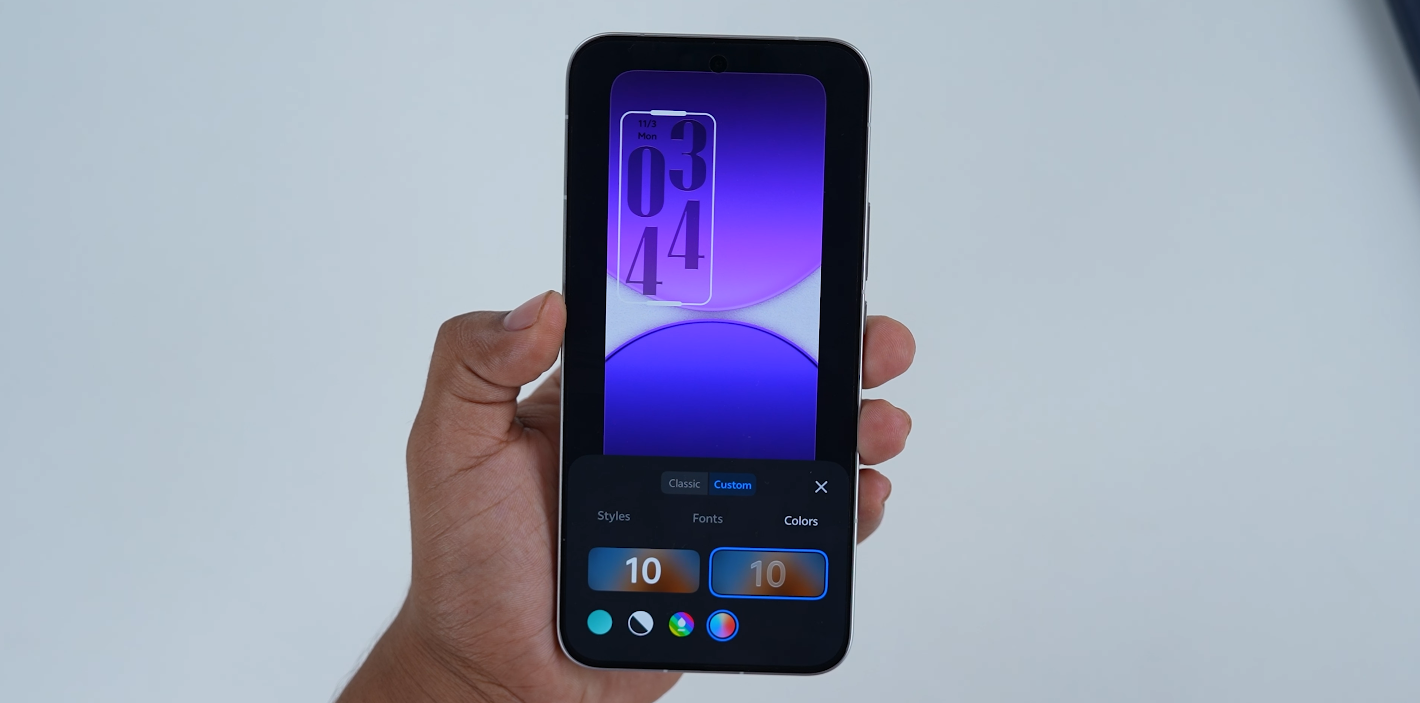
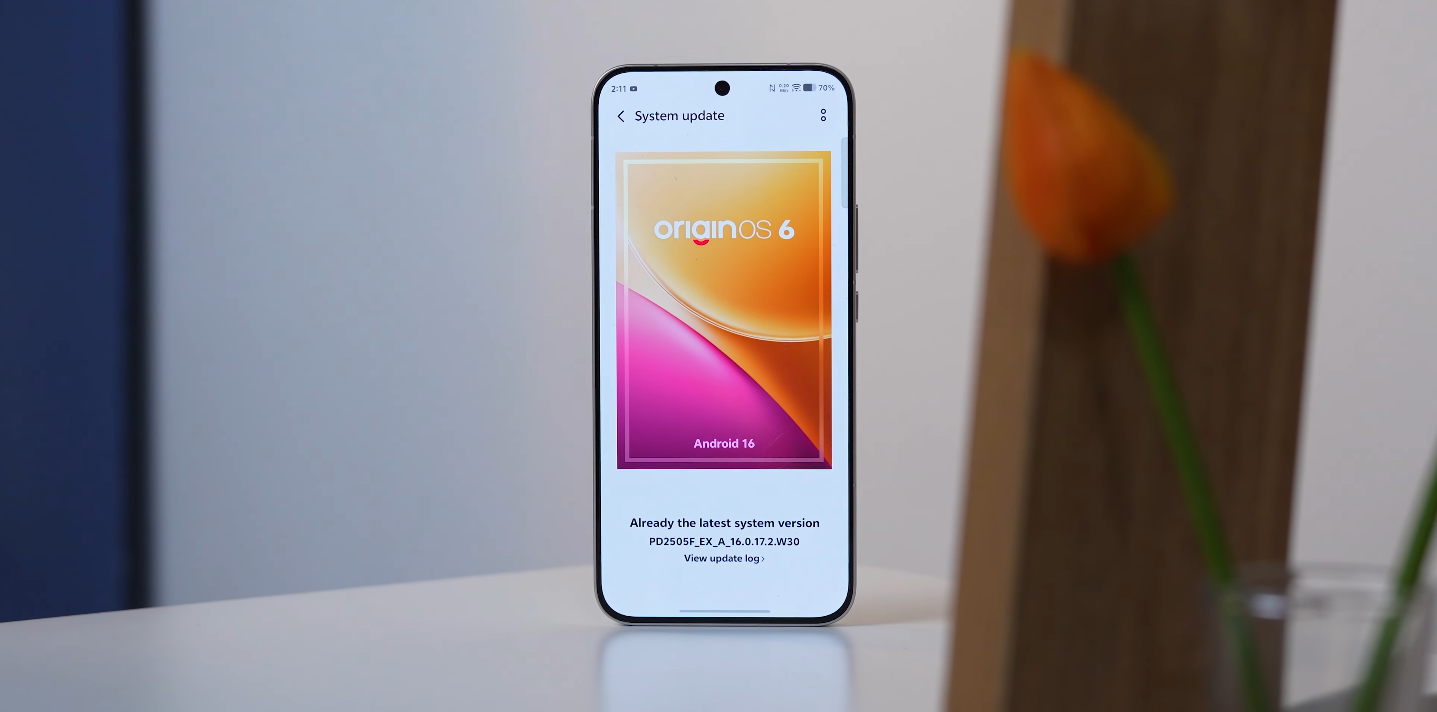
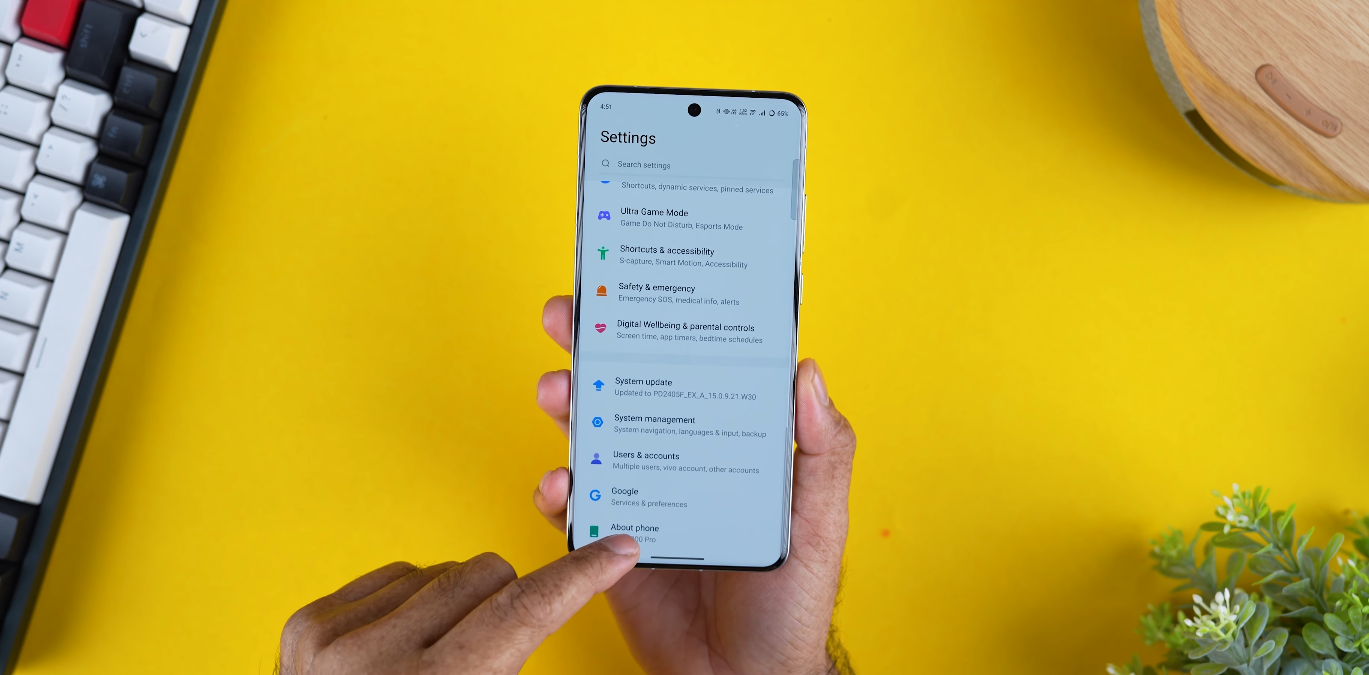
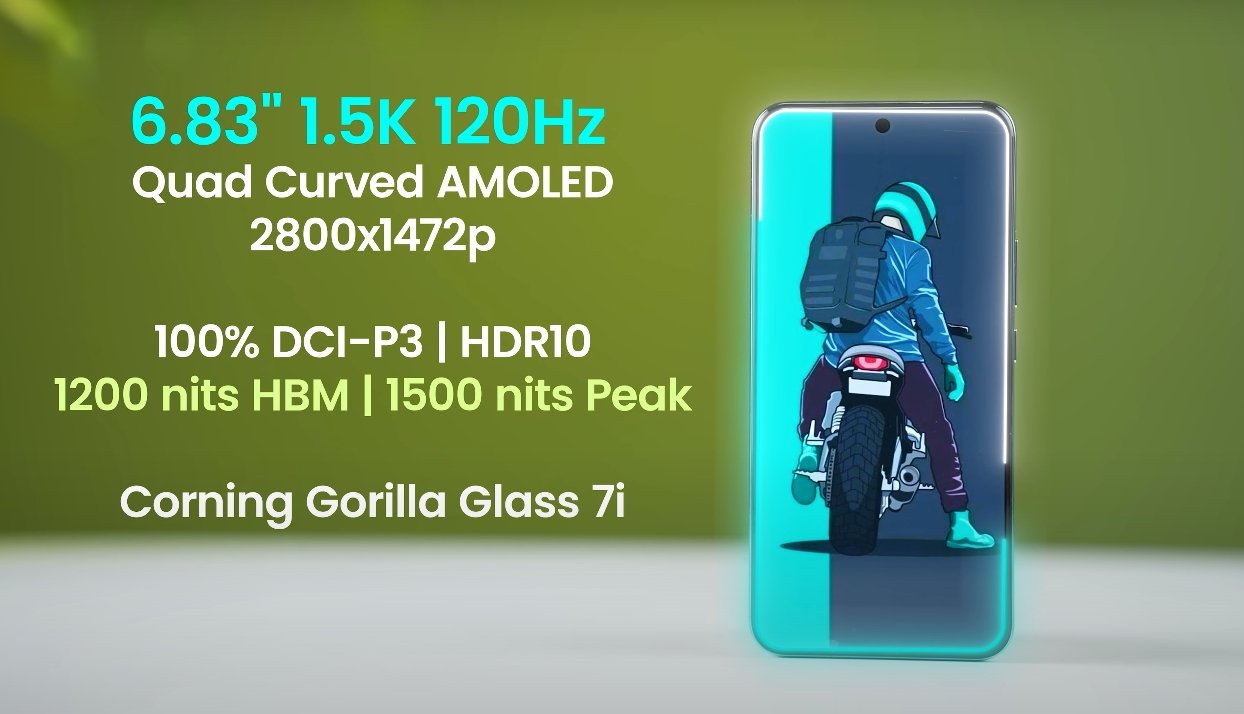
UK smartphone users trying Origin OS on Vivo devices are noticing that the system’s animations feel faster and smoother than many other Android skins. This improvement in motion design has become a frequent point of praise among British tech fans who enjoy responsive navigation. While Origin OS is still mainly found on imported Vivo smartphones in the UK, users say its refined animations help the software feel more polished and modern in everyday use.

One reason for the speed boost is Vivo’s focus on reducing lag between taps and visual feedback. UK testers report that screens open quickly and gestures trigger motions without delays. This makes browsing apps, scrolling menus, and switching tasks feel natural and uninterrupted. The responsiveness is especially noticeable for users upgrading from older Vivo devices running previous software versions, where animations were slower and heavier.

The software also adjusts animation speeds based on task type. UK users say simple actions like opening the app drawer or returning to the home screen appear almost instant. More complex transitions, such as launching the camera or multitasking interface, run smoothly without stutter. This balance gives the phone a fast flow while keeping visual clarity strong. The design choice helps the system avoid the rushed or abrupt movements sometimes seen on other Android devices.

Origin OS speeds up system animations for UK users

Foldable Vivo models further highlight these animation improvements. When UK owners unfold the screen on devices like the Vivo X Fold series, the interface expands quickly to fill the larger display. Apps and widgets shift into place smoothly, maintaining a consistent viewing experience. This lets British users enjoy multitasking and productivity apps with fewer interruptions, which is valuable for people using their phone for work on the go.

Gaming and performance-focused users also appreciate how well animations work during heavy tasks. UK testers say the system keeps menus and overlays fluid even when processing demanding content. Game tools open faster and remain responsive, helping maintain control without lag. This ability to handle performance changes smoothly contributes to the feeling that the software is carefully tuned, not just visually enhanced.

Animation improvements also help Origin OS appear cleaner. UK reviewers point out that motion design is not only faster but more refined, with less visual clutter. Windows close neatly, icons respond with gentle movement, and transitions do not distract from the task at hand. This supports a professional look that appeals to British users who prefer simple, organised UI behaviour instead of exaggerated effects.

Battery-friendly optimisation is another part of the experience. Even with improved animations, the system maintains strong power efficiency by managing background processes carefully. UK users report that faster visuals do not result in faster battery drain. Instead, the phone feels both quick and long-lasting, offering a smooth experience throughout the day. This balance between style and endurance helps Origin OS stand out from heavier Android skins.

Some UK users still need to adjust settings after importing devices. Permissions must be configured so apps remain responsive and notifications stay reliable. Network compatibility varies by model, and updates arrive at different times depending on the region. But once those details are handled, the software’s animation quality remains one of its biggest strengths. British early adopters say these motion improvements make Vivo devices feel premium even before exploring deeper features.

Overall, UK smartphone owners agree that faster and cleaner animations help Origin OS deliver a more fluid Android experience. The combination of swift transitions, smooth gestures, foldable support, and visual consistency creates a polished feel that appeals to users who expect top performance from their phones. As Vivo expands further into Europe, these design advantages could help Origin OS grow into a recognised and respected option for UK buyers seeking both speed and sophistication in their mobile software.
OxygenOS 16 vs Samsung One UI 7 smoothness check

OxygenOS 16 vs Samsung One UI 7 smoothness check

Comparing fluidity and performance on modern flagship devices

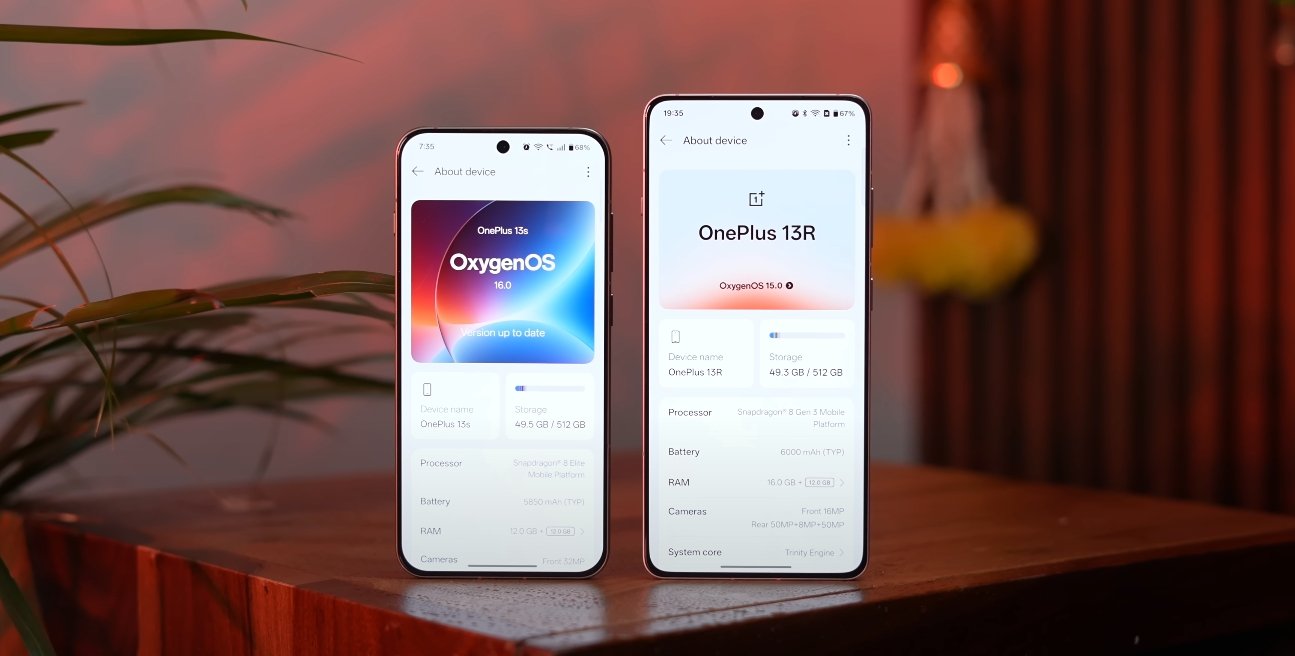
OxygenOS 16 and Samsung One UI 7 are two of the most advanced Android interfaces available, each with its own approach to smoothness, animations, and system responsiveness. Early feedback from U.S. users and testers highlights how both interfaces perform in daily tasks, multitasking, and gesture navigation. While both are designed for high-end devices, differences in design philosophy and system optimization create distinct user experiences.

OnePlus has emphasized fluidity in OxygenOS 16 through features like Flow Motion and adaptive system animations. App transitions, scrolling, and gesture interactions feel highly responsive, particularly on high refresh-rate displays. Users report minimal lag when switching between apps or navigating the home screen, and multitasking performance remains consistent even with multiple apps running in the background. The interface strikes a balance between visual polish and practical performance, maintaining smoothness without heavy battery drain.

Samsung One UI 7, built on Android 16, also focuses on smooth animations and system responsiveness but with a slightly different approach. One UI 7 emphasizes visually rich transitions and layered effects that create a premium aesthetic. Animations for app launches, notification panels, and multitasking are fluid, though some users notice slightly longer transition times compared to OxygenOS 16. Samsung’s One UI also offers extensive customization, but these added visual layers can sometimes make the interface feel heavier, particularly on mid-range devices.

OxygenOS 16 vs Samsung One UI 7 smoothness check

Scrolling performance is another key area of comparison. OxygenOS 16 is optimized for high refresh rates and adaptive rendering, delivering ultra-smooth scrolling in apps, menus, and web pages. One UI 7 performs well overall, but U.S. testers report minor stutters in certain system apps or when switching between multiple active windows. The difference is more noticeable on devices with lower refresh rates, where OxygenOS 16’s optimizations appear to maintain more consistent smoothness.

Gesture navigation and multitasking provide additional insight into smoothness. OnePlus has refined gestures in OxygenOS 16 to feel natural and responsive, with transitions between apps, split-screen modes, and the recent apps menu appearing seamless. One UI 7 also supports gestures, but the interface sometimes prioritizes aesthetic animation over speed, leading to slight delays in rapid multitasking scenarios. Users who prioritize efficiency and fluid responsiveness may find OxygenOS 16 more satisfying in daily use.

Both interfaces handle resource-intensive apps effectively. Gaming, streaming, and social media applications run smoothly on both OxygenOS 16 and One UI 7, though OxygenOS 16’s system-level optimizations allow for slightly faster app launch times and more responsive background performance. One UI 7 balances visual effects with performance, but the heavier UI elements can sometimes cause minor frame drops in fast-paced scenarios.

Overall, the smoothness comparison shows that OxygenOS 16 delivers a more consistently fluid experience across core system interactions, particularly in gesture navigation, scrolling, and multitasking. Samsung One UI 7 offers a visually rich and polished interface, but its heavier animations and layered effects can slightly reduce perceived speed. Both U.S. users and early testers note that OxygenOS 16 feels faster and more responsive in everyday use, while One UI 7 provides a more visually elaborate experience that may appeal to users prioritizing aesthetics alongside performance.

In conclusion, OxygenOS 16 excels in delivering smoothness and responsiveness, making it ideal for users who value fluid navigation and fast interactions. Samsung One UI 7 impresses with rich animations and visual depth, but OxygenOS 16 maintains a slight edge in practical speed and consistency, particularly on high-refresh-rate displays. Both interfaces are optimized for modern Android devices, yet their design philosophies create distinct experiences for end users.

Also Read:  Nothing Phone 3A Lite app optimization and multitasking

OxygenOS 16 vs Realme UI 6 interface speed test

OxygenOS 16 vs Realme UI 6 interface speed test

Comparing Interface Speed: OxygenOS 16 and Realme UI 6

When it comes to interface speed, both OxygenOS 16 and Realme UI 6 offer refined user experiences, yet they approach smoothness and performance in different ways. OxygenOS 16 emphasizes AI integration, multitasking, and fluid animations, while Realme UI 6 focuses on customization, lightweight design, and system optimization. Testing these operating systems in real-world scenarios helps determine which feels faster and more responsive for everyday use.

OxygenOS 16 introduces several performance enhancements aimed at improving responsiveness. The system leverages Parallel Processing 2.0, which allows animations and background processes to run concurrently, reducing delays when opening apps or switching between tasks. As a result, app launches feel faster, scrolling is smoother, and multitasking experiences are more fluid. Even under heavy usage, such as gaming while using social media or streaming video, OxygenOS 16 maintains consistent speed with minimal lag.

The update also incorporates Flow Motion, which enhances UI animation smoothness. Swipes, app launches, and transitions feel more continuous and natural, contributing to a perception of higher speed. CPU and memory optimizations further improve responsiveness, ensuring that both newer and slightly older devices benefit from faster system interactions. For users who multitask heavily or engage in resource-intensive applications, these enhancements make OxygenOS 16 particularly appealing.

OxygenOS 16 vs Realme UI 6 interface speed test

AI integration in OxygenOS 16 adds another layer of perceived speed. The Mind Space feature, powered by Google Gemini AI, organizes notes, screenshots, and voice memos, and provides contextual suggestions. By predicting user needs and preloading relevant content, AI helps reduce the steps required to perform tasks. This contributes to a sense of a faster, smarter interface that adapts to user habits, making routine actions quicker and more efficient.

Realme UI 6, on the other hand, emphasizes a minimalist and customizable interface. Built on ColorOS, it provides smooth navigation and fast app responsiveness, particularly on devices with sufficient RAM and processing power. While the system may experience minor lag on budget or older devices during intensive multitasking, it generally offers a reliable and fluid experience. Realme UI 6 prioritizes simplicity, ensuring that users do not encounter excessive system overhead that could impact speed.

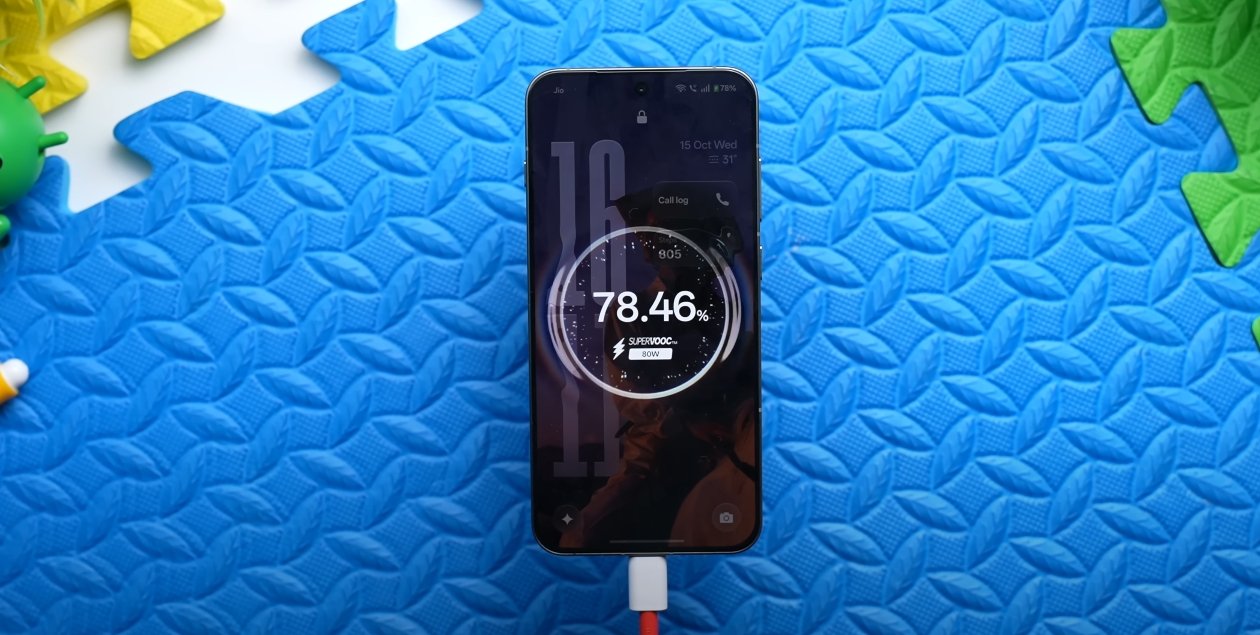
Battery efficiency also affects perceived interface speed. OxygenOS 16 incorporates adaptive battery management, which intelligently allocates resources to maintain performance while conserving power. Users experience longer device uptime without slowdown, even during extended periods of gaming or streaming. Realme UI 6 includes battery optimization features as well, but performance can vary depending on device hardware. On high-end devices, the interface remains fast, while on lower-end models, multitasking or extended usage may slightly reduce responsiveness.

Customization plays a role in how fast an interface feels. OxygenOS 16 offers clean layouts, customizable widgets, and dynamic themes like Flux Themes, which add a modern touch without compromising performance. Animations are optimized to ensure that visual effects do not hinder speed. Realme UI 6 provides extensive customization options, including icon packs, themes, and animation adjustments. While these features allow users to personalize their devices extensively, excessive customization can occasionally affect interface smoothness, particularly on devices with limited hardware resources.

In real-world usage, OxygenOS 16 tends to feel slightly faster and more fluid overall. The combination of optimized animations, AI-assisted task management, and efficient multitasking ensures that interactions feel seamless. Users notice quicker app launches, smoother transitions, and responsive gestures, even under heavy workloads. Realme UI 6, while responsive and reliable, focuses more on customization and simplicity rather than maximizing every frame of speed. On higher-end devices, it performs well, but OxygenOS 16’s additional optimizations give it an edge in raw interface smoothness.

Ultimately, the choice between OxygenOS 16 and Realme UI 6 depends on user priorities. Users who value speed, fluidity, and AI-enhanced multitasking will likely prefer OxygenOS 16. It provides a modern, responsive experience that maintains performance under demanding conditions. Those who prefer extensive customization, a minimalist interface, and simplicity may lean toward Realme UI 6, which offers a reliable and flexible system with ample personalization options.

In conclusion, both operating systems deliver strong performance, but OxygenOS 16 generally feels smoother due to its optimized animations, AI features, and multitasking enhancements. Realme UI 6 excels in customization and straightforward usability, offering a responsive interface on compatible devices. Understanding the balance between speed, features, and personal preferences helps users choose the operating system that best fits their needs, ensuring a satisfying and efficient smartphone experience.

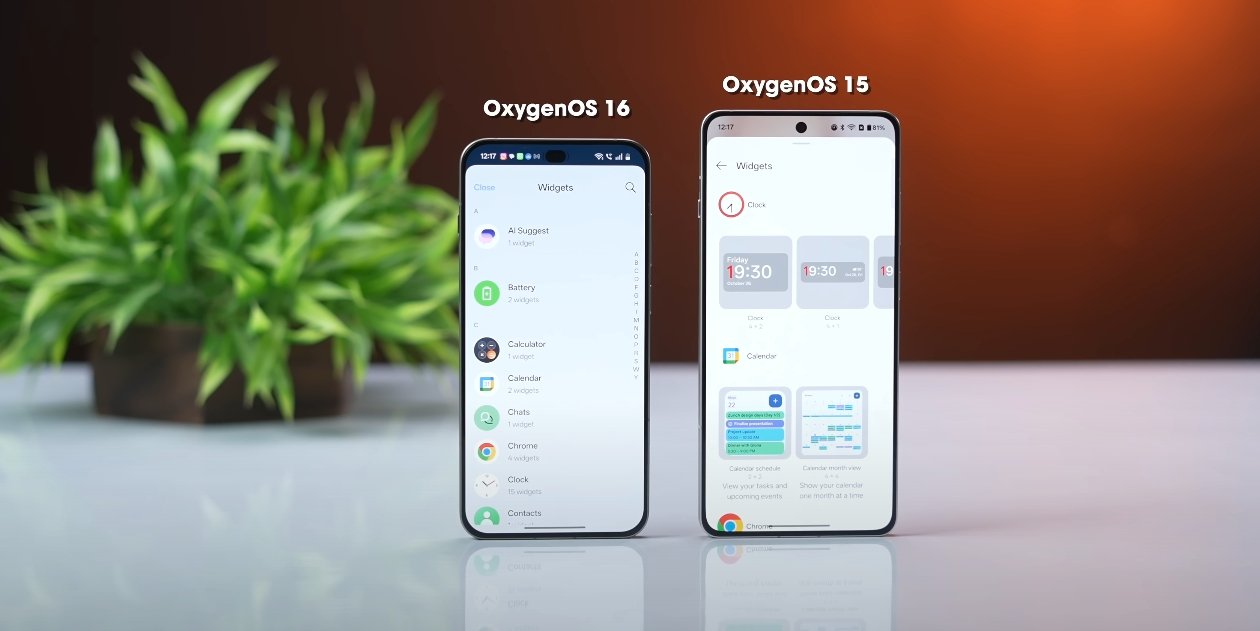
Also Read:  OxygenOS 16 new app drawer and widget design changes

People Are Searching OPPO F29 Pro For A Reason

The OPPO F29 Pro is quickly becoming one of the most searched mid-range smartphones, and that interest is not random. People are talking about it, sharing feedback, and recommending it — all because this phone is delivering on real-world expectations. It might not have the flashiest headlines, but it’s quietly making a strong case as a practical, reliable, and user-friendly device.


Curiosity Driven By Real Performance


What’s driving this rising interest is the consistent feedback from early buyers who are genuinely satisfied. The OPPO F29 Pro is showing that it doesn’t take gimmicks to win over users — just a phone that works well every day. Powered by the MediaTek Dimensity 7300 and paired with 8GB RAM, the device handles apps, multitasking, and entertainment without lags or system slowdowns.


Battery Life That Grabs Attention


Another key reason behind the rising search trend is battery performance. With a massive 6000mAh battery, the OPPO F29 Pro easily lasts all day and more. Combined with 80W fast charging, the phone appeals to users who want convenience and endurance. People are looking it up because they’ve heard from real users that this phone doesn’t need constant charging — and that’s rare in this price segment.


Simple Design That Works


The design of the OPPO F29 Pro is also turning heads. It’s not overly flashy, but it’s sleek, lightweight, and built to handle real-life use. The military-grade durability and IP69 rating make it practical for users who want something that lasts. As more people see reviews and photos of the device in daily use, interest in it keeps growing.


Camera That Does What It Needs To


The 50MP rear camera may not be a show-stopper on paper, but users are sharing positive experiences with it. It captures clean, well-balanced images in good lighting and doesn’t require a lot of effort or filters. For casual photography, it works just fine — and that’s what most buyers are really looking for.


Final Word On Its Popularity


People are searching for the OPPO F29 Pro because it offers something rare — a phone that doesn’t overpromise but still delivers. It’s not about flashy promotions or exaggerated specs. It’s about performance, battery life, clean design, and simplicity. That’s why more and more users are giving it a look, and many are choosing it over trendier options. It just quietly works — and that’s exactly what makes it worth the attention.

Phil Spencer’s Legacy: A New Era for Microsoft in the UK

Phil Spencer, Microsoft Gaming CEO, receives the D.I.C.E. Lifetime Achievement Award in 2022, a testament to his enduring contributions to the gaming industry in the UK

Phil Spencer’s Enduring Impact on Microsoft’s Gaming Division

Phil Spencer’s retirement as Microsoft Gaming CEO has sent shockwaves throughout the industry, with many praising his 38-year tenure at the company. His contributions to the Xbox brand have been instrumental in shaping its success. As a veteran developer, his influence will be deeply felt in the UK gaming scene.

Spencer’s journey began with projects like Encarta, before joining the Xbox team as general manager of Microsoft Game Studios EMEA. His eventual promotion to executive VP was a testament to his dedication and vision. The D.I.C.E. Lifetime Achievement Award he received in 2022 is a fitting tribute to his achievements.

Under Spencer’s leadership, Microsoft has made significant strides in the gaming industry, with a strong focus on the UK market. His commitment to innovation and community engagement has been exemplary, and his legacy will continue to inspire future generations of gamers and developers in the UK.

The UK gaming community is eagerly awaiting the next chapter in Microsoft’s story, with many speculating about the company’s future plans. One thing is certain, however: Phil Spencer’s impact on the industry will be remembered for years to come, and his contributions to Microsoft’s success in the UK will be cherished by gamers and developers alike.

As the gaming landscape continues to evolve, Microsoft is well-positioned to succeed in the UK, thanks to Spencer’s tireless efforts. His passion for gaming and his ability to analyse the needs of the UK market have been invaluable assets to the company. The future of gaming in the UK looks bright, and Phil Spencer’s legacy will be a lasting one.

The retirement of Phil Spencer marks the end of an era, but it also presents an opportunity for Microsoft to build on his achievements and continue to thrive in the UK gaming scene. With a strong foundation in place, the company is poised to make even greater strides in the years to come, and cement its position as a leader in the UK gaming industry.

The UK gaming community will undoubtedly miss Phil Spencer’s leadership and vision, but his impact will be felt for years to come. As a veteran developer, his contributions to the industry have been immeasurable, and his legacy will continue to inspire and motivate gamers and developers in the UK. The future of gaming is bright, and Phil Spencer’s enduring impact will be a lasting one.

In conclusion, Phil Spencer’s retirement is a significant milestone in the history of Microsoft’s gaming division. His contributions to the company and the UK gaming scene have been profound, and his legacy will continue to shape the industry for years to come. As the company looks to the future, it is clear that Phil Spencer’s impact will be deeply felt, and his influence will continue to be celebrated by gamers and developers in the UK.

Overwatch 2 Name Change: Blizzard Drops the ‘2’ in Favour of a Simpler Title

Overwatch logo with a red '2' crossed out, symbolising the game's name change. The image features a bold, colourful design with a focus on the Overwatch brand. The primary keyword, Overwatch, is prominently displayed, highlighting the game's new title. The image is eye-catching and engaging, making it perfect for fans of the game.

Overwatch 2 Name Change: What’s Behind the Decision?

Blizzard Entertainment has made a significant announcement regarding its popular team-based shooter, Overwatch 2. As part of its recent Overwatch Spotlight event, the company revealed that it would be dropping the ‘2’ from the game’s title, reverting back to simply ‘Overwatch’. This change is set to take effect moving forward, and it has left many fans wondering what prompted this decision.

The Overwatch Spotlight event, which took place earlier today, provided an overview of what players can expect from the game in the coming year. The 35-minute presentation covered various topics, including new content and updates. However, it was the announcement regarding the game’s title that stole the show. According to Overwatch game director Aaron, the decision to drop the ‘2’ was made to simplify the game’s branding and make it more accessible to new players.

The name change is likely to have a significant impact on the game’s marketing and branding strategy. By reverting back to the original title, Blizzard may be attempting to attract new players who may have been deterred by the ‘2’ suffix. The company may also be trying to create a sense of continuity with the original game, which has a dedicated fan base. Whatever the reason, the change is sure to generate a lot of discussion among fans and players.

The World of Warcraft showcase, which took place last week, provided a glimpse into Blizzard’s plans for its other major titles. The company has a packed schedule of events and updates, including the upcoming Diablo IV and Hearthstone releases. With the Overwatch name change, Blizzard is clearly looking to shake things up and try new approaches to engage its audience. As the gaming landscape continues to evolve, it will be interesting to see how this decision affects the game’s popularity and player base.

Blizzard’s decision to drop the ‘2’ from Overwatch 2’s title may also be seen as a way to analyse the game’s performance and behaviour. By simplifying the title, the company may be able to better understand how players interact with the game and make data-driven decisions to improve the overall experience. This could lead to more targeted updates and content releases, which would be a welcome change for fans of the game.

The reaction to the name change has been mixed, with some fans expressing excitement and others feeling confused. However, one thing is certain – the change will have a significant impact on the game’s community and player base. As the news continues to spread, it will be interesting to see how fans and players respond to the new title and what it means for the future of the game. With the Overwatch Spotlight event providing a glimpse into the game’s future, fans can expect a lot of new content and updates in the coming year.

Overall, the decision to drop the ‘2’ from Overwatch 2’s title is a significant one, and it will be interesting to see how it affects the game’s popularity and player base. With a simplified title and a renewed focus on accessibility, Blizzard may be able to attract new players and create a more engaging experience for fans. As the gaming landscape continues to evolve, it will be exciting to see how Overwatch adapts and changes to meet the needs of its players.

The name change is also likely to have an impact on the game’s colour scheme and overall aesthetic. By reverting back to the original title, Blizzard may be trying to create a sense of nostalgia and familiarity among fans. This could lead to a more cohesive and streamlined brand identity, which would be a welcome change for players who have been following the game since its inception. With the Overwatch Spotlight event providing a glimpse into the game’s future, fans can expect a lot of new and exciting developments in the coming year.

In conclusion, the decision to drop the ‘2’ from Overwatch 2’s title is a significant one, and it will be interesting to see how it affects the game’s popularity and player base. With a simplified title and a renewed focus on accessibility, Blizzard may be able to attract new players and create a more engaging experience for fans. As the gaming landscape continues to evolve, it will be exciting to see how Overwatch adapts and changes to meet the needs of its players. The future of the game is looking bright, and fans can expect a lot of new and exciting developments in the coming year.

Paramount’s Surprise Move: Why This Streaming Battle Spells Trouble for UK Viewers

Paramount's Surprise Move: Why This Streaming Battle Spells Trouble for UK Viewers

The Looming Shadow of Streaming Consolidation

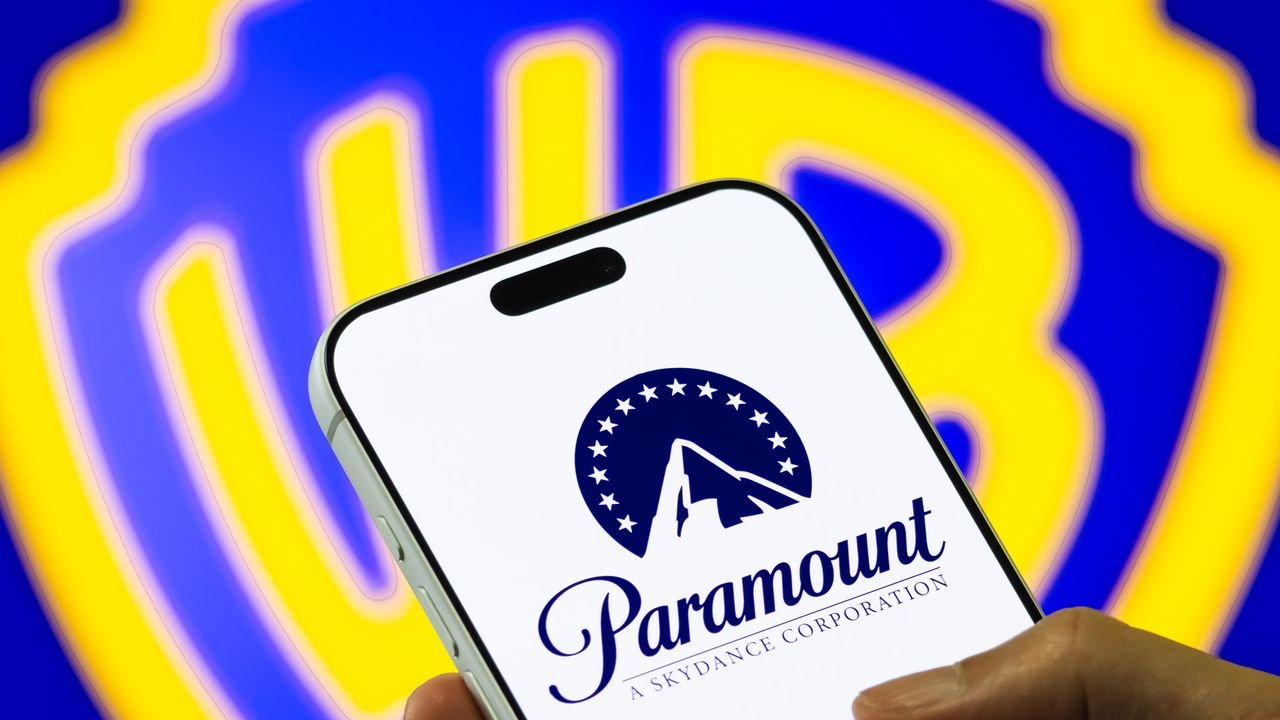
Just as the rumour mill suggested Netflix was poised to acquire Warner Bros., a move that would have sent seismic waves through the entertainment industry, Paramount has unexpectedly entered the fray. This sudden intervention has undoubtedly complicated what many presumed to be a straightforward negotiation.

The prospect of such a monumental deal, whether it involved Netflix or now Paramount, highlights the relentless and increasingly aggressive nature of the ongoing streaming wars. Major media conglomerates are fiercely vying for dominance, with their vast content libraries serving as the primary battleground.

For consumers, particularly those of us in the United Kingdom, these high-stakes corporate manoeuvres often bring more questions than answers. While the initial excitement of exclusive content might seem appealing, the long-term implications for our viewing habits and wallets are rarely positive.

A Netflix-Warner Bros. amalgamation, for instance, would have seen an unprecedented consolidation of beloved franchises under one roof. Imagine the entire DC Comics universe, Harry Potter, and classic Warner Bros. films sitting alongside Netflix’s extensive original programming slate.

However, Paramount’s eleventh-hour interest complicates this picture significantly, injecting a new layer of uncertainty into the media landscape. Their potential acquisition or partnership could reshape the competitive balance in unpredictable ways, creating a more intricate web of content ownership.

This aggressive jostling for major studios isn’t just about owning intellectual property; it’s profoundly about controlling market share and, ultimately, dictating consumer choice. Each successful acquisition subtly reduces the number of independent content providers, fostering a more consolidated industry.

From a subscriber’s perspective, this trend towards fewer, larger players frequently results in diminished benefits. Competition is ideally meant to drive innovation and lower prices, yet in the streaming world, the opposite often seems true as services constantly seek new ways to retain subscribers.

We’ve already witnessed a significant fragmentation of content, where must-see shows and films are scattered across numerous platforms. This forces viewers to subscribe to multiple services, leading to a cumulative monthly cost that easily surpasses traditional cable packages.

Should Paramount succeed in acquiring Warner Bros., or even just disrupt the Netflix deal, it would likely exacerbate this fragmentation further. Iconic titles could become exclusive to yet another platform, demanding a separate subscription to access them all.

The immediate outcome of such high-profile corporate contests is rarely a win for the average viewer. Instead, we are often left navigating a more complex and expensive ecosystem, constantly weighing up which subscription is truly worth the investment for a handful of desirable programmes.

Furthermore, these mega-deals raise legitimate concerns about creative diversity and independence within the industry. When a mere handful of dominant players control a vast majority of the production and distribution channels, there is a distinct risk that unique, niche content may struggle significantly to find a platform.

The strategic focus often shifts heavily towards established franchises and broadly appealing content, which are generally seen as safer investments for large corporations. This potentially stifles the emergence of fresh voices and truly innovative storytelling, impacting the overall quality and variety available to us all.

Consider the profound impact on licensing agreements across the board. Smaller streaming services and independent broadcasters could find it increasingly difficult, or even prohibitively expensive, to license popular content as it becomes effectively locked behind the exclusive walls of major studio-owned platforms.

This ultimately creates an intense content arms race, where companies are evidently willing to spend astronomical sums to secure exclusive rights. Inevitably, they pass these monumental costs directly onto the consumer through higher subscription fees; it’s a vicious cycle with no obvious advantage for the end-user.

The initial promise of unlimited entertainment at our fingertips is slowly being eroded by the harsh reality of siloed content and ever-increasing monthly bills. What once felt like a truly liberating alternative to traditional television now often feels like a series of unavoidable financial commitments.

Paramount’s move, therefore, while undeniably thrilling from a business news perspective, casts a rather long and concerning shadow over the future of streaming. It signifies a further tightening of the market, potentially leading to fewer viable options and less consumer-friendly practices across the board.

For those of us in the UK, already contending with a diverse variety of regional and global streaming services, another major consolidation would only add to the existing complexity. It could mean more difficult choices about which services to prioritise and, regrettably, which beloved shows to forego entirely.

Ultimately, whether the victor is Netflix or Paramount, the overarching trend of media giants acquiring vast swathes of content does not appear to serve the best interests of the public. Instead, it seems to be a purely strategic play for market dominance, with consumers inevitably bearing the brunt of the consequences.

It’s increasingly clear that the so-called “streaming wars” are not, in fact, being fought for our benefit or enjoyment. They are an intense commercial battle, and regrettably, it often feels as though the viewer is the most significant casualty in this ongoing corporate struggle for supremacy and control.


Also Read:  Self-Healing IT: How Agentic AI is Revolutionising Business Resilience in the UK

PC Gaming Under Siege: Dell and Lenovo Price Hikes Set to Hit UK Hardware Market

PC Gaming Under Siege: Dell and Lenovo Price Hikes Set to Hit UK Hardware Market

=

The Looming Storm: Dell and Lenovo Set to Drive Up PC Hardware Costs

The news emerging from the tech world is sending ripples of concern through the communities of both casual PC users and dedicated gamers across the United Kingdom. Reports suggest that computing giants Dell and Lenovo are poised to implement significant price increases across their range of PC hardware in the near future, a move that could profoundly impact the affordability and accessibility of personal computing. This development follows a trend observed with other manufacturers and hints at a challenging period ahead for consumers looking to purchase or upgrade their systems.

These impending price adjustments are not occurring in isolation but are symptomatic of a broader set of global economic and logistical pressures. The ongoing worldwide semiconductor shortage continues to be a primary driver, limiting the availability of crucial components needed for everything from processors to graphics cards. This scarcity naturally pushes up manufacturing costs, which companies like Dell and Lenovo are increasingly forced to pass on to their end consumers to maintain profit margins.

Furthermore, the past few years have seen unprecedented disruptions to global supply chains, affecting everything from raw material acquisition to shipping and logistics. Increased fuel costs, labour shortages, and port congestion all contribute to a higher overall cost of bringing products to market. These cumulative pressures make it incredibly difficult for manufacturers to absorb rising expenses, especially when demand for PC hardware, particularly in the gaming sector, remains robust.

For the UK gaming community, this news is particularly disheartening. PC gaming already represents a significant financial investment, with high-performance graphics cards, processors, and peripherals often costing hundreds, if not thousands, of pounds. Any further increases from major manufacturers like Dell and Lenovo, who supply a vast proportion of pre-built systems and components, will inevitably raise the barrier to entry even higher for aspiring gamers and make essential upgrades considerably more expensive for existing enthusiasts.

This situation could lead to a noticeable shift in consumer behaviour. Some gamers might defer upgrades, choosing to make do with older hardware for longer periods, thus impacting the refresh cycle of the PC gaming market. Others might be forced to compromise on specifications, opting for less powerful or older generation components, which could hinder their gaming experience and the adoption of new technologies that demand higher performance.

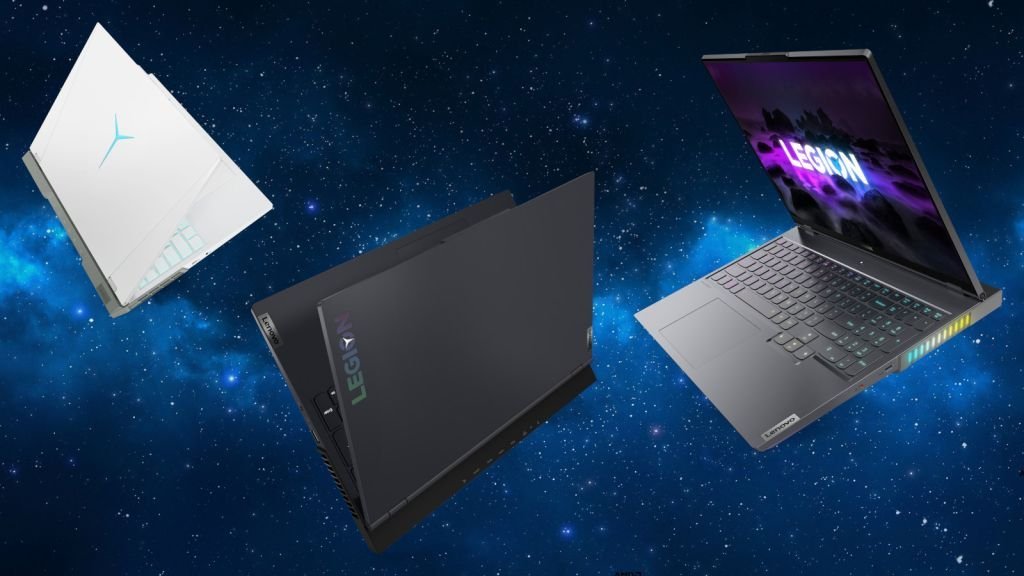
The ramifications extend beyond just individual component purchases. Pre-built gaming PCs from Dell (Alienware) and Lenovo (Legion) are popular choices for many who prefer a ready-to-use solution without the complexities of self-assembly. If the prices of these systems rise sharply, consumers might start looking at alternative platforms, such as dedicated gaming consoles, which often offer a more predictable and sometimes more cost-effective gaming experience, particularly at launch.

Moreover, the secondary market for PC hardware could also see a ripple effect. As new components become more expensive, the value of used graphics cards, CPUs, and memory modules might stabilise or even increase, creating both opportunities and challenges. While sellers might benefit, those looking for more affordable second-hand upgrades could still face inflated prices due to reduced availability of new, budget-friendly options.

This economic climate also impacts everyday PC users, not just gamers. Students, professionals working from home, and businesses rely heavily on affordable and reliable computing solutions. Price hikes from such prominent manufacturers could burden households and small enterprises, forcing them to delay necessary equipment purchases or settle for less capable machines, potentially affecting productivity and digital inclusion.

Looking ahead, the market conditions suggest that these elevated prices may not be a temporary anomaly. While supply chain issues might eventually ease, the underlying inflationary pressures and the high demand for advanced silicon could keep hardware costs high for the foreseeable future. Consumers are advised to carefully consider their purchasing decisions, weigh the necessity of immediate upgrades, and explore all available options before committing to significant investments.

In essence, the reported price increases from Dell and Lenovo are more than just a minor adjustment; they are a clear indicator of the intensifying economic pressures facing the entire technology sector. For UK PC users and, most acutely, for the vibrant PC gaming community, this news marks the beginning of a potentially difficult chapter, necessitating careful planning and adaptation in a rapidly evolving market landscape. The future of affordable high-performance computing hangs in the balance.


Also Read:  Dell 14 Plus 2 in 1 leaks generate buzz among Australian laptop users

Origin OS receives positive response from UK reviewers

Origin OS receives positive response from UK reviewers

British analysts highlight stronger UX discipline in vivo’s software

UK reviewers who study new Android skins say the latest OriginOS release is receiving a noticeably positive response because the system finally looks more calm, more structured, and more in line with Western UX expectations. They say that earlier vivo interfaces often appeared too visually dense, but the latest OriginOS version now shows clearer spacing, calmer surfaces, and tighter alignment rules across menus. British analysts say this makes the UI feel more premium right away, because UK users judge comfort during the first few seconds of interaction. They say initial feel matters more than marketing claims in UK store environments.

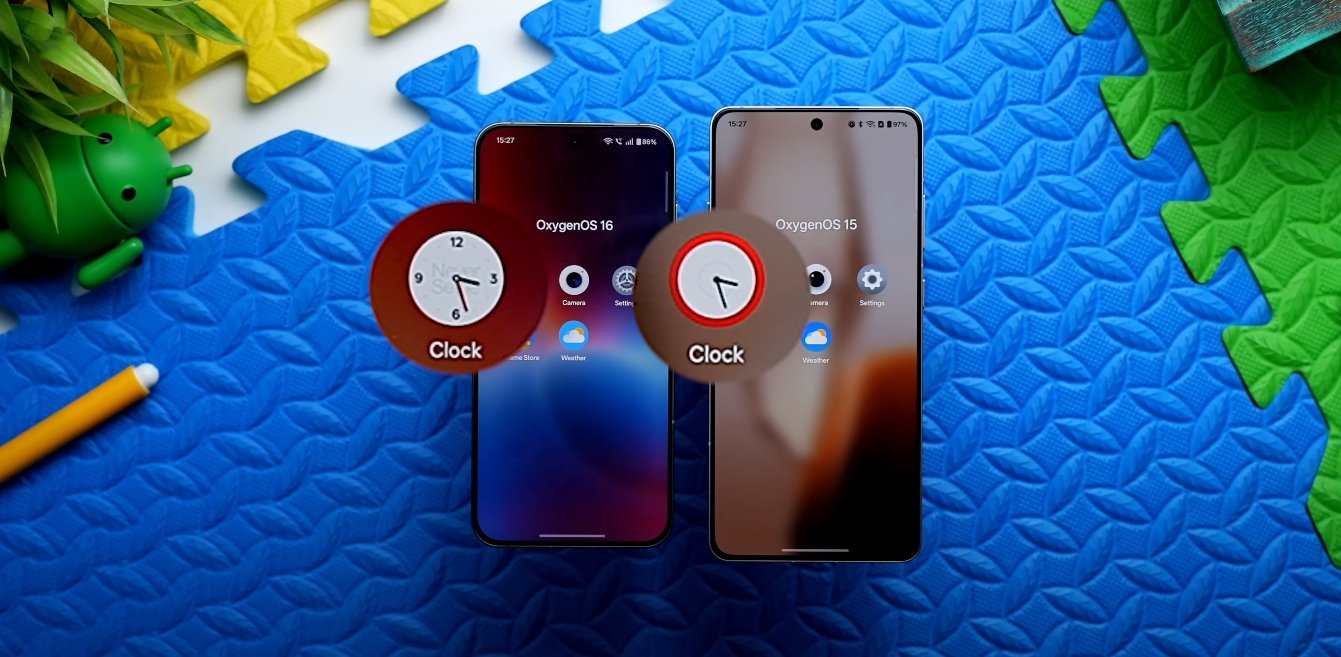
British tech writers also say that the new animation consistency is one of the clearest upgrades. They describe the motion pacing as smoother, less jittery, and more controlled between transitions. When UK reviewers compare these animations to Samsung’s One UI and Google Pixel UI, they now say the difference no longer feels one-sided. They describe OriginOS as entering the same category of visual maturity, not just a budget alternative. For UK buyers who scroll between devices in retail shops, this matters because smooth motion is interpreted as higher engineering quality even before deep testing.

UK reviewers also highlight that the revised gesture model gives the software better flow. They say navigation actions are easier to understand because motion logic is more predictable across different screens. One major advantage noted in British commentary is that the new interaction model does not require constant re-orientation. Users do not need to pause and think about where the controls are. For UK smartphone fans, this reduces cognitive load and supports fast switching between social apps, messaging tasks, and content browsing during daily transit.

Origin OS receives positive response from UK reviewers

British analysts say the updated design direction also strengthens confidence in privacy behavior. They mention that permission prompts now feel clearer and better labelled, which helps regular users understand what is happening without deep technical context. UK consumers place strong value on transparency, especially when granting access to sensitive actions like microphone and camera usage. British reviewers say simpler privacy surface structure means fewer accidental approvals and faster detection of out-of-place requests. For the UK market, this kind of clarity is a major plus.

UK commentary also praises the cleaner typography structure. They say the new text hierarchy avoids heavy fonts in areas where the UI does not need attention-grabbing weight. This helps reading comfort, especially when users check system menus repeatedly. They say the simpler type treatment reduces visual stress, and that makes the OS feel easier to live with for long periods. British reviewers often mention this because readability has become one of the most important user comfort metrics in Western UX evaluation.

British tech observers say the refined design also improves first-impression confidence. During in-store testing, buyers usually test scrolling speed, home-screen stability, gesture tolerance, and quick settings responsiveness within seconds. If the OS looks well-balanced at that exact moment, the impression becomes positive quickly. UK analysts say the newest OriginOS version now delivers that type of effect. They say this is one of the main reasons the software is getting better reception among Western reviewers compared to earlier vivo releases.

However, British reviewers still say the final evaluation will depend on how stable these improvements remain in live UK firmware. They say full public judgment requires proper carrier certification, smooth NFC payments, stable banking application usage, and reliable Play integrity behavior. UK experts say that if the current software direction is carried into real British rollout units, then OriginOS could become a serious UI competitor rather than a niche import-focused system. They say that Western acceptance is now realistic, not speculative.

Overall, the positive UK reaction shows that vivo’s new OriginOS identity is being treated as a meaningful UX evolution rather than a surface-level refresh. British analysis says the calmer visuals, more controlled gestures, and clearer privacy labeling are strong signs of international maturity. If regional stability is confirmed once rollout completes, UK reviewers say this update may shift the perception of vivo from experimental design into polished design — something that can stand confidently next to OxygenOS and One UI inside the competitive UK market.

Origin OS review: what UK smartphone owners are saying

Origin OS review: what UK smartphone owners are saying

UK users react to Vivo’s updated smartphone software

Origin OS, the custom Android software developed by Vivo, continues to gain attention among UK smartphone owners who import Vivo devices or purchase international models. While the operating system is primarily designed for the Chinese market, more UK users are now experiencing it as Vivo releases high-end foldables and flagship phones in Europe. Their feedback highlights a blend of admiration for new features and frustration with some everyday limitations.

Many UK users praise Origin OS for its refined visual design. The software’s interface stands out with modern animation, a clean layout, and a focus on interactive widgets. Owners say the system feels premium and different from the more conservative approach found in other Android skins. Vivo has promoted speed improvements, smoother transitions, and a layout inspired by cards and tiles. The performance enhancements are notable across devices running the latest version, as the system is built to operate efficiently on flagship-level hardware such as Vivo’s foldable models.

Battery optimisation is another area that receives positive feedback. UK users report strong battery endurance on Vivo devices powered by Origin OS, helped by power management settings that actively limit background consumption when possible. The operating system also integrates custom gesture controls, screen customisations, and features designed around multitasking. Foldable device owners say the system takes advantage of larger displays with improved split-screen support and smart window resizing.

Origin OS review: what UK smartphone owners are saying

However, there are challenges for UK smartphone owners using Origin OS. Because the platform is primarily released only on devices sold in China, some models lack full global certification. This means certain UK-specific features can require additional setup or may not function consistently. Services such as Google Wallet, mobile banking, and location-based apps sometimes need extra permissions or updates to work as expected. These issues do not affect every user, but they are a common topic in UK community discussions.

Network compatibility is another concern raised by UK owners. Some Vivo devices with Origin OS do not support all UK 4G and 5G bands, depending on the model and region of purchase. Users on networks that rely on specific bands for wider coverage, especially in rural areas, may notice lower signal quality. Vivo continues to expand into European markets with models like the Vivo X Fold and flagship camera-focused phones, and many UK buyers hope that broader network support will follow.

Software updates also come up frequently in user feedback. Vivo has made official announcements about longer support timelines for its premium models, including commitments to multiple Android version upgrades. But update rollouts can differ between Chinese and international software versions. UK users running Origin OS sometimes need to wait longer for new features, security patches, or Android upgrades. The company’s newer plans for global expansion may help align update delivery over time, but the experience currently varies.

Overall, UK smartphone owners describe Origin OS as a visually impressive and performance-focused software experience that feels refreshing compared to more familiar Android skins. The core system is smooth, responsive, and packed with advanced features. At the same time, users acknowledge that the system is still best suited for markets where it is officially supported. Those in the UK willing to manage occasional compatibility issues tend to enjoy the unique design and strong hardware that Vivo offers. Meanwhile, many users believe that the platform has the potential to compete more directly with major Android software experiences in the UK if support and localisation continue to improve.

Also Read:  Dell 14 Plus 2 in 1 expected to launch soon in the UK with AI features

People Who Bought Realme P3 Pro Share Why They Like It

People Who Bought Realme P3 Pro Share Why They Like It

Realme P3 Pro Is Winning Buyers With Real World Strengths


The Realme P3 Pro is earning positive feedback from users who have already made the purchase, and their reasons are surprisingly consistent. Most buyers are pointing to the phone’s smooth software experience, solid battery life, and clean design as the main reasons they’re happy with their choice. Rather than being impressed by flashy features, users are appreciating how well the phone performs in daily use.

One of the most talked-about strengths is how stable the phone feels even after several weeks of use. Apps open quickly, there’s very little lag, and multitasking remains smooth. Users say they don’t have to worry about freezing screens or random shutdowns, which is a common issue in other phones at this price. The interface is simple and responsive, making everyday tasks feel effortless. This overall smoothness is one of the key reasons people say they like using the Realme P3 Pro every day.

Battery backup is another highlight that users mention often. The phone can easily last a full day, even with moderate to heavy use. Buyers who spend a lot of time streaming, browsing, or attending calls say they rarely have to reach for the charger before the day ends. This reliability has made it a favorite for students, office workers, and people who travel often. It adds peace of mind to know your phone won’t die halfway through the day.

People Who Bought Realme P3 Pro

Many also appreciate the design, describing the phone as simple yet premium. It does not feel cheap in the hand, and the display quality makes media consumption enjoyable. While the camera is not the most talked-about feature, users say it’s good enough for casual photography, and they like the balanced results it delivers without too much processing.

What stands out is that most people who bought the Realme P3 Pro didn’t expect it to impress them so much. They were looking for a phone that just works, and they’ve found that this one delivers more than expected. It’s the kind of device that doesn’t need to show off because its strengths become clear once you start using it. For many buyers, that has made all the difference.

OxygenOS 16 gestures and quick settings redesign

OxygenOS 16 gestures and quick settings redesign

OxygenOS 16 Introduces Smarter Gestures and Redesigned Quick Settings

OxygenOS 16 brings a fresh approach to navigation and system controls on OnePlus devices, focusing on gestures and quick settings. These updates are designed to improve usability, efficiency, and overall user experience. With more intuitive gestures and a streamlined quick settings interface, OxygenOS 16 allows users to interact with their devices more naturally while providing faster access to frequently used controls.

A key improvement in OxygenOS 16 is the enhanced gesture navigation system. The update refines existing gestures, making swipes, taps, and long-press actions more responsive and consistent. Users can now navigate between apps, return to the home screen, access multitasking, and trigger system actions with greater accuracy. The new gesture system is particularly effective during multitasking and full-screen app usage, eliminating accidental inputs and providing a smoother overall navigation experience.

Customizable gestures are another highlight. OxygenOS 16 allows users to assign specific actions to different gesture patterns, such as opening the camera, launching a preferred app, or activating the AI assistant. This personalization ensures that users can interact with their devices in ways that fit their routines and preferences. The improved gesture recognition reduces latency, creating a fluid and natural feel when performing daily tasks.

OxygenOS 16 gestures and quick settings redesign

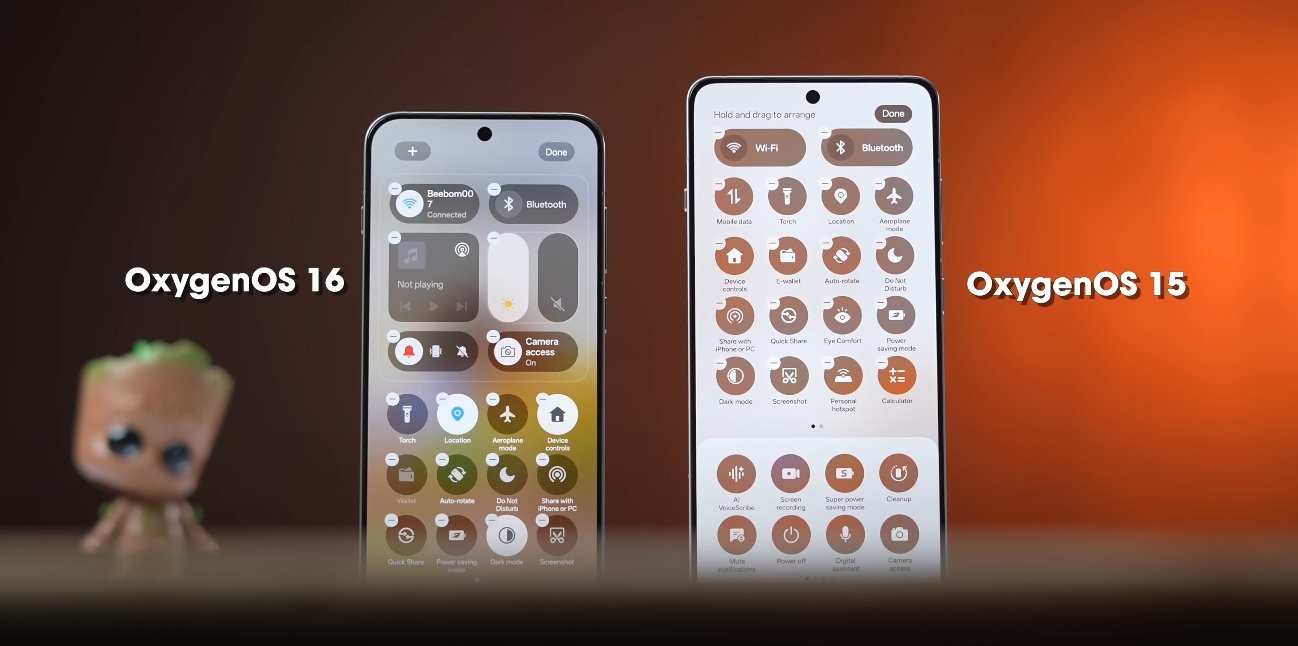
The quick settings panel has also been redesigned for OxygenOS 16. The interface is cleaner, more organized, and easier to navigate. Users can access frequently used toggles like Wi-Fi, Bluetooth, flashlight, and mobile data more efficiently, with larger, more responsive buttons that reduce mis-taps. The redesigned layout groups related settings together, making it easier to locate specific controls without scrolling through multiple pages.

One notable addition is the dynamic customization of quick settings. Users can now rearrange tiles, add new shortcuts, or remove unused ones directly from the panel. This flexibility allows individuals to tailor the quick settings to their needs, ensuring that the most important functions are always within easy reach. The ability to personalize quick settings contributes to both convenience and productivity.

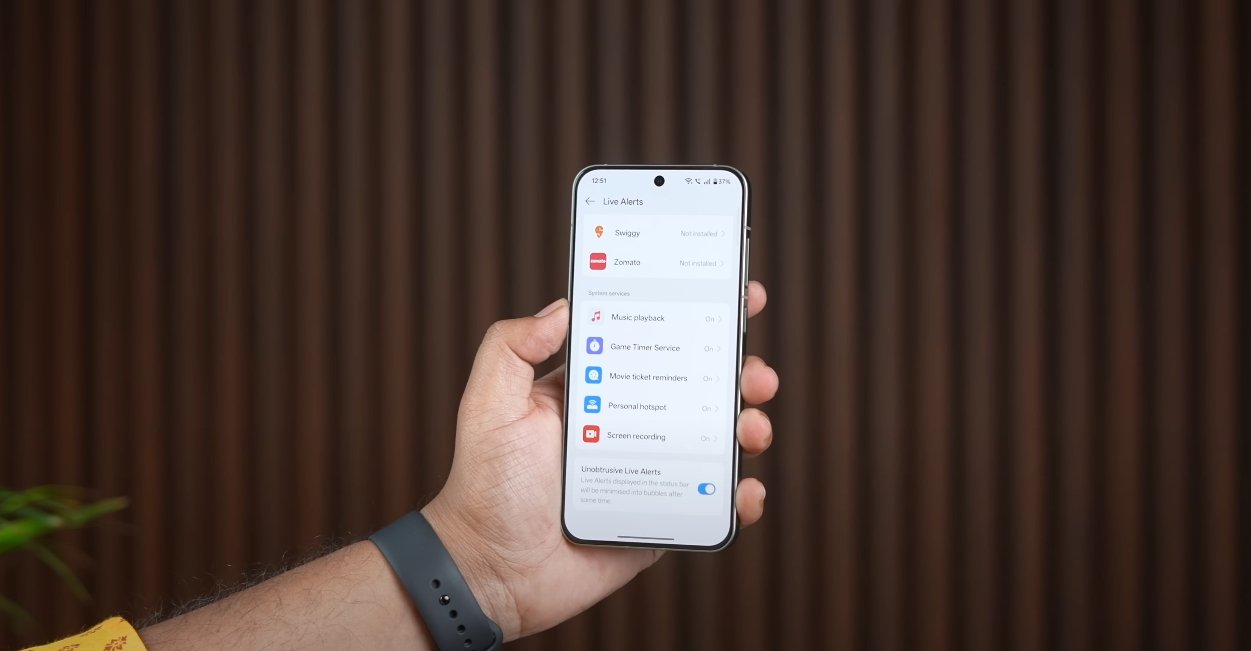
OxygenOS 16 also introduces context-aware quick actions. The system can suggest relevant settings or shortcuts based on usage patterns. For example, it may highlight battery saver mode during low battery conditions or suggest activating focus mode during work hours. These intelligent suggestions reduce the need for manual adjustments and streamline device management.

Performance and responsiveness have been enhanced alongside the redesign. Both gestures and quick settings respond smoothly without lag, even on devices running multiple apps or under heavy multitasking conditions. The update ensures that navigation remains fluid, contributing to a more satisfying and efficient user experience.

Real-world usage shows that the combination of smarter gestures and a streamlined quick settings interface significantly improves device usability. Tasks that previously required multiple taps or menu navigation can now be completed with simple gestures or a single swipe. Users report faster access to key settings and a more intuitive feel when interacting with their devices throughout the day.

In conclusion, OxygenOS 16’s gesture enhancements and quick settings redesign provide a more natural, efficient, and user-friendly experience. Customizable gestures, a reorganized quick settings panel, and context-aware suggestions make navigation smoother and controls more accessible. These updates demonstrate OnePlus’s commitment to refining user interaction, combining practical improvements with intuitive design to enhance daily device use.

Also Read:  Nothing Phone 3A Lite user feedback after one week