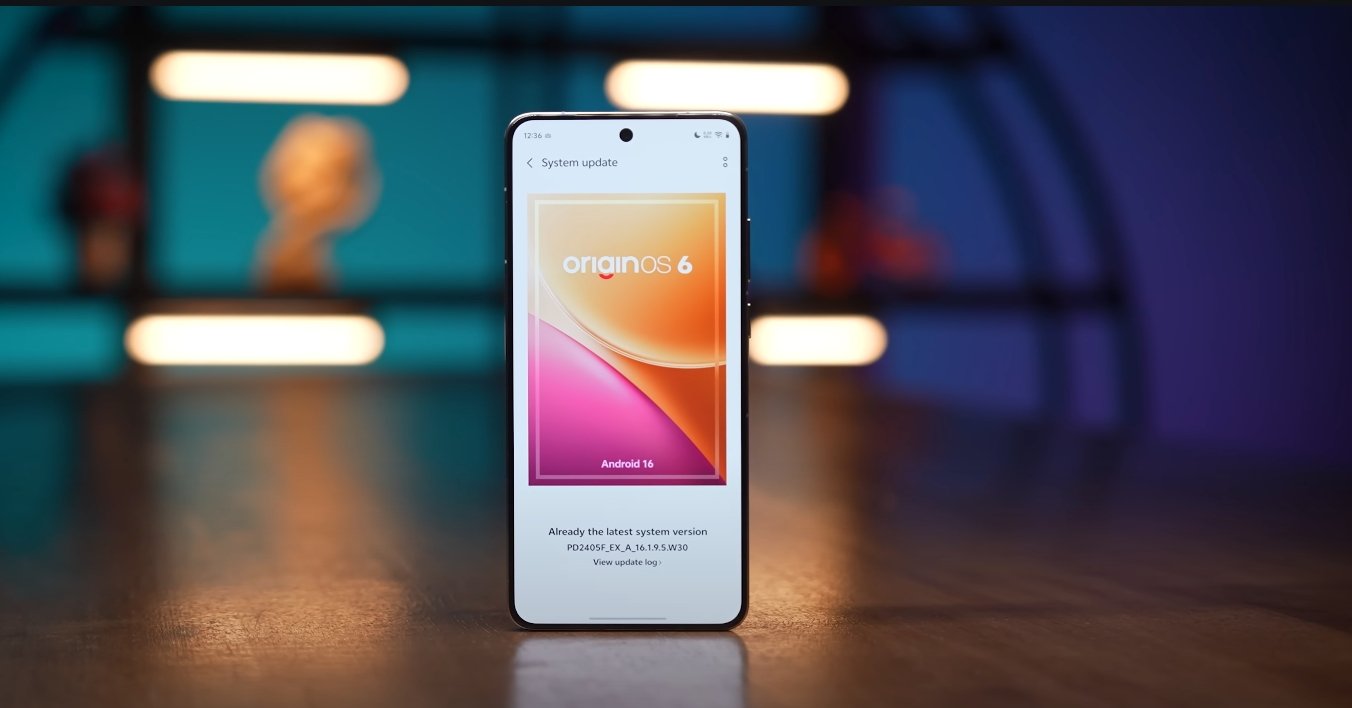
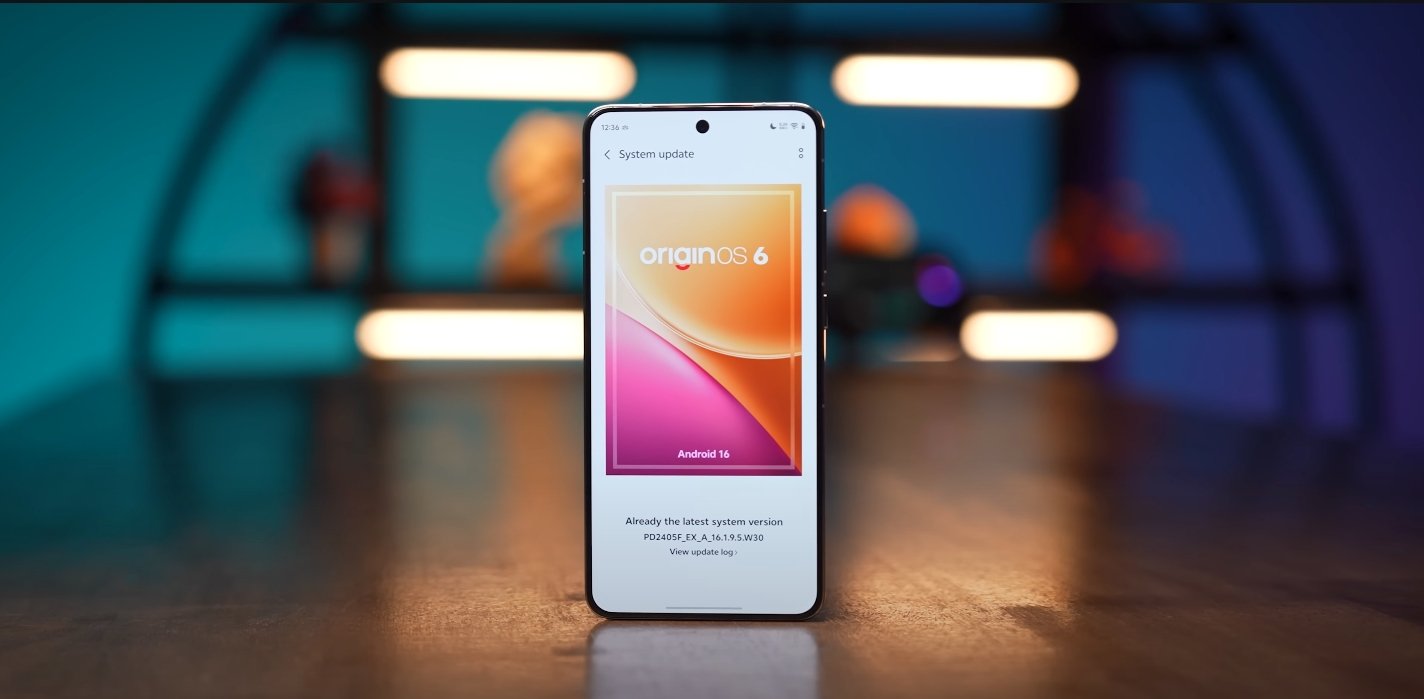
OriginOS 6 first beta version released for developers

OriginOS 6 first beta version released for developers

Vivo opens early access to enhance testing and app optimization

Vivo has officially released the first beta version of OriginOS 6 for developers, marking the beginning of its structured rollout strategy for the new software. This initial release is specifically targeted at app developers and advanced users who want to test their applications and explore the new system features early. It sets the stage for a wider public beta program expected to follow in the coming weeks, giving Vivo valuable feedback to fine-tune performance, compatibility, and overall stability.

The developer beta introduces the core framework of OriginOS 6, including its updated interface, enhanced AI capabilities, and improved animation engine. Vivo’s focus with this early version is to allow developers to adapt their apps to the new environment before it reaches regular users. Key changes in the underlying architecture aim to make apps run faster, consume less power, and integrate more deeply with system-level functions like multitasking, notifications, and contextual AI services.

One of the most significant improvements in OriginOS 6 is its upgraded rendering and animation system. The beta version gives developers access to new APIs that enable smoother transitions, more responsive touch interactions, and improved frame stability. Vivo aims to deliver an OS that feels more fluid, particularly on high-refresh-rate displays. By allowing developers to experiment early, Vivo hopes to ensure apps align perfectly with the system’s new visual language by the time the stable version launches.
OriginOS 6 first beta version released for developers

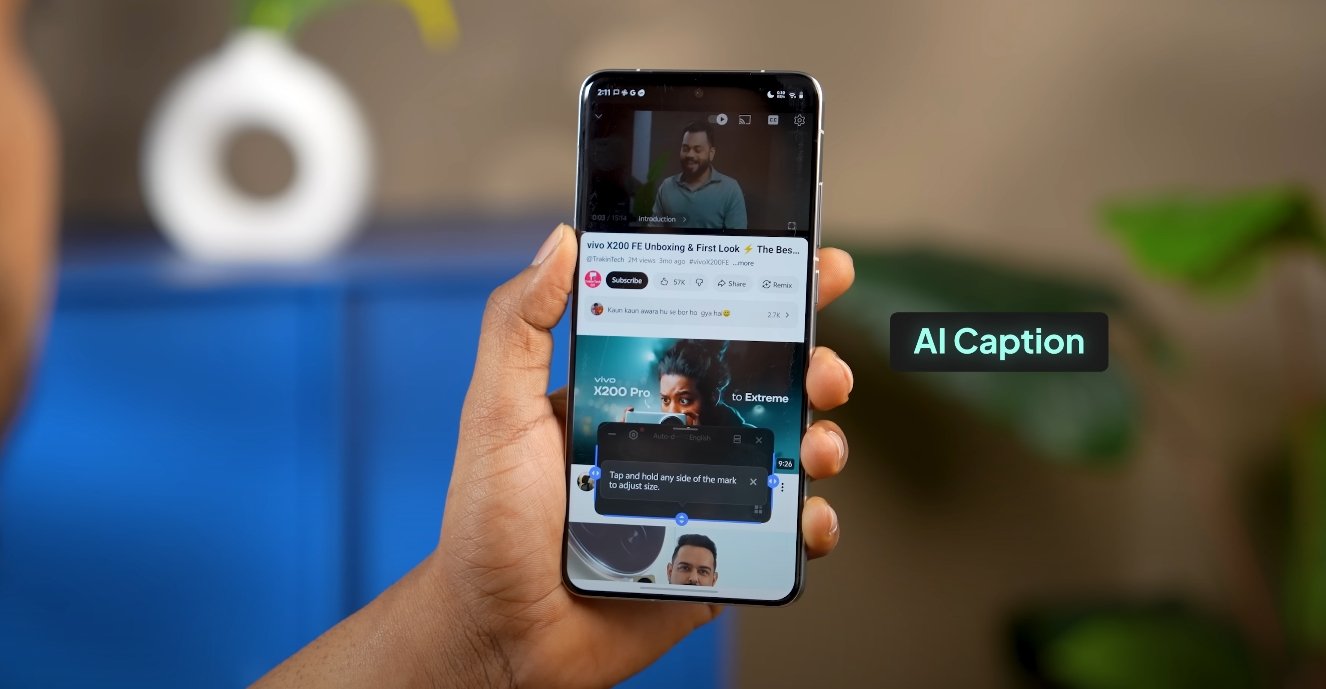
AI integration is another major focus of this beta release. OriginOS 6 includes intelligent tools for prediction, task automation, and contextual awareness, which developers can tap into through dedicated development kits. This means third-party apps can become smarter, offering users more relevant information and faster actions. For example, a travel app could automatically display boarding passes or location-based alerts directly on the lock screen or within the system’s smart assistant interface.

Vivo has also emphasized optimization and resource management in this update. The beta introduces more advanced memory allocation and background process handling, allowing apps to stay responsive even during heavy multitasking. For developers, this is a crucial opportunity to optimize their apps to perform efficiently under these new conditions. Vivo has also expanded its developer documentation to explain how to leverage these improvements effectively.

Security and privacy enhancements are embedded throughout the system as well. The developer beta includes stricter permission controls, more transparent data access notifications, and better sandboxing for sensitive processes. Vivo’s intention is to create a platform where developers can innovate without compromising user trust. The company has also introduced new debugging tools to help identify potential security vulnerabilities early in the app development process.

In terms of device support, the beta version is currently available for select Vivo flagship models. Developers who are registered in Vivo’s early access program can install the update through the official developer portal. Vivo has recommended backing up all important data, as beta software can include bugs or unfinished features that may affect daily use.

Vivo has stated that feedback from this developer beta will directly shape the final stable build. By gathering insights from developers early, the company aims to eliminate bugs, refine features, and improve overall system reliability. This strategy also ensures that when the stable version rolls out to regular users, a wide range of third-party apps will already be optimized for the new OS.

The launch of the first beta version of OriginOS 6 signals Vivo’s commitment to evolving its software platform in a structured and collaborative way. By engaging developers at the earliest stage, Vivo is not only improving its operating system but also encouraging a richer app ecosystem. As the beta testing phase progresses, more users will get to experience the full potential of OriginOS 6, including its AI enhancements, visual refinements, and performance boosts. The stable release is expected to arrive later this year, bringing these innovations to a broader audience.
OriginOS 6 app drawer and home layout updates

OriginOS 6 app drawer and home layout updates

How Vivo Redesigned the App Drawer and Home Experience in OriginOS 6

Vivo’s OriginOS 6 brings a refreshed approach to home screen management, combining smooth performance with deeper customization and a cleaner design. The update redefines how users organize and access their apps, balancing beauty with practicality. With an improved app drawer, dynamic home layouts, and interactive widgets, OriginOS 6 offers a more fluid and personalized navigation experience than any previous version.

The first major change in OriginOS 6 is the redesigned home layout system. Vivo has introduced a flexible grid structure that adapts to different user preferences and screen sizes. Users can now freely adjust icon grid density, choose between compact or spacious arrangements, and modify how much information is displayed on each page. This flexibility ensures that the interface can look either minimal or data-rich, depending on individual style. The refined grid also supports adaptive scaling, meaning icons and widgets automatically align perfectly when resized, maintaining a balanced and consistent look.

Another notable improvement is the way widgets interact with the home screen. The “Flip Cards” widget system, first introduced in previous versions, has been enhanced in OriginOS 6 with greater responsiveness and deeper customization. Flip Cards now respond to gestures, allowing users to expand, collapse, or flip through multiple widgets on the same space. For example, the weather widget can show current temperature at a glance and flip to display the forecast for the week. This modular design helps users maximize screen real estate while keeping key information easily accessible.

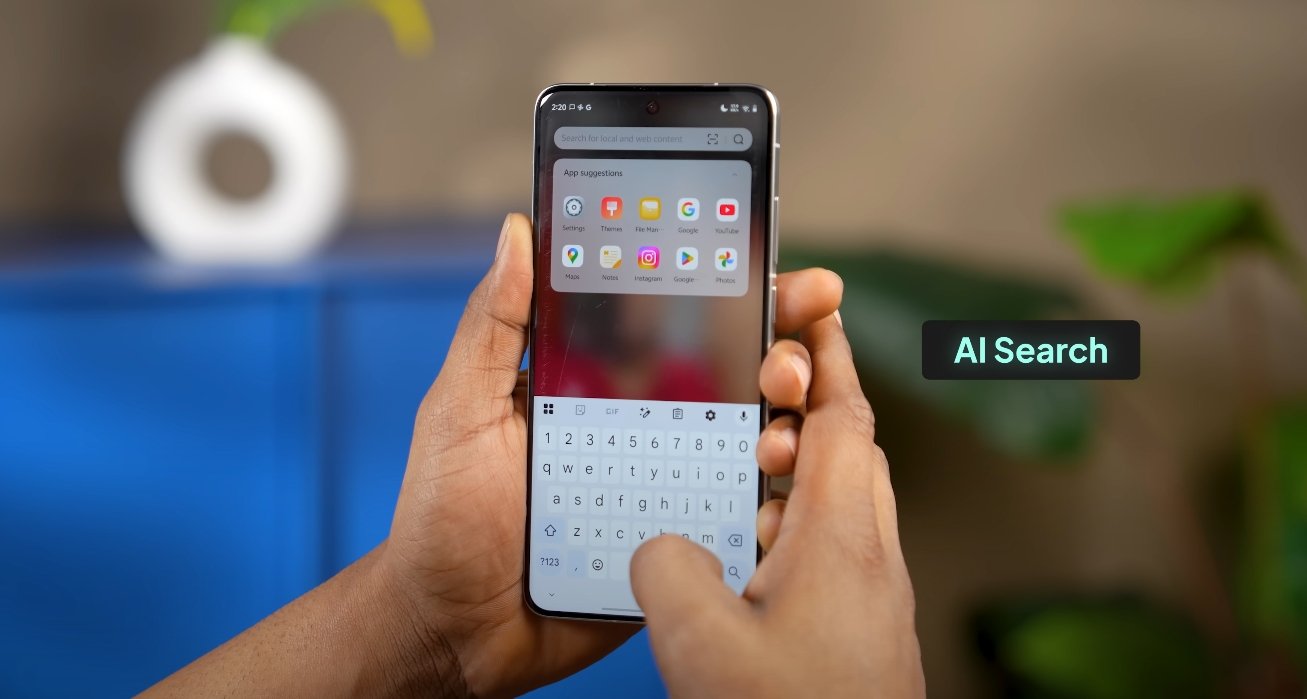
OriginOS 6 app drawer and home layout updates

The app drawer has also been completely reworked to improve both function and aesthetics. Vivo has streamlined the drawer’s design with translucent backgrounds, rounded icons, and smart categorization options. Apps can now be sorted automatically by type—such as social, entertainment, or productivity—or manually rearranged for custom layouts. The search bar at the top has been made faster and more intuitive, allowing users to locate apps or perform system-level searches instantly. The smoother animation transitions between the home screen and drawer make navigation feel seamless.

A new addition to the app drawer is the “Smart Shelf,” a contextual section that recommends apps based on time of day, location, and usage patterns. For instance, work-related apps may appear during office hours, while fitness or entertainment apps surface in the evening. This intelligent feature reduces the need to scroll through long lists, adapting dynamically to user behavior. The Smart Shelf can be toggled off for those who prefer a cleaner look, maintaining OriginOS’s focus on user choice.

OriginOS 6 also brings enhanced folder functionality. Users can now open folders in two modes: compact or expanded. The compact mode shows grouped icons on the home screen without leaving the page, while expanded folders open in a larger pop-up window that displays more apps. These folders can be color-coded or themed, matching the wallpaper or icon pack. Vivo has paid attention to smooth animations here as well, making folder transitions natural and visually appealing.

For users who prefer not to use an app drawer, OriginOS 6 allows a full “Home-only” mode, which places all apps directly on the home screens—similar to iOS. This mode is ideal for users who like simplicity or want instant access to every app. Switching between Home-only and Drawer mode can be done easily through settings, offering flexibility for both minimalists and power users.

One of the biggest under-the-hood improvements lies in gesture navigation. Vivo has refined edge gestures, app-switch animations, and home transitions for smoother performance. Swiping up or sideways from the home screen now feels faster and more fluid, with frame rates consistently stable even under multitasking conditions. These motion refinements make using the app drawer and home screen feel cohesive and polished, rather than mechanical.

Customization remains at the heart of OriginOS 6’s design philosophy. Users can modify icon shapes, adjust label visibility, and choose between standard and immersive home layouts. Dynamic wallpapers and adaptive color schemes also integrate directly with the home interface, adjusting accent tones and icon highlights based on the chosen background. The result is a living interface that feels responsive and alive, adapting subtly to both user input and visual context.

Vivo has also worked on cross-device consistency, ensuring that home layouts and app arrangements can sync across supported devices through a Vivo account. For users who own multiple Vivo products like tablets or foldables, this means the same personalized setup can carry over seamlessly.

In essence, OriginOS 6’s updates to the app drawer and home layout transform everyday interaction into something more natural and expressive. It blends intelligent organization, visual sophistication, and performance efficiency into one cohesive system. With fluid gestures, dynamic widgets, and smart categorization, the new design gives users both control and comfort—making navigation faster, cleaner, and uniquely personal.

Also Read:  OriginOS 6 design and UI changes first look

Oyster Farming Boosted by NASA Satellite Data

Oyster farming boosted by NASA satellite data

NASA Satellite Data Revolutionises Oyster Farming

Oyster farmers are leveraging NASA satellite data to inform their farming decisions, with remarkable results. By analysing satellite imagery, farmers can identify optimal locations for their oyster farms, leading to increased yields and improved crop health.

This innovative approach has been successfully implemented by a UK-based oyster farmer, who used satellite data to choose the perfect location for his farm. Four years on, his farm remains operational, and his oysters are thriving.

The use of satellite data in oyster farming is a prime example of how technology can be harnessed to drive business growth and improve decision-making. By adopting this approach, oyster farmers can reduce costs, enhance efficiency, and ultimately contribute to the long-term sustainability of the industry.

Researchers have developed a model that utilises satellite-based data to help oyster farmers plan ahead and make informed decisions about their farming operations. This model takes into account various factors, including water quality, temperature, and other environmental conditions that can impact oyster growth and health.

The integration of satellite data into oyster farming is a significant development, with far-reaching implications for the sector. As the industry continues to evolve, it is likely that we will see increased adoption of this technology, driving growth and innovation in the years to come.

The benefits of using satellite data in oyster farming are numerous, ranging from improved crop yields to enhanced environmental monitoring. By analysing satellite imagery, farmers can quickly identify potential issues, such as water pollution or disease outbreaks, and take prompt action to mitigate their impact.

In addition to the practical applications of satellite data, this technology also has the potential to drive behavioural change within the industry. By providing farmers with access to accurate, data-driven insights, satellite technology can encourage more sustainable and responsible farming practices, ultimately contributing to the long-term health of our oceans.

As the demand for sustainable and locally sourced seafood continues to grow, the use of satellite data in oyster farming is poised to play an increasingly important role in meeting this need. With its potential to drive efficiency, reduce costs, and promote sustainable practices, this technology is an exciting development for the sector.

In conclusion, the use of NASA satellite data in oyster farming is a significant breakthrough, with the potential to transform the industry. As we look to the future, it will be exciting to see how this technology continues to evolve and shape the sector, driving growth, innovation, and sustainability in the years to come.

People In UK Are Already Switching To Realme 14 Pro

People In UK Are Already Switching To Realme 14 Pro

UK Users Are Choosing Realme 14 Pro Over Established Brands


Realme 14 Pro is rapidly gaining traction in the UK, with many buyers making the switch from well-known brands. This shift isn’t happening because of aggressive marketing or big celebrity tie-ins—it’s rooted in users discovering a device that simply outperforms expectations without breaking the bank. The phone offers a solid blend of reliability, performance, and comfort, making it increasingly appealing to those seeking value and consistency.

A key reason behind the UK switch to Realme 14 Pro is its balanced performance in real-world use. Whether users are streaming, browsing, or using social apps extensively, the device handles everything with ease. App transitions feel smooth, multitasking remains fluid, and even longer usage doesn’t result in sluggishness or overheating. For consumers tired of sluggish midrange devices, that stability makes a big difference.

Battery life further strengthens the phone’s appeal. Many buyers report being able to make it through a full day of heavy usage—like video calls, online classes, or media consumption—without the need to recharge mid-afternoon. Fast charging ensures that brief downtime is enough to prepare for the next stretch of use. In a fast-paced lifestyle, knowing your phone can keep up is reassuring.

Switching To Realme 14 Pro

Another point frequently mentioned by UK users is the comfort and design. Realme 14 Pro feels substantial yet lightweight, and its clean design makes it versatile for work, study, or leisure. The display delivers bright visuals, clear text, and responsive touch, which adds to the sense of smooth everyday interaction. The UI is intuitive—even for users making their first switch from other brands—without requiring lengthy setup or adjustment periods.

The phone’s launch price in the UK marketplace helps seal the deal. Positioned attractively in the sub-£300 range, Realme 14 Pro delivers flagship-level features like a high-refresh-rate OLED screen and a dependable main camera, all without demanding a premium. For budget-conscious buyers, this value proposition is hard to pass up—especially when it outperforms older devices they might have considered upgrading.

Customer satisfaction isn’t driven by hype but by genuine feedback from early users. Those enjoying Realme 14 Pro share how it feels dependable and polished in daily tasks. That grassroots level confidence encourages more people to give it a serious look—whether upgrading from older Android models or switching brands entirely.

Ultimately, UK buyers seeking a dependable smartphone experience are finding a clear winner in Realme 14 Pro. It may not headline with flashy stats or bold marketing, but it delivers in the areas that matter most—performance, battery, and usability. As word spreads, more people are discovering that this phone fits their needs better than they initially imagined.

People Are Happy With Their Galaxy F36 5G Purchase

People Are Happy With Their Galaxy F36 5G Purchase

Galaxy F36 5G Leaves A Positive Impression On Everyday Users


The Galaxy F36 5G is leaving buyers satisfied, and that’s becoming clear from early feedback. Many users are saying the phone feels like a smart investment because it does exactly what they need without causing any headaches. From the moment they unbox it, the device gives off a feeling of dependability and comfort. It’s not just about specs but about how smooth the experience is during daily use.

People appreciate how the Galaxy F36 5G handles their routine. It opens apps quickly, manages calls and chats without freezing, and runs social media apps without a hiccup. That kind of consistent performance matters more to buyers than flashy extras. Users feel they’re getting full value for their money, especially when the phone continues to perform well even after weeks of use.

Battery life is a standout highlight for most owners. Many say they can get through the day without reaching for the charger, which is a big plus in busy routines. Combined with a display that looks sharp and feels smooth while scrolling, the overall experience remains enjoyable even during extended usage. People using the phone for studying, work, or light entertainment are all sharing similar satisfaction.

People Are Happy With Their Galaxy F36 5G

Another reason users are happy is the thoughtful design. It doesn’t feel cheap or bulky, and the phone looks clean and modern in hand. The interface is also easy to learn and navigate, which has made switching from older phones or other brands a painless process. Buyers like how little effort it takes to get used to the device and how reliably it runs once everything is set up.

In short, the Galaxy F36 5G is making people feel confident about their purchase. It checks the right boxes and avoids the mistakes many budget phones still make. As more users continue sharing their positive experiences, this phone is earning a solid reputation for being practical, polished, and well-priced.

People In UK Start Switching To Realme P3 Pro

People In UK Start Switching To Realme P3 Pro

UK Buyers Are Choosing Realme P3 Pro For Balanced Performance and Value


Buyers in the UK are increasingly opting for the Realme P3 Pro, citing its strong mid-range performance, long battery life, and smart design as key reasons. The phone is quietly gaining traction among users tired of paying high prices for features they rarely need. For many, the P3 Pro hits the sweet spot between affordability and reliability.

Many users report the phone handles everyday tasks without a hitch—social media browsing, video streaming, and multitasking feel smooth and responsive. For a device in its price range, the Realme P3 Pro offers surprisingly fast performance, with minimal lag even after extended use. This level of consistency is helping build a loyal user base in the UK.

Another major selling point is battery endurance. With a 6000 mAh battery and smart power management, the phone lasts comfortably through a full day of mixed usage. Users say they can go almost two days on lighter activity levels without needing a recharge. This kind of longevity is a rare find at this price point and reflects well on Realme’s optimization efforts.

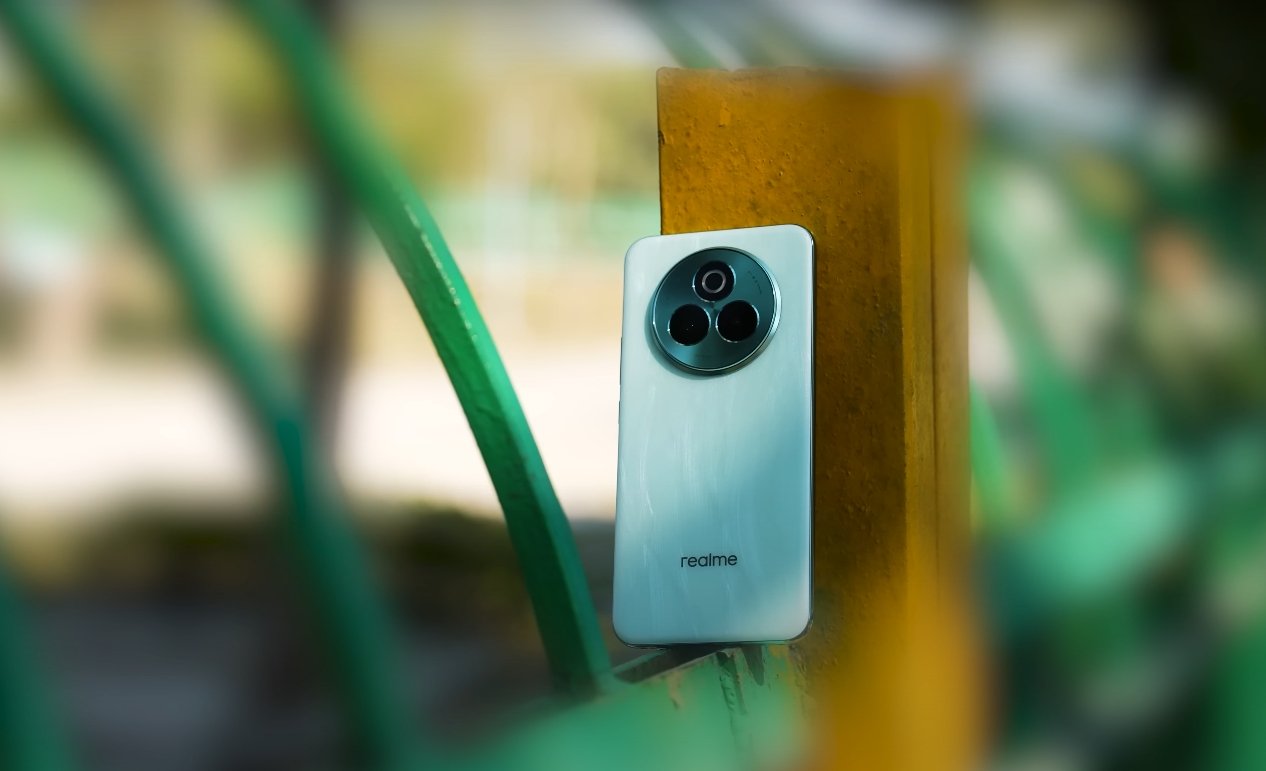
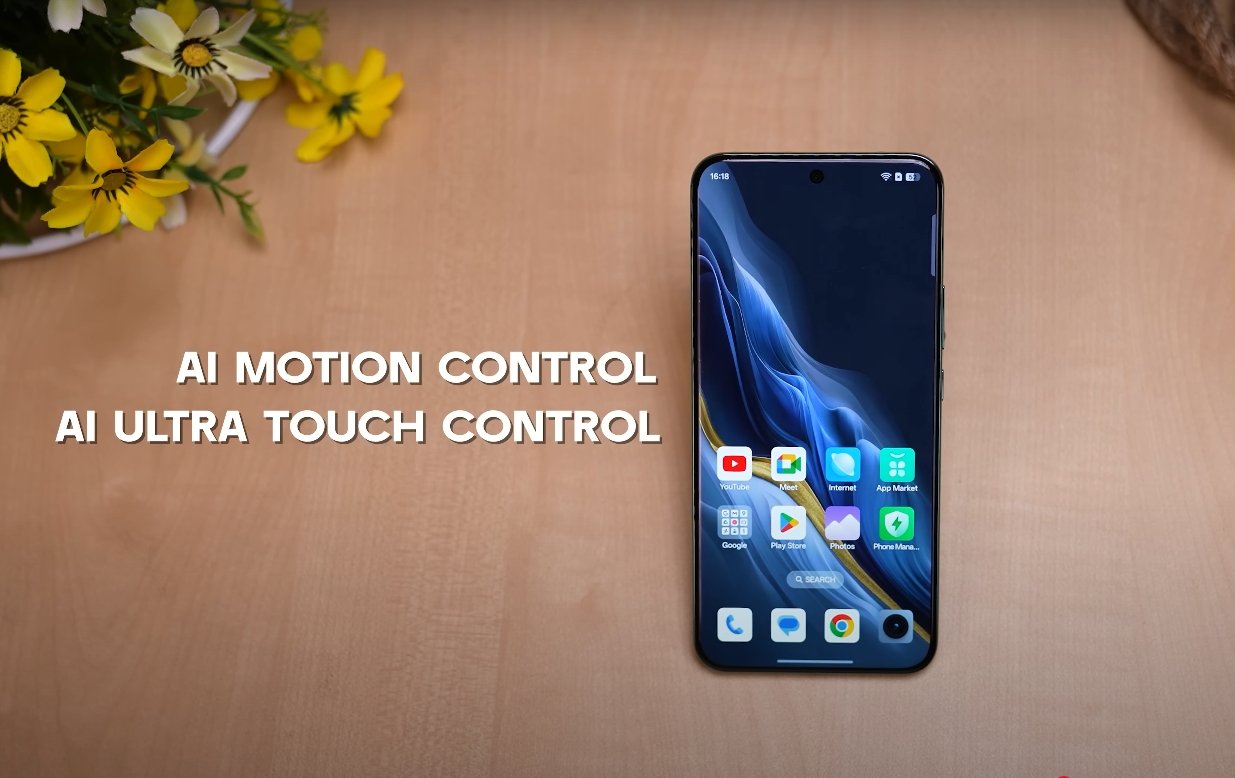
Realme P3 Pro Ai control

UK buyers are also praising its ergonomic design. The curved edges and light profile give it a refined feel, and the display quality stands out among competitors at similar prices. While not packed with high-end specs, the phone still delivers satisfactory results for everyday photography and video viewing.

Word-of-mouth recommendations are driving renewed interest as more users share positive feedback on forums and social channels. Many buyers say they switched from older budget phones or devices with weaker battery life, and the difference has been noticeable—and appreciated.

The combination of solid performance, durable battery, clean design, and competitive pricing is making the Realme P3 Pro a serious contender in the UK mid-range category. That’s why more people are making the switch now, confident they’ve picked a phone that delivers dependability without overspending.

Oura Ring 5 Leaks: UK Release Date and New Features Revealed

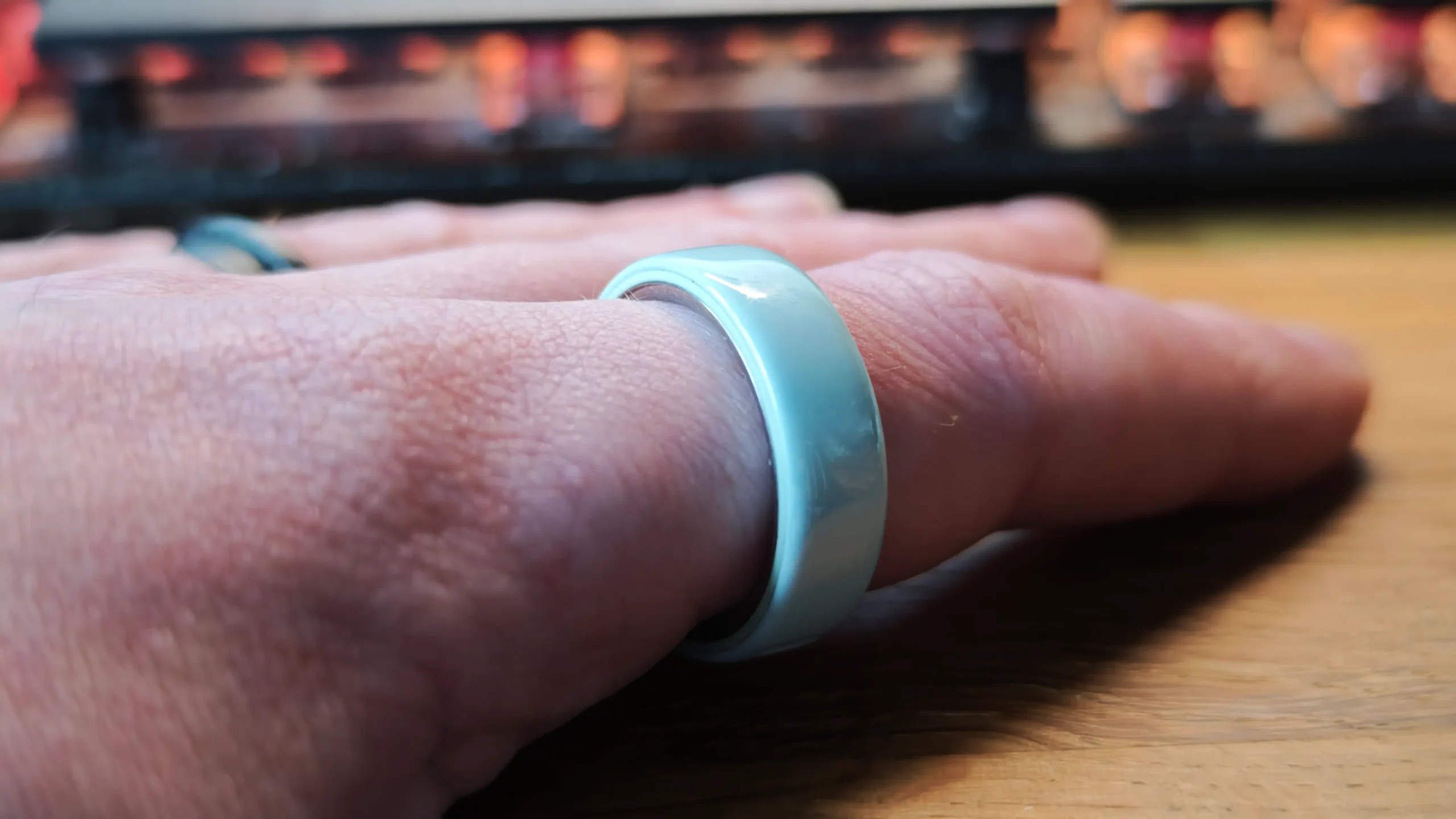
The Oura Ring 5 is a smart ring that features a range of health and fitness tracking options, including step tracking, sleep monitoring, and heart rate monitoring. The device comes in a range of colours, including Deep Rose, black, silver, and gold, and features a slightly rounder external surface than the Ring 4. With its improved sensors and customisation options, the Oura Ring 5 is set to be a major player in the smart ring market

Oura Ring 5: What to Expect from the Latest Smart Ring

The Oura Ring 5 has been leaked online, giving us a glimpse into its design and features. The latest smart ring is set to arrive in late 2027, ahead of the holiday season. The leak comes via Android Headlines, which has published renders of the device.

The Oura Ring 5 will feature a familiar smart wearable design, with a slightly rounder external surface than the Ring 4. The new device will come in a range of colours, including Deep Rose, black, silver, and gold. The renders also show matte and glossy variants of the device.

The report notes that Oura is sticking with the same bulky charger and sleek charging case solution as the Ring 4. Battery life is also expected to remain the same, which may be a disappointment for some users. However, the device will feature improved health tracking thanks to enhanced sensors.

We were impressed with the Oura Ring 4, awarding it a 9 out of 10 score. The device offers a great balance of design, tracking, battery life, and insights. The Ring 4 is still the best smart ring on the market, beating the Samsung Galaxy Ring in our opinion.

The Oura Ring 5 is set to build on the success of its predecessor, with new features and improvements. While we don’t know everything about the device yet, the leak gives us a good idea of what to expect. We’ll have to wait until late 2027 to get our hands on the device, but it’s certainly one to watch.

The UK release date for the Oura Ring 5 is not yet confirmed, but we expect it to be available in the country soon after its global launch. The device will likely be available from a range of retailers, both online and in-store.

In terms of features, the Oura Ring 5 is expected to offer a range of health and fitness tracking options. The device will likely include features such as step tracking, sleep monitoring, and heart rate monitoring. The improved sensors will also enable more accurate tracking of various health metrics.

The Oura Ring 5 will also feature a range of customisation options, allowing users to personalise their device to suit their style. The range of colours and finishes will give users plenty of choices, and the device will likely be compatible with a range of accessories.

Overall, the Oura Ring 5 is shaping up to be an exciting device. With its improved health tracking features and range of customisation options, it’s likely to be a hit with fitness enthusiasts and tech fans alike. We’ll be keeping a close eye on the device in the coming months, and will bring you all the latest news and updates as we get them.

The Oura Ring 5 is set to be a major player in the smart ring market, and we’re excited to see how it performs. With its range of features and improvements, it’s likely to be a strong competitor to other devices on the market. We’ll have to wait and see how it stacks up against the competition, but for now, it’s certainly one to watch.

In conclusion, the Oura Ring 5 is a device that’s worth keeping an eye on. With its improved health tracking features, range of customisation options, and expected release in late 2027, it’s likely to be a hit with many users. We’ll bring you all the latest news and updates on the device as we get them, so be sure to check back for more information.

Outlander Season 8: Get Ready for the UK Premiere on MGM+ in March 2026

Outlander season 8 poster featuring Jamie and Claire, set against a backdrop of the American Revolutionary War, with a descriptive alt text including the primary keyword 'Outlander'

Outlander Season 8: The Final Chapter of a Timeless Love Story

Outlander has captivated audiences with its fiery romance and bloody battles, taking viewers on a journey across time and continents. As the eighth and final season approaches, fans are eagerly anticipating the conclusion of Jamie and Claire’s epic love story. The UK premiere is set to air on MGM+ in March 2026, marking the beginning of the end for this beloved series.

The eighth season will be based on Diana Gabaldon’s ninth book, Go Tell The Bees That I’m Gone, which follows Jamie and Claire as they navigate the challenges of the American Revolutionary War. With the war having followed them home to Fraser’s Ridge, the Frasers must confront the question of what they are willing to sacrifice for their home and their love.

The official description of the season hints at a dramatic and action-packed storyline, with new arrivals and changes threatening to tear the family apart. As the Frasers fight to protect their home and their relationship, they must also face the secrets and lies that have been hidden for so long.

One of the most intriguing mysteries of the season is the fate of Faith, Claire and Jamie’s youngest child. Theories abound, with some speculating that Master Raymond, a mysterious figure with magical powers, may have brought Faith back to life. The showrunner, Matthew B. Roberts, has promised that season 8 will provide answers to this cliffhanger, and fans are eagerly awaiting the revelation.

The cast for season 8 includes Caitríona Balfe as Claire, Sam Heughan as Jamie, Sophie Skelton as Brianna, and Richard Rankin as Roger. New characters will also be introduced, including Captain Charles Cunningham and his mother, Elspeth Cunningham. Unfortunately, Tobias Menzies, who played Frank and Black Jack Randall, will not be returning for the final season.

While the eighth season marks the end of Jamie and Claire’s story, the Outlander universe will continue to expand with a prequel series already in production. The prequel, titled Blood of My Blood, will explore the story of Claire’s and Jamie’s parents, offering a new perspective on the beloved characters.

As the UK premiere of Outlander season 8 approaches, fans are eagerly anticipating the final chapter of this timeless love story. With its rich history, complex characters, and epic romance, Outlander has captivated audiences worldwide, and its conclusion is sure to be an emotional and unforgettable experience.

The release schedule for Outlander season 8 has been announced, with new episodes airing weekly on MGM+ in the UK. Fans can catch up on previous seasons on Amazon Prime Video, and the final season will be available to stream on the platform after its initial release.

In conclusion, Outlander season 8 promises to be an unforgettable conclusion to a beloved series. With its talented cast, gripping storyline, and emotional depth, this final chapter is sure to leave a lasting impression on fans. So mark your calendars for the UK premiere in March 2026 and get ready to bid farewell to Jamie and Claire’s epic love story.

Peaky Blinders: The Immortal Man – Netflix Film Release and Cast Revealed

Peaky Blinders: The Immortal Man featured image - Cillian Murphy as Tommy Shelby, set against a backdrop of war-torn Birmingham, with a hint of 1940s fashion and gangster flair, featuring a mix of drama, action, and style, with a touch of hedonism and fatalism, as the Peaky Blinders gang navigates the treacherous landscape of World War II

Peaky Blinders: The Immortal Man – A New Chapter Unfolds

The Birmingham gangsters are making a comeback, courtesy of Netflix, with a feature film that delves into the next chapter of Tommy Shelby’s life. The Peaky Blinders series, created by the BBC, was a massive hit that catapulted Cillian Murphy to stardom. The show’s unique blend of style, drama, and gangster politics captivated audiences worldwide.

The series boasted a talented ensemble cast, including Helen McCrory, Paul Anderson, and Tom Hardy, among others. The show’s influence extended beyond the screen, with its 1920s-inspired fashion trends becoming a cultural phenomenon. The iconic gangster outfits, complete with tailored suits, overcoats, and flat caps, continue to inspire fashion lovers to this day.

Netflix’s decision to create a movie spin-off was a natural progression, given the show’s immense popularity. The film’s script, penned by Steven Knight, promises to recreate the magic of the series. Tom Harper has been brought on board to direct the film, ensuring that the movie stays true to the show’s essence.

Peaky Blinders: The Immortal Man is set to hit selected movie theatres on Friday, 6 March 2026, with a Netflix premiere scheduled for Friday, 20 March 2026. Filming commenced in September 2024 in Digbeth, central Birmingham, and wrapped up in December 2024. The movie’s plot is shrouded in mystery, but it’s confirmed to take place in 1940, amidst the chaos of World War II.

Steven Knight, the screenwriter, has revealed that the film will explore themes of hedonism, fatalism, and existential crisis, as Tommy Shelby navigates the treacherous landscape of war-torn Birmingham. The stakes are higher, the budget is bigger, and the cast is phenomenal, featuring the best of British talent.

The series ended in 2022 with a cliffhanger, as Tommy Shelby, suffering from a tumour, contemplated suicide. However, the ghost of his deceased daughter, Ruby, intervened, and Tommy chose to start anew. The final scene saw him riding off into the hills on a white horse, leaving his burning wagon behind.

The film boasts an impressive cast, including Cillian Murphy, Rebecca Ferguson, and Barry Keoghan. Sophie Rundle, Stephen Graham, and Ned Dennehy will reprise their roles from the series. Sadly, Helen McCrory, who played Aunt Polly, will not be returning, having passed away in 2021.

As the release date approaches, fans are eagerly anticipating the next chapter in the Peaky Blinders saga. With its talented cast, gripping storyline, and historical backdrop, Peaky Blinders: The Immortal Man is poised to be a cinematic masterpiece.

Origin OS stands out in the UK for design and stability

Origin OS stands out in the UK for design and stability

A More Polished and Reliable Experience for British Users

Origin OS is gaining strong recognition across the UK for its blend of polished design and dependable stability. Many British smartphone users have noted that the software offers a more cohesive and refined visual experience than earlier versions, while also delivering reliable day-to-day performance. The interface feels smooth, organized, and thoughtfully structured, supporting a comfortable rhythm of use. These improvements reflect a deliberate effort to align Vivo’s software with the expectations of UK consumers who value clarity, consistency, and long-term reliability from their devices.

The design language of Origin OS has attracted attention for its visual balance and simplicity. The layout avoids unnecessary clutter, using clean lines, unified icon shapes, and well-proportioned spacing across the interface. This approach makes apps and system menus easier to navigate, reducing the need for repeated searching or layered menu browsing. For UK users who rely heavily on their phones throughout the day, this clarity supports a smoother experience overall. The emphasis is not only on aesthetics but on promoting a calmer and more intuitive interaction style.

Origin OS stands out in the UK for design and stability

Animation and motion design also contribute to the sense of polish. Origin OS includes refined transitions that make screen movements feel consistent and controlled. Swiping between apps, scrolling through feeds, and opening system panels feels predictable and smooth, without jitter or abrupt motion. UK users describe the interface as steady rather than flashy, with animation that enhances flow rather than drawing attention to itself. This restrained approach helps reduce visual strain and contributes to the perception that the software is carefully crafted.

Stability is another reason Origin OS has been well-received across the UK. The system is designed to maintain performance even during periods of heavy use, managing background activity efficiently to reduce unnecessary strain. Users report fewer app reloads and less lag when switching between tasks, making the device feel reliable throughout the day. This is especially important for people who depend on their smartphones for work communication, online research, navigation, and media consumption. The software’s focus on steadiness supports a dependable experience that holds up over time.

Battery performance plays a role in Origin OS’s reputation for stability. The system uses adaptive power management to identify active apps and direct resources accordingly, limiting background drain. This means that the device can handle long usage periods without sudden performance drops or overheating. UK commuters and remote workers have noted that their devices last consistently throughout the day even when switching between mobile data, calls, and app-based workflows. This long-duration reliability helps build trust in the system across varied daily routines.

Origin OS stands out in the UK for design and stability

Customization options add another layer of appeal without compromising system stability. Origin OS allows users to personalize themes, icons, and home screen structure, yet it maintains visual coherence across system menus and built-in applications. This means users can express personal style without creating a fragmented or inconsistent interface. For UK users who like to adapt the look of their device to match mood or identity, this balance of flexibility and structure is seen as a highlight. The customization features enhance individuality while keeping the interface neat and functional.

Connectivity and task management features also contribute to the software’s strong profile. The system responds smoothly when switching between Wi-Fi and mobile networks, which is useful for users traveling throughout cities and public transportation systems. Call quality, video playback, and messaging tasks remain stable even when signal conditions fluctuate. The multitasking tools allow for efficient workflows, enabling users to handle multiple apps without interruption. These functional strengths support the overall goal of providing a stable experience that fits easily into daily life.

Taken together, the design and stability improvements in Origin OS have strengthened Vivo’s position in the UK smartphone market. The interface feels mature and thoughtfully shaped, supporting both aesthetic appreciation and practical everyday performance. The software maintains fluid motion, clear structure, reliable power handling, and consistent multitasking behavior. For British users seeking a smartphone experience that feels both polished and dependable, Origin OS stands out as a system that delivers comfort, confidence, and long-term usability.

Also Read:  Origin OS feels more intuitive to UK Android users

OxygenOS 16 update size and installation guide

OxygenOS 16 update size and installation guide

How to Update to OxygenOS 16 and Installation Details

OnePlus has officially released OxygenOS 16, bringing improved performance, AI integration, refined UI design, and enhanced multitasking features. The update is available for select OnePlus devices and can be installed either via an over-the-air (OTA) update or manually using the full package. Understanding the update size and proper installation steps ensures a smooth upgrade without data loss or interruptions.

The OxygenOS 16 OTA update typically ranges between 4–6 GB, depending on your device model and the version you are upgrading from. This size includes system optimizations, new features, AI enhancements, and security patches. Users upgrading from a previous major version of OxygenOS may notice slightly larger updates, as incremental patches are combined with the new OS features. OnePlus recommends a stable Wi-Fi connection and sufficient internal storage before starting the installation process.

Over-the-Air (OTA) Installation is the easiest method. To begin, go to Settings → About Phone → Software Update. If the OxygenOS 16 update is available, tap Download and Install. Ensure your device has at least 50% battery life, and keep it connected to Wi-Fi during the process. The phone will download the update, verify it, and then automatically reboot to complete the installation. Users will see a progress bar during the update, and the device may restart multiple times depending on the update size.

OxygenOS 16 update size and installation guide

For users who prefer a manual or local installation, OnePlus provides the full OTA package for download from its official website. First, download the file compatible with your device model and move it to the root directory of internal storage. Then, navigate to Settings → About Phone → Up to Date, tap the three-dot menu in the top-right corner, and select Local Install. Choose the downloaded file, confirm the installation, and let the device reboot. Once complete, the device will run OxygenOS 16 with all new features and improvements.

OnePlus also provides a rollback option in case the beta version of OxygenOS 16 causes issues. To revert to a stable version, download the rollback package from the official site, place it in the root directory, and follow the same Local Install procedure. This ensures that users can safely return to a stable OS without losing essential data, although backing up personal files is recommended.

Before updating, users should take some precautions. Always back up important files, contacts, and media to a cloud service or local storage. Charge your device to at least 50% to avoid power interruptions during installation. Make sure there is a stable Wi-Fi connection to prevent failed downloads. Finally, verify that your device is eligible for the OxygenOS 16 update. Supported devices include the OnePlus 13, 12, and 11 series, along with select Nord models.

The installation process may take anywhere from 15 to 40 minutes, depending on your device and the update size. After installation, OxygenOS 16 brings a refreshed interface, smoother animations, improved multitasking, enhanced AI features, and better system performance. Users may notice faster app launches, improved battery optimization, and a more intuitive user experience throughout the device.

In conclusion, updating to OxygenOS 16 is straightforward if the steps are followed carefully. The update size ranges from 4–6 GB, and installation can be done via OTA or local manual install. Backing up data, ensuring sufficient battery, and using a stable Wi-Fi connection will make the process seamless. Once installed, users can enjoy enhanced AI integration, fluid animations, improved multitasking, and an overall more responsive OnePlus experience.

Also Read:  Samsung Galaxy M17 5G heat management under stress test

OxygenOS 16 cross device connectivity improvements

OxygenOS 16 cross device connectivity improvements

OnePlus enhances ecosystem integration and seamless device interaction

OxygenOS 16 introduces significant improvements in cross-device connectivity, allowing OnePlus users to interact more seamlessly with other devices, including PCs, tablets, smart TVs, and IoT products. These updates are designed to create a more integrated ecosystem experience, emphasizing convenience, speed, and reliability. Early U.S. user testing highlights smoother connections, faster data sharing, and improved synchronization across devices.

One of the key features is enhanced file transfer and clipboard sharing. Users can now quickly transfer files, images, and documents between OnePlus devices and Windows PCs without the need for cables or third-party apps. The system leverages faster protocols and background optimization to reduce latency and improve transfer speeds. Cross-device clipboard sharing allows users to copy text or links on one device and paste them seamlessly on another, improving workflow efficiency.

Screen sharing and casting capabilities have also been refined. OxygenOS 16 enables smoother screen mirroring to smart TVs and monitors, with reduced lag and higher fidelity visuals. Users can project apps, videos, or presentations from their OnePlus phone to larger displays effortlessly. U.S. testers have reported that the updated casting interface is easier to navigate and more stable compared to previous versions, providing a near real-time experience for work and entertainment purposes.

OxygenOS 16 cross device connectivity improvements

Another notable improvement is in device pairing and synchronization. OxygenOS 16 simplifies connecting with other OnePlus products, such as tablets, earbuds, and smart home devices. Automatic device recognition and one-tap pairing reduce setup time, while persistent connections ensure that devices stay synced without repeated manual intervention. Notifications, media playback, and call controls can now be shared across connected devices, making multitasking more efficient.

The update also improves cloud-based and networked interactions. OnePlus has optimized data syncing for contacts, messages, and app settings, ensuring consistency across multiple devices. Users can start an activity on one device and continue seamlessly on another, whether it’s browsing, editing documents, or streaming media. Enhanced background optimization ensures that these processes occur without noticeable impact on battery life or device performance.

Security and privacy are maintained during cross-device interactions. All data transfers and device communications use encrypted channels, and users have granular control over which devices can connect and access shared content. This ensures that convenience does not come at the cost of security, which is particularly important for sensitive work or personal data.

Overall, OxygenOS 16’s cross-device connectivity improvements create a more cohesive ecosystem for OnePlus users. Faster file transfers, seamless screen sharing, simplified device pairing, and synchronized interactions all contribute to a smoother, more productive experience. U.S. testers note that these updates make multitasking across devices more intuitive and reliable, enhancing both daily workflows and entertainment experiences. By strengthening interoperability and maintaining robust security, OnePlus ensures that its ecosystem remains both convenient and trustworthy.

Also Read:  Redmi Pad 2 Pro final verdict on value and performance