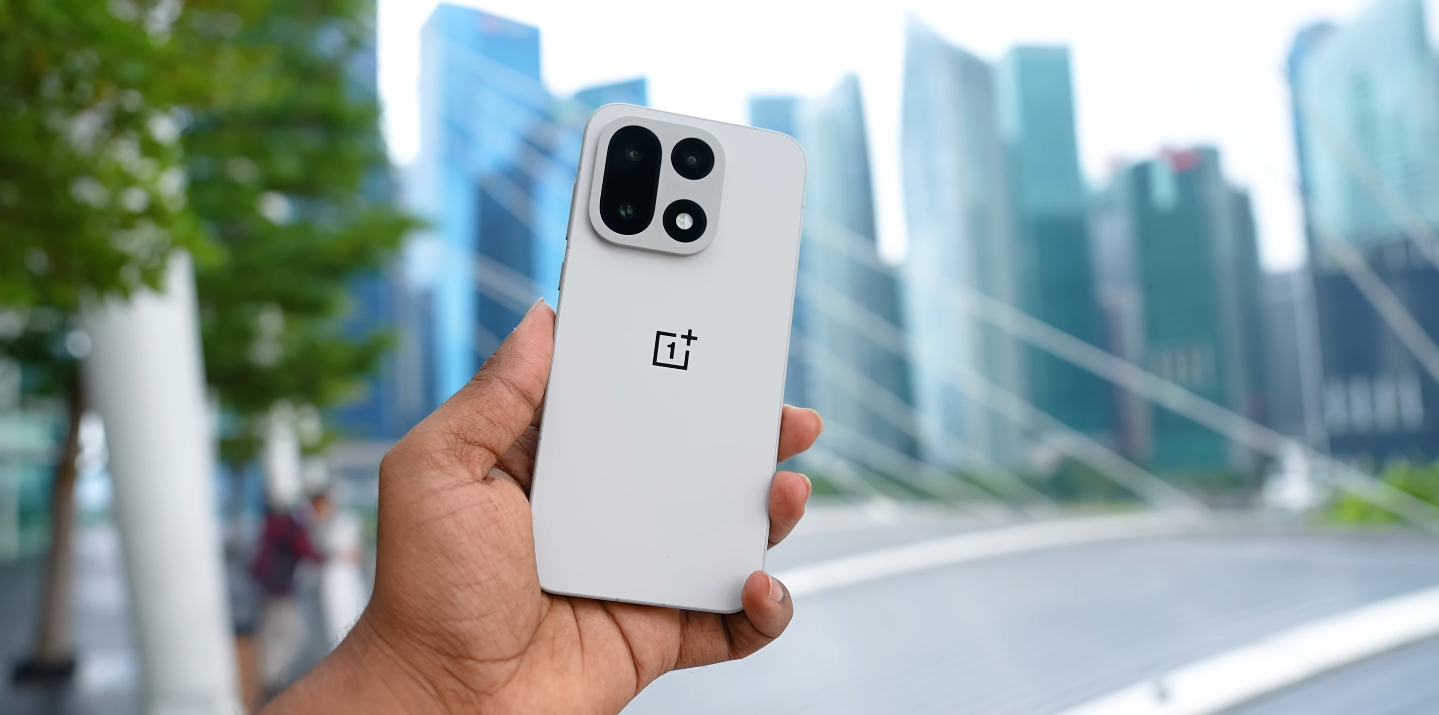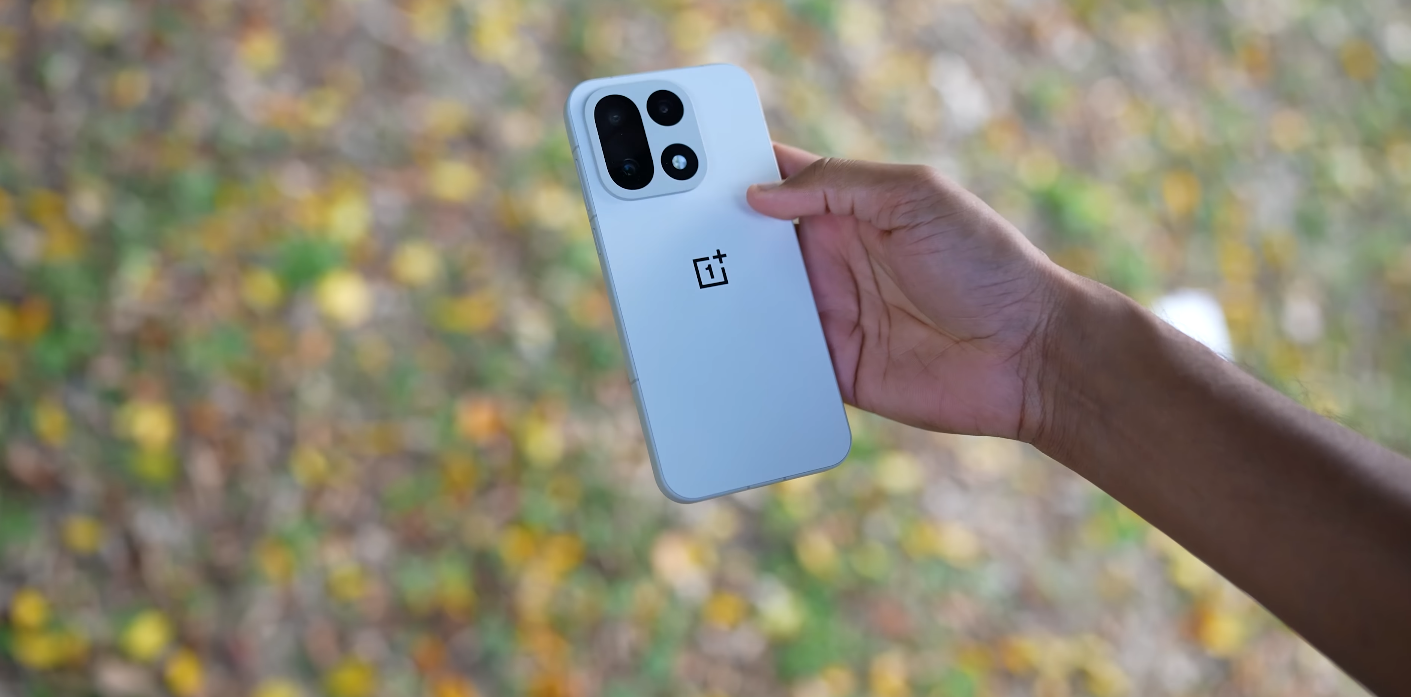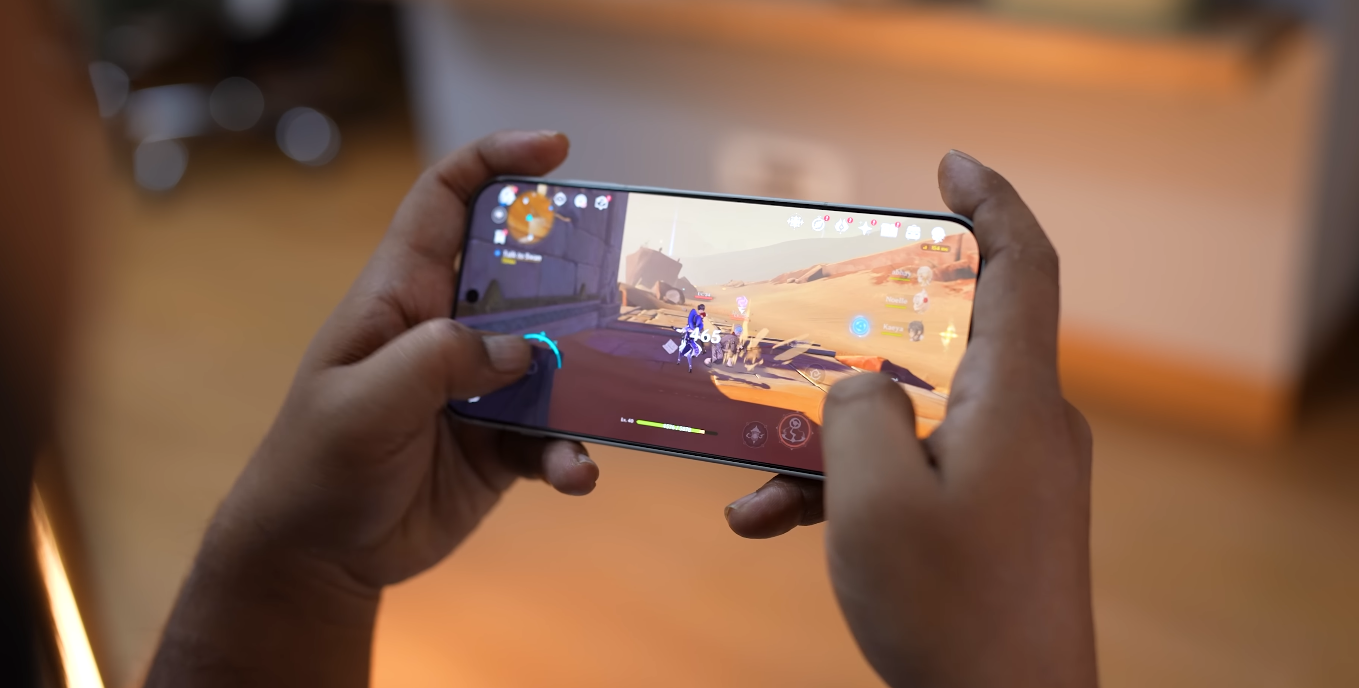
OnePlus 15 launch day hacking risks & security check list

OnePlus 15 launch day hacking risks & security check list

Essential protections every UK buyer should set up on day one

The launch of the OnePlus 15 brings flagship performance and new software features, but it also opens the door to increased security risks that commonly appear when a high-profile phone first reaches the public. Cybercriminals often target new devices during launch periods because users are excited, installing apps quickly and setting up accounts without much caution. For UK buyers, taking a few key steps on day one can significantly reduce the chance of hacking, data theft or fraud later.

One of the biggest risks during launch week is outdated software. Early batches of new phones sometimes ship with pre-release firmware that receives several patches shortly after release. Installing all available system updates as soon as the phone is turned on is the most effective way to close known vulnerabilities before they can be exploited. These updates often include fixes for permission issues, security loopholes and stability concerns that could otherwise expose sensitive data.

Another risk comes from app permissions. During the excitement of setting up a new flagship device, users often install multiple apps rapidly without reviewing what each app requests access to. Hackers exploit this behaviour through malicious apps that ask for unnecessary permissions such as SMS access, contact lists or device admin rights. Carefully checking permissions during installation ensures no app receives more access than it legitimately needs, reducing the likelihood of data misuse.

OnePlus 15 launch day hacking risks & security check list

Two-factor authentication is another area of concern. Many UK services still rely on SMS-based verification codes, but text-based authentication can be vulnerable to spyware or SIM-related exploits. Launch day is the ideal moment to switch your accounts to authenticator apps or hardware keys. These methods significantly reduce the risk of interception and ensure sensitive accounts remain protected, even if the device experiences a minor security flaw.

Setting up strong device-level protection is equally important. A secure PIN or password, paired with fingerprint or facial biometrics, prevents unauthorised access to apps and financial services. New phone owners often delay these steps in favour of quick access, but choosing a strong lock immediately protects personal data, banking apps and private files from both digital threats and physical theft.

App installation habits also play a major role in long-term safety. Sideloading apps or downloading files from unverified sources introduces one of the most common infection pathways. Even on launch day, it is best to rely exclusively on trusted app stores and verified developers. Unknown APK files or unfamiliar links shared through social media or messaging apps should be avoided, especially when the device is new and unpatched.

Backing up data securely is another essential step. Cloud storage, encrypted backups and account-level recovery options ensure that important files remain safe in case of loss, damage or a future security breach. Launch day is a perfect time to configure these features before the phone becomes filled with photos, documents and essential app data that might be difficult to replace.

Privacy tools built into the OnePlus 15 can provide additional protection when enabled early. Features such as app-locking, password-protected folders, background-activity controls and secure file management offer extra layers that help reduce exposure to unwanted tracking or unauthorised access. These tools are often overlooked by new users, yet they contribute meaningfully to overall device security.

Securing your network on launch day is equally important. Connecting the phone for the first time through safe Wi-Fi avoids the risk of eavesdropping commonly associated with public hotspots. Pairing accessories such as earbuds or smartwatches should also be done carefully, ensuring the devices come from trustworthy manufacturers and are updated with the latest firmware.

Remote-tracking and wipe features provide critical protection in cases of loss or theft. Setting up find-my-device services allows you to locate, lock or erase your OnePlus 15 if it goes missing. This serves as a final safety net, ensuring your data is protected even if the handset is physically compromised. Many users forget to activate this feature until it is too late, making it essential to configure on day one.

In summary, while the OnePlus 15 offers strong performance and modern software, no smartphone is immune to risk—especially during the vulnerable launch period. Installing updates, reviewing permissions, strengthening authentication, securing backups and enabling privacy tools all contribute to a safer long-term experience. For UK buyers who want peace of mind alongside flagship capability, following this launch-day security checklist ensures a smooth and protected start with the OnePlus 15.
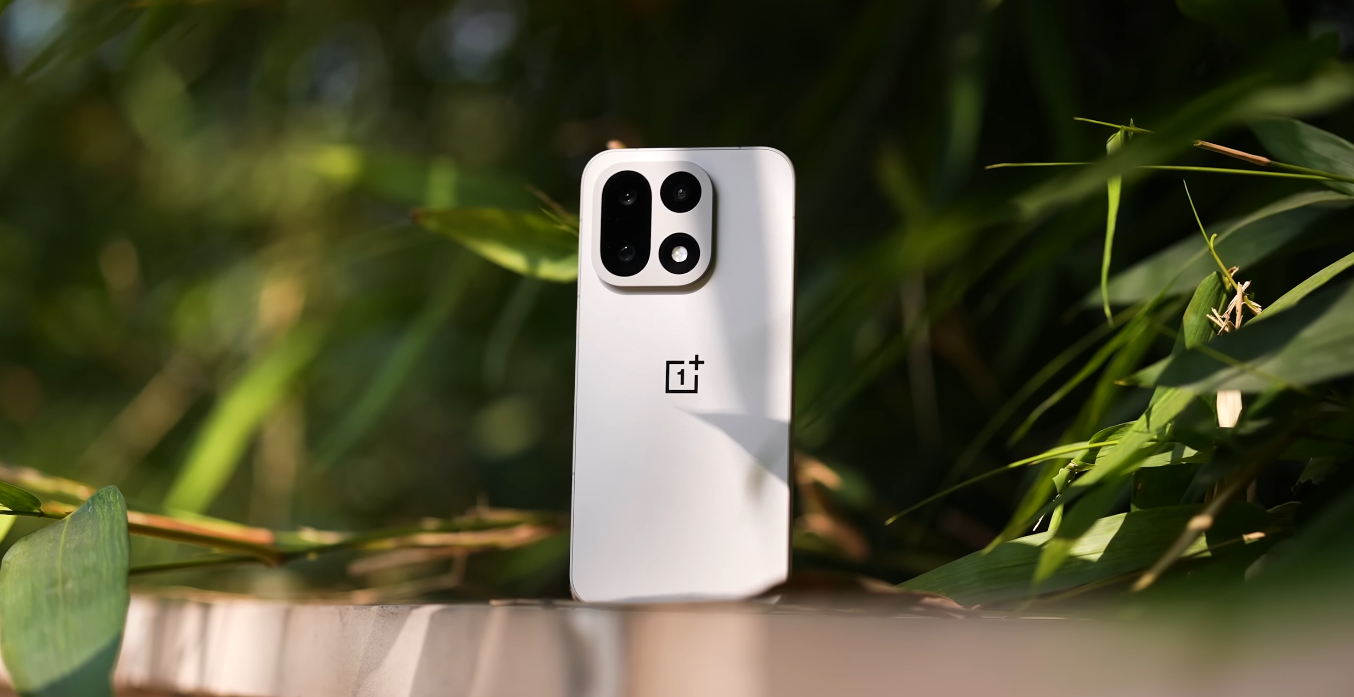
OnePlus 15 UK stock shortage warnings: buy early or wait?

OnePlus 15 UK stock shortage warnings buy early or wait

How launch demand may affect availability for UK buyers

The OnePlus 15 is generating strong interest in the UK, and early indications suggest that initial stock could be limited. UK buyers have already seen signs of high demand across multiple retailers, with certain colour and storage variants appearing in short supply during early reservation periods. This has raised an important question for anyone planning to buy the device: is it better to secure a unit as soon as sales open, or wait for later batches?

Early demand signals suggest that the first shipment allocated to the UK may sell out quickly. Launch-day traffic tends to be high, and previous OnePlus releases have shown similar patterns where early units disappear rapidly, especially for popular colours and higher storage options. For buyers who want a specific configuration, acting early remains the safest route because later restocks might prioritise only the most common variants.

At the same time, there are reasons to consider waiting. Launch periods occasionally bring minor software bugs, shipping delays or stock imbalances that stabilise after the first wave. Buyers who are not in a rush may benefit from allowing initial batches to clear, giving manufacturers and retailers time to replenish inventory and smooth out any issues discovered in the earliest units. This also allows time for UK-specific buyer feedback to surface, giving clearer insight into real-world performance.

OnePlus 15 UK stock shortage warnings buy early or wait

Pricing is another factor. Although the OnePlus 15 is positioned competitively for a flagship, launch-day incentives sometimes vary between retailers. Buyers who wait a short while may see bundled offers, trade-in enhancements or limited promotions once the initial rush has passed. These short-term adjustments can add value without reducing the device’s retail price. Early buyers may miss out on these unless they act during pre-announced promotional windows.

For those who want the phone immediately, pre-order reservations or early-buying slots offer the best chance of securing the desired model. Retailers often highlight estimated dispatch dates or shipping windows, and these can indicate whether stock is running tight. If estimates begin shifting further into the future, it is usually a sign of rising demand exceeding early supply. Keeping track of such signals is useful for UK buyers planning their purchase.

Waiting, however, is a practical choice for buyers who are flexible about variant selection. If you do not mind choosing a different colour or storage option, restocks will be less problematic. Additionally, once the first few weeks pass, distribution tends to improve, and stock levels usually stabilise across major retailers. This can provide a smoother buying experience with reduced risk of delays or shortages.

For buyers concerned about missing early-day inventory, monitoring official retailer pages in the UK remains essential. Small restocks often appear quietly and sell out quickly, so keeping an eye on updates can help secure a unit even if the first wave is missed. Signing up for stock alerts can also ensure timely notification without the need to check manually.

Ultimately, the buy-early or wait decision depends on how urgently you want the phone and how specific your variant preferences are. Buyers prioritising immediate access or a particular configuration should secure a unit as soon as ordering opens. Those who can afford to wait may benefit from smoother availability, stabilised supply and possible value-added deals in the weeks following launch.

In summary, the OnePlus 15 is likely to face early stock pressure in the UK, but availability should improve as shipments expand. Acting early is wise if you want guaranteed access to a specific variant, while waiting offers advantages for flexible buyers who prefer a calmer purchasing window and potential added value. The right choice ultimately depends on your timing, preferences and urgency.

OnePlus 15 screen-on-time after 6 months: projected durability

OnePlus 15 screen-on-time after 6 months projected durability

How long-term use may affect real-world battery endurance

The OnePlus 15 launched with a large 7300 mAh silicon-carbon battery, one of the biggest capacities offered in a mainstream flagship phone. Its early results show excellent stamina in daily UK use, with strong endurance during streaming, navigation and high-refresh tasks. As with any smartphone, battery health decreases over time, so understanding how performance may look after six months is important for long-term buyers.

In its first weeks the OnePlus 15 delivers impressive screen-on-time thanks to the efficiency of its chipset and the stability of its battery chemistry. Many users comfortably achieve a full day of heavy use, and lighter days can stretch into a second. This strong starting point forms the basis for predicting how much endurance will remain after months of regular charging and daily wear.

Battery degradation is normal and expected in all lithium-based cells. Silicon-carbon batteries, however, are engineered to maintain health for longer, and OnePlus states that the technology is designed to retain over 80 percent capacity after four years of use. Six months represents only a small portion of this lifespan, meaning battery health loss during that period should be minimal for most users.

OnePlus 15 screen-on-time after 6 months projected durability

Based on typical usage patterns, a realistic projection for screen-on-time after six months suggests only a slight reduction. Under light to moderate tasks such as browsing, messaging, email, social media and streaming, the OnePlus 15 should still achieve around seven to eight hours of screen-on-time. This remains well within full-day performance, especially when combined with the phone’s efficient standby behaviour.

For heavier routines involving long gaming sessions, high-refresh-rate use, camera-intensive days or navigation, screen-on-time may settle around five to six hours after six months. This is a modest drop compared to early usage figures and aligns with what is expected from a battery of this size and design. Heavy users should still find the phone reliable enough to complete demanding days without mid-day charging.

Environmental conditions also influence long-term endurance. The UK’s colder months can slightly reduce performance when the phone is used outdoors for extended periods, especially during navigation or filming. However, silicon-carbon cells generally handle temperature variations better than traditional lithium-ion batteries, helping maintain more stable screen-on-time even as the device ages.

Charging habits play a meaningful role in how much battery health is lost over time. Avoiding prolonged time at 100 percent, limiting extremely high temperatures and using adaptive charging features can significantly slow degradation. The OnePlus 15 includes built-in battery optimisation settings that regulate charging behaviour overnight and reduce stress on the cell during daily top-ups.

Fast charging remains a major advantage even after six months of ownership. The phone can replenish a large amount of power in a short time, making it easier to compensate for any natural reduction in screen-on-time. Even if heavy use results in a lower end-of-day percentage later in the device’s life, quick charging ensures users are rarely inconvenienced.

Users who rely on 165 Hz refresh rate or extended gaming sessions may see a slightly faster decrease in daily endurance, but this is consistent with all high-performance smartphones. Switching to adaptive refresh rate or managing performance modes during long tasks can keep battery drain under control without noticeably affecting the user experience.

Overall, the OnePlus 15 is expected to maintain strong screen-on-time after six months, with only a minor, natural reduction from its launch performance. Most users in the UK can anticipate a reliable full day of use and, under lighter workloads, the potential for multi-day endurance. The design of the battery and the software optimisations ensure the device continues to feel dependable over time.

In summary, the OnePlus 15’s projected durability remains a key strength. With a large battery, efficient hardware and smart charging management, the device should deliver robust screen-on-time even after months of regular, real-world usage. For buyers seeking long-term stability without rapid decline, the phone offers a reassuring level of endurance.

OnePlus 15 UK deals: how to get the best price on launch day

OnePlus 15 UK deals how to get the best price on launch day

Smart ways to land a great deal on launch

The OnePlus 15 is officially launching in the UK and competitive pricing is expected right out of the gate. With the base model priced around £849 for the 12 GB/256 GB variant, it’s important to prepare ahead. Trade-in offers, bundles, and early-bird discounts could push the effective cost even lower.

Begin by checking the official UK store for pre-order deals. OnePlus typically offers trade-in credits, guaranteed savings or bonus items when buying on day one. Securing these incentives early can make a meaningful difference on the final price. Make sure you also verify the trade-in eligibility and condition requirements.

Next, compare across authorised UK retailers. Some retailers will match the official pricing but sweeten the deal with extras—such as wireless chargers, protective cases, or vouchers. While the headline price may remain the same, the value-added accessories can tilt the deal in your favour. Keep an eye on bundle descriptions rather than just price tags.

OnePlus 15 UK deals how to get the best price on launch day

Timing matters on launch day. Launch windows often open mid-morning UK time or shortly after the product reveal. Signing up for alerts from OnePlus UK and major electronics retailers gives you a head-start. Stock can sell out fast for certain colour or storage variants. Being ready to act the moment sales go live increases your chances of securing the model you want.

Choosing the right variant is another key factor. The higher-spec model (16 GB/512 GB) may only cost slightly more on launch but unless you truly need that extra storage or RAM, the base variant often offers the best value. Assess how you use your phone and whether the upgrade is worth the extra expense.

Contract deals could present another route to savings. Some UK mobile networks may launch the OnePlus 15 with a deposit plus monthly payments, and sometimes include perks like streaming subscriptions or roaming benefits. But always calculate the total cost across the contract term to ensure it’s truly better value than buying unlocked.

Warranty and region compatibility should not be overlooked. Buying from a UK authorised retailer ensures you benefit from UK consumer rights, local warranty service, and the correct network bands. Avoid grey-import units, even if they look cheaper, as the risk and cost of potential issues may outweigh any discount.

Lastly, consider accessory bundles and trade-in credits together. A bundle that includes useful extras or a trade-in offer that offers a meaningful discount can add more value than a small headline price drop. Put together the total deal value—not just the base cost.

In summary, to get the best price on launch day for the OnePlus 15 in the UK, act early through authorised channels, leverage trade-in offers, evaluate bundle value, and choose the variant that fits your needs. With careful timing and strategy, you can maximise savings and snag a strong deal.

OnePlus 15 features you’ll actually use vs the ones you won’t

OnePlus 15 features you’ll actually use vs the ones you won’t

Separating everyday essentials from headline additions

The OnePlus 15 arrives with a range of new hardware improvements and software refinements, but not every feature will matter equally in daily use. Buyers in the UK often look for practical value, efficiency and ease of use rather than just premium specifications. Understanding which features will deliver real benefit and which may play a lesser role helps clarify how the phone aligns with everyday life.

One feature that users are likely to appreciate consistently is the battery performance. The OnePlus 15 continues the company’s commitment to strong battery endurance, supported by fast charging technology designed to minimise downtime. Long battery life plays a meaningful role in commuting, workdays and travel, making this one of the core functional strengths of the device.

The display will also be a benefit for most users. The OnePlus 15 offers a smooth high-refresh OLED panel that improves scrolling, navigation, video playback and general responsiveness. While the technical refresh rate figures may be highlighted as a performance headline, the true advantage is the feel of the interface. The improved clarity and reduced latency contribute to a pleasant everyday experience that remains noticeable over time.

OnePlus 15 features you’ll actually use vs the ones you won’t

Processing power is another area that users will actively benefit from. The OnePlus 15 is equipped with a next-generation chipset designed to support both performance-heavy applications and efficient background activity. This helps ensure fluid multitasking across messaging, web browsing, streaming and photography. It also future-proofs the device for several years of app and system updates, reducing the need for early hardware replacement.

The camera system offers improvements that will be visible in regular photo-taking scenarios. A larger primary sensor helps capture more detail and light, while software refinements enhance colour handling and image sharpness. Everyday shots of people, outdoor scenes and low-light environments should show consistent improvements. While specialist camera functions may not be used frequently, core image quality benefits will be appreciated.

On the software side, the user interface refinements in OxygenOS continue to support ease of navigation and smooth operation. Cleaner menus, dynamic theming options and reduced clutter contribute to a user-friendly experience. These are the types of improvements that operate quietly in the background yet support daily satisfaction with the device. For users who value predictability and clarity, this is a notable strength.

However, not every feature receives equal usage in practice. For instance, extremely high refresh rate modes may not show meaningful value outside certain games or niche applications. Many apps remain capped at lower refresh outputs, and general interaction already feels smooth without pushing the highest available setting. The presence of the capability is beneficial, but everyday usage may not fully utilise it.

Similarly, advanced zoom features in the camera system may be used less frequently. Telephoto lenses offer extended reach, but most users primarily rely on the main and ultra-wide cameras for everyday photography. The extended optical zoom advantage will benefit travellers, wildlife observers and long-distance photography enthusiasts, but may contribute less to general usage patterns.

Special edition material finishes and design variants also fall into the category of features that may be appreciated initially but often fade into the background over time. These variations can improve durability or aesthetics, but they do not significantly alter user interaction or performance. The core structure of the phone remains the same across finishes, making these additional touches a matter of visual preference rather than practical value.

Gaming-focused performance enhancements may also see limited real-world impact for many users. The improvements in heat dissipation, frame stability and processor acceleration will matter to those who regularly play graphically intensive titles. However, for users whose phone activity focuses on productivity, communication and light entertainment, these optimisations may feel secondary to general speed and responsiveness.

In summary, the OnePlus 15 offers several features that align closely with practical everyday use, including battery performance, display quality, core camera improvements, system stability and interface design. These strengths contribute directly to ease of use and long-term satisfaction. Other features, such as high-level zoom, advanced gaming optimisations and stylistic hardware options, may serve more selective use cases. The result is a device that balances headline specifications with meaningful daily value, making it well-suited for a wide range of users who prioritise reliability, smooth operation and a cohesive experience.

OnePlus 15 network compatibility: what UK buyers must check

OnePlus 15 network compatibility what UK buyers must check

The connectivity realities behind OnePlus 15’s UK experience

The OnePlus 15 has entered the flagship cycle with bold specs, but network behaviour is one of the most critical areas UK buyers should verify before committing. Unlike display or charging features that look the same across regions, cellular compatibility can vary between device variants. That means you cannot assume every OnePlus 15 version will deliver identical results on British carriers, even if the hardware looks identical on paper.

The UK mobile landscape uses a specific mix of frequency bands for both 4G LTE and 5G NR. The most important aspect to check is whether the model you are buying supports the low-band 700MHz layer for 5G, because this channel is crucial for stronger indoor penetration across British homes. Support for mid-band 5G at the 3.5GHz range also matters for high speed throughput in dense urban areas such as London, Birmingham and Manchester.

When it comes to 4G, the UK still relies heavily on the 800MHz layer to provide reach in rural and suburban areas. This means that a buyer choosing a non-UK variant of this phone could lose more than just theoretical speeds — signal consistency around older buildings could be affected. Many imported devices support some of the right bands but miss one or two key carriers’ combinations that make the biggest difference in day-to-day reliability.

OnePlus 15 network compatibility what UK buyers must check

Another check involves voice service support. UK carriers lean more on VoLTE and Wi-Fi calling to stabilise calling quality indoors. Some imported OnePlus models in older generations required region-specific software activation for these to work properly. The OnePlus 15 aims to provide wider support, but it still depends on firmware loaded on the specific variant, and the UK version remains the safest option for predictable feature behaviour.

eSIM is another detail that buyers should verify clearly. While the global marketing for this generation emphasises eSIM availability, the regulatory implementation may differ by region. Travellers, business users and dual-number professionals in the UK increasingly rely on eSIM for flexibility, so confirming that the exact variant supports it is important. Some foreign channels sell models that omit eSIM entirely.

Combined fleet behaviour also plays a role in overall performance. UK networks benefit from modern carrier aggregation between certain mid-band and low-band frequencies, and the OnePlus 15’s modem supports multi-layer aggregation to improve stability. This translates into fewer micro-dropouts when streaming content, navigating maps or using video calling in busy network zones, provided the model supports the specific UK carrier profiles.

Carrier updates are another variable often overlooked. Officially sold UK models receive optimised operator configuration via software updates, which can improve antenna tuning and radio scheduling over time. Imported devices may not receive these tweaks, meaning raw hardware capability can be present but under-utilised. For long-term ownership, operator-aligned software can make a measurable difference in slow or mixed reception areas.

One final point: travelling across different parts of the UK still means crossing multiple signal density profiles. London and Edinburgh behave very differently from coastal Cornwall or remote Highland towns. A OnePlus 15 with proper low-band and mid-band support will simply handle those transitions better. That is why frequency support is not a checklist formality — it shapes real daily usability.

For UK buyers, the core recommendation is simple: confirm the exact model number before purchase, ensure the variant includes key UK 5G and 4G bands, and prefer officially supported UK units when possible. When these conditions are met, the OnePlus 15 can offer excellent connectivity across Britain. If not, even this powerful flagship could deliver inconsistent network experiences, and that is a risk worth avoiding.

OnePlus 15 fast charging put to the test: 0-100% in how many minutes?

OnePlus 15 fast charging put to the test 0-100% in how many minutes

Charging performance expectations for the new flagship

The OnePlus 15 has drawn considerable attention for its reported charging capabilities, with early testing and manufacturer information indicating a strong focus on speed and battery endurance. While the device has not yet completed its global rollout, the fast charging performance demonstrated in the initial release market provides a clear picture of what users may expect when the model arrives in the UK.

The OnePlus 15 is equipped with a high-capacity battery designed to support extended daily usage without requiring multiple top-up charges. Early information from regions where the phone has already been released indicates that the device uses a dual-cell silicon-carbon battery structure, which is built to handle rapid energy transfer more efficiently than traditional lithium-ion battery designs. This technology is engineered to reduce heat output and slow battery wear over time.

Wired charging has been one of the most notable features highlighted in early demonstrations. The Chinese variant of the OnePlus 15 supports up to 120W fast wired charging when used with the supported charger and cable. Under controlled conditions, tests have shown the device charging from 0% to approximately 50% in around 15 minutes. This rapid initial charge phase is designed to provide meaningful usage time in a short window, which can be particularly useful in daily commuting or travel situations.

OnePlus 15 fast charging put to the test 0-100% in how many minutes

A full charge from 0% to 100% has been recorded at around 40 to 45 minutes in real-world charging tests. These results depend on environmental factors such as ambient temperature, battery health, and whether the handset is being used during charging. Even with minor variations across usage scenarios, this places the OnePlus 15 among the faster-charging flagship smartphones currently in circulation.

Wireless charging is also part of the overall battery experience on the OnePlus 15. The model supports wireless charging speeds up to 50W in regions where this feature is offered. While wireless charging generally takes longer than wired charging due to thermal safety controls and power transfer efficiency, the speeds indicated suggest that the device can still replenish its battery quickly when placed on a compatible charging stand. This provides added flexibility for those who prefer cable-free desks or bedside charging habits.

It is important to note that global versions of smartphones occasionally differ from their domestic release models due to regulatory standards or charger bundling decisions. For the UK market, the final wireless charging wattage and included charging accessories may be confirmed closer to launch. However, the core fast charging architecture of the device is expected to remain consistent across regions. Users should anticipate the same underlying charging efficiency even if supported wattage levels vary slightly.

Thermal management plays a critical role in enabling rapid charging speeds, and the OnePlus 15 incorporates a multi-layer cooling system designed to prevent overheating during high-speed power input. This combination of battery chemistry and hardware cooling support is intended to protect long-term battery health while maintaining consistent charging times. Early assessments indicate that the device remains stable under load, without significant heat buildup during the charging process.

For users who frequently rely on their smartphones throughout the day, the charging performance of the OnePlus 15 may offer a practical benefit. The ability to regain multiple hours of operational time in a short charging session reduces dependence on overnight charging routines and enables more flexible usage patterns. This can be particularly appealing for professionals, travellers, and those who engage in regular media streaming or mobile gaming.

As always, real-world performance in the UK will become clearer once the device is widely available and reviewed under local usage conditions. Network behaviour, software optimisation updates and region-specific hardware configurations can all influence results. However, based on the verified testing currently available, the OnePlus 15 appears to deliver one of the most competitive charging experiences among modern flagship smartphones.

In summary, early tests suggest that the OnePlus 15 can achieve a 0 to 100% charge in roughly 40 to 45 minutes with its supported fast wired charging system, while offering strong efficiency and battery health considerations. With its large battery capacity and flexible wireless charging support, the device is positioned to appeal to users who prioritise fast turnaround times and sustained performance throughout the day. As its UK release approaches, the charging capabilities of the OnePlus 15 are expected to be a defining feature in its market reception.

OnePlus 15 review: why this flagship could upset every major brand

OnePlus 15 review why this flagship could upset every major brand

A serious flagship that pushes well beyond small iterative upgrades

The OnePlus 15 officially arrived this autumn, and its reception across core mobile tech circles shows this model is not just a routine follow-up device. It is built around major next-generation hardware, a visibly more premium build direction, and a software platform that now leans more towards cleaner performance rather than over-branded feature marketing. That alone already places it in a different league within the UK flagship category.

The headlining update is the chipset. OnePlus is one of the first manufacturers to ship Qualcomm’s latest premium-tier mobile processor in a global volume device, and that decision draws genuine interest from power-users. This new generation silicon is built for more sustained performance under thermal load, which matters for gaming, video editing, and any high-demand use where many Android devices tend to throttle. That is a real world difference, not a cosmetic spec.

Display quality is also an area where the OnePlus 15 moves forward. The company continues with an LTPO OLED panel and supports an adaptive refresh rate to balance smoothness with battery efficiency. While UK users have seen high refresh rates become normal across flagships, the difference here is that the panel management logic is more intelligent, dropping to low refresh ranges when content does not need motion. That contributes to noticeably improved endurance without cheapening the visual feel.

OnePlus 15 review why this flagship could upset every major brand

Charging remains a signature part of OnePlus identity, and this generation demonstrates that the brand is not stepping back from its engineering advantage. High wattage wired charging remains officially supported, and the wireless system has also been lifted to a more competitive tier. This continues to appeal to UK buyers who prefer shorter top-up sessions instead of overnight charging habits. The real value here is consistency across charge cycles rather than one-off lab figures.

OnePlus has also refined the exterior build, and this time the device feels more premium by intention rather than trying to follow a trend. The frame uses a higher grade alloy mix, the edges are cleaner, and the colour options have been developed with a more muted, professional tone. The phone feels more corporate-ready and less like a gaming-style slab. In the UK market, that matters because most high value buyers here tend to use their phones as business extensions.

Camera strategy is one of the biggest talking points. OnePlus has stepped away from its long public co-branding approach and now leans on its in-house computational image foundation. This decision was confirmed ahead of the model’s reveal, and it shifts the responsibility of colour tuning, dynamic range processing and motion capture entirely onto OnePlus software teams. It is a bold move — but it also signals long-term self-direction rather than dependence on external imaging partnerships.

Software behaviour is delivered through the latest OxygenOS built over the latest stable Android platform. There is less visual clutter, more optimisation logic, and less duplication of system components. UK users who prefer a cleaner app drawer and faster response times will notice this immediately. And the long-term update roadmap that OnePlus committed to for this model adds genuine reassurance for buyers who do not want to cycle handsets every year.

Network performance is another area where this device steps forward in a verifiable way. The modem supports the most recent 5G radio improvements, and tests have already shown more stable high-band throughput. It is also more efficient in low-signal indoor zones, which is directly relevant for UK homes and offices where thick walls still make reception unpredictable. Better sustained reception matters more than headline peak speeds.

All of this means the OnePlus 15 is now competing not as a cheaper flagship alternative, but as a legitimate primary choice in the core premium bracket. The narrative is no longer “affordable giant killer”. It is now an equal contender to names like Apple and Samsung. That psychological shift is important, because once perception changes in the UK mainstream base, brand loyalty patterns also begin shifting.

If pricing and supply remain stable through winter and early 2026, this model could genuinely alter behaviour at the top of the market. It has real performance credibility, verified engineering improvements, and a design personality that now looks serious rather than experimental. That is why this flagship could upset every major brand — because it is not playing in the shadow side of the flagship segment anymore. It is confidently standing in the front row itself.

Also Read:  Galaxy M17 5G dust & splash resistance: how much does IP54 matter?

OnePlus 15 vs Realme 12 Pro+ — Photography and Display Comparison

OnePlus 15 vs Realme 12 Pro+ — Photography and Display Comparison

Understanding Display and Camera Trade-Offs for UK Users

When selecting a smartphone in the UK, display performance and camera capability often dictate how you’ll use the device daily. The OnePlus 15 offers a premium experience across both areas, while the Realme 12 Pro+ aims to deliver strong value without matching flagship levels. Here’s how they compare, and which might suit your priorities.

The display of the OnePlus 15 brings cutting-edge specs: a large high-resolution LTPO OLED panel, ultra-high refresh rate up to 165 Hz and peak brightness designed to keep the screen visible even under bright UK outdoor conditions. This smoothness and brightness advantage become noticeable when scrolling, gaming or viewing content in direct daylight. The screen is likely to feel more premium and future-proof.

By contrast, the Realme 12 Pro+ offers a solid display for its price: a curved AMOLED panel with a 120 Hz refresh rate and good colour performance. For everyday use—streaming, browsing, social media—its screen is more than adequate and delivers a pleasing experience. However, it lacks the absolute pinnacle specs of the OnePlus, so the difference becomes more obvious if you switch between the two.

OnePlus 15 vs Realme 12 Pro+ — Photography and Display Comparison

Turning to cameras, the OnePlus 15 is equipped with a top-tier triple-50MP setup including telephoto zoom, wide aperture and advanced image processing. UK users who take many photos, zoom into subjects or shoot in less-than-ideal lighting will likely benefit from the OnePlus’s stronger optics and processing power. It’s designed for users who demand more from their phone camera.

On the Realme 12 Pro+, the camera setup is impressive for a mid-range handset: a 50MP main sensor paired with additional lenses that deliver versatile shots for daily use. For casual photography—selfies, everyday scenes, social media posts—it performs very well and will satisfy most UK buyers who aren’t chasing the utmost in image fidelity or zooming capability.

In everyday scenarios in the UK—indoors, dim lighting, cloudy outdoor conditions—the OnePlus 15 has a clear edge. Its larger sensor, better optics and display brightness combine to deliver better results in challenging light. The Realme, while capable, may show more noise in low-light or struggle slightly when zooming in or capturing finer details. But for normal daylight and standard uses, it will hold up comfortably.

User priorities will determine the right choice. If you frequently use your phone for photography, gaming, heavy mult-tasking or in bright outdoor conditions, the OnePlus 15 justifies the extra cost with premium display and camera quality. If you are more concerned with budget, everyday usability, and still want a strong display and capable camera without paying flagship prices, the Realme 12 Pro+ offers excellent value in the UK market.

In conclusion, for UK users seeking the best display and camera combination, the OnePlus 15 is the standout. For those wanting a smart mid-range phone that delivers strong performance for most tasks without breaking the bank, the Realme 12 Pro+ is a compelling choice.

OnePlus 15 memory and storage variants: which makes sense in UK?

OnePlus 15 memory and storage variants which makes sense in UK

Choosing the Right Configuration for the UK

When buying the OnePlus 15 in the UK, selecting the appropriate memory and storage variant makes a meaningful difference in value, performance and longevity. With two key configurations available, matching your usage pattern to the right one ensures you get a phone that suits your needs without overpaying.

In the UK market, the OnePlus 15 is offered in two primary variants: one with 12 GB of RAM and 256 GB of internal storage, and a higher tier with 16 GB of RAM and 512 GB of storage. The basics: 12 GB RAM supports smooth multitasking and heavy use for most people, while 256 GB storage covers everyday apps, photos and streaming libraries. Meanwhile, the 16/512 version gives extra headroom for power users and future-proofing.

For RAM, 12 GB is more than sufficient for the majority of UK users today. Whether using multiple apps, browsing, streaming or casual gaming, the phone will perform smoothly and stay responsive. If you’re someone who opens dozens of apps, plays large graphic-intensive games, uses the phone for heavy editing or plans to keep it for many years, the 16 GB option gives extra space and may delay the need to upgrade.

OnePlus 15 memory and storage variants which makes sense in UK

Considering storage, 256 GB is enough for most users who stream music and video, take plenty of photos and install several large apps. If however you’re shooting lots of high-resolution video, hoarding large media collections, or keep many offline maps and documents, the 512 GB variant removes any storage anxiety. For those in the UK who travel, capture lots of content or use their phone for creative work, the larger storage makes sense.

From a value standpoint, the 12GB/256GB version is the best choice for the majority of UK buyers. It hits the sweet spot of performance, capacity and price. Unless you have specific needs that demand more RAM or storage, upgrading to the 16GB/512GB model may offer diminishing returns for most normal use-cases.

If you’re looking at long-term usage and resale value, the 16GB/512GB variant gives more longevity. UK buyers aiming to keep the device three to four years or more will find the extra specs worthwhile. Also, for those who tend not to upgrade frequently, going higher spec now can pay off down the line.

UK-specific considerations include checking the price premium between the two variants—in some UK retailers the step up might carry a significant cost. If the jump is large and your requirements are moderate, the standard variant offers excellent value. Also, consider your usage pattern: do you often store large files? Do you play heavy games? If yes, then invest in the higher spec.

In conclusion, for most UK buyers the OnePlus 15 with 12 GB RAM and 256 GB storage is the most sensible choice. It provides flagship-level performance and ample storage without overspending. If you know you’ll need lots of space or plan to use the phone for several years, then opting for the 16 GB RAM + 512 GB storage version gives extra peace of mind and future-proofing.

OnePlus 15 UK import risk: warranty, network bands & support to watch

OnePlus 15 UK import risk warranty, network bands & support to watch

Assessing the Import Risks for the OnePlus 15

Importing the OnePlus 15 into the UK may appear appealing on price, but UK buyers should carefully evaluate key risks including warranty eligibility, network band support and after-sales services. These factors can influence whether the cost savings are worth the potential trade-offs.

A major point to check is whether the imported unit carries the correct warranty for UK service. Devices sold through the official UK channel come with local warranty and support. Units imported from other regions sometimes carry only regional warranty coverage, which means UK users may face higher charges or longer wait times for repairs, or may even have no local support at all.

Network compatibility is another critical issue. The OnePlus 15 model intended for the UK market supports the local 4G and 5G bands used by major UK carriers. An imported version may lack one or more of these bands, risking weaker coverage, especially in rural areas or inside buildings. Even if the phone appears to work initially, long-term signal reliability may suffer.

OnePlus 15 UK import risk warranty, network bands & support to watch

After-sales service and software support also differ between UK-market devices and imports. UK versions receive OTA updates tailored to UK networks, local regulatory compliance and certified carrier features such as VoLTE and WiFi calling. Imported units may receive slower updates, may lack certain local carrier optimisations and might be difficult to repair locally if parts or support are region-specific.

Total cost of ownership for an imported handset often includes hidden extras. These may include import duty or VAT, shipping to and from overseas service centres, required accessories (like a UK plug charger) and potential need for phone unlocking or firmware switching. These costs reduce the apparent savings of buying from abroad.

Accessories and plug types matter too. UK-domain units are supplied with UK-rated chargers and correct plug types, meeting UK safety standards. Import versions may ship with non-UK plugs, requiring purchase of a compatible charger or adapter to use safely and properly in the UK.

In summary, while importing the OnePlus 15 can seem like a bargain, UK buyers should weigh the cost savings against the practical drawbacks: limited warranty, possible network issues, slower updates and extra accessory or service costs. For many UK buyers, the secure option of purchasing a UK-spec device remains the more reliable route.

OnePlus 15 ultra-wide & periscope camera review: zoom and details tested

OnePlus 15 ultra-wide & periscope camera review zoom and details tested

Evaluating the optics of the OnePlus 15

The OnePlus 15 arrives with a triple-50MP rear camera system: a main wide, an ultra-wide, and a 3.5× optical periscope zoom lens. Reviewed in the UK context, these lenses perform strongly overall — especially the zoom — although the ultra-wide does carry some limitations worth knowing before purchase.

Starting with the ultra-wide lens, reviewers note that while it offers a wide 116° field of view and autofocus functionality (allowing macro-style shots too), the image sharpness falls off more quickly than the main or periscope lenses, particularly when zooming in or under moderate light. One tester observed that “the ultrawide camera is also pretty good … just as the sharpness can’t quite match up as you start to pinch into images.”
Thus, while the ultra-wide works well for dramatic wide-angle shots and large scenes, it is less excellent for fine detail, especially when compared to the other lenses.

In contrast, the 3.5× optical periscope zoom lens provides one of the standout features of the OnePlus 15. Reviewers found it capable of delivering excellent detail in zoomed-in shots — so much so that the camera system was described as “versatile … with effective zoom that captures great detail”. The phone also supports higher levels of digital zoom (e.g. 7× lossless and up to 120× digital zoom) though as is common with extreme digital zoom, quality drops off markedly at the highest levels. Yet for typical mid-range zoom (3×–7×) the periscope holds its own.

OnePlus 15 ultra-wide & periscope camera review zoom and details tested

Another strong point is the consistency between lenses. Reviewers highlight that as you shift focal lengths the colour balance and tone remain well matched, meaning shots don’t dramatically change in character when moving from wide to zoom. This is an important attribute for UK buyers who may switch between focal lengths throughout a day without wanting radically different looks.

Where the camera system does show some weaknesses is in low-light performance and ultra-wide night shots. The ultra-wide tends to blur in dim conditions — one reviewer noted: “I would just avoid the ultrawide when the light drops, as my night shots just became muddy oil paintings.” The main and zoom lenses maintain better performance in low light, but even there the processing (HDR, noise reduction) can sometimes lead to slightly over-flattened contrast or heavy smoothing of fine textures.

Zoomed shots in good light deliver impressive detail, especially when using the 3.5× optical zoom, and the higher resolution of 50MP aids in cropping or retaining detail. For example, testers captured fast-moving subjects (sports or action) with strong clarity when the zoom lens was used, citing the phone as “the best camera phone I’ve used when I am shooting a fast moving subject … the combo of zoom plus action mode means I get shots with the ball hovering in mid air.” This is promising for UK users who may shoot children’s activities, travel scenes or outdoor events.

From a usability perspective the camera app is well optimised: switching between lenses is smooth; the ultra-wide’s autofocus gives flexibility; and the zoom lens is integrated neatly into the UI. For everyday photography — landscapes, city scenes, portraits — the OnePlus 15 covers the bases well. The modest compromises in the ultra-wide aren’t deal-breakers for most users, especially given the strength of the main and zoom lenses.

In summary, for UK buyers the OnePlus 15 offers a highly competent camera system with a strong periscope zoom and very reliable main lens. The ultra-wide is good, but not best-in-class for fine detail or low-light scenes. If your priority is a flagship phone that handles most photography scenarios with ease — including zoomed shots and wide landscapes — it’s a very solid choice. If ultra-wide low-light detail is absolutely critical (for example, for architectural work or dark interiors), then some specialist camera-phones may still edge ahead.