OnePlus 15 UK reviews roundup: what reviewers love & dislike

OnePlus 15 UK reviews roundup what reviewers love & dislike

What UK Critics Think of the OnePlus 15

UK reviews for the OnePlus 15 paint a clear picture of a flagship that excels in performance, battery life and everyday usability, while leaving a few areas where expectations fall slightly short. The overall tone across UK reviewers is positive, especially considering the value the phone brings compared with premium competitors.

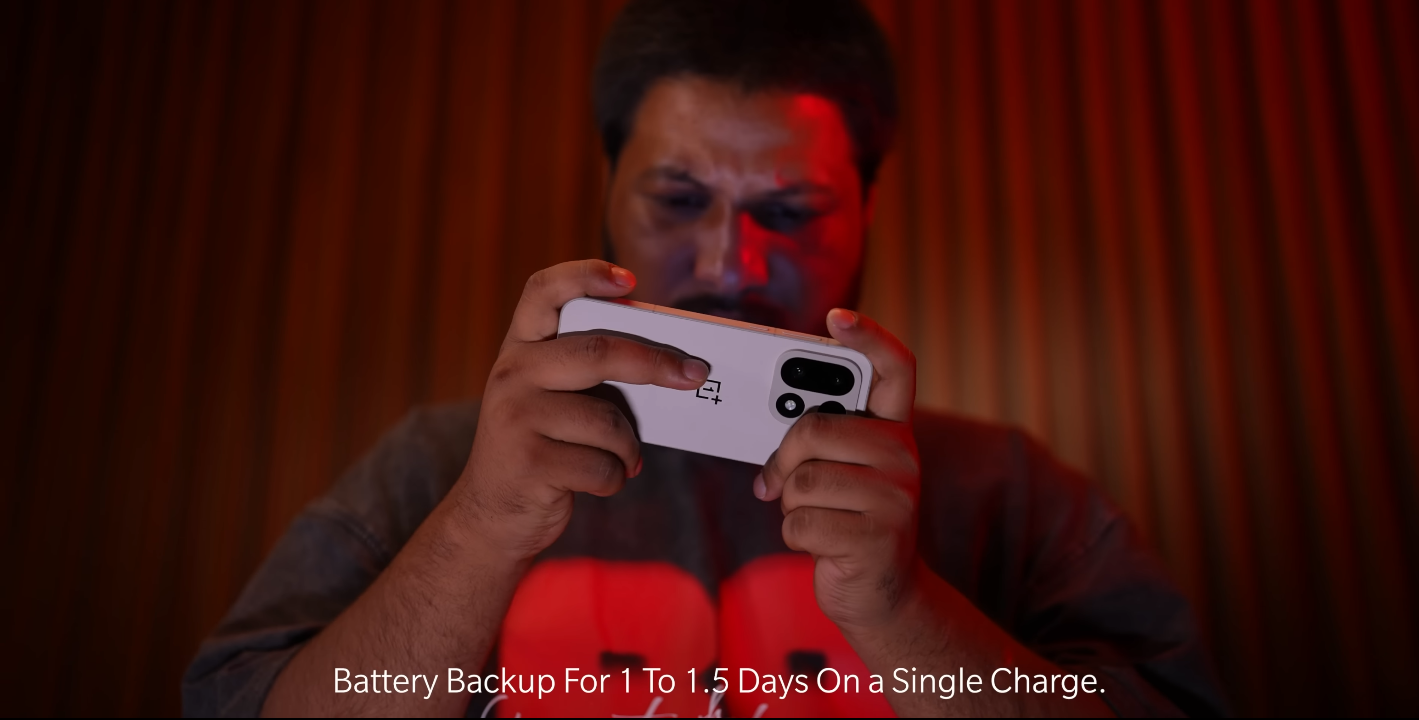
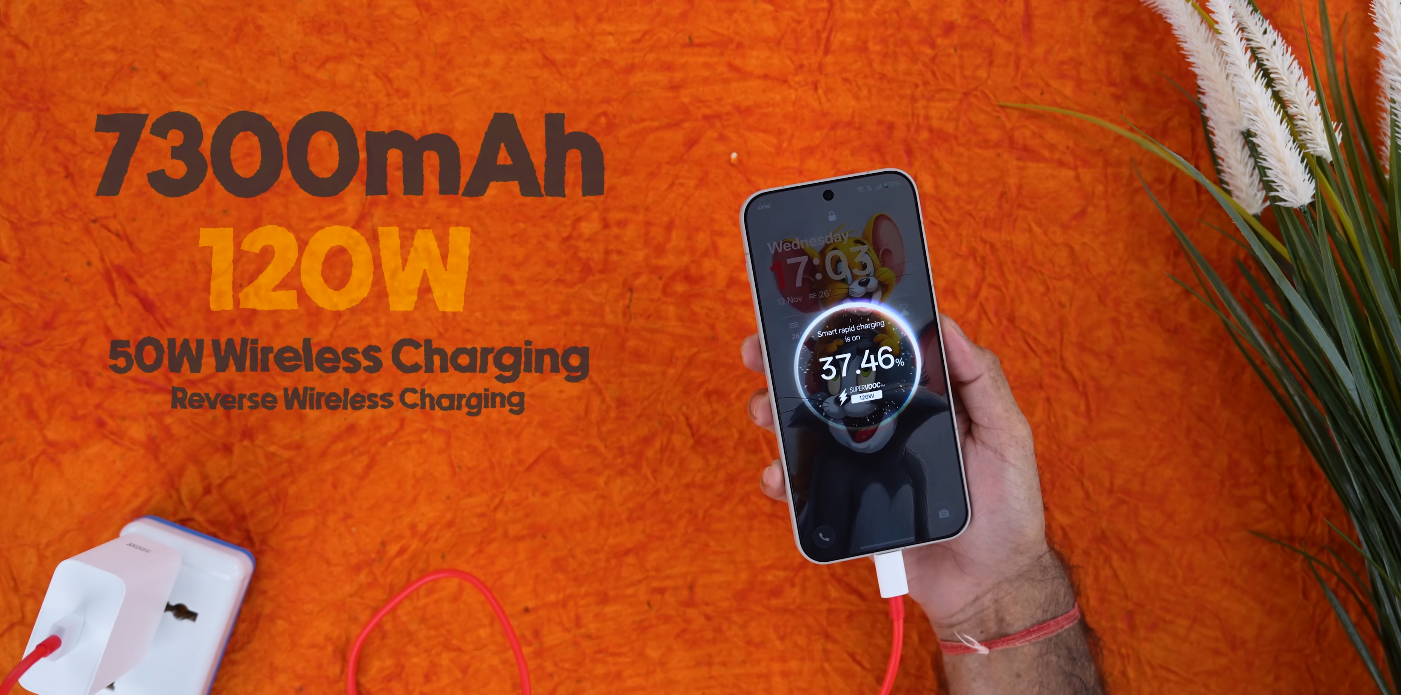
Reviewers consistently praise the battery life of the OnePlus 15. Many UK testers report that it comfortably lasts more than a full day, even with demanding use. This strong endurance is helped by the large battery and the efficiency of the latest chipset. The phone’s fast charging also adds convenience for users who rely on quick top-ups during busy days.

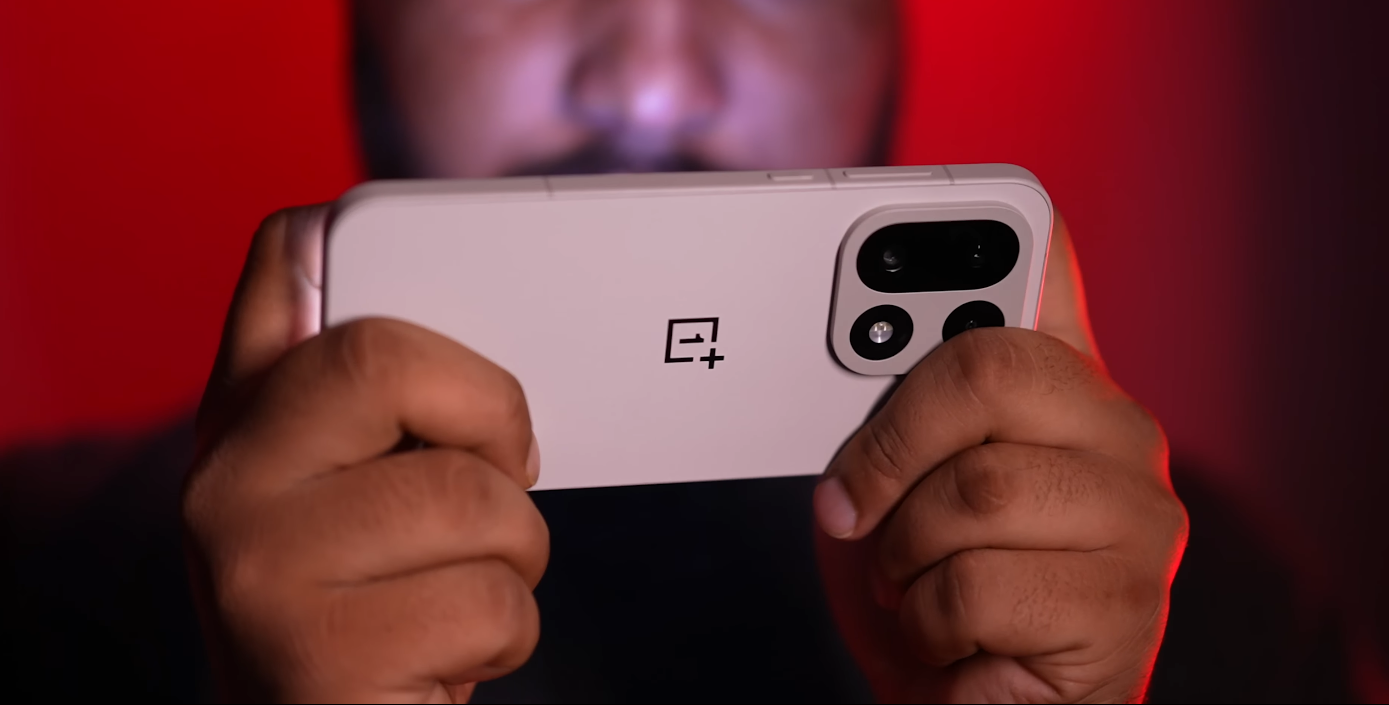
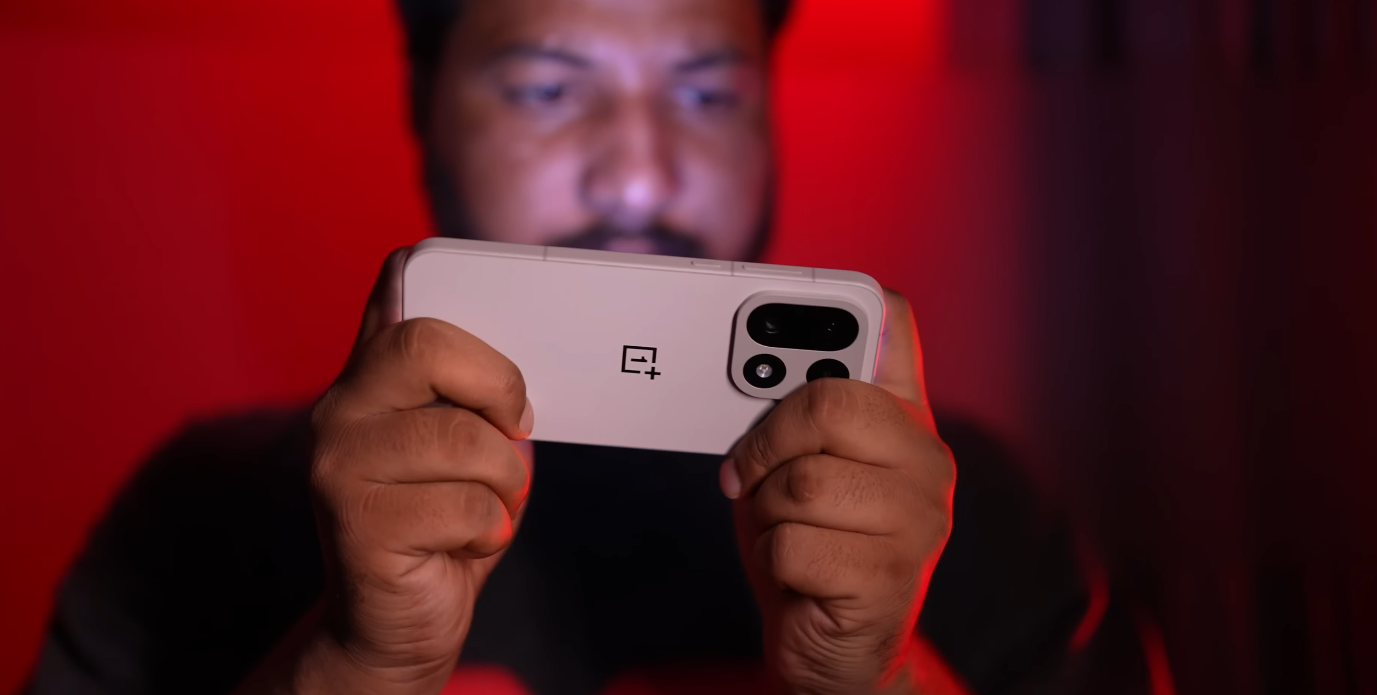
Performance is another area where the OnePlus 15 impresses. UK reviewers highlight the smoothness of the interface, fast app loading times and reliable gaming capability. The powerful processor, efficient cooling and fast storage make it feel consistently responsive, whether used for productivity, entertainment or multitasking. For most buyers, this performance level is more than sufficient for long-term use.
OnePlus 15 UK reviews roundup what reviewers love & dislike

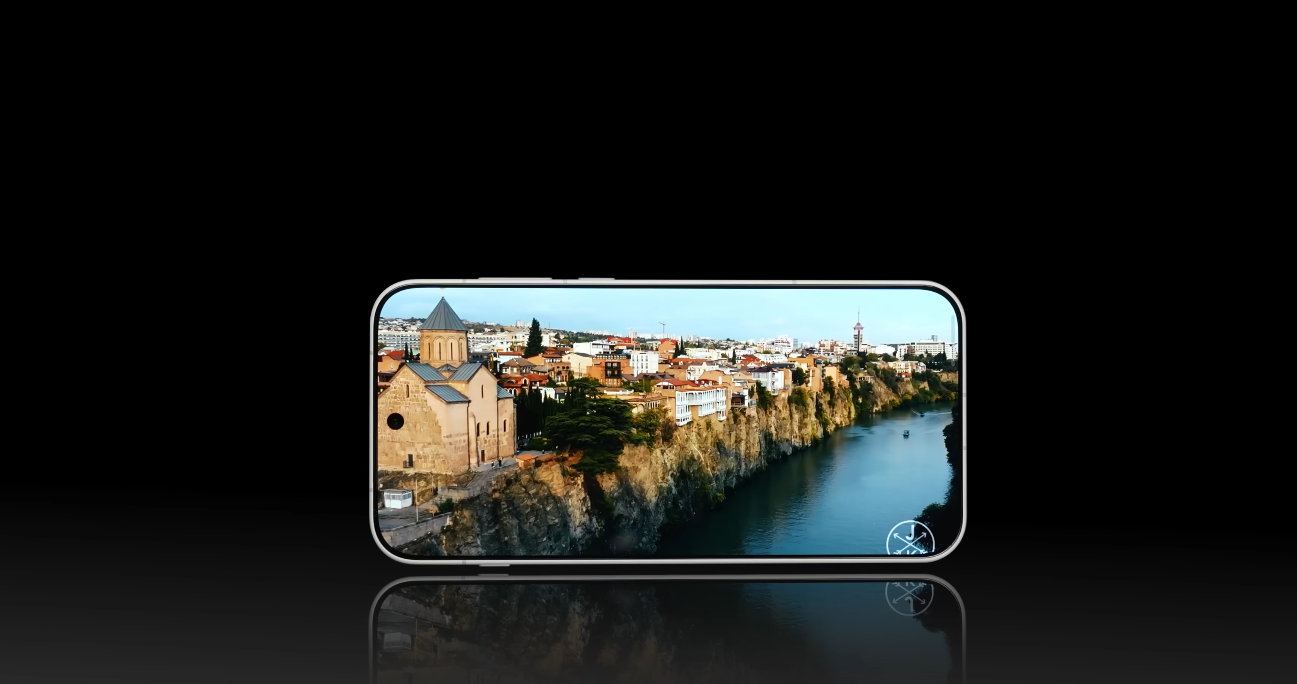
The display quality receives high marks across the board. UK reviews describe it as bright, sharp and fluid, with excellent colour accuracy. The slim bezels and high refresh rate contribute to a premium viewing experience, especially for streaming and browsing. Although some reviewers note that ultra-high refresh rates offer limited day-to-day benefits, the overall display experience remains a strong point.

Camera performance is viewed as solid but not class-leading. The main lens and zoom capabilities earn praise for delivering sharp, detailed results in daytime conditions. UK reviewers appreciate the colour consistency between lenses and the versatility of the camera setup. However, the ultra-wide lens is seen as a step behind in detail, and low-light performance does not always match the very best rivals. The digital zoom at extreme levels is also noted as less reliable.

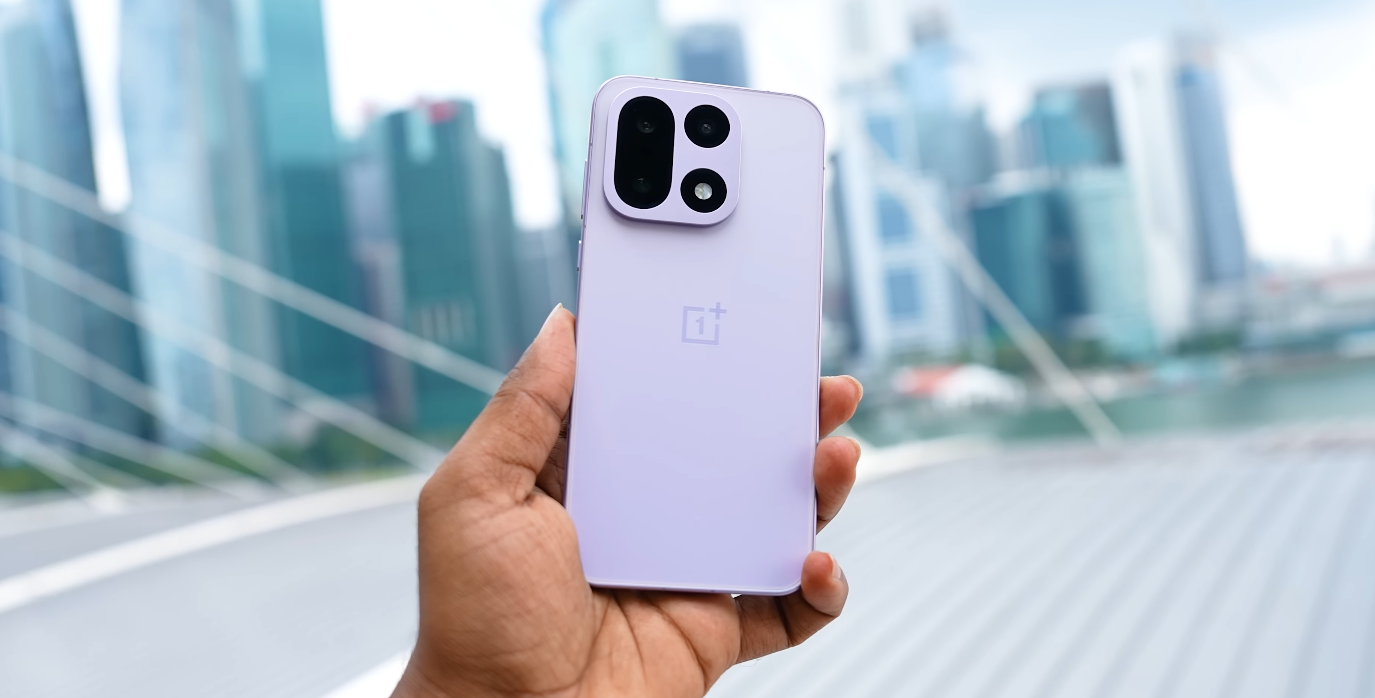
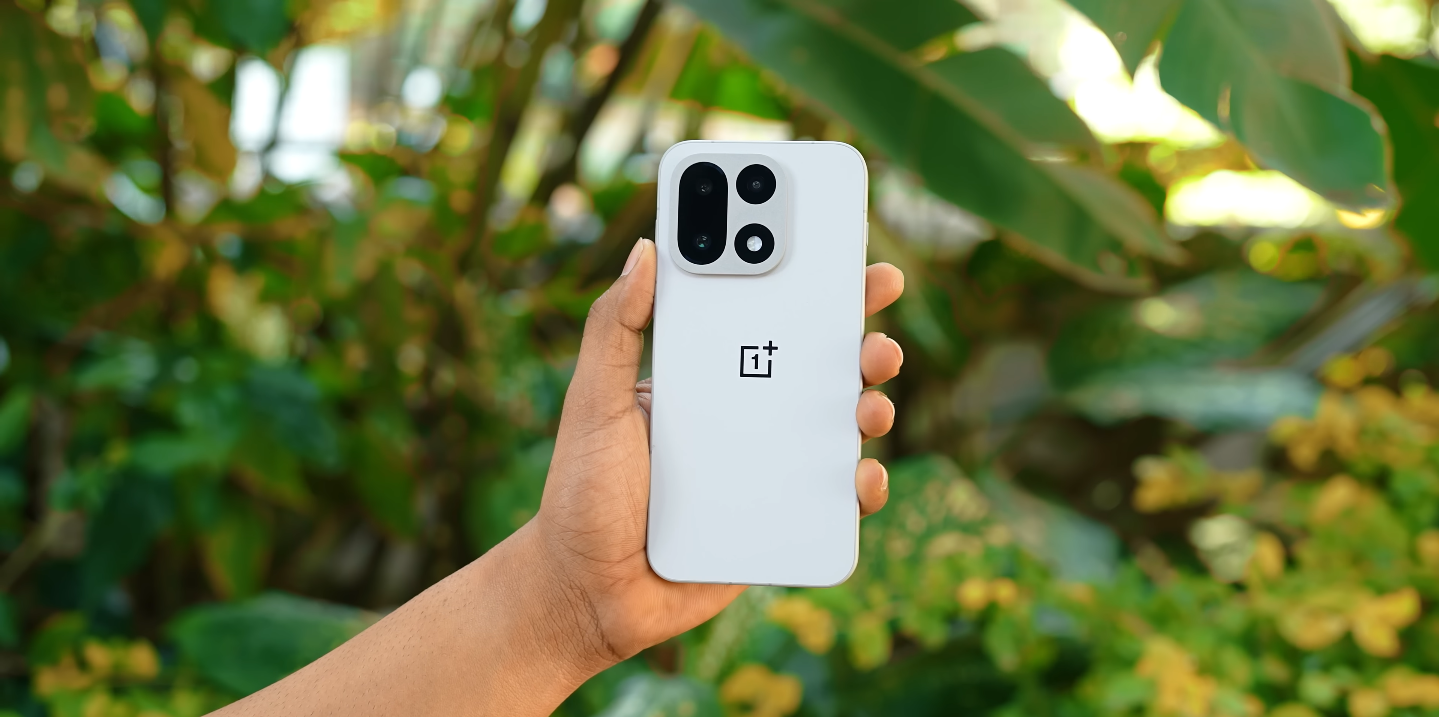
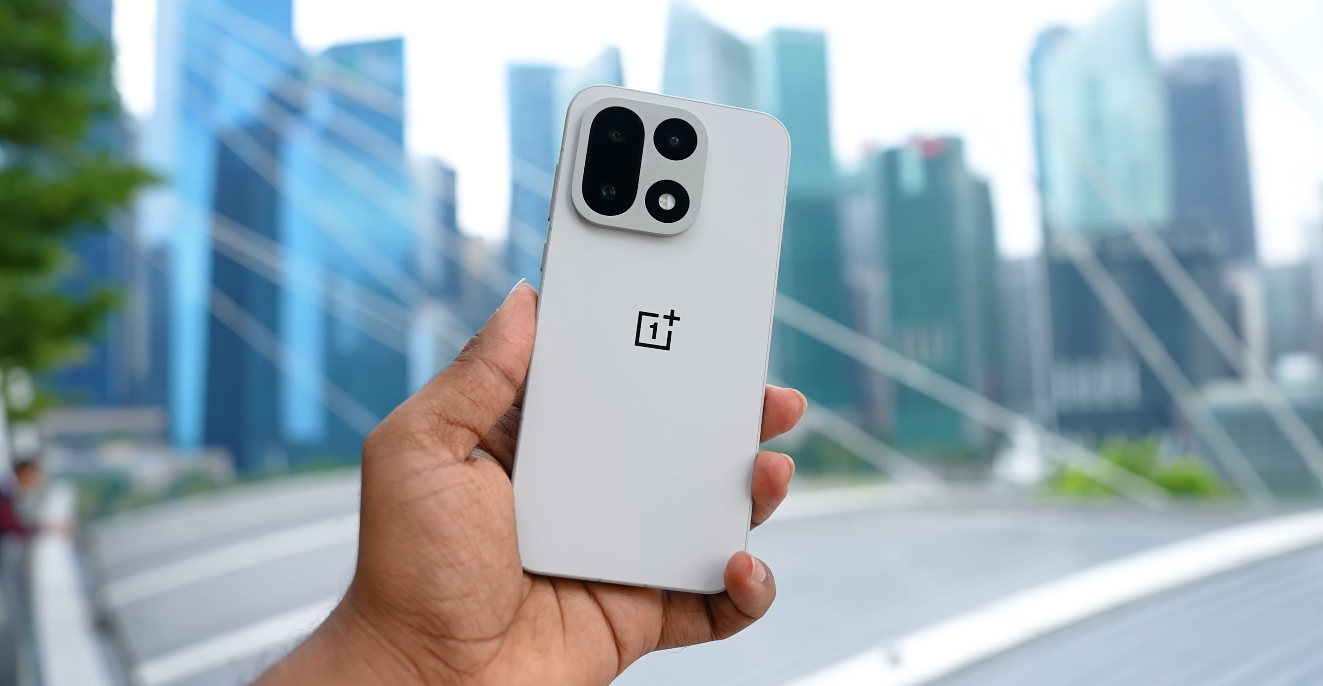
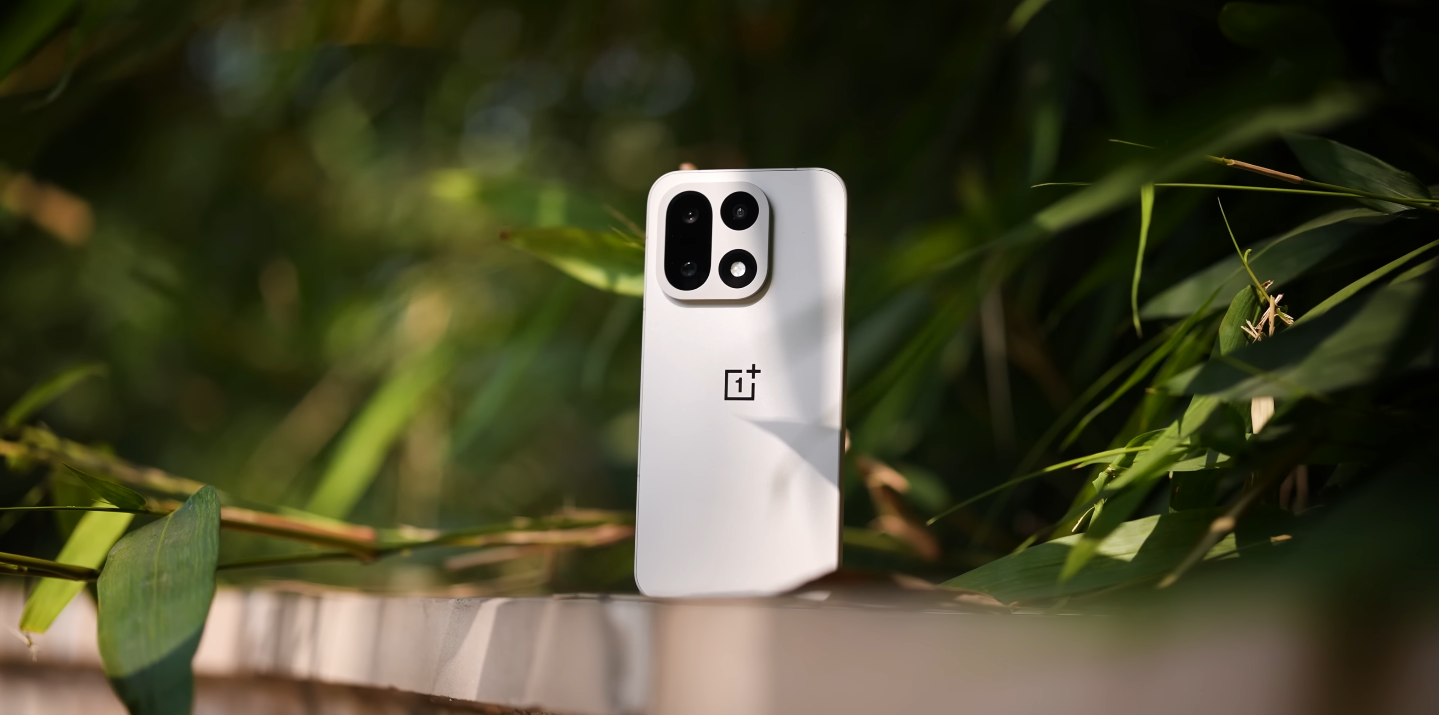
Design impressions are mixed. While the build quality is described as strong and premium, some UK reviewers feel the design is more conservative than expected. The styling is clean and modern, but it lacks the standout visual identity that previous OnePlus models sometimes offered. For buyers who prioritise unique aesthetics, this may be a mild disappointment.

Software experience and long-term updates are mentioned as areas with room for improvement. OxygenOS remains smooth and fast, but UK reviewers point out that competing brands now offer longer software support windows. This makes the OnePlus 15 slightly less appealing for users planning to keep their device for many years.

Despite these critiques, the overall value proposition is widely praised. UK reviewers repeatedly emphasise that the OnePlus 15 delivers flagship-level performance and features at a more accessible price than its main competitors. This makes it particularly appealing for buyers who want top-tier hardware without paying the highest premium.

In summary, UK reviews position the OnePlus 15 as an excellent all-round flagship with standout strengths in battery life, performance and display quality. Its camera system is strong but not industry-leading, and its design and software support leave small gaps compared with the top-tier rivals. For most UK buyers, the OnePlus 15 offers an impressive mix of capability and value, making it a highly recommended option in its price bracket.
OnePlus 15 vs Poco F6 Pro: value flagship face-off

OnePlus 15 vs Poco F6 Pro value flagship face-off

Comparing power, performance, and price in 2025’s best budget flagships

The OnePlus 15 and Poco F6 Pro represent two very different takes on the modern flagship formula. While the OnePlus 15 aims to deliver premium features at a slightly lower price than ultra-high-end rivals, the Poco F6 Pro is focused squarely on value — offering near-flagship hardware for much less. For UK buyers, this showdown comes down to one question: do you want refined power or raw value?

The OnePlus 15 comes equipped with Qualcomm’s latest Snapdragon 8 Elite Gen 5 processor, a 6.78-inch 1.5K LTPO AMOLED display with a 165Hz refresh rate, and a massive 7,300 mAh battery with 120W wired and 50W wireless charging. It’s a full-blown flagship in every sense. The Poco F6 Pro, meanwhile, runs on last year’s Snapdragon 8 Gen 2 chip and features a 6.67-inch AMOLED panel at 120Hz, a 5,000 mAh battery, and 120W wired charging. On paper, it’s slightly behind, but its pricing makes that difference easier to overlook.

Performance-wise, the OnePlus 15 clearly leads. Its newer chipset is more efficient, offering around 15 percent higher CPU and GPU scores in early benchmarks. It handles gaming, multitasking, and AI-driven tasks faster while running cooler thanks to its larger vapor cooling system. The Poco F6 Pro still performs admirably, easily handling demanding games like Genshin Impact or Call of Duty Mobile, but the OnePlus maintains steadier frame rates under heavy load.

OnePlus 15 vs Poco F6 Pro value flagship face-off

Battery life and charging form another big point of comparison. The OnePlus 15’s 7,300 mAh silicon-carbon dual-cell battery is a major standout. It can last nearly two days with moderate use and up to 10 hours of screen-on time. The Poco F6 Pro, with its 5,000 mAh cell, still performs well, giving roughly a day and a half per charge. Both support ultra-fast wired charging, but only the OnePlus 15 offers wireless and reverse charging options — giving it an edge in convenience and versatility.

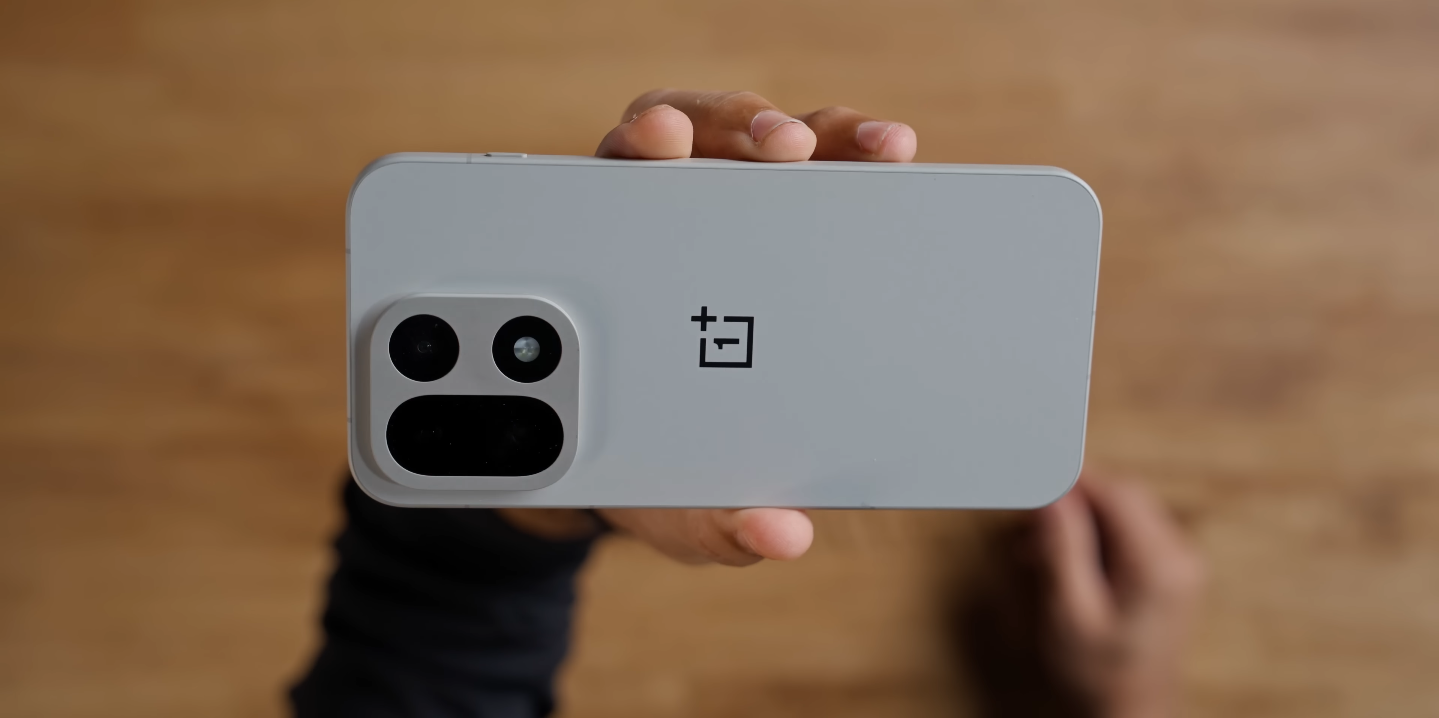
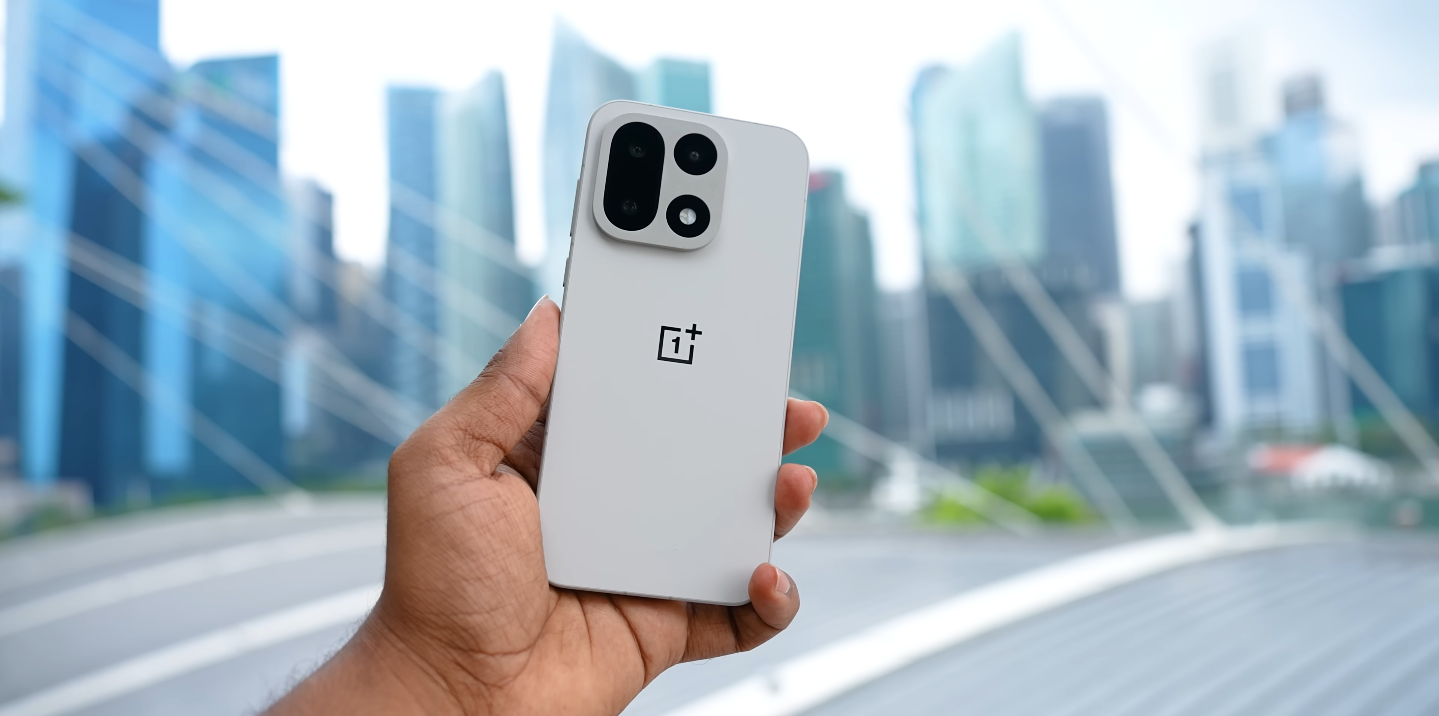
In design, the difference is clear. The OnePlus 15’s “Sand Storm” edition uses an aerospace-grade Micro-Arc Oxidation coating and fibreglass back panel, delivering a sleek and durable premium finish. The Poco F6 Pro sticks to a glossy glass back and aluminium frame, looking good but not quite matching the same high-end feel. At 211 grams, the OnePlus is heavier, but it feels more solid, while the Poco wins on lightness and comfort during one-handed use.

Cameras are another area where OnePlus takes the lead. The OnePlus 15 sports a triple 50MP setup co-engineered with Hasselblad, including a new ultra-wide and telephoto lens combination. Image quality is consistently strong, with excellent colour accuracy and improved low-light performance. The Poco F6 Pro’s triple camera system — 50MP main, 8MP ultra-wide, and 2MP macro — is serviceable but more mid-range. It performs well in daylight but struggles slightly in darker settings and with finer detail.

Software is an area where preference matters. The OnePlus 15 ships with OxygenOS 16, based on Android 15, offering a clean, fast, and highly customisable experience with guaranteed updates for five years. Poco’s HyperOS, derived from MIUI, has improved stability but still includes preinstalled apps and more aggressive background management. For users who prefer a lighter, smoother interface, OnePlus offers a more polished experience.

Price is the biggest dividing factor. The OnePlus 15 is expected to start around £750 to £800 in the UK, while the Poco F6 Pro will likely retail for about £500. That’s a substantial gap, but so are the differences in build quality, battery life, and long-term software support. For those planning to keep their phone for several years, the OnePlus’s extra cost may be worthwhile.

For UK users seeking balance, the choice depends on priorities. The OnePlus 15 is the powerhouse — refined, future-proof, and packed with premium touches. The Poco F6 Pro, on the other hand, is unbeatable for sheer value, delivering near-flagship performance at a fraction of the cost.

In conclusion, if you want the best Android experience in terms of endurance, design, and reliability, the OnePlus 15 is the smarter long-term buy. But if you want flagship-level speed and battery performance without spending premium money, the Poco F6 Pro is the clear winner for value. Either way, both prove that 2025’s mid-range market has never looked this competitive.

OnePlus 15 unboxing first look: what’s inside the box?

OnePlus 15 unboxing first look what’s inside the box

Everything you get with OnePlus’s latest flagship

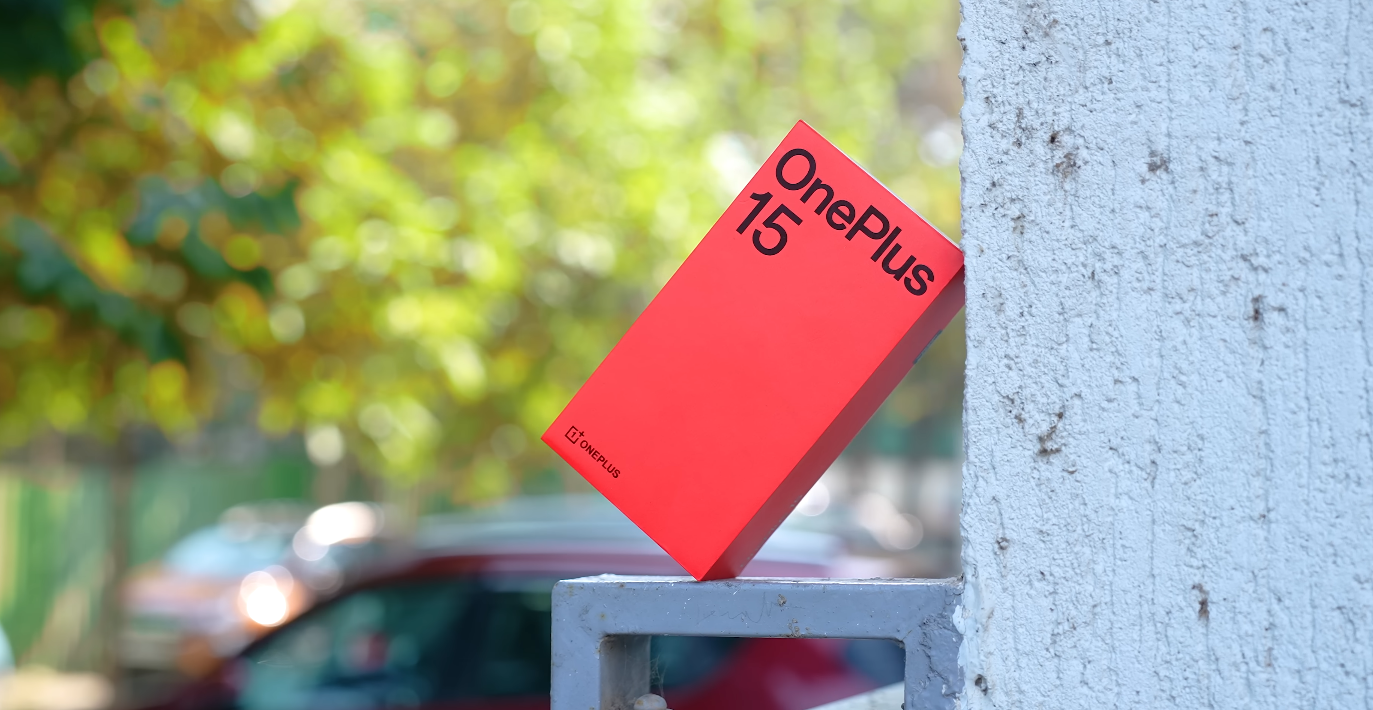
The OnePlus 15 arrives in the brand’s signature bold red box, carrying forward its tradition of premium presentation. The packaging feels sturdy and refined, with a smooth matte texture that immediately signals you’re unboxing a high-end device. As soon as the lid lifts, the phone itself sits front and centre, wrapped in a thin protective film with its colour and finish clearly on display.

The model shown during first-look previews featured the “Sand Storm” variant, a matte gold finish with aerospace coating, though other versions such as Obsidian Black and Ultra Violet will also be available. The back panel’s texture feels smooth yet grippy, preventing fingerprints and offering a confident hold right out of the box.

Beneath the phone lies a familiar set of OnePlus accessories. A 120W SuperVOOC fast charger is included — a refreshing change in an era where many manufacturers are removing power bricks from their boxes. This adapter supports the phone’s full-speed wired charging, capable of refilling the massive 7,300 mAh battery in just under 30 minutes.

OnePlus 15 unboxing first look what’s inside the box

Alongside the charger sits the iconic red USB-C cable. The cable is thick, durable, and designed to handle high-speed charging and data transfer without overheating. OnePlus continues to include this cable as standard, reinforcing its commitment to user convenience and out-of-the-box readiness.

The box also contains a transparent protective case — something many competitors have phased out. The included case has a matte finish and raised edges for slight screen and camera protection. It’s not a heavy-duty case, but it offers solid first-day protection until buyers pick a more personalised option.

A small envelope underneath houses the usual paperwork, including a quick-start guide, warranty booklet, and safety information. The SIM ejector pin comes clipped neatly to the packet. OnePlus has even pre-applied a screen protector to the phone, saving users an additional purchase and ensuring scratch protection from day one.

Interestingly, the packaging’s layout has been slightly refined this year. The compartments are more compact, with eco-friendly inserts replacing older foam material. OnePlus has said that the new box design reduces plastic use by nearly 40 percent compared to earlier generations, aligning with its sustainability goals.

What’s missing from the box, however, is a wireless charging pad. Despite the OnePlus 15 supporting 50W wireless charging, that accessory will need to be purchased separately. Similarly, there are no earphones or audio adapters, reflecting the company’s focus on its wireless Buds lineup for 2025.

For UK buyers, the retail box contents are identical to the Chinese launch version, meaning the 120W charger and cable remain standard inclusions — a major win considering many flagship brands no longer provide them. The attention to detail, even in packaging, enhances the overall premium feel of the device.

In short, unboxing the OnePlus 15 feels like opening a complete flagship experience. You get the essentials and a few thoughtful extras that make setup effortless. Between the included charger, protective accessories, and elegant presentation, OnePlus proves that it still values the full ownership experience — not just the phone itself, but everything that comes with it.

OnePlus 15 launches with massive 7,300 mAh battery — game-changer?

OnePlus 15 launches with massive 7,300 mAh battery — game-changer

OnePlus takes endurance to the next level with record-breaking battery

The OnePlus 15 has officially been unveiled in China, confirming weeks of speculation about its enormous 7,300 mAh battery. The flagship phone is set for a global launch, including the UK, later this month. With OnePlus promising longer life, faster charging, and flagship-level performance, the question now is whether this could truly redefine battery expectations in 2025.

The battery is undoubtedly the headline feature. OnePlus has equipped the device with a 7,300 mAh silicon-carbon dual-cell unit — the largest ever seen in a mainstream premium smartphone. This setup is designed to deliver outstanding longevity, allowing users to go nearly two full days on a single charge under typical use. For comparison, last year’s OnePlus 13 offered a 5,400 mAh battery, making this a major leap forward.

Charging speed hasn’t been compromised either. The OnePlus 15 supports 120W wired and 50W wireless charging, promising to fill the battery from zero to 100 percent in just over 25 minutes. The company claims that even a five-minute top-up can provide six hours of video playback — a feature that could make a huge difference for users who are constantly on the move.

OnePlus 15 launches with massive 7,300 mAh battery — game-changer

Performance-wise, the phone runs on Qualcomm’s latest Snapdragon 8 Elite Gen 5 processor. This chip brings improved efficiency, ensuring that the massive battery lasts longer even during intensive gaming or 4K video recording. OnePlus has also included its new HyperBoost AI Engine, designed to intelligently manage background power usage without compromising performance.

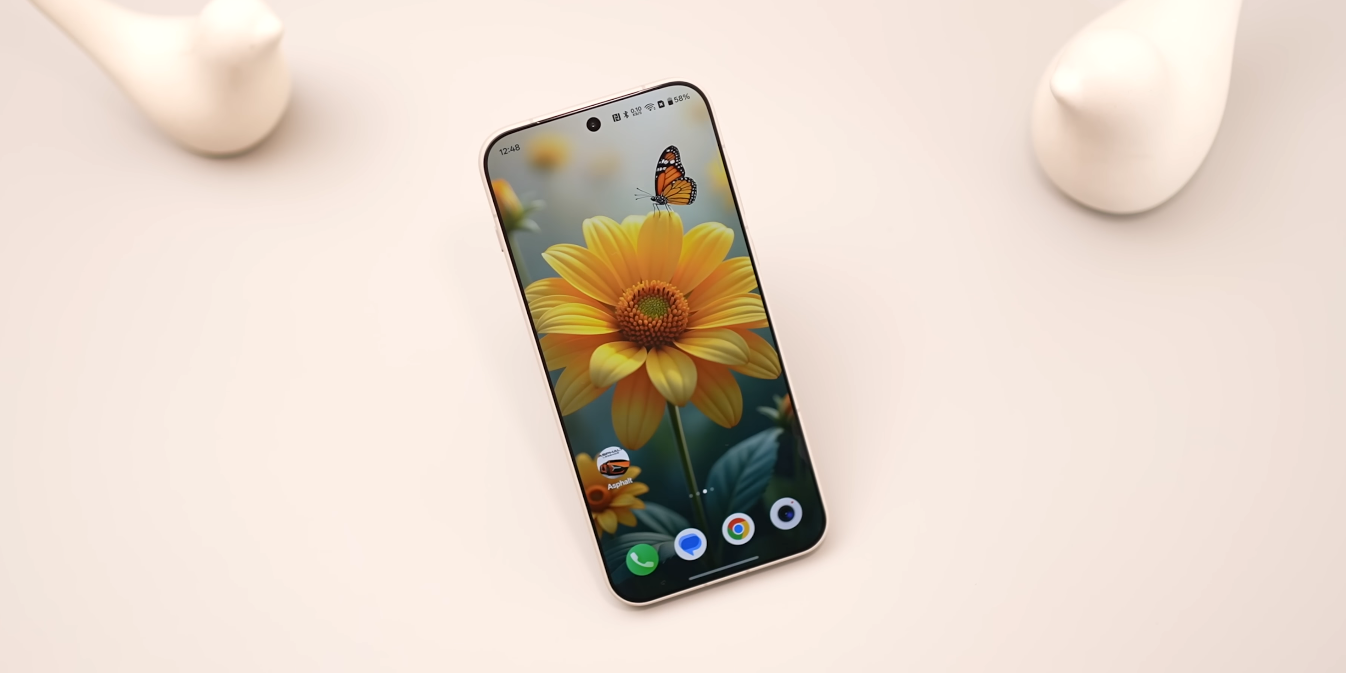
The display has been upgraded too. It features a 6.78-inch LTPO AMOLED panel with a 1.5K resolution and a 165Hz refresh rate. This ensures smooth scrolling, vibrant visuals, and adaptive power efficiency when lower frame rates are needed. Combined with the new battery, the experience aims to balance visual excellence with extended uptime.

Despite its battery size, the OnePlus 15 remains relatively slim at 8.1 mm thick and weighs about 211 grams. The company claims its redesigned carbon-fibre cooling system prevents heat build-up during charging or heavy multitasking, addressing a common concern with high-capacity batteries. Early testers in China have reported stable performance and low thermal throttling during gaming.

For the UK market, OnePlus is expected to launch both standard and Pro variants. While pricing is not yet confirmed, estimates place the base model around £700 to £750 — making it competitive against Samsung’s Galaxy S25 Plus and Google’s Pixel 9 Pro. If OnePlus maintains its usual value-first pricing, the device could become one of the best-priced flagships with a true endurance edge.

Battery health has also been addressed. OnePlus says the new dual-cell technology retains up to 90 percent capacity after 1,600 charge cycles — roughly four years of daily use. The firm also promises adaptive charging, which slows down overnight charging to reduce wear, a feature similar to Apple’s Optimised Charging.

While the specifications are impressive, there are still questions about real-world results. The enormous battery could make the phone slightly heavier than competing flagships, and regional variations might affect charging speeds due to safety regulations. However, early feedback indicates that efficiency optimisations in OxygenOS 16 help deliver longer screen-on times without overheating or lag.

In conclusion, the OnePlus 15’s 7,300 mAh battery is more than just a numbers game — it represents a shift in smartphone priorities toward endurance and reliability. For UK consumers who use their phones extensively throughout the day, it could be a genuine game-changer. If OnePlus manages to deliver consistent real-world performance, this may be the most well-balanced flagship of 2025 — combining speed, power, and lasting energy in a single, sleek package.

OnePlus 15 vs OPPO Reno 12 Pro — design and performance breakdown

OnePlus 15 vs OPPO Reno 12 Pro — design and performance breakdown

A Clear Look at How Both Phones Compare in Style and Speed

The OnePlus 15 and the OPPO Reno 12 Pro target two different types of users, even though both sit close in the premium and mid-premium categories. While the OnePlus 15 pushes flagship-level performance, the Reno 12 Pro focuses on refined design and balanced everyday usability. Their differences become clearer when you look at how each brand approaches hardware and aesthetics.

The OnePlus 15 delivers a more premium feel with its flat panel, slim bezels and solid frame that supports its high-end internals. It carries a more performance-oriented design language that pairs durability with a flagship look. In contrast, the OPPO Reno 12 Pro keeps a sleeker and lighter profile, focusing on curved ergonomics and stylish finishes. Its design aims to feel elegant rather than aggressive, making it more comfortable for long daily use.

Performance is a major separator between these two devices. The OnePlus 15 uses a top-tier flagship chipset designed for heavy multitasking, gaming and advanced AI tasks. It maintains high sustained performance across different workloads. The Reno 12 Pro, meanwhile, uses a more efficient mid-range chipset that handles everyday apps smoothly but does not match the raw power of the OnePlus. For users who rely on high-intensity performance, the difference becomes quickly noticeable.

OnePlus 15 vs OPPO Reno 12 Pro — design and performance breakdown

The display experience also differs. The OnePlus 15 offers a sharper high-refresh panel designed for smoother animations, gaming and bright outdoor visibility. The Reno 12 Pro features a 120Hz display that remains visually pleasing but stays within mid-premium limits. Users who prioritise peak brightness and ultra-smooth motion will feel more at home with the OnePlus 15, while those who prefer a clean, soft visual experience may appreciate OPPO’s more balanced tuning.

Battery and charging performance reflect their market positions as well. The OnePlus 15 brings a larger cell and faster charging, ensuring long usage times even for heavy users. The Reno 12 Pro provides respectable endurance thanks to its efficient processor, but its smaller battery means it is better suited to moderate use rather than demanding tasks. In everyday usage, both last a full day, but the OnePlus offers more headroom.

Camera performance also highlights the difference in hardware ambition. The OnePlus 15 uses stronger sensors and more refined processing to handle varied lighting conditions and deliver more consistent detail. The Reno 12 Pro focuses on producing smooth, balanced images but cannot match the flagship-level clarity or versatility of the OnePlus. For users who take frequent photos and videos, the OnePlus is the more capable option.

Software experience shows a difference in philosophy. OxygenOS on the OnePlus 15 leans toward speed, optimisation and powerful features. ColorOS on the Reno 12 Pro is more visually expressive and customisable, offering plenty of smart features while keeping performance stable. Both are polished, but OnePlus maintains the edge in pure responsiveness.

In terms of overall value, the OPPO Reno 12 Pro stands out for offering a stylish design, smooth performance and strong features at a more accessible price. The OnePlus 15, on the other hand, justifies its premium position by delivering superior power, bigger battery capacity and a more advanced display. It is built for users who expect top-end hardware with minimal compromise.

The decision ultimately depends on what matters more to you. If you want maximum performance with premium build quality and long-term capability, the OnePlus 15 delivers a flagship experience. If you prefer elegant design, lighter weight and reliable day-to-day performance without going full flagship, the OPPO Reno 12 Pro is a strong and sensible choice.

OnePlus 15 verdict: is this the flagship to get in 2025?

OnePlus 15 verdict is this the flagship to get in 2025

A clear conclusion on OnePlus’s latest powerhouse

The OnePlus 15 arrives in 2025 with a strong claim to being one of the year’s most balanced flagship phones. It focuses firmly on performance, endurance and everyday usability, aiming to deliver a premium experience without leaning too heavily into ultra-luxury pricing. For many UK buyers, this balance makes it an appealing all-round option.

The first major highlight is performance. With its powerful hardware and smooth interface, the OnePlus 15 handles demanding tasks, fast-paced apps and long gaming sessions effortlessly. Everything from animations to multitasking feels consistently responsive, giving the device an edge for users who value speed above all.

Battery life is another defining strength. The phone’s large battery comfortably supports full days of heavy use and often stretches into a second day for lighter workloads. This reliability makes it a dependable choice for commuters, frequent travellers and users who rely on their phone from morning to night.

OnePlus 15 verdict is this the flagship to get in 2025

The display also enhances the overall experience. Its high refresh rate and bright panel make viewing, scrolling and streaming feel extremely fluid. For users who spend lots of time on social feeds, videos or games, this adds a noticeable layer of premium quality to daily use.

Camera performance is solid, with improvements that make it more versatile than previous generations. Daylight shots are sharp and colourful, while video quality benefits from enhanced stabilisation. However, it doesn’t quite lead the field in low-light or long-range zoom, an area where some specialised camera flagships still hold an advantage.

Build quality and durability meet flagship expectations as well. With robust materials and strong water-resistance ratings, the OnePlus 15 is built to withstand typical wear and tear. It feels premium in hand without compromising practicality.

Software support remains competitive, offering a smooth interface and a commitment to long-term updates. While some rivals promise even longer support windows, the OnePlus 15 still provides enough assurance for users planning to keep their device for several years.

In everyday use, the OnePlus 15 stands out for its consistency. It does not rely on a single headline feature; instead, it delivers reliably across performance, battery, display and design. This well-rounded nature is what makes it such a compelling suggestion for a wide range of buyers.

For users who prioritise top-tier cameras, ultra-premium materials or exclusive ecosystem perks, there may be other flagships that better satisfy those specific needs. But for anyone seeking a fast, durable and long-lasting flagship at a more sensible price point, the OnePlus 15 hits the sweet spot.

In summary, yes — for most people, the OnePlus 15 is one of the smartest flagship choices of 2025. It combines power, practicality and value in a way that makes it easy to recommend, provided its few limitations don’t overlap with your personal priorities.

OnePlus 15 update policy: OS years, security patches, long-term value

OnePlus 15 update policy OS years, security patches, long-term value

Understanding how future-proof the OnePlus 15 really is

The OnePlus 15 has entered the flagship market with strong performance and an ambitious design, but long-term value depends heavily on software support. Buyers in the UK are already evaluating whether the phone’s update policy is competitive enough to justify its price over several years of use. Software longevity has become one of the biggest deciding factors for premium Android devices.

The OnePlus 15 is confirmed to receive four major Android OS upgrades. This means the phone will continue to get full feature updates, UI redesigns, and version improvements during its first four years. Users planning to keep the device for a medium period will experience the latest Android capabilities throughout most of the phone’s practical life without being pushed to upgrade early.

Beyond the OS upgrades, OnePlus has committed to six years of security patches for the OnePlus 15. Security updates keep the phone protected from vulnerabilities and ensure compliance with app and banking safety standards. Even after the OS updates finish, security patches will allow the device to remain usable for daily activities, especially for users who rely heavily on mobile banking, digital payments, and online authentication.

OnePlus 15 update policy OS years, security patches, long-term value

For most UK buyers, this level of support places the OnePlus 15 in a reliable position, but not at the very top of the market. A few competitors currently offer more years of OS upgrades, and that has created new expectations among long-term smartphone owners. As a result, some users feel that while the OnePlus 15 offers a respectable update window, it stops just short of leading the industry in terms of durability.

In practical life, users who change devices roughly every three to five years will likely find the policy more than sufficient. The phone will stay current with major Android features for most of their ownership, and security patches will extend beyond that. People who tend to upgrade with each contract cycle should not see any concerns regarding software longevity.

On the other hand, buyers who hope to keep the phone for seven or eight years may eventually notice the limitations. After the fourth year, when OS versions stop arriving, the device will remain secure but may miss out on newer system abilities, redesigned interface elements, and certain app-level features. For some users that may not matter, but others might prefer a device with extended OS support for reassurance.

The update policy also has an impact on resale value. Phones that receive longer OS upgrades often retain their market worth for a longer time, attracting second-hand buyers looking for affordable but future-proof models. The OnePlus 15 should hold a strong resale value through its first three to four years, then gradually decline as the OS upgrade period reaches its end.

From a reliability standpoint, the combination of four OS versions and six years of security updates still represents a major improvement over older Android cycles. It means the OnePlus 15 is not a short-term investment but a phone designed to last well into its fifth and sixth year of operation if owners wish to extend usage. Regular security reinforcement also gives the device a prolonged life even after the feature updates conclude.

UK buyers who focus on cost-per-year analysis will likely appreciate the balance offered by the OnePlus 15. It provides enough updates to support heavy daily use over several years without the pressure of early replacement. For those who prefer keeping a phone longer than average, the device remains competitive but not unbeatable when compared to longer-support rivals.

In conclusion, the OnePlus 15 offers a solid software roadmap that ensures a long period of usability and protection. While it does not deliver the longest update lifespan in the flagship market, it comfortably supports the needs of most owners and offers dependable long-term value. For many users, the combination of performance, design, and software support will be more than enough to justify the investment.

OnePlus 15 vs Lenovo Legion Y90: gaming-centric flagship face-off

OnePlus 15 vs Lenovo Legion Y90 gaming-centric flagship face-off

Comparing gaming power, endurance and real-world performance

The OnePlus 15 and Lenovo Legion Y90 take different approaches to gaming performance, making this face-off an interesting one for UK users who want strong value from a performance-focused phone. While the OnePlus 15 targets mainstream flagship users with powerful gaming hardware, the Legion Y90 is built as a dedicated gaming device with specialised features.

The OnePlus 15 carries a modern flagship processor designed to handle demanding games smoothly. Its high-refresh display adds extra fluidity in shooters and fast-action titles. This makes everyday gaming feel consistent and responsive, giving it an edge in raw performance over phones using older chipsets.

The Legion Y90, however, stands out with its gaming-focused design. Built-in cooling solutions, gaming triggers and a larger display offer advantages during long gaming sessions. These added features help keep performance stable over time, making the device appealing to users who prioritise comfort and control in extended play.

OnePlus 15 vs Lenovo Legion Y90 gaming-centric flagship face-off

In terms of battery life, the OnePlus 15 offers a significantly larger capacity and fast charging support. This ensures longer sessions without needing a charger and quicker recovery when the battery drains. For gamers who travel frequently or play away from home, this extended endurance becomes a major practical benefit.

The Legion Y90 still provides reliable battery performance, but its older battery technology and smaller capacity make it less competitive compared to the newer design of the OnePlus 15. Long, continuous gaming sessions see the difference more clearly, especially when running graphically heavy titles.

When it comes to display quality, the OnePlus 15 offers a smoother, more responsive experience thanks to its higher refresh rate. Animations, transitions and gameplay feel sharp and fluid, which can matter for users who play competitive games. The Legion Y90’s display remains impressive but slightly behind in terms of smoothness.

Gaming-specific features remain the Legion’s biggest strength. For users who value physical triggers, enhanced cooling and a purpose-built gaming UI, it offers a more immersive style of play. The OnePlus 15 does not include these extras, instead focusing on all-round flagship performance suitable for gaming, productivity and daily tasks.

Software longevity favours the OnePlus 15 due to its newer chipset and longer expected support cycle. For users planning to keep their devices for several years, this offers better long-term value. The Legion Y90, being an older-generation device, may see limitations sooner with future high-end mobile games.

In real-world use, the OnePlus 15 feels like the better all-rounder for gaming and everyday activities. Its powerful hardware, battery life and smooth display give it broad appeal. The Legion Y90, while excellent for dedicated gamers, feels more niche and benefits users who prioritise gaming features over general versatility.

In summary, the OnePlus 15 wins on overall value for most users due to stronger performance, better battery life and longer support. The Lenovo Legion Y90 still stands out as a specialised gaming machine, ideal for users who want purpose-built gaming hardware and do not mind older internal components.

OnePlus 15 vs Apple iPhone 16 Pro Max: which one wins in value?

OnePlus 15 vs Apple iPhone 16 Pro Max which one wins in value

Flagship value face-off between OnePlus 15 and iPhone 16 Pro Max

When comparing two top-tier smartphones it’s the real-world value that matters more than specs alone. Here we look at how the OnePlus 15 stacks up against the iPhone 16 Pro Max for UK users considering which offers better value for everyday use.

On one side, the OnePlus 15 delivers impressive features for a flagship: a large high-refresh 6.78″ display, a powerful processor, and a very large battery designed to last beyond one full day of mixed use. For users who prioritise battery life, fast charging and a fluid Android experience, this device presents a strong value proposition.

In contrast the iPhone 16 Pro Max brings premium build quality, deep integration with the Apple ecosystem, a large 6.9″ Super Retina display, and the reassurance of many years of software support. For users who leverage Apple services, resale value and long-term reliability, this is compelling value despite a higher upfront cost.

OnePlus 15 vs Apple iPhone 16 Pro Max which one wins in value

If cost versus features is your primary concern, the OnePlus 15 offers more “bang for buck” in many scenarios. Its strengths in battery, display smoothness and top-end performance deliver real daily benefits. For users who switch phones every year or two, that may suffice.

However if you believe you will hold onto your phone for five years or more, care deeply about camera video quality, ecosystem convenience and resale value, then the iPhone 16 Pro Max offers value in those long-term areas. The higher price may be justified by the longevity it brings.

For UK buyers still using older models, the decision often comes down to ecosystem loyalty and usage habits. Android users leaning towards performance, battery and flexibility will likely find the OnePlus 15 a very good value choice. Apple users or those who want smoother long-term experiences may prefer the iPhone 16 Pro Max for value in a different sense.

In summary: the OnePlus 15 wins in sheer feature-to-price ratio for many day-to-day users. The iPhone 16 Pro Max wins in long-life value, ecosystem benefits and premium finishes for those prepared to pay more. Value isn’t just about the price tag — it’s about what you’ll get and how long you’ll keep it.

OnePlus 15 vs Asus ROG Phone 9: gaming phone or all-rounder flagship?

OnePlus 15 vs Asus ROG Phone 9 gaming phone or all-rounder flagship

Choosing Between Power and Versatility

The OnePlus 15 and the Asus ROG Phone 9 arrive with different priorities, giving UK buyers a clear choice between an all-round flagship and a device built primarily for gaming. Both sit in the premium category and use the newest top-tier Snapdragon platform, but their design direction and everyday performance differ in meaningful ways. This makes the decision less about raw specifications and more about how each phone fits into daily life.

For UK users looking for a balanced flagship, the OnePlus 15 places its bets on a polished experience. OnePlus continues to focus on fast performance, a clean software approach and dependable battery efficiency, making the device appealing for users who split their time between work, entertainment and photography. Its display, charging speeds and general responsiveness position it as a daily driver that handles gaming well without being built solely around it.

The ROG Phone 9 takes a different route. Asus continues its tradition of making one of the most gaming-focused smartphones on the market. The hardware is tuned to maintain performance under continuous load, with features such as high-refresh-rate display modes, dedicated gaming controls and enhanced cooling options. These additions are aimed squarely at players who want the best possible frame stability in titles that demand fast reactions.

OnePlus 15 vs Asus ROG Phone 9 gaming phone or all-rounder flagship

In regular UK day-to-day use, the OnePlus 15 leans toward practicality. Its design is more compact and suited to typical work or travel situations, and the software aims for consistency rather than customisation. OnePlus also places emphasis on long-term software support, which helps future-proof the device for users intending to hold on to it for several years. This broader appeal makes the OnePlus 15 feel more like a mainstream flagship suited to a wide audience.

The ROG Phone 9’s design, meanwhile, reflects its gaming DNA. The body is built to accommodate heat dissipation, the ergonomics are tailored for landscape orientation and the interface includes various performance controls. While these features make it stand out in gaming performance, they also give the phone a more niche identity. Some UK buyers may find the size, weight or design accents less practical for typical everyday scenarios, especially in professional settings.

Camera performance is another area where the OnePlus 15 is positioned as the more complete choice. OnePlus continues to invest heavily in improving image quality, offering balanced performance across photography, video recording and low-light scenarios. This aligns with what most UK users look for in a flagship phone used for travel, family events, social media and general content creation.

The ROG Phone 9’s camera system is competent, but photography is not its headline feature. Asus directs its efforts toward gaming and performance consistency rather than camera innovation. For users who prioritise gaming above all else, this trade-off is acceptable, but those seeking a versatile flagship may find the OnePlus 15 more aligned with their needs.

Battery performance on both devices plays to their respective strengths. The OnePlus 15 aims for efficiency, delivering extended usage times under mixed workloads, including calls, browsing and media. This suits UK buyers who want strong all-day endurance without needing to charge mid-afternoon. The ROG Phone 9, while also equipped with a large battery, is tuned for sustained gaming performance. Heavy gaming will naturally drain it faster, but the phone is built to maintain stable performance rather than prioritise maximum battery savings.

When it comes to long-term reliability, UK users may find OnePlus’ update strategy more appealing. The brand has been moving toward offering lengthier software support windows, adding reassurance for users keeping the device for multiple upgrade cycles. Asus provides updates as well, but the ROG series traditionally receives fewer major upgrades compared with mainstream flagship lines.

Overall, the choice between the OnePlus 15 and the Asus ROG Phone 9 depends heavily on your priorities. If you want a flagship that excels in everyday use, offers strong photography, reliable performance and a design that fits all situations, the OnePlus 15 stands out as the more balanced option. It handles gaming smoothly while remaining versatile for work and lifestyle needs.

If, however, your primary focus is gaming and you value features like advanced cooling, high-refresh-rate modes and dedicated gaming controls, the ROG Phone 9 offers an experience tailored specifically to performance enthusiasts. It delivers the features mobile gamers care about most, even if that means compromising in areas such as camera quality or mainstream design.

For most UK buyers seeking a premium all-rounder, the OnePlus 15 is likely the more practical choice. But for serious mobile gamers who spend hours in competitive titles, the ROG Phone 9 remains the specialist option built with gaming as its core purpose.

OnePlus 15 UK first sale: stock level warnings for buyers

OnePlus 15 UK first sale stock level warnings for buyers

Early Demand and Limited Stock Expected

The OnePlus 15 is finally making its UK debut, and excitement around the launch is high. With pre-orders already live, early signs suggest that demand could exceed supply, especially for certain configurations and colours. Buyers hoping to secure the device during the first sale period should prepare for potential stock shortages and act quickly to avoid missing out.

The official UK release date for the OnePlus 15 is set for 13 November 2025, with both online and in-store sales beginning simultaneously. OnePlus is running an Early Bird promotion through its UK website, offering free accessories such as a charger, case, or power bank for initial buyers. However, these promotions are limited to the first wave of stock. Once the allocation sells out, later orders may ship without the added bonuses, and delivery times could extend beyond the initial launch window.

UK reports indicate that the most sought-after model is the Sand Storm finish with 16GB RAM and 512GB storage. This particular version has drawn attention for its unique matte texture and premium look. The Infinite Black and Ultra Violet models are also expected to move quickly, but OnePlus has prioritised larger shipments of the black version, given its universal appeal. Early pre-order data suggests that colour preferences could determine how soon your order ships.

OnePlus 15 UK first sale stock level warnings for buyers

For online buyers, OnePlus’s UK store remains the most reliable source for launch-day stock. The company will handle orders directly from its European warehouse, but limited first-batch availability means that delayed shipping is likely if you order later in the day. UK carriers such as EE and O2, along with major retailers like Currys and John Lewis, are expected to list the phone soon after, but their stock quantities will be smaller. This means waiting for carrier deals could result in delayed delivery dates.

The first pop-up sale event in London on 17 November will also have exclusive on-site stock, though reports suggest units will be capped per customer. Those attending are advised to arrive early, as previous OnePlus events have seen popular models sell out within hours. The brand has also confirmed that stock will not be replenished at these events once sold out.

For UK customers planning to purchase online, it’s advisable to complete pre-orders before the official release day. Based on past trends, OnePlus typically runs low on certain colour-storage combinations within the first 48 hours. Buyers waiting for reviews or last-minute price comparisons could find only the lower or higher-tier configurations available. It’s also worth noting that regional imports or grey-market listings may appear online after launch, but these often lack full UK warranty coverage.

To ensure a smooth experience, UK buyers should register their OnePlus account in advance and save payment details for quick checkout. The company’s site usually opens orders at 9 a.m. GMT, and demand tends to peak within the first hour. Checking alternative retailers like Amazon UK or Box.co.uk may help if the official store temporarily runs out of stock.

Early adopters should also be aware that OnePlus’s “Launch Bundle” offers — such as discounted accessories or trade-in bonuses — are tied to stock levels. Once first-wave inventory is sold, these promotional bundles will no longer be valid. If you’re looking to upgrade and want to benefit from these extras, purchasing on day one is strongly advised.

In summary, the OnePlus 15’s UK launch will be one of the brand’s most competitive sales to date. Early demand is already high, and with limited quantities expected across all channels, buyers who hesitate may face delays of several weeks. The safest move for UK customers is to pre-order or buy immediately at launch to secure their preferred model and bonus offers before stock runs dry. For those waiting even a few days, availability could quickly shift from “In stock” to “Ships in late November.”

OnePlus 15 vs Google Pixel Fold 2 — foldable vs flat flagship

OnePlus 15 vs Google Pixel Fold 2 — foldable vs flat flagship

A Battle of Form Factors and Everyday Practicality

The OnePlus 15 and the Google Pixel Fold 2 represent two very different visions of a modern flagship. One stays true to the flat-screen formula with a focus on pure performance and battery life, while the other pushes versatility through a foldable design that doubles as a compact tablet. For UK users deciding between these two, the comparison comes down to how much you value form-factor flexibility versus traditional flagship stability.

The OnePlus 15 arrives with Qualcomm’s Snapdragon 8 Elite Gen 5 chipset, designed to offer top-tier speed and efficiency in demanding tasks. This is paired with a sharp LTPO display that reaches up to 165Hz in supported scenarios, making it one of the smoothest flat phone experiences available. In everyday use—scrolling, gaming or switching apps—this gives the phone a noticeably fluid feel.

The Pixel Fold 2, while not yet released, is expected to follow the foundation set by the original Pixel Fold. This means a large internal folding display paired with a smaller outer screen. The foldable design is its greatest strength: users can open it for an expanded workspace, comfortable movie watching or improved multitasking. For productivity-heavy users, the larger internal screen offers real advantages over a traditional flat flagship.

OnePlus 15 vs Google Pixel Fold 2 — foldable vs flat flagship

Battery life is another area where the two phones differ significantly. The OnePlus 15 stands out with its large 7,300mAh battery, giving it a comfortable edge in daily endurance. Long commutes, travel days or heavy app usage are unlikely to pose a problem. Foldables, on the other hand, generally sacrifice battery capacity for hinge and display mechanics. The Pixel Fold 2 is expected to continue this trend, making it less reliable for long single-charge usage compared to the OnePlus.

When it comes to cameras, Google’s Pixel line has a longstanding reputation for exceptional computational photography. The Fold 2 is expected to follow suit, providing impressive results in still photography even if its hardware isn’t the highest on paper. The OnePlus 15 delivers strong all-round image quality with its triple-50MP camera system, offering reliability and consistency across different lighting environments. The gap here will likely favour Google in software refinement, but OnePlus remains dependable for versatile daily shooting.

Durability and practicality also matter in day-to-day UK use. Flat phones like the OnePlus 15 are simpler, lighter and easier to manage with one hand. Foldables, while more capable in certain tasks, introduce concerns around hinge wear, screen creasing and higher repair costs. Anyone seeking a hassle-free long-term device may lean toward the OnePlus for its straightforward and durable build.

Software experience plays a key role too. The OnePlus 15 uses OxygenOS, appreciated for its clean and fast interface. Google’s Pixel Fold 2 will benefit from pure Android with Pixel-exclusive features and timely updates. Both offer strong software support, though the Pixel may hold a slight advantage in speed of updates and integration with Google services.

Connectivity, speakers, network performance and daily reliability are expected to be strong on both devices. The decision ultimately hinges on what sort of user you are: someone who prefers a compact, efficient, long-lasting flagship, or someone excited by the idea of a phone that transforms into a tablet when needed.

In conclusion, the OnePlus 15 wins for most users seeking a classic all-round flagship with top performance and outstanding battery life. The Google Pixel Fold 2 is ideal for those who prioritise multitasking, larger screen space and Google’s camera software, even with trade-offs in thickness, weight and battery efficiency. If you’d like, I can also create a focused comparison on cameras, speed tests or long-term durability.