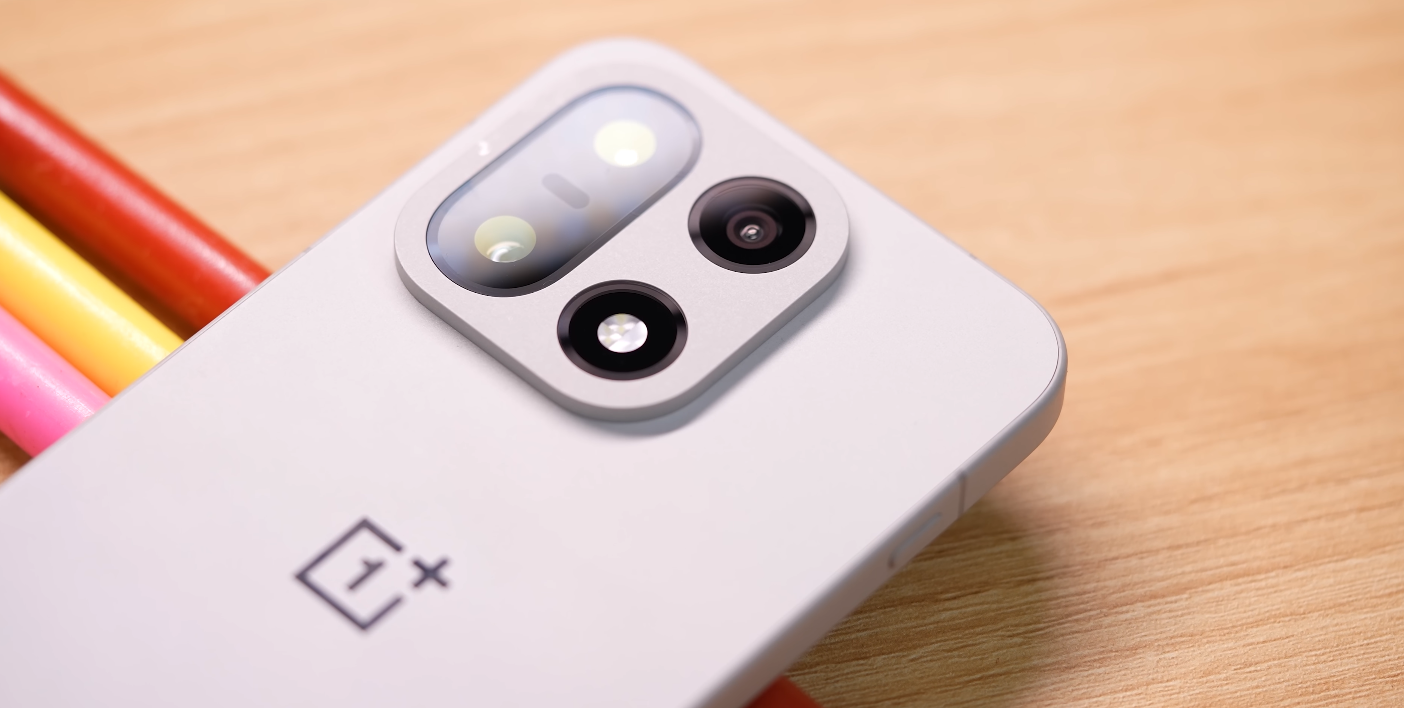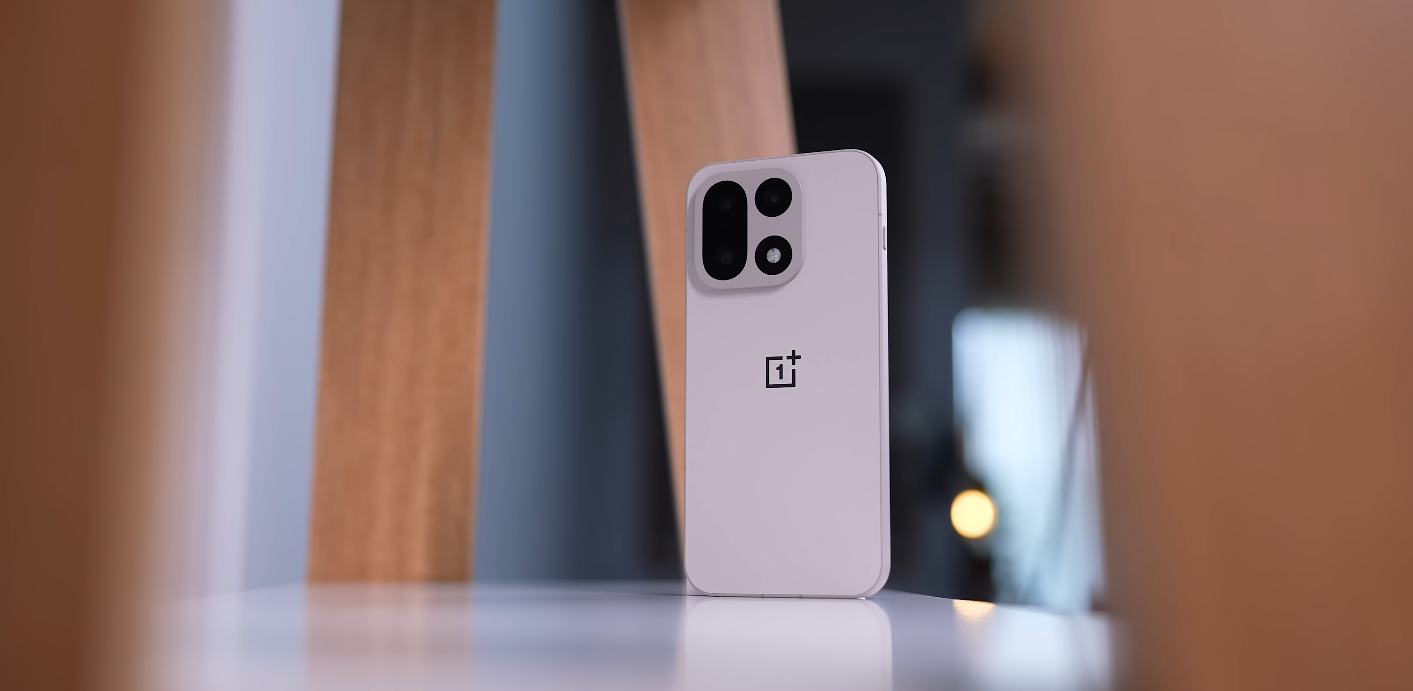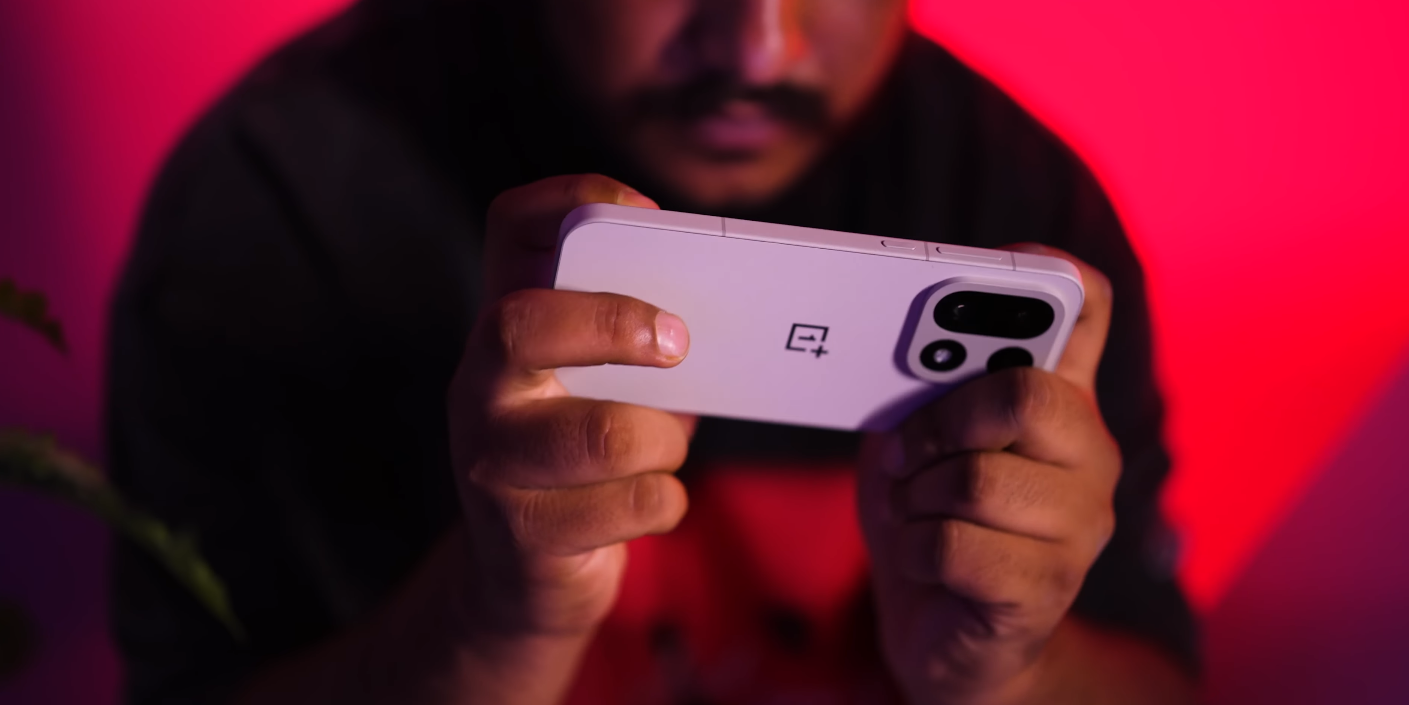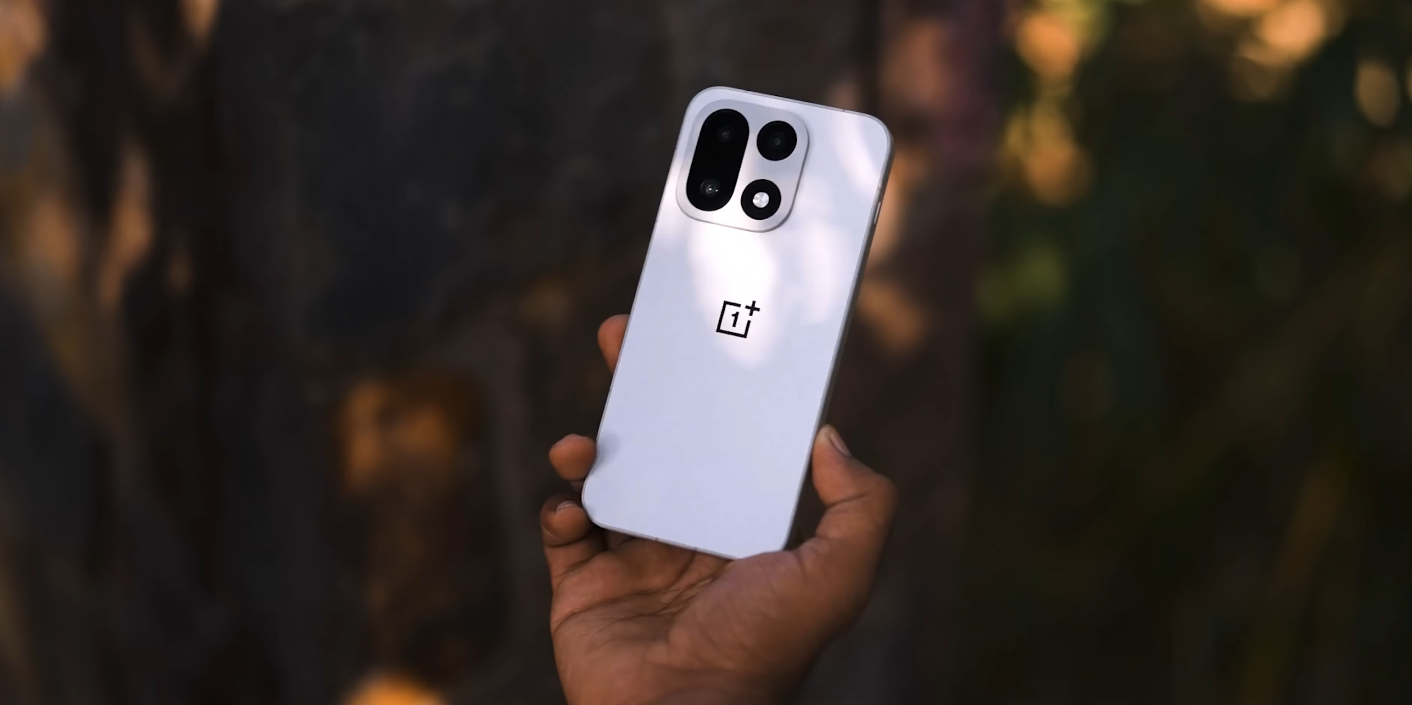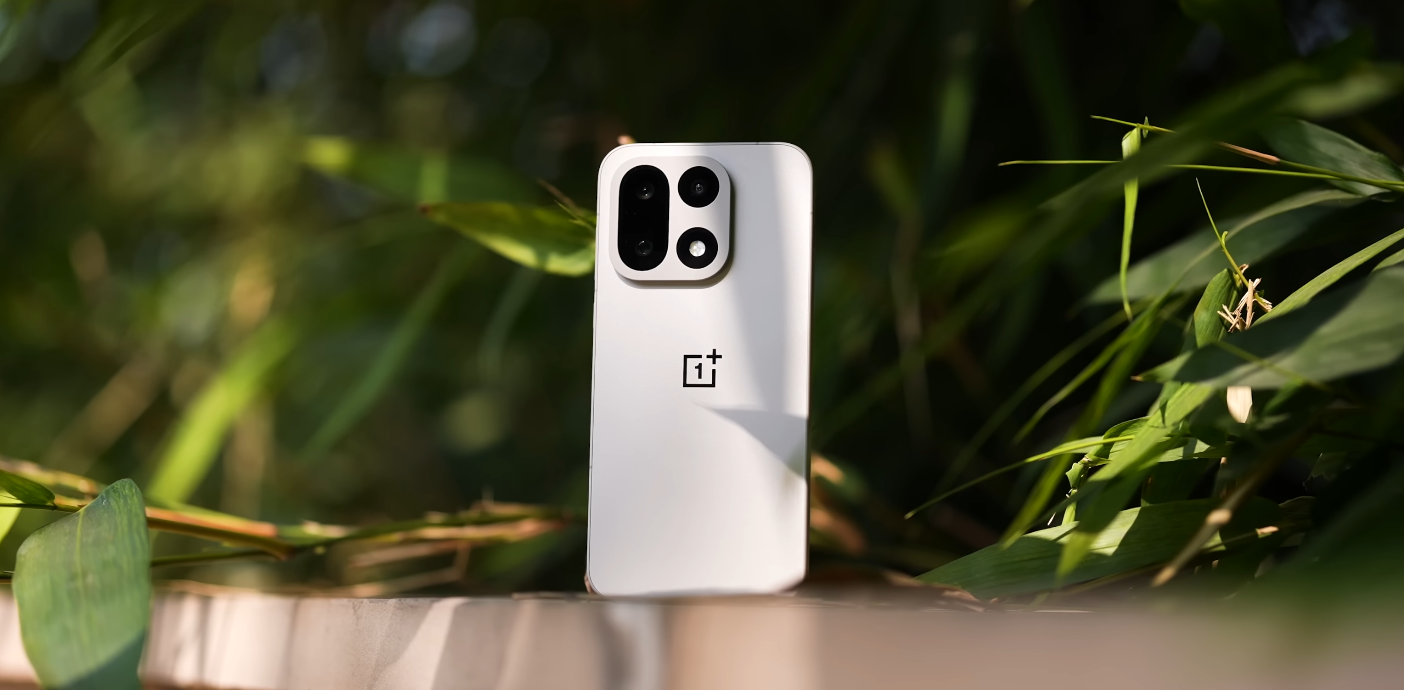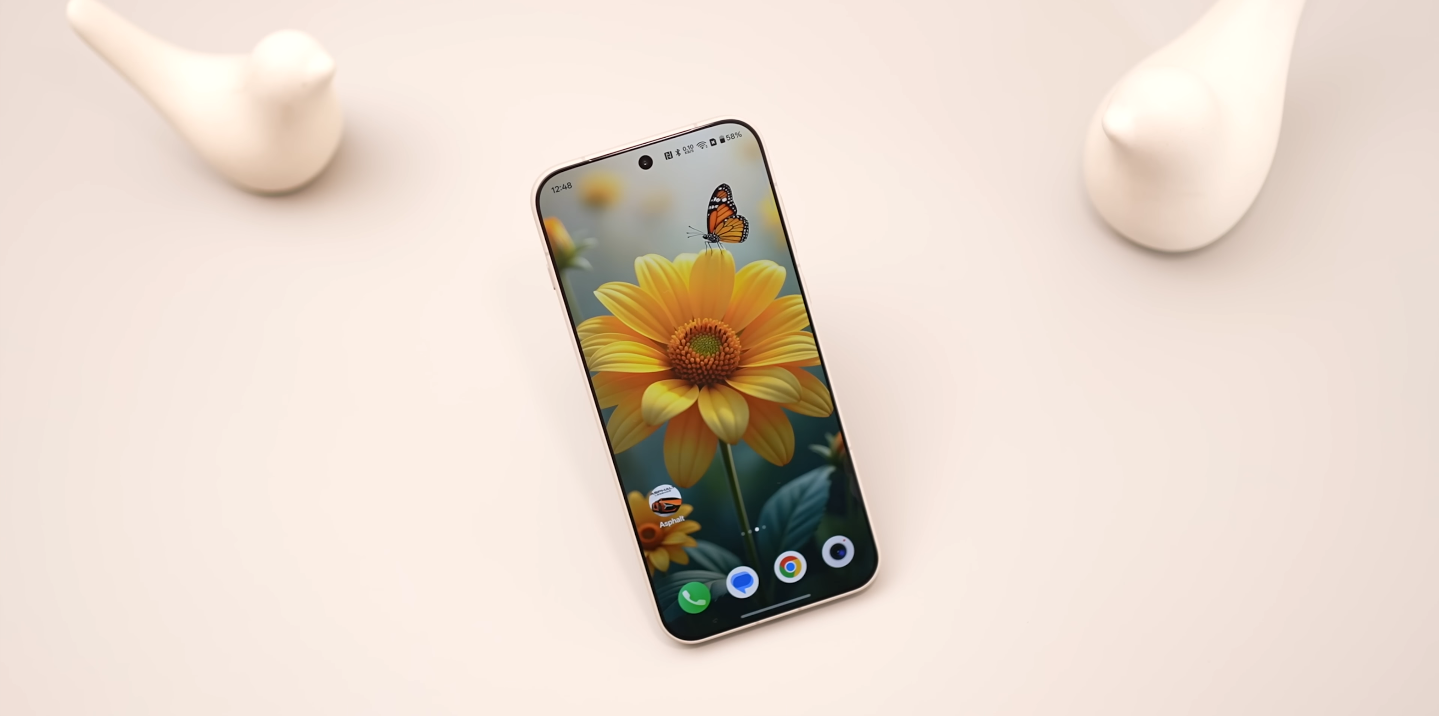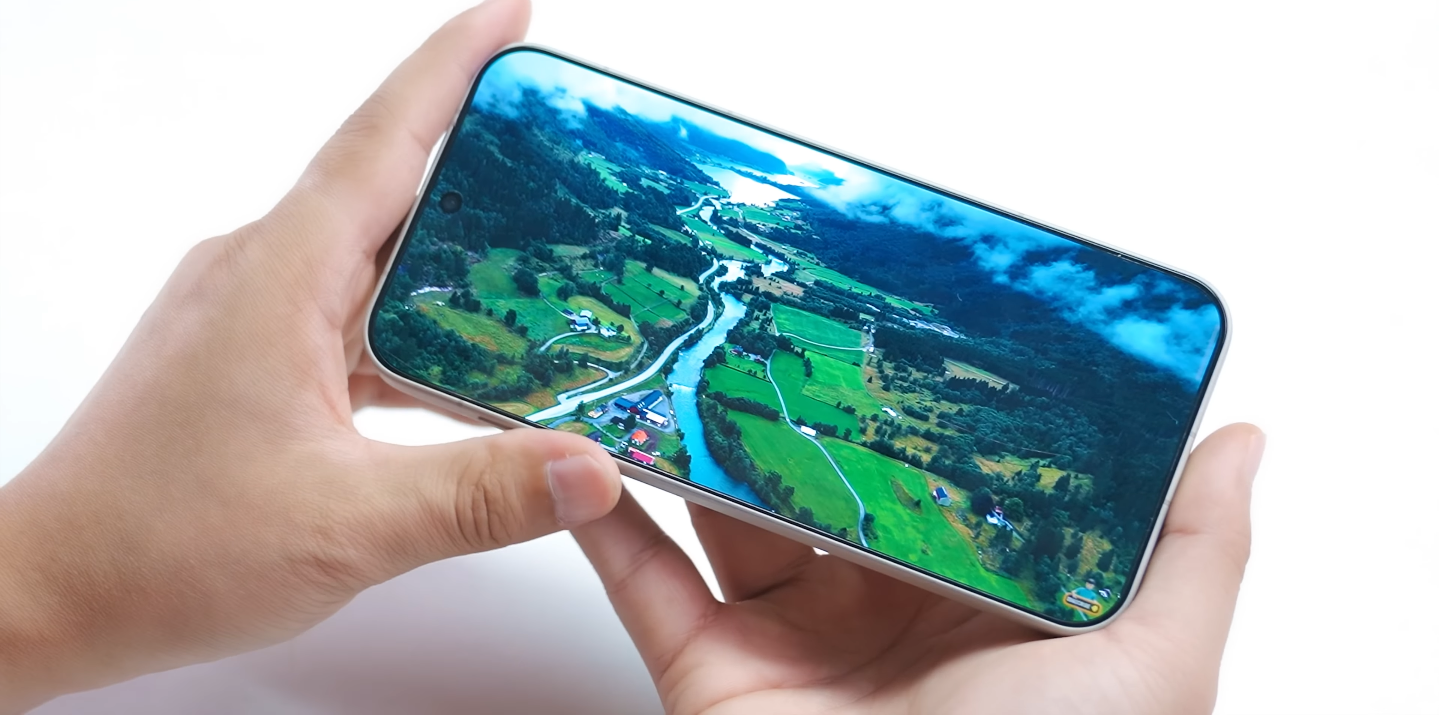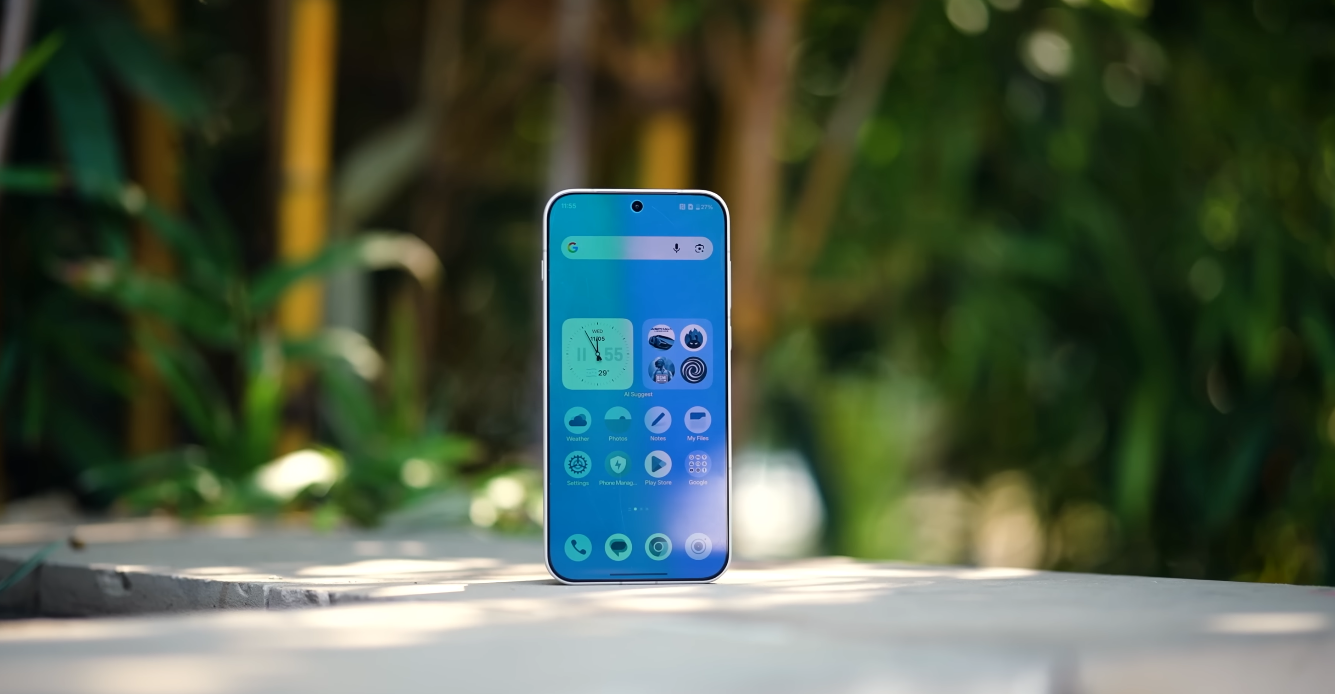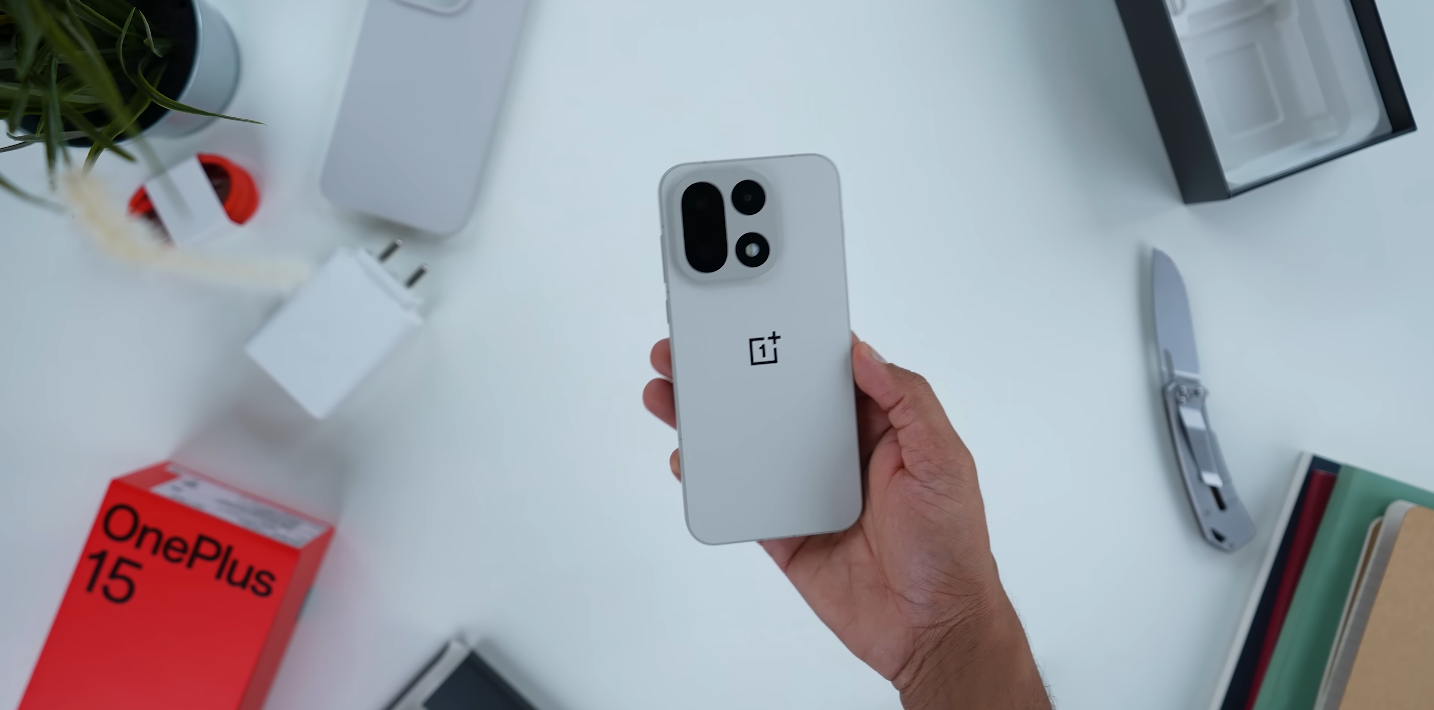
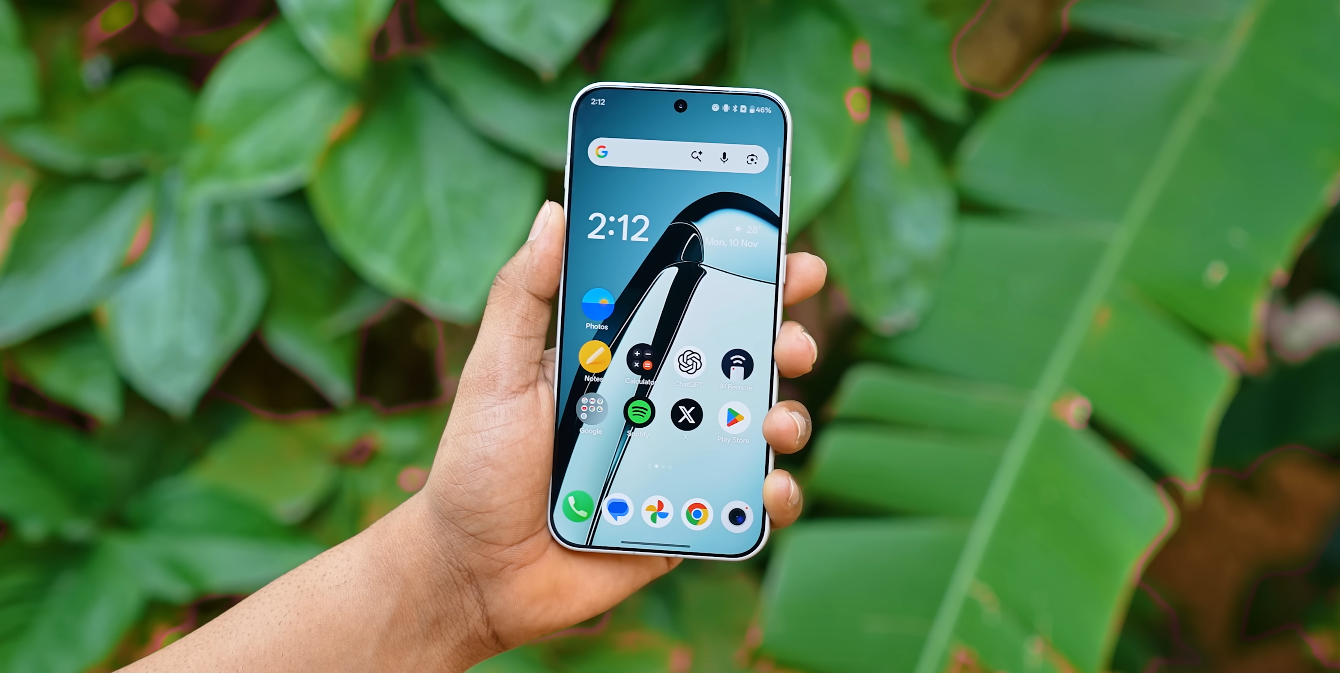
OnePlus 15 vs Huawei P60 Pro: international availability & specs compared

OnePlus 15 vs Huawei P60 Pro international availability & specs compared

How both flagships position themselves for global buyers

The OnePlus 15 and Huawei P60 Pro represent two different flagship strategies, particularly when considered from an international availability perspective. While both aim to deliver premium hardware and polished photography features, their global reach, software environments and market support vary in ways that matter for everyday users. Understanding how each device is positioned helps buyers make informed decisions, especially in the UK and Europe where network compatibility and app support play key roles.

The Huawei P60 Pro is already officially available in several European markets, including the UK. It comes equipped with a Snapdragon 8+ Gen 1 chipset in a 4G configuration due to ongoing international restrictions affecting Huawei’s access to 5G modem technologies. The device offers a premium design with curved display edges and a strong focus on camera versatility. However, the continued absence of native Google services remains a core consideration for many users in Western markets.

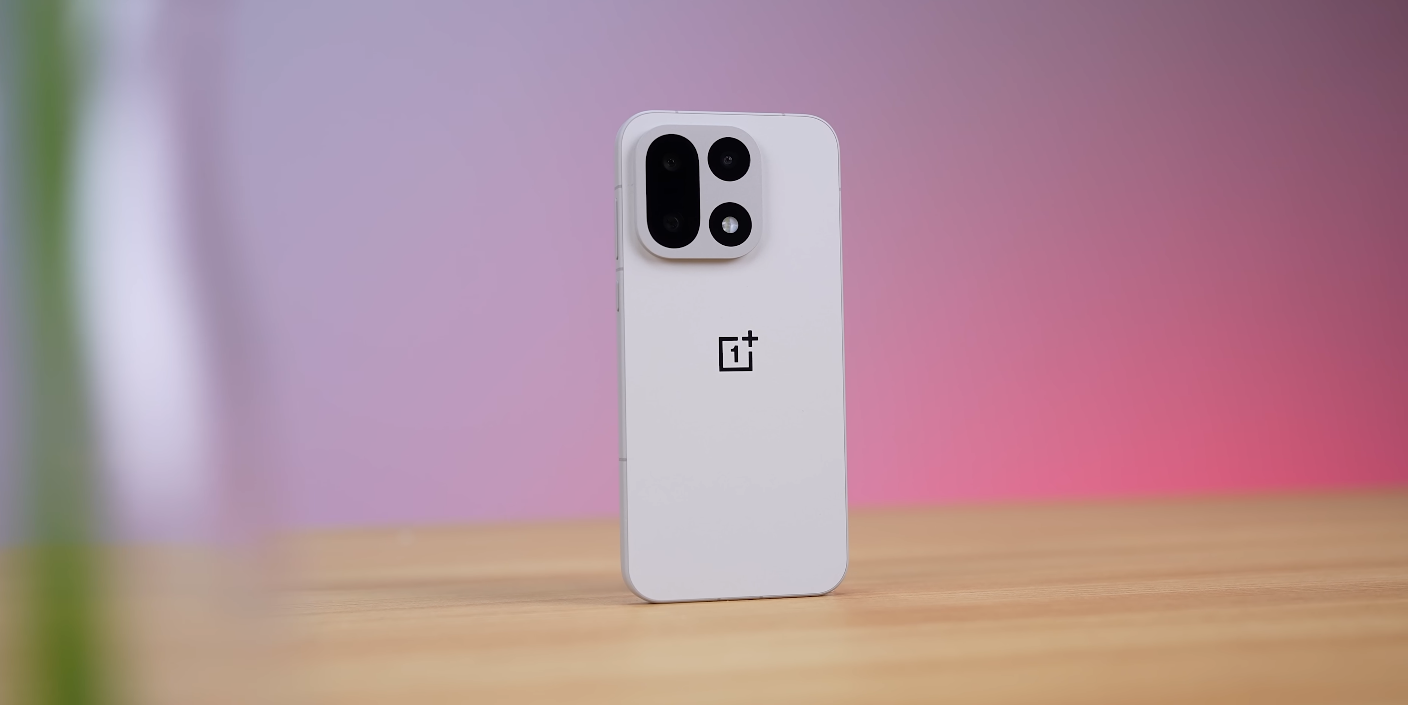
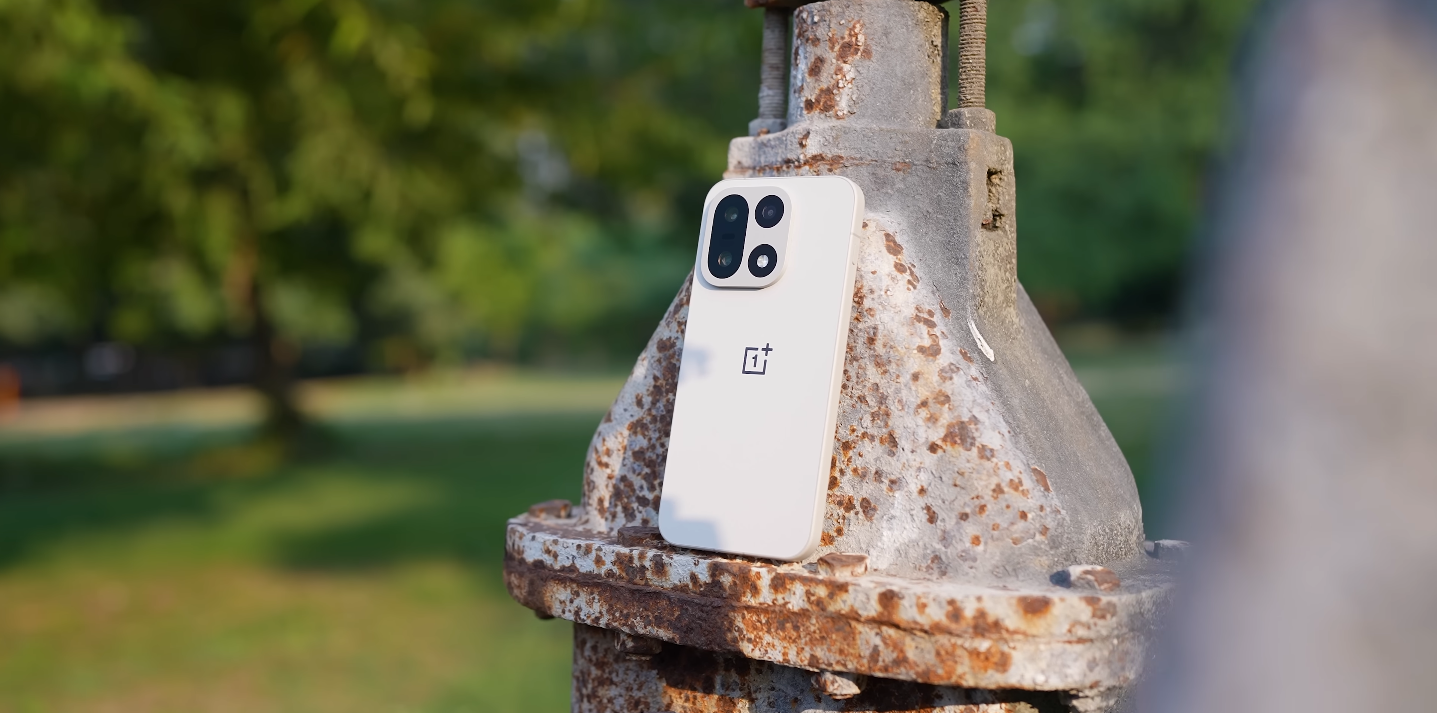
By contrast, the OnePlus 15 is positioned as a globally-focused flagship with full access to Google’s app ecosystem. The device follows OnePlus’s traditional launch cycle, where the Chinese release is followed by international availability. While final UK-specific details are confirmed at announcement time, OnePlus typically releases global variants with full 5G support and regional network optimisation. This positions the OnePlus 15 as a more straightforward option for users who rely heavily on mainstream app accessibility and Google service integration.
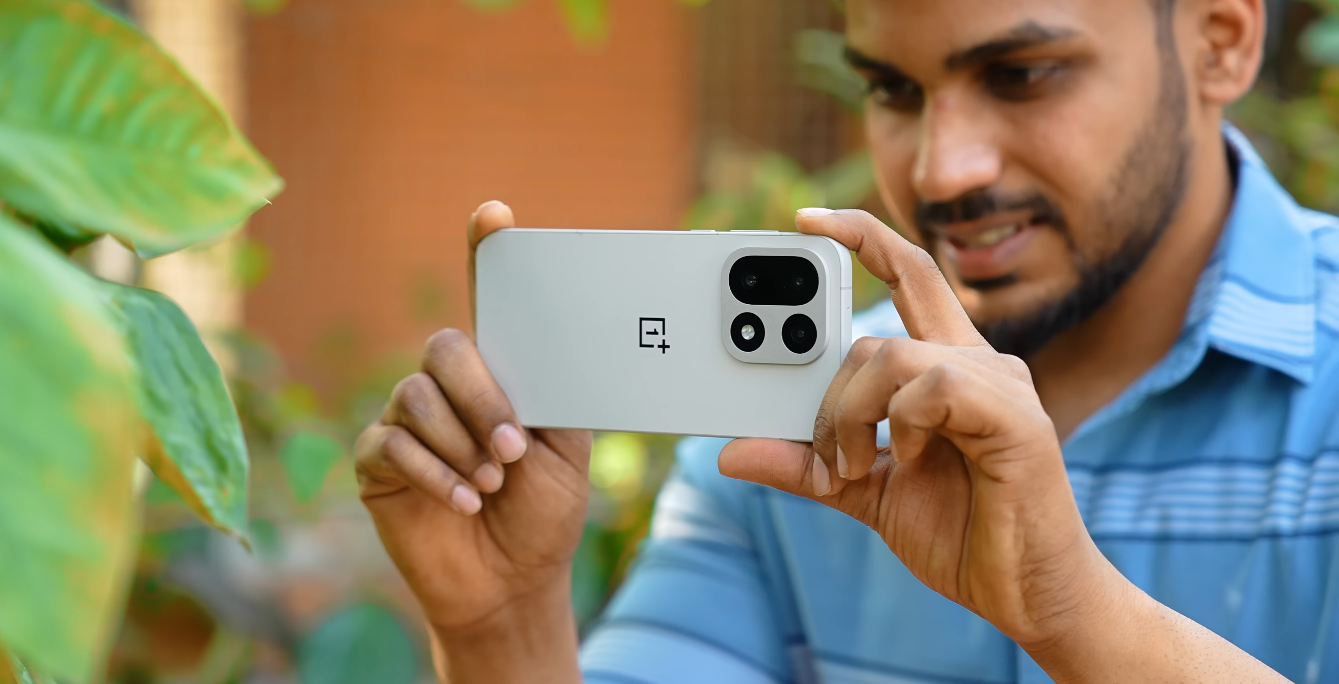
OnePlus 15 vs Huawei P60 Pro international availability & specs compared

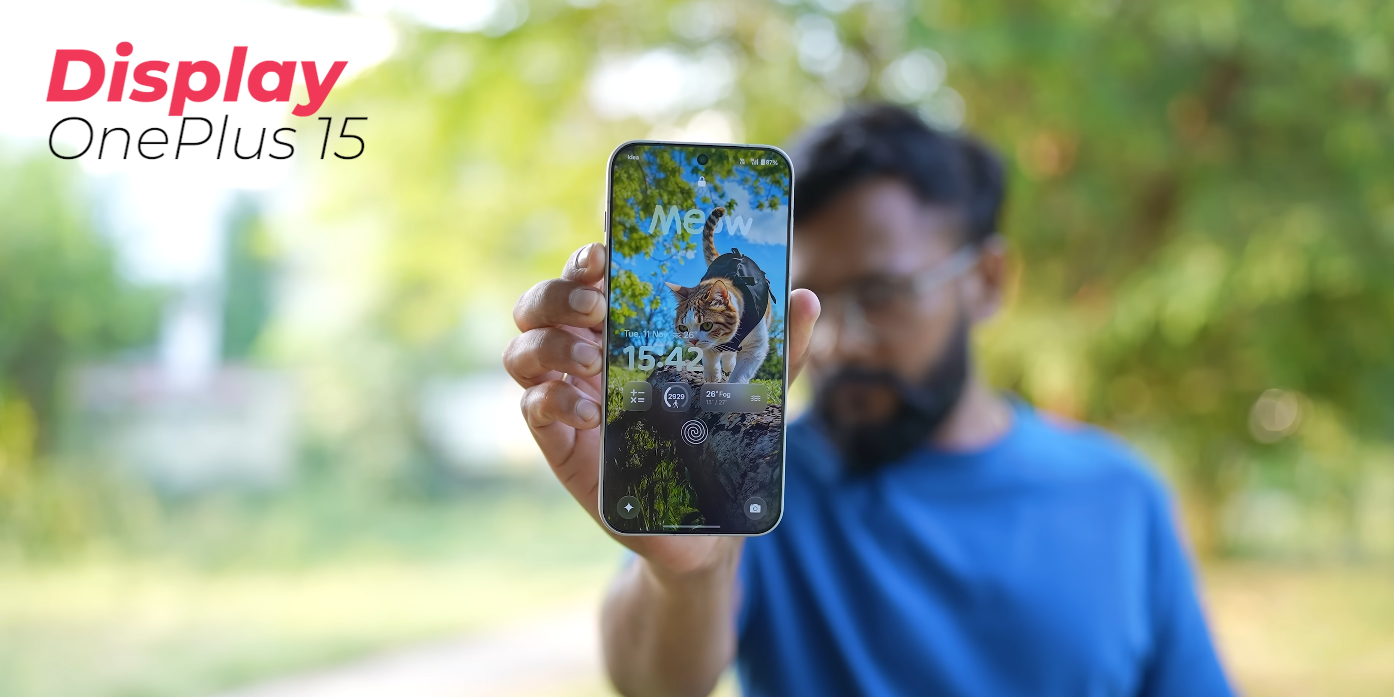
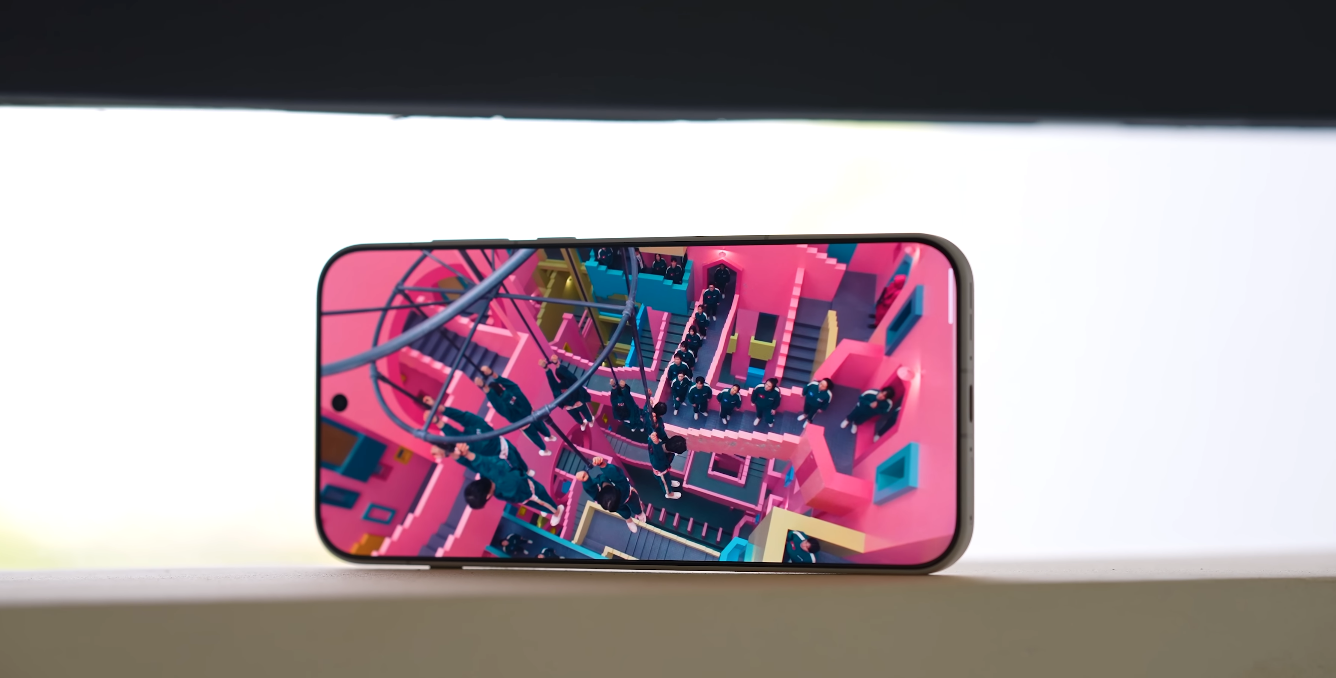
In terms of display, the Huawei P60 Pro features a curved OLED panel with adaptive refresh rate technology that delivers smooth motion handling and strong brightness levels. The OnePlus 15 is expected to continue the brand’s commitment to high-refresh-rate screens with a flat or minimally curved panel, offering clear visual output and fast touch response. For users deciding between the two, the choice may come down to whether they prefer a curved aesthetic or a flat display designed for precision and durability.

Camera performance is where both devices take distinct approaches. The P60 Pro uses a variable aperture system in its primary camera to adjust light intake, allowing the device to adapt dynamically to different lighting conditions. This offers a high level of flexibility in both indoor and outdoor environments. The OnePlus 15, meanwhile, is expected to rely on large sensor hardware and enhanced image processing algorithms to deliver balanced clarity, colour tone accuracy and nighttime performance. Both devices aim for premium results, but the route to achieving them differs.

Battery and charging efficiency also reflect differing engineering priorities. The Huawei P60 Pro supports fast wired charging and wireless charging options that are already well-tested in global variants. OnePlus devices traditionally emphasise high wattage wired charging designed to refill the battery rapidly without demanding long downtime. Consumers who value minimal charging interruption may find OnePlus’s approach appealing, while Huawei provides a well-rounded charging profile suited to steady daily use.

When considering software experience, the divergence becomes more pronounced. The Huawei P60 Pro runs EMUI without pre-installed Google Play Services in many markets, requiring alternative app access methods. While workarounds and Huawei’s own app ecosystem continue to expand, some UK users prefer full Google integration for navigation, messaging and cloud syncing. The OnePlus 15 runs OxygenOS on Android, providing a familiar environment with regular security updates and direct compatibility with Google’s app library.

International support and warranty provisions also influence long-term ownership. Huawei maintains service access in the UK for its officially sold devices, but app support adjustments remain part of the ownership experience. OnePlus devices are commonly supported through a broad network of authorised service points and online repair programmes. Buyers who prioritise future-proofing may consider how ongoing software support cycles align with their expected device lifespan.

Connectivity is another point of distinction. The Huawei P60 Pro’s European variant is limited to 4G, which may not affect users in areas where 5G coverage remains inconsistent but will matter for those who expect to take advantage of growing high-speed network availability. The OnePlus 15 is anticipated to include full 5G radio support across international variants, maintaining alignment with future network expansion in major UK cities and regional centres.

In summary, the OnePlus 15 and Huawei P60 Pro each offer strong flagship capabilities but differ in execution and market practicality. The Huawei P60 Pro delivers sophisticated camera hardware and premium build quality, yet the absence of Google services and limited 5G support may require adjustment for some users. The OnePlus 15 offers a more traditionally global-ready package, emphasising software familiarity, network compatibility and a streamlined interface. For buyers in the UK, the decision will likely rest on whether camera versatility or ecosystem integration holds greater personal value.

Also Read:  Redmi K90 Pro Max after-sales support in UK: warranty, service and software updates

OnePlus 15 vs Realme GT Neo 7 — same chipset, different experience

OnePlus 15 vs Realme GT Neo 7 — same chipset, different experience

Flagship Muscle Meets Value-Driven Speed

The OnePlus 15 and the Realme GT Neo 7 arrive in the same performance arena, powered by top-tier chipsets and designed for demanding users. But while they share a similar performance class, the overall experience they deliver is quite different. OnePlus pushes a full-scale flagship approach, whereas Realme focuses on high speed at a more affordable level. This contrast makes their comparison especially compelling for buyers who prioritise performance but value different styles of execution.

Starting with raw power, both phones rely on cutting-edge silicon built for heavy workloads, gaming and multitasking. The OnePlus 15 uses a flagship Snapdragon chipset, combined with a high-refresh LTPO display and an enhanced thermal system that keeps performance stable even during long sessions. The GT Neo 7, meanwhile, also targets top-tier efficiency and smoothness with its advanced processor, but emphasises value by offering most of the flagship performance without the premium pricing typically attached to it.

A major difference emerges in display technology. The OnePlus 15 uses a 6.78-inch LTPO panel capable of reaching up to 165Hz, giving it an edge in responsiveness and fluidity. Whether you’re scrolling, gaming or navigating apps, the screen adapts seamlessly. Realme’s GT Neo 7 offers a bright, sharp display with a 120Hz refresh rate—still excellent, but not quite as smooth as the OnePlus in high-frame-rate scenarios. For most users, 120Hz is more than enough, but enthusiasts may appreciate the added refinement of OnePlus’s panel.

OnePlus 15 vs Realme GT Neo 7 — same chipset, different experience

Battery endurance is another area where both phones shine, yet differ slightly in execution. The OnePlus 15 packs a massive battery designed for multi-day use, supported by extremely fast charging. This combination ensures long life under heavy use and quick recovery times. The GT Neo 7 also includes a large battery and fast charging of its own, offering strong longevity for the price segment. While the endurance gap isn’t huge, OnePlus still pulls ahead thanks to its more efficient LTPO display and larger overall capacity.

Build quality and materials drive a further wedge between the two experiences. The OnePlus 15 offers a true flagship feel—premium materials, refined surfaces and a balanced weight that signals high-end craftsmanship. Realme’s GT Neo 7 delivers a sturdy and modern design, but its focus is on practicality and keeping the device lightweight. It looks sharp and feels good, but it does not reach the same level of premium refinement as its rival.

Camera systems also showcase a difference in priorities. The OnePlus 15 features a more advanced imaging setup, including a high-resolution main sensor, optical zoom options and refined computational processing. This allows the phone to handle varied lighting conditions, movement and detail more effectively. The GT Neo 7 offers capable everyday photography and good daytime results, but it does not match the versatility or sharpness of the OnePlus camera system, especially in low-light or zoom scenarios.

Software experience plays a meaningful role in how both devices feel day to day. OxygenOS on the OnePlus 15 places emphasis on clean visuals, fluid responsiveness and long-term stability. Realme UI on the GT Neo 7 is fast and feature-rich but aimed at users who want customisation and performance without expecting the ultra-polished feel found in premium flagships. Both interfaces are snappy and efficient, though OnePlus pulls ahead slightly in overall refinement.

In gaming, both smartphones deliver excellent results thanks to their powerful chipsets and advanced thermal designs. The OnePlus 15 offers an edge due to its higher refresh display, sustained performance and strong battery efficiency. The GT Neo 7 still handles demanding titles well and remains one of the best value performers in its segment. For casual or moderate gamers, the difference may be minimal, but intensive players will likely appreciate OnePlus’s smoother visual output and more stable performance curve.

When considering long-term use, OnePlus’s commitment to extended software updates and its premium build suggest better durability over multiple years. Realme offers good update support too, but its device lifecycle focuses more on value and mid-to-upper premium positioning rather than ultra-long flagship longevity. Depending on how long you plan to keep your phone, this difference could matter.

In conclusion, both the OnePlus 15 and the Realme GT Neo 7 deliver impressive performance despite coming from different market philosophies. The OnePlus 15 is the clear flagship: stronger display technology, better camera performance, longer battery life and more premium build quality. The Realme GT Neo 7, however, offers tremendous value: flagship-class speed at a lower cost, making it ideal for users who want power without premium pricing. The final choice depends on whether you prefer absolute flagship refinement or high-performance value with fewer compromises.

OnePlus 15 vs Google Pixel 9 — battery endurance and camera quality

OnePlus 15 vs Google Pixel 9 — battery endurance and camera quality

Battery Endurance and Camera Comparison of OnePlus 15 and Google Pixel 9

The battle between the OnePlus 15 and the Google Pixel 9 is heating up, especially when it comes to battery endurance and camera quality. With smartphones becoming more central to everyday life, how each model handles long-use and image capture may tip the decision for many users.

Starting with battery life, the OnePlus 15 impresses with a large dual-cell battery that allows for extended usage. Under moderate to heavy use, it easily lasts through a full day and often pushes into a second. Charging speeds are also quick enough to minimise downtime. Meanwhile, the Pixel 9 delivers a reliable full-day of use for most people, though it does not match the multi-day capacity seen with its competitor.

In real-world tests, the OnePlus 15 showed performance during mixed-use scenarios that indicated less battery anxiety: fewer mid-day recharge breaks, less thermal throttling, and stable performance over extended periods. The Pixel 9, on the other hand, maintained solid endurance, but reviewers still advise users handling intensive tasks or long travel days to carry a charger or power bank.

OnePlus 15 vs Google Pixel 9 — battery endurance and camera quality

Turning to camera quality, the OnePlus 15 boasts strong hardware: high-resolution main, ultrawide and telephoto lenses. The physical telephoto lens gives it a boost in optical zoom performance—useful for capturing distant subjects in better clarity. Reviewers note that the OnePlus’s main lens renders good detail and colour balance. However, consistency across all lenses and ultra-wide scenarios is flagged as a weaker point.

The Pixel 9, though, leans into computational photography strengths. Users can expect great results in everyday shooting: reliable exposures, strong low-light performance, and a consistent quality across shooting modes. Though it may lack the higher optical zoom specs of the OnePlus, its camera system frequently ranks among the best for effortless image quality and post-processing polish.

For users whose priority is battery endurance, especially those who often find themselves away from a charger, the OnePlus 15 stands out. If your camera needs are broad—especially requiring strong zoom and versatile hardware—it offers a compelling option. Conversely, if you value image quality and consistency, and your usage is mostly within a single day where recharging isn’t a major concern, the Pixel 9 is the more balanced choice.

In conclusion: go with the OnePlus 15 for longer battery life paired with a strong camera hardware suite. Choose the Pixel 9 if you favour top-tier camera experience and are comfortable with very good (rather than multi-day) battery performance.

OnePlus 15 vs Samsung Galaxy S25 — UK buyers: which one should you pick?

OnePlus 15 vs Samsung Galaxy S25 UK buyers which one should you pick

A head-to-head look at two top smartphones and which suits your needs

If you’re shopping for a premium Android phone in the UK and deciding between the OnePlus 15 and the Samsung Galaxy S25, this guide will help you weigh up what matters most—whether that’s raw hardware, ecosystem strength or long-term support.

The OnePlus 15 is designed to deliver maximum hardware performance at a very competitive price. It features a cutting-edge chipset, a large battery and very fast charging speeds. For users who demand speed, gaming ability and endurance above all else, the OnePlus provides standout value and power.

The Galaxy S25, meanwhile, offers a different kind of premium experience. It may not push the raw specifications as far as OnePlus in every area, but it compensates with brand reliability, extensive service infrastructure, polish and an ecosystem that many UK buyers value. Samsung’s promise of long-term updates and strong camera processing also appeals if you want your device to stay relevant longer.

OnePlus 15 vs Samsung Galaxy S25  UK buyers which one should you pick

In terms of performance, the OnePlus 15 arguably has the edge: the hardware speaks for itself, especially in high-intensity tasks such as gaming, multitasking or streaming. For users who push their phones hard and prioritize specs, it’s an excellent choice. The Galaxy S25 is more balanced—but that may be exactly what many users prefer. Daily usage, photography, app experience and longevity may all feel better optimised with Samsung’s closer integration of hardware and software.

Camera capabilities tilt somewhat in Samsung’s favour for users who shoot a lot of photos or videos and want consistent, high-quality results with minimal fuss. The Galaxy S25 offers strong imaging and reliable updates to sustain its performance. OnePlus delivers very good results too, but if photography is a top priority the small incremental advantages with Samsung may matter more than you think.

Battery, size and ergonomics also differ. The OnePlus 15 offers large battery capacity and fast charging speeds that give it a performance edge in endurance and convenience. The Galaxy S25 might be a bit more modest in raw figures but benefits from balanced hardware and software optimisation that often translates to reliable day-to-day endurance.

When choosing one, consider your priorities: if you want “maximum hardware under budget” and enjoy pushing your phone hard, the OnePlus 15 is hard to beat. If you prefer a smartphone that feels polished, backed by strong brand support, excellent camera experience and long-term reliability, the Galaxy S25 is likely the smarter pick.

In summary: For UK buyers seeking the best mix of longevity, support and balanced performance, go with the Galaxy S25. For those who prioritise specs, endurance and value, the OnePlus 15 is a strong contender.

OnePlus 15 vs Galaxy M-series: why value & premium segments collide

OnePlus 15 vs Galaxy M-series why value & premium segments collide

When Budget Meets Flagship — A Collision of Ambitions

The OnePlus 15 arrives as a full-blown flagship: highest end materials, top specs, premium features. On the flip-side sits the Samsung Galaxy M‑series which targets value seekers: strong features for lower cost, fewer compromises in the budget segment. Lately, though, their paths are intersecting — and that’s changing how buyers view “premium” vs “value”.

Where the OnePlus 15 leads: it offers flagship-grade CPU (Snapdragon 8 Elite Gen 5), ultra-smooth 165Hz display, large 7,300 mAh battery and advanced charging, top camera system and premium design. It’s built for users who demand the best across the board. Meanwhile, Galaxy M-series phones have steadily improved — larger batteries, higher refresh displays, decent cameras and respectable performance — all at much lower price points than traditional flagships.

The collision occurs because value-segment phones now cover many of the everyday needs that used to be flagships-only: good cameras, smooth displays, long battery life. So a buyer might ask: do I need the extra premium asked by OnePlus, or will the M-series fulfil 90 % of my needs for 50-60% of the cost? For many users the line between “premium flagship” and “value flagship” has blurred.

OnePlus 15 vs Galaxy M-series why value & premium segments collide

In some cases, the Galaxy M-series is sacrificing less than ever. You’ll see features like 120Hz or 90Hz AMOLED panels, multiple cameras, even fast charging. What it might omit are things like top-tier camera sensors, highest build materials, the fastest update windows, or the highest zoom lenses — and that’s where the OnePlus 15 justifies its premium. But if you don’t care about those extremes, value becomes very compelling.

For buyers focusing on everyday tasks—social media, streaming, casual photography, moderate gaming—the value segment often hits the sweet spot. The OnePlus 15 becomes more for those who expect best-in-class performance, longest update support, the highest water/dust resistance ratings or wish to keep their phone for many years without compromise.

Another angle: price pressure. As value phones improve, the premium phones must do even more to justify the extra money. The OnePlus 15’s premium asks can feel steep if you aren’t making full use of upgraded cameras, display refresh, top performance, or extended support. This makes the decision highly dependent on how you use your phone and how long you expect to keep it.

In summary: the “value vs premium” debate is not just about price, it’s about where you draw your threshold for “good enough”. The Galaxy M-series is narrowing the gap by offering very good performance and features for less; the OnePlus 15 widens the gap on premium material, top specs and extended lifecycles. They collide because the boundary between segments has shifted. Your choice comes down to: do you want to pay more for the best, or go smart and get most of the experience for less?

OnePlus 15 vs budget flagship (UK): At what price break does it make sense?

OnePlus 15 vs budget flagship (UK) At what price break does it make sense

Understanding the Flagship Value Gap in the UK

If you’re buying in the UK, the question of whether to go for a true flagship like the OnePlus 15 or opt for a “budget flagship” comes down to the price you’re paying versus the features you’ll actually use.

In the UK market, the OnePlus 15 is expected to cost approximately £849–£949—this represents the top-tier flagship segment. Meanwhile, many “budget flagship” phones in the UK sell for around £500-£700, offering much of the same spec sheet but with some compromises in build quality, camera zoom, software support or premium materials.

When the price of the budget flagship is about £250–£350 less than the OnePlus 15, and yet delivers most of your usage needs (social, photo snapshots, streaming, gaming), going value may be smarter. But when the price gap grows bigger—say the flagship is £949 and the budget option is £499—then you need to ask whether the extra £450 buys enough extra real-world benefit.

OnePlus 15 vs budget flagship (UK) At what price break does it make sense

In short: if the device you’re considering costs under ~£700 in the UK and still hits your needs, you may get better value than choosing the OnePlus 15. If you’re spending ~£900+, only go for the OnePlus if you’ll make use of the top-end camera, display, build and support advantages.

If you like, I can check current UK offers for budget flagship phones priced £500–£700 and benchmark them against the OnePlus 15 £849+ pricing to show you exactly where value breaks.

OnePlus 15 vs Nexus era smartphones: how far tech has come

OnePlus 15 vs Nexus era smartphones how far tech has come

The Massive Leap From Early Android Flagships to Today’s Powerhouses

The difference between the OnePlus 15 and smartphones from the Nexus era highlights just how dramatically mobile technology has advanced in a little over a decade. What was once considered premium and forward-thinking now feels basic compared to the capabilities of today’s flagship hardware.

Nexus devices were built during a time when simplicity and clean software defined Android. They focused on offering a pure experience rather than pushing boundaries in hardware. Screens were smaller, refresh rates were fixed and brightness levels were modest. In contrast, the OnePlus 15 features a large, ultra-bright, adaptive display that adjusts dynamically for smoothness and efficiency, transforming everyday interaction.

Performance has evolved even more dramatically. The processors used in Nexus phones handled early multitasking well but struggled under heavy loads. Modern workloads such as advanced gaming, AI-driven features and demanding apps simply weren’t part of the picture. The OnePlus 15’s flagship chipset manages all of these with ease, maintaining stability and speed even during sustained, intensive use.

OnePlus 15 vs Nexus era smartphones how far tech has come

Battery life is another area where progress is unmistakable. Nexus phones typically required daily charging and offered slow power top-ups. By comparison, the OnePlus 15 includes a significantly larger battery and extremely fast charging support, allowing users to get through multiple days of normal use and recharge in a fraction of the time.

Camera technology demonstrates one of the most dramatic leaps. Nexus cameras were capable but inconsistent, particularly in low light. The OnePlus 15 uses advanced sensors, improved stabilisation and powerful computational photography tools to deliver shots with far more detail, clarity and dynamic range. Features like night photography, optical zoom and high-quality video recording simply didn’t exist in the mainstream Nexus years.

Software maturity also plays a major role. Nexus smartphones helped shape the identity of stock Android, but update schedules and stability were limited by the hardware of the time. The OnePlus 15 benefits from smoother animations, longer support windows and deep system optimisation, giving users a more stable and refined experience that lasts far longer.

Connectivity has seen massive upgrades too. Nexus devices operated in a world before widespread 5G, modern Wi-Fi standards and rapid Bluetooth advancements. The OnePlus 15 offers far faster data speeds, stronger signal stability and quicker accessory pairing, reflecting how expectations for wireless performance have evolved.

Storage and memory further highlight the generational gap. What was once considered generous—like 2GB of RAM or 32GB of storage—now feels extremely limited. The OnePlus 15 includes large, fast memory modules that support heavy multitasking, large apps and high-resolution media without compromise.

Design philosophy has shifted as well. Nexus devices often used plastic builds and minimalist aesthetics. Modern flagships like the OnePlus 15 offer premium materials, refined ergonomics and improved durability, delivering a device that feels both modern and luxurious.

In the end, comparing the OnePlus 15 to the Nexus era makes the evolution of smartphone technology unmistakable. From display and performance to photography, software and design, the changes represent a complete transformation of what users can expect. The OnePlus 15 stands as a clear example of just how far smartphones have come since the early Android days.

Also Read:  Xiaomi 17 Pro Max import risks for UK buyers: warranty, updates, band support

OnePlus 15 vs iPhone 16 — UK buyers: which phone ages better?

OnePlus 15 vs iPhone 16 — UK buyers which phone ages better

Long-term performance and value for money over years of ownership

Choosing a smartphone that ages well is a priority for many UK buyers, especially when planning to keep a device for three years or more. The OnePlus 15 and the iPhone 16 are both premium flagships, but they take different approaches to longevity. The OnePlus 15 focuses on powerful hardware and fast charging, while the iPhone 16 relies on long software support, a strong ecosystem and consistent resale value over time.

The OnePlus 15 is equipped with high-end specifications designed to provide performance headroom for years. Its Snapdragon-series flagship processor, large RAM options and 165 Hz display make it one of the fastest Android phones at launch. UK buyers who rely on demanding apps, gaming or multitasking will appreciate the performance buffer that helps the phone remain responsive even after multiple software updates.

The iPhone 16, while not always chasing benchmark numbers, is built for efficiency and durability through tight integration of Apple hardware and software. Its A-series chipset tends to retain strong performance even after several major iOS updates. Apple’s optimisation ensures that the phone remains smooth without requiring extreme specifications, which is a major advantage when considering long-term usage.

OnePlus 15 vs iPhone 16 — UK buyers which phone ages better

Software support is one of the most decisive factors for ageing well. The iPhone 16 is expected to receive major iOS updates for many years, extending the length of security patches and feature upgrades. For UK buyers planning to hold onto their smartphone beyond three years, this makes a substantial difference. The OnePlus 15 will receive software updates too, but Android devices historically do not match the longevity of Apple’s support timeline.

Battery performance over time also matters for durability. The OnePlus 15 gains a clear advantage from its very large battery capacity and high-efficiency charging system, helping it maintain strong daily performance even after some natural degradation. The iPhone 16 uses a smaller battery but balances it with aggressive power optimisation. Both will age well in real-world use, although the OnePlus starts with a bigger capacity cushion, while the iPhone generally maintains steadier battery efficiency over its lifespan.

Durability and build quality contribute to how long a phone feels “new”. The OnePlus 15 uses premium materials and strong water- and dust-resistance ratings, making it suitable for heavy daily use. The iPhone 16, meanwhile, benefits from Apple’s well-established design durability and broad UK service network, which makes repair and maintenance more accessible if needed years after purchase.

The resale value difference between the two phones is also significant for long-term ownership. iPhones typically retain their value longer in the UK market due to strong demand and a larger second-hand ecosystem. The OnePlus 15 will offer excellent performance for several years, but Android flagship resale values tend to decline faster. For buyers who upgrade regularly, the iPhone 16 may be more cost-effective at trade-in time despite the higher upfront price.

Another factor is ecosystem lock-in, which affects how a device “ages” in a user’s lifestyle. The iPhone 16 integrates deeply with services commonly used in the UK such as Apple Wallet, FaceTime, iMessage, and seamless pairing with AirPods and Apple Watch. These services continue to improve with updates, helping the device feel relevant even several years after launch. The OnePlus 15 offers strong Android flexibility but does not have the same level of continuity features within a single ecosystem.

Looking three to five years into the future, both phones are likely to remain capable, but in different ways. The OnePlus 15 will continue to deliver raw performance and smooth display responsiveness thanks to its powerful hardware foundation. The iPhone 16 will maintain relevance through software continuity, long-term efficiency and integration with future iOS updates and Apple services.

For UK buyers who want a phone that feels cutting-edge for as long as possible through hardware strength, the OnePlus 15 is a very compelling option and offers excellent everyday usability. However, for those who prioritise software lifespan, stable resale value and long-term reliability with minimal performance loss, the iPhone 16 is more likely to age better overall. In the long run, it provides the smoother and more predictable ownership experience across multiple years.

OnePlus 15 vs Nothing Phone 3 — minimalistic design vs flagship power

OnePlus 15 vs Nothing Phone 3 — minimalistic design vs flagship power

A Direct Comparison of Style, Simplicity and High-End Performance

The OnePlus 15 and the Nothing Phone 3 take two very different approaches to what a modern flagship should be. One focuses on delivering the strongest hardware package of the year, while the other leans into a clean, distinctive design language that has become its signature. After their recent launches, both have attracted attention for completely different reasons.

The OnePlus 15 stands out as a performance-first device, bringing a next-generation chipset and upgraded internals that target users who demand high-end speed. In contrast, the Nothing Phone 3 continues the brand’s minimalistic approach, offering a transparent aesthetic and subtle Glyph interface that appeals to those who value style and simplicity. This difference is at the core of how buyers choose between them.

In terms of hardware power, the OnePlus 15 leads clearly with its top-tier processing platform designed for heavy gaming, AI tasks and long-term performance. It maintains higher benchmark output and handles demanding workloads more comfortably. The Nothing Phone 3, meanwhile, uses an efficient upper-mid flagship chipset that performs well for everyday use but does not aim to match the maximum output of the OnePlus.

OnePlus 15 vs Nothing Phone 3 — minimalistic design vs flagship power

Design philosophy is where the Nothing Phone 3 truly shines. Its clean lines, transparent back and refined lighting cues continue to draw attention. The device feels unique in a market crowded with similar-looking slabs. The OnePlus 15 offers premium materials and a more traditional flagship style, but its design focus remains secondary to performance and battery strength.

Display quality on both devices is strong, though the OnePlus 15 pushes higher refresh rates and improved peak brightness for smoother visuals. The Nothing Phone 3 delivers a crisp and colour-balanced screen with a simpler, more understated presentation. For users who prefer a cleaner layout without flashy curves, the Nothing approach can be more appealing.

Battery and charging performance show another difference in priority. The OnePlus 15 delivers larger capacity and much faster charging, aimed at users who consume heavy multimedia and spend long hours gaming. The Nothing Phone 3 maintains solid endurance for typical daily use but focuses more on consistency and heat control than extreme charging speeds.

Camera performance also reflects each brand’s philosophy. The OnePlus 15 uses stronger sensors and enhanced processing to deliver better low-light images and quicker capture times. The Nothing Phone 3 emphasises balanced colour output and a natural look, avoiding overly processed results. For professional or creative shooting, the OnePlus offers more flexibility.

Software experience differs noticeably. The OnePlus 15 brings feature-rich OxygenOS with increased AI integration and deeper system customisation. Nothing OS on the Phone 3 remains lightweight, minimal and close to stock Android, offering a more focused and clutter-free experience. Users who prefer simplicity often favour the Nothing approach.

Where value is concerned, the Nothing Phone 3 offers a well-balanced package that prioritises design, user experience and a distinct identity. The OnePlus 15, on the other hand, provides the strongest all-round flagship power for those who want speed, endurance and advanced hardware features. Both serve their roles clearly without trying to overlap too much.

The choice ultimately depends on what matters more: refined minimalism or uncompromised performance. The OnePlus 15 is the stronger option for power users, while the Nothing Phone 3 is ideal for those who appreciate a unique look and streamlined software. Each device excels in its own direction, making the decision a matter of priority rather than superiority.

OnePlus 15 vs Poco F8 Pro — flagship muscle vs budget powerhouse

OnePlus 15 vs Poco F8 Pro — flagship muscle vs budget powerhouse

Comparing premium performance and value for UK smartphone buyers

The OnePlus 15 and the Poco F8 Pro represent two very different strategies in the smartphone market. The OnePlus 15 is built as a full flagship with a focus on premium features, while the Poco F8 Pro targets performance-focused users at a more affordable price point. For UK buyers deciding between them, both offer powerful hardware but with different priorities.

In terms of design, the OnePlus 15 leans heavily into a premium flagship feel with its aerospace-grade metal frame, advanced durability rating and refined finish. The Poco F8 Pro follows a more cost-efficient design approach, maintaining a metal and glass build but without the same emphasis on rugged protection or luxury materials. Visually both phones look modern, yet the OnePlus clearly positions itself higher.

When comparing displays, the OnePlus 15 features a larger LTPO AMOLED panel with a high refresh rate that enhances gaming and smooth scrolling. The Poco F8 Pro includes a 1.5K-class AMOLED panel with a fast refresh rate of its own, but it does not reach the same level as the OnePlus in fluidity and brightness. For users who prioritise multimedia and visual quality, the OnePlus screen is more refined overall.

OnePlus 15 vs Poco F8 Pro — flagship muscle vs budget powerhouse

Performance is where the gap becomes surprisingly narrow despite the price difference. Both handsets use Qualcomm’s most recent high-performance flagship chipset with generous RAM options. The OnePlus integrates more aggressive thermal management, ensuring consistent peak performance during extended use, especially for gaming and multitasking. The Poco F8 Pro delivers extremely strong performance too, making it a standout in its price segment.

Battery and charging are essential factors for everyday reliability. The OnePlus 15 introduces a larger battery capacity alongside very fast wired and wireless charging. The Poco F8 Pro supports fast charging as well, but the battery capacity and charging flexibility trail slightly behind the OnePlus option. For heavy users who rely on long endurance and speedier top-ups, the OnePlus advantage is clear.

In the camera department, the OnePlus 15 uses a triple 50MP flagship-grade system with advanced image processing aimed at giving users dependable results in nearly all conditions, including low light. The Poco F8 Pro also offers a triple-camera layout with a high-resolution main sensor, and it performs well for everyday photography, although it does not match the consistency and colour-science sophistication of the OnePlus imaging pipeline.

Software and long-term support are also important to UK buyers who typically keep phones for multiple years. OnePlus continues its reputation for strong update policies and clean software optimisation. Poco runs HyperOS with regular improvements, but historically its update schedule has been less consistent than OnePlus devices. For those valuing firmware stability and long-term usability, OnePlus carries an advantage.

Pricing is where the Poco F8 Pro makes a strong case. The OnePlus 15 is positioned firmly in the flagship tier and comes with a premium price to match its capabilities. The Poco F8 Pro is expected to cost significantly less at launch, making it attractive for performance-hungry users who do not want to pay flagship prices. The price-to-specification ratio is one of Poco’s strongest selling points.

UK buyers should also consider availability and after-sales support. OnePlus maintains established distribution in the UK with carrier and retail presence, offering warranty and service accessibility. Poco is improving its presence but still relies more on online retail channels, which may influence users who prefer in-store purchasing and service options. Warranty and repair convenience could factor into the final decision.

Overall, both smartphones deliver considerable value, but to different types of buyers. The OnePlus 15 is designed for users who want the best technology with minimal compromise, especially in display quality, battery performance, camera output and software longevity. The Poco F8 Pro is aimed at budget-conscious shoppers who still want flagship-level power without paying premium pricing. Choosing between them comes down to whether price or complete flagship polish matters more.

OnePlus 15 vs Google Pixel 9 Pro — AI features vs raw performance

OnePlus 15 vs Google Pixel 9 Pro — AI features vs raw performance

Choosing between cutting-edge hardware and intelligence-driven experience

The latest OnePlus 15 and Google Pixel 9 Pro represent two distinct directions in smartphone evolution. One leans heavily into raw performance, pushing hardware limits for gamers and power users, while the other emphasises intelligent experiences—AI-driven features, advanced photography and software innovation. For buyers in 2025, the real question is which category matters more: maximum speed and spec sheets, or smarter, more intuitive usage and camera excellence.

The OnePlus 15 is built with performance in mind. It pairs a top-tier Snapdragon chipset with a 165 Hz high-refresh display that makes every scroll and animation feel ultra smooth. Gaming, multitasking and demanding apps are what it was designed for. Its large battery and fast-charging capabilities further support extended use under power-user conditions. If you’re someone who stresses your phone daily with heavy use, the OnePlus 15 delivers premium raw horsepower.

In contrast, the Pixel 9 Pro takes a different approach. While its hardware remains very capable, its strength lies in software and AI features. Google’s camera system combines high-quality sensors with computing power to offer advanced tools like generative editing and robust zoom capabilities. The user experience centres around everyday intelligence: smart photo enhancements, on-device AI processing and streamlined integration with Google’s ecosystem. Rather than chasing highest refresh rates or maxed-out specs, the Pixel 9 Pro focuses on creating an elegant, future-ready experience.

OnePlus 15 vs Google Pixel 9 Pro — AI features vs raw performance

Display and responsiveness highlight the divergence. For someone tuning their phone for competitive gaming or maximum fluidity, the OnePlus 15’s 165 Hz panel is a standout. By contrast, the Pixel 9 Pro offers a very good display, but emphasises balance—smooth performance, excellent visuals and smart features over the spec-sheet leadership. If display fluidity is your priority, OnePlus wins; if intelligent integration and polished visuals matter more, Pixel takes the edge.

Camera systems further separate the two phones. The OnePlus 15 brings strong hardware—large sensors, fast optics and high performance—but the Pixel 9 Pro puts software first. With multiple lenses including telephoto and ultrawide, and AI enhancements like Magic Editor and smart zoom, Google’s phone appeals to users who prioritise photography and casual content creation. The OnePlus is more about peak hardware flexibility; the Pixel is about smart camera output with less effort.

Performance and longevity show another trade-off. The OnePlus 15 gives headroom for heavy usage: gaming, heavy multitasking and future-proof apps. If you keep your phone for 3–4 years and expect to demand it under load, this makes sense. The Pixel 9 Pro, however, offers a different kind of longevity: its AI features and optimized software experience can keep it feeling fresh over time, even if it doesn’t push benchmarks. For someone who values smoothness, reliability and feature-rich experience, Pixel will satisfy for years.

In making the decision, you should ask: do you care more about spec-sheet domination or smart, feature-rich everyday experience? For users who live in apps, games and workflows that demand max perf, the OnePlus 15 is compelling. For users who prioritise photography, intelligent features, and seamless usability, the Pixel 9 Pro is the wiser investment.

Ultimately, neither phone is “better” for everyone—it depends on your own priorities. The OnePlus 15 wins for raw performance and display excellence; the Pixel 9 Pro wins for camera intelligence and ecosystem-driven features. The best choice reflects not just what you want now, but how you use your phone and what you’ll expect from it years from now.

OnePlus 15 vs OPPO Find N3 — foldable innovation vs flagship polish

OnePlus 15 vs OPPO Find N3 — foldable innovation vs flagship polish

Two Flagship Paths for UK Buyers

The OnePlus 15 and OPPO Find N3 represent two very different flagship ideas. OnePlus sticks to a traditional high-end slab design focused on raw power, battery life and smooth performance. OPPO takes the opposite route with the Find N3, delivering a premium foldable experience built around flexibility and a large inner display. For UK buyers, the choice comes down to whether you prefer proven flagship polish or cutting-edge foldable innovation.

The OnePlus 15 continues the brand’s familiar recipe: a large display, lightweight but solid build and a refined design that focuses on practicality. Its flat edges and slim profile make it easy to handle despite its size. The OPPO Find N3 embraces the foldable format with a compact outer screen and a tablet-like inner display when unfolded, offering a different kind of convenience for multitasking and productivity.

Display technology is one of the clearest differences. The OnePlus 15 uses a high-refresh AMOLED panel designed for incredibly smooth motion, making everything from scrolling to gaming feel fluid. The Find N3 splits its experience between the outer display for quick tasks and the expansive inner display for immersive viewing, reading and productivity. Its foldable format brings a level of versatility that regular flagships cannot match.

OnePlus 15 vs OPPO Find N3 — foldable innovation vs flagship polish

Performance is another key point. The OnePlus 15 delivers top-tier power with its flagship chipset and fast software optimisation, ensuring strong speed across apps, games and daily tasks. The Find N3 offers premium performance as well, but with a focus on balancing power with the thermal and structural demands of a foldable design. Both are fast, but the OnePlus 15 pushes further in sustained performance and ultra-responsive behaviour.

Battery life shows a clear advantage for OnePlus. With its large battery and efficient tuning, the OnePlus 15 delivers strong all-day durability even under heavy workloads. Its fast charging ensures quick recovery during busy schedules. The OPPO Find N3 provides reasonable endurance, but like most foldables, its battery performance is limited by the dual-display setup and hinge construction, making it better suited for moderate to regular daily use rather than intense sessions.

Charging speeds also differ in a meaningful way. The OnePlus 15 supports very fast wired charging, allowing users to top up quickly before heading out. Wireless charging options add extra convenience. The Find N3 focuses more on maintaining a balanced thermal profile to protect its foldable structure, resulting in more conservative charging speeds compared to slab-style flagships.

In everyday use, the OnePlus 15 feels predictable and reliable. Its straightforward layout, strong performance and long battery life make it a dependable all-rounder for users who want consistency. The Find N3 feels more dynamic and flexible, offering a unique experience through split-screen work, large-screen reading and pocket-friendly portability when folded. It adds genuine versatility that appeals to users who enjoy productivity on the go.

Durability and practicality play a role too. The OnePlus 15 benefits from a simpler physical design, meaning fewer moving parts and generally more long-term resilience. The Find N3’s hinge and foldable panel are engineered for daily use, but naturally involve more complexity, making it a device for users who value innovation and are comfortable with modern foldable construction.

When it comes to camera use, both devices offer strong capabilities, but the Find N3 leverages its foldable design in interesting ways. The ability to use the cover display as a viewfinder or position the phone half-folded creates new photography angles and hands-free options. The OnePlus 15 focuses on polished camera performance and consistent results, suiting users who prefer a conventional shooting approach.

Overall, the OnePlus 15 shines as the dependable flagship choice, offering polished hardware, powerful performance and long battery life. The OPPO Find N3 stands out for users who want a device that feels futuristic, flexible and productive, thanks to its foldable dual-display format. Both are premium, but each caters to a different kind of user experience.

In the end, choose the OnePlus 15 if you want a classic flagship that excels in speed, smoothness and all-day reliability. Choose the OPPO Find N3 if you want a device that offers foldable innovation, multitasking freedom and a fresh approach to modern smartphone use.