Nothing Phone (3a) Lite does it have stereo speakers? Audio review inside

Nothing Phone (3a) Lite does it have stereo speakers Audio review inside

Audio Performance and Speaker Setup Examined

The Nothing Phone (3a) Lite is marketed as an affordable smartphone packed with modern features, but when it comes to audio and speaker quality, UK buyers should know exactly what to expect. The device uses a mono speaker system rather than a dual-speaker, stereo setup, and this impacts the audio experience in practical use. While the sound is acceptable for everyday tasks, it falls short of more premium or stereo-equipped alternatives.

From owner feedback and professional assessments, the phone’s single bottom-firing speaker delivers satisfactory volume for casual usage such as watching videos, checking messages or listening to podcasts. The speaker clarity is adequate when used at moderate levels in quiet environments, and many users say it meets basic audio needs. However, the tone lacks depth, bass is weak and separation between sounds is minimal, which means the audio setup doesn’t provide immersive or rich sound typically found in stereo devices.

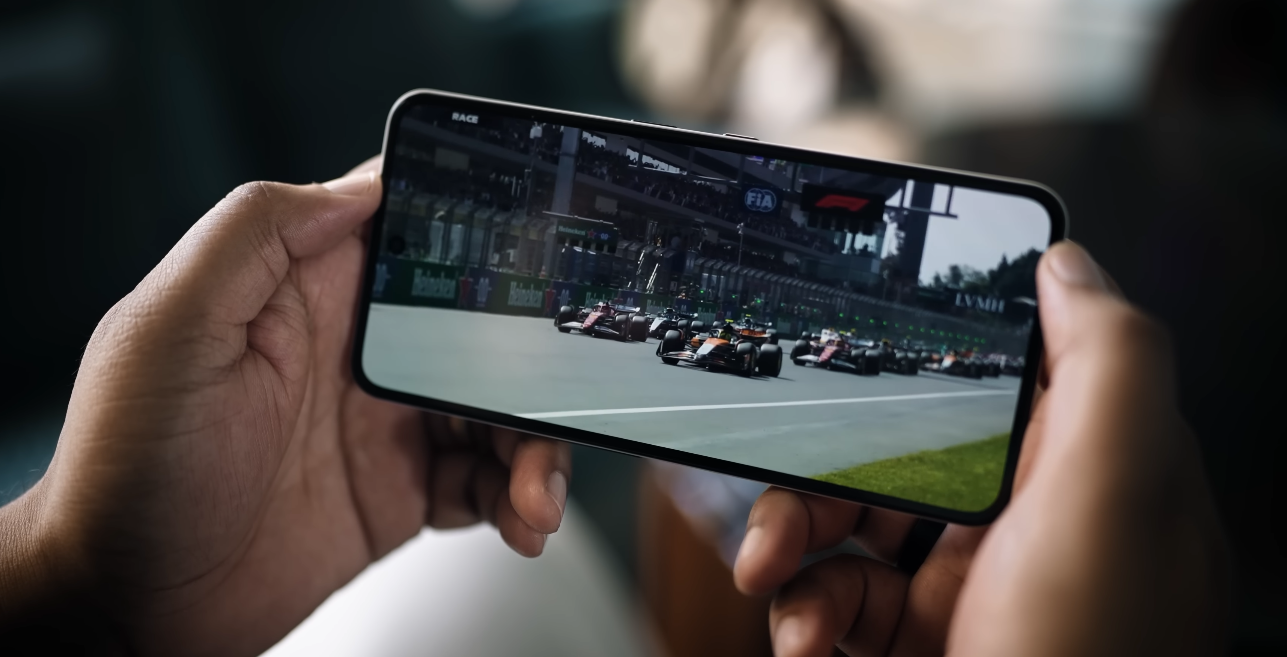
A recurring criticism among UK users is that the mono speaker can be easily blocked by the hand when holding the phone in landscape mode, reducing audible volume and clarity. This design issue is more pronounced during gaming or video consumption when users often grip the device along the edges. Because there is no second speaker to compensate or distribute sound, the overall experience becomes more limited, especially in noisy environments.
Nothing Phone (3a) Lite does it have stereo speakers Audio review inside

Another point to consider is that stereo speakers often enhance stereo imaging and provide better surround sound effects in movies or games, but the Nothing Phone (3a) Lite lacks these advantages. For buyers who use headphones or external Bluetooth speakers, this may not be a major concern. But for those who rely on internal speakers for a strong audio experience, the lack of dual speakers represents a meaningful trade-off.

From an audio performance standpoint, comparing this phone to budget phones that include stereo speakers may highlight the difference: those alternatives typically provide better audio stage, separate left and right channels and higher peak volume, giving a more satisfying listening experience. The mono speaker on the Nothing model is acceptable but not exceptional. UK users who listen to a lot of music aloud or consume media without external devices may feel the compromise.

In summary, while the Nothing Phone (3a) Lite offers a clean and modern design with solid core features, its audio speaker setup is one of the areas where budget constraints show. UK buyers should note that it does not offer stereo speakers, and while the single speaker is functional for everyday use, it won’t match the richer audio experience of dual-speaker phones. If audio playback from built-in speakers is a priority, it may be worth comparing alternatives.

Nothing Phone (3a) Lite user review roundup: what owners are saying in UK

Nothing Phone (3a) Lite user review roundup what owners are saying in UK

What UK Users Think About the Phone

UK buyers of the Nothing Phone (3a) Lite have shared a variety of opinions about the device, giving a clear picture of how it performs in everyday use. While the phone has become popular for its design and clean software experience, owners also point out a few areas where the device could be better. These real-world impressions help show what new buyers can expect before making a purchase.

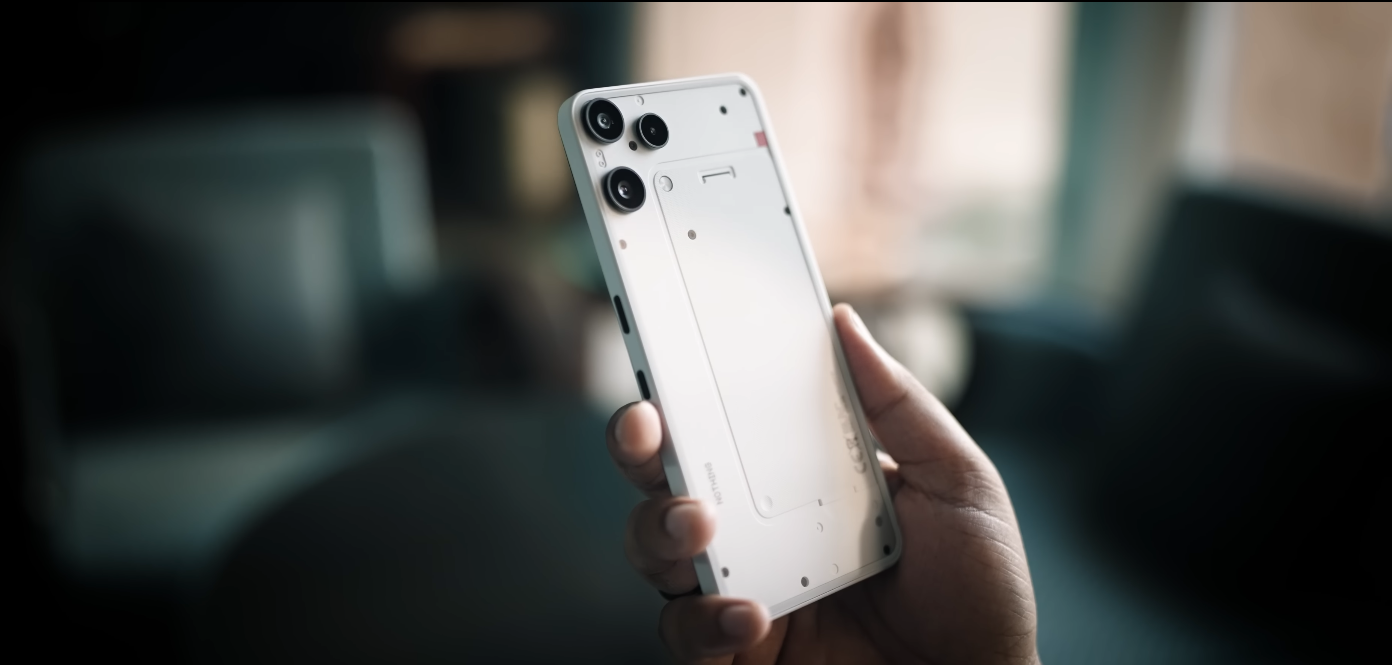
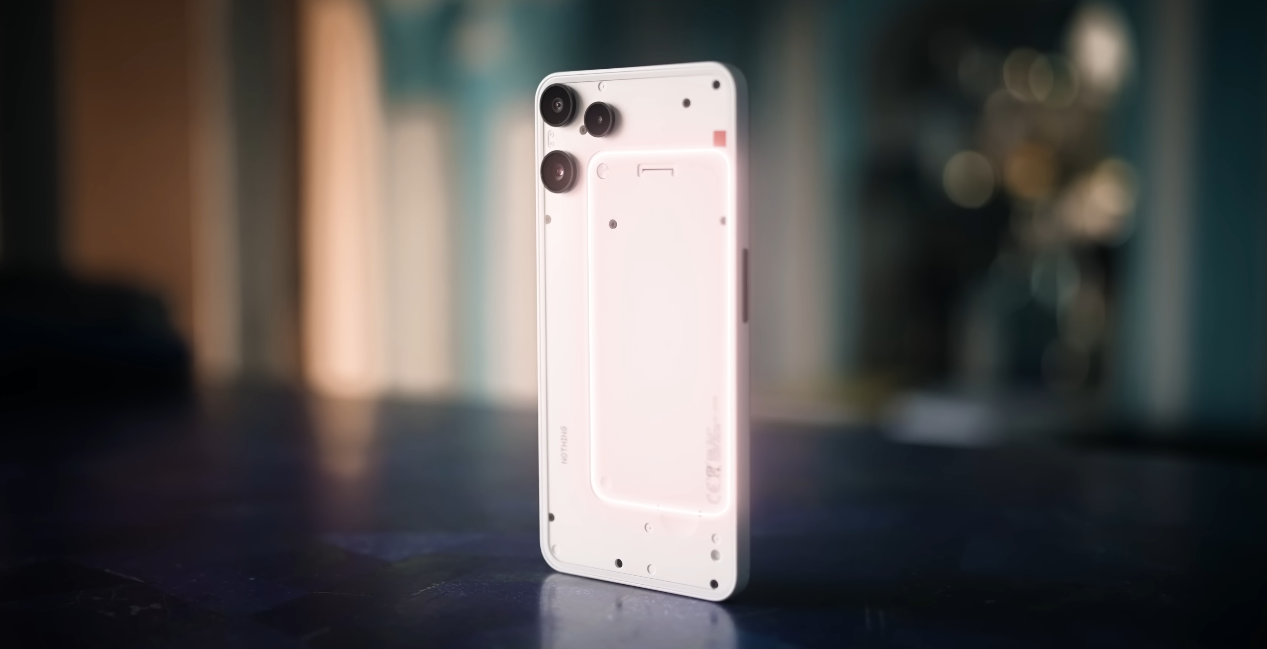
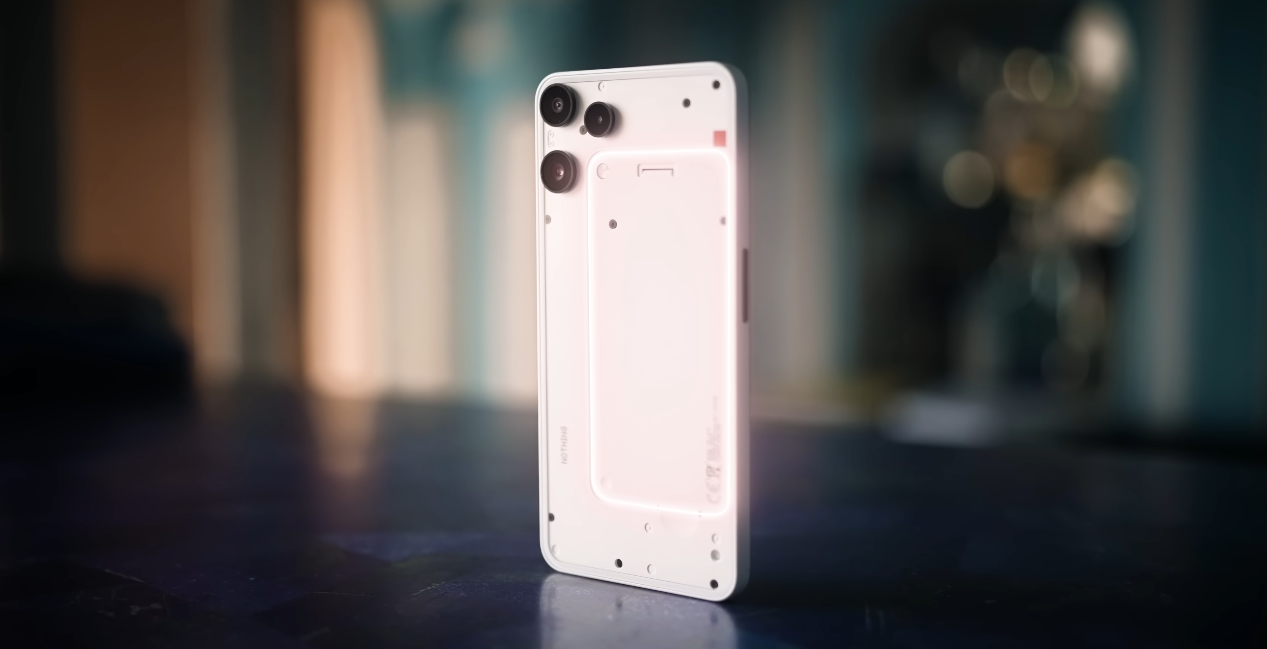
A major highlight repeated across UK user reviews is the design. Many owners say the phone looks far more premium than its price suggests, and the minimalist transparent back has made it stand out among budget models. Several users note that the build feels modern and visually unique even though the materials are more budget-focused. For many, the design alone adds value that other phones in this price range do not deliver.

The display also receives consistent praise. UK owners appreciate the smooth 120Hz experience and the overall brightness for outdoor use. Whether browsing, streaming or gaming casually, the viewing experience feels sharp and fluid. Users say the screen quality gives the phone a more expensive feel, especially compared to other budget phones that still use lower refresh-rate panels or dimmer displays.

Nothing Phone (3a) Lite user review roundup what owners are saying in UK

Battery life is another strong point raised by owners. The phone generally lasts a full day of typical UK usage, including social media, messaging and moderate media consumption. Some users mention that the standby time is particularly good, allowing the device to hold charge effectively when not in heavy use. The charging speed is seen as acceptable for its price, though not class-leading.

When it comes to performance, most UK users say the phone runs smoothly for everyday tasks. Multitasking, browsing and general app usage work without major issues. While a few note that the device is not built for heavy gaming or extremely intensive apps, they agree it offers reliable performance for its category. The clean software interface also contributes to this responsiveness.

Camera quality draws more mixed feedback. Owners praise the main camera for its colour reproduction and daylight performance, but many say the ultra-wide and macro lenses fall short of expectations. Some users find the ultra-wide shots soft at the edges, while the macro is generally described as a feature that doesn’t get much real use. Low-light performance is also a recurring concern among reviewers.

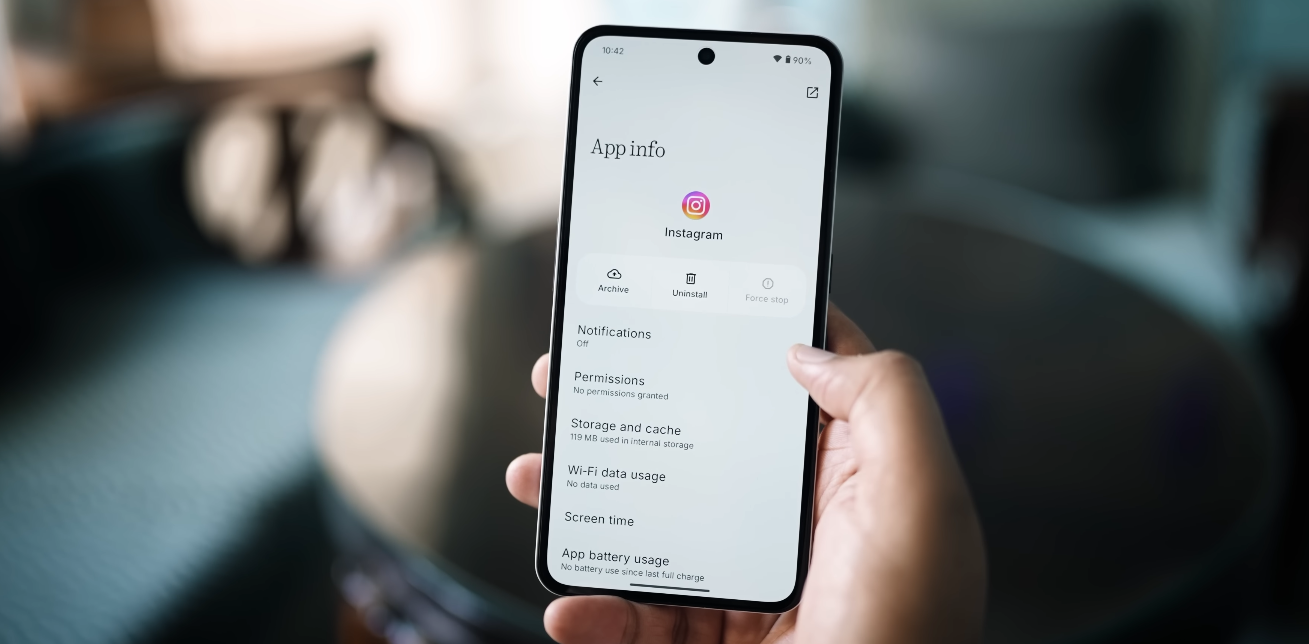
Software experience receives praise for its clean layout and the brand’s focus on simplicity. UK users like that the interface has minimal clutter and matches the overall aesthetic of the phone. However, a few owners mention early concerns about pre-installed apps that appear after updates, suggesting they hope the software stays more streamlined in the long term.

Durability comments appear occasionally, with some feeling the phone is well-built for its price while others note that certain materials and buttons feel more budget-oriented. Most buyers acknowledge that this is expected at the phone’s price point, and few report actual durability issues during normal use.

Another point UK users discuss is the value proposition. Many feel the Nothing Phone (3a) Lite gives good value for money thanks to its screen, battery life and design. Others believe there are rival models offering stronger camera performance or additional features at similar prices. This makes the phone appealing mainly to those who prioritise design and clean software over top-tier specifications.

Overall, UK owner feedback paints the Nothing Phone (3a) Lite as a stylish, reliable everyday smartphone with a few understandable compromises. Buyers who want a modern look, smooth display and all-day battery life tend to be the happiest. Those who expect better low-light photos or more advanced features might find the phone slightly limiting, but most agree it performs well within its budget category.

Nothing Phone (3a) Lite camera zoom & ultra-wide test: real-world results

Nothing Phone (3a) Lite camera zoom & ultra-wide test real-world results

How the Phone Performs in Everyday Photography

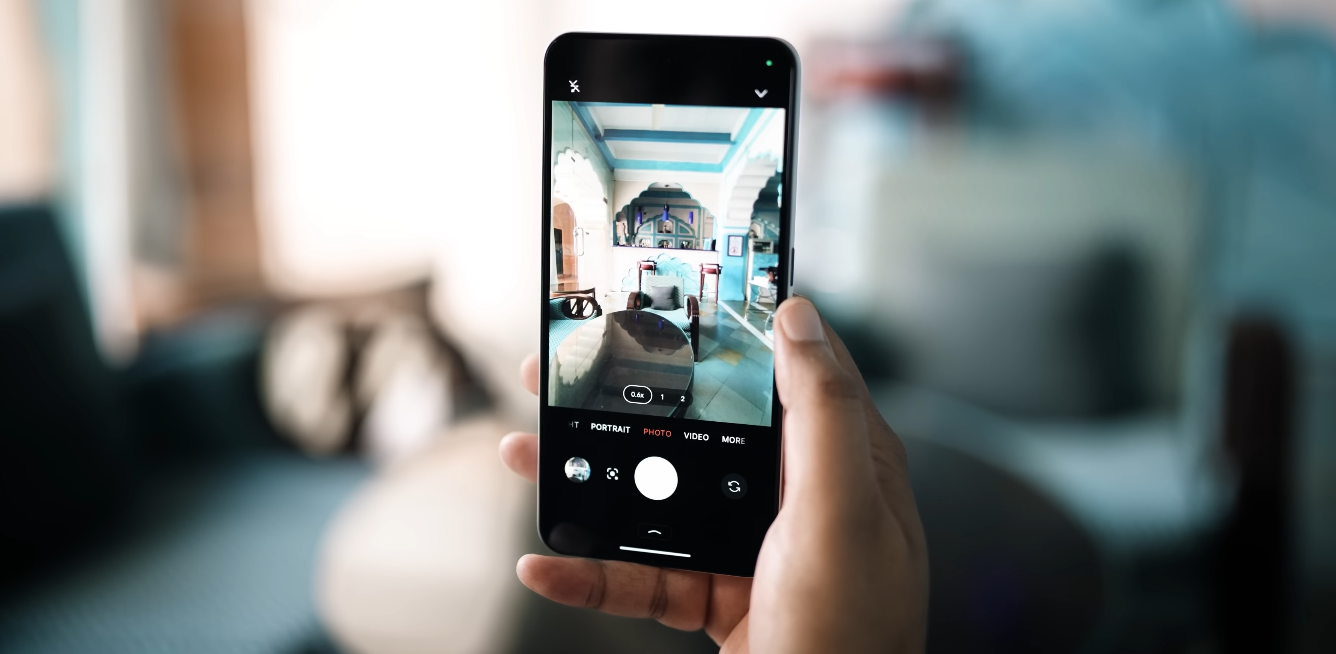
The Nothing Phone (3a) Lite brings a budget-friendly camera setup, and many UK buyers want to know how well its ultra-wide lens and zoom capabilities perform in day-to-day situations. The phone features a 50MP main camera supported by an 8MP ultra-wide sensor, and while the hardware is modest, real-world results reveal a clear picture of its strengths and limitations across different lighting conditions.

The ultra-wide camera performs best in bright daylight, where colours appear natural and the field of view captures large scenes without major distortion. Outdoor shots of buildings, landscapes and group images tend to look clean enough for social media and everyday sharing. However, detail levels remain limited due to the sensor size, and this becomes more noticeable when examining the edges of the frame.

Low-light performance shows where the ultra-wide sensor begins to struggle. In dim indoor settings or evening shots, the sensor loses sharpness and noise becomes more visible. UK buyers who often take photos in pubs, low-lit rooms or late evenings may notice these limitations quickly. The main camera handles such conditions better, but the ultra-wide’s quality drop is significant in these scenarios.

Nothing Phone (3a) Lite camera zoom & ultra-wide test real-world results

The phone’s zoom system relies entirely on digital cropping from its main 50MP sensor, with a cleaner 2x crop available for closer framing. At 2x, the results are surprisingly decent for a budget device, offering usable detail for casual photography. Beyond that, however, the quality falls off fast. At higher zoom levels, images become softer, grainier and less reliable, making it clear that the phone is not designed for long-range photography.

Daylight zoom performance is generally acceptable when staying within the 2x range. UK users taking pictures of signs, buildings or pets from a short distance will find the results adequate. But for distant subjects or action shots, the digital zoom struggles to retain clarity. This is typical for phones in this price range, which lack dedicated telephoto hardware.

Switching between the main and ultra-wide lenses can also reveal slight colour and exposure differences. While most casual users won’t find this distracting, more attentive photographers may notice small shifts in tone or brightness. These variations become more pronounced in challenging lighting, where the ultra-wide tends to underperform compared to the main sensor.

In everyday use, the main camera remains the most reliable option on the Nothing Phone (3a) Lite. It handles most conditions well enough, producing balanced colours and respectable detail for a phone in its price bracket. The ultra-wide works as a useful secondary tool for wider scenes, while the zoom is best saved for quick, simple shots rather than anything requiring fine detail.

UK buyers using the camera primarily for travel photos, outdoor scenes or social media posts will likely be satisfied with what the Nothing Phone (3a) Lite can deliver. It provides enough flexibility to handle common shooting situations, as long as expectations stay within the limits of a budget camera system.

Those looking for stronger low-light performance or more reliable zoom capabilities may need to explore phones in a slightly higher price range. But for its cost, the Nothing Phone (3a) Lite delivers practical, everyday results that suit most casual users in the UK who want a stylish phone with a capable primary camera.

Nothing Phone (3a) Lite microSD expansion explained: up to 2TB?

Nothing Phone (3a) Lite microSD expansion explained up to 2TB

Understanding the microSD Expansion on the Phone

The Nothing Phone (3a) Lite brings expandable storage to the table, with the manufacturer specifying support for microSD cards up to 2 TB in size. That is an unusually generous allowance for a budget-tier phone in the UK market, and gives buyers extra flexibility in how much storage they can add over the built-in memory. However, several practical points must be checked to make sure you get the full benefit.

First, it’s worth confirming that the UK variant of the phone indeed includes the microSD card slot, and that it supports up to 2 TB as specified. Some models or regional variants might differ in slot implementation or have different limitations, so verifying the exact UK spec is important before purchase. Next, check whether the slot is “dedicated” (i.e., separate from the SIM tray) or hybrid (shared with a SIM card). A dedicated microSD slot adds convenience, as you won’t need to give up a SIM to add storage.

Another key point is built-in storage versus external storage. Even though you can add up to 2 TB via microSD, your day-to-day performance for apps and system tasks often relies on the internal storage (typically 128 GB or 256 GB). microSD cards are great for media files like photos, videos and music, but they may not perform as well for large apps or heavy multitasking. Choosing a higher capacity internal model is still wise if you use lots of apps.

Nothing Phone (3a) Lite microSD expansion explained up to 2TB

Performance of the microSD card also matters. A 2 TB-compatible slot is only as good as the card you buy. Cheap or slow microSD cards may offset the benefits of expansion, especially if you record 4K video or move large files regularly. For UK buyers it’s smart to invest in a branded, high-speed microSD card (for example UHS-I, V30 rated) to ensure smooth performance.

From a real-world usage standpoint, the 2 TB claim is great in theory, but full 2 TB cards remain expensive and less common. For most users, a 1 TB card offers a more practical balance of cost and capacity. If you mostly store media and fewer large apps, then the microSD expansion on the Nothing Phone (3a) Lite becomes a meaningful feature that extends the device’s life.

Finally, warranty and after-sales support should not be overlooked. Make sure that your device is covered under UK warranty and that the microSD slot is listed in compatible usage. And while using high-capacity cards usually doesn’t void a warranty, ensuring support for your storage setup is still wise, especially in the budget-segment where service coverage may vary.

In summary, the Nothing Phone (3a) Lite does support microSD expansion up to 2 TB, which is a significant advantage at its price point. But UK buyers should check variant-specific slot implementation, pick a reliable card with good speed, and align the storage choice to how they really use their device.

Nothing Phone (3a) Lite vs. Moto G Power 2025: budget face-off

Nothing Phone (3a) Lite vs. Moto G Power 2025 budget face-off

Comparing Two Affordable Choices for UK Buyers

The budget-phone market continues to heat up in the UK, and the Nothing Phone (3a) Lite and Moto G Power 2025 are two names catching attention. Both devices promise strong value for money, but each takes a different approach in design, features and long-term experience. UK buyers looking for an affordable upgrade will want to understand how these two options differ before choosing the right one.

Nothing’s 3a Lite brings a bold visual identity with its semi-transparent back and clean interface, making it stand out in a segment where many phones look similar. Motorola’s G Power series continues its focus on practicality, offering a more traditional design aimed at reliability over style. The Nothing model’s AMOLED display gives it a more premium feel compared to the Moto’s LCD setup, which may matter to buyers who prioritise visual quality.

Performance also plays a key role in this comparison. The Nothing Phone (3a) Lite uses a newer, more efficient chipset designed to handle everyday tasks with better power management. The Moto G Power 2025 focuses on stable performance for casual use, but its chipset sits a level lower, meaning it may not match the Nothing model in long-term efficiency or multitasking power. Both phones perform well for basic use, but users planning heavier workloads may lean towards the Nothing option.

Nothing Phone (3a) Lite vs. Moto G Power 2025 budget face-off

Battery life is an area where both brands compete closely. Each phone includes a large battery capable of lasting through a typical UK workday with ease. The Nothing model supports fast wired charging, giving users a quick top-up when needed. The Moto G Power 2025 highlights practicality, and some variants include wireless charging support, adding convenience for those who prefer cable-free daily use.

Camera performance is another point that UK buyers should consider. Both phones feature a 50MP main camera supported by additional lenses aimed at versatility. The Nothing phone delivers stronger results in most lighting conditions thanks to better tuning and processing, while the Moto offers dependable results suitable for social media and everyday snapshots. Users who value more refined low-light performance may prefer the Nothing model.

Software experience is becoming increasingly important in budget smartphones. Nothing promises multiple years of system and security updates, offering better long-term confidence for UK buyers. Motorola typically provides fewer updates in its budget range, so users wanting longer software life and feature improvements may find the Nothing phone a more reassuring choice.

When it comes to UK availability and pricing, the Nothing Phone (3a) Lite launches officially at a compelling price under £250, making it an easy option to find across major platforms. The Moto G Power 2025 may not always arrive in the UK with full regional support, and buyers may need to rely on third-party sellers or imports, which can affect warranty and compatibility. This is an important detail for buyers who want straightforward after-sales service.

Design preferences play a large role in the final decision. Nothing’s signature look appeals to users who want their phone to stand out with modern aesthetics. The Moto G Power series focuses more on durability and simplicity, catering to buyers who value function over flair. Both approaches have their audience, but the Nothing model brings a more premium-leaning experience overall.

For shoppers comparing displays, the Nothing Phone (3a) Lite’s AMOLED panel offers deeper contrast and better viewing angles, making it ideal for streaming and gaming. The Moto’s LCD panel still performs well but lacks the richness seen on the Nothing device. Users who consume a lot of media may notice this difference quickly.

Overall value is strong on both sides, but the Nothing Phone (3a) Lite edges ahead for UK buyers thanks to its official launch, modern design, better display quality and longer software support. The Moto G Power 2025 remains a solid choice for buyers seeking practical features and battery-focused performance. Understanding these differences can help UK shoppers choose the model that best fits their daily routine and long-term expectations.

Nothing Phone (3a) Lite what UK buyers must check before they buy

Nothing Phone (3a) Lite what UK buyers must check before they buy

Key Checks for UK Shoppers Before Choosing the Phone

UK buyers considering the Nothing Phone (3a) Lite should look closely at a few important points before making the final purchase. The phone enters the UK market as an affordable option with a modern design and solid core features, but there are several details that buyers should verify to ensure it fits their needs. Checking these aspects early can help avoid surprises after purchase and give a clearer picture of what the device truly offers.

One of the first things UK buyers should confirm is the software support the device comes with. The phone launches with the latest Android version through Nothing’s custom interface, and buyers should ensure the promised system and security updates apply fully to the UK variant. Long-term software support adds value, especially for users planning to keep the phone for several years.

Network compatibility is another important factor. Buyers should check if the phone supports the 5G bands used by their specific UK mobile operator. Ensuring proper band coverage helps maintain better connectivity and data performance. It’s also worth verifying whether the device supports dual SIM functionality, which can be important for users who manage work and personal lines.

Nothing Phone (3a) Lite what UK buyers must check before they buy

Charging and accessories should be reviewed closely as well. The Nothing Phone (3a) Lite supports fast wired charging, but UK buyers need to confirm whether the charger is included in the box. Many recent budget phones remove the charger to cut costs, so buyers should be prepared in case it needs to be purchased separately. It’s also a good idea to check that the charging port and cable align with typical UK standards.

Storage options deserve attention too. UK buyers should confirm the storage variant they are purchasing and whether it meets their needs over the long term. Since the phone does not include expandable storage, choosing the right capacity at purchase becomes important for users who store many apps, photos or videos.

Durability features should be checked before buying. The phone offers basic resistance to dust and splashes, but it does not reach the higher protection levels seen on more expensive models. Users who frequently travel, work outdoors or use their phone in unpredictable conditions should consider whether this level of protection is enough for everyday use.

Camera performance is another point worth evaluating. While the main camera sensor delivers strong images for the price, the secondary lenses offer more limited capabilities. UK buyers who prioritize photography should take a moment to understand the strengths and weaknesses of the camera system to ensure it matches their expectations.

Performance in day-to-day use should be examined as well. The chipset powering the phone is designed for efficiency and smooth general usage, but users with heavy gaming or multitasking needs should consider whether it offers enough power. Checking performance feedback can help avoid issues later on.

Warranty and service support in the UK should also be confirmed. Buyers should make sure the phone is covered under official UK warranty conditions and that authorized service centers are available locally. This ensures easier repairs and reliable support should anything go wrong.

Price-to-feature comparison remains essential. While the Nothing Phone (3a) Lite sits under £250, there are several models in the slightly higher price range that may offer faster charging, better durability or more advanced cameras. Buyers should compare these options to make sure the Nothing model remains the best value for their specific needs.

Lastly, the overall software experience is important to consider. The brand’s interface is known for being clean, but buyers should still check for any pre-installed apps or features that may affect the user experience. Ensuring the software matches expectations helps create a smoother and more satisfying long-term experience.

By reviewing these key points, UK buyers can make a confident and informed decision about whether the Nothing Phone (3a) Lite is the right choice for them.

Nothing Phone (3a) Lite UK launch price: under £250!

Nothing Phone (3a) Lite UK launch price under £250

A Budget Game-Changer from Nothing

The Nothing Phone (3a) Lite has arrived in the UK market with a surprisingly sharp price point, setting the tone for budget smartphones that don’t compromise on design or core features.

In the UK the device is launching at just £249 for the entry-level 128 GB variant, making it one of the most competitive options in its class. The brand behind it, London-based Nothing, has aimed to bring its signature transparent-back design and standout style into a more accessible price bracket.

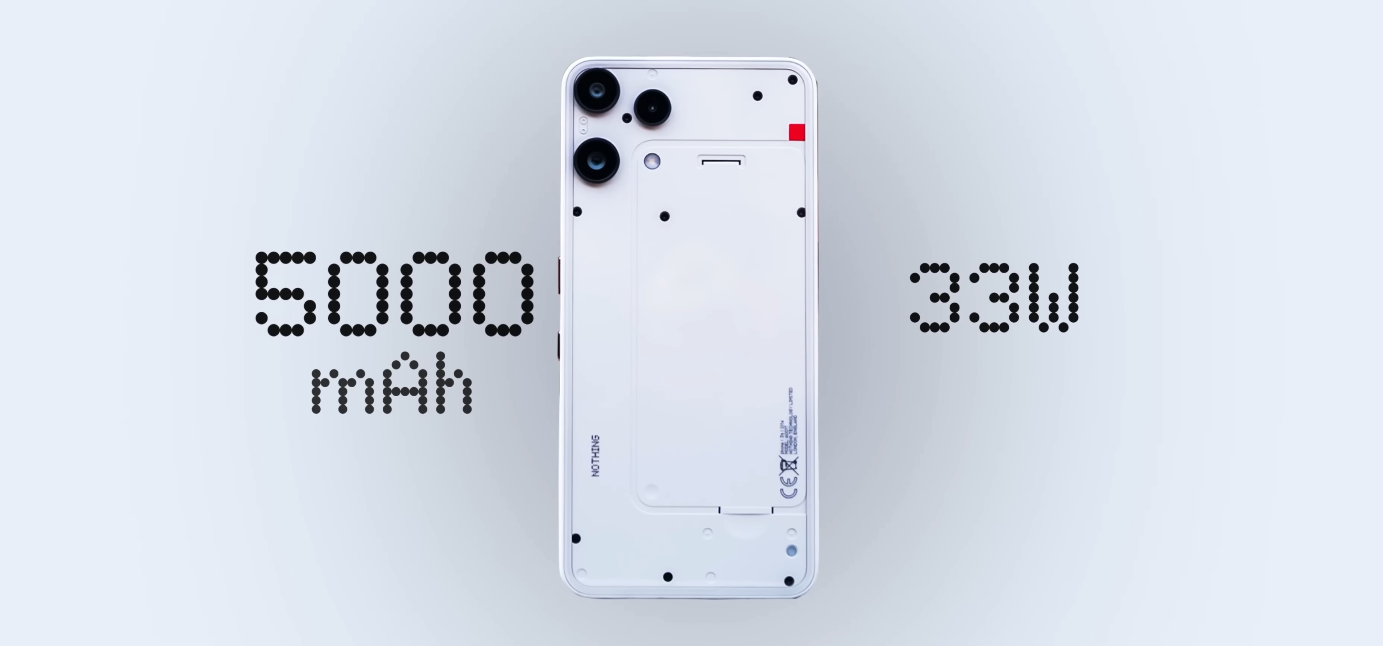
On paper the specs are impressive for the price: a 6.77″ AMOLED display with 120Hz refresh rate, a 50MP main camera backed by 8MP ultra-wide and 2MP macro lenses, a robust 5,000 mAh battery, and 33W wired charging support. The phone runs Android 15 (via Nothing OS) and promises multiple years of updates and security patches.

Nothing Phone (3a) Lite UK launch price under £250

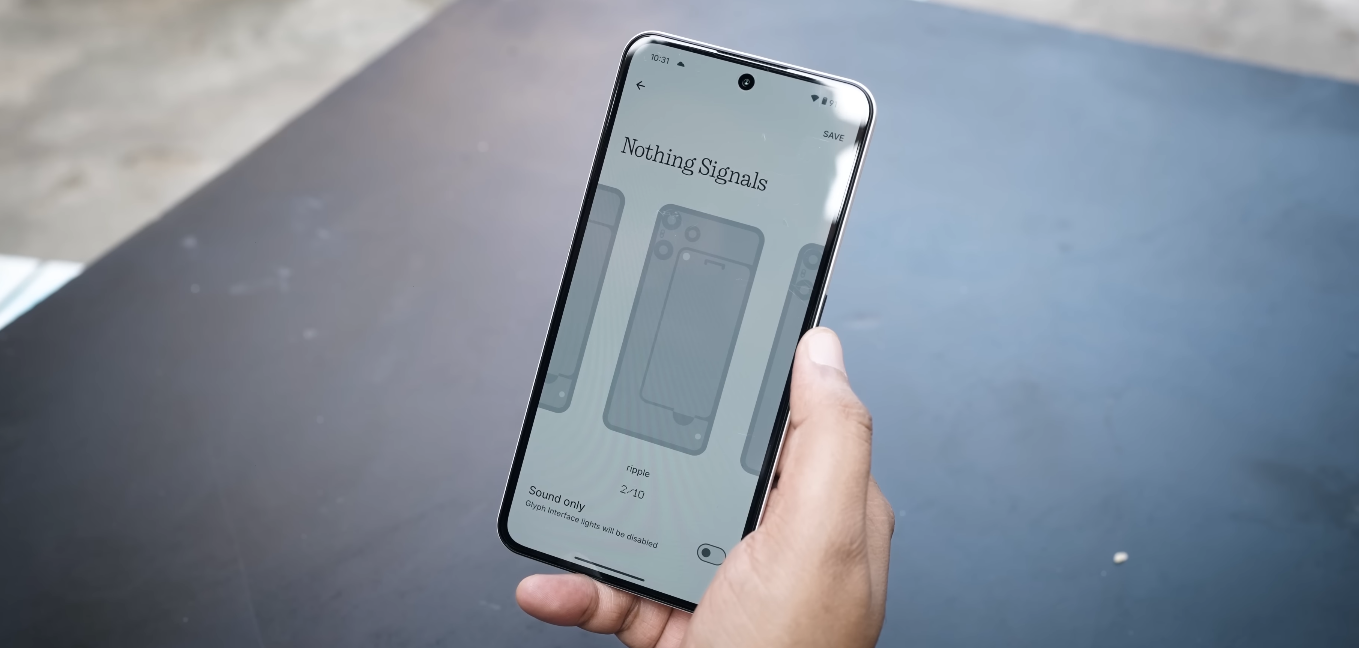
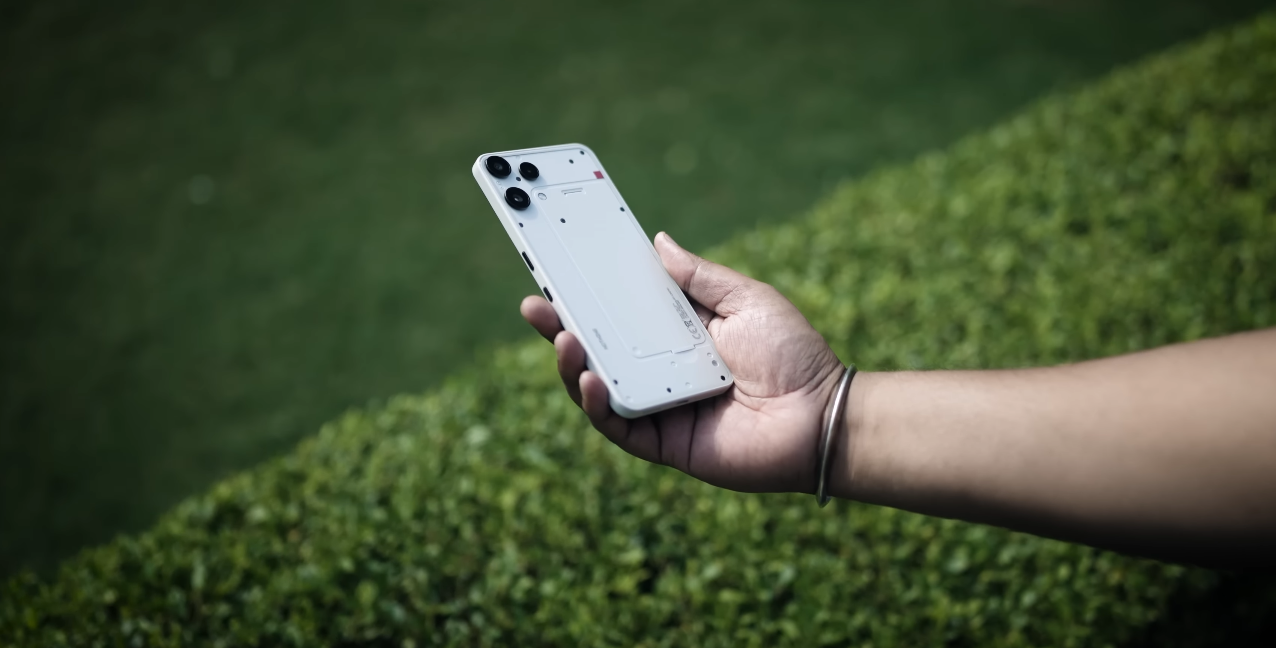
From a design standpoint the phone stands out. It retains the semi-transparent rear panel and minimalist accents that Nothing is known for, yet the “Glyph” lighting is scaled down compared to the brand’s higher-tier models. This means you get design flair without the price tag of a flagship.

That said, there are trade-offs. The macro camera’s 2MP sensor is modest and will likely struggle compared to higher-end rivals. The charging speed, while decent, isn’t best-in-class. And availability is currently limited to the UK and parts of Europe — the US rollout has not been confirmed yet.

For UK consumers this phone makes a strong value argument. Under £250 gets you style, a modern display, large battery, and the backing of a brand known for design-forward products. If your priority is “good performance at a great price” rather than “top flagship specs”, this device ticks many boxes.

In summary, for anyone looking for an affordable yet stylish smartphone in the UK, the Nothing Phone (3a) Lite serves as a compelling option. Its launch price under £250 positions it well against rivals, especially when you factor in the unique design and long-term software support.

Nothing Phone (3a) Lite vs folding phones: flat flagship vs compact flex

Nothing Phone (3a) Lite vs folding phones flat flagship vs compact flex

Comparing classic design with modern foldable versatility

The Nothing Phone (3a) Lite represents the familiar flat-screen approach, while folding phones offer a flexible alternative designed for users who want new ways to interact with their devices. Each style appeals to different needs, and understanding these differences helps make the right choice for everyday UK use.

The flat design of the Nothing Phone (3a) Lite is simple, lightweight, and easy to handle. Its slim body and straightforward layout make it practical for one-hand use, pocketability, and long-term reliability. In contrast, folding phones focus on novelty, offering a compact form when closed and a larger display when unfolded. This dual design is ideal for users who enjoy a tablet-like experience without carrying extra bulk.

Durability plays a big role in the comparison. The Nothing Phone (3a) Lite benefits from having no hinge or moving parts, reducing the risk of mechanical wear. Foldable devices rely heavily on flexible screens and hinge systems, which require more care and may show signs of fatigue over time. For users who prefer fuss-free reliability, the flat design feels more reassuring.

Nothing Phone (3a) Lite vs folding phones flat flagship vs compact flex

Price is another clear distinction. The Nothing Phone (3a) Lite sits in a much more accessible range, offering a balanced mix of performance and value. Folding phones, however, typically cost significantly more due to their complex engineering and premium positioning. This makes them a choice for users who prioritise innovation over affordability.

When it comes to the viewing experience, foldables excel with their larger unfolded screens. They offer more space for multitasking, reading, or watching videos, giving a mini-tablet feel in certain scenarios. The Nothing Phone (3a) Lite sticks to a single display, but its straightforward setup is perfectly suited for day-to-day apps, social browsing, and general entertainment without the extra complexity.

Performance expectations also differ. Foldables often come with higher-end chipsets, making them better suited for demanding tasks. The Nothing Phone (3a) Lite focuses on efficient and smooth operation for typical usage. While not a performance powerhouse, it delivers enough speed for everyday routines without the high cost associated with foldables.

Portability is another point to consider. Foldables can be compact when closed, but they often feel thicker and heavier. The Nothing Phone (3a) Lite remains consistently slim and easy to carry, making it ideal for users who prioritise comfort and simplicity during commutes or long days out.

Battery life can favour the flat phone as well. Without powering two screen states or complex hinge components, the Nothing Phone (3a) Lite generally offers more predictable endurance. Foldables, depending on size and brightness demands, may drain faster when used in full-screen mode. For users wanting long-lasting reliability, the simpler design has practical advantages.

The user interface on folding phones adapts to the larger canvas, allowing split-screen layouts and creative multitasking. This is great for productivity-minded users. Meanwhile, the Nothing Phone (3a) Lite keeps navigation straightforward, ensuring smooth control without extra learning curves or custom gestures required by foldables.

Aesthetic preference also matters. The Nothing Phone (3a) Lite carries a clean, transparent-inspired design that fits modern minimalism. Foldables, on the other hand, appeal to those who enjoy futuristic tech and standout looks. Each design language targets a different type of user personality.

Overall, the choice depends on what you value more: practicality or innovation. The Nothing Phone (3a) Lite is ideal for users seeking a reliable, affordable, and straightforward smartphone. Foldable devices cater to those who want flexibility, larger screens, and cutting-edge design. Both categories offer compelling benefits, but your daily habits will ultimately decide which approach suits you best.

Nothing Phone (3a) Lite best settings to get longest battery life

Nothing Phone (3a) Lite best settings to get longest battery life

Optimising the phone for all-day endurance

The Nothing Phone (3a) Lite already starts with a solid 5,000mAh battery, but the right settings can extend its endurance even further. Many users overlook simple adjustments that make a noticeable difference in daily use. With a few careful tweaks, you can comfortably push the phone through a full day or even into the next, depending on your habits.

One of the most important steps is managing the display. The phone’s high refresh rate adds smoothness but also increases power draw. Switching the refresh rate to 60Hz during normal tasks helps preserve battery without affecting usability too much. Keeping brightness on adaptive mode also prevents unnecessary drain, especially in indoor environments.

Connectivity settings are another major factor. Keeping 5G enabled at all times can reduce battery life, particularly in areas with inconsistent coverage. Switching to 4G when you don’t need ultra-fast speeds provides a noticeable improvement. Wi-Fi also consumes less power than mobile data, so connecting whenever possible helps extend daily usage.

Nothing Phone (3a) Lite best settings to get longest battery life

The software includes built-in battery optimisations that work quietly in the background. Enabling these modes ensures apps are kept in check, reducing background activity and preventing unnecessary wake-ups. Managing app notifications also reduces screen activations, which over time has a meaningful impact on overall endurance.

Dark mode is another simple but effective option. Since the phone uses an AMOLED display, darker pixels consume less power. Keeping the system in dark mode throughout the day will reduce energy use, especially if you frequently browse or read on the device. Many users find this change both comfortable and efficient.

Location and Bluetooth settings should also be used strategically. Keeping GPS active for long periods drains the battery faster than many realise. Allowing location access only when apps are in active use helps conserve power. Similarly, disabling Bluetooth when not paired with accessories prevents constant scanning and reduces background load.

The Nothing OS interface offers helpful tools for app control. Reviewing which apps are allowed to run in the background lets you identify ones that consume more power than needed. Restricting such apps improves standby time dramatically, especially overnight. This helps the phone start each day with minimal battery loss.

Haptic feedback is another subtle element users often forget. While vibrations enhance the typing feel, they do use additional power. Reducing intensity or disabling haptic feedback entirely can provide small but helpful gains. This is particularly useful for those who receive frequent notifications or type often throughout the day.

Charging habits also influence long-term performance. Using the optimiser that learns your routine helps protect battery health, especially overnight. Adaptive charging ensures the device avoids staying at full charge for long periods, which benefits longevity. Quick top-ups during the day are fine, but keeping the battery between 20% and 80% whenever possible helps maintain capacity over time.

The phone’s lightweight software design is already energy-friendly, but avoiding unnecessary animations further improves efficiency. Selecting reduced motion options keeps interaction responsive while lowering GPU usage. This is particularly useful for users who want smoother efficiency throughout busy days.

Finally, limiting high-intensity tasks when aiming for maximum battery life makes a clear difference. Gaming, extended video recording, or high-brightness outdoor sessions naturally increase consumption. Using these features more sparingly on heavy days helps maintain consistent performance until bedtime without needing an early recharge.

By combining these practical settings and small adjustments, the Nothing Phone (3a) Lite becomes significantly more efficient. The 5,000mAh battery already provides good endurance, but optimising the device ensures reliability across varied daily routines. For users who value all-day performance, these settings deliver a clear and noticeable improvement.

Also Read:  OnePlus 15 vs Lenovo Legion Y90: gaming-centric flagship face-off

Nothing Phone (3a) Lite vs. iPhone SE (2024): premium feel vs budget price

Nothing Phone (3a) Lite vs. iPhone SE (2024) premium feel vs budget price

Two phones, two philosophies for UK buyers

The mid-range smartphone space in the UK is getting increasingly competitive, and the comparison between the Nothing Phone (3a) Lite and the iPhone SE (2024) shows just how differently brands approach value. One phone aims to deliver a modern feel at a low price, while the other focuses on compact performance and a premium ecosystem. For buyers deciding between design innovation and traditional flagship pedigree, this head-to-head matters.

Nothing positions the Phone (3a) Lite as a budget device that looks and behaves like something more expensive. It offers a large 6.77-inch AMOLED display with a 120Hz refresh rate that immediately feels smoother and more immersive than many phones in its price range. The transparent design and simplified Glyph LED give it a distinctive identity that stands out in a sea of similar-looking Android phones.

Apple takes a different direction with the iPhone SE (2024). Instead of changing the familiar design, it continues with the compact form factor and home button layout. What buyers pay for here is the internals and the ecosystem rather than a modern exterior. The A-series processor and the promised years of iOS support give the SE a significant edge in performance longevity even if the hardware design appears dated.

Nothing Phone (3a) Lite vs. iPhone SE (2024) premium feel vs budget price

Day-to-day use highlights this contrast even further. The Nothing Phone (3a) Lite offers a big canvas for streaming, social media, gaming and productivity, and the higher refresh rate makes scrolling and animations feel refined at a low price point. The iPhone SE focuses more on speed and responsiveness in a small body, ideal for users who want a fast phone without the bulk of modern displays.

Battery and charging approaches also differ. The Nothing Phone (3a) Lite targets endurance, using a larger battery designed to comfortably last through a full day of mixed use. The iPhone SE is built around efficiency rather than size, and while its performance remains strong, buyers who spend long hours on entertainment may find the battery less forgiving than larger Android options.

Camera capabilities on both models are reliable, but each has strengths in different areas. The Nothing phone offers flexibility with multiple lenses suited for social photography, wide shots and everyday moments. The iPhone SE focuses more on computational processing, producing sharp and natural results especially for portraits and skin tones. The difference comes down to whether users prefer versatility or highly tuned single-sensor photography.

Software experience is where personal preference becomes decisive. Nothing OS provides a clean and minimal Android experience that blends well with the physical design of the device. The interface is light on pre-installed apps and visually cohesive. The iPhone SE, on the other hand, provides the same iOS experience found on much more expensive iPhones, and this brings long update cycles, smooth animations and excellent app support.

For long-term value, both phones deliver in very different ways. The Nothing Phone (3a) Lite gives users modern features and high refresh-rate visuals that will age gracefully over three to four years. The iPhone SE offers perhaps the longest software support in the price bracket, meaning its performance and app compatibility will remain strong for years. Buyers simply have to choose between modern hardware with mid-range software pricing or older hardware with flagship-level processing.

Ultimately, the Nothing Phone (3a) Lite is the better choice for UK buyers who want the most features for the money. It delivers a big, smooth screen, a unique design and dependable everyday performance without stretching the budget. The iPhone SE (2024) remains the best option for those who prioritise the Apple ecosystem, premium build consistency and long-term performance over display size and modern styling.

In the end, both devices target completely different audiences. The Nothing Phone (3a) Lite is the value pick for anyone who wants a modern smartphone experience without paying flagship prices. The iPhone SE (2024) is the compact premium alternative for users who are willing to sacrifice display and design trends for raw performance and ecosystem benefits.

Nothing Phone (3a) Lite cooling & gaming test: how does it handle loads?

Nothing Phone (3a) Lite cooling & gaming test how does it handle loads

Gaming performance and thermal behaviour of the Nothing Phone (3a) Lite

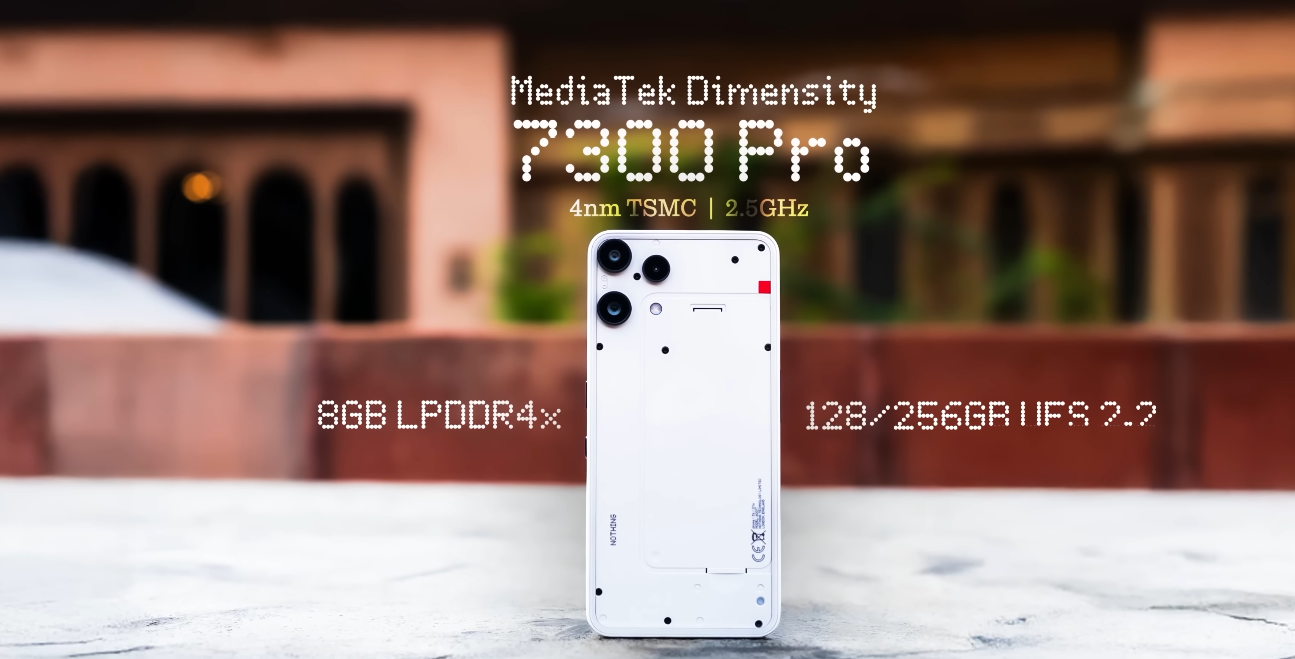
The Nothing Phone (3a) Lite is built for more than basic tasks, yet it’s not marketed as a gaming flagship. Under the hood you’ll find a mid-tier chipset and what fans note is a passive (or semi-passive) cooling system rather than full-blown liquid cooling like premium models. Reviewers and users have put it through its paces to see how it stands up when the pressure is on.

In real-world use, the phone handles lighter and moderate games quite well. Users report that games like casual shooters or other less demanding titles run smoothly with the 120 Hz display doing its part. There is minimal stutter, and the experience remains fluid during shorter sessions. One “daily driver” user said “it manages casual titles without heat issues” thanks to the cooling system.

When it comes to heavier gaming—such as triple-A titles with high graphics settings—the limitations start to show. Benchmark and stress-test sites found that, when pushed, the phone does warm up, and you may need to reduce graphics settings (e.g., medium rather than high) to maintain stable framerates. The cooling system works adequately, but as you’d expect for the price-tier, it doesn’t match what you’d get from a gaming-optimised phone.

Nothing Phone (3a) Lite cooling & gaming test how does it handle loads

Thermal control is decent for its category. One heat-control test found that the device kept itself within acceptable temperature ranges during extended use, using a “passive cooling system” and showing no major thermal throttling within average session lengths. That means for everyday gaming and mixed tasks the phone won’t become uncomfortably hot.

One thing to note for UK users: if you game outdoors or in warmer ambient temperatures, the device will naturally heat up more, and brightness and other factors may intensify heat and drain. While the phone maintains stable performance in moderate indoor conditions, outdoor or extended marathon gaming may mean you see symptoms of heat accumulation and hence some drop-off in performance.

In terms of gaming duration and framerate stability: the phone delivers good results for casual or moderate gaming, but if your gaming sessions are long and graphics-intensive you’ll need to temper expectations. You may find yourself lowering settings or reducing refresh rate to 60 Hz to maintain comfort and battery life. The surprise is that the cooling system remains enough not to significantly throttle during typical use.

Another practical point: the speaker and warming are connected. Some users mention that when you grip the phone for gaming, you might cover the speaker or feel warmth on one side, which affects comfort over long sessions. So for longer play it’s worth switching to headphones or doing shorter sessions to keep things comfy.

Overall, if you’re looking at the Nothing Phone (3a) Lite and wondering whether you can game on it—the answer is yes, absolutely—but with caveats. It is not going to perform like a high-end gamer phone with liquid chamber cooling and ultra high refresh support, but it gives a very respectable gaming experience for its price point, and a cooling setup that keeps things stable enough for regular use.

In short: for everyday gaming and moderate loads the phone holds up well. For heavy, long sessions with maxed graphics, you will see thermal/ performance compromises. But given its target band and cost, this is a strong showing.

Nothing Phone (3a) Lite display performance: how bright is 3,000 nits really?

Nothing Phone (3a) Lite display performance how bright is 3,000 nits really

Display performance of the Nothing Phone (3a) Lite

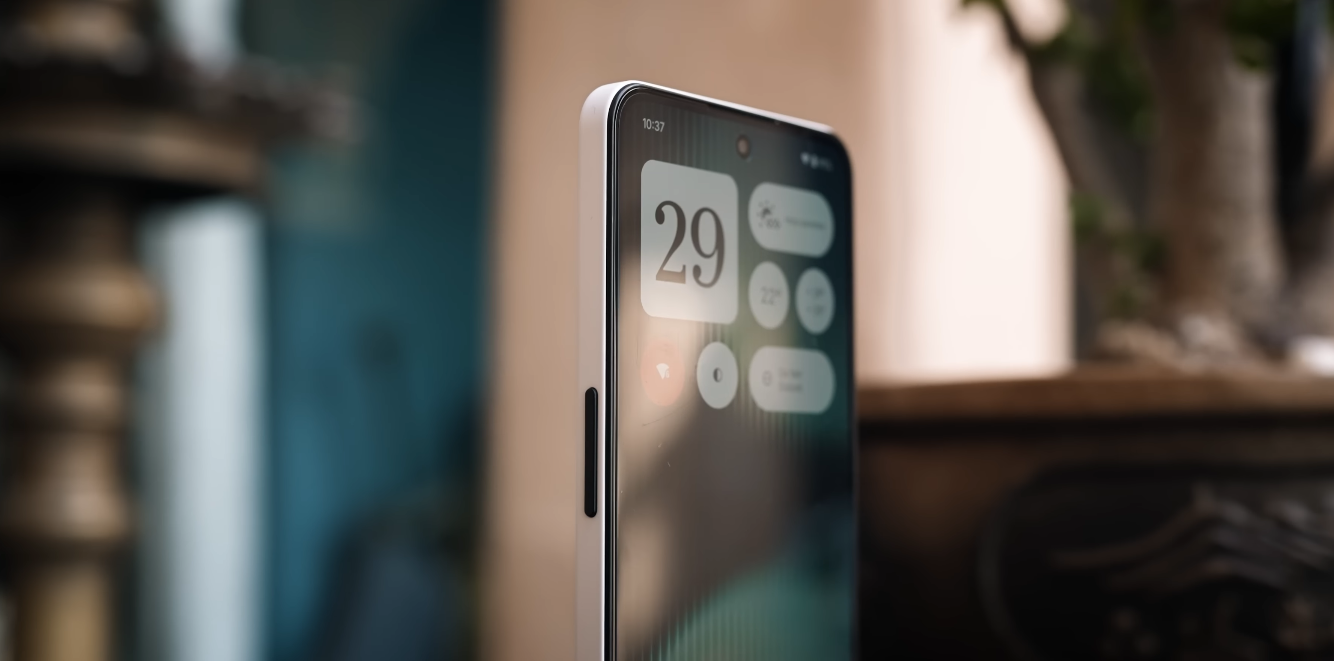
The Nothing Phone (3a) Lite boasts a 6.77-inch flexible AMOLED display with some striking brightness figures listed: up to 3,000 nits peak HDR brightness, plus around 1,300 nits outdoor brightness. This gives a promising baseline for how it might perform under strong light conditions—let’s break down what that means in real-world use.

First off, that 3,000 nits figure refers to peak brightness during HDR content or in very specific conditions, not constant full-screen brightness in every moment. So while the spec grabs attention, in typical usage the display will deliver lower levels of brightness, which is still still very good for this tier of phone.

The 1,300 nits “outdoor brightness” figure is more meaningful for how the screen fares in bright sunlight or on a sunny UK afternoon. This level means you should be able to view the screen reasonably well outdoors without everything washing out completely. For everyday tasks—web browsing, video watching outdoors, checking maps—this is a helpful spec.

Nothing Phone (3a) Lite display performance how bright is 3,000 nits really

In indoor or moderate lighting, the panel remains excellent: the AMOLED technology offers strong contrast, deep blacks and 10-bit colour depth (over a billion colours) which enhances colour richness and vibrancy. The phone’s refresh rate of 120 Hz also adds to fluidity and smoothness when scrolling or switching apps.

However, the high brightness figures come with a few caveats. One is that actual brightness will depend on software control, thermal management, ambient light sensor behaviour, and battery saving modes. If you push the phone hard (gaming, high brightness, outdoors for prolonged periods), the brightness may step down to preserve battery or reduce heat. So while 3,000 nits is the peak, you won’t necessarily be operating at that level constantly.

Another point: while 1,300 nits is excellent for outdoor clarity, there will still be moments—very bright midday sun, reflective surfaces—where visibility is challenged. It may not match the absolute best flagship phones which sometimes hit 4,000 nits+ in peak brightness, but for its price segment it is very strong.

For UK users, where daylight conditions vary, this display means you’re unlikely to struggle with screen brightness during most everyday scenarios. Walks or commutes on bright days, or browsing outside at a café, should be comfortable. Even indoor use with strong ambient light will benefit from the extra head-room in brightness.

Colour accuracy, viewing angles and HDR content support also contribute to how “bright” the experience feels—not just raw nits. With 10-bit colour support, this phone should reproduce more nuanced tones, which helps with perceived quality even if brightness isn’t maxed out.

In summary: the 3,000-nits peak number is impressive and gives the Nothing Phone (3a) Lite an advantage in bright-light visibility compared to many budget devices. In practice you’ll experience strong outdoor performance, great indoor clarity, and smooth delivery of content. It won’t quite match ultra-premium flagships in extreme brightness, but for the price and category it’s a standout display performance.