Nothing Phone (3a) Lite trade-in value: will it hold up after 6 months?

Nothing Phone (3a) Lite trade-in value will it hold up after 6 months

How the Phone (3a) Lite Might Depreciate in the UK

The Nothing Phone (3a) Lite has entered the UK market as one of the most affordable devices in the brand’s line-up, and many buyers are already wondering how well it will hold its value over time. With its £249 starting price, the phone sits in a competitive bracket where long-term value can vary widely depending on market conditions and buyer demand.

Six-month trade-in performance for budget and mid-range devices often depends on how quickly newer models arrive. Nothing typically refreshes its lineup rapidly, and with the full Phone (3a) and higher-end variants also in circulation, the Lite model may face faster depreciation simply due to internal competition. UK buyers tend to gravitate to the more feature-rich versions, which can reduce second-hand demand for the Lite version.

The Phone (3a) Lite does, however, have certain strengths that help its chances. The inclusion of a 120Hz AMOLED display and microSD card support is still unusual at this price level, and these practical features can make it more appealing in the pre-owned market. Phones with expandable storage often maintain resale interest longer than fixed-storage devices, especially among budget-conscious buyers.

Nothing Phone (3a) Lite trade-in value will it hold up after 6 months

Software support also plays a role in trade-in value. Nothing has confirmed multi-year Android updates and extended security coverage for this model, which adds confidence for potential second-hand buyers. Longer support cycles normally help a phone retain value better, as it remains usable and secure for a longer period. This is a key factor UK trade-in platforms consider when adjusting their valuations.

Condition, of course, remains the most significant determinant of resale value. UK trade-in services consistently offer substantially higher prices for devices kept in pristine shape. A Phone (3a) Lite with minimal scratches, a healthy battery, and full packaging will almost always sell or trade for considerably more than a heavily used unit. Buyers planning an early trade-in should consider using a case and screen protector from day one.

Another factor influencing depreciation is how well the device performs relative to competitors after six months. If new models from Samsung, Xiaomi or Motorola enter the UK market at similar prices but with stronger chipsets or better cameras, the trade-in value of the Phone (3a) Lite could drop more sharply. Mid-range competition in the UK is especially aggressive, and this directly affects resale strength.

The UK’s growing refurbished phone market also impacts value retention. With more retailers offering certified refurbished alternatives, trade-in prices for budget phones tend to soften faster. Devices priced under £300 generally experience steeper percentage drops than flagship phones, even if the absolute value loss feels smaller. The Phone (3a) Lite is likely to follow this pattern.

At the six-month point, a reasonable expectation is moderate depreciation rather than drastic collapse. While premium phones often retain over half their value, budget devices frequently drop to around 40–60% of their original price depending on condition and demand. The Phone (3a) Lite should fall within that range unless significant new competition emerges suddenly.

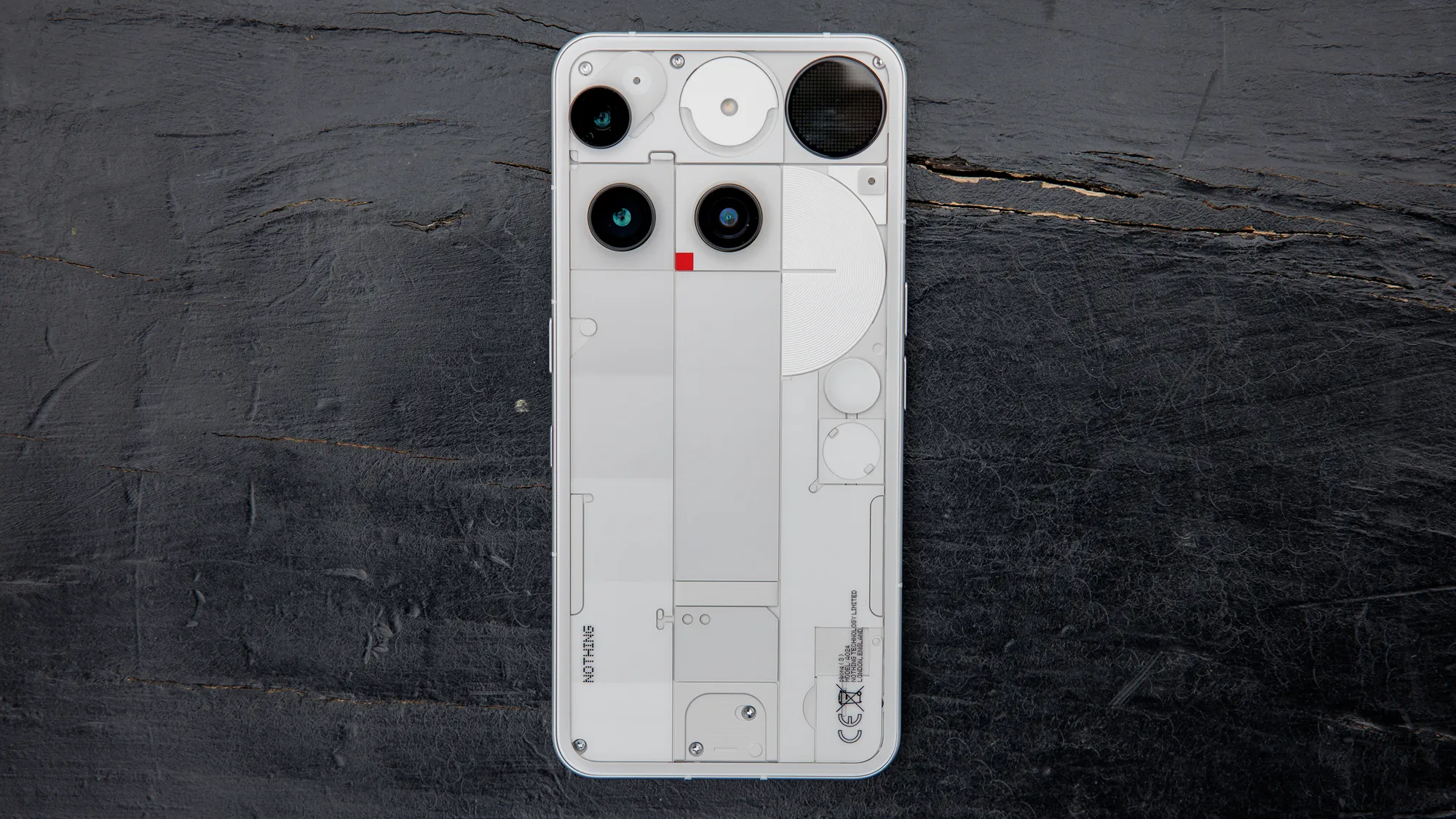
Where the device may gain an advantage is in the design factor. Nothing’s distinctive transparent styling and minimalist look remain popular among younger UK buyers. A unique aesthetic can sometimes slow depreciation slightly, as the phone stands out in the crowded second-hand listings. This design appeal has helped previous Nothing models maintain resale interest longer than expected.

Overall, the Nothing Phone (3a) Lite is unlikely to hold its value at the level of a flagship, but it should perform reasonably well for its segment. With good care and timely trade-in—ideally before major mid-range launches—the phone should offer a fair return after six months. For UK buyers planning short-term ownership, the depreciation is manageable and in line with other devices in its price category.

No Major Bugs Reported So Far In Galaxy F36 5G

No Major Bugs Reported So Far In Galaxy F36 5G

Galaxy F36 5G Is Running Smooth Without Any Big Issues


Since its release, the Galaxy F36 5G has quietly built a reputation for being a dependable device. One of the strongest signs of its stability is that no major bugs have been widely reported by users so far. While many midrange phones often come with software glitches or performance hiccups early on, this phone seems to have avoided those problems entirely.

Users who have been using the Galaxy F36 5G regularly say that it feels polished right out of the box. The software behaves as expected, the animations are fluid, and there haven’t been any app crashes or unexpected restarts. This kind of clean experience is not only rare in this segment but also something that creates trust in the product.

The phone’s performance in daily tasks has remained solid, even weeks after launch. People switching from other brands are often surprised at how stable it feels during multitasking, gaming, and even regular app usage. It’s clear that Samsung has done its homework in optimizing both hardware and software to deliver a bug-free environment.

No Major Bugs Reported

Another aspect where this phone stands out is how it handles updates. Early updates rolled out quickly and have made small improvements without introducing new problems. This shows that the company is not only focused on launching the phone but also committed to maintaining it in the long term. It’s this consistency that adds to the user satisfaction.

In short, the Galaxy F36 5G is proving to be a smart choice for those who value a smooth, problem-free experience. Without any major bugs or performance issues, it is becoming one of the more reliable midrange options currently available. That’s a rare quality, and users are taking note.

Nothing Phone (4a) Review: A UK Mid-Range Marvel

The Nothing Phone (4a) in its transparent design, showcasing the Glyph Bar and camera system, with a background of the UK cityscape

Nothing Phone (4a) Review: A UK Mid-Range Marvel

The Nothing Phone (4a) is a superb all-round mid-ranger that delivers great design, user experience, and camera upgrades, making it a top choice in the UK market. With its iconic transparent design and improved Glyph Bar, this phone is sure to turn heads.

The Phone (4a) boasts a great display, with a 6.78-inch AMOLED screen and a 120Hz refresh rate, making it perfect for gaming and watching videos. The phone’s performance is also top-notch, thanks to the Qualcomm Snapdragon 7s Gen 4 SoC and up to 12GB of LPDDR4X RAM.

The camera system is another highlight, with a 50Mp main sensor, an 8Mp ultrawide lens, and a 50Mp telephoto sensor with a tetraprism periscopic zoom. The phone’s battery life is also impressive, with a 5080mAh battery and 50W wired charging.

In terms of software, the Phone (4a) runs on Nothing OS 4.1, which offers a clean and minimalist user experience. The phone also comes with a range of new features, including a Breathing Break widget and a Soundscape widget.

Overall, the Nothing Phone (4a) is a great choice for anyone looking for a mid-range phone in the UK. With its unique design, great performance, and excellent camera system, this phone is sure to impress.

The Phone (4a) is available in a range of colours, including white, black, blue, and pink, and starts at £349 for the base model. With its competitive pricing and impressive specs, this phone is a top contender in the mid-range market.

In conclusion, the Nothing Phone (4a) is a fantastic mid-range phone that offers a unique blend of style, substance, and value. Whether you’re looking for a great camera, fast performance, or a long-lasting battery, this phone has it all.

So, should you buy the Nothing Phone (4a)? If you’re in the market for a mid-range phone that offers a unique design, great performance, and excellent camera capabilities, then yes, this phone is definitely worth considering.

With its impressive specs, competitive pricing, and great user experience, the Nothing Phone (4a) is a top choice for anyone looking for a mid-range phone in the UK. So, what are you waiting for? Get your hands on the Nothing Phone (4a) today and experience the perfect blend of style and substance.

Nothing Phone 2026: No New Flagship, But Exciting Upgrades Ahead

The Nothing Phone 3, a sleek and modern smartphone with a unique design and bold colour options, representing the brand's commitment to innovation and customer satisfaction.

Nothing Phone 2026: A New Era for the British Brand

Nothing has revealed its plans for 2026, and it’s a surprise: no new flagship phone is in the works. Instead, the brand is focusing on perfecting its current lineup. CEO Carl Pei shared the company’s vision in a lengthy video, discussing the success of 2025 and the goals for the next 12 months.

The brand’s plans include a new London HQ, physical stores, and a focus on headphones. The Nothing Headphone (1) has been a success, and the company wants to build on that momentum. But the big news is that there will be no Nothing Phone (4) in 2026.

According to Pei, the Nothing Phone (3) will remain the flagship for 2026. The company wants every upgrade to feel significant, and it’s not interested in churning out a new phone just for the sake of it. This approach makes sense, given the brand’s previous warnings that its phones would have to get more expensive.

However, this doesn’t mean that Nothing won’t release any new phones in 2026. The Nothing Phone (4a) is set to launch, and it promises to be even closer to a flagship experience than previous models. The phone will feature bold experimentation in terms of colour, new materials, and improved performance.

The Nothing Phone (4a) Pro has also leaked, with a slightly larger battery and improved specs. The phone has received BIS certification in India and has been rated for 63 hours of use on a single charge. With an IP65 rating, it’s clear that Nothing is committed to creating high-quality devices.

Nothing’s approach to innovation is refreshing, and it’s exciting to see what the brand has in store for 2026. With a focus on perfecting its current lineup and pushing the boundaries of design and technology, Nothing is poised to make a significant impact in the tech world.

The Nothing Phone (3) will remain a top choice for those looking for a high-end device, and the Nothing Phone (4a) promises to be an exciting addition to the lineup. With its commitment to innovation and customer satisfaction, Nothing is a brand to watch in 2026.

As the tech world continues to evolve, it’s clear that Nothing is dedicated to staying ahead of the curve. With its unique approach to design and innovation, the brand is sure to attract attention and loyal customers. Whether you’re a fan of the Nothing Phone (3) or eagerly awaiting the Nothing Phone (4a), one thing is certain: 2026 is going to be an exciting year for Nothing.

The company’s plans for 2026 are ambitious, and it’s clear that Nothing is committed to making a lasting impact on the tech industry. With its focus on innovation, customer satisfaction, and bold design, the brand is poised to make a significant difference in the world of smartphones.

As we look to the future, it’s exciting to think about what Nothing has in store. With its unique approach to technology and design, the brand is sure to continue pushing the boundaries of what’s possible. Whether you’re a tech enthusiast or just looking for a new smartphone, Nothing is definitely a brand to watch in 2026.

Nothing’s commitment to innovation and customer satisfaction is impressive, and it’s clear that the brand is dedicated to making a positive impact on the tech world. With its focus on bold design, new materials, and improved performance, Nothing is poised to make a significant difference in the world of smartphones.

The Nothing Phone (4a) is set to launch in 2026, and it promises to be an exciting addition to the lineup. With its improved specs, bold experimentation in terms of colour, and commitment to innovation, the phone is sure to attract attention and loyal customers.

As the brand continues to evolve and grow, it’s exciting to think about what the future holds. With its unique approach to technology and design, Nothing is sure to continue making a lasting impact on the tech industry. Whether you’re a fan of the Nothing Phone (3) or eagerly awaiting the Nothing Phone (4a), one thing is certain: 2026 is going to be an exciting year for Nothing.

Nothing Phone (3a) Lite vs. iPhone 17 Pro Max: which flagship wins the value fight?

Nothing Phone (3a) Lite vs. iPhone 17 Pro Max which flagship wins the value fight

Flagship face-off for UK buyers

In the UK flagship smartphone market both the Nothing Phone (3a) Lite and the iPhone 17 Pro Max aim high but follow very different value stories. One promises high-spec hardware at more accessible pricing; the other delivers premium build, ecosystem strength and brand prestige. For buyers who expect their next phone to last, the choice is more than just speed or camera—it’s about value over time.

The Nothing Phone (3a) Lite brings features that normally sit higher up the pricing ladder: a large high-refresh display, advanced camera module, big battery and generous RAM/storage options. For UK buyers willing to adopt a newer-brand phone, it represents a major spec upgrade without the usual flagship cost. In short, it gives more hardware for each pound spent.

The iPhone 17 Pro Max responds with Apple’s long-term software support, refined build quality, top-tier user experience and a premium feel that’s hard to match. It assures UK users of many years of updates, high resale value and integration across devices—elements that go beyond raw specs. But this comes at a higher price.

Nothing Phone (3a) Lite vs. iPhone 17 Pro Max which flagship wins the value fight

If value means “maximum specs for the money,” the Nothing Phone (3a) Lite has a strong case. If value means “best long-term investment, brand, ecosystem and service,” the iPhone 17 Pro Max wins. Many UK buyers find the premium feel and Apple experience worth the extra cost. Others may prefer to invest the savings into accessories, protection plans or other tech.

Ultimately the decision comes down to what you prioritise: hardware muscle now or premium experience over several years. For a specs-heavy flagship at value, go Nothing. For flagship investment with longevity and polish, go Apple.

Nothing Phone (3a) Lite UK price after VAT: what your total cost looks like

Nothing Phone (3a) Lite UK price after VAT what your total cost looks like

Understanding the real checkout amount for UK buyers

The Nothing Phone (3a) Lite continues to draw attention in the UK for offering a modern design and smooth performance at a competitive price. But many buyers want clarity on the final checkout cost after VAT, especially with smartphone pricing varying across retailers. Looking closely at the official pricing structure gives a clear picture of what you actually pay at the counter, with no hidden figures to worry about.

The base UK price for the Nothing Phone (3a) Lite begins at £249 for the 8GB + 128GB model. This figure already includes the standard 20% VAT applied on consumer electronics, meaning buyers do not need to calculate any additional tax on top when purchasing through authorised UK retailers. For those who prefer additional storage, the 8GB + 256GB version is available at £279, and this amount also represents the final price after VAT.

To understand what this means in terms of cost breakdown, it helps to look at the VAT portion within the total price. On the £249 model, roughly £207.50 accounts for the phone itself, while around £41.50 corresponds to the VAT amount. On the £279 version, around £232.50 is the base value and around £46.50 represents VAT. These figures demonstrate how much of the retail price is tax, even though customers do not need to handle this calculation when purchasing.

Nothing Phone (3a) Lite UK price after VAT what your total cost looks like

Because the headline price includes VAT, UK buyers typically pay exactly the amount listed at checkout without surprise charges. The only time extra costs are added is when purchasing from a seller outside the UK. In those cases, VAT and import fees may apply separately at customs, often making the final cost significantly higher. Buying locally from UK retailers prevents those charges and ensures warranty cover.

There are still optional expenses to consider depending on individual needs. Many buyers add a case or screen protector to avoid wear on the transparent back and display, which can add around £20 to £40 to the total spend. Optional extended warranty plans also increase the final bill but are not required for those satisfied with the standard manufacturer warranty.

Discounts and retailer offers can alter the final checkout cost further. Price drops during seasonal sales, trade-in promotions and bundle deals may reduce the price by £10 to £30 or more depending on timing and availability. While the £249 and £279 figures are standard pricing, the real-world cost can be slightly lower for buyers who shop strategically.

Putting everything together, the realistic total cost most UK customers pay for the Nothing Phone (3a) Lite falls between £249 and £279 depending on the storage option selected, with no extra VAT added at checkout. Accessories and optional protection plans are the only additional expenses to factor in, and discounts can occasionally bring the base price down.

For UK buyers prioritising transparency in pricing, the Nothing Phone (3a) Lite offers a straightforward purchase experience. The price you see is the price you pay, VAT included, making budgeting simple whether buying online or in-store.

Nothing Phone (3a) Lite durability test: IP54 rating explained

Nothing Phone (3a) Lite durability test IP54 rating explained

How tough is Nothing’s latest budget phone in everyday UK conditions?

Durability has become one of the most important factors for UK smartphone buyers, especially in the mid-range market where users expect long-term value without paying flagship prices. The Nothing Phone (3a) Lite enters this space with an IP54 rating, raising questions about how well it handles dust, rain, drops and daily wear. A durability test helps reveal how resilient the device really is for everyday use rather than laboratory claims.

The transparent back design remains the most distinctive element of the phone, and early stress checks show that it holds up better than expected for a plastic-based build. The rear panel does not flex excessively under pressure and remains structurally firm during typical handling. Minor scratches appear over time on the transparent surface, which is common with plastic finishes, so regular users may benefit from a case if long-term aesthetics matter.

The matte frame around the edges proves helpful for grip, reducing accidental slips even during one-handed use. Small knocks and light table drops do not cause visible damage, indicating the phone can handle daily bumps without immediate issues. However, the absence of reinforced corners means heavier impact falls may still cause more noticeable wear, especially near the camera housing.

Nothing Phone (3a) Lite durability test IP54 rating explained

The IP54 rating becomes the main talking point of the durability test. The first digit, 5, indicates strong dust protection, meaning the phone resists dust particles well enough to function normally even when exposed to pocket lint, dry dirt or windy outdoor environments. The second digit, 4, confirms resistance to water splashes from any direction. This means rain, sweaty hands and accidental kitchen splashes are manageable, but users should not submerge the device or expose it to running water for long periods.

Light rain exposure during outdoor testing shows no issues with the display, speakers or charging port. Droplets roll off the transparent surface with minimal residue, and the phone continues operating without touch interruptions. For UK weather and commuting conditions, the level of splash resistance shown by the IP54 rating is more than adequate for everyday routines.

Charging port and speaker grille tests with dust and dry debris demonstrate solid sealing. The phone continues charging reliably and audio output remains stable without muffling. Regular dust cleaning is still recommended for longevity, but the device takes daily environmental exposure in stride without requiring special maintenance.

Thermal safety plays a role in durability too. Extended streaming and short bursts of gaming show that the phone disperses heat evenly without excessive temperature spikes. The warmer areas remain within acceptable limits, meaning normal usage does not weaken structural components or adhesives that hold the transparent back in place.

When it comes to display toughness, the phone offers enough scratch resistance for common usage such as pockets, desks and backpacks. Prolonged abrasion can leave marks over time, but routine screen protector use can prevent this. Drop protection remains moderate — the display survives low-height drops, but major impacts may still lead to cracks like most mid-range phones without dedicated shock-absorption frames.

In everyday durability, the Nothing Phone (3a) Lite performs better than what its lightweight and transparent design might imply. It resists splashes, dust and regular wear confidently while maintaining a solid in-hand feel. It is not designed for rugged use or underwater handling, but it stands up well to real-world scenarios such as gym sessions, public transport, rainy commutes and busy workdays.

In conclusion, the IP54 rating on the Nothing Phone (3a) Lite delivers practical durability for UK users without pushing the cost into premium territory. It survives the conditions most buyers face daily while preserving the unique design that defines the brand. With basic case and screen protection, the device is capable of lasting comfortably through long-term use.

Nothing Phone (3a) Lite how good is the Glyph LED for notifications?

Nothing Phone (3a) Lite how good is the Glyph LED for notifications?

Evaluating the usefulness of the Glyph light

The Glyph LED on the Nothing Phone (3a) Lite is one of the device’s most recognisable design elements, even in its reduced form. Instead of the multiple light strips seen on higher-end Nothing models, this version features a simplified single LED that focuses on practicality. Despite being smaller, it still plays an important role in helping users manage alerts without constantly checking the screen.

For notifications, the LED performs reliably and lights up clearly when the phone receives calls, messages, or app alerts. This is especially useful when the device is placed face-down, as the light remains easily visible from most angles. Many users who prefer silent or discreet notifications find this approach more convenient than sound or vibration alone.

The feature integrates well with Nothing OS, offering basic customisation for alert types. Users can enable light-only notifications for specific apps or scenarios, helping them stay aware of important messages without unnecessary interruptions. The LED also works during countdowns in the camera app, providing a helpful cue when capturing photos hands-free.

Nothing Phone (3a) Lite how good is the Glyph LED for notifications?

In everyday usage, the LED is bright enough to notice in indoor settings. Its subtle glow is designed to be functional rather than flashy, matching the minimalist identity of the phone. For office environments, classrooms, or quiet public areas, it acts as a gentle indicator that doesn’t disturb others.

Outdoors, its effectiveness varies depending on lighting conditions. Under direct sunlight, the LED naturally becomes less prominent, making it harder to rely on for quick visual cues. However, in shaded or low-light environments, it performs as expected and remains visible without drawing too much attention.

While the Nothing Phone (3a) Lite keeps the Glyph concept alive, it is clearly less elaborate than the versions on premium models. The single-light setup limits creative patterns, but it still succeeds at its core purpose: providing notifications at a glance. Users who prefer minimalism may even appreciate this simpler execution.

The LED also supports certain accessibility needs by giving visual confirmation for alerts. This can be especially useful for people who often miss vibrations or choose to keep sound disabled. It offers a non-intrusive alternative that blends seamlessly with the handset’s design philosophy.

Another benefit is power efficiency. Since the LED is small and only lights up briefly, it has a negligible impact on battery life. This makes it practical for users who want persistent notification visibility without worrying about extra battery drain.

However, users who enjoyed the dramatic visual effects of the original Nothing Phone models may find this version too understated. It doesn’t provide the same level of animation or custom lighting patterns that made the earlier Glyph systems a talking point. The feature here is more about usability than showmanship.

Overall, the Glyph LED on the Nothing Phone (3a) Lite is a useful and intentional addition. It may not be as eye-catching as its larger siblings, but it offers real convenience for those who rely on quick, silent notification cues. As a practical feature wrapped in a minimalist design, it serves its purpose effectively for everyday UK users.

Nothing Phone (3a) Lite vs. Oppo K-series: who gives more for under £300?

Nothing Phone (3a) Lite vs. Oppo K-series who gives more for under £300

Mid-range battle for UK buyers on a tight budget

The UK mid-range smartphone market now offers more competition than ever, and buyers seeking strong value under £300 have two standout options to compare: the Nothing Phone (3a) Lite and the Oppo K-series. Both brands approach this price bracket in very different ways. Nothing focuses on a premium-feeling user experience with polished software and design, while Oppo pushes hardware specifications such as fast charging and big batteries. With so many UK shoppers now keeping phones for three to four years, the question becomes which device delivers more real-world value over time.

The Nothing Phone (3a) Lite carries forward the company’s familiar transparent design and a streamlined Glyph LED system that gives the device a unique character. More importantly for long-term use, it introduces a modern 120Hz AMOLED display that makes everyday tasks and gaming feel noticeably smoother. Even without flagship pricing, the screen alone positions the 3a Lite as one of the most refined visual experiences in its segment for UK users who spend a lot of time streaming or scrolling.

Performance is another area where the Nothing handset makes a strong case. Early testing shows the latest mid-range chipset runs apps smoothly and balances efficiency with speed. The software also helps here: Nothing OS is lightweight and responsive, giving the phone a clean and polished feel without bloatware. With major operating system and security updates promised for several years, the 3a Lite aims to keep its performance steady instead of dropping off after two upgrade cycles.

Nothing Phone (3a) Lite vs. Oppo K-series who gives more for under £300

Oppo takes a different approach with the K-series by emphasising battery endurance and rapid charging. Some models in this lineup offer exceptionally large batteries and very fast charging speeds that appeal to heavy users, frequent travellers and those constantly on social media. Performance is consistent and reliable across everyday tasks, and the display quality remains solid even if the refresh rate and panel size are usually more conventional compared to Nothing’s 120Hz approach.

Design priorities also separate the two brands. Nothing pursues a striking identity with the transparent back, whereas Oppo K-series phones typically follow a more traditional design pattern with glossy or matte back panels. This will matter to buyers who want their phone to stand out visually. Meanwhile, others may prefer Oppo’s familiar look and its balanced ergonomics, which feel comfortable without drawing attention.

Battery and charging differences highlight the biggest contrast. The Nothing Phone (3a) Lite offers dependable all-day life with efficient power use, but Oppo’s K-series caters to users who need hours of screen time without reaching for a charger. For those who stream or game for long sessions, Oppo’s battery and charging advantages may be attractive. For more balanced usage, Nothing’s battery design offers consistency without extreme power consumption.

Longevity, however, tilts in favour of the Nothing model for many UK buyers. The guarantee of multiple years of software support means that its value extends beyond the first year of ownership. Oppo’s K-series provides reliable performance at launch, but the long-term update strategy varies more and depends on the exact model chosen. For those aiming to avoid a new purchase every 18 months, this difference becomes meaningful.

When viewed as a complete package, the Nothing Phone (3a) Lite delivers a more rounded mix of smooth performance, polished design, software longevity and display quality for under £300. Oppo’s K-series can offer incredible value in specific areas such as battery size and fast charging, but the experience is less uniform across models. Buyers who prioritise raw battery hardware may find Oppo the better fit, while those who want all-round consistency and future-proofing are more likely to benefit from the Nothing option.

In the final verdict for UK consumers, the Nothing Phone (3a) Lite stands out as the better long-term value pick under £300. Oppo K-series phones remain excellent alternatives for users whose top priority is maximum endurance rather than overall balance. The decision ultimately depends on what matters most to the buyer, but the Nothing device clearly aims to offer the most complete mid-range experience without stretching the budget.

Nothing Phone (3a) Lite first impressions: unboxing and early use

Nothing Phone (3a) Lite first impressions unboxing and early use

Hands-on experience with Nothing’s newest budget challenger

Unboxing the Nothing Phone (3a) Lite immediately shows that the brand continues to focus heavily on presentation. The packaging is minimal and clean, with the phone displayed flat and accessories arranged in an orderly layout. Inside the box, users receive the device, a USB-C cable and paperwork, maintaining the brand’s trend of omitting a charging brick to keep packaging compact and reduce waste. The unboxing experience does a good job of setting expectations for a design-driven product.

The first moment the phone is lifted out of the box, the lightweight frame and transparent rear panel stand out. The industrial look highlights internal components and delivers a striking identity that many mid-range phones lack. The materials feel solid despite the plastic frame, and the matte finish on the sides provides a comfortable grip without slipping. The transparent aesthetic remains one of Nothing’s biggest differentiators and feels refreshing for users who enjoy tech that visually stands out.

Powering on the device for the first time offers a taste of the smooth 120Hz AMOLED display. The screen feels responsive during setup and transitions, and animations appear fluid thanks to the higher refresh rate. Colours show good vibrancy and the large 6.77-inch layout makes content consumption instantly engaging. Even during early use, scrolling social feeds, browsing the web and switching apps feels notably fluid for a phone in this price range.

Nothing Phone (3a) Lite first impressions unboxing and early use

The phone’s performance during initial use is equally promising. The Dimensity 7300 series processor handles multitasking confidently and apps load quickly without visible hesitation. Switching between social apps, video streaming and messaging is handled smoothly with no signs of overheating during brief stress tests. For day-to-day users, these first impressions suggest reliable performance suited to gaming, entertainment and productivity alike.

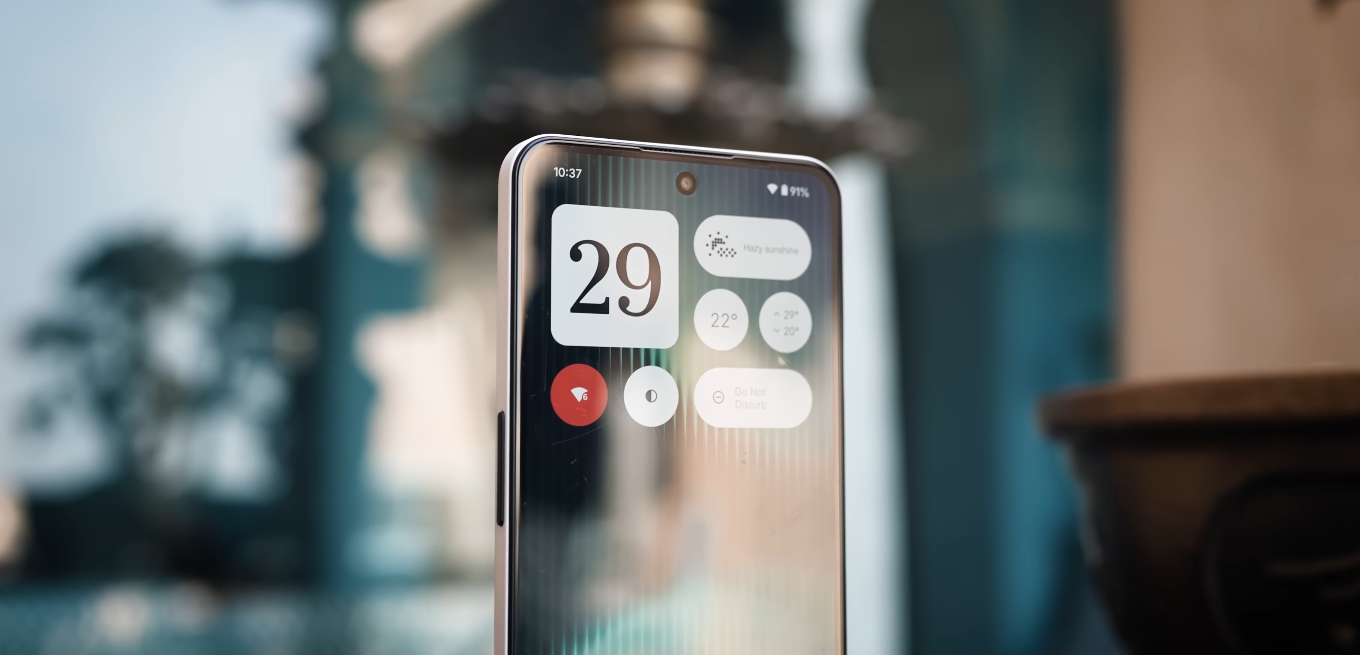
Nothing OS continues to be one of the standout features of the lineup. It offers a clean interface, minimal pre-installed apps and a visual style that matches the physical design of the phone. Early interaction with the interface shows thoughtful animations and custom fonts that contribute to a cohesive feel. Widgets and the quick settings panel are presented clearly, and the software experience feels streamlined rather than cluttered.

The Glyph LED has been simplified into a single circular light on this model, yet it remains immediately noticeable during first use. Test alerts during setup reveal that the light responds to calls and notifications with smooth pulse effects. It is especially useful when the phone is placed face-down, allowing silent notifications without vibration or sound. While not as elaborate as the multi-segment system on more expensive models, it still gives the phone character and encourages interaction beyond the display.

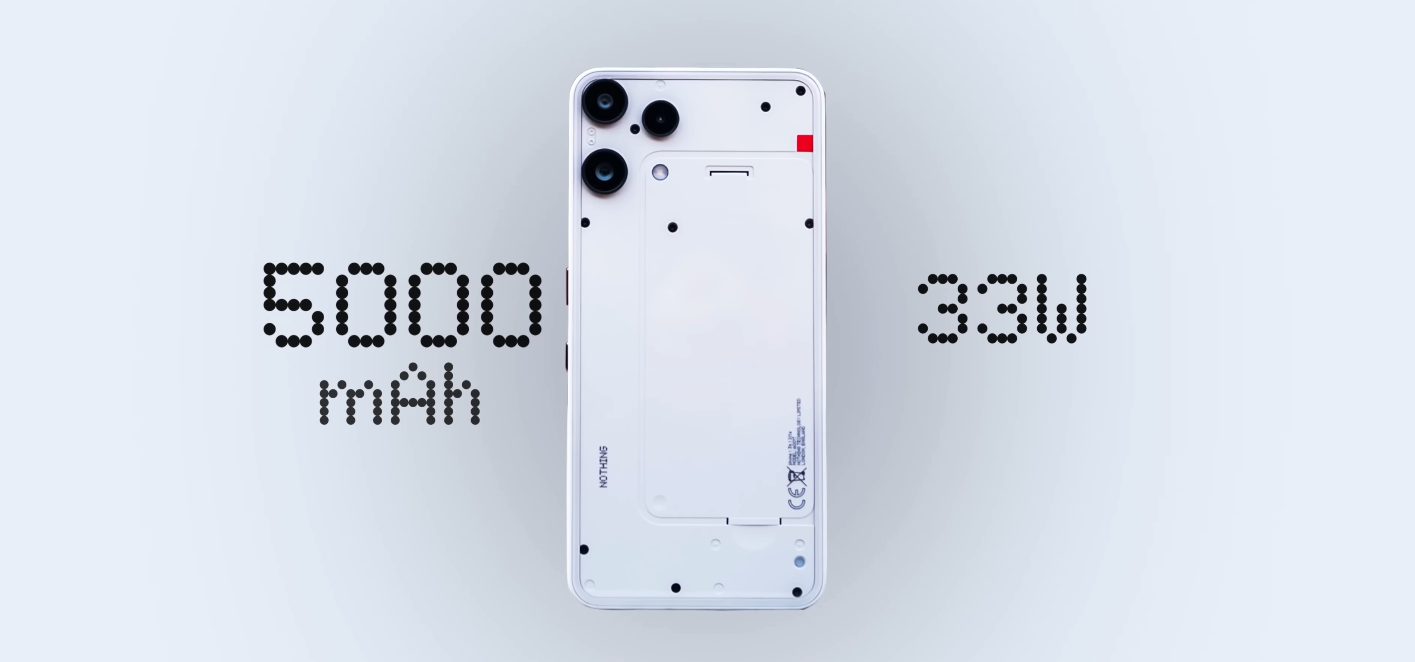
Battery life impressions from the first day are positive. The 5,000mAh cell barely moves during general browsing, streaming and photography testing. Light gaming further suggests that power management is efficient without rapid drainage. Fast charging via USB-C helps the battery top up quickly, and the phone appears well suited for users who prioritise long endurance over compact battery size.

The camera system gives a confident early showing with sharp and well-balanced shots in daylight conditions. The main sensor handles contrast and colour accurately, producing natural-looking images rather than exaggerated saturation. Portrait mode shows pleasing subject separation during initial testing, while low-light performance appears acceptable for a mid-range phone. The camera app’s clean layout makes it easy to switch between modes without digging through menus.

Audio during early testing is functional and clear, though not booming. The single speaker is loud enough for podcasts and YouTube, yet lacks the depth of dual-speaker systems. Wired and wireless audio both connect seamlessly, and the sound profile feels tuned for vocal clarity rather than heavy bass. For everyday listening and calls, it performs reliably without attempting to oversell itself.

Overall first impressions of the Nothing Phone (3a) Lite are highly positive. The design makes a strong first statement, the display feels premium for the segment and the software experience is clean and intuitive. Performance during initial use suggests longevity, combining efficiency with smooth multitasking. While the camera and audio are good rather than exceptional, the total package feels well balanced for its price.

In summary, the Phone (3a) Lite immediately positions itself as a compelling mid-range option that prioritises design without compromising everyday usability. The unboxing process sets the tone for a polished product, and early usage reinforces the idea that Nothing is carving out its own identity rather than competing through raw specifications alone. For UK buyers seeking a stylish device with smooth performance and strong battery life, the first impressions indicate that the 3a Lite could be one of the most appealing releases in its class.

Nothing Phone (3a) Lite design deep dive: transparent back and Glyph LED

Nothing Phone (3a) Lite design deep dive transparent back and Glyph LED

A closer look at Nothing’s bold design direction

The Nothing Phone (3a) Lite stands out in a crowded mid-range market by focusing on design just as much as performance. Instead of blending in with conventional smartphone aesthetics, it reintroduces the brand’s signature transparent look and a simplified yet functional Glyph LED feature. For users in the UK who value individuality and style, this model aims to deliver a striking visual identity without the price tag of a flagship.

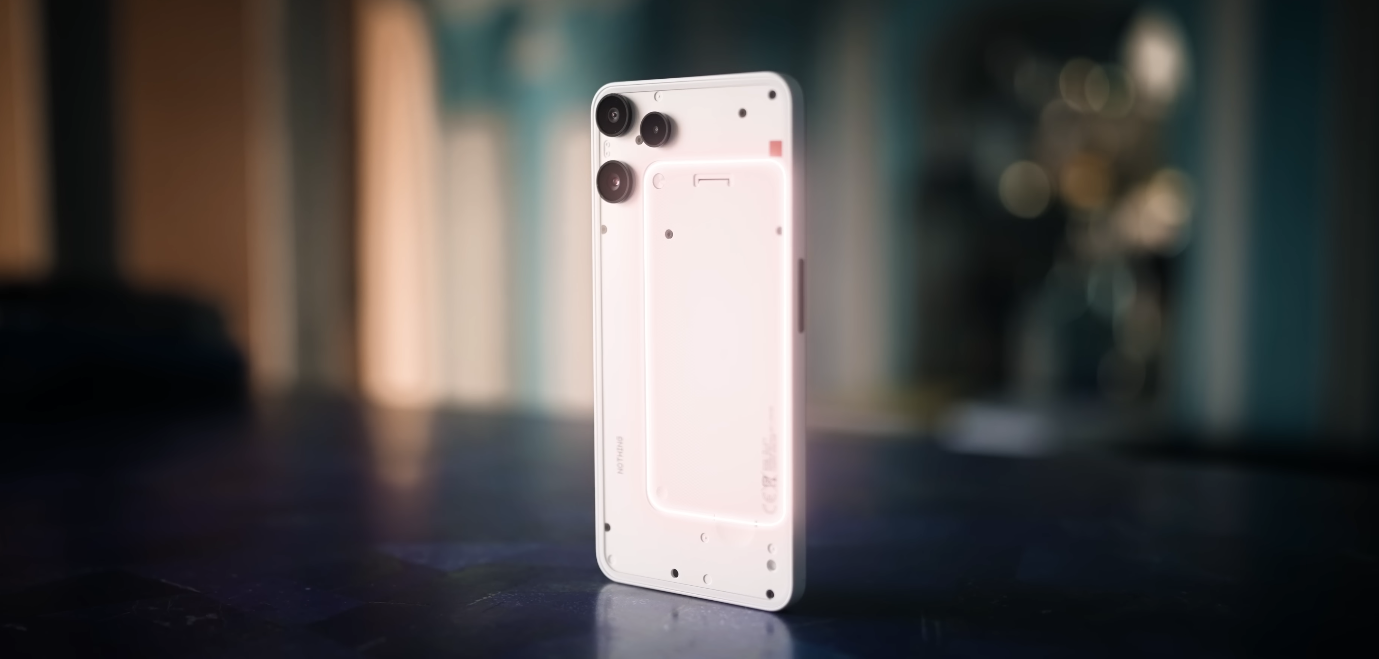
Nothing continues its theme of transparency with the 3a Lite, allowing users to see structural elements such as fasteners and internal layouts through the rear panel. The look is intentionally industrial, forming a visual connection to the brand’s earlier devices. While most mid-range phones prioritise cost efficiency over design experimentation, the 3a Lite attempts to reverse that narrative and make design a headline feature rather than an afterthought.

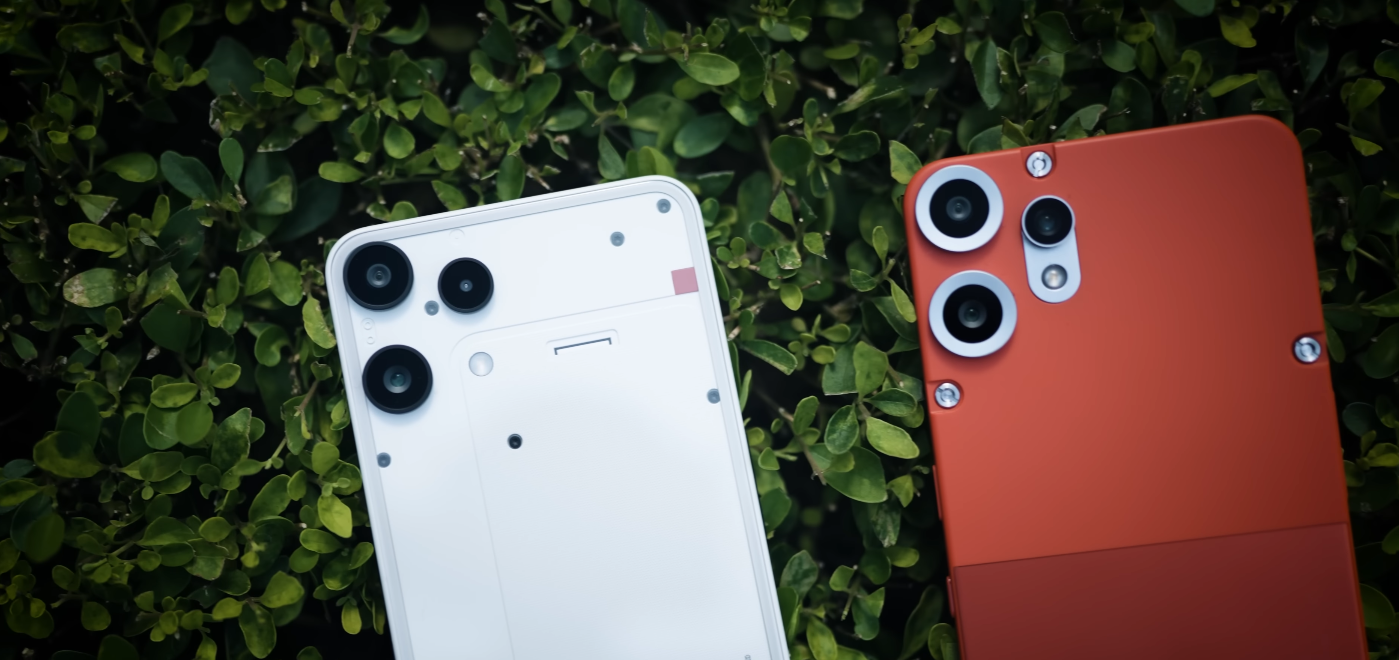
The transparent back panel is supported by a clean camera layout and a flat matte frame, reinforcing a minimal and geometric appearance. Unlike busy or curved smartphone designs, the 3a Lite embraces symmetry and simplicity. The small red accent near the battery section adds personality without interrupting the monochrome palette, staying aligned with Nothing’s philosophy of distinction through restraint.

Nothing Phone (3a) Lite design deep dive transparent back and Glyph LED

A key design element of this device is the Glyph LED system, positioned as a circular light rather than the multi-segment setup seen in higher-tier Nothing phones. While simplified, the light continues to serve practical functions such as customised notification indicators, call alerts and visual countdowns. Nothing has blended aesthetics and utility so that the design does more than simply look different.

Living with the Glyph system changes how the phone behaves in daily use. Users can place the device face-down and allow the Glyph to signal calls or notifications silently using light patterns. This becomes particularly useful in quiet environments such as offices, classrooms or evening commutes, where audible notifications are unwelcome. It reinforces the idea that design and functionality are not mutually exclusive.

In terms of materials and build, the Nothing Phone (3a) Lite uses a plastic frame to keep weight and cost manageable. The finish is solid in the hand and the transparent panel draws attention away from the more modest material choices. The footprint and weight make it comfortable for prolonged use, and the added splash resistance brings a touch of durability to daily handling.

There are, however, trade-offs that accompany this design direction. The plastic frame won’t feel as premium as metal or high-grade glass to users who prioritise material quality over appearance. The transparent surface may show fingerprints more visibly than opaque finishes. The simplified Glyph LED is less dramatic than the full setup on flagship Nothing models, which may leave some design enthusiasts wanting more.

Despite the compromises, the 3a Lite offers meaningful appeal in the UK market. Many smartphones in the same price bracket deliver similar specifications, making visual differentiation a strong selling point. The 3a Lite positions itself for buyers who consider their handset a lifestyle accessory and appreciate the idea of technology that communicates through subtle cues instead of constant screen reliance.

Viewed purely from a design standpoint, the Nothing Phone (3a) Lite successfully brings high-concept aesthetics to a more affordable segment. The transparent rear gives the device instant recognisability, while the pared-down Glyph implementation manages to keep the interaction benefits intact. For users seeking a mid-range device that doesn’t look or behave like every other smartphone, the 3a Lite provides one of the most distinctive options available today.

In conclusion, the Nothing Phone (3a) Lite delivers a design experience centred on individuality, visual expression and functional creativity. It may not satisfy those seeking premium materials or the most advanced lighting system, but it confidently targets users who want technology that stands out without becoming impractical. The result is a handset that brings character to the mid-range category and continues Nothing’s mission to make smartphone design interesting again.

Nothing Phone (3a) Lite vs. OnePlus Nord CE: which value wins?

Nothing Phone (3a) Lite vs. OnePlus Nord CE which value wins

Mid-range showdown for UK buyers

The mid-range Android market continues to heat up in the UK, and two models currently competing hard on value are the Nothing Phone (3a) Lite and the OnePlus Nord CE. Both promise capable performance, modern software and competitive pricing, but each takes a different approach to design, hardware and long-term usability. For buyers looking to stretch their money as far as possible, the differences between these two phones matter more than ever.

Nothing has positioned the Phone (3a) Lite as a feature-packed option for everyday users who want the latest hardware without paying flagship prices. It brings a large display, a modern processor and a strong battery focus, while keeping the signature transparent design that has defined the brand. The Lite model scales down some of the premium elements of the standard Phone (3a), but it retains most of the specifications that deliver day-to-day benefits.

OnePlus, on the other hand, continues to lean on its long-standing reputation in the Nord CE. The phone stays closer to a traditional mid-range template, with a smaller display and a proven Snapdragon processor. The Nord CE’s main strength remains consistency: it aims to deliver a reliable experience across battery life, performance and software, without shifting priorities towards heavy design features.

Nothing Phone (3a) Lite vs. OnePlus Nord CE which value wins

Display quality is one of the most noticeable differences. The Nothing Phone (3a) Lite comes with a larger 6.77-inch AMOLED panel with a 120Hz refresh rate, giving users a more cinematic viewing experience and smoother scrolling across apps and games. In comparison, the OnePlus Nord CE’s 6.43-inch AMOLED display with a 90Hz rate still looks sharp, but the higher refresh rate and size advantage go to the Nothing phone, especially for entertainment and social media users.

Performance also plays an important role in long-term value. The Nothing Phone (3a) Lite uses the newer 4-nanometre Dimensity 7300 Pro processor, which offers better power efficiency and improved multitasking compared to older chips. The OnePlus Nord CE is powered by a Snapdragon 750-series processor, which remains reliable for everyday tasks but lacks the same long-term optimisation seen in newer architectures. For buyers planning to keep their phone for three to four years, the newer chipset could make the difference.

Battery life is another area where Nothing aims to secure the upper hand. The 5,000mAh battery inside the Phone (3a) Lite promises a full day of mixed use with ease, supported by 33W charging. The OnePlus Nord CE provides a slightly smaller 4,500mAh battery with similar charging capability. Both are sufficient for typical daily usage, but the larger capacity on the Nothing device offers more peace of mind for heavy users.

Camera performance remains competitive on both phones, but with different priorities. The Nothing Phone (3a) Lite features a 50MP main camera supported by additional lenses for wider scenes and close-up photography. The OnePlus Nord CE counters with a 64MP main sensor alongside an ultrawide camera. In real-world use, both phones perform strongly in well-lit scenarios. Night photography and indoor shots show a more balanced output on the Nothing phone, although OnePlus retains an advantage in fine texture capture thanks to its higher-resolution sensor.

Software support and longevity can greatly influence overall value, particularly in the UK where users tend to hold onto smartphones for longer upgrade cycles. The Nothing Phone (3a) Lite ships with the newest Android version and offers several years of confirmed OS and security updates. The OnePlus Nord CE launched earlier, and although OxygenOS remains popular for its clean interface, its long-term update roadmap is shorter. For buyers prioritising longevity, the fresher release gives the Nothing device a noticeable advantage.

Design philosophy may also play a part in the decision. Nothing brings a distinctive transparent aesthetic that stands out, while OnePlus keeps a more understated, traditional look. Buyers who want something visually different may gravitate toward Nothing, while those who prefer a classic smartphone style may find the Nord CE more fitting.

In the final verdict on pure value, the Nothing Phone (3a) Lite edges ahead for UK buyers thanks to its modern chipset, larger and smoother display, longer software promise and stronger battery profile. The OnePlus Nord CE remains a good choice for users who trust the brand and prioritise a familiar software experience, but the newer technology and future-proofing delivered by the Nothing model make it the better long-term investment in the same price bracket.