Nothing Phone (3a) Lite vs. realme budget phones: specs, performance, value

Nothing Phone (3a) Lite vs. realme budget phones specs, performance, value

Budget-mid smartphone showdown: which offers more for less?

When you’re shopping in the budget or “affordable mid” smartphone segment, the new Nothing Phone (3a) Lite stands out with its distinct design and update promise. At the same time, the realme brand dominates the budget space with many models aimed at delivering high specs for very competitive prices. This comparison will help clarify how these two stacks shape up across specs, performance and overall value.

On the specs front, the Nothing Phone (3a) Lite brings a 6.77-inch 120 Hz display, a 50 MP main camera, 8 MP ultra-wide and 2 MP macro lenses, plus a 5,000 mAh battery. Its chipset is the MediaTek Dimensity 7300 Pro. The realme budget phones, depending on model, often focus on large batteries (sometimes 6,000-7,000 mAh), large-megapixel main cameras, and aggressive pricing — but may drop refresh rate, build quality or extra lenses to keep cost down. In display and refresh rate terms the Nothing device has an edge.

Performance wise, the Nothing Phone (3a) Lite is tuned for everyday use, smooth UI, decent multitasking and good battery life from the 5,000 mAh cell. In contrast, some realme phones use similar or slightly lower tier chipsets and may lag behind in gaming or heavy workloads, but offer very good value for most users. If you’re not gaming heavily or doing high-end tasks, both will serve well — but the Nothing model arguably gives a better “feel” thanks to its higher refresh display and premium design.

Nothing Phone (3a) Lite vs. realme budget phones specs, performance, value

In the camera and feature department realme often gives more for less: larger battery, fast charging, sometimes more aggressive specs on the main sensor, though perhaps fewer “premium” extras (telephoto zoom, premium materials). The Nothing Phone (3a) Lite offers a balanced camera setup and good main sensor performance, but reviewers note that its ultra-wide and macro lenses are modest. So if your priority is “maximum camera versatility for minimum spend”, realme may give slightly better raw hardware for the money.

Value-wise, if you compare cost vs what you get: the Nothing Phone (3a) Lite’s strength lies in design, update promise (three major Android versions + six years of security patches), and a standout aesthetic. Realme’s strength lies in getting more hardware per pound/rupee: big batteries, fast charge, decent main camera, often at lower price points. If the budget is tight, your “bang for buck” may lean realme; if you value the premium touches and design, the Nothing model is compelling.

In terms of long-term ownership, the update policy of the Nothing Phone (3a) Lite gives confidence: you’ll likely keep it supported for years. Realme budget models may not always promise the same lifecycle, so if you plan to keep the phone 3–4 years, the Nothing model has an advantage. On the other hand, if you upgrade every 1–2 years and chase deals regularly, a realme pick keeps cost low and upgrade pressure lower.

In conclusion: For buyers seeking a smartphone that looks and feels premium while still being “budget-affordable”, and who plan to keep the device for several years, the Nothing Phone (3a) Lite is a very good choice. For buyers whose priority is maximum spec per unit cost, who don’t care as much about premium design or ultra-long support, then a well-chosen realme budget phone likely offers better value. If you like, I can pull up three specific realme models (with up-to-date pricing in the UK or India) that closely rival the Nothing Phone (3a) Lite so you can compare side by side.

Nothing Phone (3a) Lite vs. Samsung Galaxy S older model: specs vs price drop

Nothing Phone (3a) Lite vs. Samsung Galaxy S older model specs vs price drop

Budget newcomer takes on discounted flagship

Choosing between the stylish new Nothing Phone (3a) Lite and a previous-generation flagship like the Samsung Galaxy S22 presents an interesting question: do you go for modern value and fresh support or older top-tier specs at a discounted price? Both routes have strong cases, depending on what you prioritise.

The Nothing Phone (3a) Lite brings a large 6.77-inch display with a 120 Hz refresh rate, a 50 MP main camera, decent battery size and a price significantly lower than typical flagships. Its starting cost is very competitive which means you can get “good enough” performance without high spend. In contrast the Galaxy S22 launched at a much higher price, but today its cost has dropped significantly, making it accessible as a “flagship discount” option.

In terms of raw hardware, the Galaxy S22 has some advantages: a 50 MP main camera similar to the Nothing, but adds a telephoto lens (typically 3× optical) and a powerful processing platform with premium build quality, water and dust resistance, and a compact form factor. The Nothing model omits telephoto, leans into a simpler camera setup, and uses more mid-range internals, but delivers a large screen and modern styling at a fraction of cost.

Nothing Phone (3a) Lite vs. Samsung Galaxy S older model specs vs price drop

From longevity and software support view, the Nothing Phone (3a) Lite promises three major Android upgrades plus six years of security patches, which is excellent for a budget device. The Galaxy S22, though older, still benefits from Samsung’s multi-year update policy and may cover you well for a few more years. But because it already launched earlier, its future update horizon is shorter than a new model’s.

When assessing value-for-money in the UK market, the price drop on the Galaxy S22 is key. If you can find it at a good discount (including refurbished or clearance new) you may get flagship-level features for just a moderate premium over a budget smartphone. Meanwhile the Nothing Phone (3a) Lite offers very strong baseline value, especially if your focus is cost-savings and solid everyday use rather than best-in-class camera/zoom performance.

So the decision comes down to priorities: If you want the lowest upfront cost, want a large screen and are happy with competent rather than top-tier specs, then the Nothing Phone (3a) Lite is a smart choice. If you care more about camera versatility, premium materials and better zoom/image quality and don’t mind spending a bit more (or hunting a deal), the Galaxy S22 offers strong value in that “discount flagship” space.

In conclusion: for budget-conscious buyers the Nothing Phone (3a) Lite punches above its price. For users wanting more camera flexibility and premium finish, picking a discounted older flagship like the Galaxy S22 can be the better long-term investment.

Nothing Phone (3a) Lite UK contract vs SIM-free: what’s cheaper long-term?

Nothing Phone (3a) Lite UK contract vs SIM-free what’s cheaper long-term

Comparing the all-in-one deal with outright purchase and plan

When considering purchasing the Nothing Phone (3a) Lite in the UK, one of the key decisions is whether to go via a mobile network contract or to buy the device outright SIM-free and choose your own data plan. Many buyers focus on the upfront cost of the handset, but the total cost of ownership over two or three years often matters more for value-conscious consumers.

If you buy the phone SIM-free, you pay the full handset cost upfront or via instalments. For example, if the phone is listed at around £249 for the entry-level model, you would pay that amount and then separately take a SIM-only plan — perhaps around £15 per month depending on data, calls and text allowances. Over 24 months this route might cost roughly £249 + (24 × £15) = £609 in total. After year two, you’re free to swap plans and often pay significantly less for just the SIM.

With a contract deal, the handset cost is combined into the monthly payment along with the plan’s data, calls and texts. Suppose a network offers the handset + plan for £25 per month over 24 months: total cost becomes £600 for two years. On the surface this looks competitive, but many contract deals include higher monthly network plan costs and fewer freedoms. You’re often locked into one provider, may have less flexibility in plan choice, and the handset may be network-locked or harder to trade/sell.

Nothing Phone (3a) Lite UK contract vs SIM-free what’s cheaper long-term

Beyond just the price, consider what happens after the contract term ends. With a SIM-free handset you already own the device and can switch networks or downgrade to a cheaper SIM plan, dropping your monthly cost. With a contract handset you may need to renew, upgrade, or buy out the device if you want to leave early. Flexibility is substantially better with SIM-free.

Another factor: slower discounting and locked-in data plan rates. Contract plans may offer good deals at launch, but the handset subsidy means you’re effectively paying for the convenience of spreading cost and having one bill. If the handset is relatively low cost to begin with (as is the case here), the advantages of contract decrease.

In terms of long-term cost for the average UK buyer who keeps a phone for two to three years and opts for moderate data usage, SIM-free tends to come out cheaper overall. The upfront spend is higher, but the freedom to move between plans and networks, and to capitalize on lower cost SIM-only deals over time, often makes it the smarter choice for value. If you like, I can check live UK numbers today for the contracts and SIM-only plans for the Nothing Phone (3a) Lite and show you exact comparable deals.

Nothing Phone (3a) Lite vs. Google Pixel A-series: camera vs cost

Nothing Phone (3a) Lite vs. Google Pixel A-series camera vs cost

Analysing value, photography and pricing in two budget ranges

When you’re shopping for a budget-friendly smartphone that still delivers on camera capability and long-term value, the choice between the Nothing Phone (3a) Lite and a device from the Google Pixel 7a (or similar Pixel A-series model) is especially interesting. Both aim to deliver great everyday performance without flagship prices, but their priorities differ. In this comparison we’ll explore how camera performance stacks up against cost, and which phone might suit you best in the UK and similar markets.

Starting with the Nothing Phone (3a) Lite, you get a 50-megapixel main rear camera, supported by an 8 MP ultra-wide lens and a 2 MP macro lens. The front camera is 16 MP. The device comes with a 6.77-inch AMOLED display, 120 Hz refresh rate and is powered by a MediaTek Dimensity 7300 Pro chipset. It launched in the UK/Europe at around £249 for the 128 GB model and around £279 for 256 GB. The spec sheet also mentions up to 2 TB microSD expansion and a 5,000 mAh battery.

Nothing Phone (3a) Lite vs. Google Pixel A-series camera vs cost

In terms of value, it offers one of the most affordable entries into a visually distinctive design and reasonable camera hardware for the price.

On the Pixel side, the Pixel 7a (as a representative of the Google A-series) offers a 64 MP main camera paired with a 13 MP ultra-wide lens, and a front-facing 13 MP unit. It has Google’s flagship-level camera processing and features such as strong night mode, photo editing tools and typically better image processing. At launch the 7a cost around £449 in the UK. The subsequent Pixel 8a is similarly priced (~£499 at launch) and offers 64 MP + 13 MP camera setup, high-end software and a strong update promise.

So, cost-wise the Nothing Phone (3a) Lite is significantly cheaper—almost half the cost of the Pixel 7a at launch. But camera-wise, while the Nothing model has a decent main sensor, reviews point out that its ultra-wide is weaker and the macro lens offers limited value. One review summarised: “the 50 MP shooter is capable, if a little slow … the 8 MP ultrawide is poor, and the 2 MP macro is a complete waste of time.”
In contrast, Pixel models tend to deliver consistently strong camera output across lighting conditions, thanks to Google’s software optimisations.

Which means: if your priority is “get the most camera quality and software polish” and you’re willing to spend more, the Pixel A-series is the better bet. If your priority is “spend less but still get a large display, decent camera and good design” then the Nothing Phone (3a) Lite gives better cost-value trade-off.

But there are caveats. The Nothing phone’s ultra-wide and additional lenses aren’t at the level the Pixel delivers; also some key features (e.g., wireless charging, flagship-level zoom) may be missing. Meanwhile the Pixel’s higher price means you’re paying quite a bit more for that extra camera capability and software refinement.

From a UK buyer’s perspective: if you expect to keep the phone for a few years and want good photos across more scenarios (night, zoom, ultra-wide) then the Pixel 7a or Pixel 8a make more sense. If you mostly do everyday snaps, social media images, and value design and cost savings, then the Nothing Phone (3a) Lite is a very sensible pick.

In summary: cost versus camera is a clear trade-off between these two ranges. The Nothing Phone (3a) Lite gives strong design and main-camera value for a low price. The Pixel A-series gives stronger imaging performance, better overall camera versatility and longer software support — at a higher price. Choose based on what you prioritise most: budget and style, or camera excellence and software longevity.

Nothing Phone (3a) Lite software support promise: 3 major updates and 6 years of patches

Nothing Phone (3a) Lite software support promise 3 major updates and 6 years of patches

Understanding the long-term update commitment

The Nothing Phone (3a) Lite arrives with a clear software support commitment that sets it apart from many other budget smartphones. Nothing has confirmed that the device will receive three major Android version upgrades along with six years of ongoing security patches. This commitment is designed to give users long-term reliability without the need to replace their phone frequently.

At launch, the device runs Android 15 through Nothing OS 3.5, forming the baseline for upcoming updates. With the promised upgrade cycle, users can expect the phone to move through Android 16, Android 17 and Android 18 over the coming years. This ensures that core system features, interface improvements and performance enhancements continue well into the phone’s life.

The extended six-year patch window helps keep the device secure even after it stops receiving major Android changes. Regular security updates reduce vulnerabilities and maintain essential safety standards. For a budget-friendly handset, this long patch cycle is notable, offering reassurance to buyers who prefer to keep their phones for more than a few years.

Nothing Phone (3a) Lite software support promise 3 major updates and 6 years of patches

In the UK market, where long-term value and dependable aftercare matter to many consumers, this level of support gives the Nothing Phone (3a) Lite an advantage. It means owners can rely on consistent software protection and smooth operation without worrying about early obsolescence. This helps the phone remain relevant even as newer models emerge.

Nothing’s approach also aligns with growing expectations for longer support across the Android ecosystem. While flagship devices from major brands are pushing extended updates, budget models often lag behind. The 3a Lite challenges that pattern by offering a lifespan usually associated with higher-end products.

However, users should be aware of the distinction between major upgrades and ongoing patches. After the third major update is delivered, the phone will remain on its final Android version while continuing to receive safety fixes. This means the device stays secure but will no longer gain access to future Android interface changes or new system-level features.

For many everyday users, this balance is more than sufficient. Most people rely on security updates far more than they do on the very latest features. Still, those who prioritise cutting-edge software may prefer a phone offering more frequent major upgrades, even if that means spending more.

Practical ownership experience will also depend on rollout timing. Update delays can vary between regions, and manufacturers sometimes stagger releases across markets. Nothing’s track record suggests a commitment to delivering updates efficiently, but individual release timings may still differ from one country to another.

Overall, the Nothing Phone (3a) Lite provides a generous and well-structured support plan that enhances its appeal in the budget segment. With three major Android upgrades and six years of patches, the device stands out as a long-lasting option for cost-conscious buyers who value software longevity. It offers both stability and peace of mind, ensuring that users can invest in the phone with confidence.

Nothing Phone (3a) Lite vs. Xiaomi Redmi Note series: compare the deals

Nothing Phone 3a Lite vs Xiaomi Redmi Note series compare the deals

Which budget phone offers better value today?

The budget smartphone market is more competitive than ever, and the arrival of the Nothing Phone (3a) Lite has added a stylish new option for buyers who want a premium look without paying flagship prices. Xiaomi’s Redmi Note series, meanwhile, continues to dominate with strong hardware, aggressive pricing and frequent discounts. Both appeal to different kinds of users, and comparing them reveals where each brand delivers the better value for money.

Nothing’s latest Lite model keeps the brand’s signature transparent-inspired aesthetic, offering a design that clearly stands out in its category. The simplified lighting element on the back still provides a unique touch, even if it’s not as elaborate as the more expensive models. This is an area where the Redmi Note series tends to focus less on flair, leaning instead toward more traditional designs with minor variations between models.

On performance, the Nothing Phone (3a) Lite uses a mid-range MediaTek chipset designed for efficiency and smooth everyday use. It pairs comfortably with its 120Hz display, which keeps the interface responsive and visually clean. Redmi Note models, depending on the specific version, often rely on faster or more gaming-oriented chipsets. Buyers prioritising raw processing power may therefore find more headroom in the Redmi lineup, especially in the Pro variants, which typically outperform the Lite model in CPU and GPU benchmarks.

Nothing Phone 3a Lite vs Xiaomi Redmi Note series compare the deals

Where cameras are concerned, the two approaches diverge even more. The Nothing Phone (3a) Lite includes a capable main sensor backed by an ultra-wide and macro setup, offering versatility for general use. However, Redmi Note models frequently push higher megapixel counts, faster sensors and stronger night mode performance, especially in the Pro range. For users who value photography features above design or software support, the Redmi Note series often holds the edge.

Battery life is strong on both sides, with the Nothing model offering a 5,000mAh capacity designed to last comfortably through the day. Redmi Note devices offer similar battery sizes, but many provide much faster charging speeds. Some Redmi phones support rapid top-ups that can get you significantly more power in a shorter time. If fast charging is a priority, Redmi generally provides better performance in this area.

Software support is a major deciding factor for long-term buyers. Nothing has committed to several years of Android version updates and extended security patches, which is uncommon at this price level. This makes the Nothing Phone (3a) Lite attractive to users who want a device that stays current without needing frequent upgrades. Redmi Note phones run Xiaomi’s customised Android skin with its own update cycle, and while they do receive updates for a reasonable period, their longevity often varies depending on the model tier.

In pricing, the Redmi Note series typically delivers more aggressive numbers, including regular sales and seasonal discounts. This can place higher-spec Redmi models at the same price as the Nothing Lite, giving them a strong value advantage. The Nothing Phone (3a) Lite aims to offer a premium experience at a stable, simplified price structure, but it may feel less competitive during major discount events dominated by Xiaomi.

Choosing between the two ultimately depends on what matters most to the buyer. The Nothing Phone (3a) Lite is the better choice for those who want a visually distinctive phone with clean software, strong update support and dependable everyday performance. It appeals especially to users who value design and long-term usability over raw specifications. On the other hand, the Redmi Note series continues to shine for performance-focused shoppers who want the most features for the lowest possible price, particularly in areas like camera strength, battery charging and chipset power.

Both line-ups offer reliable options, but they serve different priorities. If you want a device that feels unique and modern without stretching your budget, the Nothing Phone (3a) Lite is a compelling option. If you want maximum specifications and the strongest deal for your money, a well-discounted Redmi Note model may be the smarter pick.

Nothing Phone (3a) Lite review: budget phone with premium design

Nothing Phone (3a) Lite review budget phone with premium design

Striking style meets sensible specification

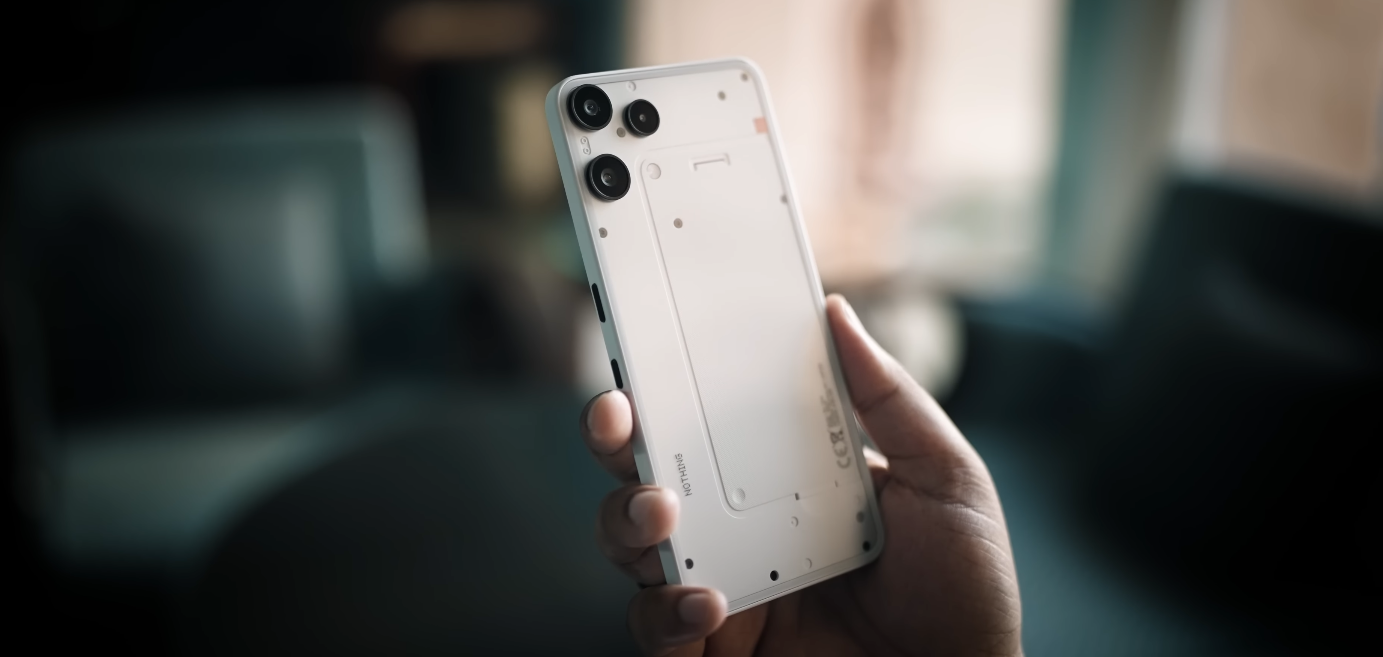
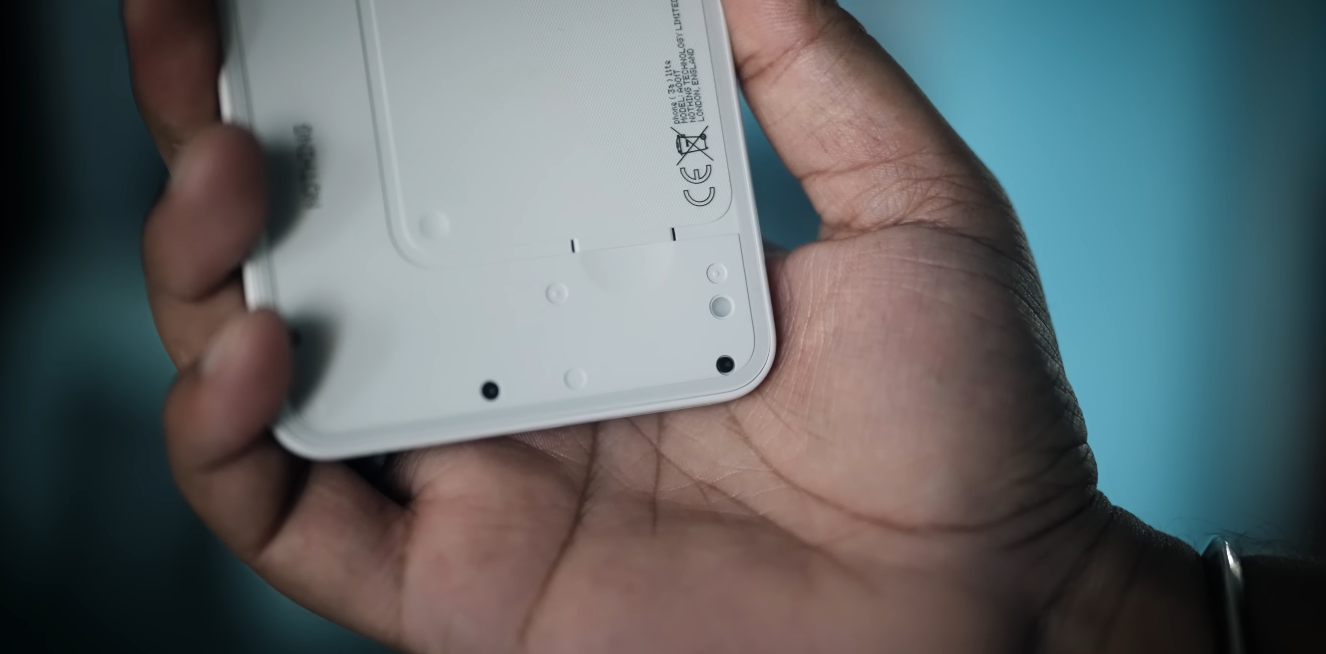
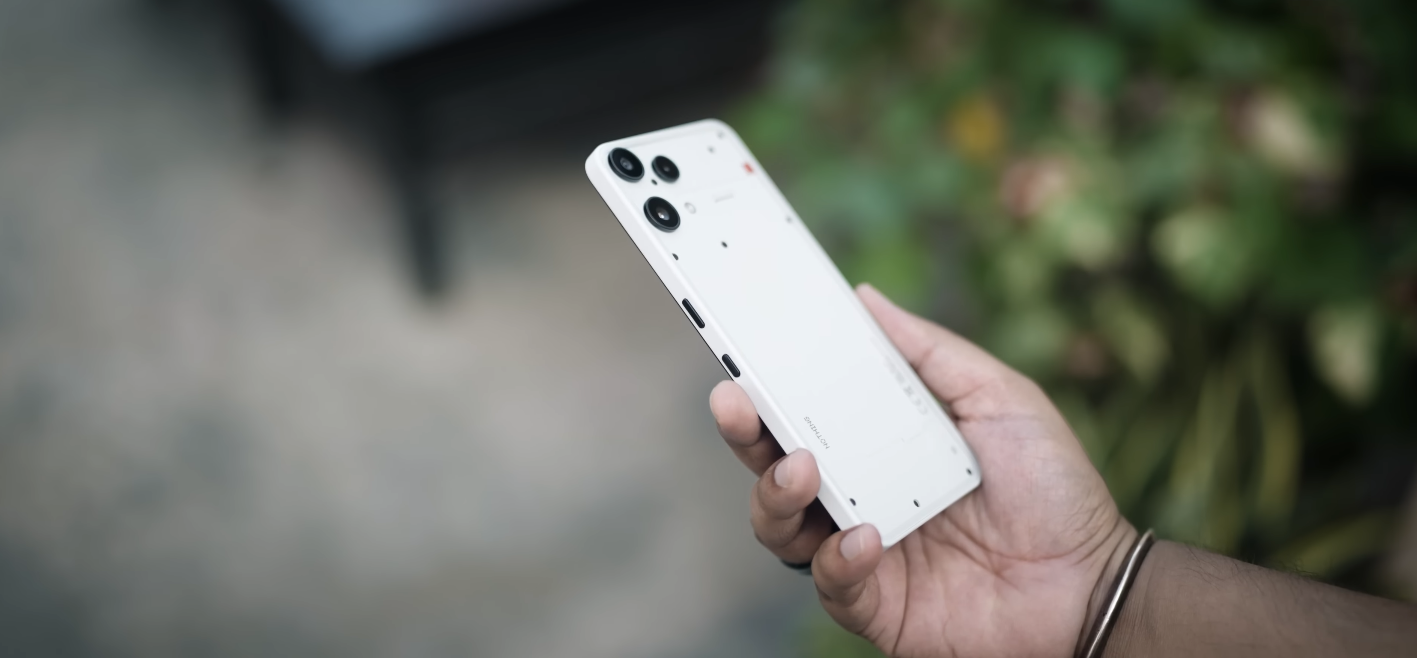
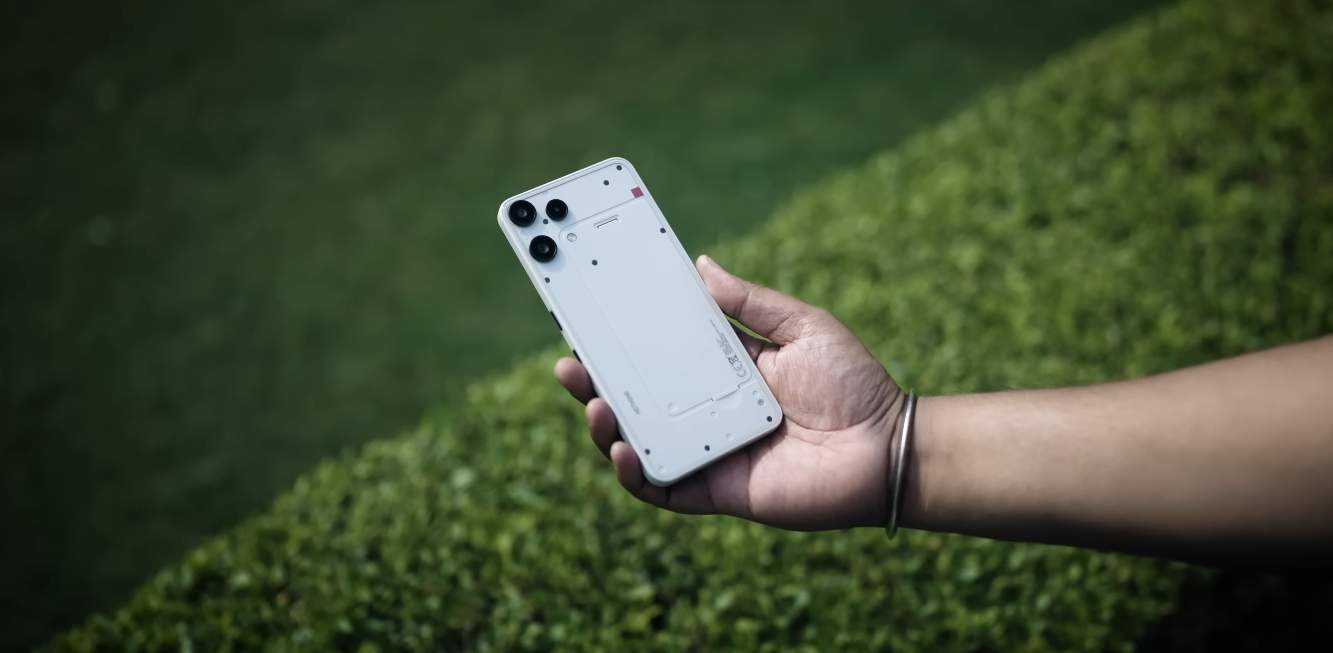
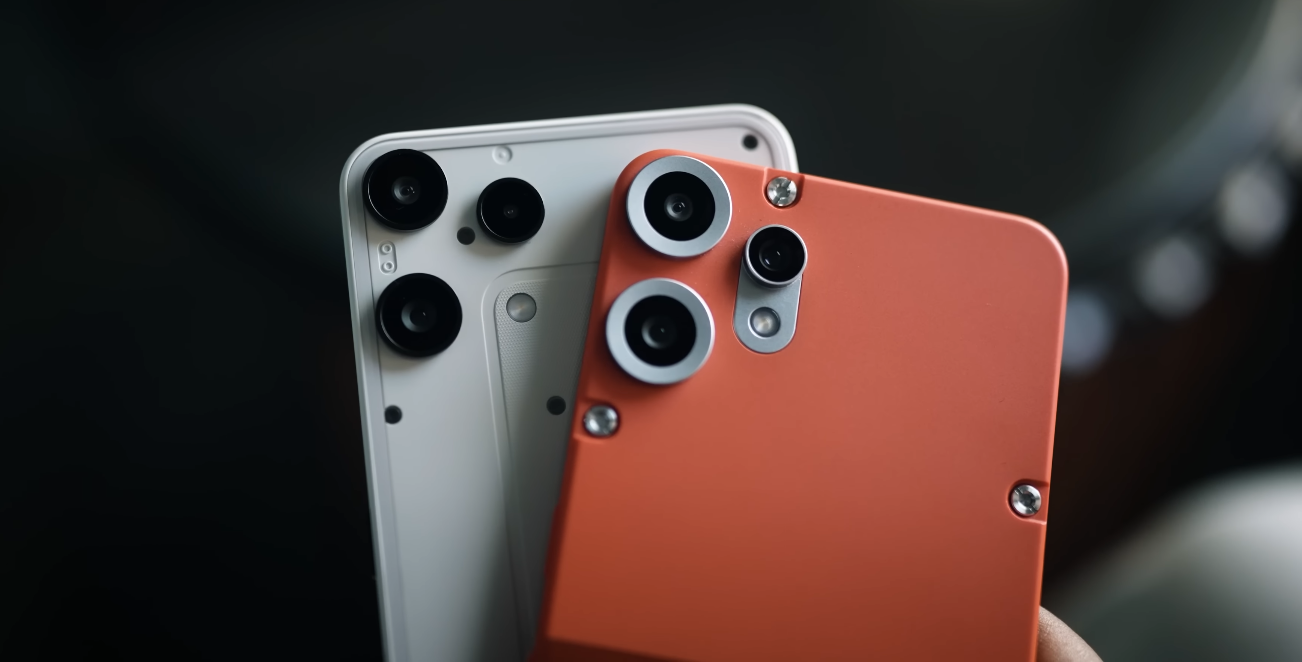
The Nothing Phone (3a) Lite arrives as a budget-friendly offering from Nothing, and the first thing you’ll notice is its design. The clear rear panel and minimalist styling immediately signal a premium vibe in a price-segment where many phones look generic. The brand has succeeded in keeping the aesthetic flair of its flagship models intact while cutting cost in smart places.

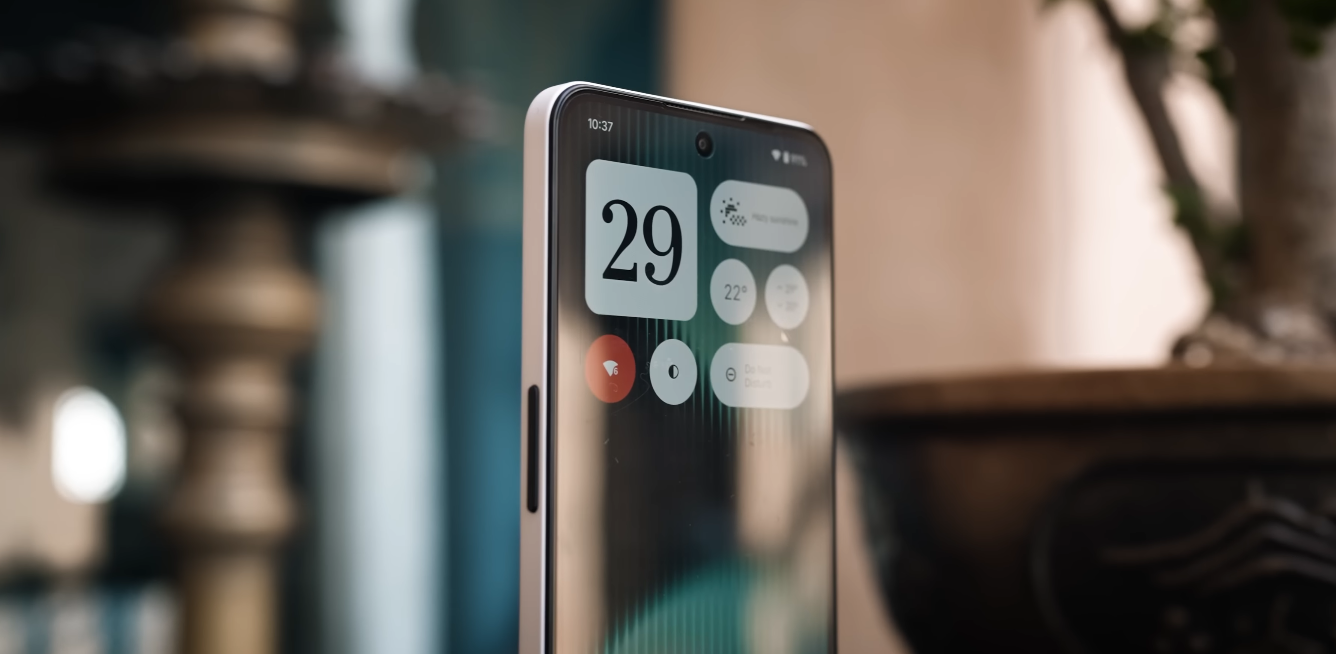
In terms of display, it sports a 6.77-inch AMOLED panel with a 120 Hz refresh rate, ensuring fluid scrolling and smoother animations compared with many budget phones stuck at 60 Hz. Early hands-on reports say the screen is bright and well-calibrated, holding up well even in outdoor light. However, full real-world durability and performance over time still await deeper review.

Under the hood, the phone is powered by the MediaTek Dimensity 7300 Pro chipset, paired with 8 GB of RAM in its base configuration. That places it firmly in the mid-range bracket rather than ultra-budget territory. It also backs this up with a 5,000 mAh battery and 33W fast wired charging — respectable figures that promise full-day use for most users.

Nothing Phone (3a) Lite review budget phone with premium design

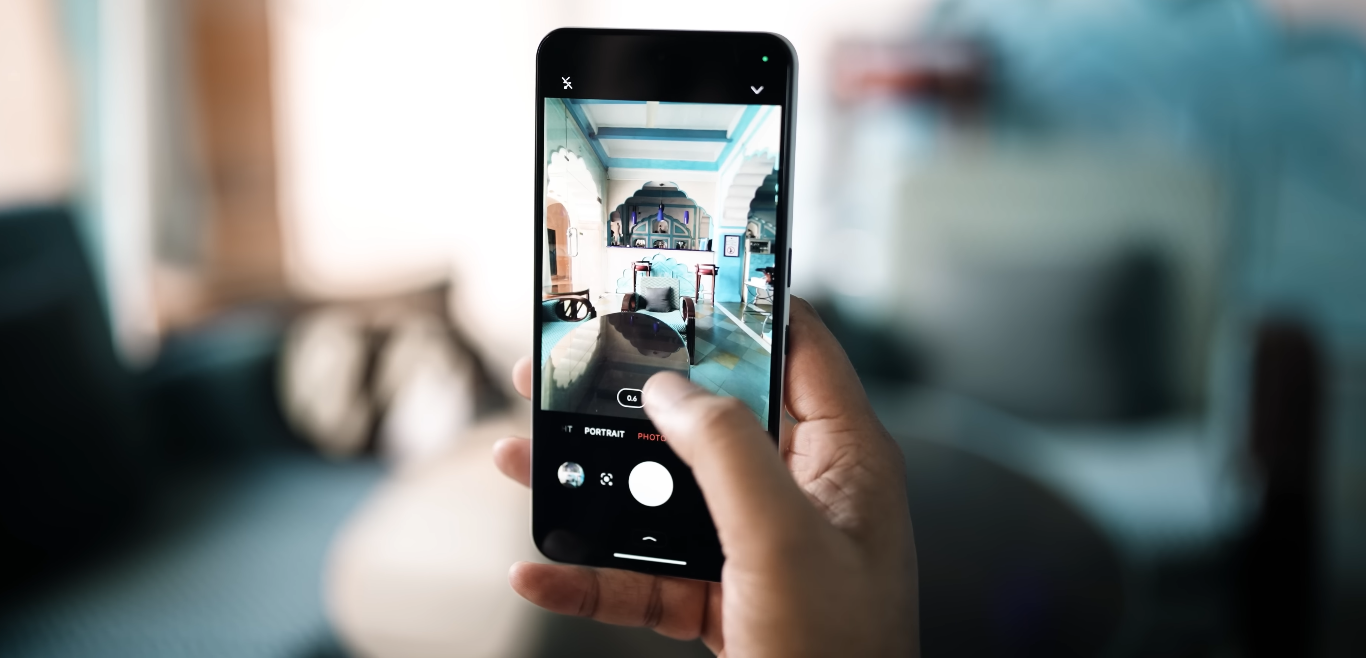
On the camera front, the main 50 MP sensor looks promising, supported by an 8 MP ultra-wide and a modest 2 MP macro lens. On the front is a 16 MP selfie camera. While still competitive for the price, it’s clear this is not a flagship-grade photography setup and may struggle in low light or complex scenes compared with higher-end devices.

Software is another strong point. The phone ships with Nothing OS 3.5 based on Android 15 and carries an update promise of three major Android versions along with six years of security patches. That level of support is rarely seen in this price bracket, making it a forward-looking choice for users.

In terms of design compromises, while this model retains the clear rear look and distinctive branding, it features a simplified “Glyph Light” notification LED rather than the full back-lit array seen in premium models. For those who liked the full effect, this is a step down — but one that helps bring cost down. Reviewers point out that build materials and finishing feel good, but they’re not quite at flagship standard.

For UK buyers or those in similar markets, the value equation is compelling: stylish design, high refresh display, long software support, and a large battery. But you’ll have to trade off heavy-duty cameras, ultra-fast charging, or top-tier performance for the price. If your priorities are aesthetic and daily use rather than gaming or advanced photography, this phone hits a sweet spot.

Availability is slated soon in markets including India, and the price is expected to land well under the threshold of many premium devices. That makes it an interesting pick for those who want “premium look” without the premium cost. It remains to be seen how well it competes against other budget phones offering stronger specs in specific areas like zoom cameras or faster charge.

In summary: the Nothing Phone (3a) Lite delivers on its promise of premium design at a budget-friendly level. It won’t match flagship rivals in every metric, but it offers a well-rounded package for everyday use and style-conscious users. If you’re after a budget phone that stands out and will serve reliably for years, it is definitely worth considering.

No Heating Issues Reported So Far On Galaxy F36 5G
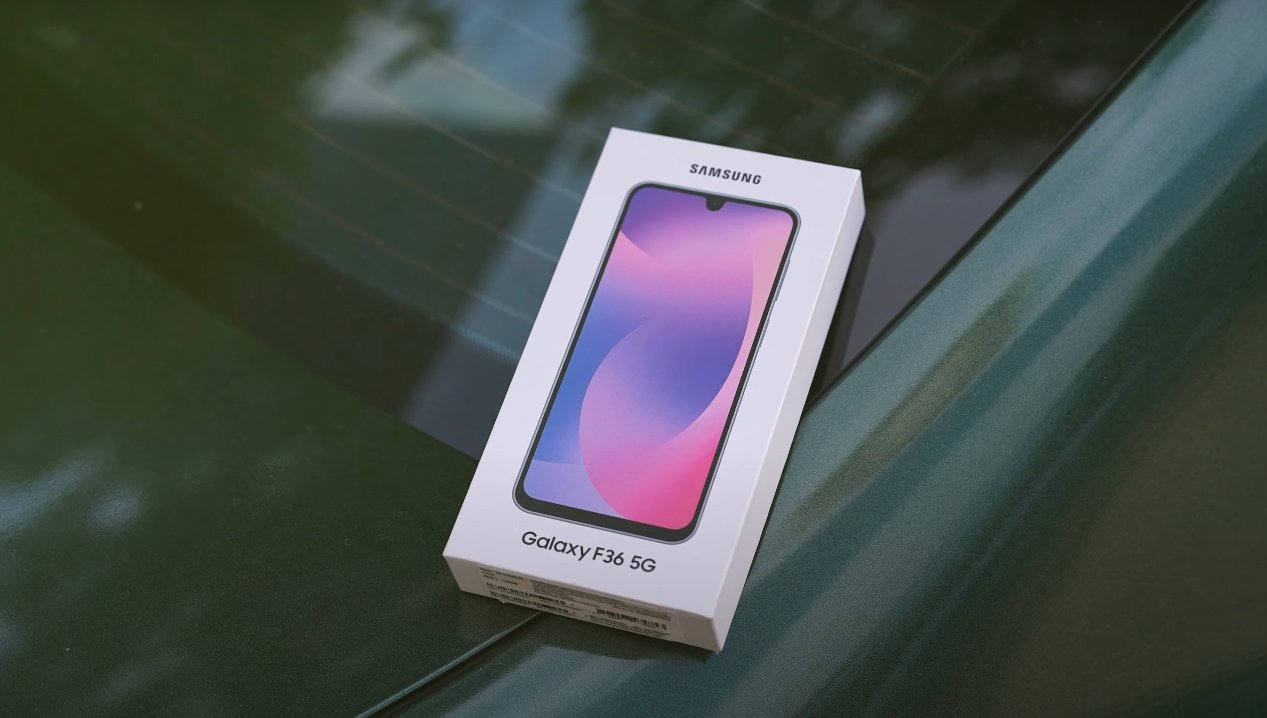
No Heating Issues Reported So Far On Galaxy F36 5G

When choosing a smartphone, one of the biggest concerns for users is overheating during long sessions of use. Surprisingly, Galaxy F36 5G seems to handle this challenge better than expected. So far, early users and buyers have reported a smooth experience with little to no heating, even during demanding tasks.

Handles Long Sessions Without Getting Warm


Whether it’s streaming HD videos, playing casual games, or using navigation apps for hours, Galaxy F36 5G remains comfortably cool. The device does not get noticeably warm, which is rare for phones in this category. Many users who have used the phone continuously throughout the day have shared that it maintains its temperature without affecting performance.

Daily Tasks Run Without Stress


Even with multiple apps running in the background, the phone does not heat up. Tasks like video calls, social media scrolling, or document editing run without stressing the processor. The consistent performance combined with effective thermal management makes it a reliable pick for those who use their phone for long hours.

No Heating Issues Reported

Gaming Feels Balanced And Controlled


While heavy gaming can cause many smartphones to heat up, the Galaxy F36 5G performs well in this area too. Users playing games for 30 minutes to an hour found the phone remained slightly warm but far from overheating. This makes it a good choice for casual gamers or students who like to unwind with mobile games.

Efficient Cooling Keeps The Phone Stable


Samsung has worked on making the thermal management more efficient in this model. The phone doesn’t rely on fancy cooling systems but uses smart software controls and balanced performance to avoid heating. As a result, it stays stable even under moderate pressure, without the need to throttle performance.

Suitable For Outdoor And Extended Use


For people who often use their phones outdoors or while commuting, heating can become a real problem, especially under the sun. But Galaxy F36 5G manages to stay cool even during extended outdoor use. This adds to the overall comfort and makes it suitable for people on the go.

No Complaints From Long-Term Users


Since its release, there have been no major complaints about heating issues from regular users. Whether it’s used for work, school, or entertainment, the phone has shown reliable temperature control. This feedback builds confidence that Galaxy F36 5G is a dependable choice for buyers who are tired of overheating problems in other midrange devices.

Designed For Everyday Comfort


All these points lead to one conclusion — Galaxy F36 5G has been designed to stay practical and problem-free for everyday users. With no major heating complaints so far, it shows that this device is more than just another midrange phone. It’s built for steady use, and that’s what most people truly need.

No Design Skills? No Problem! Free Adobe Photoshop & More Now Live in ChatGPT

No Design Skills? No Problem! Free Adobe Photoshop & More Now Live in ChatGPT

Unleash Your Inner Creator: Adobe Photoshop, Express, and Acrobat Now Free in ChatGPT

The groundbreaking integration of Adobe’s leading creative and productivity tools—Photoshop, Express, and Acrobat—directly into ChatGPT marks a pivotal moment for digital content. Users now access powerful editing and design capabilities without extensive prior experience or costly software subscriptions. This democratises high-quality visual content production and efficient document management for everyone, significantly lowering the barrier to entry.

This innovative partnership is revolutionary for those finding graphic design daunting. Sophisticated Photoshop functionalities become accessible through simple, conversational AI prompts within ChatGPT. Imagine crafting stunning social media graphics or refining images by just describing your vision, eliminating traditional skill barriers and empowering a much broader audience of creators previously excluded from professional design workflows.

Adobe Express, celebrated for its intuitive templates and rapid design features, finds a potent new home within this AI-powered chat interface. It streamlines content generation for social media posts, engaging flyers, and professional presentations. Users leverage ChatGPT’s understanding to guide Express in producing consistent, branded assets swiftly, conserving invaluable time for busy professionals and creative hobbyists alike.
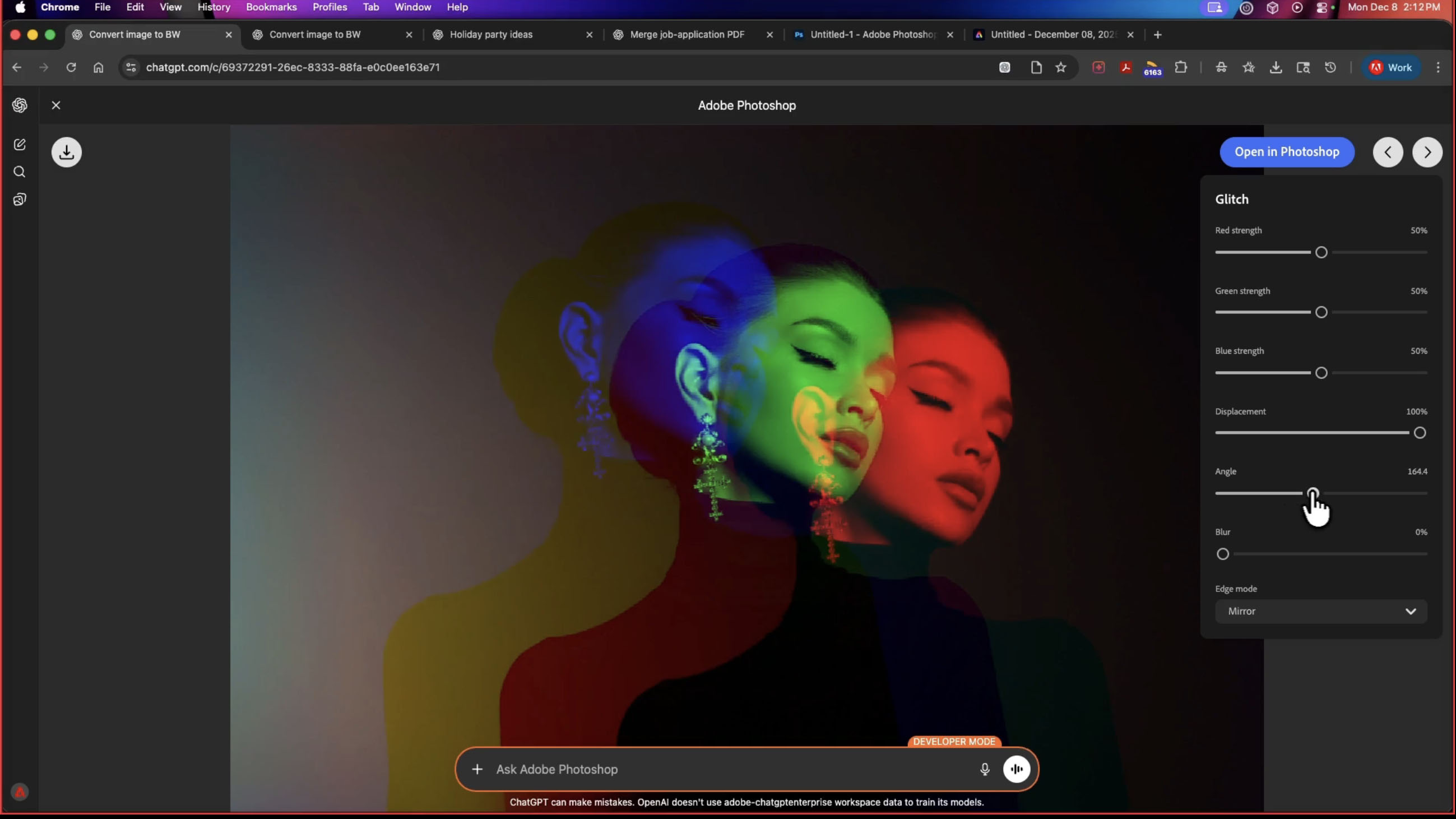
Furthermore, Adobe Acrobat’s inclusion within ChatGPT dramatically simplifies document handling tasks. From editing PDFs and combining files to extracting specific information, these operations are executed using straightforward text commands. This seamless integration promises to revolutionise administrative workflows, transforming document management into an intuitive and highly efficient process for all users, boosting overall productivity.

The “free” aspect of this integration cannot be overstated, presenting an unparalleled opportunity for diverse users. Students, small business owners, and aspiring creators access professional-grade tools without financial outlay. This democratisation of creativity encourages experimentation and fosters innovation, cultivating a new generation of digital content creators across the UK and beyond, driving accessibility.

No Design Skills? No Problem! Free Adobe Photoshop & More Now Live in ChatGPT

This collaboration signifies a forward-thinking strategic move by Adobe, embedding its comprehensive ecosystem within leading AI platforms, aligning with the burgeoning trend towards AI-augmented creativity. By rendering powerful tools more accessible and intuitive through conversational interfaces, Adobe fundamentally redefines how users interact with and utilise creative software in the dynamic digital age.

The implications for overall productivity across various sectors are immense. Instead of frequently switching applications, users remain within the ChatGPT environment to generate textual content, refine images, and manage critical documents. This consolidated workflow leads to faster project completion and enhanced efficiency for content marketers, educators, and many other professionals.

Also Read:  South Park Season 28 Episode 5: Anticipated Release Date and Satirical Targets on Paramount+ UK

Ultimately, this free and comprehensive integration will fundamentally transform our approach to digital content creation and essential document management. It is an exceptionally exciting development, making powerful Adobe tools widely accessible to millions. This paves the way for unprecedented creative expression and significantly enhanced productivity across numerous industries and personal endeavours, truly unleashing potential.

No Design Skills? No Problem! Free Adobe Photoshop & More Now Live in ChatGPT

Nothing Phone (3a) Lite software walk-through: Nothing OS 3.5 features

Nothing Phone (3a) Lite software walk-through Nothing OS 3.5 features

Exploring What Nothing OS 3.5 Brings to the Phone (3a) Lite

When you power up the Nothing Phone (3a) Lite in the UK, you’re greeted not just by hardware but by the latest version of Nothing OS 3.5 (based on Android 15). This is the software foundation that shapes your everyday experience, and understanding its key features can help you make the most of the phone.

First up: updates and longevity. The 3a Lite ships with Nothing OS 3.5 and the brand promises three years of major Android version updates plus six years of security patches. That means UK buyers can expect the phone to stay secure and reasonably current for several years, which is excellent for a budget-mid range device.

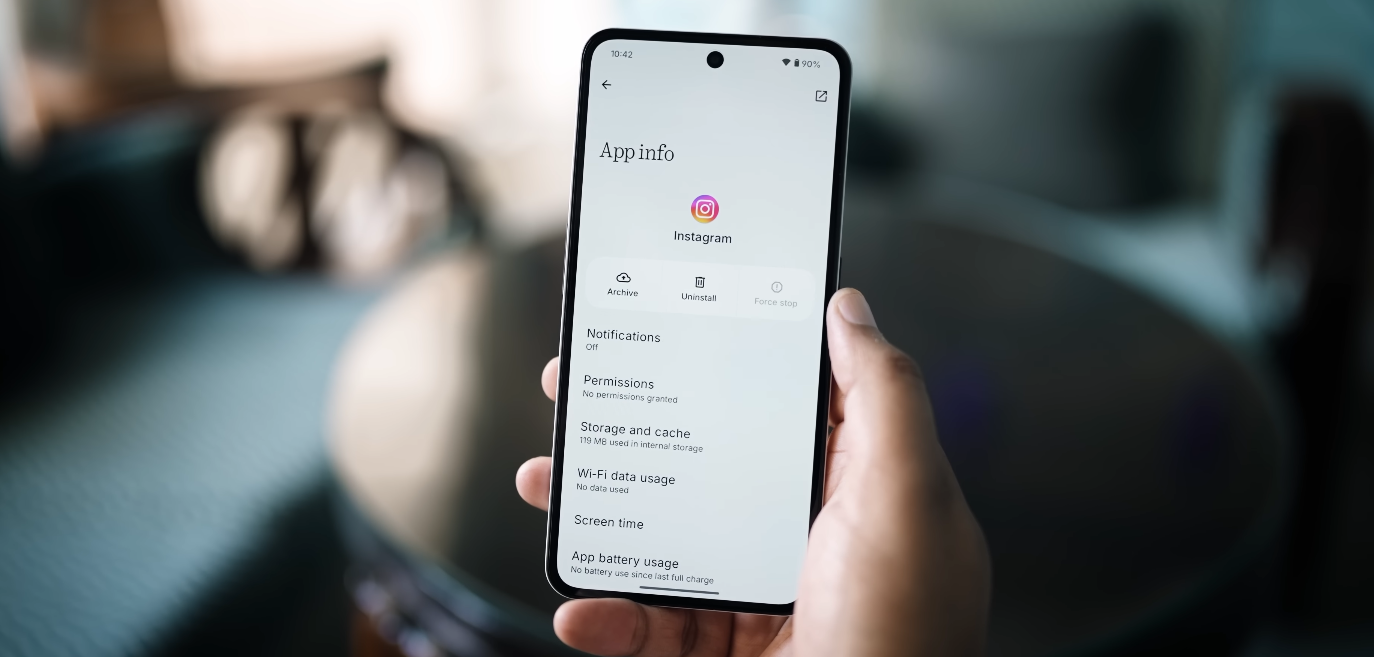
One of the standout additions in Nothing OS 3.5 is Smart Drawer, a feature that automatically organises your apps into categories such as Social, Photography, Productivity and so on. This helps keep your home screens cleaner and makes it faster to find what you need, especially if you install a lot of apps. Alongside that is App Locker, which lets you add an extra level of security to any individual app with fingerprint or PIN access.

Nothing Phone (3a) Lite software walk-through Nothing OS 3.5 features

For privacy and storage management, the software includes Private Space, a secure area on the phone where you can stash photos, videos or documents separate from your main profile. This is particularly useful in UK scenarios where you might lend your phone to someone temporarily but don’t want to expose your personal files.

Customisation is another pillar of the OS. Nothing OS 3.5 gives you plenty of control over appearance and behaviour: you can change icon shapes, colour accents, animation speeds and even toggle a minimal “mono” style if you prefer less visual clutter. The clean UI, fluid animations and minimal bloat mean you won’t feel weighed down by junk apps or unusable features.

Performance-wise, the 3a Lite benefits from software optimisations that help the phone run smoothly. The OS is tuned for its hardware (including the 120Hz display), so animations feel slick, transitions are seamless and general responsiveness is strong. This matters in daily UK use when switching between apps, browsing or simply scrolling through social feeds.

Connectivity and features: Nothing OS 3.5 ensures support for full dual-5G, WiFi 6, Bluetooth 5.3, and the expandable microSD storage (up to 2 TB) is integrated cleanly into the file manager and storage settings — so you can slot in a card and the software treats it like internal storage for many tasks.

For UK users who value minimalism and ease-of-use, the OS also includes features like one-hand mode, accessibility enhancements (larger fonts, high contrast themes) and an IT-friendly setting for keeping apps fully updated and camera firmware refreshed without fuss.

In terms of camera and media, the OS brings enhancements to the built-in photography experience: dedicated modes for Night, Portrait and Ultra Wide are accessible directly in the camera UI, and the software supplies additional processing to boost image clarity and reduce noise in challenging lighting — useful for UK indoor/low-light conditions. The 120Hz display also means video playback and UI motion feel more fluid.

Finally, UK buyers should note that nothing significant has been removed — the OS keeps the core Android experience intact while layering value-added features that appeal to everyday users rather than power tech junkies. Because of this, you get a balance of features, performance, and support without the price of a premium phone.

In summary: the Nothing Phone (3a) Lite running Nothing OS 3.5 offers a refined, secure and customisable software experience tailored for UK users. Whether it’s update longevity, privacy tools, performance tuning or simply a clean interface, the software side of this phone is one of its strong arguments in favour.

Nothing Phone (3a) Lite vs older Nothing Phone 2a: worth the upgrade?

Nothing Phone (3a) Lite vs older Nothing Phone 2a worth the upgrade

Is It Time to Move Up to the 3a Lite for UK Buyers?

If you already own the Nothing Phone 2a and are weighing the option of moving to the newer 3a Lite, it’s worth taking a close look at what’s genuinely better, what remains largely the same, and whether the upgrade makes sense in the UK market.

On the plus side, the 3a Lite offers several meaningful enhancements. It runs on a newer, more efficient chipset and benefits from a larger display, making it better suited for gaming, multitasking and media-heavy use. Storage expansion via a microSD slot is a feature that the 2a lacks, and the promise of longer software support means the 3a Lite could remain reliable for a longer lifespan in a UK buyer’s hands.

However, it’s not a quantum leap. Battery capacity remains roughly the same, and if your 2a already delivers smooth performance and solid battery life, you may not notice much day-to-day difference. Charging speed is actually slightly slower on the 3a Lite, and for many users the upgrade from 2a to 3a Lite may feel incremental rather than transformative.

Nothing Phone (3a) Lite vs older Nothing Phone 2a worth the upgrade

From a UK perspective, the decision depends on your priorities. If you download large content libraries, use microSD storage or expect to keep your phone for several years, the 3a Lite offers better future-proofing. If your 2a is still performing well and you’re focused on saving money, the upgrade can wait for a more substantial generational shift.

In terms of value, it’s wise to assess trade-in programmes and how much you’ll need to pay to move up. If the incremental cost is significant and the perceived benefit modest, budgeting for a more substantial upgrade later might be the smarter move.

In summary: for UK buyers keen on longevity, storage flexibility and a slightly more advanced spec sheet, the 3a Lite is a good step up. But if your current phone still meets your needs, holding off and saving that money might be the wiser choice for now.