
Introduction
Oppo is set to roll out the Find X10 series worldwide next week, and the company has just released the first camera samples from the flagship Find X10 Pro Max. These images give enthusiasts a glimpse of what the industry’s first triple 200MP camera system, co‑developed with Hasselblad, can achieve. While the full specifications remain under wraps, the visual evidence already hints at a significant step forward for mobile photography.
Camera System Overview
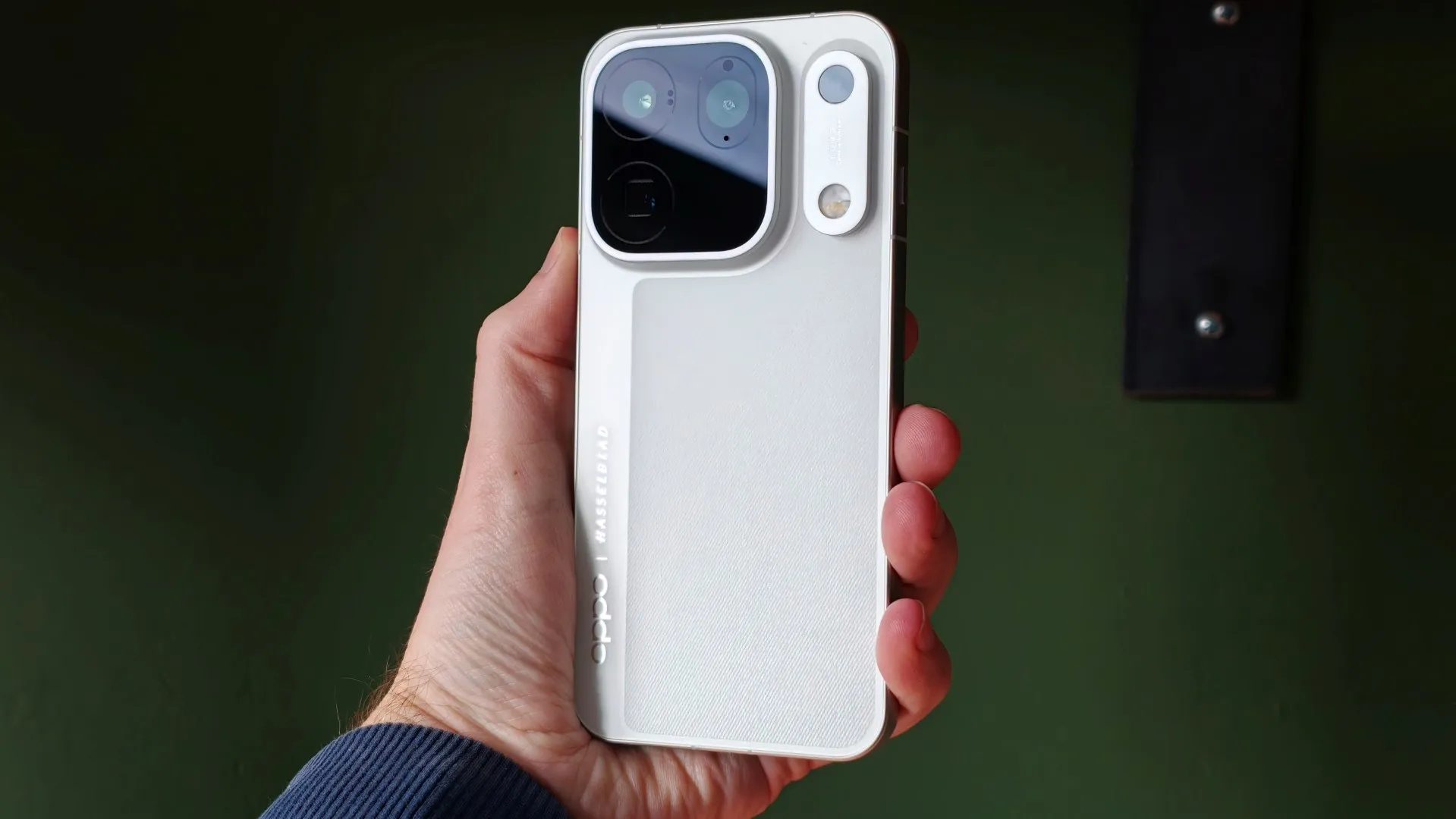
The Find X10 Pro Max houses three 200MP sensors covering wide, ultra‑wide and telephoto focal lengths. According to Oppo, the collaboration with Hasselblad brings colour science and processing algorithms that rival dedicated cameras. The hardware includes a larger sensor size, improved pixel‑binning and a dedicated teleconverter kit that can be attached for additional reach. Unlike its predecessor the Find X9 Ultra, the new model drops the side‑mounted camera button and reduces the rear module to three lenses, streamlining the design.
Comparison with Competitors
When placed beside other 2026 flagships such as the Samsung Galaxy S25, the Xiaomi Mi 14 Ultra and the iPhone 18 Pro Max, the Find X10 Pro Max’s resolution stands out. The Galaxy S25 relies on a 108MP main sensor, while the Mi 14 Ultra pairs a 200MP primary with a periscope telephoto. Apple’s iPhone 18 Pro Max continues with a 48MP triple‑camera layout but focuses on computational photography. The Oppo’s triple 200MP approach promises more detail in bright conditions and, thanks to Hasselblad tuning, more natural colour in challenging lighting.
What the Samples Show
The released samples include daylight shots of cityscapes, portrait images with shallow depth of field, and low‑light captures of night scenes. In daylight, the wide‑angle lens delivers crisp edges and accurate skin tones, while the ultra‑wide perspective retains minimal distortion. The telephoto samples, taken with the optional teleconverter, show impressive subject separation and minimal noise even at 5× optical zoom. Low‑light images retain a respectable level of detail, though some grain is visible, which is expected at such high resolution without aggressive binning.
Software and Processing
Beyond hardware, Oppo relies on its Colour Engine 7.0 to process the massive 200MP data stream. The software applies multi‑frame stacking, AI‑driven noise reduction and Hasselblad‑inspired colour grading. Users can switch between a natural profile and a vivid mode, similar to the options found on the Apple Watch Series 10’s camera companion app. The integration of RAW capture also gives photographers the flexibility to edit images on desktop tools without losing detail.
Potential Use Cases
The sheer resolution makes the Find X10 Pro Max suitable for tasks traditionally reserved for compact cameras. Professionals can shoot high‑resolution product photos, while content creators may benefit from the ability to crop heavily without sacrificing quality. The teleconverter kit expands the reach for wildlife and sports photography, positioning the device as a versatile tool for both casual snaps and serious shoots.
Looking Ahead
Full performance details will arrive with Oppo’s official launch event, but the early visuals suggest that the Find X10 Pro Max could set a new benchmark for smartphone photography. The removal of the dedicated camera button may disappoint fans of the Find X9 Ultra, yet the streamlined rear layout could improve ergonomics. With OnePlus withdrawing from Western markets, Oppo’s flagship may become the most prominent offering from BBK Electronics in regions previously dominated by OnePlus devices such as the OnePlus 12.
For readers interested in hands‑on testing, the upcoming review will examine dynamic range, video capabilities and real‑world battery life. Until then, the sample gallery provides a solid indication that Oppo is serious about pushing the limits of mobile imaging.