
Why Samsung Skipped the First Googlebook Launch
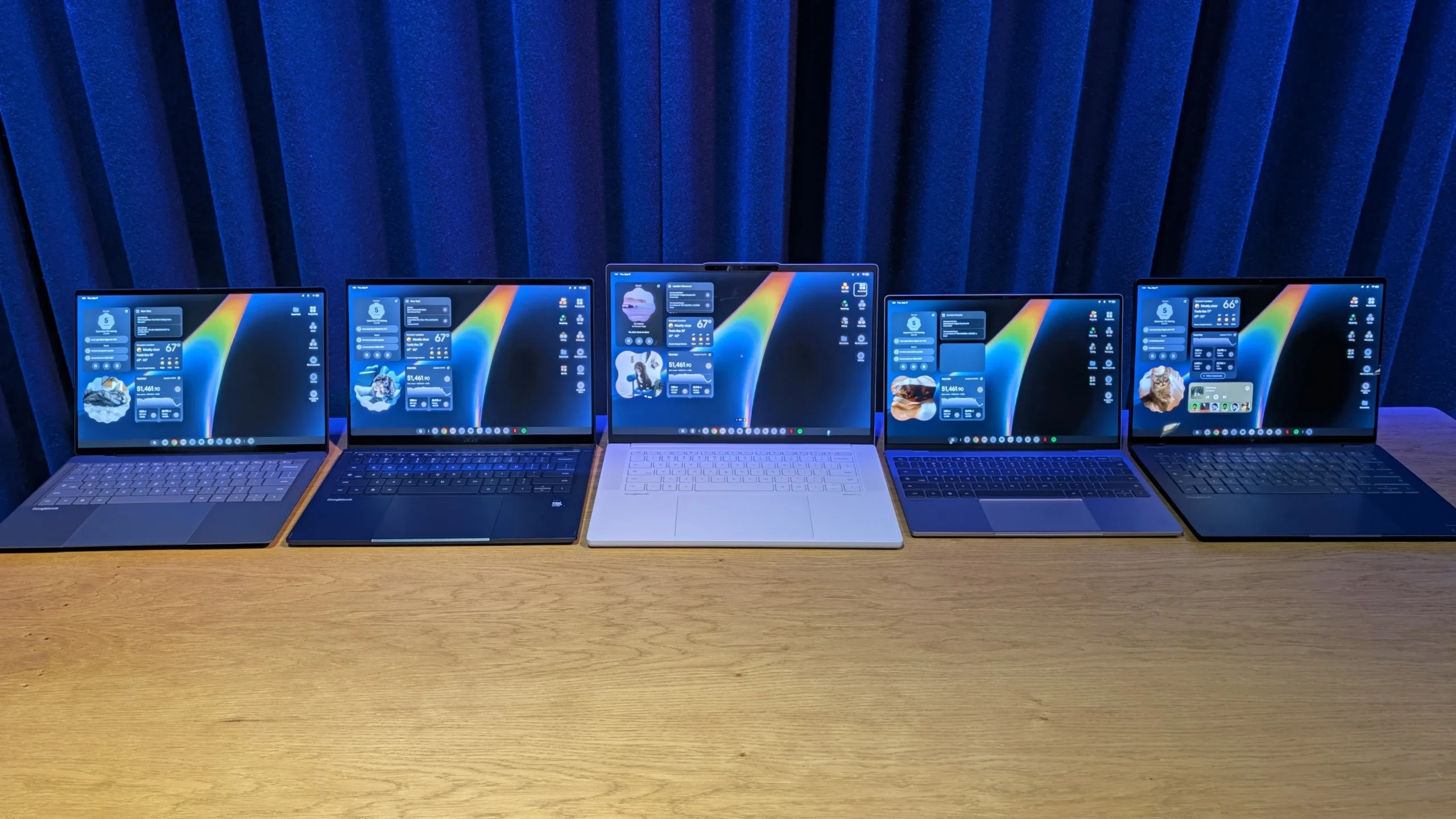
When the new Googlebooks appeared on store shelves last month, the line‑up featured Asus Zenbook Flip, Lenovo Yoga 9i, HP Spectre x360 and a handful of other premium Android‑compatible laptops. The conspicuous absence of any Samsung model raised eyebrows, especially because Samsung collaborates with Google on chipset design, Wear OS and AI features. The Korean giant chose to wait, and that decision is beginning to look like a strategic win.
Practical Compatibility Issues Prompted the Hold
At launch the Googlebook OS failed to recognise Samsung Galaxy phones, including the flagship Samsung Galaxy S25 and the foldable Samsung Galaxy Z Fold 5. The operating system is marketed as an extension of the phone, yet it could not pair with the world’s biggest Android phone brand. Google has since released a patch that restores the promised ‘Better Together’ suite – Continue On, Cast My Apps, Quick Access and Notification Sync – allowing Samsung users to pick up work where they left off, mirror apps on the larger screen and share files wirelessly.
Software Growing Pains Across the Board
Early reviewers reported a gap between the glossy announcements and the reality on the ground. Googlebook OS suffers from limited app optimisation, occasional lag and buggy integration features. The seamless file‑sharing promise feels more like a work in progress. Google’s long‑term plan is to replace Chromebooks with Googlebooks while supporting existing devices until the mid‑2030s, but the current version feels like a step back from mature ChromeOS.
Samsung Avoids Reputation Damage
Because Samsung stayed out of the initial roll‑out, it sidestepped the negative press that has affected Asus, Lenovo, HP and other makers. A prototype Samsung Galaxy Googlebook has already appeared on the Geekbench database, hinting that a launch is imminent. However, Samsung appears intent on not rushing a laptop that runs on software still in its infancy.
What Samsung Could Bring to the Table
The biggest opportunity lies in the software experience. Samsung’s One UI, already praised for its polish on the Samsung Galaxy S25 and the Samsung Galaxy Z Fold 5, could be adapted to create a more intuitive Googlebook interface than the current Pixel UI. If Google permits Samsung to layer its own design language, the device could stand out as a true alternative to the Apple ecosystem that includes the Apple Watch Series 10 and iPad Air M2.
Hardware Advantages Samsung Can Leverage
All three current OLED Googlebook models – Asus, Lenovo and HP – have been reported to suffer from noticeable battery bleed, making all‑day use a challenge. Samsung’s expertise in display technology could address this weakness with a brighter, more power‑efficient OLED panel and faster charging, similar to the capabilities seen in the Samsung Galaxy Tab S9 series.
Patience May Pay Off
A few months of extra development time could allow Samsung to ship a Googlebook that feels fully baked. By entering the market later, Samsung not only protects its laptop reputation but also gains the chance to deliver a device that truly integrates with Samsung Galaxy S25, Samsung Galaxy Z Fold 5 and other flagship phones. The delay, once seen as a missed opportunity, may turn out to be a blessing in disguise.