Nothing AI Device First Look Reveals Design Ahead of Launch
Nothing Teases Dedicated AI Hardware Device
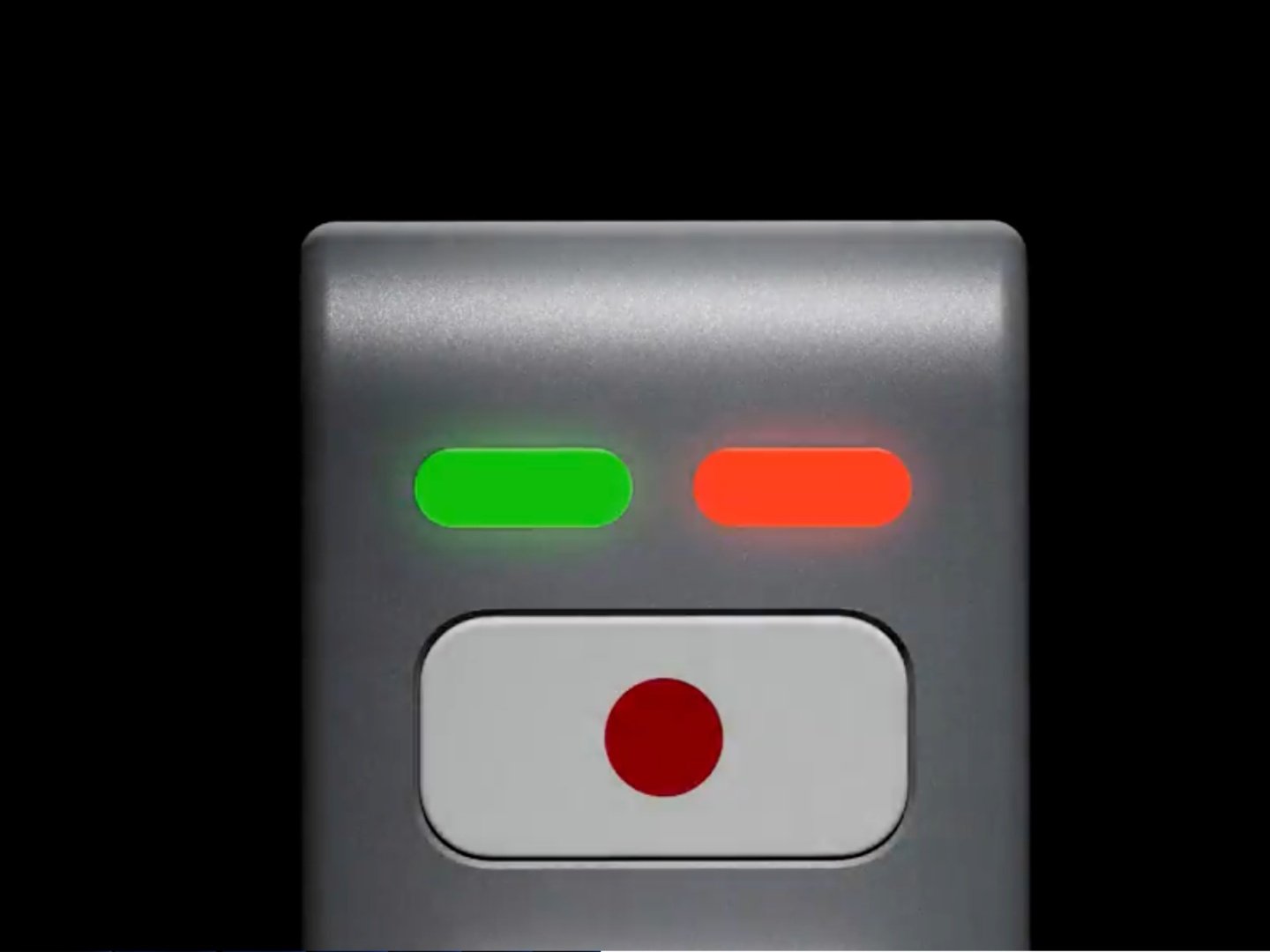
Nothing Technology has officially shared a first look at its upcoming dedicated AI gadget, joining a growing category of standalone artificial intelligence devices that includes the Humane AI Pin and Rabbit R1. CEO Carl Pei teased the mysterious product earlier this month through social media channels, and now newly surfaced images provide the clearest picture yet of what the London-based consumer electronics company has been developing behind closed doors.
Design Language Echoes Nothing Phone Aesthetic
The leaked renderings reveal a compact rectangular form factor featuring Nothing’s signature transparent design language first introduced with the Nothing Phone (1) and refined across the Nothing Phone (2) and Nothing Phone (2a) lineup. Glyph interface lighting elements appear integrated along the device edges, suggesting the signature notification system will carry over to this new product category. The chassis appears to utilize recycled aluminum and transparent polycarbonate materials consistent with the brand’s sustainability commitments outlined in recent environmental reports.
Competition Heats Up in Standalone AI Hardware
This announcement arrives as the standalone AI device market faces increased scrutiny following mixed receptions for the Humane AI Pin and Rabbit R1. The Humane AI Pin, priced at $699 with a $24 monthly subscription, struggled with thermal throttling and limited real-world utility according to early reviewers. Meanwhile the Rabbit R1, retailing at $199, faced criticism for its Large Action Model implementation and questionable necessity versus smartphone-based AI assistants. Nothing’s entry could benefit from lessons learned watching these pioneering devices navigate launch challenges.
Speculated Features and Integration Points
Industry analysts speculate the Nothing AI device will leverage the company’s existing Nothing OS ecosystem, potentially offering seamless integration with Nothing Ear (1), Nothing Ear (2), and Nothing Ear (a) wireless earbuds alongside the Nothing Phone series. Rumored specifications include an always-on display module, dedicated neural processing unit for on-device AI inference, and a custom voice assistant trained on Nothing’s proprietary dataset. The device reportedly runs a stripped-down version of Nothing OS optimized for voice-first interaction paradigms rather than traditional app-centric interfaces.
Carl Pei Vision for Post-Smartphone Computing
Carl Pei has previously articulated a vision for ambient computing where AI assistants become primary interfaces, reducing reliance on smartphone screens. In a 2023 interview with The Verge, Pei stated that Nothing aims to create products that make technology feel invisible while remaining powerful. This philosophy aligns with the form factor suggested by the leaked images — a device designed to be worn or carried unobtrusively rather than commanding visual attention like traditional smartphones such as the Samsung Galaxy S25 Ultra or Apple iPhone 16 Pro Max.
Launch Timeline and Pricing Expectations
Nothing has not confirmed an official launch date, though supply chain sources suggest a Q3 2025 announcement alongside the Nothing Phone (3) flagship. Pricing remains speculative, but positioning between the Rabbit R1 at $199 and Humane AI Pin at $699 would place the Nothing AI device around the $399-$449 range, consistent with Nothing’s strategy of premium features at accessible price points established with the Nothing Phone (2a) at $349.
What This Means for AI Hardware Category
Nothing’s entry validates the standalone AI hardware category despite early stumbles by first movers. With established distribution channels across North America, Europe, and Asia through partnerships with retailers like Best Buy, Amazon, and Flipkart, Nothing possesses commercial infrastructure that Humane and Rabbit lacked at launch. The company’s community-first development approach — evidenced by the Nothing Community Edition Phone (1) experiment — could also translate into more iterative, user-responsive software updates for the AI device post-launch.