Moto G67 Power vs Moto G54 — worth the upgrade?
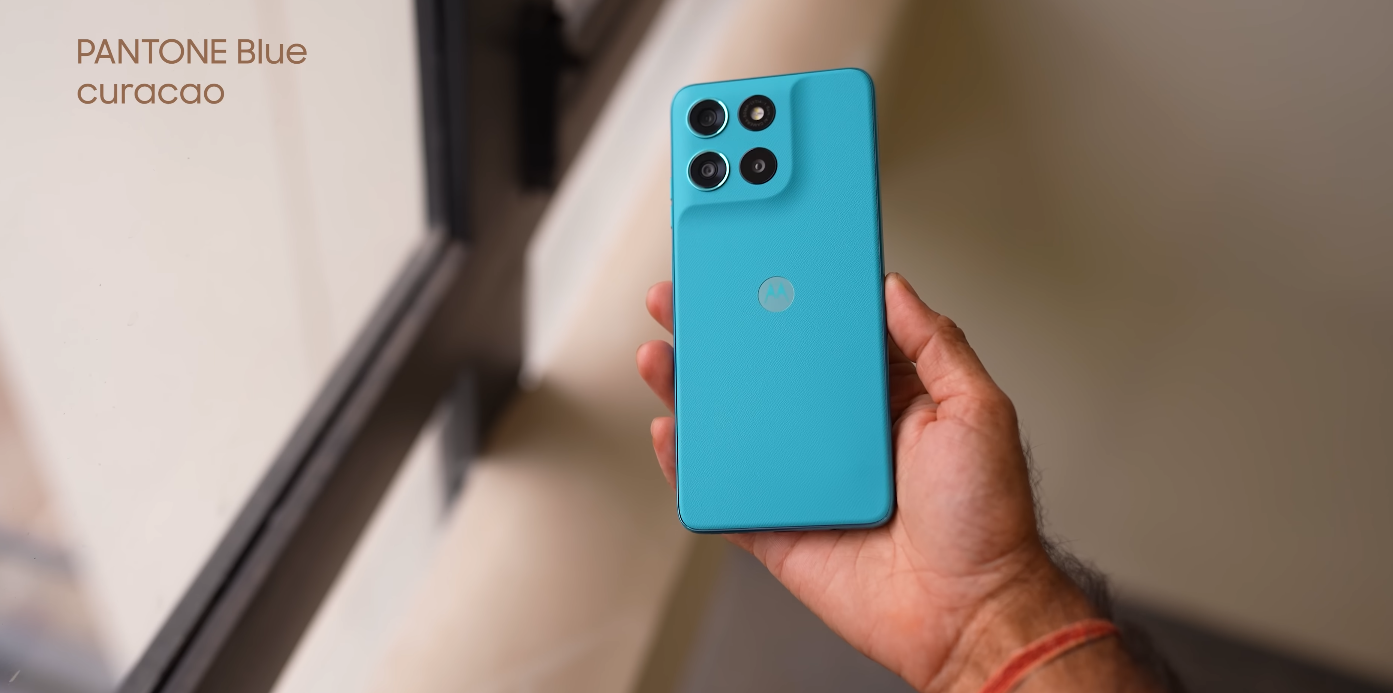
Big generational jump or just a mild refresh?
Motorola’s G-series has been one of the most relied upon mid-range lineups because of its battery performance, clean software approach and consistent everyday stability. The Moto G54 was a successful model in this category because it delivered a smooth UI and dependable endurance without trying to push aggressive hardware gimmicks. The new Moto G67 Power, however, is positioned as a more ambitious step, especially because the Power branding is being paired with a newer platform that aims to raise performance and efficiency at the same time. That shift changes the tone of this generation, and buyers who held the G54 for a full cycle are now weighing whether the upgrade is truly impactful.
The most noticeable improvement sits in processing behaviour. The G54 offered a solid mid-range chipset that was good for social apps, streaming and mixed daily loads, but the new G67 Power brings a stronger and more efficient platform that is better suited for heavier multitasking and longer active sessions. This means the phone is likely to feel faster not just in short bursts but also during extended usage windows. That extra headroom matters for buyers who keep their phones for multiple years instead of replacing every season, because modern apps continue to expand in background workload and caching behaviour over time.
Battery identity also evolves in this generation. The G54 delivered good longevity and remained one of the more dependable options for full-day usage when it launched. The G67 Power aims even higher and adopts a larger battery profile built for extended offline time and heavier screen-on durations. This plays directly into the Power naming tradition, because Motorola is not treating endurance as a minor value add. Instead, it is positioning battery life as a headline point that defines the character of the new model. That gives the G67 Power a stronger separation point versus the G54 rather than a simple spec bump.
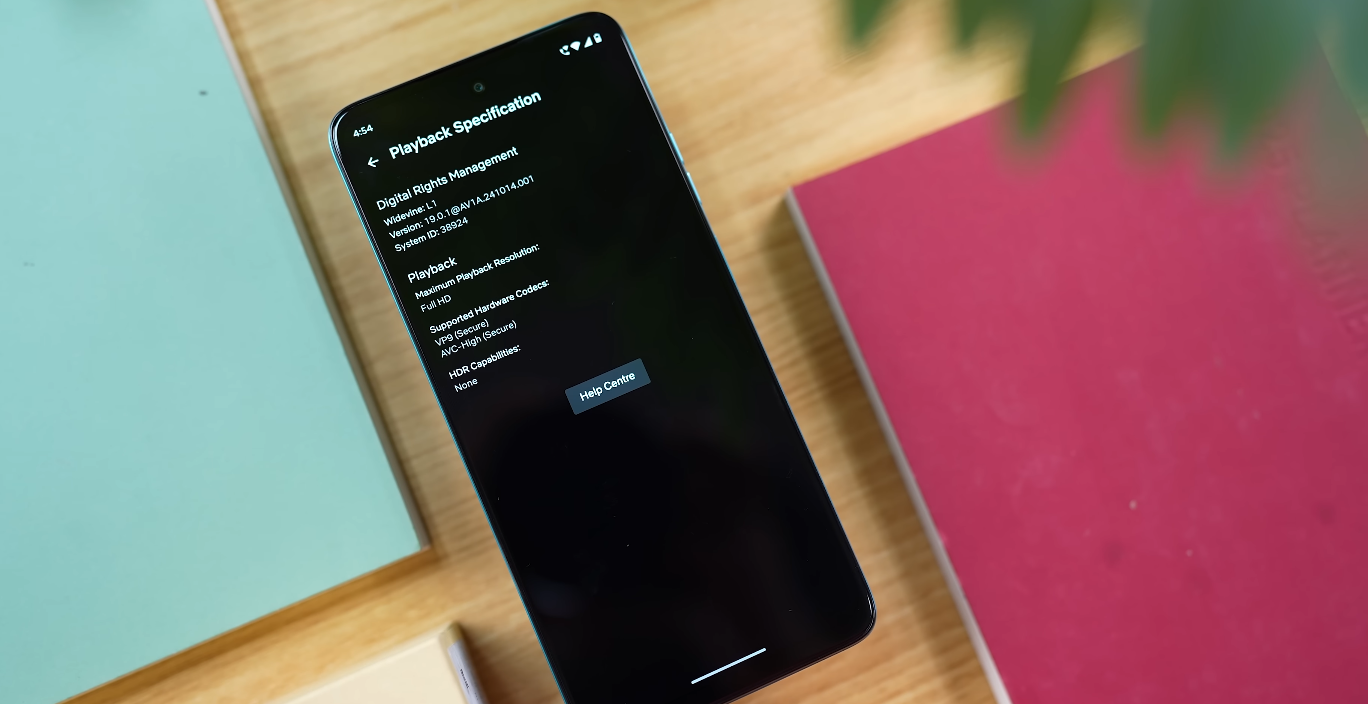
Display experience is another area where the upgrade feels more meaningful than subtle. Both devices support smooth scrolling, but the G67 Power increases the screen area and adds a more refined visual delivery that feels designed for modern consumption habits. Many users today spend hours in short-video interfaces, shopping feeds and photo-first platforms where fluid motion makes a tangible difference in perception. The G67 Power’s display helps the interface feel more responsive and premium-leaning in everyday transitions compared with previous mid-range generations.
Camera behaviour also shifts in this generation, but not in a headline-chasing way. The G54 delivered fairly reliable casual photography for daylight and simple indoor environments. The newer model focuses on cleaner exposure balance, better edge understanding in portrait separation and more stable tuning for mixed and evening conditions. That makes the camera upgrade more practical than flashy, because the results emphasise natural tonality rather than artificial boosting. Many buyers now prefer cameras that feel accurate instead of heavily processed, and this is where the new model quietly improves on the older software tuning approach.
Software lifespan is another practical factor. Motorola continues to keep its interface clean and efficient, which is one of the reasons the G54 built such a positive reputation with mainstream users. But the newer model steps into the current software generation from day one, giving it a longer runway ahead for security and platform continuity. In a world where many users hold onto devices for two to three years, a fresh cycle of software can sometimes be as important as a hardware upgrade because it extends relevance rather than just changing specs.
Connectivity expectations are already broadly met in both devices because 5G is now standard in the mid-range segment. This generation jump is therefore not about network capability differences but about how the combined package improves the daily experience ceiling. When a device runs smoother, lasts longer on a charge and maintains better performance stability after prolonged sessions, users feel the difference even in light everyday usage patterns.
Taken across all categories, the G67 Power is more than a minor update. The G54 remains workable for simple communication usage and light media behaviour, so owners who do not feel limited may still stretch another cycle comfortably. But for buyers who want stronger all-day performance, improved display immersion, longer battery reach and a longer software horizon, the G67 Power delivers meaningful generational improvements that justify considering an upgrade rather than waiting for another refresh.