MacBook Pro Lid Angle Sensor Issues in the UK: Don’t Jump to Conclusions
Understanding the Lid Angle Sensor in MacBook Pro Models
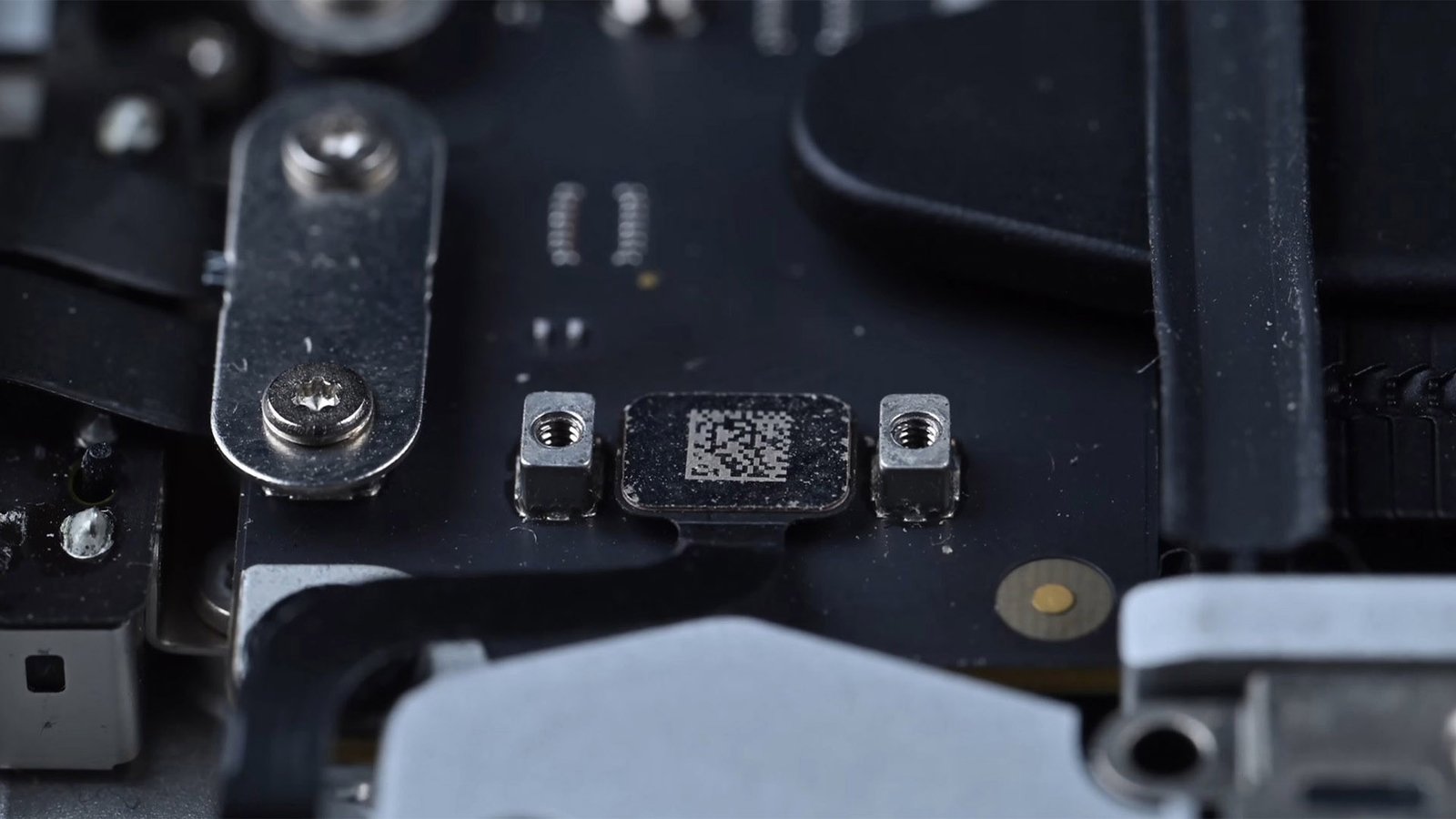
The Apple Silicon MacBook Pro models boast an innovative Lid Angle Sensor, designed to turn off the display when the mini-LED panel approaches the keyboard deck, thereby conserving battery life by allowing the device to enter a sleep state. This clever feature is a testament to Apple’s commitment to enhancing user experience. However, when this sensor becomes faulty, it can introduce a multitude of problems. These issues often mirror typical hardware problems encountered on Mac devices, leading users to believe that their machine has a severe hardware issue.
A faulty Lid Angle Sensor can result in an incorrect diagnosis, making you wrongfully conclude that your MacBook Pro has a serious hardware problem. This can be particularly frustrating for users who rely on their devices for work or other critical tasks. Fortunately, a solution to this issue is readily available, but it requires a thorough understanding of the sensor’s behaviour and how it affects the overall performance of the MacBook Pro.
In the UK, MacBook Pro users can seek assistance from authorized Apple service providers or experienced technicians who specialize in diagnosing and repairing complex hardware issues. By analyzing the sensor’s data and behaviour, these experts can determine whether the problem lies with the Lid Angle Sensor or another component. This approach ensures that users receive an accurate diagnosis and effective solution, rather than unnecessarily replacing hardware components.
Moreover, users can take proactive steps to maintain their MacBook Pro’s health and prevent issues related to the Lid Angle Sensor. Regular software updates, proper device maintenance, and careful handling can all contribute to extending the lifespan of the sensor and the device as a whole. By adopting these best practices, users in the UK can minimize the risk of hardware problems and ensure that their MacBook Pro continues to function optimally.
When dealing with a faulty Lid Angle Sensor, it’s essential to approach the issue with a clear understanding of the sensor’s purpose and how it interacts with other components. By doing so, users can avoid unnecessary repairs and ensure that their device receives the correct diagnosis and treatment. In the UK, Apple users can rely on the expertise of authorized service providers to guide them through the process and get their MacBook Pro back up and running smoothly.
In conclusion, a faulty Lid Angle Sensor can be a significant source of frustration for MacBook Pro users in the UK. However, by understanding the sensor’s behaviour and seeking assistance from experienced technicians, users can resolve the issue efficiently and effectively. With the right approach and expertise, users can prevent unnecessary repairs, reduce downtime, and ensure that their device continues to function at its best.