iPhone 18 Series Review: Models, Prices, Specs and What to Expect in 2027
Overview of the iPhone 18 lineup
Apple has broken its traditional launch rhythm this year, unveiling the premium iPhone 18 Pro, iPhone 18 Pro Max and the foldable iPhone Duo in September and October 2026. While those three devices are already on sale, the rest of the lineup – the base iPhone 18, the cost‑friendly iPhone 18e and the upgraded iPhone Air 2 – are slated for a spring 2027 debut. This staggered approach gives consumers more time to compare Apple’s offerings with rivals such as Samsung Galaxy S25, Apple Watch Series 10 and iPad Air M2.
Models currently available
The iPhone 18 Pro and Pro Max arrive with a refreshed A20 Pro chipset, a 2nm process and a new C2 cellular modem. Both sport a 6.7‑inch OLED display, a smaller but more functional Dynamic Island and up to 2TB of storage. Pricing starts at £1,199/$1,199 for the 256GB Pro and £1,299/$1,299 for the Pro Max, with each storage tier adding roughly £200. The iPhone Duo, Apple’s first foldable, features a 5.4‑inch outer panel and a 7.6‑inch inner display, both Super Retina XDR. It launches at £1,999/$1,999 for 256GB and tops out at £3,199/$3,199 for 2TB.
Pricing expectations for the upcoming models
Apple has not disclosed prices for the base iPhone 18, iPhone 18e or iPhone Air 2. Based on the £100 increase applied to the previous generation, analysts predict a starting price of £899/$899 for the iPhone 18, £699/$699 for the iPhone 18e and £1,099/$1,099 for the iPhone Air 2. These figures could shift if component costs rise further, especially for RAM and display materials.
What we know about specs and features
The standard iPhone 18 is expected to revert to Samsung M12+ display glass, a step down from the M14 used in the iPhone 17. Despite a less efficient panel, the device will benefit from the powerful A20 chip and a boost to 12GB of RAM, aligning it with the Pro models and enabling on‑device AI processing. Anticipated screen size is 6.3‑inch OLED with a typical brightness of 1600 nits in HDR and a peak of 3000 nits. Camera hardware will likely include a dual 48MP rear setup and a 24MP front sensor.
The iPhone 18e will retain a 6.12‑inch LTPS OLED panel at 60Hz, the same A20 chip, and a single 48MP rear camera. It may introduce a Dynamic Island for the first time in an “e” model, though AI features such as full Siri Gemini integration could be limited.
The iPhone Air 2 is projected to keep its titanium chassis while adding a larger 6.55‑inch LTPO display with a 120Hz refresh rate and a second ultrawide lens paired with the existing 48MP main sensor. Colour options are expected to include Space Black, Cloud White and Light Gold, with a new lavender‑ish hue replacing Sky Blue.
How the iPhone 18 series stacks up against competitors
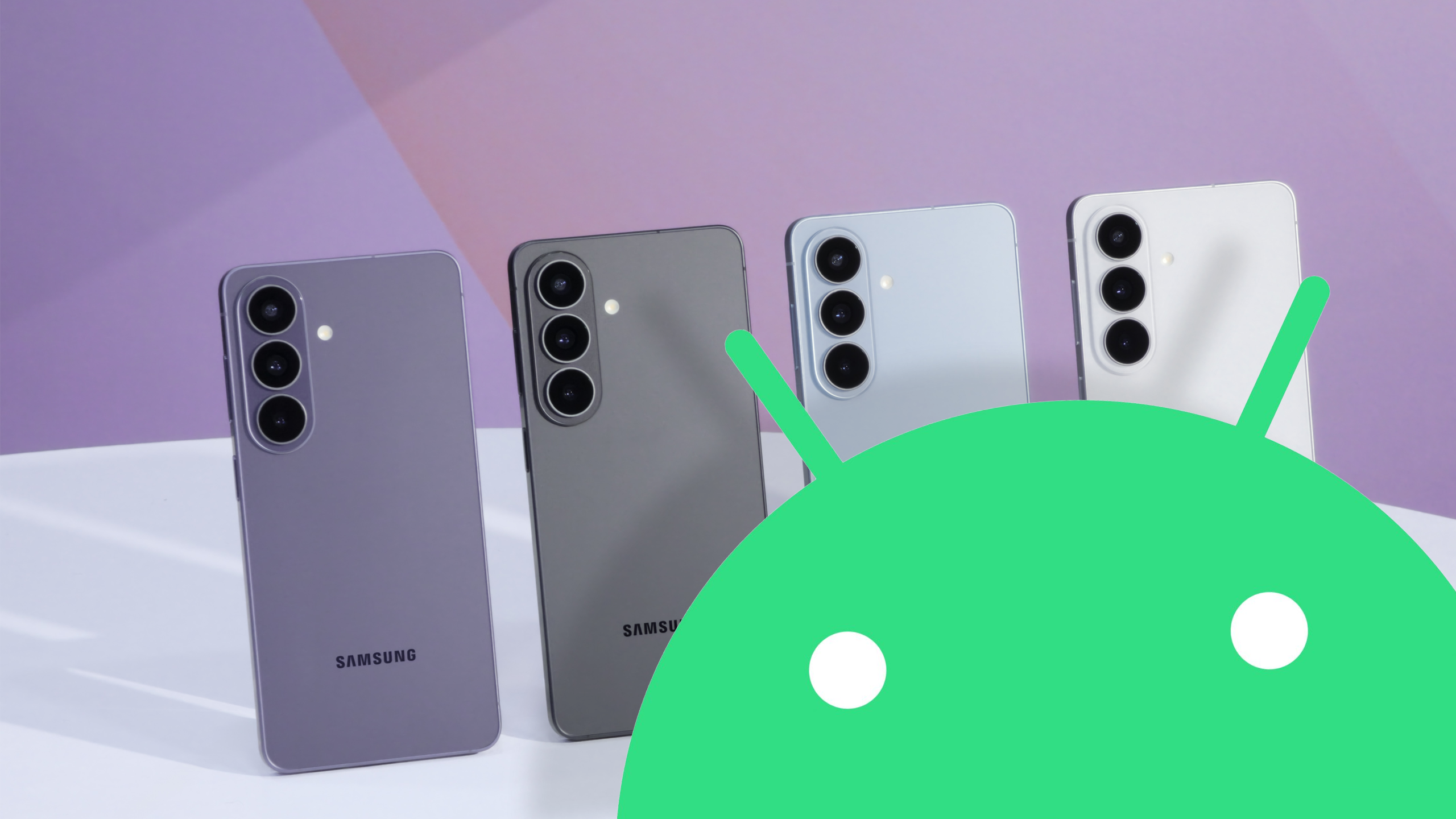
When compared with the Samsung Galaxy S25, the iPhone 18 Pro Max offers comparable camera megapixels but a different software ecosystem centred on iOS 27 and Apple Intelligence. The foldable iPhone Duo competes with emerging foldables from Samsung and Huawei, yet its unique dual‑screen design and integration with Apple services set it apart. For users already invested in the Apple ecosystem, devices like the Apple Watch Series 10 and iPad Air M2 complement the iPhone 18 lineup, providing seamless continuity across wearables, tablets and laptops.
Conclusion
Apple’s iPhone 18 series presents a mix of high‑end innovation and budget‑friendly options. Early adopters can grab the Pro models and the Duo now, while the base iPhone 18, iPhone 18e and iPhone Air 2 will arrive in spring 2027 with competitive pricing and upgraded internals. Whether you prefer the flagship experience, a foldable novelty, or a more affordable entry point, the iPhone 18 family aims to cover every segment of the market while keeping an eye on rivals like Samsung Galaxy S25 and the broader Apple product ecosystem.