iPhone 18 Pro Max Review: Powerful Features Meet Hefty Price in 2026
Overview
The iPhone 18 Pro Max arrives as Apple’s most ambitious flagship of the year, packing a 6.9‑inch OLED panel, the new A20 Pro chip and a variable aperture main camera. While the device delivers the smooth performance and premium build Apple is known for, it also brings a noticeable weight increase and a price jump that makes it a tough sell against rivals such as the Samsung Galaxy S26 Ultra and Google Pixel 11 Pro XL.
Design and Build
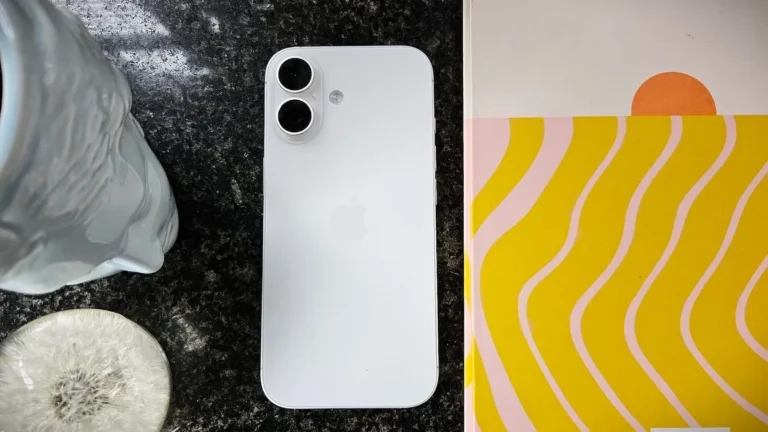
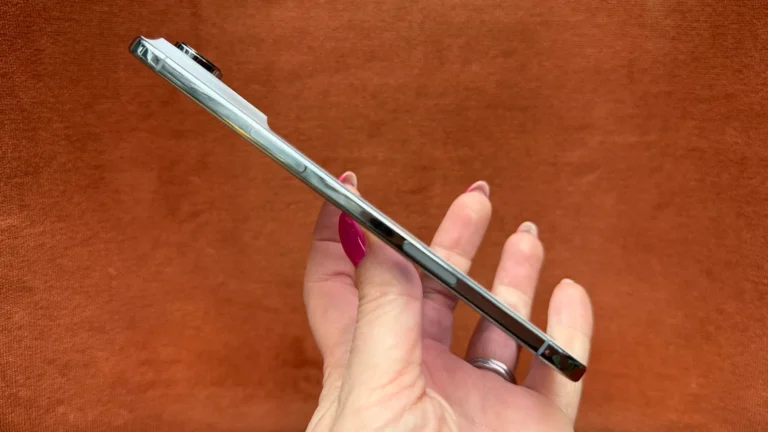
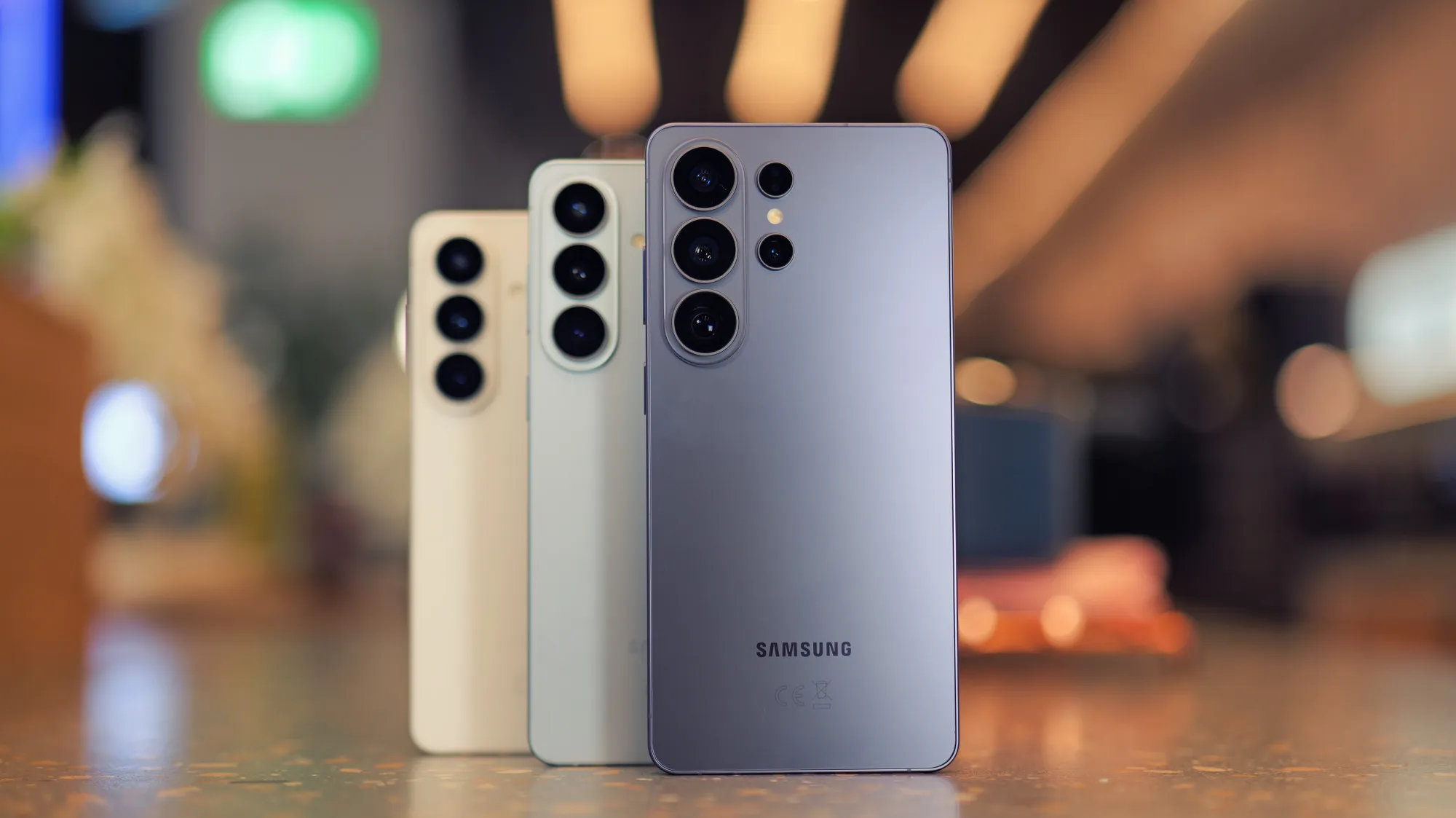
Apple sticks to its signature triangular camera layout but expands the camera module onto a larger plateau. The new colour‑matched aluminium and glass frame feels cohesive, especially in the new Burgundy finish that replaces last year’s Cosmic Orange. At 249 g the phone is heavier than the Pixel 11 Pro XL (226 g) and the Galaxy S26 Ultra (214 g), so prolonged one‑handed use may cause fatigue. Nevertheless, the build quality remains flawless with IP68 dust and water resistance, and the device retains the sleek Ceramic Shield front and back.
Display and Audio
The 6.9‑inch Super Retina XDR OLED screen keeps the same 120 Hz ProMotion refresh rate, 3000‑nit peak brightness and Dolby Vision support as its predecessor. The only visual change is a 25 percent smaller Dynamic Island, which still offers up to three live activities simultaneously. Stereo speakers deliver clear, balanced sound, though they lack the punch of flagship Android phones like the OnePlus Open. FaceID remains the premier biometric, as Apple has phased out fingerprint sensors.
Performance and Specs
Powered by the 2 nm A20 Pro processor and 12 GB of RAM, the iPhone 18 Pro Max feels instantly responsive. Benchmarks such as Geekbench 7 multi‑core score over 11,500, confirming its position at the top of the mobile performance ladder. Storage options range from 256 GB to a massive 2 TB, a rarity among smartphones. The device runs iOS 27, which introduces a generative Siri AI and an adjustable Liquid Glass UI that can be fine‑tuned for transparency.
Camera System
The triple‑camera array all sport 48 MP sensors, but the standout is the variable aperture on the main lens, shifting between f/1.48 and f/4. This gives photographers DSLR‑like control over depth of field and low‑light performance. Users can manually select apertures for bokeh effects or group shots, while the automatic mode handles most scenarios. The 18 MP front camera supports Center Stage and offers solid selfie quality. Compared with Android competitors such as the Oppo Find X8 Pro or Xiaomi Mi 14 Ultra, the iPhone’s camera remains excellent but not the absolute best for pure hardware specs.
Battery Life and Charging
Apple equips the 18 Pro Max with a 5391 mAh battery that comfortably lasts two days under moderate use. Video playback claims up to 45 hours, and real‑world testing confirms minimal impact from streaming services. Fast charging reaches 50 percent in roughly 15 minutes with a 60 W adapter, though the phone still prefers Apple‑branded chargers for optimal speeds. MagSafe wireless charging supports up to 25 W, keeping the ecosystem convenient for accessories like the Apple Watch Series 10.
Software Experience
iOS 27 brings Siri AI, which aims to compete with Google Gemini and other generative assistants. While the feature works well for simple tasks, trust issues arise when the assistant provides inaccurate answers. The OS also offers cross‑app search across Mail, Messages, Notes and Calendar, and a standalone Siri app for quick interactions. Long‑term software support remains a strong point, with Apple promising updates for several years, outlasting many Android devices.
Verdict
The iPhone 18 Pro Max excels in performance, display quality and battery endurance, and its variable aperture camera adds a niche but valuable tool for photography enthusiasts. However, the increased weight, steep starting price of £1,299/$1,299 and modest year‑over‑year upgrades make it a hard recommendation for most users. If you already own a 17 Pro Max, waiting for the cheaper 18 models in 2027 or considering high‑end Android alternatives like the Samsung Galaxy S26 Ultra may provide better value. For those who crave the latest Apple ecosystem, the 18 Pro Max remains a solid, if pricey, flagship.