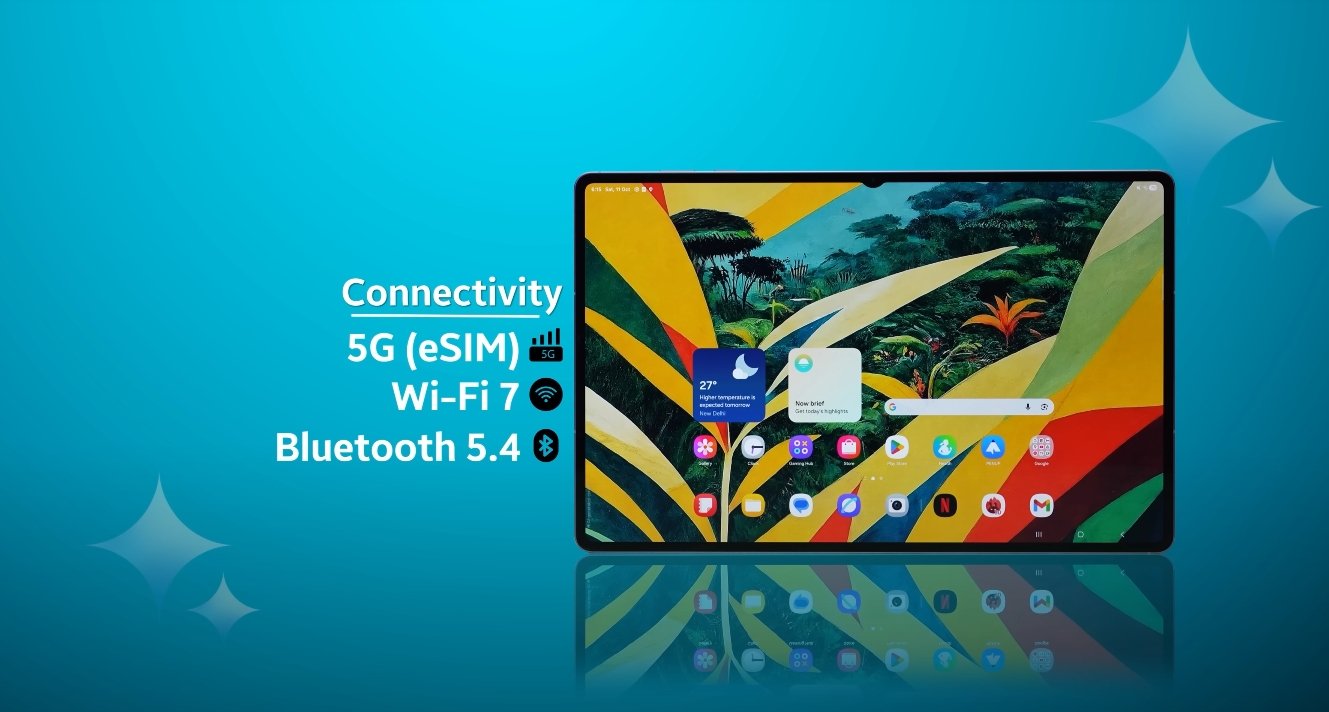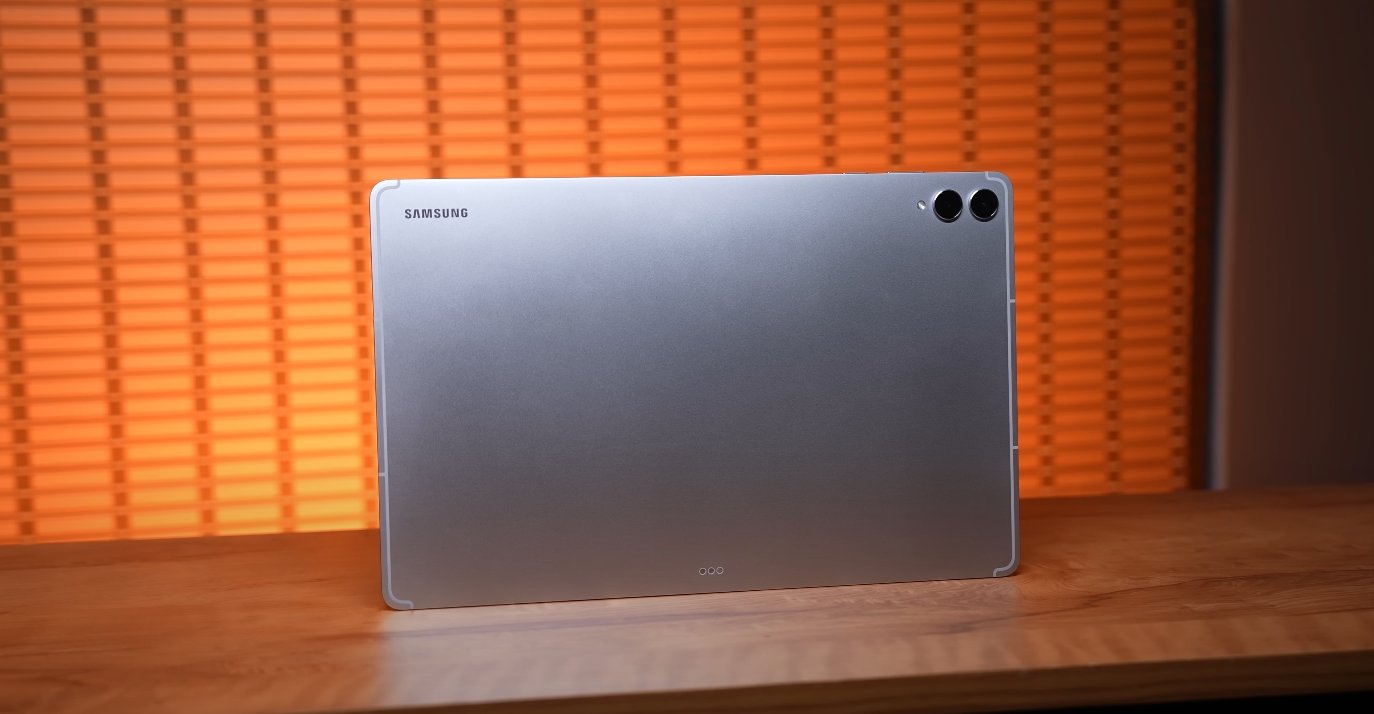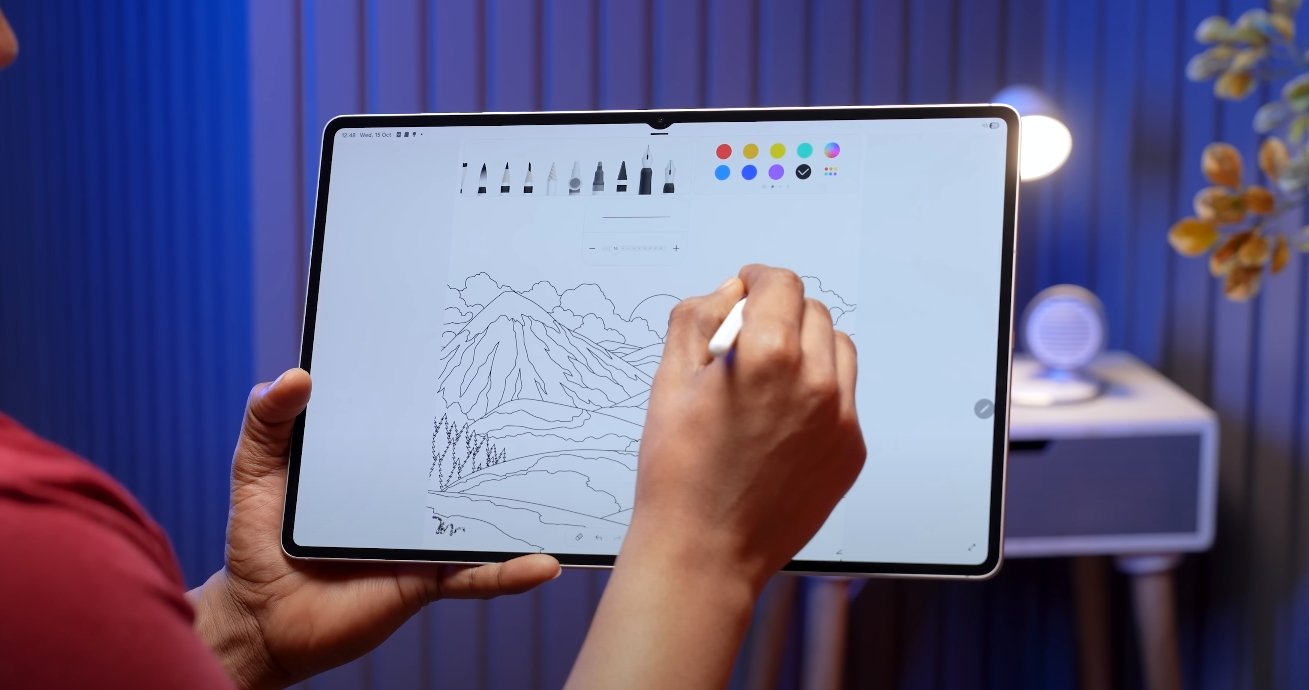
Samsung Galaxy Tab S11 Ultra vs Tab S11 Plus camera test

Samsung Galaxy Tab S11 Ultra vs Tab S11 Plus camera test

Camera Comparison of Samsung Galaxy Tab S11 Ultra and Tab S11 Plus

Samsung’s latest tablets, the Galaxy Tab S11 Ultra and Tab S11 Plus, offer high-end features and premium designs. While both devices cater to professionals, creatives, and tech enthusiasts, their camera capabilities set them apart. Evaluating the camera performance of these two tablets provides insight into which device is better suited for photography, video calls, and content creation.

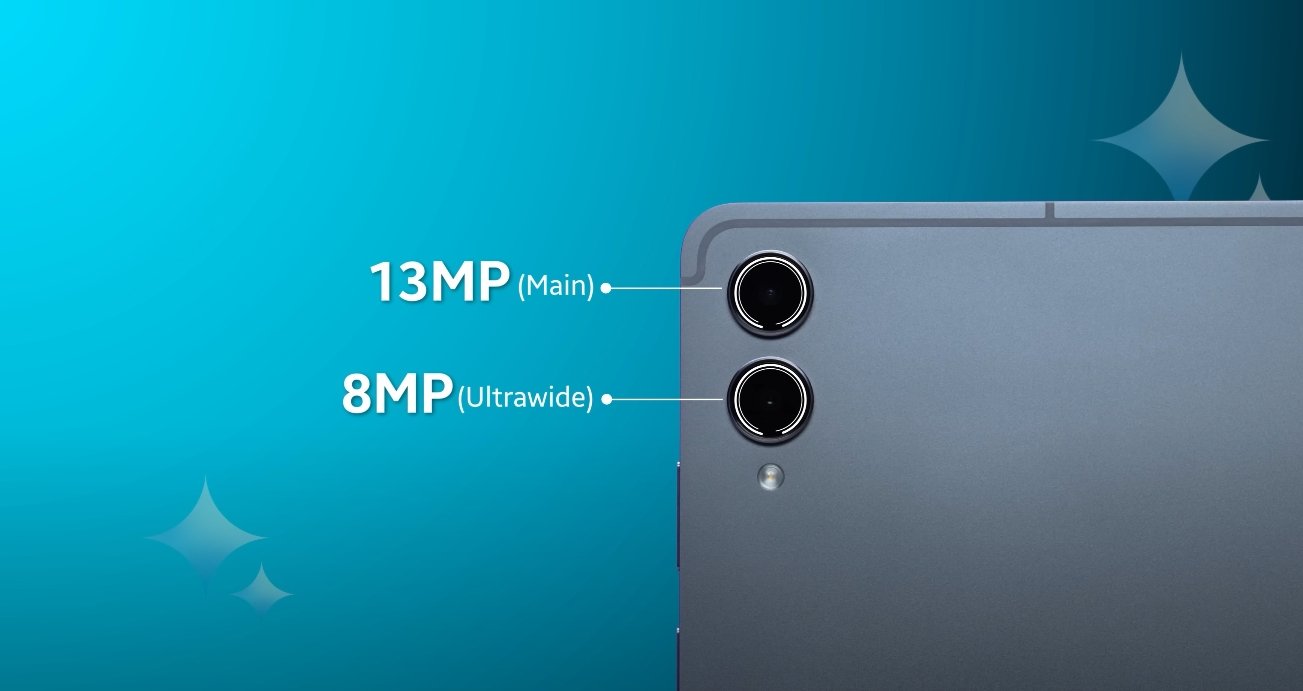
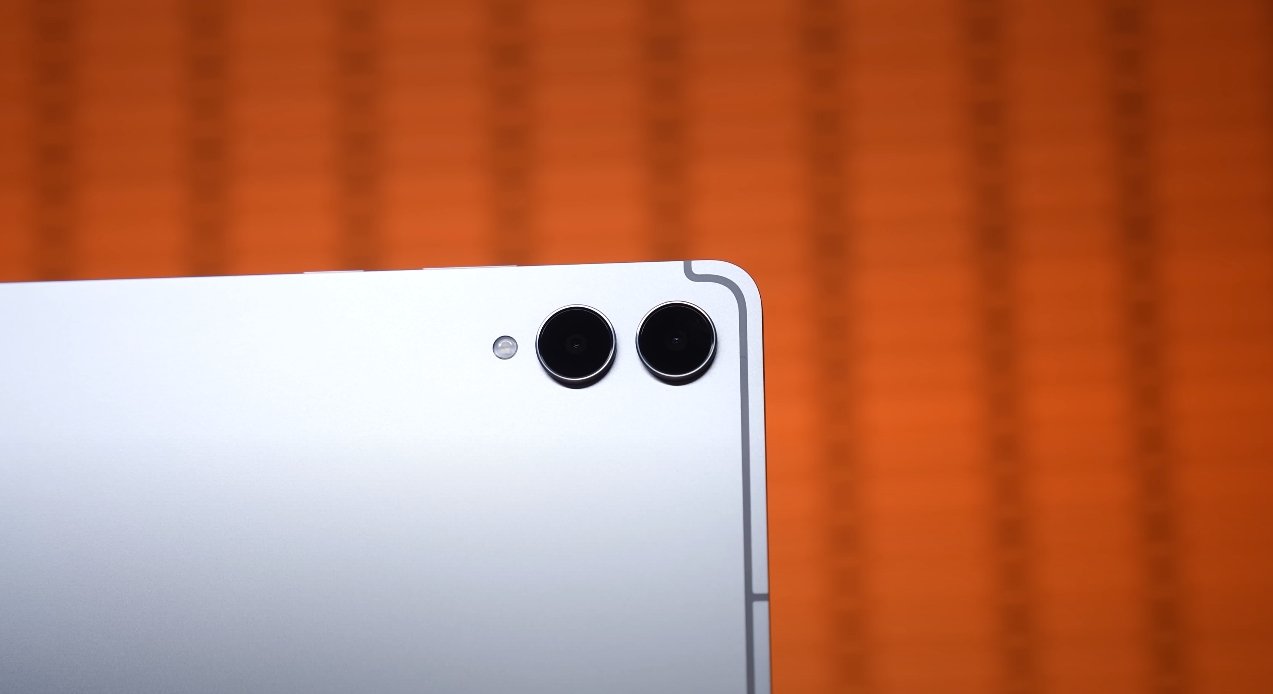
The Galaxy Tab S11 Ultra features a dual rear camera setup consisting of a 13MP primary sensor and an 8MP ultra-wide lens. This combination allows users to capture both detailed standard shots and expansive wide-angle photos. The ultra-wide lens is particularly useful for landscapes, group photography, and creative shots where more of the scene needs to be included. In comparison, the Tab S11 Plus has a single 13MP rear camera, which, while capable of capturing high-resolution images, does not provide the flexibility of a second lens. Users relying on the Plus for wide-angle shots may find it limiting in scenarios where the Ultra excels.

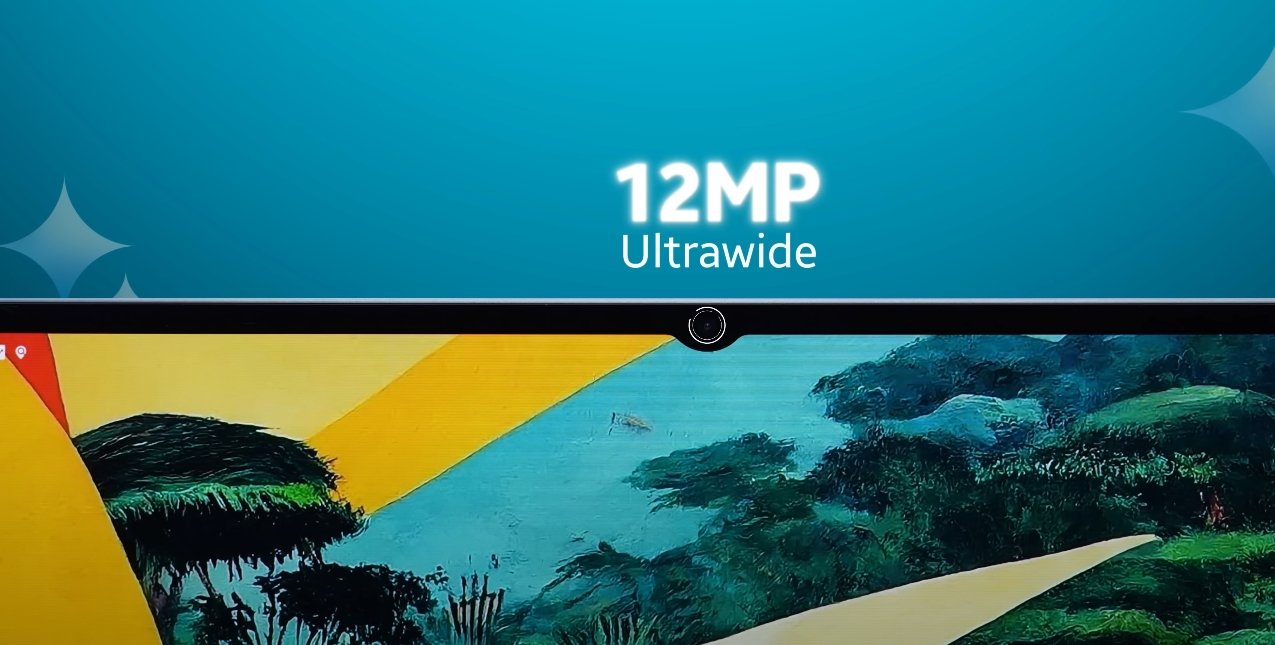
On the front, the Tab S11 Ultra is equipped with dual 12MP cameras, including a standard lens and an ultra-wide lens. This dual setup enhances selfie capabilities, allowing for group shots without cropping and providing a broader field of view during video calls. It is particularly beneficial for professionals attending virtual meetings or content creators producing video content directly from their tablet. The Tab S11 Plus has a single 12MP front camera, which works well for standard selfies and video calls but lacks the versatility of the Ultra. The difference is most noticeable in group calls or vlogging scenarios, where the wider field of view on the Ultra can make a significant difference.
Samsung Galaxy Tab S11 Ultra vs Tab S11 Plus camera test

Real-world testing shows the Tab S11 Ultra’s rear cameras deliver sharper images with better color reproduction and more flexibility. The ultra-wide lens maintains clarity across the frame, allowing users to capture expansive scenes without distortion. Low-light performance is also enhanced on the Ultra due to its advanced sensor and dual-lens setup. In contrast, the Tab S11 Plus captures good quality photos under normal lighting conditions but can struggle in dim environments, especially when trying to include more in the frame. The single rear camera lacks the versatility of an ultra-wide lens, which limits creative options for photography enthusiasts.

For video recording, the Galaxy Tab S11 Ultra provides smoother footage with enhanced stabilization, making it suitable for content creation and professional applications. The dual front cameras allow for more creative angles during video recording and ensure higher-quality video calls. The Tab S11 Plus records videos with clarity, but its single front and rear cameras offer fewer options for creative framing or wide-angle shots. This difference may influence users who rely heavily on their tablet for social media, streaming, or professional video content.

The user interface and camera software on both devices are designed to enhance the photography experience. Samsung’s camera app includes multiple shooting modes, AI-enhanced features, and filters that improve image quality. On the Ultra, switching between the primary and ultra-wide lenses is seamless, enabling quick adjustments depending on the scene. The Plus also provides a smooth camera interface but lacks the flexibility and additional shooting options offered by the dual-lens setup on the Ultra.
Samsung Galaxy Tab S11 Ultra vs Tab S11 Plus camera test

Battery performance during extended camera use is another consideration. The Galaxy Tab S11 Ultra, with its larger battery, handles prolonged photography and video recording sessions without significant drain. The Tab S11 Plus also performs well but may require more frequent charging during extended usage, particularly when recording videos or using high-resolution modes.

In conclusion, both the Samsung Galaxy Tab S11 Ultra and Tab S11 Plus provide strong camera capabilities suitable for everyday photography, video calls, and creative use. However, the Ultra’s dual rear and front camera setup offers superior flexibility, enhanced wide-angle capabilities, and better low-light performance. It is the better choice for users who prioritize photography, videography, and professional content creation on a tablet. The Tab S11 Plus, while slightly more limited in its camera features, still delivers high-quality imaging and serves well for standard photography, video calls, and casual content creation. Choosing between the two depends on the user’s need for versatility, creative flexibility, and advanced camera performance.

Also Read:  Redmi Pad 2 Pro long-term review after weeks of daily usage
Samsung Galaxy Tab S11 Ultra long term durability test

Samsung Galaxy Tab S11 Ultra long term durability test

How the Galaxy Tab S11 Ultra Holds Up After Months of Use

The Samsung Galaxy Tab S11 Ultra has been one of the most premium Android tablets in the market since its launch, praised for its sleek design, powerful hardware, and stunning display. But the real test of a flagship device comes not in the first few weeks, but in how it performs and holds up after months of continuous use. Long-term durability has become a key concern for users investing in such high-end devices, and the Tab S11 Ultra has gone through several months of real-world usage and endurance testing to reveal how well it stands the test of time.

From the very beginning, Samsung built the Galaxy Tab S11 Ultra using an Armor Aluminum frame and Gorilla Glass Armor protection on the front. After months of use, the build quality still feels solid and premium. The aluminum edges resist bending, and the device shows no signs of frame warping or flexing, even under moderate pressure. Minor scratches can appear on the metal body if used without a case, but the matte finish helps hide them well. The screen, on the other hand, has proven highly resistant to everyday scratches from items like keys or pens. Even after months of heavy usage, most users find the display remains crystal clear with minimal visible wear.

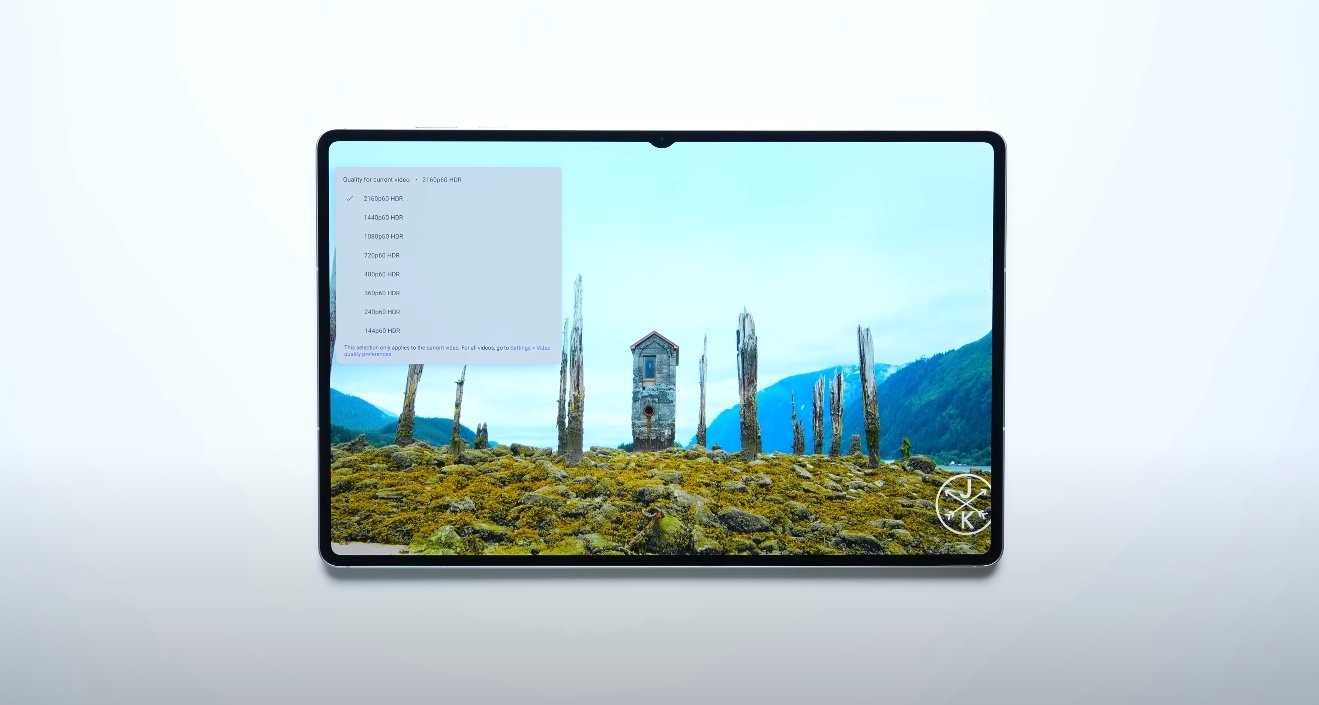
The 14.6-inch Dynamic AMOLED 2X display remains one of the best in the tablet industry. Over time, there are no visible burn-in effects or brightness drops. The adaptive refresh rate continues to perform smoothly, maintaining vivid colors and deep contrast levels. Even after extended daily use for video streaming, gaming, or creative work, the display shows no significant degradation. The screen coating also resists fingerprints better than earlier Galaxy Tab models, reducing the need for constant cleaning.

Samsung Galaxy Tab S11 Ultra long term durability test

When it comes to physical durability, the Galaxy Tab S11 Ultra performs impressively in long-term handling tests. It has a very thin frame, but Samsung’s reinforcement design prevents bending or twisting during use. Drop tests from table height show minor corner dents if unprotected, but the internal components remain intact. The tablet’s structure absorbs impact well, and there are no screen separations or display cracks in most standard falls. It’s clear that Samsung has learned from previous generation designs and made the frame stronger without adding unnecessary weight.

The IP68 water and dust resistance also holds up well after months of real-world exposure. Accidental spills, splashes, and even brief outdoor rain exposure do not cause any functional damage. The charging port and speakers continue to perform clearly, and the S Pen still attaches magnetically and charges wirelessly without any drop in performance. The S Pen’s tip remains durable despite daily writing or sketching, though some light users might notice tip softening after extensive use, which can be easily replaced.

Internally, the Galaxy Tab S11 Ultra shows stable performance even after extended usage. The Snapdragon 8 Gen 3 chipset and cooling system maintain smooth operation without overheating. Sustained performance tests reveal that Samsung’s vapor cooling chamber effectively controls thermal buildup, keeping the tablet cool during gaming or multitasking. Battery health also remains consistent, with only minor capacity drops after hundreds of charging cycles. On average, users report around 90 to 92 percent of original capacity after six months, showing that Samsung’s adaptive charging technology effectively reduces wear on the battery cells.

Audio performance and speaker durability also remain strong. The quad-speaker setup, tuned by AKG, maintains clarity and volume consistency even after continuous use. There are no signs of speaker distortion or degradation, and the microphones also function reliably for video calls and recording. The USB-C port and keyboard connection pins show no looseness or connectivity issues, further reinforcing the product’s overall build stability.

After several months of real-world testing, the Galaxy Tab S11 Ultra stands out as one of the most durable Android tablets available. Its premium materials, sturdy frame, and advanced protection layers ensure long-lasting usability. While minor cosmetic wear is expected over time, there are no major concerns about its structural integrity or internal reliability. From its robust display and water resistance to its consistent battery and processor performance, the tablet proves to be a solid long-term investment for professionals, students, and creative users alike. Samsung’s attention to both design and endurance makes the Galaxy Tab S11 Ultra a flagship that truly lasts.

Also Read:  Moto G06 Power 5G in USA myth or reality

Samsung Galaxy Tab S11 Ultra display quality vs iPad Pro

Samsung Galaxy Tab S11 Ultra display quality vs iPad Pro

A close look at two of the best tablet screens

When it comes to premium tablets, display quality is one of the most important factors for buyers in the United States. The Samsung Galaxy Tab S11 Ultra and the iPad Pro represent two different approaches to creating top-tier screens. Both aim to deliver sharp visuals, vibrant colors, and smooth responsiveness. However, their differences in technology and performance make them unique choices for users with different priorities.

The Samsung Galaxy Tab S11 Ultra features a large 14.6-inch Dynamic AMOLED 2X display with a 120 Hz refresh rate. It offers high peak brightness, making it easy to use in both indoor and outdoor environments. The panel is designed to provide deep blacks and vibrant colors, ensuring that everything from streaming content to graphic design work appears crisp and immersive. Samsung’s display is particularly known for its sharp contrast and clarity, giving it a strong advantage in visual impact and outdoor readability.

Apple’s iPad Pro, on the other hand, uses a tandem OLED Ultra Retina XDR display on its latest models. It is slightly smaller but focuses on perfect color calibration and professional-grade accuracy. The iPad Pro is optimized for tasks that require color precision, such as video editing, photo retouching, and digital illustration. Its display delivers excellent contrast levels, making whites appear pure and blacks inky deep. This color accuracy is one of the key reasons why many professional creators and designers choose the iPad Pro for their daily work.

Samsung Galaxy Tab S11 Ultra display quality vs iPad Pro

When it comes to refresh rate and responsiveness, both tablets support up to 120 Hz. This ensures smooth scrolling, fluid animations, and responsive pen input. The Galaxy Tab S11 Ultra offers an immersive experience due to its larger canvas, which can be especially useful for multitasking or working with multiple apps side by side. The iPad Pro, while more compact, pairs its display with precise Apple Pencil support, which is widely praised for its low latency and natural feel during creative work.

Another area where the two displays differ is outdoor usability. The Tab S11 Ultra’s high brightness levels give it an edge in bright conditions. Whether reading documents on the go or streaming content outdoors, the display remains clear and vivid. The iPad Pro also performs well in sunlight, with strong brightness and excellent anti-reflective coatings, but the Samsung’s slightly higher peak levels make it stand out for users who need a larger and brighter display in challenging lighting.

Screen size and portability are also important considerations. The Tab S11 Ultra’s large 14.6-inch screen offers a truly cinematic experience for watching movies or working on large projects. This size can be a huge advantage for users who prefer a spacious canvas. However, it also makes the device less portable and more suited for use at a desk or with a stand. The iPad Pro, with its smaller and lighter design, is easier to carry and handle, making it better suited for travel, education, or quick on-the-go work.

For creative professionals, the decision often comes down to how the display fits into their workflow. The iPad Pro’s excellent color calibration and creative app ecosystem make it ideal for artists, designers, and video editors. The Tab S11 Ultra, with its bigger and brighter panel, is more appealing to users who value immersive media experiences, multitasking, or outdoor usability. Both displays offer high resolution, vibrant colors, and smooth refresh rates, ensuring a premium experience either way.

In the end, both the Samsung Galaxy Tab S11 Ultra and the iPad Pro offer some of the best tablet screens on the market. Samsung’s display shines in brightness, size, and immersion, making it a top choice for media consumption and productivity. Apple’s display stands out for its precise color accuracy, professional-grade calibration, and portability. Choosing between them depends on what matters most to the user — a larger, brighter screen or a more portable, color-accurate canvas. Either way, both tablets set a very high standard for display quality in 2025.

Also Read:  Xiaomi Pad Mini features Google Gemini AI assistant

Samsung PM9E1: The Ultra-Compact PCIe Gen5 SSD Quietly Changing the Game

A New Era of Compact Storage: Samsung’s PM9E1 Breaks Cover

Samsung has once again pushed the boundaries of storage technology, quietly unveiling a remarkable new solid-state drive that promises to reshape the landscape of high-performance computing. The much-anticipated PM9E1 SSD emerges as a testament to relentless innovation, delivering blistering speeds in an extraordinarily tiny package. This stealthy arrival marks a significant leap forward, particularly for devices where space is at an absolute premium.

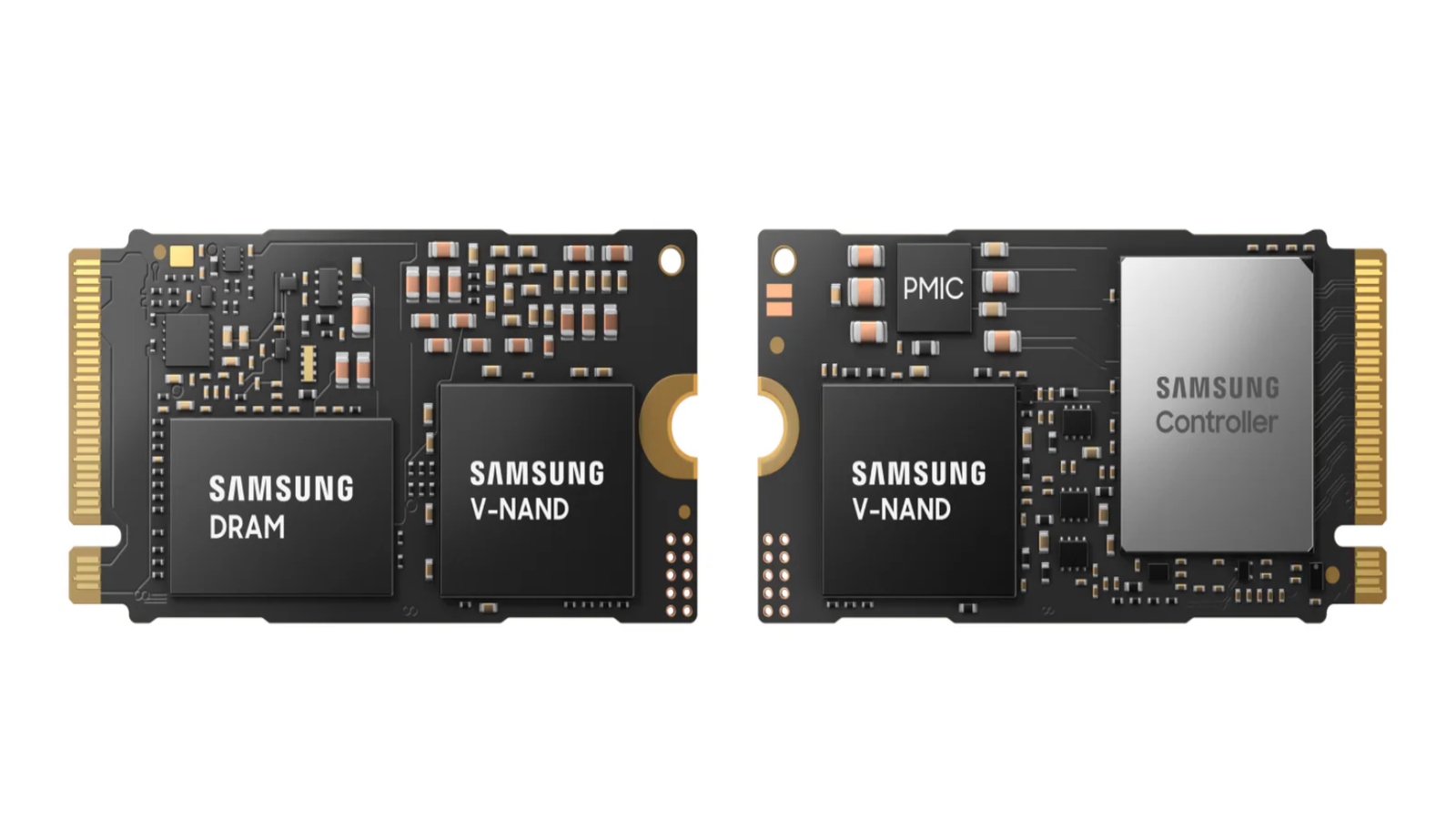
Dubbed by some as a “mini-9100 Pro,” the PM9E1 boasts a minuscule footprint, measuring just 22 x 42mm. This compact M.2 2242 form factor is a game-changer, allowing for integration into thinner laptops, embedded systems, and even industrial applications where traditional, larger SSDs simply wouldn’t fit. Despite its diminutive size, it houses advanced PCIe Gen5 capabilities, a feature previously reserved for much bulkier drives.

The inclusion of PCIe Gen5 support is perhaps the most striking aspect of the PM9E1. This next-generation interface provides double the bandwidth of PCIe Gen4, enabling unheard-of data transfer rates. For consumers and developers alike, this translates to lightning-fast boot times, near-instantaneous application loading, and incredibly rapid file transfers, fundamentally enhancing overall system responsiveness and user experience.

Achieving such a powerful performance profile within these tight physical constraints is a remarkable engineering feat. It showcases Samsung’s prowess in component miniaturisation and power efficiency, critical factors when designing for compact devices. The drive exemplifies how cutting-edge flash memory controllers and NAND technologies are being integrated more efficiently than ever before, paving the way for future advancements in storage.

The implications for various market segments are profound. Ultra-thin notebooks, often constrained by space, can now benefit from enterprise-grade speeds without compromise. Similarly, the industrial computing sector and Internet of Things (IoT) devices, which require robust and fast storage solutions in harsh or confined environments, will find the PM9E1 to be an invaluable component, driving new possibilities.

However, while the PM9E1 champions technical progress, it also brings into focus certain practical limitations that inevitably arise with such advanced miniaturisation. Foremost among these is the challenge of thermal management. Cramming high-performance components into such a small area naturally generates heat, which must be efficiently dissipated to maintain optimal performance and longevity.

Manufacturers integrating the PM9E1 will need to devise sophisticated cooling solutions, potentially requiring innovative heatsink designs or careful airflow management within their devices. Without adequate thermal control, the drive’s impressive speeds could be throttled, undermining its full potential. This underscores the delicate balance between raw power and practical implementation in real-world scenarios.

Another consideration is the current ecosystem for PCIe Gen5. While motherboards and CPUs supporting this standard are becoming more prevalent, they are not yet ubiquitous, particularly in the compact device categories the PM9E1 targets. Furthermore, the bleeding-edge nature of this technology often comes with a premium price point, which might initially limit its widespread adoption to high-end and niche markets.

Despite these hurdles, the arrival of the PM9E1 serves as a clear indicator of the future direction for solid-state storage. It foreshadows a world where powerful computing capabilities are seamlessly integrated into an ever-shrinking array of devices, from personal electronics to industrial automation. Samsung is setting a new benchmark for what is achievable in compact, high-speed storage.

In conclusion, Samsung’s PM9E1 is more than just another SSD; it’s a harbinger of innovation, demonstrating how the pursuit of smaller, faster, and more efficient components continues to redefine technological possibilities. Its silent emergence speaks volumes about the continuous push for excellence, promising a future of unprecedented performance in the smallest of packages, provided the practical challenges can be deftly navigated.

Samsung S25 Ultra VS iPhone 16 Pro Max Game Performance

Samsung S25 Ultra VS iPhone 16 Pro Max Game Performance

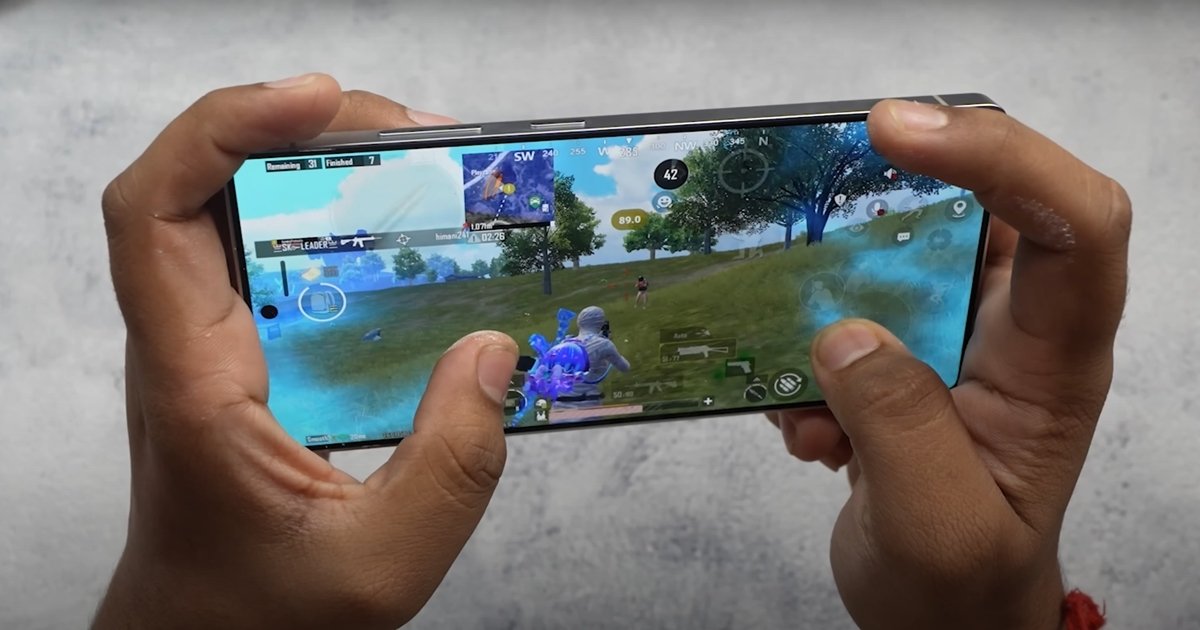
Today I will share the data of Samsung Pro with you. First of all, iPhone 16 max 120 FPS is available unlocked, smoothly. After that I will show you about 120 FPS.


Let’s see a little gameplay of BGMI and then see on Rangal


How much FPS does it drop while jumping, about 90, we have come to Rangal, the mirror event is going on. Right now according to the latest update of BGA, as soon as we jump, as soon as we are going to land, that means towards the event, there it is comfortably showcasing 90 FPS for now.


As soon as we landed and while landing, people were seen here. So brother almost 34 became 32 and it is giving 90 FPS. So it was giving 90 FPS on TDM as I told you, so I am sure, because I have already tested this phone in 120 FPS. So, I have seen as much heavy end on 90fps performance, here there were almost 35 plus enemies and even in that it gave me strong 90fps easily.


If I give a small word, almost half an hour of game play has been done. Before and after temperature change is there. At 120 FPS and yes it gets hot, a little.


So in the event, then I jumped into the next event too, so I understood that this phone is not creating any issue regarding 90 FPS. And if it is giving, then I will not recommend that phone to you, there you can play well for 60. There we have seen how much the battery dropped at 90 FPS. So right now, s25 ultra is super capable of 90fps gaming. And you will get to see strong 90fps, let’s move on, I have already tested iPhone11 at 120fps. And my results are always such that people think that I have taken something from somewhere. That apple-fruit apple id is here, just watch the rest a little bit, after this I will go to Rangal’s gameplay.


You have seen TDM, now let’s go to Rangal


Right now it is 120, on the play path we have almost reached almost a little towards the event. Here let’s see how much this FPS increases or not. It is at 118 117 and enemies are around, which I can call a real event, FPS had come around 100.


And one guy was dealt with here, no problem, 30 plus guys are still there and 110 120 does not matter. Yes, now it is 120, now if you keep watching, then here on the changes of FPS, there is not so much load, so 120 is coming stable here. I mean I will not say stable, it is giving fluctuation. I don’t seem to have any such complaint.


Game play of around 20 minutes


Right now there was a slight 30 low lag, no issue but sorted, so 120 on the range, so right now I am saying, it is giving good results. So I jumped on the first event, there it gave me 120 comfortably, so I have no complaints. I saw a guy, let’s go to him, the FPS was slightly below 100. No one, I think, so there are two enemies here, first let’s try to settle it in the air a little. Brother, why did it go below 100. The FPS is slightly okay, no issue, it was not below 100, meaning it was below, so 120 is playable, for now it is giving stability comfortably. So, it went well on that event.


Now we are jumping on the event once again, meaning almost 20 minutes have passed here. 17 guys and below 90 FPS has dropped to 100, still it is at 120 and here it is finished. Below 90 FPS was not below 100 but around 95. So it is trying to give average FPS below 100. And here just understand how long it will be. Game play of around 20 minutes, till now brother I got backup after backup.


After 1.5 Hour game play


If I give a small word, almost half an hour of game play has been done. Before and after temperature change is there. At 120 FPS and yes it gets hot, a little. Not a little but it gets quite hot at 120. Even without turning on 4x lighting. The clear word for this is that it makes you play the game of 16 pro.


The phone heats up, but at some places it touches 100 or even below 100 FPS. And in some scenarios it touches 90 for a few seconds. And for now, after this I will set 120 for s25 ultra. There is a complaint because I want to watch PUBG because PUBG is giving it. So what can we do.

Also Read: Samsung S25 Ultra VS iPhone 16 Pro Max Top Features

Samsung S25 Ultra VS iPhone 16 Pro Max Top Features

Samsung S25 Ultra VS iPhone 16 Pro Max Top Features

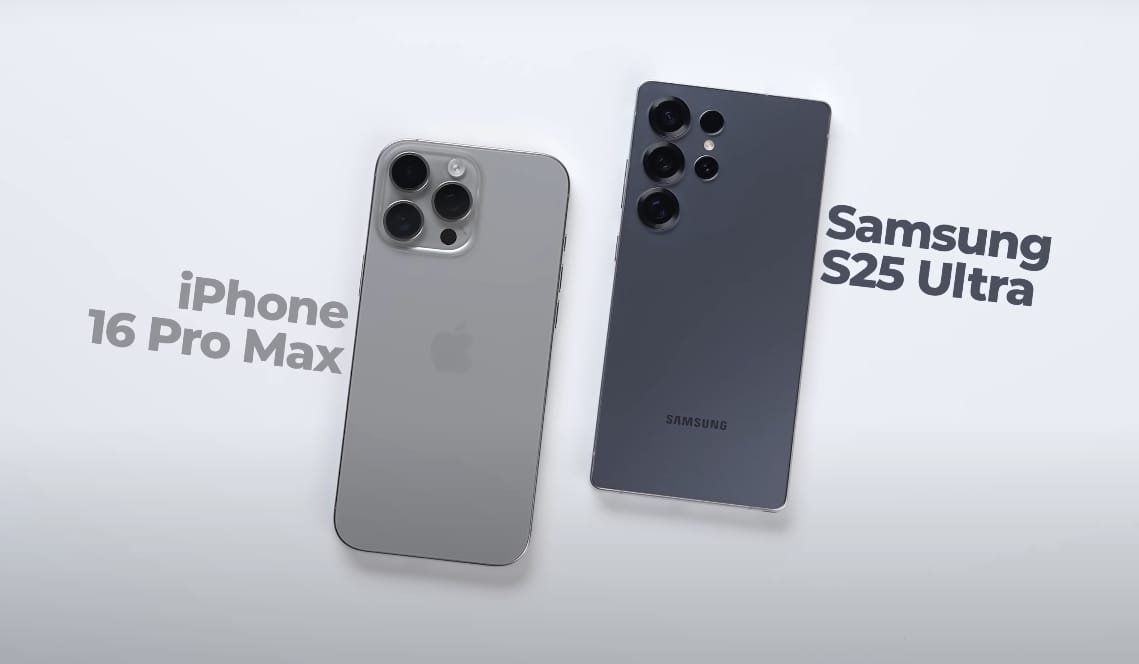
It’s tough to choose between the Samsung Galaxy S25 Ultra and the iPhone 16 Pro Max – both are packed with cutting-edge tech, but are meant for different users. After using both for months, here’s our detailed comparison to help you decide.


Design, frame and build quality


The S25 Ultra feels lighter (218 grams) and more comfortable thanks to its rounded edges and thin bezels. The Gorilla Armor 2 glass resists scratches better, and the anti-reflective coating makes a huge difference outdoors.


The iPhone 16 Pro Max is a bit heavier, but feels more premium with its titanium frame. Ceramic Shield 3 and deep waterproofing (6 metres vs Samsung’s 1.5 metres) make it more durable. The new camera control button is useful, but the action button still feels underused.


Display brightness vs anti-glare


Samsung’s 6.9-inch Dynamic AMOLED 2X screen is great, with a sharp resolution and an anti-glare coating that works surprisingly well in sunlight. The 120Hz adaptive refresh rate keeps everything smooth. It also gets a slightly bigger display, which is also quite good for gaming.


Samsung S25 Ultra VS iPhone 16 Pro Max
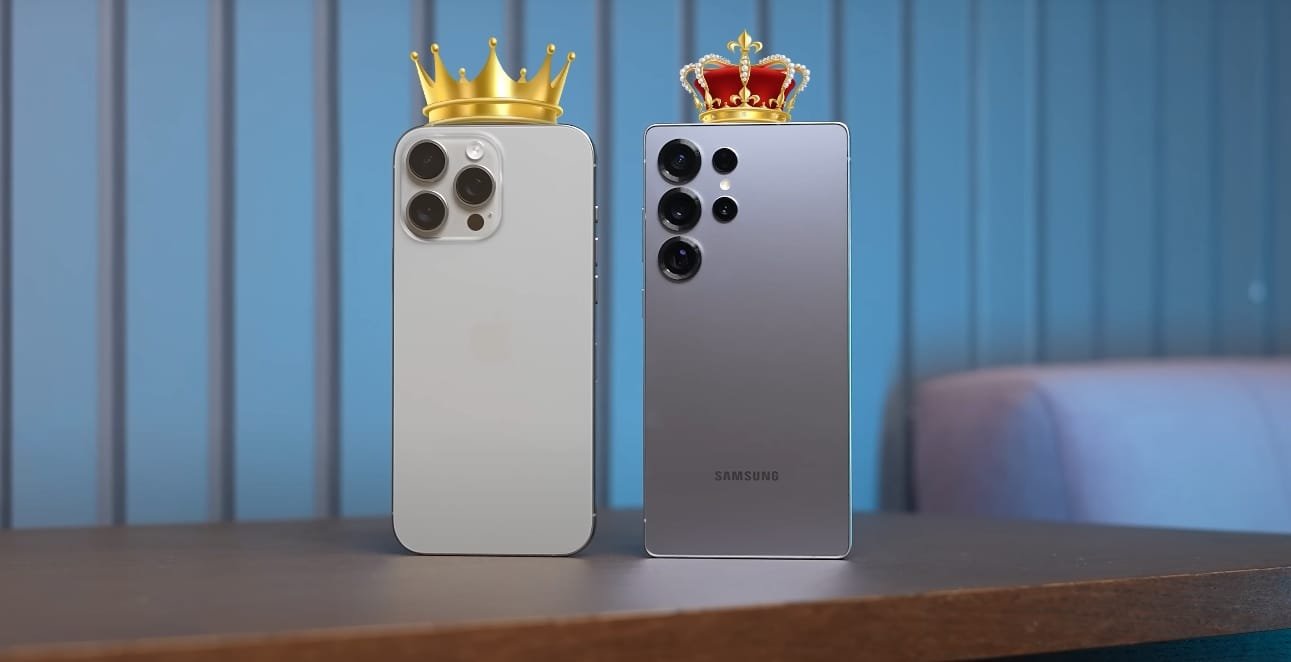
Samsung S25 Ultra And iPhone 16 Pro Max


Apple’s 6.9-inch display is a little dim in specs but is bright in real-world use. Dolby Vision support gives it an edge for HDR content, especially if you watch a lot of Apple TV+.


Camera Features & Photos Quality


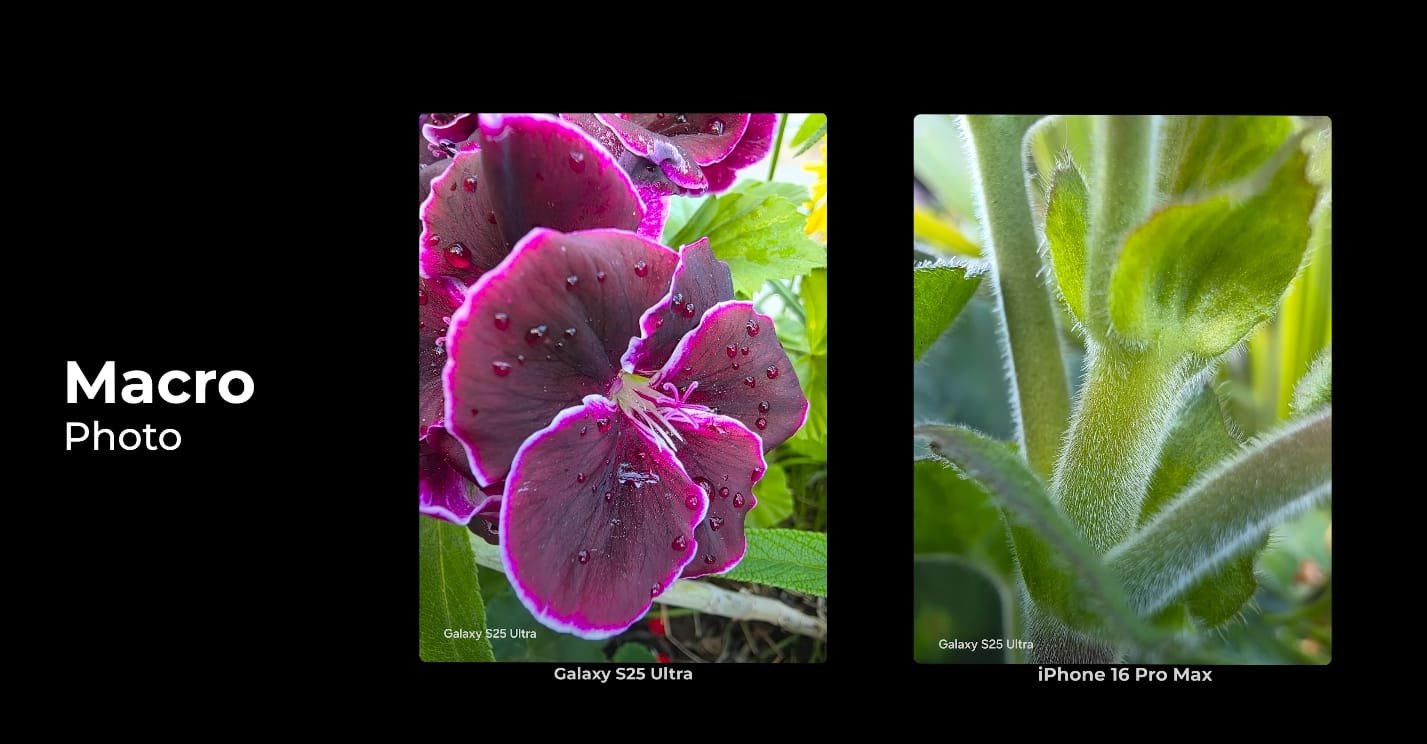
The S25 Ultra’s quad-camera system is versatile, with a 200 MP main sensor and 10x optical zoom. The AI-powered editing tools are impressive, removing objects and adjusting colors seamlessly. However, shutter lag can still be an issue with fast-moving subjects.


The iPhone 16 Pro Max keeps things simple with a 48 MP main sensor and 5x telephoto. Its video quality is still unmatched with better stabilization and ProRes Log support. Apple’s photo editing seems to lag behind Samsung, but colors look more natural in daylight.


Software that can deliver better multitasking and gaming


The S25 Ultra’s Snapdragon 8 Elite chip is great, handling heavy multitasking and gaming with ease. Galaxy AI works great for on-device tasks, and vapor chamber cooling prevents overheating.


The iPhone’s A18 Pro chip is fast in single-core tasks, but Apple intelligence feels incomplete. There is a slight delay in Siri’s smart features, but if you are deep into the Apple ecosystem like FaceTime, CarPlay, AirDrop, the iPhone still integrates better. The processors of the two phones are not much different in real life.


Battery charging and better optimization


The S25 Ultra’s 5,000mAh battery lasts all day, and 45W fast charging gets it to 72% in 30 minutes. The iPhone 16 Pro Max has a smaller battery but better optimization, often with 40% battery left at the end of the day. However, its 20W charging seems slower, taking twice as long to reach 50%.


Starting price by variant


The S25 Ultra has a starting price of $1,299 (256GB), with carriers often offering free storage upgrades or trade-in discounts. The iPhone 16 Pro Max starts at $1,199 (256GB), but the 1TB model costs $1,599, making Samsung the better deal for storage.


Samsung S25 Ultra VS iPhone 16 Pro Max Performance Test

Samsung S25 Ultra VS iPhone 16 Pro Max Performance Test by techsputit.com

We have been gaming on both the Samsung S25 Ultra and iPhone 16 Pro Max flagship phones for several weeks and tested them from a real user perspective. Here is our detailed experience of how these phones perform in gaming and what problems are faced.


In terms of graphics and performance


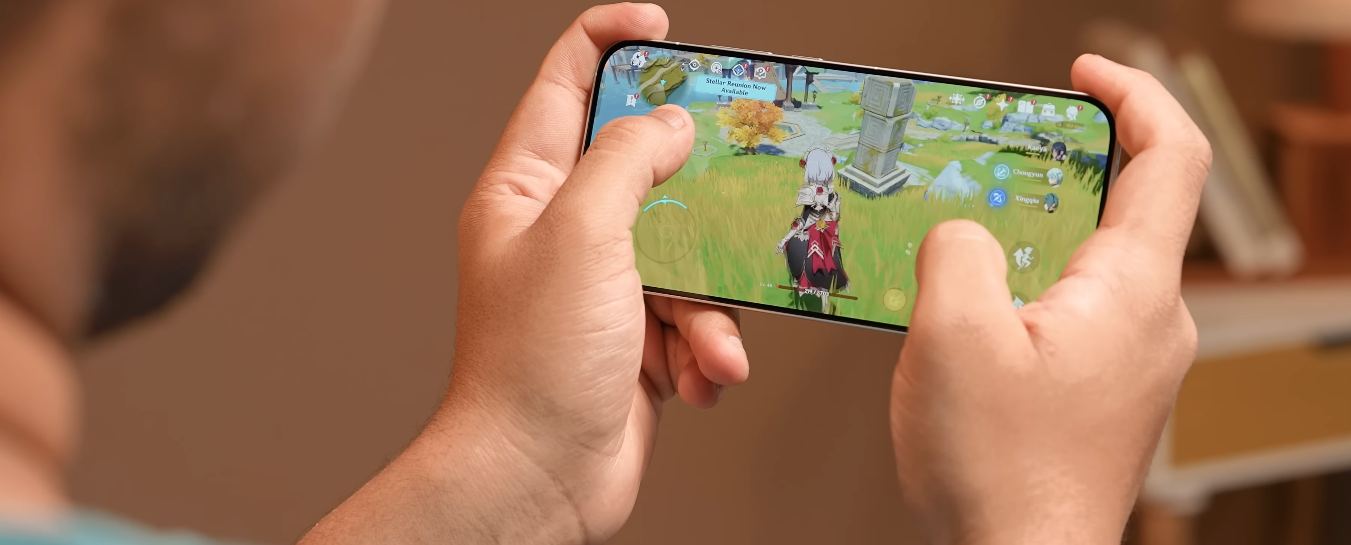
The Snapdragon 8 Elite chip of the Samsung S25 Ultra is great for gaming. We ran heavy games like PUBG, Call of Duty Mobile and Genshin Impact on maximum settings. Games ran very smoothly on the AMOLED screen with 120Hz refresh rate, especially HDR games had a great experience.


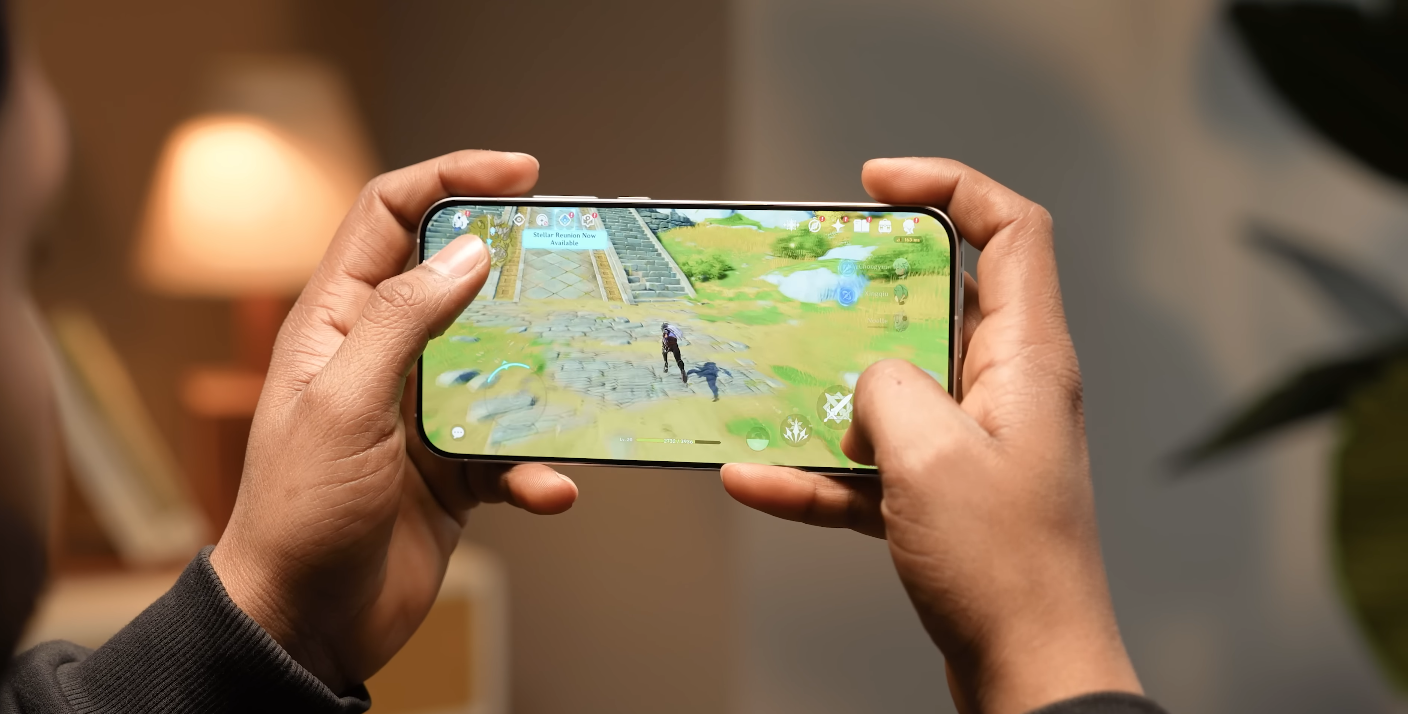
Apple’s A18 Pro chip in the iPhone 16 Pro Max is also amazing. iOS optimization makes it better in games, but some games are still limited to 60fps. One thing to note is that the metal frame of the iPhone heats up quickly, which makes it difficult to play games for a long time.


Heating and throttling issues


The benefits of the vapor chamber cooling system are clearly visible in the Samsung S25 Ultra. Even after playing Genshen Impact for an hour continuously, the phone’s temperature did not go above 42°C. In contrast, the iPhone 16 Pro Max starts heating up within 20 minutes and performance drops. Playing games outside in summer becomes even more difficult.


Samsung S25 Ultra VS iPhone 16 Pro Max Performance Test


Battery life and charging time


Battery consumption is a major concern during gaming. Playing heavy games like Genshin Impact on the Samsung S25 Ultra consumes about 18% of the battery per hour. Due to 45W fast charging, gaming can be resumed after charging a little in between. We also tried playing games like FREE FIRE and BGMI at high FPS on both phones.


Battery consumption is slightly higher (22% per hour) in the same games on the iPhone 16 Pro Max. The biggest problem is the slow 20W charging, due to which it takes more time to charge the battery in between gaming.


Software and game optimization


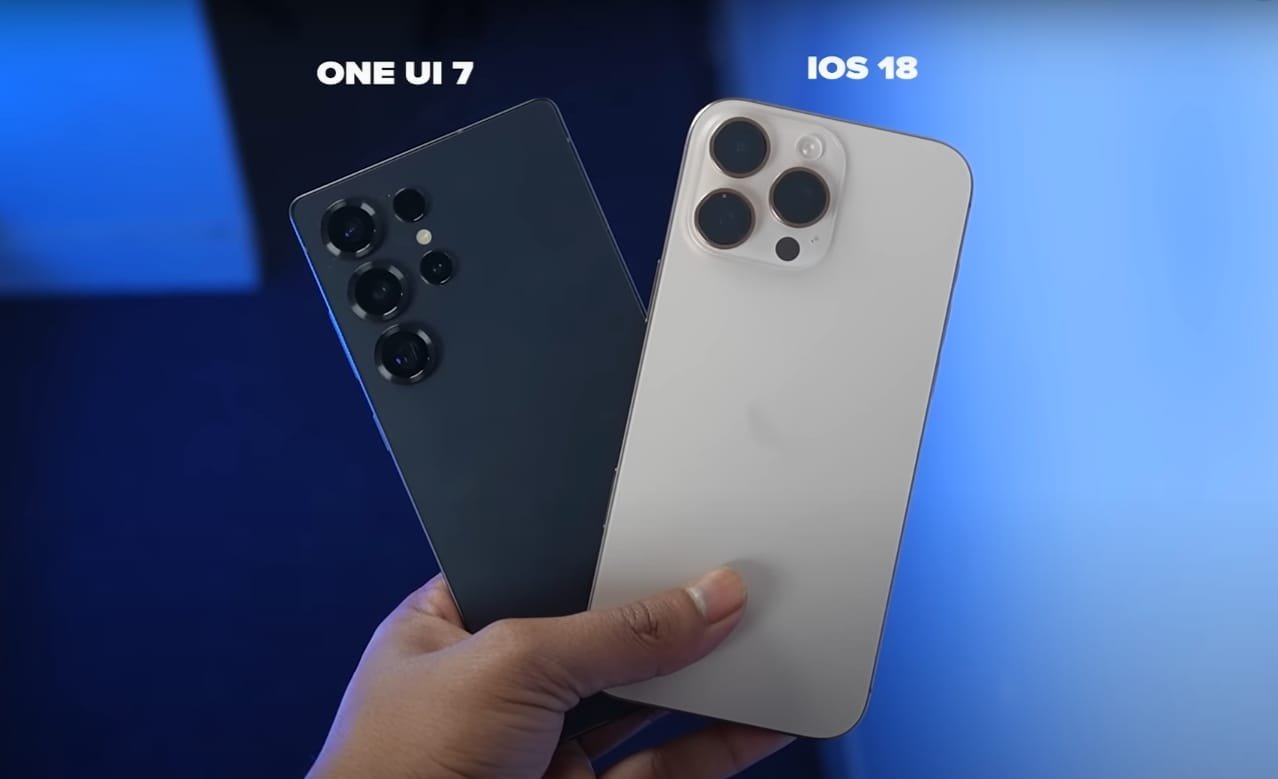
Samsung’s Game Booster and One UI have many useful features for gaming. It has performance mode, low latency settings and the facility to manage background apps. This reduces unnecessary disturbances during gaming.


iOS’ gaming mode is limited in iPhone, but controller support is better. PS5 or Xbox controller can be connected easily. However, if a call comes in the middle of gaming, then the game may have to be restarted. This problem does not look good.


Also Read:  Motorola’s vs samsung’s ultra wide camera auto focus review


Problems and conclusion


Some games do not support 120Hz in Samsung S25 Ultra, while iPhone has problems with overheating and brightness drop. If you are a serious mobile gamer then Samsung is a better option, but if you like the iPhone’s ecosystem for casual gaming then 16 Pro Max is also fine.


Samsung S25 Ultra VS iPhone 16 Pro Max Camera Test

Samsung S25 Ultra VS iPhone 16 Pro Max Camera Test by techsputit.com

When it comes to flagship smartphones, camera performance often makes or breaks the decision. We put the Samsung S25 Ultra and iPhone 16 Pro Max through rigorous real-world testing to see which one really delivers the best photography and videography experience.


Daylight Photography: Detail and Colour Accuracy


The S25 Ultra’s 200 MP main sensor captures stunningly sharp images with incredible detail, especially when zoomed in. AI enhanced processing boosts dynamic range, preserving highlights and shadows better than ever. However, Samsung’s colour science is still a little oversaturated, giving skies and greenery an extra punch that isn’t always natural.


Samsung S25 Ultra Camera Test by techsputit.com


The iPhone 16 Pro Max sticks to Apple’s signature true-to-life colour reproduction. The 48 MP sensor might seem modest compared to Samsung’s 200 MP, but Apple’s computational photography ensures balanced exposures and more natural skin tones. In a side-by-side comparison, iPhone shots often look more realistic straight out of the camera.


Both phones after 10x digital zoom


Optical vs. digital The S25 Ultra’s dual telephoto lenses (3x and 5x) plus 10x optical zoom give it a huge advantage. Even at 30x digital zoom, images remain usable thanks to AI sharpening.


The periscope system is ideal for distant subjects, making it the best choice for travellers and wildlife shots. The iPhone 16 Pro Max remains with 5x optical zoom, and while Apple’s software does a good job at 10x digital zoom, anything beyond that loses a lot of detail.


If you need serious zoom, Samsung is the clear winner. Winner: Samsung, no contest Low light and night mode performance Samsung’s “nightography” is much improved, with brighter shadows and less noise. The larger sensor pulls in more light, making dark scenes look vibrant – sometimes even artificially bright. However, some test shots looked overprocessed, with natural shadows missing.


iPhone 16 Pro Max Camera Test by techsputit.com


The iPhone 16 Pro Max takes a more conservative approach. Night mode maintains realistic contrast, avoiding an “over-lit” look. While it doesn’t brighten shadows as aggressively as Samsung, the results often look more natural and film-like.


Portrait mode and bokeh


The S25 Ultra’s depth sensing is improved, with better edge detection around hair and complex shapes. The adjustable bokeh effect in post-processing is a nice touch, though the blur can sometimes look artificial.


The iPhone 16 Pro Max still leads the way in natural-looking portraits. Skin tones are more accurate, and background blur looks more gradual and lifelike. Apple’s Cinematic mode also works better for video portraits.


Stabilization and quality when recording video


The iPhone 16 Pro Max remains the king of smartphone video. New stabilization algorithms make handheld footage smoother than gimbals, and ProRes Log support gives professionals more editing flexibility. Colors stay true even in challenging lighting.


The S25 Ultra has caught up to a great extent, offering 8K recording and better HDR, but the stabilization is still not as strong as Apple’s. Samsung’s videos can sometimes look oversharpened, while Apple’s footage remains more cinematic.


Final Winner of Review


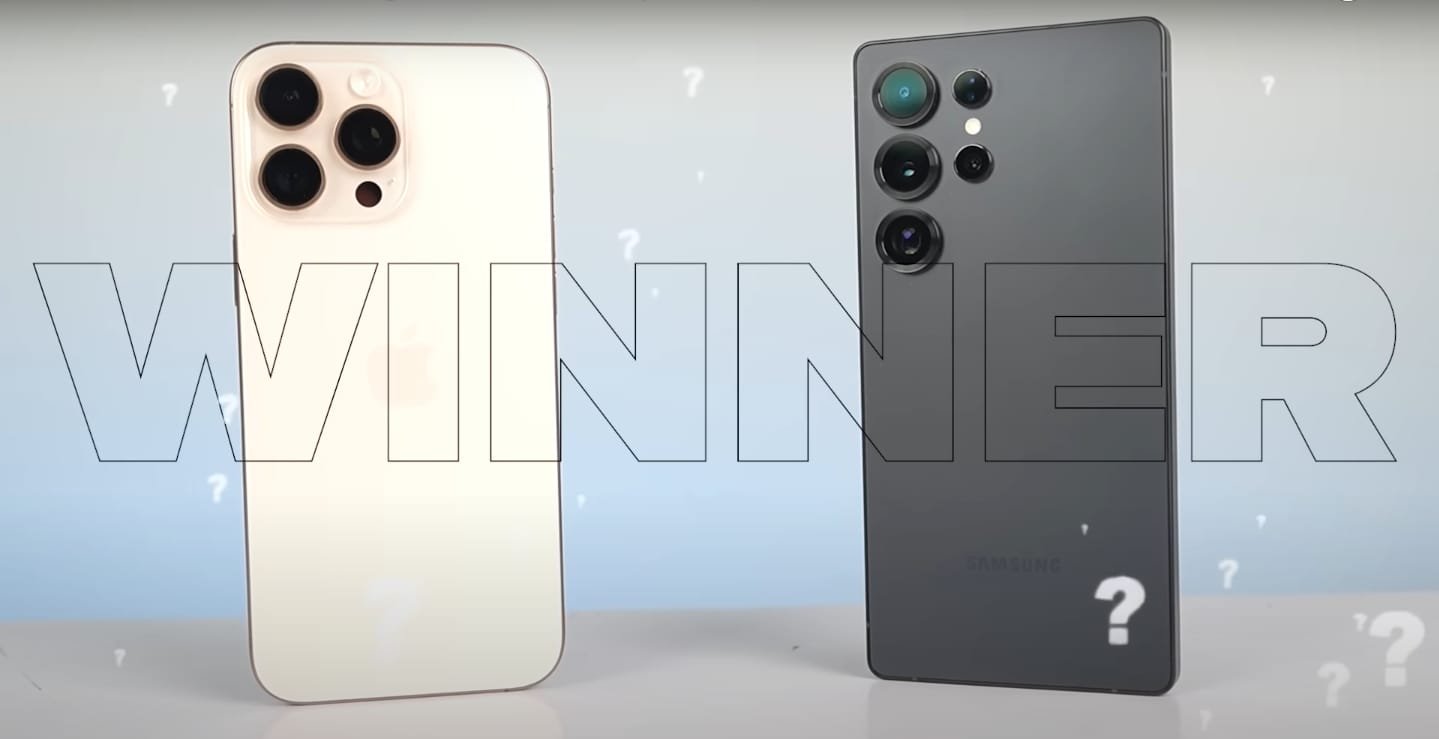
Winner: S25 Ultra, as it offers more zoom and also takes pretty good photos in daylight. But iPhone is no less in terms of video recording. iPhone offers much better video stabilization.


Also Read:  Motorola’s vs samsung’s ultra wide camera auto focus review


Samsung S25 Ultra VS iPhone 16 Pro Max

Samsung S25 Ultra VS iPhone 16 Pro Max photo by techsputit.com

After living with both flagship phones for several weeks, we’re ready to share our real-world experiences. These devices are the best Android and iOS devices in 2025, but which one deserves your hard-earned money?


First impressions and daily use


The S25 Ultra immediately stands out with its sleek, modern design. Thin bezels and curved edges make it more comfortable to use with one hand than the previous model. The S25 Ultra also feels a little bigger than it looks. We particularly appreciate how the anti-reflective display makes outdoor viewing actually fun, no more looking for shade to check messages.


Apple’s iPhone 16 Pro Max feels more solid in the hand, with the premium titanium weight that Apple fans love. The new camera control button has become second nature for quick photo opportunities, though we wish the action button offered more functionality beyond basic shortcuts. The iPhone 16 also feels a little premium to hold. But its battery is a little low, due to which people like it less.


Display Showdown and some experiences


Samsung’s display technology continues to impress. The anti-glare coating is revolutionary – we’ve used the phone in direct sunlight without squinting our eyes. The adaptive 120 Hz refresh makes everything from scrolling to gaming very smooth.


Samsung S25 Ultra VS iPhone 16 Pro Max photo
Samsung S25 Ultra


While Apple’s screen doesn’t have the anti-glare magic, it does offer more consistent brightness in auto mode. Watching Dolby Vision content on Apple TV+ is a great experience, with colors appearing perfect.


Photos quality and filters with camera experience


The S25 Ultra’s camera system is incredibly versatile. The 10x optical zoom captures details we haven’t been able to with other phones, and the AI-powered editing tools have saved many otherwise wasted shots. However, we did notice some frustration when trying to capture fast-moving pets – the shutter lag is real.


Apple’s camera remains the king of stabilization. Every shot looks natural, and video recording is in a league of its own. The new stabilization makes handheld 4K footage look like it was shot with a gimbal. We just wish Apple would catch up to Samsung’s AI editing capabilities.


Performance in real life


Both phones handle everything we throw at them with ease. The S25 Ultra’s vapor chamber cooling really shows its worth during long gaming sessions – there are no more overheating warnings. The Galaxy AI features seem really useful, especially for cross-app workflows.


Samsung S25 Ultra VS iPhone 16 Pro Max
iPhone 16 Pro Max


The iPhone’s performance is equally impressive, although we’re disappointed that the promised Apple Intelligence feature is delayed. Where it shines is ecosystem integration – moving between iPhone, iPad, and Mac feels completely seamless.


Battery life that lasts


Samsung’s fast charging is a game-changer for our busy schedule. A quick charge of 15 minutes can help us get hours of usage. The iPhone charges slowly and discharges quickly. It lasts a little less than the S25 Ultra in our daily use. But if you have to use the phone more, like not doing heavy gaming, then going for the iPhone can be right.


Final Recommendation and Key Points


After weeks of testing, we would recommend the Samsung S25 Ultra for power users who want cutting-edge display technology, better zoom capabilities, and faster charging.


The iPhone 16 Pro Max remains the better choice for those who are invested in Apple’s ecosystem, prioritize video quality, and we also found the rest of the camera to be okay.


Also Read:  Samsung Galaxy A56 vs vivo V50 5G Comparison


Samsung Galaxy Z Flip 6 gets major UK Black Friday cuts

Samsung Galaxy Z Flip 6 gets major UK Black Friday cuts

Foldable Flagship Sees Significant Price Drop in UK

The Samsung Galaxy Z Flip 6 has entered the UK Black Friday event with some of its deepest price reductions yet, making a once niche foldable smartphone far more accessible for consumers. Retailers across the UK have launched substantial markdowns on the model, and for buyers seeking a premium handset with standout form factor this deal comes at a timely moment.

Historically foldables have retained much of their initial cost, but this year the Galaxy Z Flip 6 is showing a notable drop in price. Multiple UK-based deal trackers report sharp reductions on unlocked variants, particularly the 256GB and 512GB models. The shift reflects increased inventory pressure combined with the push to clear stock ahead of newer launches.

Specs-wise the Galaxy Z Flip 6 remains a compelling choice. It offers a 6.7-inch main folding screen complemented by a cover display, a high-quality 50 MP main camera and a design tuned for durability in foldable format. Despite being a year old, its performance and build still match many current flagship offerings.

Samsung Galaxy Z Flip 6 gets major UK Black Friday cuts

UK buyers should check a few critical details when hunting this deal. Confirm the capacity (256GB vs 512GB) and connectivity (5G support), ensure the device is unlocked and compatible with UK carriers, and verify whether any bundle includes accessories or trade-in incentives which can further enhance value. Colour options may also influence stock availability and pricing.

Timing is important for this purchase. With the broader smartphone market preparing for next-generation launches, retailers are motivated to discount existing flagship models like this one to free up shelf space. Deals are often time-limited, and coveted variants may sell out as shoppers take advantage of the reductions.

For UK shoppers looking for a foldable phone without paying full flagship price, this deal ticks many boxes: unique form factor, high-end hardware, now significantly improved value. It offers a strong alternative to standard-slab smartphones, especially if you prioritise design and novelty along with performance.

As the Black Friday period continues, it’s likely that competing brands and models will also come down in price—but for now the Galaxy Z Flip 6 stands out as a top premium-smartphone deal in the UK. The combination of meaningful savings and flagship features makes it an excellent candidate for upgrade.

In conclusion, the Samsung Galaxy Z Flip 6’s major UK Black Friday price cuts present an ideal moment for buyers. With great hardware, a unique folding design and substantial savings, UK consumers would be wise to act soon to secure one while the offer lasts.

Also Read:  Oppo K15 Turbo Pro could make its first appearance within a few months for UK buyers

Samsung S24 FE vs Motorola Edge 60 Pro camera review

Samsung S24 FE vs Motorola Edge 60 Pro camera review

Moto’s photo is sharper, more detailed. In fact, even at 30X, you will find Motorola’s quality better. It basically uses AI more. Yes, the quality at 50X is not very usable. It is just okay.


In Motorola, you get four zoom ranges to capture portrait photos. Like 1X, 1.5X, 2X and 3X. Whereas Samsung has three, 1X, 2X and 3X. By the way, both the phones capture portrait photos in a very different way. Here you can see the difference in 3X. Again, like normal photos, here you may find the exposure in Motorola’s photo a little less. And Samsung’s photo is brighter.


Colour accuracy of both phones


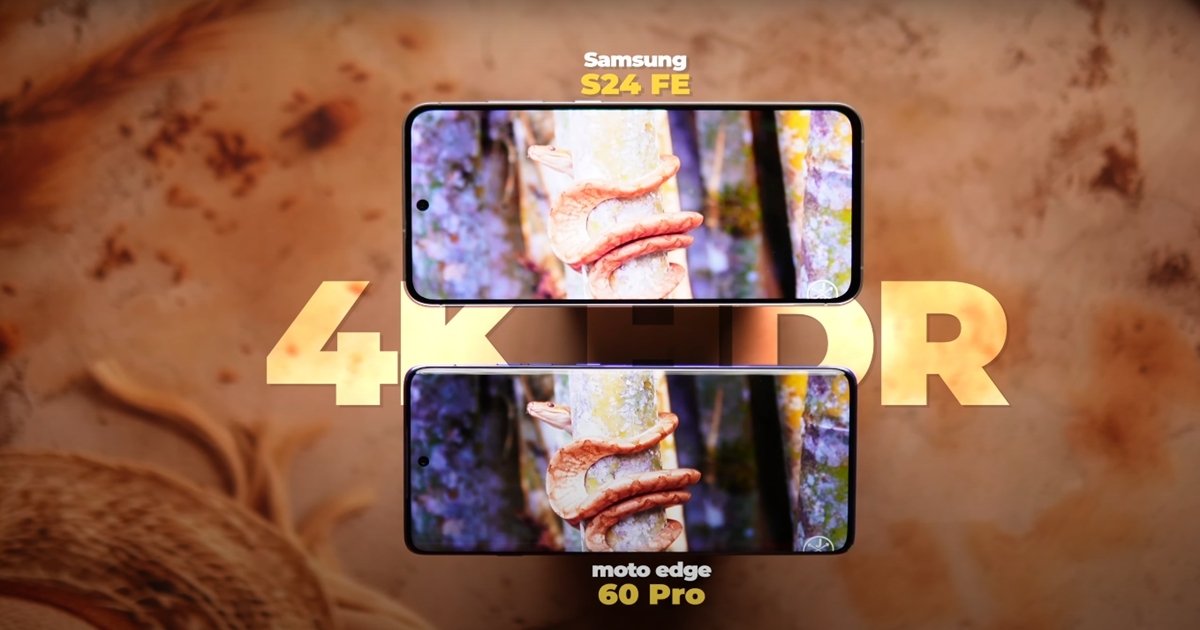
If we talk about color accuracy, then Motorola is better here. Exactly the color of my shirt was the same. In fact, this thing has changed a bit in Samsung. In fact, if you look at my face, Samsung has done a lot of makeup here. Now S24 FE can shoot 4K 60 FPS video with the main camera. So here you can see the side by side comparison of 4K 60 vs Moto’s 4K 30. In fact, Samsung manages to capture good dynamic range, details and sharpness in 4K60 as well.


Samsung S24 FE vs Motorola Edge 60 Pro camera review
Samsung S24 FE vs Motorola Edge 60 Pro


The details and texture of the end face have become completely loose. And at the same time you will see a lot of difference in sharpness. One thing I liked in these photos is that Motorola has blurred the background image. Samsung has not blurred it. Again, you don’t find much difference between 1X and 2X. But at 3X you get better quality in Moto. By the way, whose portrait photos you like more can also be your personal choice. Based on colors, exposure, white balance.


Selfies and sharpness details


Samsung has 10 megapixels and Moto has 50 megapixels. So obviously due to higher megapixels, you get better sharpness details in Moto’s selfies. But the skin tone, the color accuracy of the face is better preserved in Samsung. Like in Moto’s selfies, you will see that my face has become a bit more yellowish here. Edge detection in portrait photos is done very well in both the phones. But still, from the eye point of view, the edge detection of S60 Pro is a bit more advanced. It works a bit better as compared to S24 FE. Right now there is a difference of 40 megapixels in the selfie camera.


Apart from the color consistency, you will find everything better in Motorola’s selfies like sharpness details, HDR performance. In fact, this area also captures more as compared to Samsung. Whether we talk about normal or portrait selfies, and you can see the difference in these selfies is quite good. Here S60 Pro is performing much better. Now Motorola also has a dedicated micro mode. So with this you can capture very good close up shots. And here the detail sharpness is quite on the natural side. Actually there is no over processing etc.


I liked its micro shots a lot. So right now I am shooting 4K 30fps videos in both the phones. So now we are talking about the primary camera. Here I switch to the ultrawide camera. So the transition that you get here is a little quicker and smoother in Samsung. The area that you get in this is also bigger as compared to Motorola. Now we switch back to 2X from 1X. So at 2X, the sharpness and details here are coming out better in Samsung’s video. Now we switch to 3X telephoto camera. So now you will see that the dynamic range of Samsung is slightly better here. In 4K 30fps videos, Samsung has a maximum zoom of up to 12X. And Motorola has it up to 20X.


Read Also;  Nothing Phone 3a Review And Price In USA


4K 30fps videos video recording


Now both the phones are not perfect because here you get a little more over sharpness in Motorola. So the video zoom I wood is kind of the same in both the phones quality wise. Now in the ultrawide camera, in 4K 30fps videos, you get a lot more over sharpness in Motorola.


Samsung’s video is softer. But because of the over sharpness, that’s why I recommend Samsung’s ultrawide camera video. At the same time, you will not find much difference in 1X. And as soon as we switch to 2X. So here again Samsung is performing better. And another big addition is the support for 8K30 FPS video. In H23 FE etc.


The video was not usable at all. But Samsung has improved a lot here. You get good stabilization in this. You can clearly see that artifacts and over processing are becoming very visible in Motorola’s video. Yes, on switching to 3X, you get very good quality in both the phones. And here the difference will be just of skin tones, colors etc. Now in full HD 60fps video, here in Motorola’s video you get a little better sharpness. Otherwise, both the phones are quite close. For more review, Read here.


You get very good sharpness details in this. Yes, the phone heats up a lot while shooting 8K. So keep this thing in mind. It is not at all meant for shooting for long duration. But this time 8K video is totally usable.


Samsung S24 FE vs Motorola Edge 60 Pro top features test

Samsung S24 FE vs Motorola Edge 60 Pro top features test

Now the smoothness of the phone, user interface, animations. Apart from this, you also get a lot of features in Samsung here. Like small things, you get Samsung dialer in it, in which you get the feature of auto call recording even in today’s time.


You get a lot of good applications inbuilt. Like My Files, its own gallery, whose interface is very good. And here you can download many more applications of Samsung, notes, Galaxy Store, themes etc.


Animation of opening and closing the application


Whereas in Motorola, you get Google dialer here. In fact, here you cannot install o dialer in it. Because in case you want call recording, then here it does not support this application on Play Store. It is mentioned here that it is not compatible with it. So I open the camera app here side by side in both the phones. Here you will see that the animation of opening and closing the application is very good in both the phones. So as a matter of fact, there is no major difference here. But still you will get better quick response and smoother experience in Samsung here.


Along with this, you get a very basic C Files application in it. And the same stock photo application of Google. So you definitely have to bear all these things here in terms of software experience. Yes, by the way, some basic things have definitely been given here in Motorola. Clone apps by going to Like Apps, App Lock.


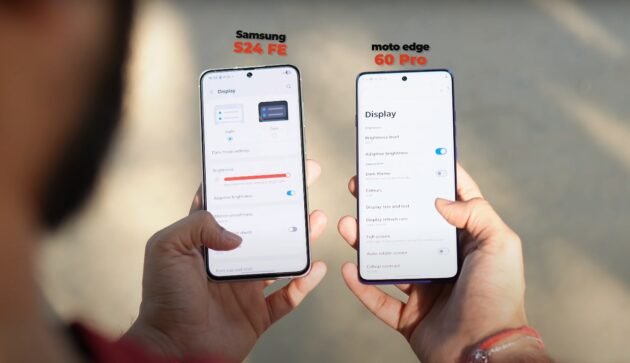
The curved display of motorola’s vs samsung’s display


The edge light also looks very good here. When any notification etc. is received here. So you can clone social media apps etc. like WhatsApp, Messenger etc. For the rest of the customization, basic things are also available here. So it is not that it is a completely stock experience. And for the lock screen, some basic customizations etc. are also available here.


The rest of the S24 FE will get 6 years of major Android updates from now onwards. This company had mentioned 7 years of major updates. So you will get a better experience in Samsung in normal use of the phone. And when you perform heavy tasks like video editing and gaming, Samsung performs better in that. Now you will notice one thing here, Motorola has 4K 60fps HDR video.


Now AI support is also available in both the phones. And Motorola has very good AI features here. Like Update Me, Take Notes, Remember This, Magic Canvas in which you can basically create images etc. But the list of Samsung’s AI features is much larger. And its execution has also been done in a very strong way.


It has already received a major update which is Android 15. At the same time, Motorola claims that in this you will get 3 years of major Android updates and 4 years of security updates. So here Samsung is better in terms of updates as well. Some people have a little concern in Motorola phones, that is about the camera application.


GPU performance and benchmarks


On the other hand, if we talk about shutter lag, then that too is very less in Samsung. It is able to capture photos very fast. Rather, in S60 Pro, you are definitely getting to see shutter lag here. So the optimization of all these things is much better in Samsung. Now mainly let’s talk about the performance of both these phones. Samsung has Exynos 2400e with 8GB RAM. S60 Pro has Dimensity 8350 Extreme in which you get options of both 8 and 12 GB RAM.


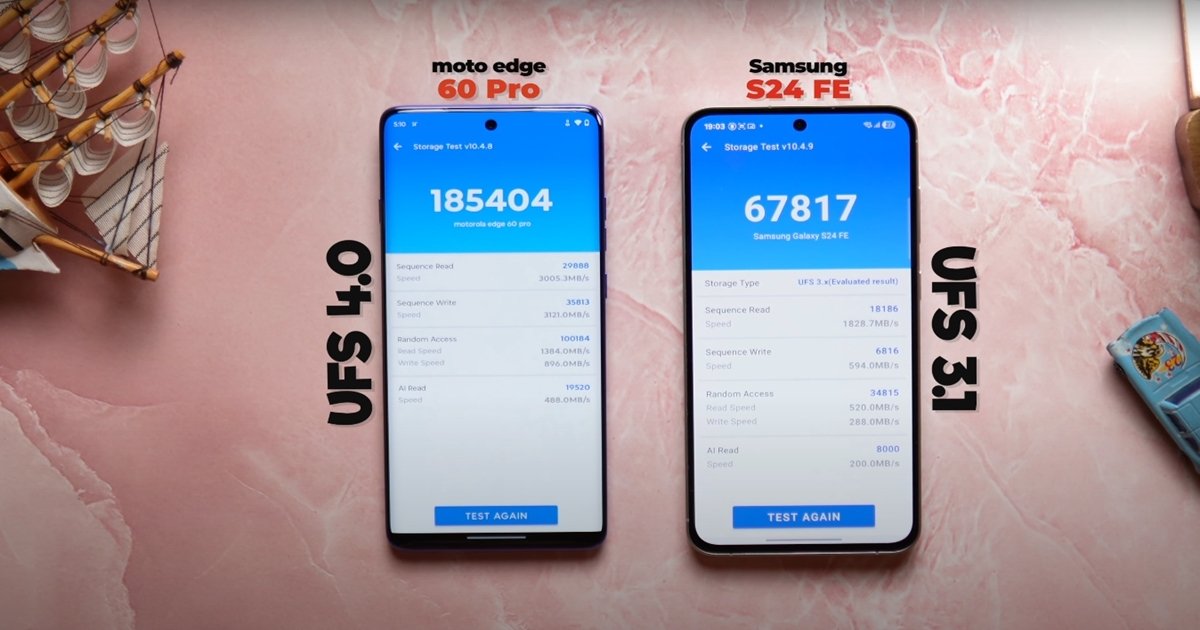
Currently, both phones have LPDDR 5X RAM type. And Moto has UFS4 storage from the base variant which comes for ₹ 00. Samsung has UFS 3 storage in 128 GB variant and UFS4 storage in 256 GB variant. So first of all let’s talk about benchmarks, here you get better benchmark scores in Samsung. These are the scores of Geek 6. Samsung is slightly better in N2 benchmark as well.


Samsung S24 FE vs Motorola Edge 60 Pro top features test
Samsung S24 FE and Motorola Edge 60 Pro


In fact it even beats Samsung in many cases. Especially in low light, it has a much better performance. And you get 256 GB storage in just ₹00. Its battery life is better. And the heat is also much less than Samsung. So mainly if Samsung’s software experience does not matter much to you. In that case Moto is more value for money.


Also Read :  Samsung Galaxy F56 Full Review and Global Price Comparison


The overall difference is not much. And surprisingly, the GPU performance of both phones is very close here. I had expected Samsung to perform better. But S60 Pro’s GPU is also performing very well in benchmarks. In fact, in wildlife extreme, it is performing better than Samsung. Now let’s talk about real world performance. So, you are not going to face any issue in performing basic tasks in both the phones. And because Samsung’s optimization is better. Its UI is much smoother.


Sometimes it lags in between. Because Samsung plays it very smoothly. In fact, here as soon as I do it on 2X, in that case also Samsung’s optimization is very good. But here Motorola is lagging completely. You are seeing jitters in the video. It is not able to do the playback properly at 60fps. So definitely you will get better Samsung in terms of raw power or optimization. But a major concern comes here and that is throttling heating.


Battery backup and loos time


Mainly we talk about battery life. So Samsung has only 4700 mAh battery and Moto has 6000 mAh battery. Now there is no confusion here. You will get much better battery life in Motorola A60 Pro. So clearly Motorola is ahead in terms of battery life. And along with this, in charging also because it has support for faster charging. And I have done Samsung’s 100 to 0 battery drain test. In that it was completely drained in almost 7 hours. After using other phones side by side.


I can easily say that you will easily get one to 1.5 hours of extra battery life in S6 Pro. You get up to 90 W in the box. Rather, Samsung has support for maximum 25 W fast charging only. So clearly Moto Wins in terms of battery and charging.


Finel thoughts about both phones


So I have told you all the main differences in both the phones. Now after comparing both these phones in detail, I think the main point of Samsung here will be its software experience. You get better options in terms of its features and video recording. The quality is also better in comparison to Moto. But on the other hand S60 Pro is giving you very good offerings in a low price. Like there is complete competition in photos.