
First Impressions and Positioning
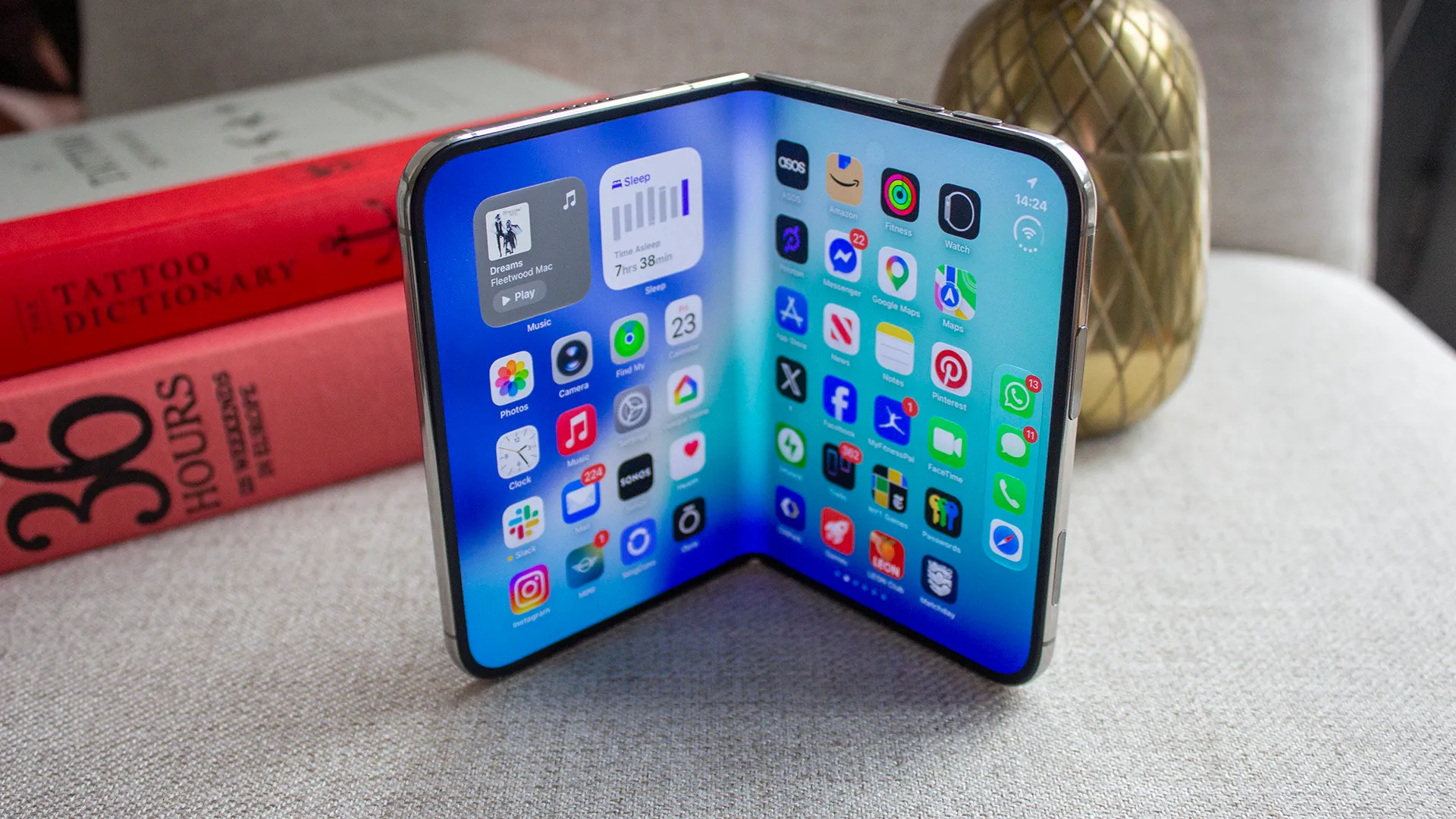
The Apple iPhone Duo arrives as the companys answer to the Samsung Galaxy Z Fold 8 and the Google Pixel 11 Pro Fold. Priced at £1,999 it sits above the iPhone 18 Pro and iPhone 18 Pro Max, making it the most expensive iPhone to date. Its 5.4‑inch outer screen and 7.6‑inch inner display aim to combine the convenience of a pocket phone with the productivity of a small tablet.
Design and Build Quality
Apple has crafted the Duo with a Grade 5 titanium frame and an IP68 rating, a step up from most foldables that rely on aluminium. The hinge feels solid, offering consistent resistance from fully closed to fully open. Two colour options – Night Sky and Star White – give a premium look, while the asymmetric corner design mirrors the aesthetic of the iPad Air M2 when opened.
Display Technology
Both screens are 120 Hz OLED panels with ProMotion. The outer display is bright enough for outdoor use, and the inner screen features a nano‑textured matte finish that reduces glare and makes the crease almost invisible. Compared with the glossy inner panels of the Samsung Galaxy S25 or the Google Pixel 11 Pro Fold, the matte surface feels more like reading paper, though it can slightly wash out dark scenes.
Biometrics and Buttons
Apple replaces Face ID with Touch ID embedded in the power button, a move that feels like a step back for many users. The Action Button, present on the iPhone 18 Pro Max, is missing, and volume controls have migrated to the top edge. While these changes are minor, they affect the seamless experience long‑time iPhone users expect.
Performance and Software
The Duo runs on the A20 Pro chip, the same 2 nm processor found in the iPhone 18 Pro. Paired with 12 GB of RAM, it delivers fluid multitasking, especially with iOS 27’s split‑view optimisation for two screens. Apps such as Mail, Messages, Netflix, Slack and Instagram have already received Duo‑specific updates, though some legacy apps still display a dark band on the outer screen.
Camera System
On the back, the Duo houses two 48 MP sensors – a main camera and an ultrawide – but lacks a dedicated telephoto lens. The 2× optical‑quality crop is achieved by cropping the main sensor, which falls short of the iPhone 18 Pro’s dedicated telephoto. Low‑light performance remains solid, yet the under‑display FaceTime camera on the inner screen produces softer results.
Battery Life and Charging
Two batteries, one in each half, provide up to 24 hours of typical use. In real‑world testing the Duo outlasted both the iPhone 18 Pro and the Samsung Galaxy Z Fold 8, often ending the day with 25‑40 percent charge remaining. A 60 W wired charger reaches 50 percent in about 20 minutes, while MagSafe wireless tops out at 25 W.
Audio and Speakers
Stereo speakers deliver Spatial Audio regardless of how the phone is positioned. While headphones still offer the best experience, the built‑in sound is adequate for quick video calls or media playback.
Software Extras and Future Updates
iOS 27 introduces StandBy mode that works without charging, turning the Duo into a bedside clock or photo frame. Siri AI has been upgraded, and Apple Pencil support is slated for an update by the end of 2026, expanding the device’s productivity potential.
Should You Buy the iPhone Duo?
The iPhone Duo excels in build quality, display innovation and software fluidity, making it a strong contender for power users who value a large inner screen for reading, email and multitasking. However, the loss of Face ID, the missing Action Button and a camera system that does not match its price may deter photography enthusiasts. If you already own an iPhone 18 Pro Max and primarily need more screen real estate, the Duo offers a compelling, though pricey, alternative.