
Introduction
Garmin has rolled out a major software update for several of its premium watches, adding an always‑on voice assistant that can be triggered with the phrase OK Garmin. The feature promises hands‑free actions such as starting a timer, launching a workout, or checking the weather without touching the display. While the addition brings Garmin closer to the experience offered by Apple Watch Series 12 and Samsung Galaxy Watch 9, early adopters are reporting a steep drop in battery endurance.
How the voice activation works
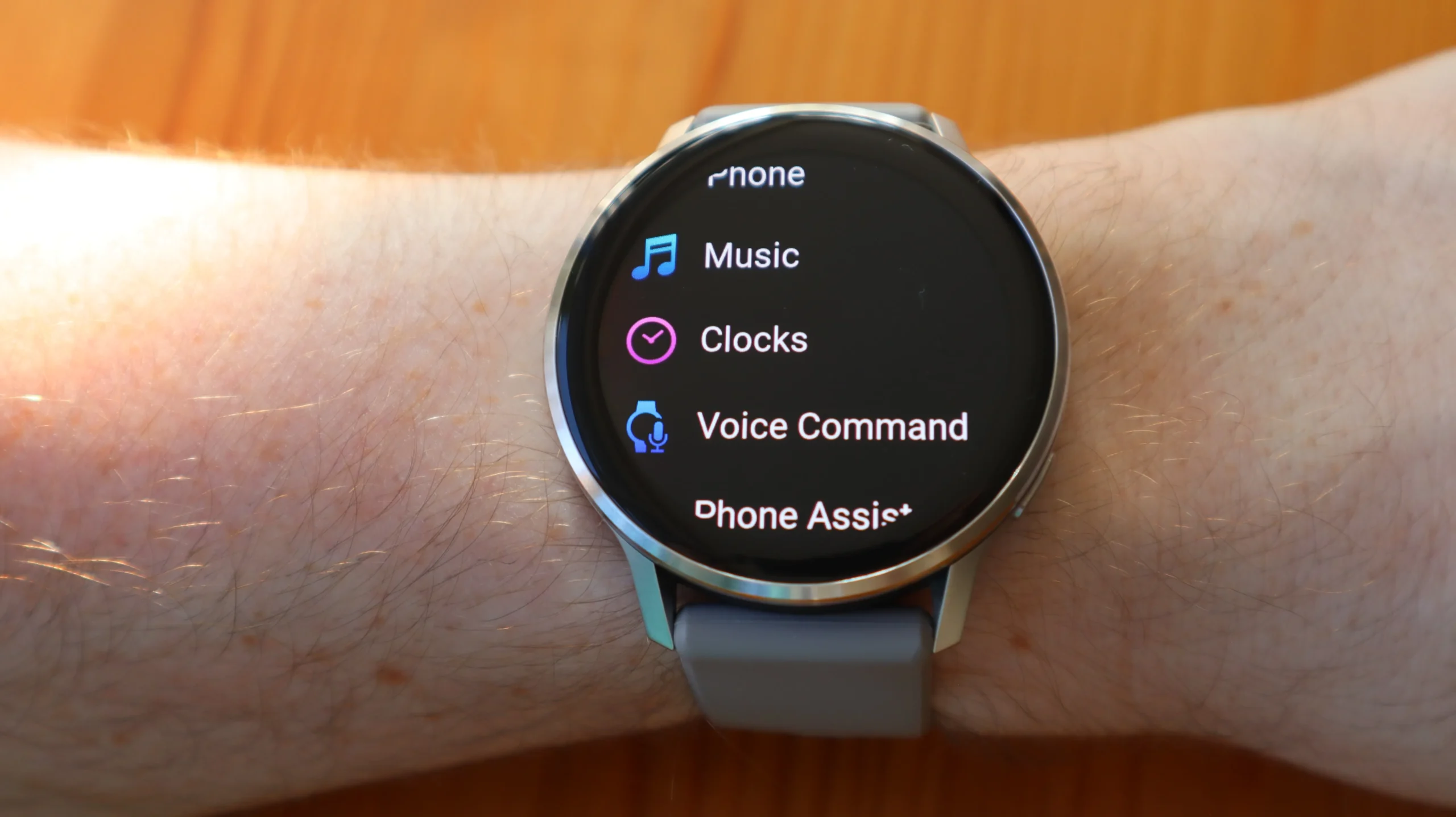
The new voice control works similarly to Siri on the Apple Watch and Google Assistant on Wear OS devices. Users simply say OK Garmin and then issue a command like start a run or set a reminder. The software runs in the background, listening for the wake word, and can be enabled or disabled in the settings menu of devices such as the Garmin Fenix 8, Garmin Venu 3, and the newer Garmin Instinct 2 Solar.
Battery impact reported by users
Community forums and social media posts indicate that enabling the hands‑free mode can cut battery life by roughly 35 to 50 percent. One Fenix 8 owner noted that the watch now lasts only seven days on a single charge, compared with the typical fourteen‑day window before the update. Similar complaints have surfaced from Venu 3 users who see their weekly runtime shrink to four or five days.
Why the drain occurs
Constantly listening for the wake word requires the microphone and a low‑power processor to stay active, which consumes more energy than Garmin’s traditional button‑only interface. Garmin has acknowledged the trade‑off, stating that the feature was designed for users who prioritize convenience over maximum endurance. However, the reduction is more pronounced on larger, power‑hungry models like the Fenix 8, which already push the limits of battery capacity with advanced GPS and solar charging features.
Workarounds and temporary fixes
The simplest solution is to turn off the voice activation in the settings menu. Doing so restores the watch’s normal battery performance, but it also removes the hands‑free convenience that many users were excited about. Some owners are experimenting with disabling the feature only during sleep or low‑activity periods, hoping to strike a balance between functionality and longevity.
Garmin’s broader strategy
Garmin is attempting to broaden its appeal beyond pure fitness tracking by adding smart capabilities such as Garmin Pay, a native Google Maps app, and now voice control. Competitors like Apple and Samsung have already integrated health‑focused metrics with robust smart features, so Garmin’s move is understandable. Yet the battery penalty highlights the challenge of adding always‑on assistants to devices that were originally engineered for long‑lasting, low‑power operation.
Positive developments
Not all news is negative. Earlier this year Garmin introduced the Garmin Cirqa, a screenless fitness tracker aimed at the market dominated by Fitbit Air and Whoop Strap. The Cirqa has been well received, with strong demand despite supply constraints. This shows that Garmin can still succeed with focused, battery‑friendly products while it refines the software experience on its flagship watches.
Looking ahead
Garmin has promised future updates to optimise the voice assistant’s power usage. Users hope that a more efficient implementation will allow them to keep the convenience of OK Garmin without sacrificing the multi‑day battery life that has been a hallmark of the brand. Until then, the recommendation is to enable the feature only when needed and to monitor battery performance closely.