Samsung Takes on iPhone Ultra with New Galaxy Fold in the UK
Samsung Galaxy Z Fold 8 Wide: The New Challenger in the UK
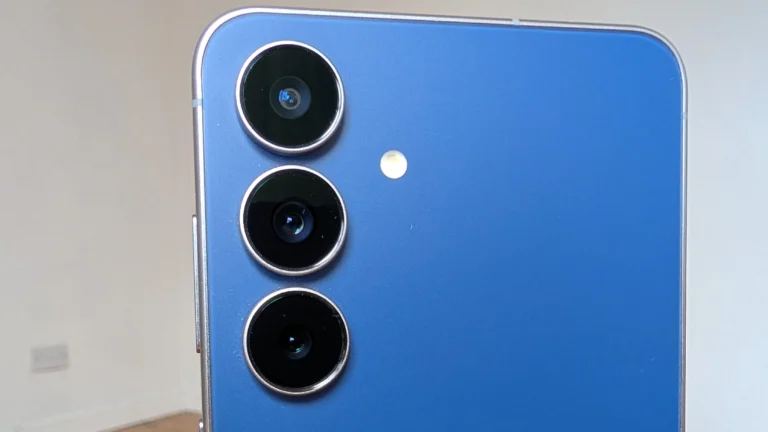
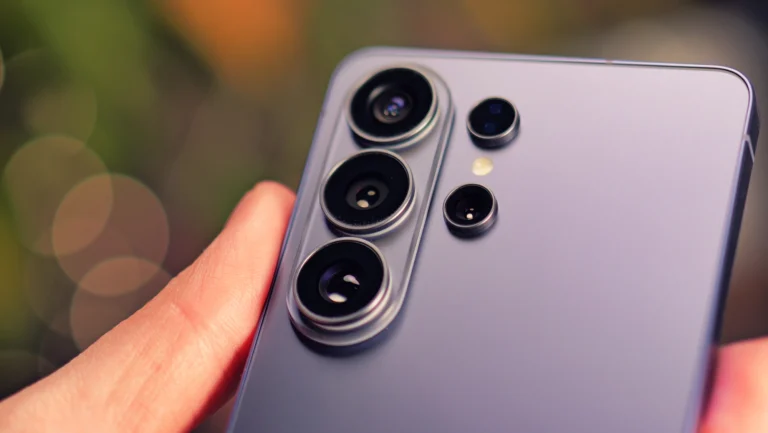
Samsung is set to launch its new Galaxy Z Fold 8 Wide in summer 2026, a month or two before Apple’s expected iPhone Ultra foldable. The new Samsung device will feature a 4:3 screen aspect ratio, similar to the iPhone Ultra.
The aspect ratio of a phone screen may not seem like a big deal, but it significantly changes the mobile experience. A 4:3 screen improves the experience of reading documents, browsing websites, and watching videos.
This format is widely used in tablets because it works well for productivity, and soon you’ll be able to get that on a device that folds down to fit in your pocket. Having that tablet-size screen in a foldable phone could make split-screen multitasking feel more natural.
Apps placed side by side won’t look squeezed, and there’ll be no awkward letterboxing when streaming videos. When closed, you’ll have a wider, shorter cover display, closer to what most of us are already used to holding in one hand.
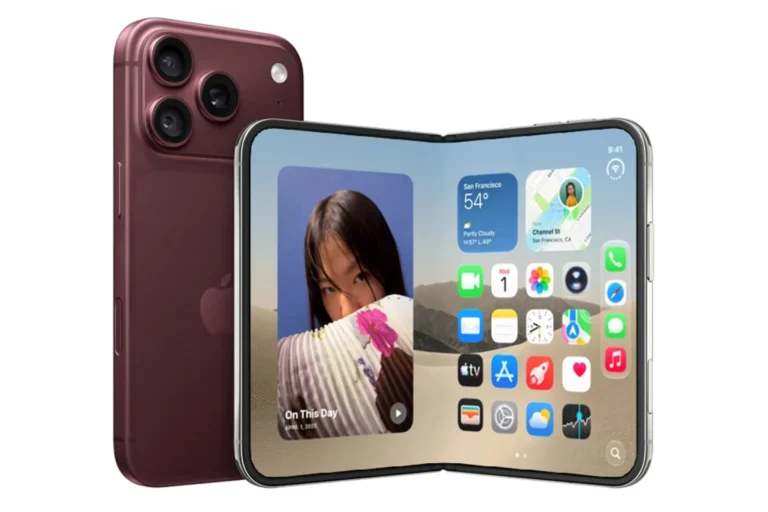
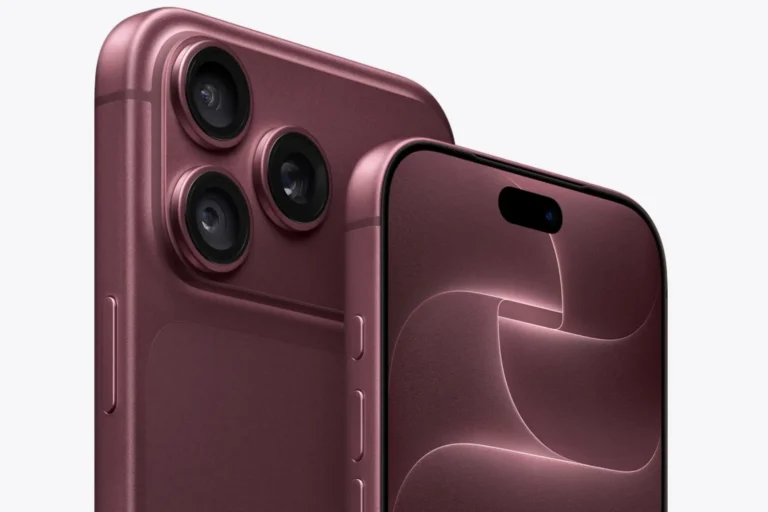
Apple’s upcoming iPhone Fold is set to feature a 7.8-inch inner display with a 4:3 aspect ratio, an almost square shape that’s different from the tall, narrow foldables we’re used to. It’s designed to feel less like a stretched phone and more like an iPad mini when opened.
Samsung is on the inside of these developments: industry leaks suggest that it’s building the screens for Apple’s foldable. Samsung Display will supply over 11 million OLED panels for the foldable iPhone.
So, it’s perhaps no surprise that the South Korean company’s upcoming Z Fold 8 Wide is expected to feature the same 4:3 display aspect ratio. The difference is that it’ll have a 7.6-inch inner display and a wider outer screen.
With the specs so close to Apple’s rumoured device, it feels like a deliberately competitive move. And Samsung already has form in this area, with its Galaxy Z TriFold launching in December 2025 and opening up to a large 10-inch screen with a 16:11 aspect ratio.
The TriFold supports Samsung DeX, which lets you go into desktop mode when you connect a Bluetooth keyboard. Interestingly, although Apple’s foldable is expected to have some iPad-lite productivity features, it won’t run iPadOS.
There’s another design factor that’ll come into play: the creaseless display. To date, foldables have been bedevilled by a crease that’s hard to ignore when viewing the inner display. One of the reasons Apple has allegedly delayed its entry into the foldable market is its characteristic determination to solve the problem ahead of launch.
At CES 2026, Samsung unveiled a creaseless OLED display panel that’s similar to what the iPhone Fold is expected to bring to the table. Although it didn’t feature the 4:3 ratio, it still featured a smooth surface without any visible creases, which is especially notable when compared to the Galaxy Z Fold 7.
Working directly with Apple’s high display standards may have given Samsung an edge by pushing its research and development forward fast. The foldable race is heating up, and with two such big names changing the direction of foldables in 2026, what’ll happen next seems almost inevitable.
When Samsung and Apple start a trend, the rest of the industry is likely to follow. It may not be long until the more app-friendly square form becomes the new standard and foldables move from niche to mainstream phone format.