UK Memory Shortages: No Respite in Sight as Prices Continue to Soar
UK Faces Prolonged Memory Shortages as Demand Continues to Outstrip Supply
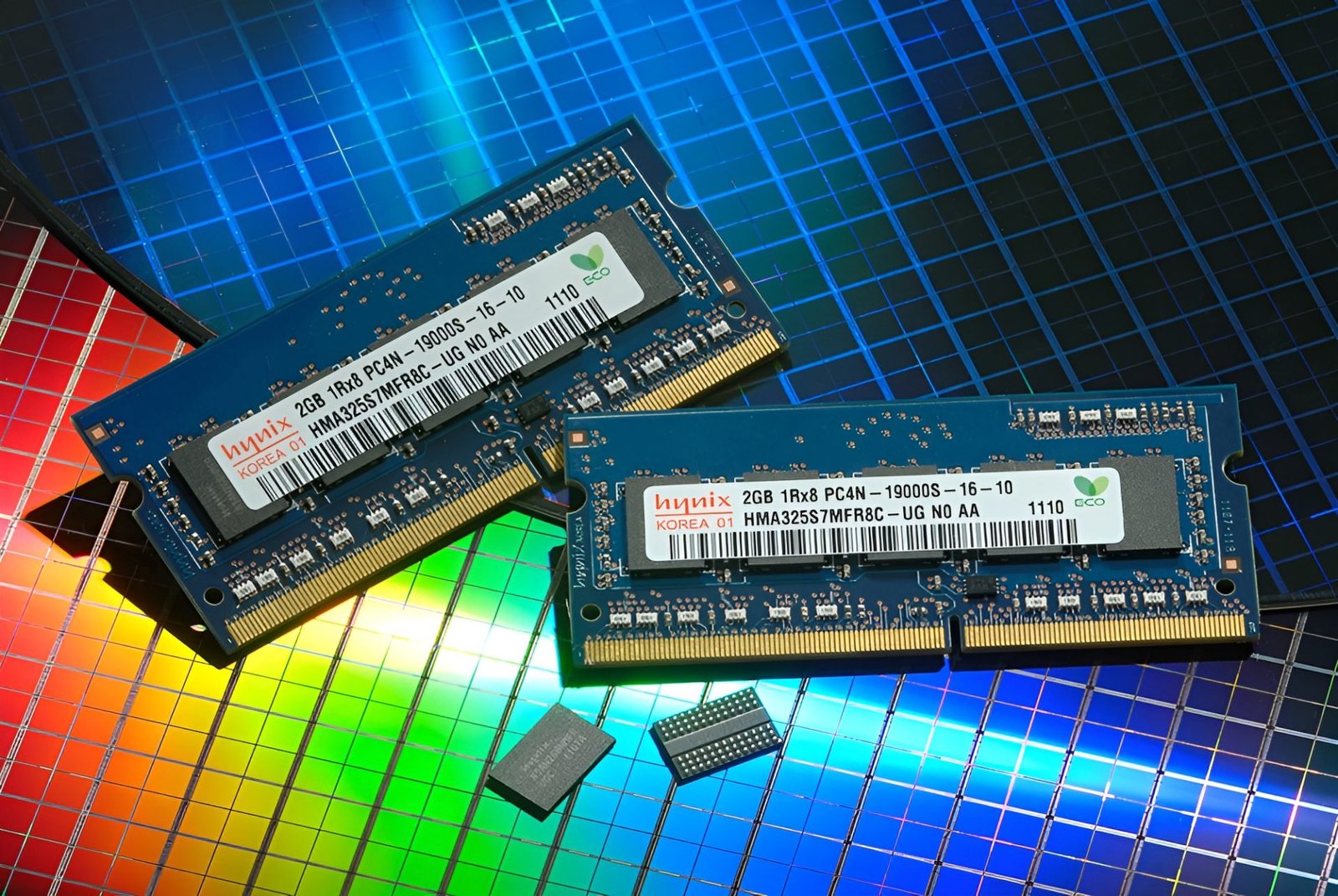
According to Counterpoint Research, the UK is unlikely to see a drop in memory prices anytime soon, as supply constraints push shortages to new levels. This is due to the current pace of AI infrastructure buildout, which is driving up demand for memory. As a result, memory shortages are expected to last until at least H2 2027, and possibly even longer if supply remains tight.
The lack of a definite timeline for when we can expect DRAM shortages to ease is a major concern for businesses and consumers alike. With the UK’s growing reliance on technology, the need for memory is not slowing down, and this is having a significant impact on prices. As the demand for memory continues to evolve over time, it’s likely that prices will remain high.
Counterpoint Research has highlighted the impact of supply constraints on the memory market, with the UK being particularly affected. The country’s tech industry is booming, with many companies investing in AI and other technologies that require large amounts of memory. This has led to a surge in demand, which is outstripping supply and driving up prices.
The situation is further complicated by the fact that there is no easy solution to the supply constraints. Increasing production is not a simple matter, and it will take time for manufacturers to ramp up their output. In the meantime, the UK will have to contend with high memory prices, which will have a significant impact on businesses and consumers.
One of the main reasons for the high demand for memory is the growth of AI and other technologies. These technologies require large amounts of data to be processed, which in turn requires a lot of memory. As the UK continues to invest in these technologies, the demand for memory will only continue to grow. This will put even more pressure on the supply chain, leading to higher prices and longer shortages.
In conclusion, the UK is facing a prolonged period of memory shortages, with prices expected to remain high for the foreseeable future. The lack of a definite timeline for when we can expect DRAM shortages to ease is a major concern, and businesses and consumers will have to adapt to the new reality. With the growth of AI and other technologies, the demand for memory will only continue to grow, making it essential for the UK to find ways to address the supply constraints and mitigate the impact of the shortages.