CPU Shortages Intensify: Intel and AMD Struggle to Meet Demand
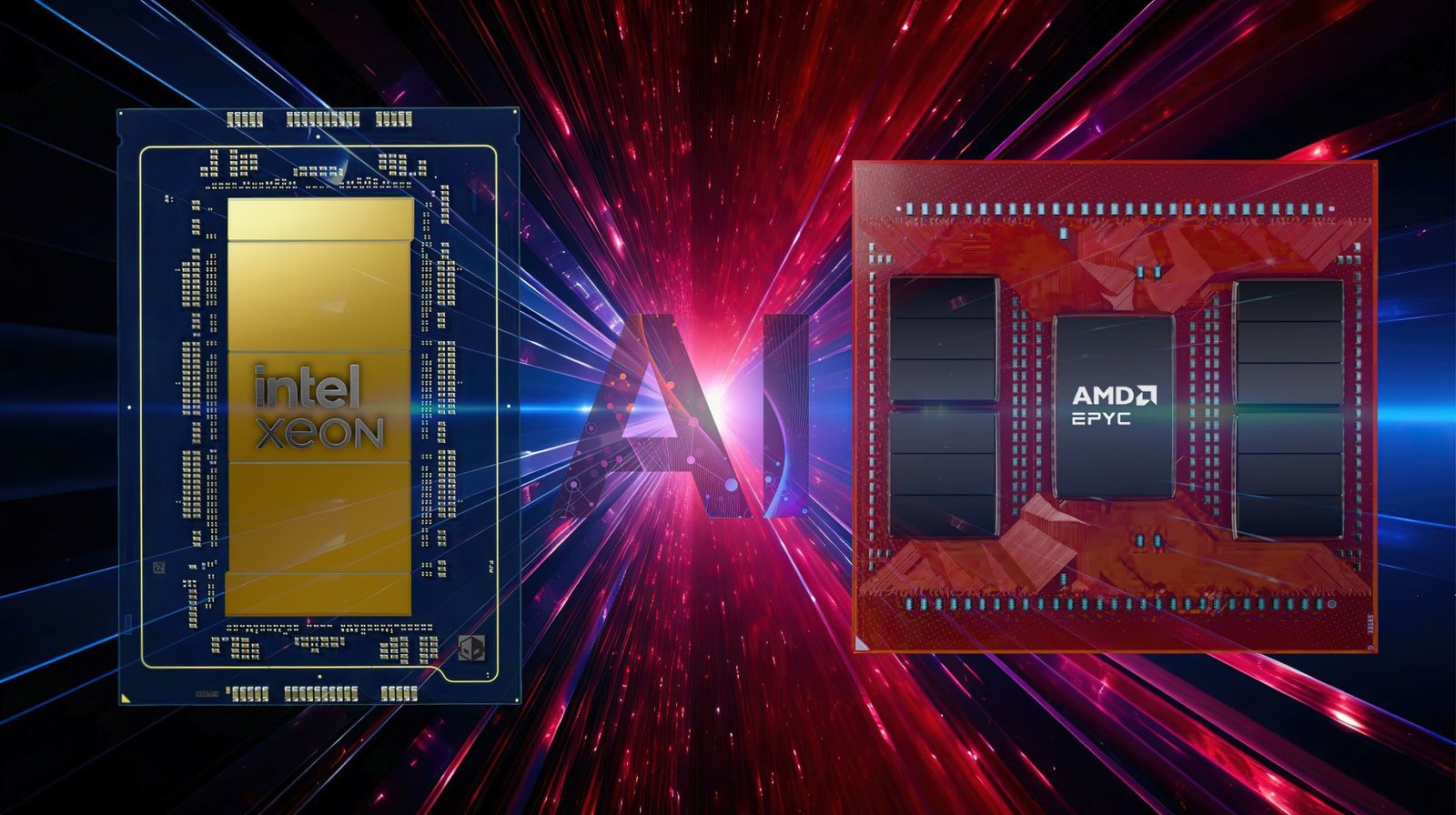
CPU Shortages Reach Crisis Point as Intel and AMD Struggle to Meet Demand
The current CPU shortages are being driven by an unprecedented demand for server CPUs, particularly from hyperscalers, which is forcing Intel and AMD to reassess their production priorities. This shift in focus may lead to a decrease in the availability of client products, exacerbating the existing shortages. As a result, prices are rising, and delivery times are exceeding six months in China.
The broader tech supply chain is under immense pressure due to the ongoing infrastructure buildout, resulting in shortages of essential components such as DRAM, NAND, and semiconductors. This has created a ripple effect, impacting not only consumers but also manufacturers like Intel and AMD, who are struggling to keep up with the demand. The situation is further complicated by the growing need for AI-driven technologies, which rely heavily on high-performance CPUs.
The demand for server CPUs is being driven by the increasing adoption of cloud computing and the need for more efficient data centres. Hyperscalers, in particular, are driving this demand, as they require large quantities of high-performance CPUs to support their operations. This has led to a surge in prices, making it challenging for businesses and consumers to acquire the necessary hardware. The situation is expected to worsen, with some predictions suggesting that the shortages could last well into the next year.
Intel and AMD are working to address the shortages by increasing production and exploring alternative solutions. However, the situation remains critical, and it may take some time before the supply chain returns to normal. In the meantime, businesses and consumers will need to adapt to the changing landscape and find ways to mitigate the impact of the shortages. This could involve exploring alternative hardware options or delaying purchases until the situation improves.
The CPU shortages are also having a significant impact on the environment, as the increased demand for energy-efficient hardware is being hindered by the lack of availability. This could lead to a rise in energy consumption, as businesses and consumers are forced to rely on less efficient hardware. As the situation continues to evolve, it is essential to monitor the developments and adjust strategies accordingly. By doing so, we can minimize the impact of the shortages and ensure a more sustainable future for the tech industry.
The current situation highlights the need for a more resilient and adaptable supply chain, one that can respond to changing demand and mitigate the risk of shortages. This will require a collaborative effort from manufacturers, suppliers, and consumers, as well as investment in new technologies and infrastructure. By working together, we can create a more sustainable and efficient supply chain, one that can support the growing demands of the tech industry.
As the CPU shortages continue to worsen, it is essential to stay informed and adapt to the changing landscape. By understanding the causes and consequences of the shortages, we can make informed decisions and develop strategies to mitigate their impact. Whether you are a business or consumer, it is crucial to stay up-to-date with the latest developments and be prepared to respond to the evolving situation. Only by doing so can we navigate the challenges posed by the CPU shortages and ensure a more stable and sustainable future for the tech industry.