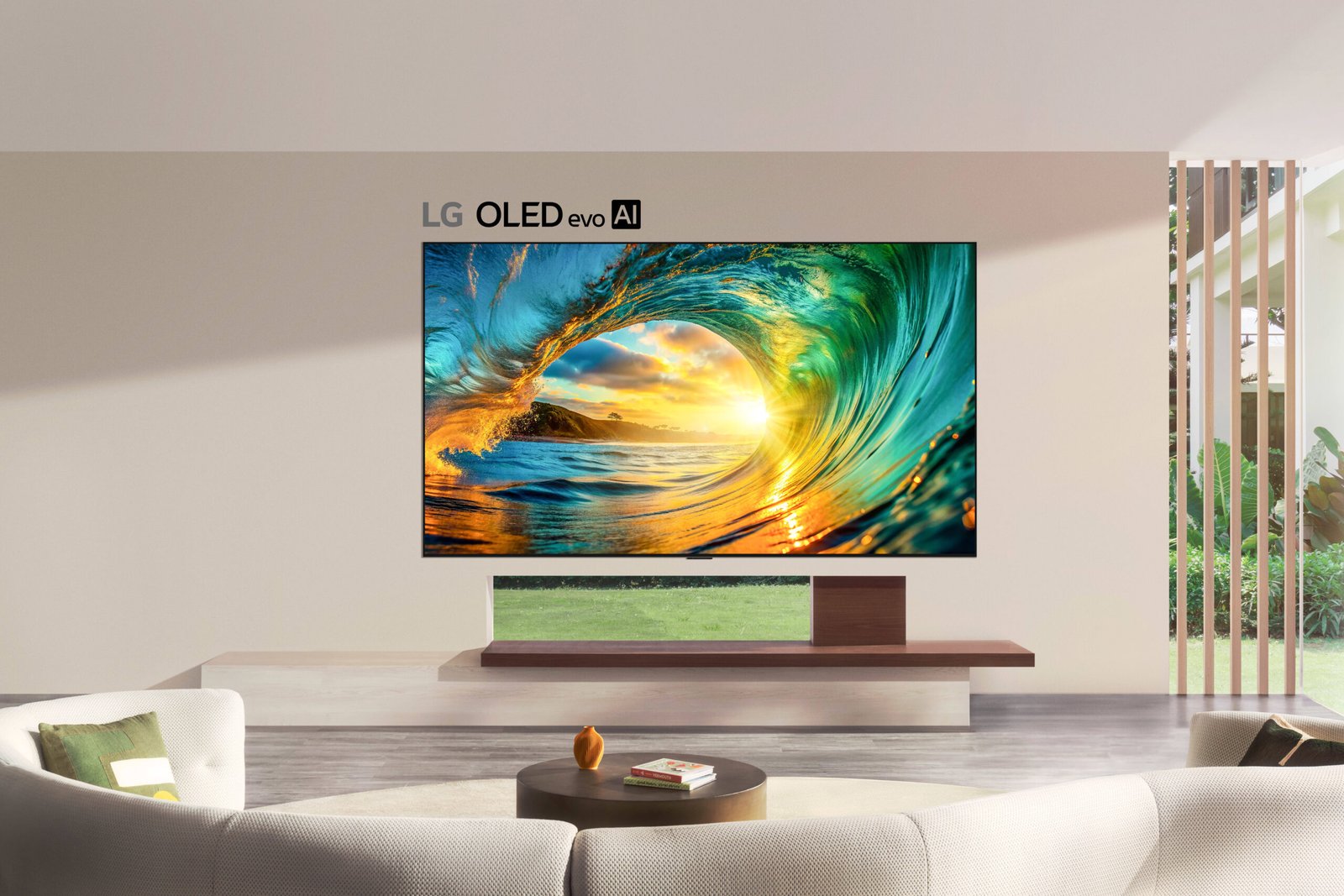
LG Display Cancels $2.5B OLED Plant Shifts Focus to Gaming Monitors
LG Display Abandons $2.5 Billion Paju 10.5G OLED Factory
LG Display has officially scrapped its long-planned $2.5 billion investment in a dedicated 10.5-generation OLED production facility in Paju South Korea. The project first announced seven years ago aimed to manufacture ultra-large panels exceeding 100 inches for premium televisions. Instead the company will upgrade existing 8.5-generation lines to produce displays up to 111 inches while redirecting capital toward high-performance gaming monitors. This strategic pivot reflects shifting market dynamics where demand for massive living room TVs has softened while the gaming display segment continues rapid growth.
Strategic Shift Toward Gaming Monitors and Existing Line Upgrades
Rather than building a new factory LG Display will enhance its current Paju P10 and P8 facilities to handle 111-inch OLED panels. This approach reduces capital expenditure by an estimated 40 percent compared to the original 10.5G plan. The upgraded lines will supply panels for flagship models such as the LG OLED G4 and LG OLED M4 series which already utilize the company’s MLA (Micro Lens Array) technology for peak brightness. Meanwhile the gaming monitor push targets products like the LG UltraGear 32GS95UE a 32-inch 4K 240Hz OLED panel and the ASUS ROG Swift PG32UCDM which features a 32-inch 4K 240Hz QD-OLED display. Competitors including Samsung Display are also prioritizing gaming with the Samsung Odyssey OLED G9 G95SC a 49-inch curved 240Hz monitor.
Impact on Ultra-Large TV Market and Competition
The cancellation raises questions about the ultra-large TV segment where 100-inch plus models remain niche. LG Display currently supplies panels for the LG Signature OLED T a 77-inch transparent OLED TV and the upcoming 111-inch variant. Rival panel makers such as BOE and CSOT are advancing their own large-format OLED lines potentially filling the gap. Chinese TV brands like TCL and Hisense have launched massive Mini-LED sets including the TCL 115X955 Max 115-inch and Hisense 110UX 110-inch ULED X models which compete on price. Sony’s A95L QD-OLED and Samsung’s QN900D Neo QLED 8K also target the premium large-screen buyer but rely on different panel technologies.
Financial Implications and Future Investments
LG Display’s decision conserves cash amid an industry-wide downturn in TV panel prices. The company reported an operating loss in 2023 and is focusing on high-margin segments like automotive displays and IT panels. The saved $2.5 billion will partially fund a new 8.6-generation IT OLED line in Paju slated for 2026 production. That facility will make panels for laptops tablets and monitors including potential supply for Apple’s iPad Pro M4 and MacBook Pro M3 models which adopt tandem-stack OLED for superior brightness and battery life. Analysts view the shift as pragmatic given that 111-inch TV volumes remain below 50000 units annually worldwide.
What This Means for Consumers and the Display Industry
For buyers the near-term impact is minimal. LG’s 2024 OLED TV lineup including the C4 G4 and M4 series continues unchanged. Gaming enthusiasts benefit from accelerated monitor innovation with more 27-inch 1440P 360Hz OLED options like the LG UltraGear 27GR95QE and high-refresh 4K models. Long-term the industry may see fewer dedicated ultra-large OLED fabs and more flexible multi-size production. As LG Display CFO Kim Sung-hyun stated the company remains committed to OLED leadership but must allocate capital where returns are strongest. The Paju 10.5G cancellation marks a pragmatic milestone in the evolution of large-format display manufacturing.