Will Xiaomi rear screens spark a new era for smartphones worldwide
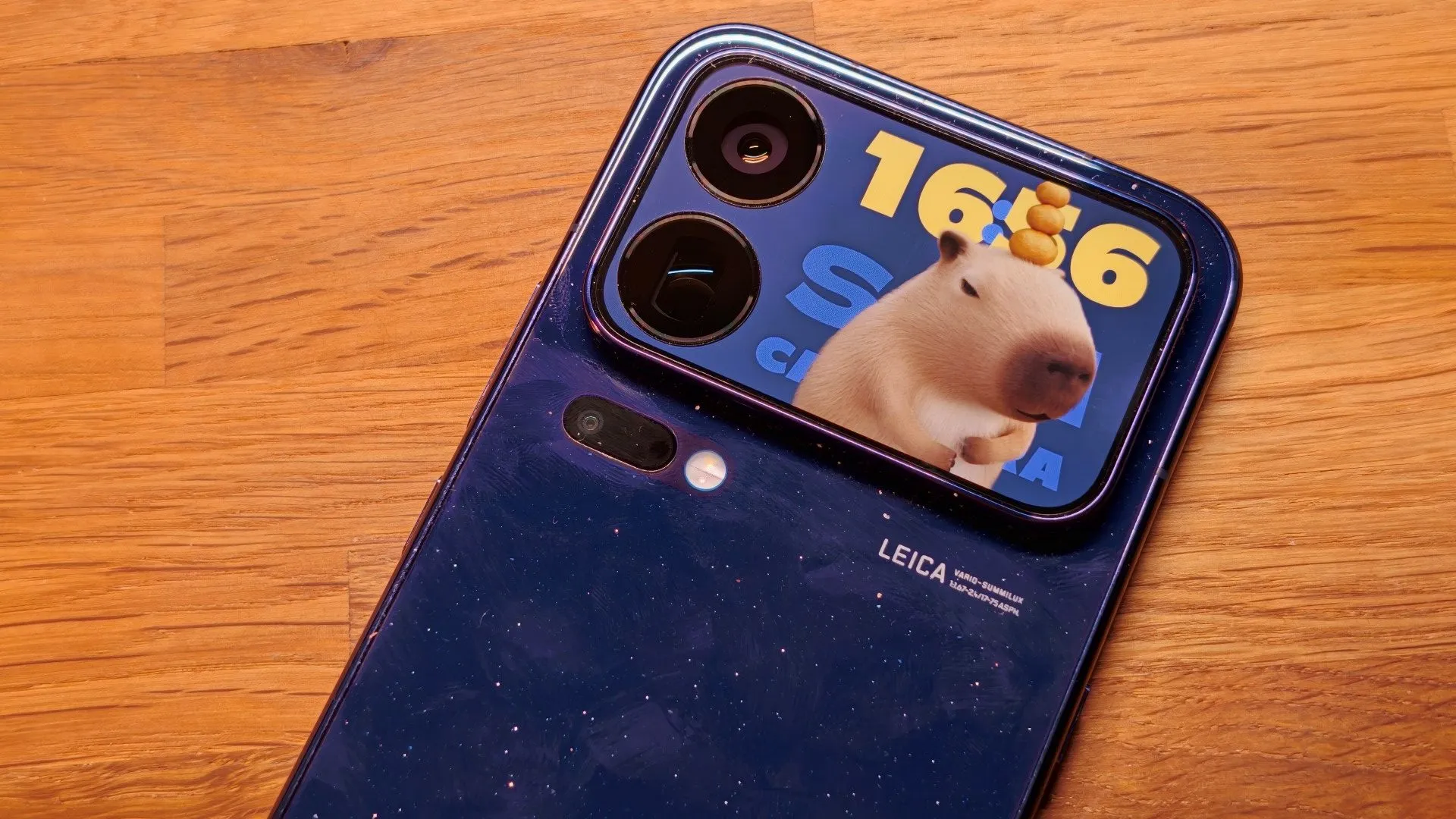
Xiaomi 18 Pro Max launches with a full‑size rear OLED display
On 17 November Xiaomi unveiled its 18 Pro series in Paris, marking the first global launch of the Pro models outside China. The headline feature is a 2.9‑inch rear OLED screen on the 18 Pro Max, a significant upgrade from the tiny back‑light on the 2021 Mi 11 Ultra. This rear screen occupies the entire camera module and promises new ways to interact with the phone without turning the main display on.
How the rear screen works and why it matters
The rear panel can show a clock, notifications, calendar events, and even small apps such as a fidget game called Keycap Press. Swiping down reveals recent alerts, while swiping up opens pre‑installed utilities like Desk Calendar and Upcoming Events. Because the display is separate from the front screen, users can glance at information without increasing overall screen time, a subtle but useful productivity boost.
Comparison with other manufacturers
Google’s Pixel 8 Pro tried to reduce screen addiction with a simple notification light called HiLight, but the feature received mixed reviews. Samsung Galaxy S26 introduced Qi2 magnetic charging but omitted any rear‑display experiment. Apple iPhone 16 continues to rely on the front display only, and the iPad Air M2 and Apple Watch Series 10 focus on larger primary screens rather than secondary ones. Xiaomi’s approach therefore stands out as a bold departure from the current industry lull in hardware innovation.
Practical uses at the desk and on the go
When placed in a small wooden stand, the 18 Pro Max’s rear screen faces outward, allowing users to keep an eye on time, upcoming meetings, or music playback without unlocking the phone. The screen also serves as a live viewfinder for the rear cameras, making selfies and group shots easier because the composition is visible on the back of the device. Users can install custom widgets or AI‑generated app cards, expanding functionality beyond the default tools.
Potential impact on smartphone design trends
If the rear display proves popular, other brands may follow. Honor has already confirmed that its upcoming 700 series will feature a similar rear screen system. Oppo is rumored to be considering a comparable design for its next flagship. While Apple is unlikely to adopt a rear panel in the near future, the concept could influence future iPhone accessories or software shortcuts.
Balancing novelty with everyday value
The rear screen is not just a gimmick; it offers a tangible way to reduce reliance on the main display. For example, checking a calendar event or silencing an alarm can be done with a quick glance, keeping the primary screen off and preserving battery life. The added visual appeal of animated wallpapers and animal‑themed themes also adds a personal touch without cluttering the home screen.
What reviewers are saying
Early hands‑on impressions from tech journalists highlight the rear panel’s size as a sweet spot—large enough to be functional but small enough to stay unobtrusive. Some note that the extra hardware adds a slight weight increase, but most consider the trade‑off worthwhile for the added convenience.
Future possibilities and AI integration
Xiaomi’s AI can generate custom app cards for the rear screen, meaning users could create shortcuts for smart home controls, quick voice notes, or even mini‑games. As AI assistants become more capable, the rear display could evolve into a dedicated hub for contextual information, further separating secondary tasks from the primary touchscreen.
Conclusion: Is the rear screen the next big trend?
Innovation in smartphones has slowed, making the Xiaomi 18 Pro Max’s rear OLED a refreshing change. Whether it becomes a mainstream feature depends on consumer adoption and competitor responses. For now, the device offers a practical way to stay organized, reduce screen time, and enjoy a novel user experience that could reshape how we think about phone interfaces.