
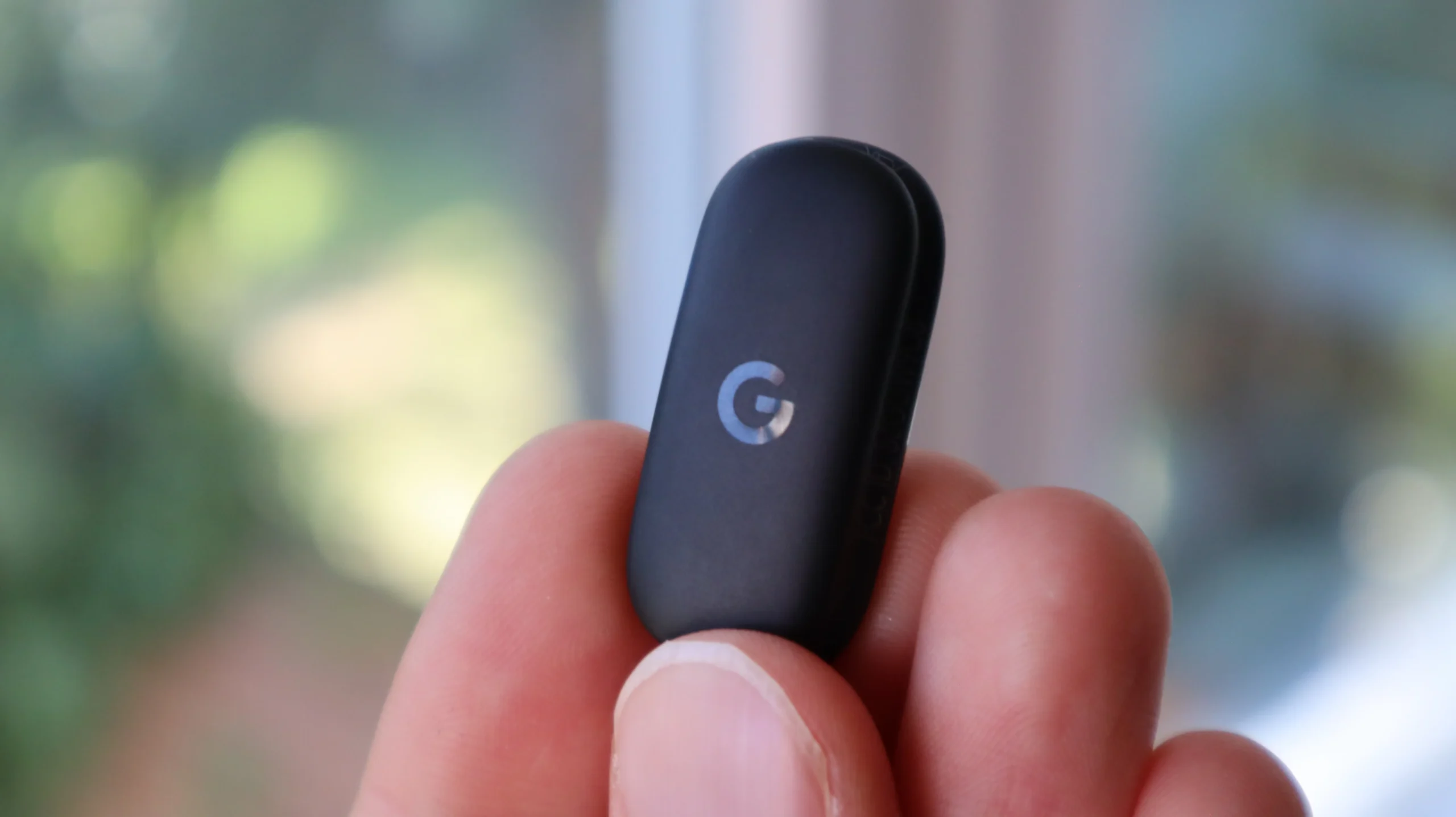
Fitbit Air receives major software upgrade
Google has rolled out the biggest update yet for its screenless fitness tracker, the Fitbit Air, shortly after unveiling the new Fitbit Edge. The upgrade adds a suite of health‑focused tools under the name Health Guardian, as well as a dramatic expansion of automatic workout detection.
Health Guardian brings monthly insights
Health Guardian is a collection of analytics that summarise long‑term trends in activity, sleep and heart health. Subscribers to Google Health Premium receive a personalised report at the start of each month, outlining lifestyle adjustments that could help them meet their fitness goals. The concept mirrors the Health Report feature found on the Whoop Strap, signalling Google’s intent to narrow the gap between the Fitbit Air and competing wearables such as the Apple Watch Series 10.
Automatic workout tracking now recognises 100 exercises
Prior to the update the Fitbit Air could automatically identify only ten different workout types. The new software can recognise up to one hundred unique activities without any user input, from running and cycling to yoga and strength training. Google says the detection algorithm is now twice as accurate thanks to deeper contextual reasoning in the Google Health app, which learns which workouts appear regularly in a user’s routine.
Broader third‑party integration
The update also expands the list of compatible third‑party apps. Users can now link the Fitbit Air with Flo Health for menstrual cycle tracking, MyFitnessPal for nutrition logging, and in the United States connect to Abbott’s Lingo platform for blood glucose monitoring. These integrations make the Fitbit Air a more versatile health hub alongside devices like the Samsung Galaxy S25 that also support extensive app ecosystems.
New metal mesh band adds style
Alongside the software changes Google has introduced a new metal mesh band for the Fitbit Air, turning the device into a fashion‑forward accessory. The sleek metal finish complements the tracker’s minimalist design and offers an alternative to the silicone straps that have traditionally come with fitness wearables.
Transition to Google Health app
One downside of the upgrade is the retirement of the classic Fitbit app. Anyone attempting to open the old app will be redirected to download the Google Health app. While the move consolidates health data under a single Google‑branded platform, it also marks the end of an era for the software that helped establish Fitbit as a leading brand in the fitness tracker market.
What this means for Fitbit fans
Overall, the Fitbit Air update positions the device as a more capable health companion, especially for users who prefer a screenless design. However, the new Fitbit Edge, which replaces the older Fitbit Charge 6, lacks several features that long‑time Fitbit enthusiasts expected, such as built‑in GPS and advanced sleep staging. The trade‑off between sleek simplicity and feature depth will likely influence whether existing Fitbit users stick with the Air or upgrade to the Edge.
In summary, Google’s latest push adds robust analytics, vastly improved workout detection and broader app support to the Fitbit Air, while also nudging users toward the Google Health ecosystem. Whether the changes are enough to keep the Fitbit Air competitive against rivals like the Apple Watch Series 10 and Samsung Galaxy S25 remains to be seen, but the update certainly breathes new life into the aging tracker.