Three iPhone Duo Design Quirks You Might Have Missed in 2026
Right‑handed bias in the iPhone Duo
The iPhone Duo replaces Face ID with a Touch ID sensor placed on the right side of the device. That location feels natural for a right‑handed thumb, but left‑handed users must reach across the wide 8.4cm chassis to press it. Apple says the sensor can store up to five fingerprints, yet a left‑handed grip often leaves the thumb hovering over empty space, making unlocking and authenticating payments feel awkward.
Apple also shifted the bottom app bar and in‑app controls upward and to the right to match the thumb’s natural arc. While this improves one‑handed use for right‑handed owners, left‑handed users may struggle to tap icons without readjusting their grip.
Asymmetrical screen and lack of symmetry
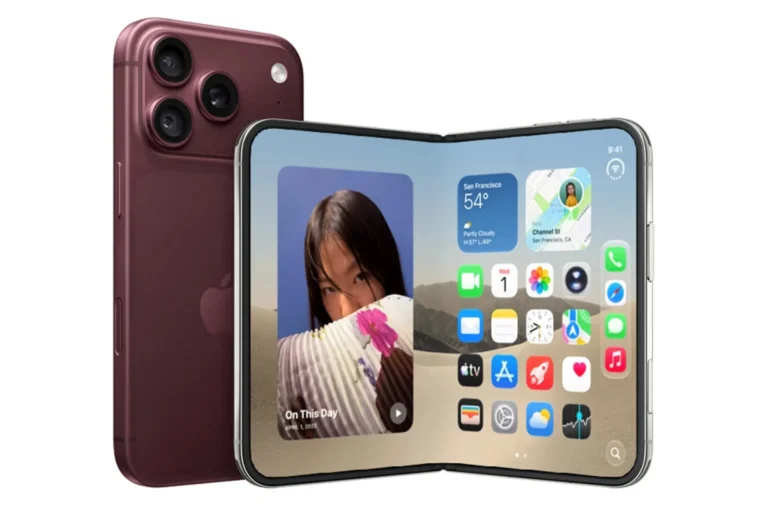
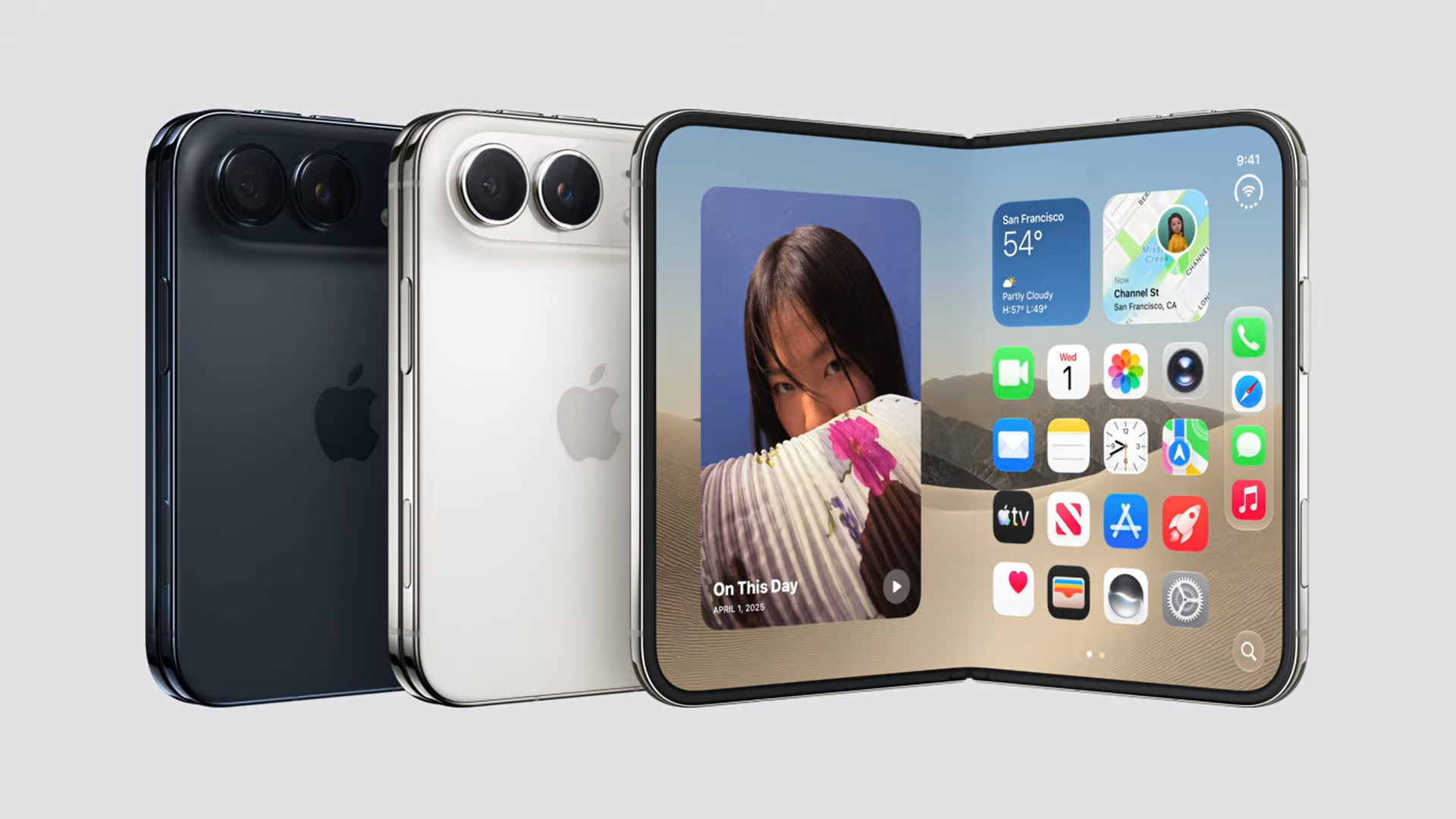
When the Duo is closed, the left edge is flat with squared‑off corners, while the right side retains the classic rounded Apple silhouette. The front display spans the entire surface, creating an asymmetrical visual that draws the eye. Most users are accustomed to perfectly balanced screens, so the uneven look can feel distracting, especially when comparing it to the symmetrical Samsung Galaxy Z Fold 8 or Xiaomi 18 Fold.
Even though the inner 5.4‑inch display shines for multitasking, many daily tasks still rely on the outer screen, meaning the asymmetry becomes a regular visual cue.
Short stature but heavyweight feel
At just 11.8cm tall, the iPhone Duo is shorter than the iPhone 13 mini (13.15cm) and even the compact iPad Air M2 when held vertically. However, its 254g weight makes it the heaviest iPhone to date, surpassing the iPhone 17 Pro Max (233g) and dwarfing the Galaxy Z Fold 8 (201g). The extra mass can feel cumbersome in pockets and may interfere with accessories such as MagSafe chargers, Apple Watch Series 10 stands, or third‑party phone grips.
Transitioning from an iPhone 16 Pro (199g) or iPhone 17 Pro (206g) to the Duo means adapting to a 48g increase, which can affect hand fatigue during prolonged use.
Workarounds and accessibility options
Apple provides AssistiveTouch, Back Tap, and a left‑handed keyboard layout that can mitigate some ergonomic challenges. Still, these software tweaks cannot fully compensate for the hardware’s right‑handed orientation.
For left‑handed users who value a foldable experience, the Samsung Galaxy Z Fold 8 offers a more symmetrical button layout, while the Xiaomi 18 Fold provides a lighter chassis, making them viable alternatives.
Conclusion: Is the iPhone Duo truly invisible?
The iPhone Duo’s innovative folding design is impressive, but its right‑handed bias, asymmetrical screen, and heavyweight feel keep it from blending seamlessly into everyday life for many users. Right‑handed owners may barely notice these quirks, yet the device’s design choices ensure it remains a conversation starter rather than an invisible companion.