AMD Predicts UK PC and Gaming Demand to Decline in H2 2026
UK PC and Gaming Market to Experience Decline in Second Half of 2026
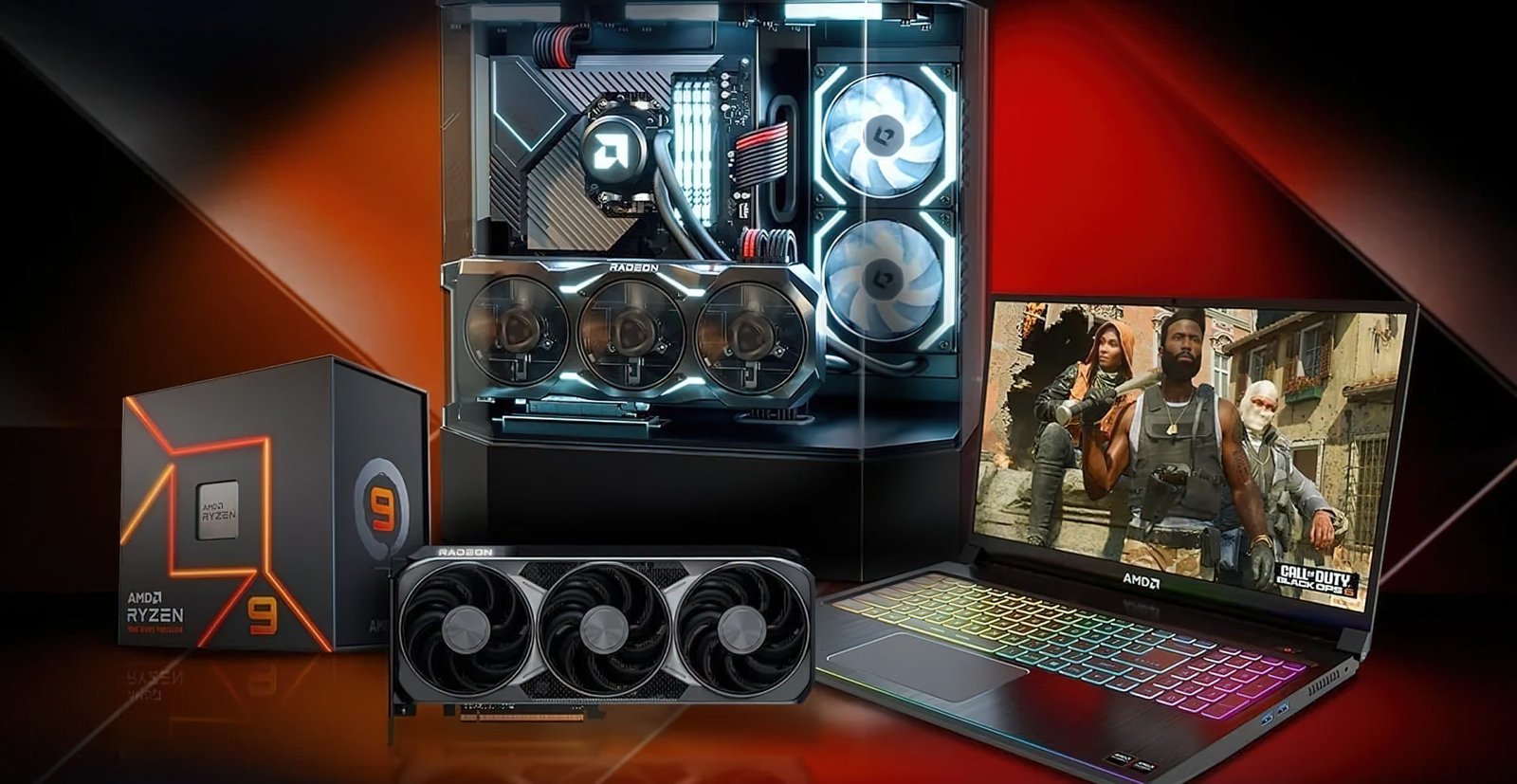
AMD has warned that the UK PC and gaming market is set to decline in the second half of 2026. This decline is largely attributed to rising memory and component prices, which are squeezing consumers out of the market. The company’s Client and Gaming segment saw a 23% increase in revenue in Q1 2026, but this growth is expected to slow down.
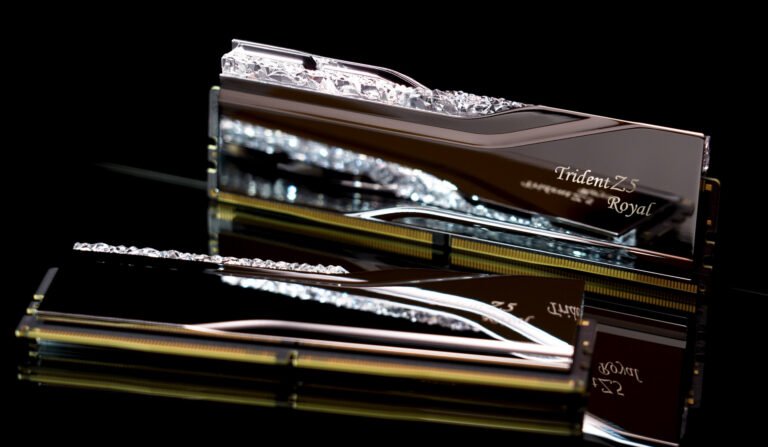
The primary reason for this decline is the surge in memory prices, which is affecting the demand for PCs and gaming consoles. AMD’s client side, which includes desktop and laptop segments, has seen great traction through a strong portfolio of products. However, the company expects this growth to be short-lived due to the rising costs of components.
The UK market is particularly vulnerable to these changes, as consumers are becoming increasingly price-sensitive. The rising costs of memory and components are making it difficult for consumers to afford new PCs and gaming consoles. As a result, AMD expects the demand for these products to decline in the second half of 2026.
AMD’s prediction is based on its Q1 2026 earnings, which showed a 23% increase in revenue versus the prior year. However, the company’s revenue declined by 9% versus the previous quarter. This decline is a clear indication that the market is slowing down, and AMD is expecting this trend to continue in the second half of 2026.
The company’s latest products have seen great traction in the UK market, but the rising costs of components are affecting demand. AMD is working to mitigate the effects of the memory price surge, but it remains to be seen how effective these efforts will be. The UK PC and gaming market is expected to experience a significant decline in the second half of 2026, and AMD is preparing for this eventuality.
The decline in demand is not just limited to the UK market, as the global PC and gaming industry is also expected to experience a slowdown. The rising costs of components are affecting manufacturers and consumers alike, and it remains to be seen how the industry will respond to these changes. AMD is well-positioned to weather the storm, but the company is still expecting a decline in demand in the second half of 2026.
In conclusion, the UK PC and gaming market is set to decline in the second half of 2026, due to rising memory and component prices. AMD is expecting a slowdown in demand, despite its strong portfolio of products. The company is working to mitigate the effects of the memory price surge, but it remains to be seen how effective these efforts will be.
As the UK market continues to evolve, it is essential for consumers and manufacturers to be aware of the changing landscape. The rising costs of components are affecting demand, and it is crucial for companies to adapt to these changes. AMD is well-positioned to respond to these changes, but the company is still expecting a decline in demand in the second half of 2026.
The UK PC and gaming market is a significant sector, and the decline in demand is expected to have a substantial impact on the industry. AMD is working to minimize the effects of the memory price surge, but it remains to be seen how effective these efforts will be. The company is expecting a decline in demand, and it is essential for consumers and manufacturers to be aware of this trend.
Overall, the UK PC and gaming market is set to experience a significant decline in the second half of 2026. AMD is expecting a slowdown in demand, despite its strong portfolio of products. The company is working to mitigate the effects of the memory price surge, but it remains to be seen how effective these efforts will be. As the industry continues to evolve, it is essential for consumers and manufacturers to be aware of the changing landscape.