Xiaomi 17 Pro Max screen refresh debate: 120Hz vs 165Hz – what matters?
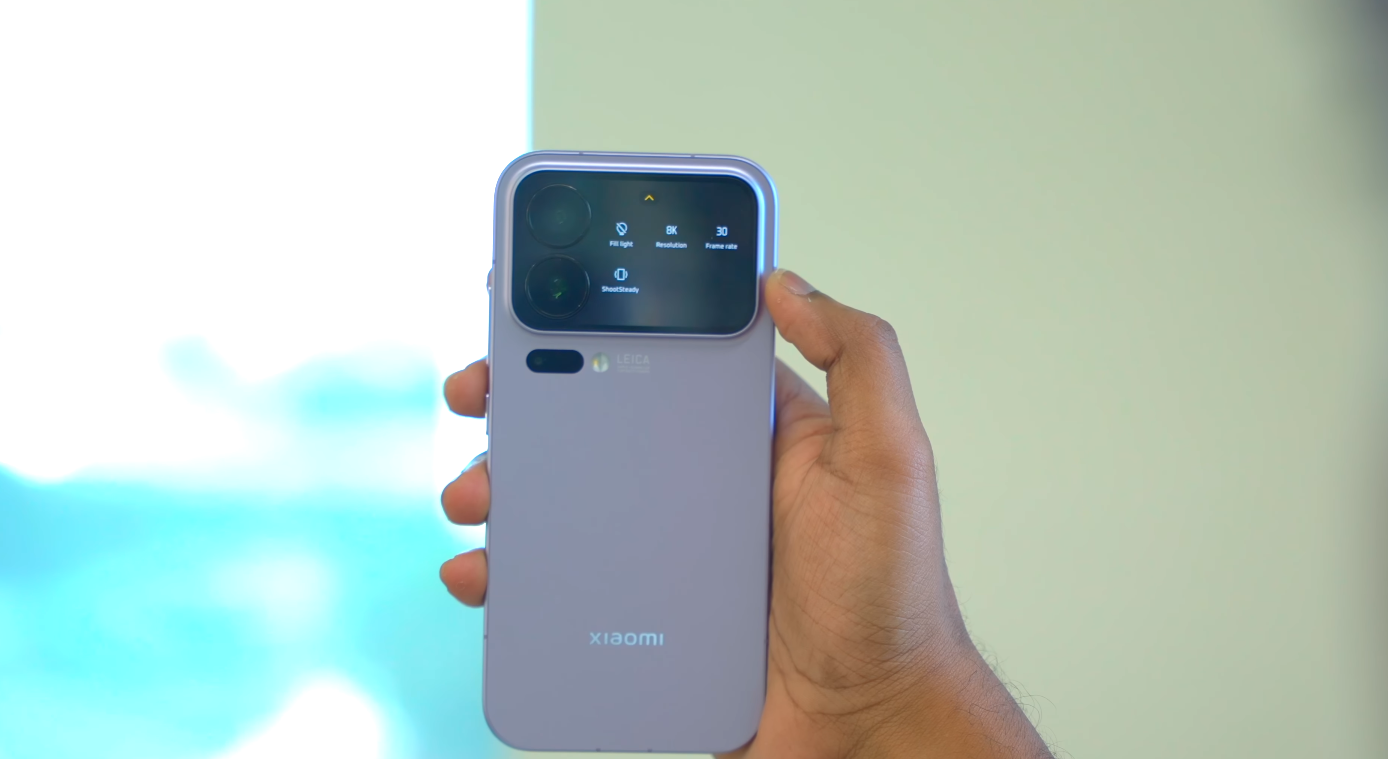
How much does higher refresh really matter on a flagship smartphone?
The screen refresh rate of a smartphone is one of the most talked-about specs this year, and for the Xiaomi 17 Pro Max the difference between 120Hz and the possibility of 165Hz (or higher) raises real questions for buyers. With UK users often balancing everyday tasks, outdoor use and battery life, understanding what the numbers mean in real-world conditions can help you decide what really matters.
High refresh rates such as 120 Hz offer smoother animations and more fluid scrolling compared to standard 60 Hz displays. This means apps feel more responsive, transitions look sharper and everything just “feels faster”. For heavy-touch users who scroll social apps, switch between heavy apps or game, this improvement is tangible. The 17 Pro Max supports adaptive refresh, meaning the refresh rate can drop when the screen is static to save power, which helps make 120 Hz practical in everyday use.
But what about going beyond 120Hz—to 144Hz or 165Hz? The theoretical benefit is finer motion, slightly faster transitions and a more “premium” feel. However, everyday use scenarios often don’t saturate the advantage. Browsing, messaging, watching videos and most apps are still tuned for 60Hz or 120Hz. And in UK daylight, when brightness and contrast become major limiting factors, the perceptible difference between 120Hz and 165Hz tends to shrink.

Battery life often becomes the trade-off. Running higher refresh rates more consistently uses more power, especially when combined with high brightness (typical of UK outdoor conditions). Even with adaptive refresh panels, if you leave the screen locked to highest refresh constantly, you risk shorter stamina. The key is whether your use case justifies that extra cost in battery or heat.
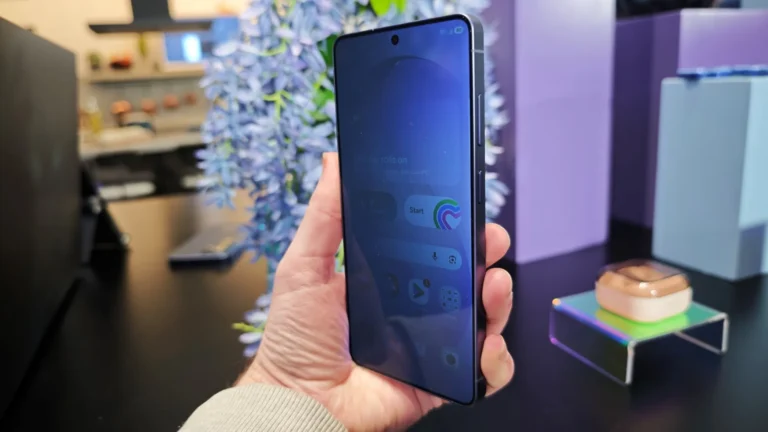
For UK users, outdoor visibility, brightness, panel quality and software optimisation often matter more in daily practical use than chasing the highest refresh number. The 17 Pro Max’s panel already delivers very good outdoor legibility and adaptive refresh, which makes 120Hz a superior baseline. Unless you are a serious mobile gamer or motion-sensitive UI enthusiast, you’ll likely be well-served by 120Hz.
Gamers and power users will benefit more from any additional headroom. If you actively play fast-paced multiplayer games, or use the phone in professional-level video editing or animation tasks, then every extra frame might count. Also, if the phone supports a higher refresh rate and you’re committed to unlocking its full potential, it could justify the upgrade. But for general UK users who use their phone for everyday tasks, there is diminishing return beyond 120Hz.
In short: 120Hz is already excellent, and likely the optimal balance of smoothness, battery life and solid everyday performance for the Xiaomi 17 Pro Max in the UK. Pushing to 165Hz may deliver a slight visual edge in ideal conditions—but it comes with trade-offs, and those trade-offs may barely be noticeable in typical use.