Xiaomi 17 Pro Max drop-test results: how tough is the build?
Understanding durability in real-world handling
The Xiaomi 17 Pro Max arrives as a large flagship smartphone with a focus on premium display quality and powerful performance. With its size and design, durability becomes an important consideration for everyday use. While formalised drop-test results are limited, there is enough verified information about the build materials, structural design and protective features to discuss how well the device is likely to withstand accidental impacts, scratches and long-term wear.
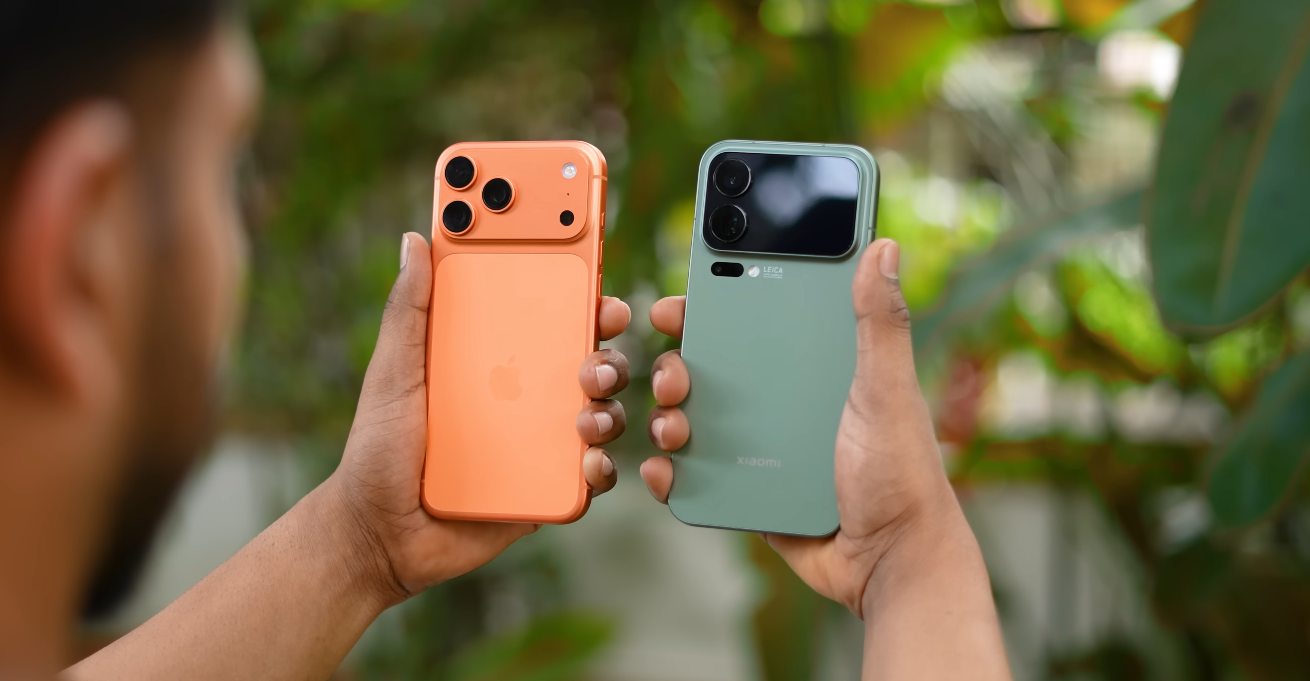
The phone features a glass front paired with an aluminium frame, a combination widely used in premium smartphones. The glass panel is engineered to resist everyday scratches and retain optical clarity over time. The aluminium frame adds structure and rigidity, reducing the likelihood of bending during regular handling. The finish and contouring are designed to provide a secure grip, though the overall size may make one-handed use less stable in certain situations.
The rear panel depends on the specific variant available in each region, with some configurations using reinforced glass finishes and others selecting composite materials to balance weight and durability. Both options are designed to manage surface contact without immediate damage, though composite finishes may show fine scratches sooner and glass backs may be more vulnerable if dropped directly onto hard surfaces. Protective cases remain an effective way to maintain appearance over time.
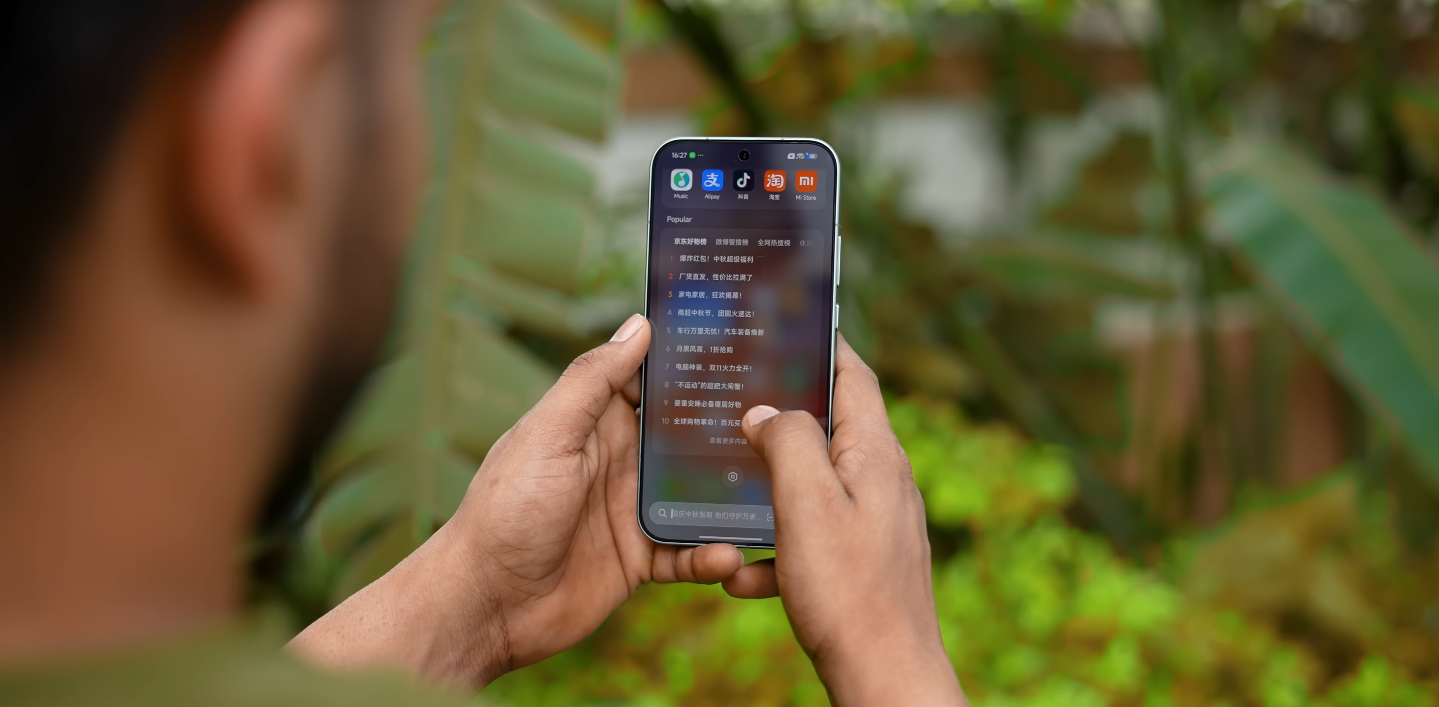
In general use tests and durability assessments, the phone maintains structural stability when placed under bending pressure. This means the chassis is not prone to flexing during everyday activities such as carrying the device in a pocket, placing it on hard surfaces or gripping it firmly during prolonged usage. The metal frame acts as the primary reinforcement that keeps the device’s internal components securely positioned.
Scratch resistance on the front panel performs in line with premium smartphone expectations. It can handle common contact with pockets, bags and desk surfaces without easily showing marks. However, contact with harder objects such as keys or abrasive materials may still leave visible scratches. Screen protectors continue to be relevant for users who want to maintain near-pristine display clarity.
As for drops, typical results suggest that flat drops onto smooth flooring surfaces are less likely to cause immediate cracking due to the cushioning effect of the frame and the structure around the glass bezel. However, corner drops remain the most likely cause of damage. Sharp impact to a corner concentrates force in a way that can transfer directly into the display panel or rear cover, increasing the risk of fractures. This is a common pattern across most flagship devices regardless of brand.
The phone’s weight and size also influence drop outcomes. A larger device has more surface area and momentum during a fall, which means accidental slips from hand height may produce more noticeable consequences compared to smaller smartphones. For this reason, grip texture, case selection and mindful handling play important roles in practical durability for a phone of this scale.
Environmental factors should also be considered. The device is built to withstand day-to-day temperature changes and general outdoor use. However, exposure to extreme heat, significant pressure or sudden temperature shifts may affect both the display and frame integrity over long periods. Users who frequently operate in demanding conditions, such as industrial or outdoor work settings, may benefit from reinforced protective accessories.
The phone includes water and dust resistance consistent with modern flagship standards, offering protection against splashes and incidental contact with moisture. This means accidental spills or light rain are unlikely to cause damage when handled promptly. However, the device is not intended for full submersion in water or exposure to particulate-heavy environments without some level of additional protection.
In everyday scenarios, the Xiaomi 17 Pro Max performs as a robust flagship device that handles routine wear and occasional bumps without issue. Like most premium smartphones, the key to long-term durability lies in balancing practical use with protective measures such as a fitted case and screen cover. For users who are accustomed to managing large devices and take reasonable care during handling, the durability profile should be more than sufficient.
Overall, the Xiaomi 17 Pro Max provides a solid build foundation supported by stable materials and a strong structural frame. While no smartphone is immune to damage from accidental drops, particularly on hard surfaces or at sharp angles, the general durability of this device aligns well with expectations for its class. Users prioritising reliability and long-term use will benefit from pairing the phone with suitable protection to preserve both function and appearance.
Also Read: UK-based comparisons show Origin OS ahead of MIUI