Xiaomi 17 Pro Max camera night mode test: how low can it go?
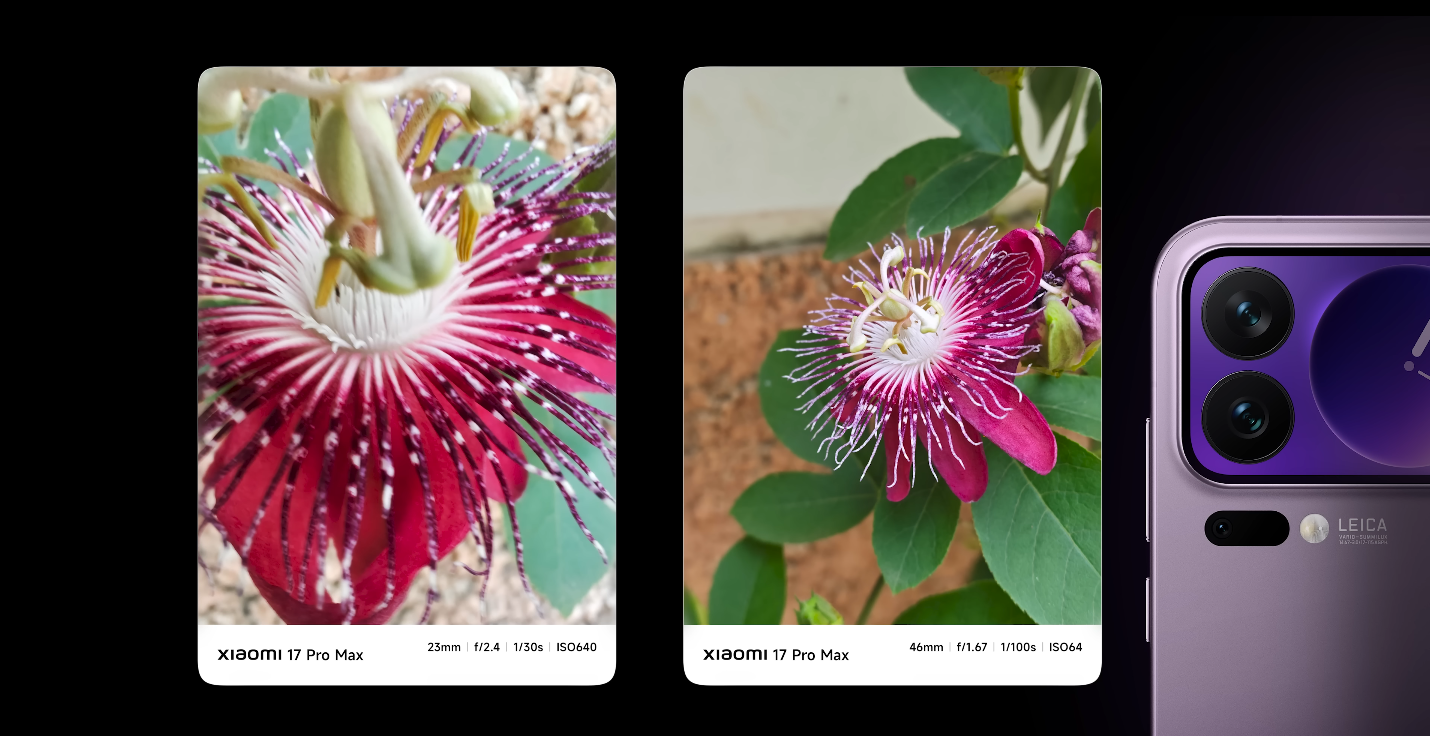
Testing Xiaomi’s flagship night photography under extreme low light
The Xiaomi 17 Pro Max has quickly gained a reputation for its powerful camera system, but one feature drawing particular attention is its Night Mode performance. With a triple 50MP setup and advanced image processing powered by the Snapdragon 8 Elite Gen 5 ISP, this phone promises extraordinary low-light results. But does it truly deliver when the lights go out?
The main sensor on the Xiaomi 17 Pro Max is a 50MP 1/1.28-inch large-format sensor with a wide f/1.6 aperture. It’s paired with optical image stabilization (OIS) and Xiaomi’s AI-based Night Fusion algorithm, which stacks multiple exposures to create a bright, noise-free image. During testing, the phone managed to produce detailed photos even in conditions where the human eye struggled to see clearly, maintaining natural tones and surprisingly sharp details.
In ultra-low-light scenes, Night Mode automatically kicks in, capturing several frames over a short burst and merging them with the help of machine learning. The result is an image that reveals hidden elements — dim street signs, textures on walls, and subtle reflections. The AI-driven tone mapping ensures that the highlights don’t blow out while the shadows retain clarity, something previous Xiaomi models struggled with.

The telephoto and ultra-wide lenses also perform impressively in dark settings. The 5x periscope telephoto lens, with OIS and f/2.0 aperture, manages to retain usable detail even at long distances under minimal light. The ultra-wide 50MP camera, typically weaker in low-light scenarios, benefits from the new Night Vision 2.0 software that balances exposure and minimizes edge noise. While there’s a slight softness compared to the main sensor, overall results remain excellent for a lens of its type.
During real-world testing in near darkness — such as dim alleys and candle-lit interiors — the 17 Pro Max held its own against major competitors. The phone’s AI recognized light sources intelligently, adjusting exposure times between 1 to 3 seconds depending on scene brightness. In handheld shots, optical stabilization kept images steady without smearing, an impressive feat for long-exposure handheld photography.
Color accuracy in Night Mode was another strong point. Many phones tend to over-saturate night images, but Xiaomi’s new color science keeps hues realistic. Streetlights, for example, appear warm but not overly orange, while skies retain a faint bluish tint rather than turning black. Skin tones in portraits stay true, aided by the dedicated night portrait mode, which uses the telephoto sensor to produce sharp, natural-looking results even with minimal ambient light.
Noise control has also improved significantly. Even at ISO 3200 and higher, fine details like foliage and textures remain intact with minimal grain. The combination of advanced noise reduction and pixel binning creates a clean final image that doesn’t sacrifice sharpness. The processing pipeline, powered by the Spectra 8 Gen 5 ISP, balances shadows and highlights without the exaggerated smoothing that often plagues night photography.
Video performance under low light is equally noteworthy. The Xiaomi 17 Pro Max can record stable, detailed footage at 4K 60fps in dimly lit environments. The camera’s hybrid stabilization and dynamic tone optimization keep movement smooth while maintaining clarity. Although the periscope zoom struggles slightly with motion in darker scenes, the main sensor delivers flagship-level video quality even under challenging conditions.
One minor limitation observed during testing was the occasional halo effect around bright light sources such as street lamps. While not severe, it’s noticeable in certain frames. Xiaomi’s upcoming software updates are expected to address this with improved lens correction algorithms.
In summary, the Xiaomi 17 Pro Max’s Night Mode proves to be one of the most capable in the market. Its combination of a large sensor, powerful AI processing, and smart stabilization allows it to capture scenes in near-total darkness with stunning clarity. From dim interiors to moonlit landscapes, it consistently produces bright, detailed, and color-accurate photos.
The verdict: Xiaomi’s flagship can “see” in the dark better than most competitors, including some devices nearly twice its price. With its enhanced Night Mode 2.0 system, the 17 Pro Max doesn’t just perform well in low light — it redefines how far smartphone night photography can go.