
The current smartphone slump
Recent data from Counterpoint Research shows global smartphone shipments fell twenty percent year on year in the third quarter, the lowest level in fourteen years. Even flagship launches such as Samsung Galaxy Z Fold 8, Google Pixel 11 and Apple iPhone 18 Pro could not stop the decline. Rising component costs, especially memory, and worldwide cost‑of‑living pressures are finally being felt by buyers.
Why annual upgrades no longer make sense
In the early days of the industry a new model meant a genuine leap in performance and features. Today the differences between successive generations are often incremental. The Pixel 11, for example, looks almost identical to the Pixel 10 and offers only minor software tweaks. Even Samsung’s Galaxy S21 feels dated compared with the latest devices, yet many consumers still chase the newest badge.
Continuing to replace a phone every year now costs more than five years of incremental improvements would have a few years ago. The financial hit is clear, and the market data suggests shoppers are finally voting with their wallets, opting to keep devices longer.
Environmental impact of new phones
The United Nations estimates that eight out of ten kilograms of a smartphone’s carbon footprint come from production. Modern handsets contain seven valuable metals – copper, gold, silver, cobalt, tin, tantalum and tungsten – most of which are still mined rather than recycled. The Global E‑waste Monitor 2024 reported that only twenty‑two point three percent of e‑waste was formally collected and recycled.
Manufacturers such as Apple and Fairphone are exceptions, but even the Fairphone 6 uses only around thirty‑six to forty percent recycled material. The mining and processing of these metals generate greenhouse gases, pollution and biodiversity loss, making the constant churn of new phones unsustainable.
The refurbished revolution
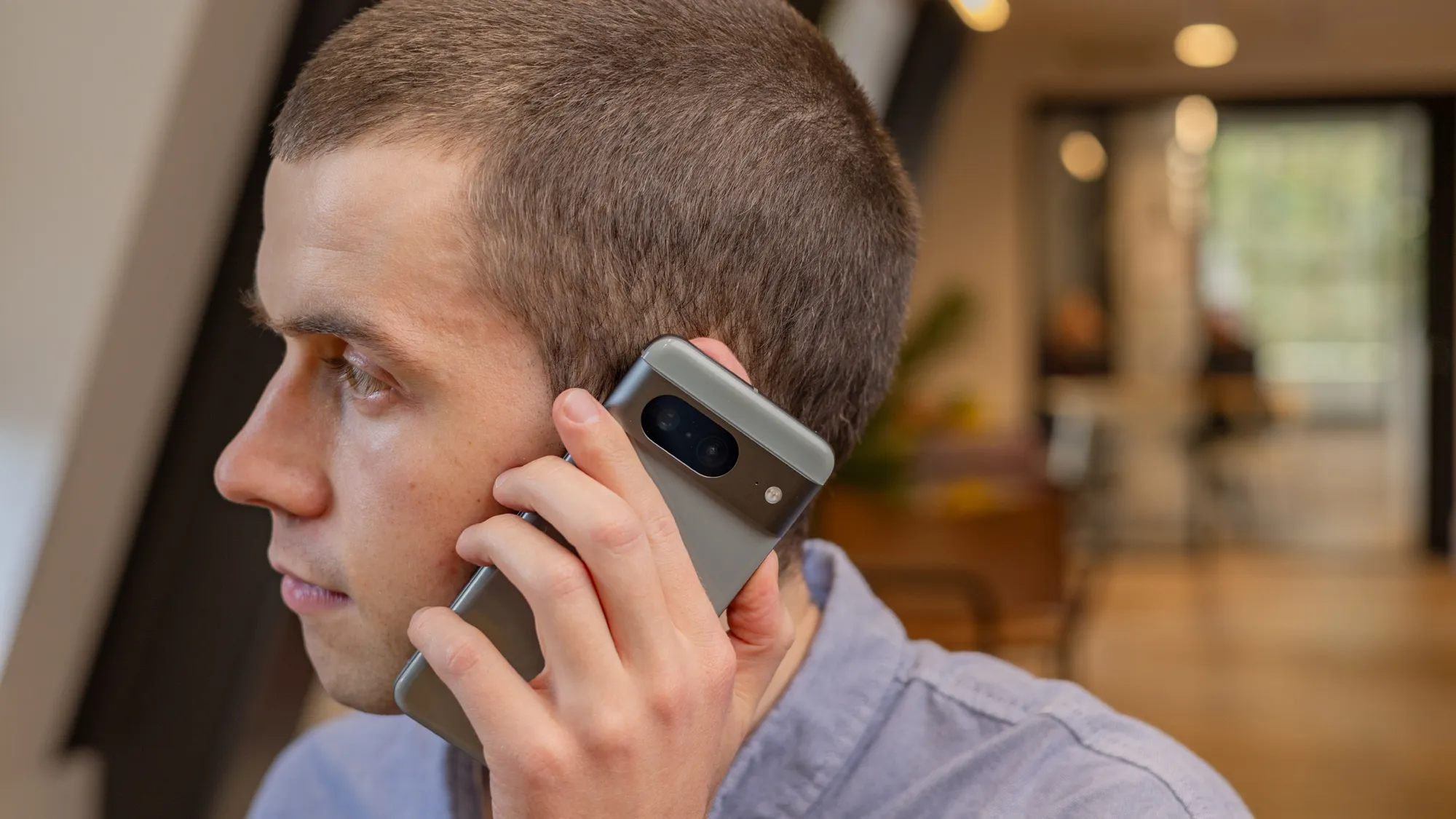
Choosing a refurbished device offers a practical solution. Refurbished phones are professionally restored, come with warranties and are significantly cheaper than brand‑new models. For instance Google’s Pixel 8 launched in 2023 with seven years of software updates, meaning it remains secure until 2030. While the original price was six hundred ninety‑nine pounds, a reputable refurbisher lists it for just two hundred twenty pounds.
Buying from established refurbishers avoids the risks of private sales on platforms like eBay or Facebook Marketplace, where buyer protection is limited. A refurbished Pixel 8 delivers performance comparable to the latest Pixel 11 at a fraction of the cost, proving that slightly older hardware can still meet everyday needs.
A needed reset
The slowdown in smartphone sales is a warning that the industry’s growth model is exhausted. Consumers are rethinking the habit of chasing the newest badge and are instead valuing durability, software support and environmental impact. Even Apple would struggle to convince a current iPhone 14 owner to upgrade to an iPhone 18 Pro when the functional gains are marginal.
Embracing refurbished smartphones not only saves money but also reduces the demand for new production, cutting emissions and metal extraction. It is a realistic step toward a more sustainable tech ecosystem without sacrificing the convenience modern phones provide.