Vivo X300 Pro launch day chaos in online stores
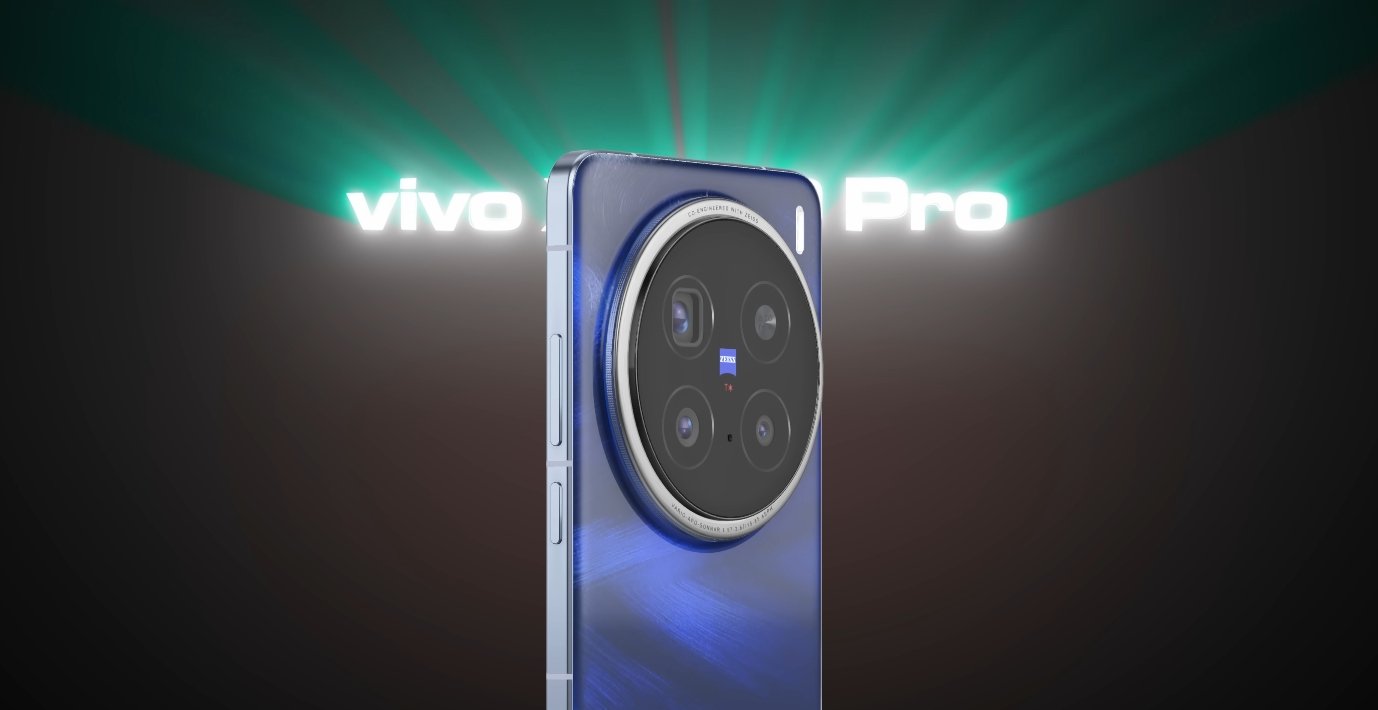
Inside the Launch Day Frenzy of the Vivo X300 Pro
The Vivo X300 Pro, one of the most anticipated flagship smartphones of 2025, officially launched on October 13. Expectations were high due to the device’s advanced camera system, high-performance specifications, and global hype. However, launch day quickly turned into a chaotic experience for many buyers trying to secure the device online. From website crashes to limited stock and confused pricing, the first day revealed the challenges of meeting massive demand for a high-profile smartphone.
From the very start of the pre-order window, online stores experienced overwhelming traffic. The official Vivo website, along with its partner retailers, struggled to cope with the sudden surge of visitors. Many users reported that product pages were slow to load or completely inaccessible. Attempts to add the device to shopping carts often failed, and transactions could not be completed due to server overload. This digital bottleneck left thousands of eager customers frustrated and uncertain if they would be able to purchase the device.
Pricing and availability added another layer of confusion. The base Vivo X300 Pro model was officially priced at ¥5,299 in China, roughly $740 USD, but international retailers displayed inconsistent pricing. Some third-party platforms listed the device at significantly higher prices, while others did not clarify warranty or shipping policies. Customers across the U.S., Europe, and other regions were left questioning whether they were being charged fairly and whether the purchase would include proper support and coverage. This lack of transparency fueled dissatisfaction and confusion during an already tense launch.

Limited stock further compounded the chaos. Even users who managed to navigate website crashes and complete orders often faced long waiting periods. Early buyers reported being placed in backlogged queues, with no clear communication from retailers regarding expected shipping dates. Many orders were partially fulfilled, leading to staggered deliveries and additional uncertainty about when the device would actually arrive. For a launch meant to generate excitement, the reality left buyers anxious and disappointed.
Customer support teams were quickly overwhelmed by the flood of inquiries. Response times were significantly longer than usual, and many users received generic replies that failed to address their specific concerns. Questions about order confirmations, payment issues, and shipping timelines went unanswered for hours or even days. The lack of prompt and personalized assistance intensified customer frustration and highlighted the importance of scaling support operations alongside product demand.
Social media quickly became a platform for expressing frustration. Customers took to Twitter, Instagram, and other platforms to share screenshots of failed orders, error messages, and confusing pricing details. Hashtags related to the launch trended, with many users publicly criticizing the company for inadequate preparation. The widespread online complaints drew attention not only from frustrated consumers but also from tech media outlets covering the launch, turning what should have been a celebratory day into a PR challenge.
The launch of the Vivo X300 Pro provides several lessons for companies planning high-demand product releases. First, online infrastructure must be capable of handling peak traffic volumes, including pre-orders and first-day sales. Server crashes and slow load times significantly impact customer experience and can harm brand perception. Second, pricing transparency and clear communication regarding availability and shipping timelines are critical to building trust. Customers need accurate information to make informed purchase decisions, especially when dealing with international markets. Finally, customer support must be adequately staffed and trained to manage high inquiry volumes, offering timely and effective assistance.
Despite the chaos, the Vivo X300 Pro’s launch day also demonstrated the device’s popularity and market demand. The high traffic, repeated attempts to purchase, and social media buzz all indicate that consumers are highly interested in Vivo’s latest flagship. The company now has an opportunity to learn from the launch day challenges, improve its processes, and ensure smoother experiences for future releases.
In conclusion, the Vivo X300 Pro launched to unprecedented demand that online stores were unprepared to handle. Website crashes, inconsistent pricing, limited stock, and overwhelmed customer support created a stressful experience for buyers. Social media amplified the frustration, highlighting the gaps in communication and infrastructure. While the device itself remains a standout flagship with impressive features, its launch serves as a cautionary tale about the complexities of meeting high consumer expectations in the digital era. Companies must plan meticulously to balance excitement with seamless execution, ensuring that anticipation turns into satisfaction rather than chaos.