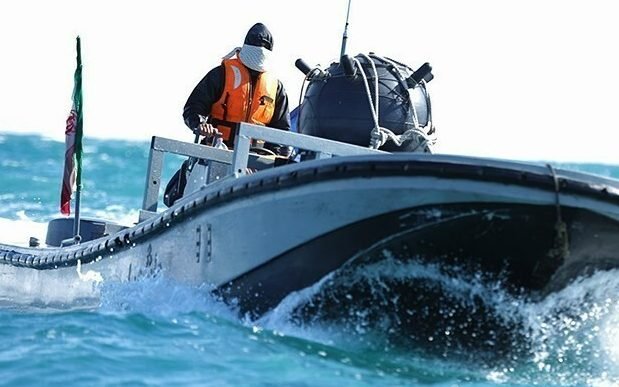
US Navy Confronts Iranian Minelayers in the Strait of Hormuz

US Navy Confronts Iranian Minelayers in the Strait of Hormuz
The United States has recently increased its military presence in the Strait of Hormuz, a vital shipping lane in the Middle East. This move is largely seen as a response to Iran’s growing naval capabilities, particularly its British-inspired minelayers. The US Navy is determined to maintain its dominance in the region and ensure the safe passage of oil tankers and other vessels.
Iran’s minelayers, inspired by British designs, have been causing concern among Western powers. These vessels are capable of laying mines in the Strait of Hormuz, which could potentially disrupt oil supplies and have a significant impact on the global economy. The US Navy is taking steps to counter this threat and maintain the stability of the region.
The US Navy’s efforts to counter Iran’s minelayers are part of a broader strategy to maintain its influence in the Middle East. The US has a long history of involvement in the region and is committed to protecting its interests and those of its allies. The Strait of Hormuz is a critical waterway, and the US is determined to ensure that it remains open to international shipping.
The situation in the Strait of Hormuz is complex and volatile, with multiple nations vying for influence. The US, Iran, and other regional powers are all seeking to assert their dominance, and the risk of conflict is ever-present. The US Navy’s confrontation with Iranian minelayers is just one aspect of this larger struggle for power and control in the region.
As tensions in the Strait of Hormuz continue to escalate, the international community is watching with bated breath. The US and its allies are calling for calm and restraint, while Iran is accusing the West of aggression and interference. The situation is delicate, and any miscalculation could have far-reaching consequences.
The US Navy’s actions in the Strait of Hormuz are not just about countering Iranian minelayers; they are also about sending a message to the international community. The US is demonstrating its commitment to maintaining stability and security in the region, and its willingness to take action to protect its interests and those of its allies.
The Strait of Hormuz is a critical component of the global economy, and any disruption to shipping in the region could have significant consequences. The US Navy is working to prevent such a disruption, and its efforts are crucial to maintaining the stability of the global economy.
In conclusion, the US Navy’s confrontation with Iranian minelayers in the Strait of Hormuz is a complex and multifaceted issue. The US is seeking to maintain its influence in the region, while Iran is seeking to assert its own power and control. The situation is volatile, and the international community is watching with concern.
The US Navy’s actions in the Strait of Hormuz are a demonstration of its commitment to maintaining stability and security in the region. The US is working to prevent any disruption to shipping in the region, and its efforts are crucial to maintaining the stability of the global economy.
The situation in the Strait of Hormuz is a reminder of the complex and often volatile nature of international relations. The US, Iran, and other regional powers are all seeking to assert their influence, and the risk of conflict is ever-present. The US Navy’s confrontation with Iranian minelayers is just one aspect of this larger struggle for power and control in the region.
As the situation in the Strait of Hormuz continues to evolve, the international community will be watching with interest. The US Navy’s actions will be closely monitored, and any developments will be carefully analysed. The situation is delicate, and any miscalculation could have far-reaching consequences.
In the end, the US Navy’s confrontation with Iranian minelayers in the Strait of Hormuz is a complex and multifaceted issue. The US is seeking to maintain its influence in the region, while Iran is seeking to assert its own power and control. The situation is volatile, and the international community is watching with concern.