Unveiling the UK’s Cosmic Secrets: James Webb Telescope Discovers Oldest Comet
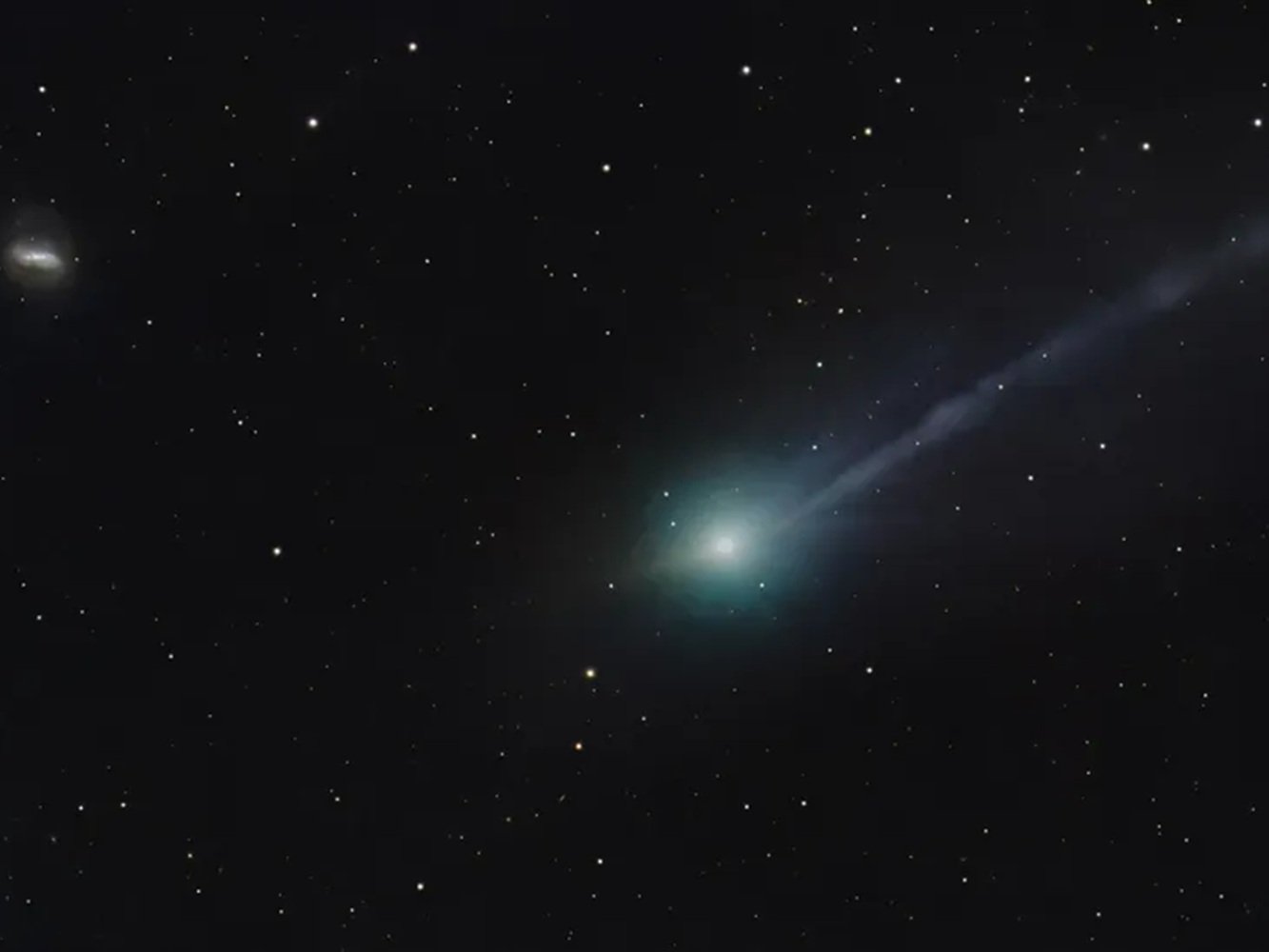
Uncovering the Secrets of the Universe with the James Webb Space Telescope
The James Webb Space Telescope has made a groundbreaking discovery, potentially spotting the oldest comet ever seen, with estimates suggesting it could be a staggering 12 billion years old. This extraordinary find has left scientists in the UK and beyond abuzz with excitement. The comet in question, known as interstellar comet 3I/ATLAS, is believed to have formed in the distant, cold regions of the early Milky Way. Its unique isotopic fingerprints are a significant clue to its origins.
The James Webb Space Telescope, with its unparalleled technology, has been instrumental in analysing the behaviour of this celestial object. By examining its composition, scientists can gain valuable insights into the comet’s birthplace and the conditions that existed in the early universe. This knowledge will undoubtedly shed new light on our understanding of the cosmos and the behaviour of celestial bodies within it.
The UK has long been at the forefront of space exploration, with its renowned universities and research institutions contributing significantly to our understanding of the universe. The discovery of this ancient comet is a testament to the power of human curiosity and the importance of continued investment in space research. As we continue to explore the vast expanse of space, we may uncover even more secrets about the universe and its many mysteries.
The colour and composition of the comet provide vital clues about its age and origins. By studying these factors, scientists can analyse the data and draw conclusions about the comet’s history. This process of discovery is a fascinating example of how science and technology can come together to expand our knowledge of the universe. The James Webb Space Telescope is an exemplary model of what can be achieved through collaboration and innovation.
As we delve deeper into the mysteries of the universe, we are reminded of the awe-inspiring complexity and beauty of creation. The discovery of the oldest comet ever seen is a humbling reminder of the many secrets that still remain to be uncovered. The UK’s involvement in this project is a source of national pride, and its contributions to the field of space exploration are a testament to the country’s commitment to scientific excellence.
The James Webb Space Telescope has opened doors to new possibilities, enabling us to study the universe in unprecedented detail. Its advanced technology has allowed scientists to observe celestial objects that were previously unknown or inaccessible. The discovery of interstellar comet 3I/ATLAS is a landmark moment in the history of space exploration, and its implications will be felt for generations to come.
In conclusion, the discovery of the oldest comet ever seen is a groundbreaking moment in the field of space exploration. The James Webb Space Telescope has proven itself to be an invaluable tool in our quest for knowledge, and its continued operation will undoubtedly lead to many more exciting discoveries. As we look to the future, we can only imagine the secrets that remain to be uncovered, and the role that the UK will play in shaping our understanding of the universe.