UK Refuses to Pay Slavery Reparations Amidst UN Vote
Britain’s Stance on Slavery Reparations Sparks Controversy
The UK has recently abstained from a UN vote that called for the payment of slavery reparations. This decision has sparked a heated debate about the country’s historical role in the transatlantic slave trade. The vote, which was supported by numerous countries, aims to address the ongoing impact of slavery on modern societies. The UK’s decision to abstain has been met with criticism from many, who argue that it is essential to acknowledge and make amends for the past.
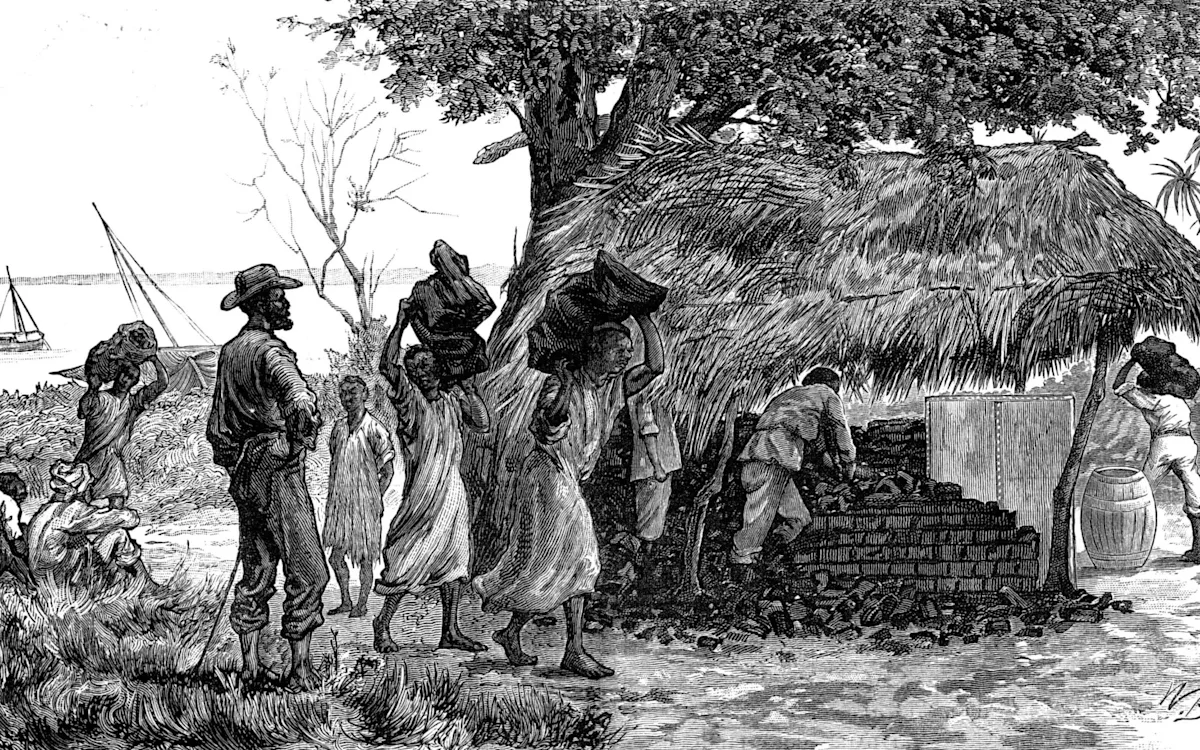
Historians and scholars have long analysed the behaviour of European nations during the slave trade era, highlighting the devastating consequences of their actions. The colour of a person’s skin was used to justify the most heinous crimes, leaving deep scars that still affect communities today. By refusing to pay reparations, the UK is essentially turning a blind eye to its own culpability in this dark period of history.
The call for reparations is not just about providing financial compensation; it is also about acknowledging the harm caused and taking steps to rectify the ongoing disparities. Many argue that the UK’s refusal to engage with this issue is a clear indication of its reluctance to confront its own past and take responsibility for its actions. As the world continues to grapple with the legacy of slavery, the UK’s decision to abstain from the vote has significant implications for its relationships with other nations.
The UK’s behaviour in this matter has been likened to a form of collective amnesia, where the nation is choosing to forget its role in the slave trade rather than confronting the uncomfortable truths. This approach is not only hurtful to the descendants of slaves but also undermines the UK’s credibility as a champion of human rights. The vote may have been non-binding, but the UK’s decision to abstain has sent a clear message about its priorities and values.
In conclusion, the UK’s refusal to pay slavery reparations is a complex issue that requires careful consideration and analysis. While the vote may have been symbolic, it has sparked a necessary conversation about the UK’s historical role in the slave trade and its ongoing impact on modern society. As the UK continues to navigate its relationships with other nations, it is essential to acknowledge and learn from its past, rather than trying to erase it.